
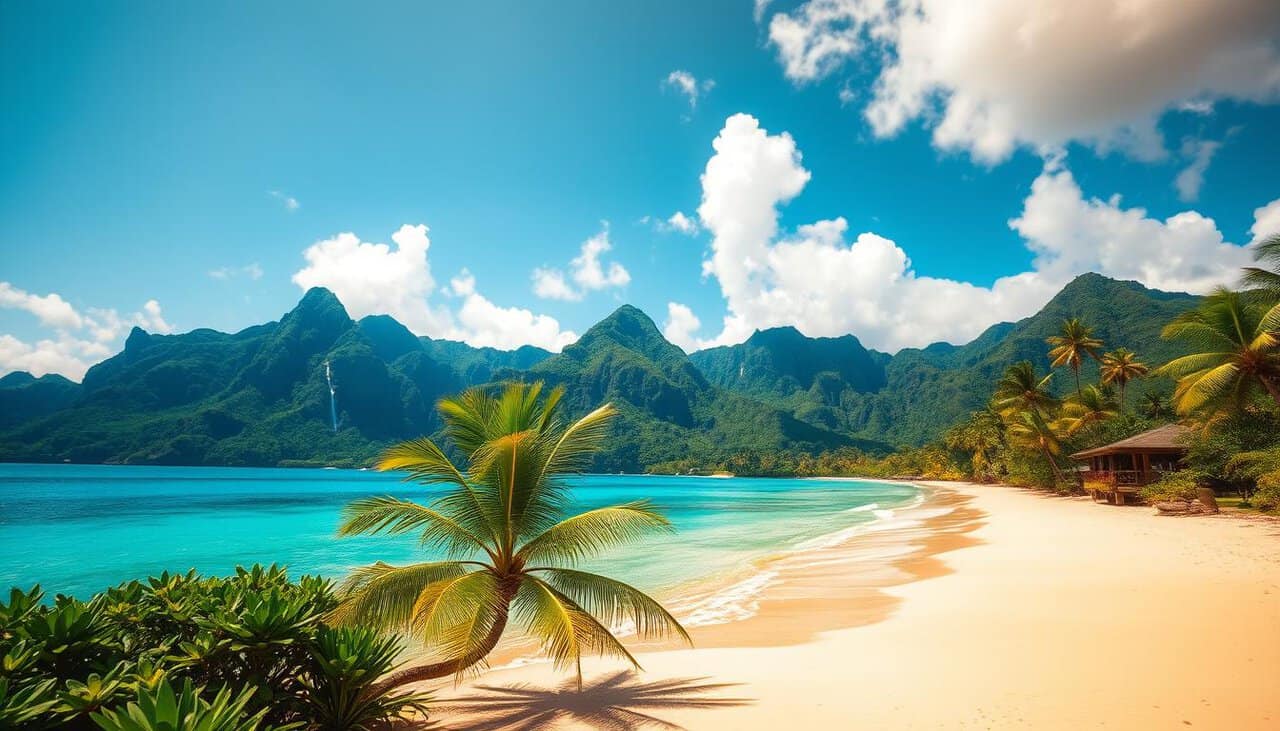
Did you know that the National Park of American Samoa is the only U.S. national park located in the Southern Hemisphere? Nestled in the heart of the South Pacific, this hidden gem offers a blend of breathtaking landscapes and rich cultural experiences. Despite its beauty, it remains one of the least visited parks in the U.S., making it a truly unique destination.
This tropical paradise spans three islands, featuring lush rainforests, pristine beaches, and vibrant coral reefs. Whether you’re hiking rugged trails or snorkeling in crystal-clear waters, the park promises unforgettable adventures. The visitor center in Pago Pago provides essential information and maps to help you make the most of your trip.
This article will guide you through the best activities and experiences the park has to offer. From exploring cultural sites to discovering hidden trails, you’ll find everything you need to plan an authentic and memorable visit.
Key Takeaways
- The park is the only U.S. national park in the Southern Hemisphere.
- It spans three islands with diverse ecosystems and landscapes.
- Visitors can enjoy hiking, snorkeling, and cultural experiences.
- The visitor center in Pago Pago offers maps and essential information.
- It’s a remote and less-crowded destination for an off-the-beaten-path adventure.
Introduction to This Tropical National Park
Discover a tropical paradise unlike any other in the U.S. park system. Located south of the equator, this national park offers a unique blend of natural beauty and cultural richness. Its remote location ensures a peaceful escape from the crowds, making it a true hidden gem.
A Unique U.S. National Park Experience
What sets this park apart is its tropical environment. Lush rainforests, pristine beaches, and vibrant coral reefs create a stunning backdrop for adventure. Unlike mainland parks like the Grand Canyon, this destination immerses you in a world of tropical wonders.
The park spans multiple islands, each with its own charm. Tutuila, the most accessible island, is home to Pago Pago, the gateway to the park. Here, visitors can start their journey with essential information and maps.
What Makes American Samoa Special
Beyond its natural beauty, the park is deeply rooted in Samoan culture. Traditional practices and local customs enhance the visitor experience, offering a glimpse into a heritage that dates back thousands of years. This cultural immersion sets it apart from other parks.
Whether you’re exploring scenic trails or relaxing on secluded beaches, the park promises an unforgettable trip. Its remote location and rich traditions make it a destination like no other. For more details on diverse activities for visitors, check out the official guide.
Overview of the Park’s Islands and Natural Beauty
Step into a world of natural wonders across the park’s diverse islands. Each offers a unique blend of rugged landscapes, lush vegetation, and untouched beauty. From the accessible charm of Tutuila to the remote allure of the Manu’a Islands, this national park is a treasure trove of scenic vistas and cultural richness.
Tutuila and Its Scenic Landscapes
Tutuila, the most developed island, serves as the gateway to the park. Its dramatic volcanic peaks and dense rainforests create a striking backdrop for adventure. Pago Pago International Airport, located here, is the primary arrival point for visitors. From here, you can explore the island’s renowned hiking trails and coastal views.
The island’s rugged terrain is complemented by its vibrant culture. Traditional villages dot the landscape, offering a glimpse into Samoan heritage. Whether you’re hiking or simply soaking in the views, Tutuila promises an unforgettable experience.
The Manu’a Islands: Unexplored Paradise
For those seeking seclusion, the Manu’a Islands are a dream come true. This remote group includes Ofu, Ta’ū, and Olosega, each with its own unique charm. The islands are less developed, offering pristine beaches and untouched coral reefs.
Reaching the Manu’a Islands requires a bit more effort, often involving flights or ferries. However, the journey is worth it. The unspoiled beauty and tranquility make it a true paradise for nature lovers. Whether you’re snorkeling or hiking, the Manu’a Islands offer a serene escape from the everyday.
Visitor Center: Your Gateway to Adventure
Start your journey at the heart of the park with a visit to the visitor center. Located in Pago Pago on the island of Tutuila, this hub is your one-stop resource for planning an unforgettable trip. Whether you’re seeking maps, trail advice, or cultural insights, the center has everything you need.
Essential Information and Maps
The visitor center provides free maps and detailed guides to help you navigate the park’s diverse landscapes. Staffed by knowledgeable rangers, it’s the perfect place to get personalized recommendations for hikes, snorkeling spots, and cultural experiences. Their expertise ensures you make the most of your time in American Samoa.
Operating hours are designed to accommodate early risers and late planners alike. Here’s a quick overview:
| Day | Hours |
|---|---|
| Monday – Friday | 8:00 AM – 4:30 PM |
| Saturday | 9:00 AM – 3:00 PM |
| Sunday | Closed |
Stopping by the center not only enhances your safety but also enriches your experience. Rangers can highlight lesser-known trails and hidden gems, ensuring you explore beyond the usual spots. Don’t forget to ask about local events or cultural activities happening during your visit.
Located just a short distance from Pago Pago International Airport, the visitor center is easily accessible. Its central location makes it a convenient starting point for your adventure. Leverage this resource to optimize your trip and create memories that last a lifetime.
Things To Do At American Samoa National Park: Top Experiences
Explore the wonders of this tropical paradise with a mix of adventure and culture. From pristine beaches to lush trails, there’s something for everyone. Whether you’re seeking thrills or relaxation, this destination offers unforgettable experiences.
Start your trip with a visit to the stunning coral reefs. Snorkeling here is a must, with vibrant marine life and crystal-clear waters. Ofu Island is a top spot for underwater exploration, offering some of the best snorkeling in Samoa.
For hikers, the park boasts incredible trails. The Lower Sauma Ridge Trail offers breathtaking views of the coastline. If you’re up for a challenge, the Mount ‘Alava Trail is a 7-mile trek with panoramic vistas. Both trails showcase the park’s diverse landscapes.
Cultural immersion is another highlight. Visit traditional villages to learn about Samoan heritage. Participate in an Ava ceremony, a sacred ritual that connects you to local customs. These experiences provide a deeper understanding of the island’s rich history.
Planning your time is key to a balanced trip. Here’s a quick guide to help you prioritize:
| Activity | Best Time | Location |
|---|---|---|
| Snorkeling | Morning | Ofu Island |
| Hiking | Early Day | Lower Sauma Ridge |
| Cultural Visits | Afternoon | Local Villages |
With its mix of adventure and relaxation, this park is a dream destination. Whether you’re exploring trails, diving into the ocean, or connecting with local traditions, every moment is memorable. Plan your visit today and experience the magic of American Samoa.
Hiking Trails for Every Adventurer
From coastal paths to mountain treks, the park offers trails for every skill level. Whether you’re a beginner or an experienced hiker, there’s a route that suits your pace. The diverse landscapes of Samoa make each hike a unique adventure.
With options ranging from easy walks to challenging climbs, you’ll find something to match your fitness level. Each trail offers stunning views and a chance to connect with nature. Let’s explore some of the most popular routes.
Lower Sauma Ridge Trail Highlights
The Lower Sauma Ridge Trail is perfect for those seeking a moderate hike. This 2.5-mile trail winds through lush rainforests and offers breathtaking coastal views. The elevation gain is manageable, making it ideal for families and casual hikers.
Along the way, you’ll encounter vibrant flora and fauna. The trail ends at a scenic overlook, where you can enjoy panoramic views of the ocean. Don’t forget your camera—this hike is a photographer’s dream.
Exploring Tuafanua and Mount ‘Alava Routes
For a more challenging adventure, try the Tuafanua Trail. This route includes steep descents and beach access, offering a mix of terrains. The trail is about 3 miles long and rewards hikers with secluded beaches and serene surroundings.
The Mount ‘Alava Trail is another must-try for experienced hikers. This 7-mile trek takes you to the summit, where you’ll enjoy panoramic views of Pago Pago Harbor. The elevation gain is significant, so prepare for a strenuous climb.
“Hiking in this national park is like stepping into a postcard—every turn reveals a new wonder.”
Before you hit the trails, check the weather and prepare for rain. The tropical climate can be unpredictable, so pack accordingly. Planning your route with the help of the visitor center ensures a safe and enjoyable experience.
| Trail | Distance | Elevation Gain | Highlights |
|---|---|---|---|
| Lower Sauma Ridge | 2.5 miles | Moderate | Coastal views, rainforest |
| Tuafanua | 3 miles | Steep | Beach access, seclusion |
| Mount ‘Alava | 7 miles | High | Panoramic harbor views |
Whether you’re exploring the Lower Sauma Ridge or conquering Mount ‘Alava, the park promises unforgettable hikes. Lace up your boots and start your adventure today!
Snorkeling and Beach Escapades
Immerse yourself in the vibrant underwater world of the South Pacific. The national park offers unparalleled snorkeling experiences, with crystal-clear waters and thriving coral reefs. Whether you’re a seasoned diver or a first-time snorkeler, the marine biodiversity here will leave you in awe.
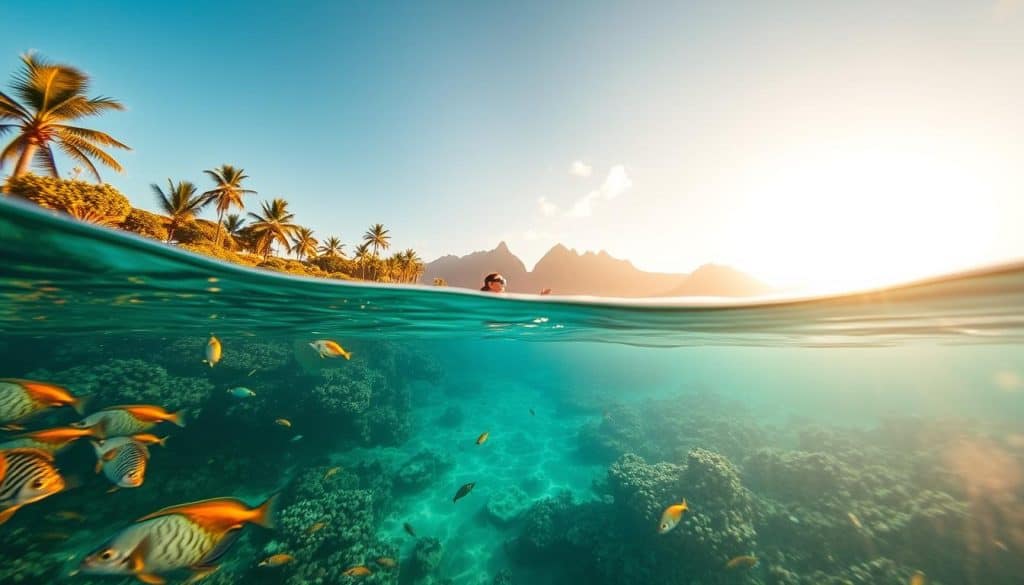
Dive into Pristine Coral Reefs
The coral reefs in American Samoa are teeming with life. Over 800 species of fish, sea turtles, and vibrant corals create a kaleidoscope of colors beneath the waves. Ofu Island is a standout destination, known for its untouched reefs and calm waters. Along the coasts of Tutuila, you’ll find equally stunning spots perfect for underwater exploration.
Safety is key when snorkeling. Always check the ocean currents and wear appropriate gear. Dynamic tides can be unpredictable, so it’s best to snorkel with a buddy or a guided tour. This ensures a safe and enjoyable experience for everyone.
“Snorkeling here feels like swimming in an aquarium—every turn reveals a new wonder.”
For those seeking relaxation, the beaches are equally captivating. Pristine white sands and turquoise waters make for the perfect day by the sea. Whether you’re sunbathing or capturing underwater photography, the beaches here offer a serene escape.
| Snorkeling Spot | Highlights |
|---|---|
| Ofu Island | Untouched reefs, calm waters |
| Tutuila Coast | Diverse marine life, accessibility |
From vibrant coral reefs to secluded beaches, the park promises unforgettable experiences. Whether you’re diving into the ocean or relaxing on the sand, every moment here is a treasure. Plan your visit today and discover the magic of Samoa’s underwater world.
Cultural Immersion: Experience Samoan Traditions
Immerse yourself in the rich traditions of Samoa for a truly authentic experience. The national park offers more than natural beauty; it’s a gateway to understanding the island’s vibrant culture. From lively Fiafia Nights to sacred Ava ceremonies, every moment is a chance to connect with the local way of life.
Fiafia Nights and Village Visits
Fiafia Nights are a highlight of any trip to American Samoa. These evenings feature traditional dances, music, and a feast of local dishes. It’s a celebration of culture that brings communities together. Visitors are warmly welcomed, but it’s important to show respect by dressing modestly and following local customs.
When visiting villages, always ask for permission before taking photos. This simple gesture shows respect for the community. Many villages have their own rules, so it’s wise to learn about them beforehand. Engaging with locals and participating in their daily activities can deepen your understanding of the Samoan way of life.
Participate in Traditional Ava Ceremonies
The Ava ceremony is a sacred ritual in Samoa, symbolizing unity and respect. During the ceremony, a drink made from the Ava root is shared among participants. It’s a profound experience that connects you to the island’s spiritual heritage. Visitors are often invited to join, but it’s essential to follow the proper etiquette.
“The Ava ceremony is more than a tradition; it’s a way to honor the past and connect with the present.”
To participate respectfully, wear modest clothing and listen carefully to the ceremony leader. Avoid interrupting or speaking out of turn. These small acts of respect can make a big difference in how you’re received. For more insights on respectful travel, check out this guide.
By engaging in these traditions, you’ll gain a deeper appreciation for the park and its people. Whether it’s dancing at a Fiafia Night or sharing Ava, these experiences will leave a lasting impression. Plan your visit today and embrace the culture of American Samoa.
Island Hopping Adventures to the Manu’a Islands
Embark on an unforgettable journey to the Manu’a Islands, where untouched beauty and adventure await. This remote group of islands offers a serene escape from the everyday, with pristine beaches, lush landscapes, and vibrant culture. Whether you’re seeking solitude or exploration, the Manu’a Islands promise a unique experience.
Travel Tips for Flights and Ferries
Getting to the Manu’a Islands requires careful planning. Flights from Pago Pago to Ofu and Ta’ū are the most common option, but schedules can be unpredictable. Inter-island flights operate a few times a week, so booking in advance is essential. Ferries are another option, though they are less frequent and depend on weather conditions.
Here’s a quick overview of transportation options:
| Transport | Frequency | Travel Time |
|---|---|---|
| Flights | 2-3 times weekly | 30-45 minutes |
| Ferries | Weekly | 4-6 hours |
Insider tip: Flexibility is key. Delays can happen due to weather or logistical challenges, so plan extra time for your trip.
Where to Stay for an Authentic Experience
Accommodation on the Manu’a Islands is limited but charming. The Vaoto Lodge on Ofu Island offers beachfront bungalows with stunning ocean views. For a more rustic experience, the Asaga Inn on Ta’ū provides simple, comfortable rooms surrounded by nature.
Staying on these islands allows you to immerse yourself in the local way of life. Wake up to the sound of waves and enjoy fresh, locally sourced meals. Remember, amenities are basic, so pack accordingly.
“The Manu’a Islands are a hidden gem—peaceful, beautiful, and untouched by mass tourism.”
For more insights on planning your visit, check out this guide to exploring national parks.
Local Cuisine and Dining Experiences
Experience the heart of Samoan culture through its vibrant and flavorful cuisine. The national park not only offers breathtaking landscapes but also a chance to indulge in authentic island dishes. From fresh seafood to tropical fruits, every meal tells a story of tradition and heritage.

Dining in American Samoa is a unique experience. Local cafés like the Goat Island Cafe serve up delicious meals with a view. For a more immersive experience, traditional homestays offer meals prepared with love and care, showcasing the island’s culinary traditions.
Popular Dishes and Ingredients
Samoan cuisine is rich in flavors and ingredients. Dishes like palusami (taro leaves with coconut cream) and oka (raw fish marinated in lime and coconut) are must-tries. Fresh seafood, tropical fruits, and root vegetables are staples in every meal. These dishes reflect the island’s natural bounty and cultural heritage.
“Food in Samoa is more than sustenance—it’s a way to connect with the land and its people.”
Dining Ambiance in Pago Pago
Pago Pago, the heart of American Samoa, offers a mix of casual and traditional dining options. The Goat Island Cafe is a favorite spot for its relaxed atmosphere and ocean views. Here, you can enjoy a meal while soaking in the island’s beauty. For a deeper cultural experience, visit local villages where meals are often shared communally.
- Try palusami and oka for a taste of tradition.
- Visit the Goat Island Cafe for a casual dining experience.
- Opt for homestays to enjoy home-cooked meals.
Exploring the local cuisine is a gateway to understanding the culture of Samoa. Whether you’re dining at a café or sharing a meal with locals, every bite is a step closer to the island’s soul. For more on unique culinary experiences, check out this guide to national parks and their cultural offerings.
Practical Tips for a Successful Trip
Planning a trip to this tropical paradise requires a bit of preparation to ensure a smooth and enjoyable experience. From packing the right gear to navigating local transportation, these tips will help you make the most of your time in the national park.
Packing Essentials for Tropical Weather
The tropical climate of American Samoa calls for lightweight, breathable clothing. Pack moisture-wicking fabrics to stay comfortable during hikes or beach outings. Don’t forget sturdy hiking shoes for exploring the park’s rugged trails.
Rain showers are common, so a waterproof jacket or poncho is a must. Sun protection is equally important—bring sunscreen, a wide-brimmed hat, and sunglasses. A reusable water bottle will keep you hydrated during your adventures.
Here’s a quick checklist for your trip:
- Lightweight clothing and swimwear
- Sturdy hiking shoes
- Waterproof gear
- Sunscreen and insect repellent
- Reusable water bottle
Local Transportation and Navigation Advice
Getting around the island of Tutuila is relatively straightforward. Rental cars are available and can be delivered to your hotel, making it easy to explore at your own pace. The speed limit is 25 mph, so take your time and enjoy the scenic drives.
For inter-island travel, flights are the most convenient option. However, schedules can be limited, so book in advance. Ferries are another choice, but they are less frequent and weather-dependent.
When driving, pay attention to mile markers and road conditions. Some areas may have narrow or unpaved roads, so drive cautiously. Always carry cash, as credit card acceptance is limited outside major establishments.
“Preparation is key to enjoying the beauty and adventure of American Samoa.”
By following these tips, you’ll be well-equipped for a memorable and stress-free trip. Whether you’re hiking, snorkeling, or simply soaking in the island’s charm, a little planning goes a long way.
Navigating Remote Air Travel and Accessibility
Navigating the skies to reach this remote paradise requires careful planning. Whether you’re flying into American Samoa or hopping between islands, understanding the logistics ensures a smooth journey. From booking flights to managing luggage, here’s everything you need to know.
Inter-Island Flight Insights
Reaching the national park often involves inter-island flights. Samoa Airways is the primary carrier, offering flights from Tutuila to the Manu’a Islands. These flights operate a few times a week, so booking in advance is essential. Schedules can be unpredictable, so flexibility is key.
Here’s a quick overview of inter-island flight options:
- Samoa Airways: Flights to Ofu and Ta’ū, 2-3 times weekly.
- Travel time: Approximately 30-45 minutes.
- Luggage limits: Small aircraft have strict weight restrictions.
For those flying into American Samoa, Hawaiian Airlines offers twice-weekly flights from Honolulu to Pago Pago International Airport. This is the main gateway to the park and the starting point for island-hopping adventures.
“Flying to these remote islands is like stepping into a world untouched by time—every moment is worth the effort.”
Tips for Booking and Managing Flights
Booking flights to this island destination requires attention to detail. Here are some practical tips:
- Book early: Flights fill up quickly, especially during peak travel seasons.
- Check luggage limits: Small aircraft have strict weight restrictions, so pack light.
- Confirm schedules: Flight times can change, so verify details before departure.
For inter-island transfers, always check with local carriers for updated schedules. Weather conditions can affect flight availability, so plan for potential delays. Carry essentials like snacks, water, and entertainment to stay comfortable during layovers.
Navigating remote air travel to the national park may seem daunting, but with the right preparation, it’s a rewarding experience. Whether you’re flying into Pago Pago or exploring the Manu’a Islands, every journey adds to the adventure.
A Guide to the Park’s Rich History and Conservation
The national park in American Samoa is a living testament to the harmony between nature and culture. Established in 1988, it protects not only stunning landscapes but also the rich traditions of the Samoan people. This unique blend of natural and cultural preservation makes it a standout destination.
Preserving Culture and Environment
The park’s creation was a milestone in conservation. It spans three islands, each with its own ecological and cultural significance. From lush rainforests to vibrant coral reefs, the park safeguards diverse ecosystems. At the same time, it honors the culture of the local communities.
Conservation efforts focus on protecting native species and habitats. Fruit bats, seabirds, and marine life thrive here, thanks to ongoing initiatives. The park also works closely with local villages to ensure that traditional practices are respected and preserved.
Historical Landmarks and Cultural Sites
Within the park, visitors can explore ancient trails and sacred sites. These landmarks tell the story of the Samoan people and their deep connection to the land. The Saua site, for example, is a place of great spiritual importance.
Here are some key historical and cultural highlights:
- Ancient star mounds used for ceremonies.
- Sacred trails that have been walked for generations.
- Traditional village sites that showcase Samoan heritage.
The Role of Community in Conservation
Local communities play a vital role in the park’s success. Their knowledge and traditions guide conservation practices, ensuring that efforts are both effective and culturally sensitive. Visitors are encouraged to learn from these communities and support their initiatives.
“The park is not just a place of beauty—it’s a symbol of how nature and culture can thrive together.”
Environmental Stewardship for Visitors
Visitors are urged to respect the park’s natural and cultural resources. Simple actions, like staying on marked trails and avoiding littering, make a big difference. By practicing environmental stewardship, everyone can help preserve this unique island paradise.
Understanding the park’s history and conservation efforts adds depth to any visit. It’s a chance to appreciate the culture and natural beauty of American Samoa in a meaningful way.
Uncovering Hidden Gems and Off-The-Beaten-Path Spots
Escape the crowds and uncover the hidden treasures of this tropical paradise. Beyond the well-trodden paths, the national park in American Samoa offers secret trails and secluded beaches that promise tranquility and adventure. These lesser-known spots are perfect for those seeking a deeper connection with nature.
Secret Trails and Secluded Beaches
For a truly unique experience, explore the hidden trails that wind through lush rainforests and lead to untouched beaches. One such trail is the Fagatele Bay path, a serene route that offers stunning coastal views. This spot is rarely visited, making it ideal for quiet reflection or photography.
Another gem is the Aunu‘u Island coastline, known for its pristine sands and crystal-clear waters. Here, you can snorkel among vibrant coral reefs without the usual crowds. The island’s remote location ensures a peaceful escape from the hustle and bustle.
“Discovering these hidden spots feels like stepping into a world untouched by time—every moment is a treasure.”
To find these secret spots, follow these insider tips:
- Ask locals for directions—they often know the best-kept secrets.
- Visit early in the day to enjoy the serenity before others arrive.
- Carry a map or GPS device, as some trails are not well-marked.
While exploring, remember to respect the environment. Stick to marked paths, avoid disturbing wildlife, and pack out all trash. By following Leave No Trace principles, you help preserve these hidden gems for future visitors.
Whether you’re hiking a secret trail or relaxing on a secluded beach, these off-the-beaten-path spots offer a chance to experience the park in a whole new way. Embrace the adventure and uncover the magic of American Samoa’s untouched beauty.
Conclusion
From lush rainforests to vibrant coral reefs, this destination offers a blend of adventure and cultural richness. The national park in American Samoa is a treasure trove of natural beauty and traditions, making it a must-visit for nature enthusiasts and culture seekers alike.
Whether you’re hiking scenic trails, snorkeling in crystal-clear waters, or immersing yourself in local culture, every moment here is unforgettable. The island’s pristine beaches and warm hospitality add to its charm, creating a truly unique experience.
Plan your trip thoughtfully, respecting the environment and local customs. Share your adventures and photos to inspire others to explore this hidden gem. A visit to this remote paradise promises memories that will last a lifetime.
FAQ
Where is the visitor center located?
The visitor center is in Pago Pago on Tutuila Island. It’s your starting point for maps, guides, and cultural insights.
What’s the best time to visit?
The dry season, from May to October, offers sunny skies and ideal conditions for hiking and snorkeling.
Are there guided tours available?
Yes, the park offers ranger-led programs, including cultural tours and hikes. Check the visitor center for schedules.
Can I snorkel in the park?
Absolutely! The coral reefs around Ofu Island and Tutuila are perfect for snorkeling, teeming with vibrant marine life.
How do I get to the Manu’a Islands?
You can fly from Pago Pago Airport or take a ferry. Flights are more frequent, but ferries offer a scenic journey.
What should I pack for my trip?
Bring lightweight clothing, sturdy hiking shoes, reef-safe sunscreen, and a rain jacket for sudden tropical showers.
Are there accommodations within the park?
While there are no lodges inside the park, nearby villages offer guesthouses for an authentic Samoan experience.
Can I participate in traditional Samoan activities?
Yes! Join Fiafia nights, visit local villages, or take part in an Ava ceremony to immerse yourself in Samoan culture.
What’s the best way to explore the trails?
Start with the Lower Sauma Ridge Trail for stunning views. For a challenge, hike the Mount ‘Alava route.
Is the park family-friendly?
Definitely! With easy trails, safe beaches, and cultural activities, it’s a great destination for all ages.