

Did you know that Theodore Roosevelt National Park spans over 70,000 acres of stunning badlands, prairies, and forests? This breathtaking area in North Dakota is a testament to the conservation legacy of its namesake. Roosevelt’s early adventures here, including bison hunting, deeply influenced his passion for preserving natural landscapes.
The park is divided into three unique units: the North Unit, South Unit, and the remote Elkhorn Ranch Unit. Each offers its own scenic drives, hiking trails, and opportunities to spot wildlife like bison and feral horses. Whether you’re exploring the 36-mile Scenic Loop Drive in the South Unit or hiking the Caprock Coulee Trail in the North Unit, there’s something for everyone.
Open year-round, the park invites you to experience its beauty at any time. From the historic Maltese Cross Cabin to the rugged canyons, every corner tells a story. Ready to plan your visit? Let’s dive into everything you need to know about this incredible destination.
Key Takeaways
- Discover the park’s three distinct units: North, South, and Elkhorn Ranch.
- Enjoy scenic drives, hiking trails, and wildlife viewing opportunities.
- Learn how Roosevelt’s experiences here shaped his conservation efforts.
- Explore historic sites like the Maltese Cross Cabin.
- Plan your visit with details on fees, hours, and nearby attractions.
Delving Into the Park’s Rich History and Landscape
The rugged beauty of the Dakota Territory shaped one of America’s greatest conservationists. Its vast, untamed lands inspired a vision that would change the way we protect natural spaces forever.
Roosevelt’s Dakota Adventure and Conservation Impact
In the late 1800s, the Dakota badlands became a transformative place for a young Theodore Roosevelt. His time here, marked by bison hunts and long rides across the plains, deeply influenced his passion for conservation. The harsh yet stunning landscape taught him the importance of preserving wild spaces for future generations.
Roosevelt’s experiences in this area weren’t just personal—they were pivotal. His adventures here laid the groundwork for his later efforts to establish protected areas across the country. The rugged terrain and diverse wildlife of the badlands became a symbol of the natural beauty worth saving.
The Formation and Legacy of the Park
The park’s creation in 1947 was a tribute to Roosevelt’s conservation legacy. It spans over 70,000 acres of breathtaking badlands, prairies, and forests. Each unit—North, South, and Elkhorn Ranch—tells a unique story of the land’s history and its connection to Roosevelt’s life.
From the ancient fossil layers to the winding Little Missouri River, the park’s natural features are a testament to the area’s rich past. Scenic drives and trails offer you a chance to explore this legacy firsthand. Whether you’re hiking a mile-long trail or taking in the view from a scenic overlook, you’re stepping into a piece of history.
Roosevelt’s time in Dakota wasn’t just about adventure—it was about understanding the value of conservation. Today, the park stands as a reminder of his vision and the importance of protecting our natural world.
Top Attractions and Experiences to Discover
From colorful canyons to lively wildlife, this destination has something for everyone. Whether you’re a nature lover or a history buff, the park’s top attractions will leave you in awe. Let’s dive into the must-see spots that make this place unforgettable.
Painted Canyon Visitor Center and Scenic Overlook
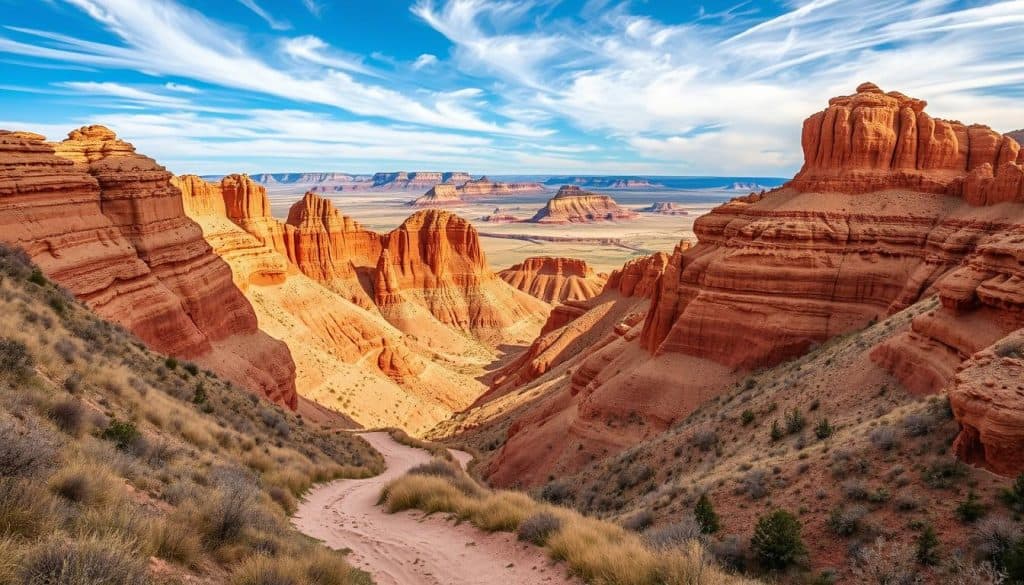
Start your journey at the Painted Canyon Visitor Center. This spot offers a stunning view of the badlands, with layers of colorful rock formations stretching as far as the eye can see. The center features exhibits that explain the area’s geology and history, making it a great first stop.
Step outside to the scenic overlook for a breathtaking panorama. The vibrant hues of the canyon are especially striking at sunrise or sunset. Don’t forget your camera—this is a view you’ll want to capture.
Prairie Dog Town and Wildlife Encounters
Next, head to Prairie Dog Town, where these lively creatures entertain visitors with their playful antics. The town is home to hundreds of prairie dogs, and you can watch them pop in and out of their burrows.
Keep an eye out for other wildlife too. Bison, wild horses, and elk are often spotted in the area. Early mornings and evenings are the best times for wildlife viewing, so plan accordingly.
Historic Gems: Maltese Cross Cabin and Elkhorn Ranch Site
For a glimpse into the past, visit the Maltese Cross Cabin. This historic structure was once used by Theodore Roosevelt and now stands as a testament to his conservation legacy. Inside, you’ll find artifacts and exhibits that tell his story.
Another historic site worth exploring is the Elkhorn Ranch Site. Though the original buildings are gone, the site’s serene setting along the Little Missouri River offers a peaceful retreat. It’s a great spot to reflect on the park’s rich history.
| Attraction | Highlights | Best Time to Visit |
|---|---|---|
| Painted Canyon Visitor Center | Scenic overlook, exhibits | Sunrise or sunset |
| Prairie Dog Town | Wildlife viewing, prairie dogs | Early morning or evening |
| Maltese Cross Cabin | Historic artifacts, exhibits | Daytime |
| Elkhorn Ranch Site | Riverside setting, history | Daytime |
Exploring Theodore Roosevelt National Park Units
Discover the diverse landscapes and unique experiences across the three units of this iconic destination. Each area offers its own charm, from scenic drives to historic sites. Whether you’re a first-time visitor or a seasoned explorer, there’s something new to uncover in every corner.
South Unit: Scenic Drives, Hiking Trails, and Camping Spots
Located near Medora, the South Unit is the most visited area of the park. Its 36-mile Scenic Loop Drive is a must-do, offering breathtaking views of the badlands and prairies. Along the way, you’ll find several overlooks perfect for photos.
Hiking enthusiasts will love the variety of trails here. From the short Boicourt Trail to the challenging Ridgeline Trail, there’s something for every skill level. Camping is also available, with both primitive and developed sites. Reservations can be made at recreation.gov.
North Unit: Visitor Centers, Wildlife, and Road Adventures
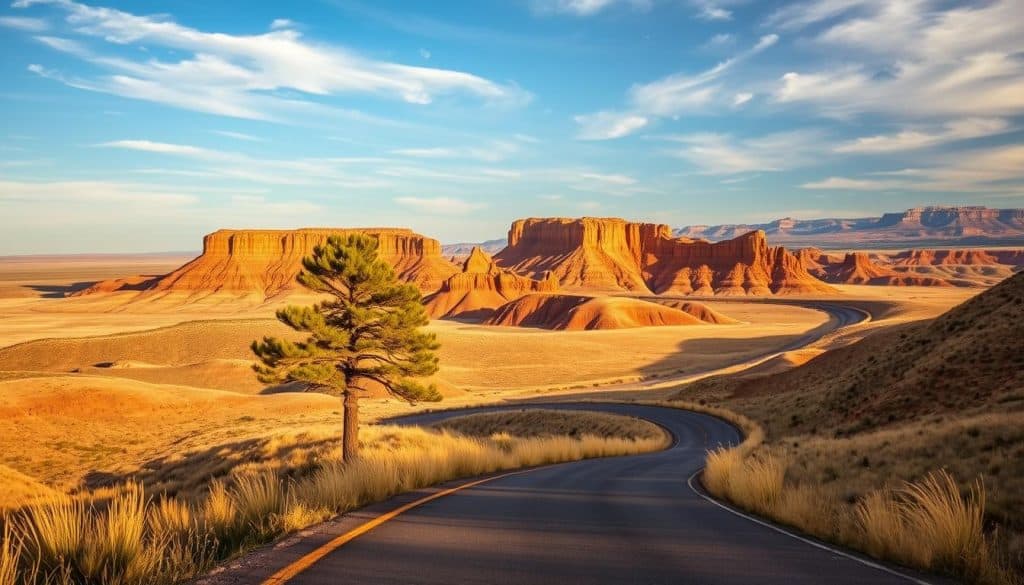
The North Unit, accessed via Belfield, is a quieter but equally stunning part of the park. Its 14-mile Scenic Drive takes you through rugged terrain, with stops at overlooks like the Oxbow Overlook. The visitor center here offers exhibits and programs to enhance your visit.
Wildlife is abundant in this area. Keep an eye out for bison, longhorn cattle, and even the occasional black bear. The Little Mo Nature Trail is a great option for families, with both short and long loops to choose from.
Navigating the Unique Elkhorn Ranch Unit
The Elkhorn Ranch Unit is the most remote of the three. Located along the Little Missouri River, it preserves the site of Roosevelt’s former ranch. Accessing this area requires a high-clearance vehicle, as the roads are unpaved and rugged.
Once there, you’ll find a peaceful retreat surrounded by history. The site itself is marked by interpretive signs, offering a glimpse into Roosevelt’s life and legacy. It’s a perfect spot for reflection and solitude.
| Unit | Highlights | Best Time to Visit |
|---|---|---|
| South Unit | Scenic Loop Drive, hiking trails, camping | Spring or fall |
| North Unit | Visitor center, wildlife, Scenic Drive | Early morning or evening |
| Elkhorn Ranch Unit | Historic site, solitude, riverside views | Daytime |
“The beauty and serenity of these units remind us why preserving natural spaces is so important.”
Plan your visit to explore all three units and experience the park’s full range of wonders. Whether you’re driving, hiking, or simply soaking in the views, each unit offers a unique adventure.
Conclusion
Step into a world where history and nature intertwine seamlessly. This iconic destination offers a blend of rugged landscapes, rich history, and unforgettable wildlife encounters. From the South Unit’s scenic drives to the peaceful Elkhorn Ranch, each area has its own charm.
Whether you’re hiking trails, spotting bison, or exploring historic sites like the Maltese Cross Cabin, you’ll connect with the legacy of conservation that defines this place. The park’s diverse units provide endless opportunities to experience its timeless beauty.
Plan your visit today to witness this natural wonder firsthand. Check the visitor center hours and secure your entrance pass for a seamless trip. Open year-round, this destination is ready to welcome you with open arms.
For the latest updates, visit nps.gov/thro. Your adventure awaits—don’t miss the chance to explore this incredible landscape.
FAQ
What’s the best time to visit the park?
The ideal time to explore is late spring through early fall. You’ll enjoy mild weather and vibrant wildlife activity during these months.
Can you see bison in the park?
Absolutely! Bison roam freely in both the South and North Units. Keep a safe distance and enjoy these majestic creatures in their natural habitat.
Are there hiking trails for beginners?
Yes, trails like the Wind Canyon Trail and Painted Canyon Nature Trail are perfect for beginners. They offer stunning views without being too challenging.
Is the Painted Canyon Visitor Center worth a stop?
Definitely! The center provides breathtaking overlooks and helpful information about the area’s geology and history. It’s a must-see spot.
Can you camp inside the park?
Yes, there are campgrounds in both the South and North Units. They’re first-come, first-served, so arrive early to secure your spot.
What wildlife can you expect to see?
Besides bison, you might spot prairie dogs, wild horses, elk, and even coyotes. Bring binoculars for the best viewing experience.
How do you get to the Elkhorn Ranch Unit?
Accessing this unit requires a high-clearance vehicle and a sense of adventure. It’s remote but offers a peaceful glimpse into Roosevelt’s ranch life.
Are there guided tours available?
While the park doesn’t offer regular guided tours, ranger-led programs and talks are available seasonally. Check the visitor center for schedules.
What should you bring for a day trip?
Pack plenty of water, sunscreen, sturdy shoes, and a camera. The weather can change quickly, so layers are a good idea too.
Is the park family-friendly?
Absolutely! With easy trails, wildlife viewing, and educational programs, it’s a great destination for families of all ages.