

Did you know that over 1.5 million visitors explore this stunning destination every year? Spanning more than 200,000 acres, this area offers breathtaking landscapes, from cascading waterfalls to vibrant wildflower fields. Located just 75 miles west of Washington, D.C., it’s a perfect escape for nature lovers and adventurers alike.
This guide will help you uncover everything you need to know about this iconic destination. Whether you’re planning a hike along its 500 miles of trails or a scenic drive on Skyline Drive, you’ll find practical tips and essential insights here. Get ready to experience the beauty and tranquility of one of Virginia’s most cherished natural treasures.
Key Takeaways
- Discover over 200,000 acres of stunning landscapes and wildlife.
- Explore 500 miles of trails, including parts of the Appalachian Trail.
- Enjoy a scenic drive along the 105-mile Skyline Drive.
- Learn essential tips for hiking, camping, and planning your visit.
- Experience the park’s proximity to Washington, D.C., making it an easy getaway.
Discover the Beauty & History of Shenandoah National Park
Step into a place where history and nature intertwine seamlessly. This iconic destination in Virginia has a story that dates back to the 1930s. Its creation was a monumental effort, shaped by the Civilian Conservation Corps (CCC) and a vision to preserve natural beauty for generations.
An Introduction to the Park’s Legacy
The park’s establishment was a response to the growing need for accessible natural spaces. During the Great Depression, the CCC played a pivotal role in building trails, roads, and facilities. Their work laid the foundation for what we enjoy today.
This area was once privately owned land. Over 500 families were relocated to make way for its creation. By 1936, it officially opened as a protected space, offering visitors a chance to connect with nature.
Key Facts and Figures
Here’s a quick look at some essential details about this remarkable place:
| Fact | Detail |
|---|---|
| Established | 1936 |
| Location | Virginia |
| Size | Over 200,000 acres |
| CCC Involvement | Over 1,000 members |
| Milepost Length | 105 miles |
These facts highlight the park’s significance and its role as a cherished destination. Whether you’re a history buff or a nature enthusiast, there’s something here for everyone.
Unforgettable Skyline Drive Experience
Experience the thrill of driving along one of America’s most scenic routes. Skyline Drive spans 105 miles, offering breathtaking views of the Blue Ridge Mountains. This iconic drive is the heartbeat of the area, connecting visitors to stunning overlooks, hiking trails, and serene landscapes.
Real-Time Alerts and Scenic Overlooks
Stay informed with real-time alerts about road conditions and trail updates. These alerts ensure your trip is smooth and stress-free. Along the way, you’ll find 75 overlooks, each offering a unique perspective of the surrounding beauty.
Some must-see stops include Big Meadows, where you can spot wildlife, and Hawksbill, the highest peak in the area. Don’t miss Mary’s Rock Tunnel, a 670-foot passage that adds a touch of adventure to your drive.
Tips for an Enjoyable Drive
To make the most of your trip, plan ahead. The speed limit is 35 mph, so take your time to soak in the views. Fall is the most popular season, with vibrant foliage creating a stunning backdrop.
Pack essentials like water, snacks, and a camera. Gas stations and dining options are limited, so plan your stops accordingly. For more inspiration, explore other national parks near New York to extend your adventure.
Whether you’re driving the entire route or just a section, Skyline Drive promises an unforgettable experience. Prepare for a journey that combines natural beauty with unmatched tranquility.
Exploring Trails and Hikes
Lace up your boots and get ready to explore a network of trails that cater to every skill level. With over 500 miles of paths, you’ll find everything from easy strolls to challenging climbs. Each route offers a unique way to connect with nature and experience the area’s stunning landscapes.
Highlights of Popular Trails and Waterfalls
Some trails stand out for their scenic beauty and accessibility. The Dark Hollow Falls Trail is a favorite, leading you to a picturesque waterfall just 1.4 miles from the trailhead. For a more challenging adventure, the Old Rag Trail offers a 9.5-mile loop with breathtaking views.
If you’re looking for family-friendly options, the Story of the Forest Trail is perfect. It’s an easy walk that’s great for kids and beginners. For panoramic views, head to the Hawksbill Summit Trail, which takes you to the highest point in the area.
| Trail Name | Distance | Highlights |
|---|---|---|
| Dark Hollow Falls | 1.4 miles | Scenic waterfall |
| Old Rag | 9.5 miles | Panoramic views |
| Story of the Forest | 1.8 miles | Family-friendly |
| Hawksbill Summit | 2.9 miles | Highest peak |
Hiking Safety and Packing Essentials
Staying safe on the trail is crucial. Always check the weather before heading out and let someone know your plans. Wear sturdy shoes and carry plenty of water. A first-aid kit and a map are also essential.
Pack snacks to keep your energy up and dress in layers to adapt to changing temperatures. Don’t forget sunscreen and bug spray, especially during warmer months. For more tips, check out our guide to the best hikes in national parks.
Exploring these trails is a rewarding experience. Whether you’re chasing waterfalls or climbing peaks, you’ll create memories that last a lifetime. So grab your gear and hit the trail!
Camping, Cabins, and Lodges: Your Overnight Guide
Your overnight options range from rustic campsites to cozy cabins. Whether you prefer sleeping under the stars or enjoying the charm of historic lodges, there’s something for everyone. This guide will help you choose the perfect spot for your stay.
Review of Top Campgrounds
One of the most popular spots is Big Meadows. Located at mile 51 on Skyline Drive, this campground offers a mix of open meadows and wooded areas. It’s perfect for families and first-time campers.
Another great option is Lewis Mountain, known for its rugged charm. At mile 57.5, it’s smaller and more secluded, ideal for those seeking peace and quiet. Both sites provide essential amenities like restrooms, picnic tables, and fire pits.
Here’s a quick comparison of the top campgrounds:
| Campground | Location | Highlights |
|---|---|---|
| Big Meadows | Mile 51 | Family-friendly, open spaces |
| Lewis Mountain | Mile 57.5 | Secluded, rustic charm |
Historic Cabins and Lodge Experiences
For a more comfortable stay, consider the historic lodges. Big Meadows Lodge re-opens on May 5, 2025, offering cozy rooms and stunning views. It’s a great choice for those who want to stay close to nature without sacrificing comfort.
Skyland Resort, at the highest point on Skyline Drive, is another excellent option. Re-opening on April 7, 2025, it features charming cabins and hotel rooms. Lewis Mountain Cabins, re-opening on April 11, 2025, provide a rugged yet comfortable experience.
Here are some tips for booking your stay:
- Make reservations well in advance, especially during peak season.
- Pack layers for unpredictable weather, even in summer.
- Bring insect repellent to stay comfortable outdoors.
Whether you choose a campground, cabin, or lodge, your overnight stay will be a memorable part of your adventure. Plan ahead and enjoy the beauty of your surroundings.
Wildlife and Nature Highlights
Discover the diverse wildlife and lush landscapes that make this area a nature lover’s paradise. From majestic black bears to vibrant bird species, the region is teeming with life. Whether you’re exploring the gap areas or hiking to the summit of hawksbill, you’ll find endless opportunities to connect with nature.
Observing Local Flora and Fauna
The area is home to over 196 bird species, including 30 permanent residents. You might spot a black bear foraging in the woods or catch a glimpse of brook trout in the streams. The hawksbill summit offers panoramic views and a chance to see unique plant species.
Gap areas are particularly rich in biodiversity. These natural landmarks provide habitats for various animals and plants. Keep an eye out for the Shenandoah salamander, a rare species found only in this region.
Essential Wildlife Safety Tips
While observing wildlife, always maintain a safe distance. For black bears, stay at least 150 feet away. Never feed animals, as it can harm their health and alter their behavior. Carry bear spray and know how to use it in case of an encounter.
Stay on marked trails to protect both yourself and the environment. Avoid approaching or touching plants, as some may be harmful. Respecting nature ensures a safe and enjoyable experience for everyone.
Geology and Geography of the Park
The geology of this area tells a story over a billion years in the making. From ancient rock formations to dramatic mountain ridges, the landscape is a testament to Earth’s dynamic history. This place offers a unique opportunity to explore how natural forces have shaped its breathtaking scenery.

Understanding Ancient Rock Formations
The oldest rocks here date back 1.1 billion years, formed during the Grenville mountain-building event. These ancient structures were created by tectonic plate collisions, similar to those that formed the Himalayas. Over time, erosion transformed these towering peaks into the rolling hills we see today.
Around 570 million years ago, the Iapetus Ocean deposited thick layers of sedimentary rock. These layers, combined with ancient lava flows, create the diverse geological features of the area. The Catoctin Formation, for example, includes lava flows that once covered over 4,000 square miles.
“The mountains and ridges here are like pages in a book, each telling a story of Earth’s past.”
The Appalachian Mountains, formed 350-300 million years ago, dominate the region. These mountains were once as tall as the Himalayas but have since been worn down by erosion. Today, they provide a stunning backdrop for exploration and discovery.
Key Geological Features
Here’s a closer look at some of the most significant geological highlights:
| Feature | Details |
|---|---|
| Grenville Rocks | 1.1 billion years old, formed by tectonic collisions |
| Catoctin Lava Flows | Covered 4,000 square miles, up to 82 meters thick |
| Appalachian Mountains | Formed 350-300 million years ago, now eroded |
These features make this location a fascinating place for geology enthusiasts. Whether you’re marveling at ancient rock formations or hiking along scenic ridges, you’ll gain a deeper appreciation for the natural world.
Cultural and Social History of Shenandoah
The cultural and social history of this region is as rich as its natural beauty. From the contributions of the Civilian Conservation Corps (CCC) to the pioneer legacy, the area’s story is shaped by resilience and change. It’s also a place where complex issues like segregation and desegregation played a significant role.
The Impact of the CCC and Pioneer Legacy
During the Great Depression, the CCC played a pivotal role in developing this area. Over 1,000 young men worked tirelessly to build trails, roads, and facilities. Their efforts transformed the landscape into a great resource for public enjoyment.
The pioneer legacy is equally important. Communities like Luray were deeply connected to the land, and their stories are woven into the fabric of this place. Many families lived here for generations, leaving behind a cultural imprint that still resonates today.
Perspectives on Segregation and Desegregation
This area also reflects the challenges of segregation. From the 1930s to the 1950s, facilities like Lewis Mountain were designated for African American visitors. By November 1947, significant steps were taken toward desegregation, marking a turning point in the area’s history.
These changes were part of a broader movement to ensure equal access to public spaces. Today, the area stands as a testament to progress and the importance of inclusivity.
| Historical Milestone | Details |
|---|---|
| CCC Involvement | Over 1,000 members worked on trails and facilities |
| Segregation Era | Lewis Mountain designated for African Americans (1935-1950) |
| Desegregation | Facilities integrated by November 1947 |
Exploring this history helps you appreciate the great resource that this area has become. From the CCC’s contributions to the strides made in desegregation, every chapter of its story adds depth to your visit.
Recreational Activities Beyond Hiking
Looking for more than just hiking? This area offers a variety of activities to make your visit unforgettable. From backcountry camping to stargazing, there’s something for everyone to enjoy. Whether you’re planning a day trip or an overnight adventure, these experiences will add a new dimension to your trip.
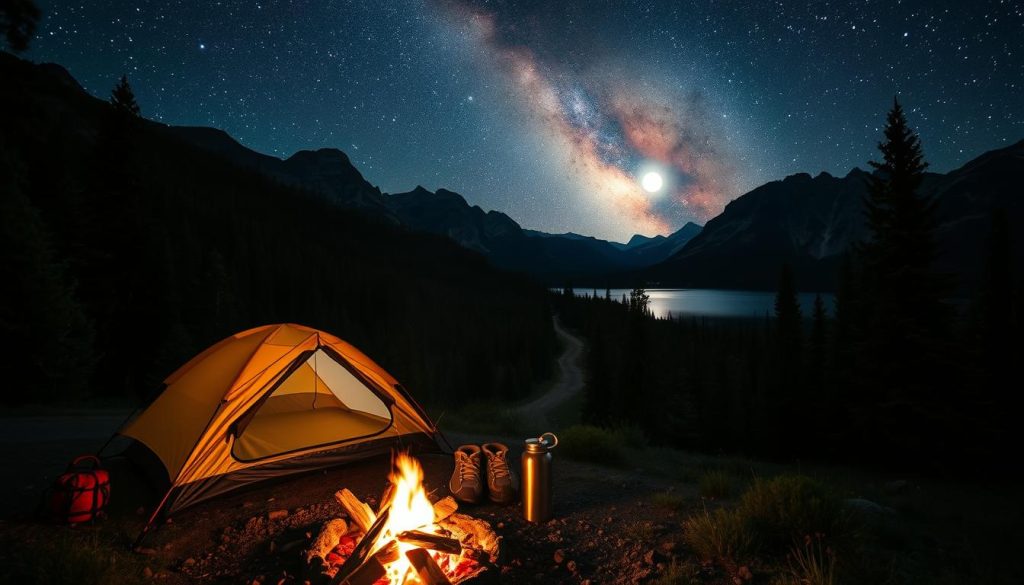
Backcountry Camping and Night Sky Viewing
Backcountry camping is a fantastic way to immerse yourself in nature. Designated areas provide solitude and stunning views. Before you head out, make sure to obtain a permit. These are essential for protecting the environment and ensuring your safety.
For stargazing, the eastern parts of the area are ideal. The clear skies offer breathtaking views of the Milky Way. Swift Run is a particularly scenic spot for night viewing. Bring a blanket, a telescope, and enjoy the quiet beauty of the stars.
Tips for Planning Your Adventure
Here are some essential tips to make the most of your backcountry camping and stargazing experience:
- Permits: Obtain your permit in advance to avoid last-minute hassles.
- Gear: Pack lightweight camping gear and warm layers for cooler nights.
- Timing: Plan your trip during a new moon for the best stargazing conditions.
- Safety: Always let someone know your plans and expected return time.
Exploring these activities allows you to experience the area from a fresh perspective. Whether you’re camping under the stars or marveling at the night sky, these moments will create lasting memories.
Plan Your Visit: Resources and Practical Tips
Planning your trip to this iconic destination? Start with these essential resources. Whether you’re mapping out your route or exploring local attractions, we’ve got you covered. From permits to dining, this guide ensures your visit is seamless and enjoyable.
Guides, Maps, and Permit Information
Begin your journey by picking up a detailed map at one of the visitor centers. These maps highlight key sites, trails, and scenic overlooks. You can also download digital versions online for convenience.
Permits are essential for certain activities like backcountry camping. They help protect the environment and ensure your safety. Visit the official site to secure your permit in advance.
Here’s a quick overview of what you’ll need:
| Resource | Details |
|---|---|
| Maps | Available at visitor centers or online |
| Permits | Required for backcountry camping |
| Entrance Pass | $30 per vehicle, valid for 7 days |
Local Attractions and Dining Options
After a day of exploring, unwind at one of the nearby restaurants. If you’re staying near Lewis cabins, try the local diners for hearty meals. For a taste of the Washington area, head to Luray for diverse dining options.
Don’t miss attractions like Luray Caverns, just outside the park. These natural wonders are a must-see and offer year-round tours. Plan your visit to make the most of every acre of this stunning area.
Here are some top picks for dining and attractions:
- Lewis Mountain Cabins: Cozy dining options nearby.
- Luray Caverns: A short drive from the park.
- Washington-area eateries: Perfect for a post-hike meal.
With these resources and tips, you’re ready to plan an unforgettable trip. Enjoy every moment of your adventure!
Conclusion
From its ancient rock formations to its vibrant wildlife, this destination offers a timeless escape. With over 500 miles of trails and 75 scenic overlooks, every visit is an adventure. Its rich history, shaped by the CCC and pioneer communities, adds depth to its natural beauty.
Before you go, remember to check for fees and permits. The $30 entrance fee provides access for seven days, while backcountry camping requires additional planning. Safety is key, so pack essentials and stay informed about trail conditions.
This American treasure invites you to explore every mile, from its highest peaks to its quiet valleys. Whether you’re hiking, camping, or simply soaking in the views, you’ll leave with lasting memories. Start planning your trip today and experience the magic of this historic destination.
FAQ
What is the best time to visit Skyline Drive?
The best time to visit is during fall when the foliage is vibrant. Spring and summer also offer lush greenery and mild weather.
Are there entrance fees for the park?
Yes, there is a fee per vehicle or per person. Check the official website for current rates and pass options.
Can I bring my pet on the trails?
Pets are allowed on most trails but must be leashed. Some areas, like certain overlooks, may have restrictions.
What wildlife might I see during my visit?
You might spot deer, black bears, and various bird species. Always observe wildlife from a safe distance.
Are there guided tours available?
Yes, ranger-led programs and guided hikes are offered. Check the visitor center for schedules and details.
What should I pack for a day hike?
Bring water, snacks, a map, sturdy shoes, and weather-appropriate clothing. Don’t forget sunscreen and a first-aid kit.
Can I camp overnight in the park?
Yes, there are campgrounds like Big Meadows and backcountry options. Reservations are recommended, especially in peak seasons.
Are there dining options inside the park?
Yes, lodges like Skyland and Big Meadows offer dining. Picnic areas are also available for self-prepared meals.
Is Skyline Drive accessible year-round?
The drive is usually open year-round, but sections may close during winter storms. Check for real-time alerts before your trip.
What are the must-see waterfalls in the area?
Don’t miss Dark Hollow Falls and Whiteoak Canyon. Both offer stunning views and are popular hiking destinations.