

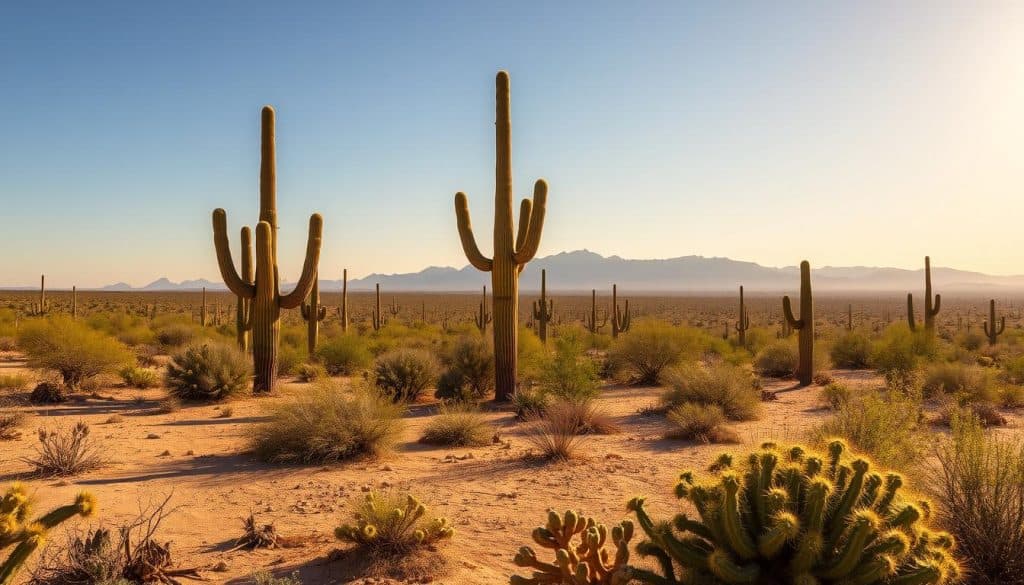
Did you know that the iconic saguaro cactus, a symbol of the American Southwest, can live up to 200 years? These towering giants are just one of the many wonders you’ll discover in this stunning desert landscape. Located near Tucson, Arizona, this area was first protected in 1933 and later became a national park in 1994. It’s a place where nature and history intertwine, offering endless opportunities for adventure and exploration.
The park is divided into two distinct districts: the Tucson Mountain District and the Rincon Mountain District. Each offers unique experiences, from scenic drives to rugged trails. Whether you’re hiking through the cactus forest or marveling at ancient petroglyphs, there’s something for everyone. With over 91,000 acres to explore, you’ll find yourself immersed in the beauty of the Sonoran Desert.
This guide will help you plan your visit, offering insider tips and insights into the park’s history, trails, and must-see spots. Get ready to uncover the magic of this incredible destination!
Key Takeaways
- Home to iconic saguaro cacti that can live up to 200 years.
- Divided into two districts: Tucson Mountain and Rincon Mountain.
- Established in 1994, covering over 91,000 acres.
- Offers scenic drives, hiking trails, and cultural history.
- Best visited from November to March for milder weather.
- Entrance fee is $25 per vehicle, valid for 7 days.
- Explore more about California’s national parks here.
A Journey Through Time: History and Geography of the Park
Step into a land where ancient cultures and dramatic geology collide. This area is more than just a desert—it’s a living museum of human history and natural wonders. From the stories etched in stone by indigenous peoples to the forces that shaped its rugged peaks, every corner has a tale to tell.
Ancient Lands and Cultural Heritage
Long before it became a protected area, this land was home to indigenous groups like the Hohokam and Sobaipuri. Their legacy lives on in the petroglyphs scattered across the rocky terrain. These ancient carvings offer a glimpse into their daily lives, spiritual beliefs, and connection to the land.
Spanish explorers arrived in the 16th century, bringing new influences to the region. Settlements began to emerge, paving the way for the area’s eventual recognition as a treasure worth preserving. “The desert holds secrets that only time can reveal,” as one historian once noted.
Diverse Landscapes and Geologic Wonders
The park’s two districts—Tucson Mountain and Rincon Mountain—showcase the power of nature. The Rincon Mountains, formed by crustal stretching and volcanic activity, rise dramatically against the sky. Their peaks, reaching up to 8,666 feet, are a testament to the earth’s dynamic forces.
Volcanic influences also shaped unique rock formations like the Catalina gneiss. These geological features create a stunning backdrop for the park’s trails and drives. Here’s a quick look at the key differences between the two districts:
| Feature | Tucson Mountain District | Rincon Mountain District |
|---|---|---|
| Elevation Range | 2,180 to 4,687 feet | 2,670 to 8,666 feet |
| Annual Precipitation | 11.73 inches | 14.04 inches |
| Key Formation | Volcanic rock | Catalina gneiss |
Whether you’re exploring the lower desert trails or hiking to higher elevations, you’ll witness the incredible diversity of this landscape. It’s a place where history and geology come together, inviting you to uncover its many layers.
Essential Visitor Tips for Saguaro National Park
Planning a trip to this iconic desert destination? Here’s what you need to know. From weather insights to practical details, these tips will help you make the most of your adventure.
Best Times to Visit and Weather Insights
The best time to explore this area is from November to March. During these months, temperatures are mild, ranging from the 60s to 70s Fahrenheit. Summer months can be scorching, with highs often exceeding 100°F. Monsoon season, typically from July to September, brings intense rains and flash floods, so plan accordingly.
If you prefer fewer crowds, consider visiting during the shoulder seasons of late fall or early spring. You’ll enjoy pleasant weather and quieter trails.
Practical Information and Entrance Details
Entrance fees are $25 per vehicle, $20 for motorcycles, and $15 for walk-ins or bicycles. Your pass is valid for seven days, giving you plenty of time to explore both districts. Visitor centers are open from 9:00 AM to 5:00 PM daily, except on Christmas Day.
Here’s a quick breakdown of what to expect:
- Water availability: Fountains are only at visitor centers, so bring plenty of water.
- Cell service: Spotty throughout the area, so download maps and info in advance.
- Trails: Over 150 miles of designated paths await, with options for all skill levels.
For a smooth experience, check park maps to locate trailheads and scenic drives. Whether you’re hiking, biking, or driving, preparation is key to enjoying this stunning desert landscape.
Exploring Scenic Drives and Outdoor Adventures
Ready to hit the road and explore breathtaking desert landscapes? This area offers a mix of scenic drives, hiking trails, and outdoor activities that cater to every adventurer. Whether you’re behind the wheel, on a bike, or hiking, you’ll find endless ways to connect with nature.
Hiking Trails and Picnic Spots
Lace up your boots and hit the trails! The Valley View Overlook Trail is a must-do, offering stunning views of the desert and its iconic cacti. This 1-mile hike is perfect for families and beginners. For a more immersive experience, explore Signal Hill, where you’ll find ancient petroglyphs and a great picnic spot.
If you’re looking for a longer trek, the Cactus Forest Trail is a 2.5-mile loop that takes you through a dense cactus forest. It’s a great way to experience the unique flora of the region. Don’t forget to bring plenty of water and sunscreen—shade is scarce in the desert!
Biking, Horseback Riding, and Scenic Drives
For those who prefer wheels to boots, the Bajada Loop Drive is a 6-mile unpaved route that showcases the rugged beauty of the area. It’s perfect for biking or driving, offering a mix of desert and mountain views. If you’re on horseback, the Belmont Multi-use Trail provides a short but scenic ride.
Another highlight is the Cactus Forest Loop Drive, an 8-mile paved road that winds through the heart of the cactus forest. It’s ideal for a leisurely drive or bike ride, with plenty of pull-offs for photos. “The desert’s beauty is best experienced at your own pace,” as one visitor noted.
Planning a trip in May? This is one of the best times to visit national parks, with mild weather and blooming landscapes. Whether you’re hiking, biking, or driving, this area promises an unforgettable adventure.
Discovering Natural and Cultural Treasures
The desert landscape is a treasure trove of natural wonders and cultural history. From towering cacti to ancient relics, this area offers a journey through time. You’ll find a unique blend of flora and heritage that defines this iconic region.

The Iconic Saguaro and Desert Flora
The saguaro cactus stands as a symbol of the American Southwest. These giants can live up to 200 years, towering over the desert. Alongside them, you’ll find a variety of unique plants like the prickly pear and ocotillo.
Each plant has adapted to thrive in the harsh desert environment. The saguaro’s ability to store water and provide shelter for wildlife is remarkable. Exploring the flora here is like stepping into a living museum of natural resilience.
Historic Sites and Visitor Centers
This area is rich in history, from mining relics to CCC structures. The Civilian Conservation Corps left a lasting legacy with dams and trails. You can still see their work in the Tucson Mountain District today.
Visitor centers play a key role in enhancing your experience. They offer insights into the region’s cultural and natural history. Stop by to learn about the early settlers, mining influences, and the park’s unique geology.
Historic sites like old homesteads and lime kilns add depth to your visit. These landmarks tell stories of the people who shaped this land. They remind us of the area’s dual attraction: outdoor beauty and cultural learning.
Whether you’re marveling at the saguaro or exploring historic relics, this area promises an unforgettable journey. It’s a place where nature and history come together, inviting you to uncover its many layers.
Conclusion
Discover the magic of Arizona’s desert landscape, where adventure and history meet. From the towering saguaros to the rugged trails, this area offers a unique blend of natural beauty and cultural heritage. Whether you’re exploring the Tucson Mountain District or the Rincon Mountain District, each area has its own charm and distinct features.
Plan your visit with confidence, knowing the best times to go and what to expect. Scenic drives like the Bajada Loop and hikes through the cactus forest await you. Don’t forget to stop by the visitor centers to learn more about the area’s rich history and ecology.
This destination is more than just a place—it’s an experience. Pack your bags, grab your water, and get ready to explore. The desert’s wonders are calling, and there’s no better time to answer.
FAQ
What is the best time of year to visit the park?
The ideal time to explore is from November to March. During these months, the weather is cooler, making outdoor activities more enjoyable.
Are there any entrance fees for the park?
Yes, there is a fee to enter. You can purchase a pass at the visitor centers or online. Annual passes are also available for frequent visitors.
Can I bring my pet to the park?
Pets are allowed in certain areas but must be on a leash. They are not permitted on trails or in the backcountry to protect wildlife.
What are the must-see attractions in the park?
Don’t miss the scenic drives like the Cactus Forest Loop and the Bajada Loop. The Rincon Mountain District and Tucson Mountain District are also highlights.
Are there guided tours available?
Yes, ranger-led programs and guided hikes are offered. Check the visitor center for schedules and details during your visit.
What should I bring for a day trip to the park?
Bring plenty of water, sunscreen, a hat, and sturdy shoes. A map and snacks are also recommended for a comfortable experience.
Are there picnic areas in the park?
Yes, there are designated picnic spots. Enjoy your meal surrounded by the stunning desert landscape and towering cacti.
Is camping allowed in the park?
Camping is available in the backcountry with a permit. There are no developed campgrounds, so plan accordingly for a primitive experience.