

Did you know that over 12 tons of ancient wood are stolen from this unique destination every year? This startling fact highlights the incredible allure of a place where time stands still. Welcome to the ultimate guide for exploring one of America’s most fascinating natural wonders.
This area is a treasure trove of Triassic fossils, offering a rare glimpse into life over 200 million years ago. Its dramatic landscapes blend ancient wood with the vibrant colors of the Painted Desert, creating a living museum of natural history. Whether you’re an adventurer or a curious visitor, this guide will help you uncover its secrets.
From fossil trails to striking vistas, every corner of this destination tells a story. You’ll learn about its formation, scientific significance, and the evolution of its breathtaking features. Get ready to embark on a journey through time and nature like no other.
Key Takeaways
- Discover ancient Triassic fossils and petrified wood dating back millions of years.
- Explore the unique blend of vibrant desert landscapes and living ecosystems.
- Learn about the park’s scientific significance and extensive fossil records.
- Uncover fascinating trails and viewpoints that showcase its natural beauty.
- Gain insights into the park’s history and evolution for a deeper appreciation.
Discovering Petrified Forest National Park
Step into a world where ancient trees tell stories of a time long forgotten. This remarkable destination offers a blend of natural beauty and scientific wonder, making it a must-visit for nature enthusiasts and history buffs alike.
History and Formation of the Park
The area’s journey began over 200 million years ago, during the Triassic period. Ancient trees fell and were buried under layers of sediment. Over time, minerals like iron, carbon, and manganese seeped into the wood, transforming it into the vibrant petrified logs we see today.
In 1906, this unique landscape was designated as a national monument to protect its fossil-rich grounds. Later, in 1962, it gained national park status. Military surveys in the 19th century played a key role in its discovery, while conservation efforts have preserved its treasures for future generations.
What Makes This National Park Unique
What sets this place apart is its stunning petrified wood, painted in hues of red, blue, and purple. These ancient logs are scattered across the landscape, creating a surreal and colorful experience. The park also boasts a rich fossil record, offering insights into prehistoric life.
With over 400 species of vegetation and a diverse array of wildlife, the area is a living ecosystem. Its trails, like the Giant Logs Trail, allow visitors to explore its wonders up close. The Painted Desert adds another layer of beauty, with its vast, colorful badlands stretching for miles.
| Year | Event |
|---|---|
| 1906 | Designated as a national monument |
| 1962 | Upgraded to national park status |
| 19th Century | Military surveys highlight the area’s significance |
| Present Day | Conservation efforts protect its fossils and landscapes |
Planning Your Visit to the Painted Desert
Planning a trip to the Painted Desert? Here’s everything you need to know to make the most of your visit. From the best times to explore its colorful landscapes to practical travel tips, this guide ensures a seamless experience.
Best Times to Visit and Weather Considerations
The Painted Desert is a year-round destination, but timing your visit can enhance your experience. Spring (March to May) brings blooming wildflowers and mild temperatures, making it ideal for hiking the trails. Summer (June to August) offers dramatic thunderstorms, but be prepared for heat. Fall (September to November) is perfect for clear skies and cooler weather, while winter (December to February) provides a quieter, serene atmosphere.
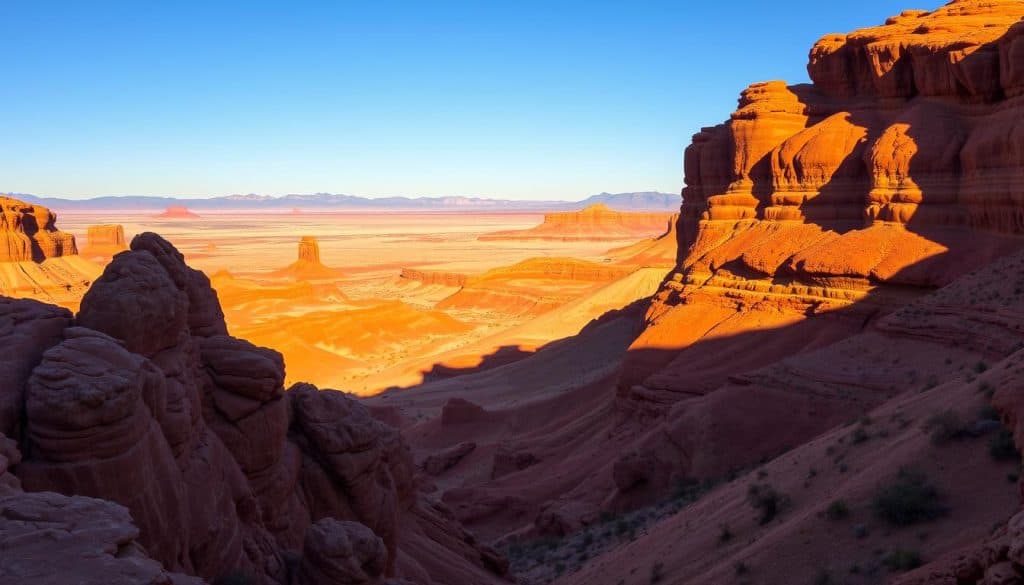
Always check the forecast before heading out, as weather in the desert can change quickly. Pack layers, sunscreen, and plenty of water to stay comfortable during your adventure.
Travel Tips and Directions
Getting to the Painted Desert is straightforward. If you’re coming from Holbrook, take exit 311 on I-40 to reach the visitor center. The park is open daily from 8 AM to 5 PM MST. Remember, Arizona does not observe Daylight Saving Time, so plan accordingly.
The main park road stretches 28 miles, offering stunning views and access to key attractions. Driving the entire length takes about an hour, but allow extra time for stops at scenic overlooks and trails.
| Season | Highlights |
|---|---|
| Spring | Wildflowers, mild weather |
| Summer | Thunderstorms, vibrant skies |
| Fall | Clear skies, cooler temperatures |
| Winter | Serene atmosphere, fewer crowds |
Trail Highlights and Scenic Walks
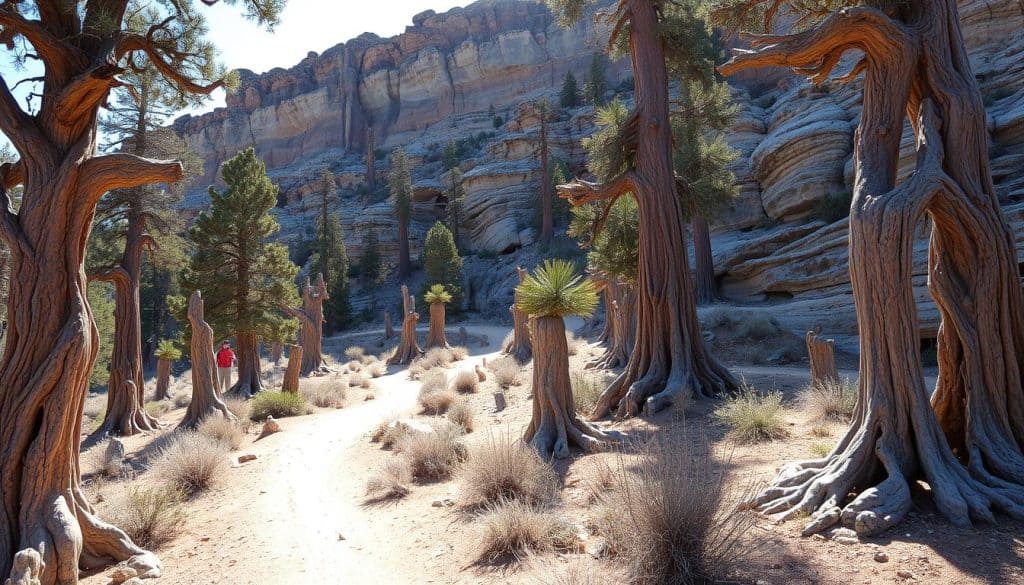
Lace up your boots and get ready to explore trails that weave through a landscape frozen in time. Whether you’re looking for a leisurely stroll or a challenging adventure, the trails here offer something for everyone. From easy paved paths to rugged backcountry routes, each trail reveals the unique beauty of this destination.
Easy, Paved, and Gravel Trails for All Ages
If you’re seeking a relaxed experience, the easy trails are perfect for you. The Crystal Forest Trail is a 0.75-mile loop that showcases stunning petrified wood formations. Its wide, paved surface makes it accessible for strollers and wheelchairs.
For a slightly longer walk, try the Blue Mesa Trail. This 1-mile loop alternates between paved and gravel sections, offering views of unique badland hills. Families and casual hikers will love the Giant Logs Trail, a short 0.4-mile loop featuring massive ancient logs.
Backcountry Hikes for the Adventurous
For those craving a challenge, the backcountry hikes are a must. These trails take you deep into the painted desert badlands, where you’ll find solitude and breathtaking views. The Blue Forest Trail is a 3-mile out-and-back route that rewards hikers with panoramic vistas and vibrant landscapes.
If you’re up for a longer adventure, combine the Long Logs and Agate House Trails for a 2.6-mile round trip. These routes lead you through areas rich in geological history and ancient wood formations.
| Trail Name | Length | Difficulty | Highlights |
|---|---|---|---|
| Crystal Forest | 0.75 miles | Easy | Paved, petrified wood |
| Blue Mesa | 1 mile | Moderate | Badland hills, gravel sections |
| Giant Logs | 0.4 miles | Easy | Massive ancient logs |
| Blue Forest | 3 miles | Challenging | Panoramic vistas |
| Long Logs/Agate House | 2.6 miles | Moderate | Geological history |
“Every trail here tells a story, from ancient wood formations to vibrant badlands. It’s a journey through time and nature.”
No matter which trail you choose, you’ll be immersed in a landscape that’s both awe-inspiring and educational. So, grab your gear and start exploring!
Cultural and Historical Landmarks
Uncover the stories of ancient civilizations and architectural marvels that define this unique destination. From museums to historic inns, every site offers a glimpse into the past. These landmarks bring history to life, blending art, archaeology, and culture into one unforgettable experience.
Rainbow Forest Museum and Archaeological Sites
Start your journey at the Rainbow Forest Museum, where exhibits showcase the area’s rich history. Here, you’ll find displays of ancient logs and fossils that tell the story of life millions of years ago. The museum is a gateway to understanding the region’s geological and cultural significance.
Nearby, explore archaeological sites like Puerco Pueblo and Agate House. These ruins reveal the lives of ancestral Puebloan communities. Walk among the remains of their homes and imagine what life was like over 700 years ago. Each site offers a unique view into the past.
Architectural Treasures like the Painted Desert Inn
Don’t miss the iconic Painted Desert Inn, a historic landmark built in the 1920s. This architectural gem was constructed using petrified wood and features stunning murals by artist Fred Kabotie. The inn’s modernist design and rich history make it a must-see.
Today, the inn serves as a museum and visitor center. Step inside to admire its artistry and learn about its role in the region’s development. Guided tours and cultural demonstrations add depth to your visit, offering insights into the area’s heritage.
“Every corner of this place tells a story, from ancient ruins to historic inns. It’s a journey through time and culture.”
Whether you’re exploring a museum or walking through ancient ruins, these landmarks offer a deeper connection to the past. Plan your visit to include these cultural treasures for an enriching experience.
Practical Tips for a Safe, Fun Experience
Exploring this unique destination is an adventure, but knowing how to stay safe and make the most of your visit is key. Whether you’re hiking trails or admiring ancient logs, these tips will ensure a smooth and enjoyable experience.
Pet-Friendly Policies and Visitor Safety
Bringing your furry friend along? Pets are welcome but must be on a leash no longer than 6 feet. While they’re not allowed inside buildings, there are plenty of outdoor areas to explore together. Always clean up after your pet to keep the area pristine for other visitors.
Safety is a top priority here. Stick to marked trails and follow posted guidelines. The backcountry offers stunning views, but it’s essential to stay prepared. Carry a map, plenty of water, and a first-aid kit. Check the weather forecast before heading out, as conditions can change quickly.
Seasonal Considerations and Trail Tips
Each season brings its own charm and challenges. Spring and fall offer mild temperatures, perfect for hiking. Summer can be hot, so plan activities for early morning or late afternoon. Winter visits are quieter but require warm clothing and caution on icy trails.
For a hassle-free visit, take advantage of self-guided audio tours. These provide fascinating insights into the area’s history and geology. Virtual tours are also available for those who prefer to explore from home.
- Stay hydrated and wear sunscreen, especially in the desert heat.
- Wear sturdy shoes for uneven terrain on backcountry trails.
- Respect wildlife and avoid feeding animals.
- Plan your route in advance to maximize your time.
By following these tips, you’ll ensure a safe and memorable experience. Whether you’re a first-time visitor or a seasoned explorer, these guidelines will help you make the most of your adventure.
Exploring the Scenic Landscape and Geology
Journey through a landscape where ancient fossils and vibrant geology tell a story millions of years in the making. This unique site offers a window into an environment that thrived over 200 million years ago, showcasing fossils of early dinosaurs, pterosaurs, and a diverse array of ancient flora and fauna. Every step here is a walk through deep geological time.
Fascinating Fossil Discoveries and Petrified Wood
One of the most striking features of this area is its fossilized wood, preserved in vivid colors like red, blue, and purple. These ancient logs, primarily from the species Araucarioxylon arizonicum, were once towering trees reaching up to 200 feet tall. Over time, minerals like silica replaced the organic material, creating the hard, brittle quartz we see today.
Fossil discoveries here include remnants of early animals, such as dinosaurs and pterosaurs, as well as detailed geological formations. These findings provide valuable insights into the evolution of life in this region. For example, the Chinle Formation, where these fossils are embedded, reveals a lush prehistoric environment filled with rivers and streams.
Understanding the Geology Behind the Rainbow Hues
The vibrant colors of the landscape are a result of naturally occurring elements like iron, carbon, and manganese. These minerals seeped into the ancient wood during the petrification process, creating the rainbow hues that make this site so visually stunning. Erosion by water, wind, and weather has further shaped the terrain, exposing these colorful logs and geological formations.
To fully appreciate the geology, take a self-guided walk along the trails. Each step reveals layers of history, from the uplift of the Colorado Plateau to the shifting sedimentary layers caused by earthquakes. This interplay of natural forces has created a living museum of geological wonders.
“Every fossil and rock here tells a story, offering a glimpse into the Earth’s distant past.”
If you’re fascinated by geology, you’ll also enjoy exploring California’s national parks, which boast diverse landscapes and geological features. Whether you’re a seasoned explorer or a curious visitor, this site offers a journey through time and nature like no other.
Conclusion
This remarkable destination offers a unique blend of history, culture, and natural beauty. From vibrant landscapes to ancient fossils, it’s a place where the past comes alive. Whether you’re exploring scenic trails or discovering cultural landmarks, every visit is an adventure.
Plan your trip with the information provided to make the most of your experience. The west is full of wonders, and this site stands out as a must-see. With its rich history and diverse offerings, it’s a journey into the heart of the wilderness.
For more tips on exploring Arizona’s natural treasures, check out the best times to visit Arizona’s national. Whether you’re near Flagstaff or beyond, the world of adventure awaits. Start planning today and create memories that will last a lifetime.
FAQ
What is the best time to visit the Painted Desert?
The ideal time to explore the Painted Desert is during spring or fall. These seasons offer mild weather and fewer crowds, making your visit more enjoyable.
Are there trails suitable for families with young children?
Yes, there are several easy, paved, and gravel trails perfect for families. These paths provide stunning views and are accessible for all ages.
Can I bring my pet to the park?
Pets are allowed in certain areas but must remain on a leash. Be sure to check the pet-friendly policies to ensure a safe and fun experience for everyone.
What makes the Rainbow Forest Museum a must-see?
The Rainbow Forest Museum showcases fascinating fossil discoveries and offers insights into the area’s rich history. It’s a great spot to learn about the unique geology and archaeology of the region.
Are there backcountry hiking options for experienced adventurers?
Absolutely! The park offers challenging backcountry hikes that take you through rugged landscapes and provide a deeper connection with nature.
How do I get to the park from Holbrook?
The park is just a short drive from Holbrook. Follow the well-marked roads, and you’ll arrive in about 30 minutes. Directions are easy to follow, making your trip hassle-free.
What should I know about the geology of the area?
The park’s geology is a highlight, with its vibrant rainbow hues and ancient petrified wood. Understanding the science behind these formations adds depth to your visit.
Is the Painted Desert Inn worth visiting?
Yes, the Painted Desert Inn is a historic architectural treasure. It offers a glimpse into the past and provides a unique perspective on the area’s cultural heritage.