

Did you know the Hoh Rain Forest receives nearly 130 inches of rain annually? This stunning area is just one of the many wonders you’ll discover in this vast, diverse region. Established in 1938, this UNESCO World Heritage Site spans over 922,000 acres, offering everything from rugged coastlines to lush rainforests and towering alpine peaks.
This guide is your go-to resource for exploring every corner of this incredible destination. Whether you’re drawn to its rich history, unique ecosystems, or endless recreational opportunities, we’ve got you covered. From the temperate rainforests to the glacier-capped mountains, you’ll find something for everyone.
Planning your visit has never been easier. Our friendly, informative guide breaks down the best trails, climates, and wildlife encounters. Get ready to experience one of the most breathtaking places in the United States.
Key Takeaways
- Discover diverse ecosystems, from rainforests to alpine zones.
- Learn about its UNESCO World Heritage and Biosphere Reserve status.
- Explore over 922,000 acres of protected wilderness.
- Plan your trip with ease using our comprehensive guide.
- Experience unique climates, trails, and wildlife encounters.
Introduction to Olympic National Park
From serene beaches to towering mountains, this region is a paradise for outdoor enthusiasts. Spanning over 922,000 acres, it’s a treasure trove of natural wonders, offering something for everyone. Whether you’re hiking through lush rainforests or exploring rugged coastlines, you’ll find endless opportunities for adventure.
Overview and Park Essentials
This destination is home to four main visitor centers: Port Angeles, Hurricane Ridge, Hoh Rainforest, and Lake Quinault. Each offers unique insights into the area’s diverse ecosystems. Hurricane Ridge is a standout, known for its panoramic views and recreational activities like hiking and skiing.
When planning your visit, keep in mind the park’s operating hours and seasonal accessibility. Some areas, like the alpine trails, are best explored in summer, while coastal beaches are accessible year-round. Don’t forget to check for permits or passes if you’re planning extended stays or specific activities.
Key Facts and Visitor Statistics
In 2022, this area welcomed over 2.4 million visitors, making it one of the most popular destinations in the Pacific Northwest. Its diverse geography includes over 600 miles of trails, 60 miles of coastline, and 250 glaciers. Hurricane Ridge alone attracts thousands for its scenic drives and alpine adventures.
Here are some quick facts to help you prepare:
- Best time to visit: June to September for warm weather and open trails.
- Must-see spots: Hoh Rainforest, Ruby Beach, and Hurricane Ridge.
- Climatic conditions: Coastal areas are mild, while alpine zones can be chilly even in summer.
With its mix of ecosystems and activities, this destination is perfect for families, solo travelers, and adventurers alike. Pack your gear and get ready to explore!
History and Cultural Legacy of the Park
Long before it became a protected area, this region was home to thriving indigenous communities. Their deep connection to the land is woven into the very fabric of its history. From the lush forests to the rugged coastline, every part of this area tells a story of resilience and reverence for nature.
Native American Heritage and Early Inhabitants
The indigenous peoples of the Pacific Northwest, including the Klallam, Quileute, and Hoh tribes, have lived here for thousands of years. They relied on the land and water for sustenance, crafting a way of life that honored the natural world. Sol Duc, known for its healing hot springs, was a sacred site for many tribes. Today, their cultural legacy continues to shape the area’s identity.
Archaeological sites in the region, some dating back 8,000 years, reveal the depth of this heritage. These discoveries highlight the enduring relationship between people and the land. Visitors can feel this connection as they explore the trails and waterways that have been part of daily life for generations.
From National Monument to World Heritage Site
In 1909, President Theodore Roosevelt designated this area as Mount Olympus National Monument. This decision marked the beginning of its journey as a protected space. Nearly three decades later, in 1938, it was officially established as a national park. This move ensured the preservation of its diverse ecosystems for future generations.
In 1981, the area gained recognition as a UNESCO World Heritage Site. This honor underscores its global significance as a place of natural and cultural importance. The designation highlights the unique interplay between its ecosystems and the human stories that have unfolded here.
Today, the park stands as a testament to conservation efforts and cultural heritage. Whether you’re hiking through the Hoh Rainforest or exploring the shores of Lake Quinault, you’re walking in the footsteps of those who came before. Each day spent here offers a chance to connect with this rich legacy.
For more insights into the best national parks on the West, check out our comprehensive guide. Discover how this area fits into the broader tapestry of natural wonders in the region.
Exploring Diverse Ecosystems
Step into a world where tide pools, rainforests, and alpine meadows coexist in harmony. This region is a treasure trove of natural wonders, offering something for everyone. From the rugged Pacific coastline to the lush Hoh Rainforest, you’ll find endless opportunities for adventure.
Coastal Landscapes and Tide Pool Adventures
The peninsula’s coastline is a dynamic ecosystem, shaped by the ebb and flow of the tides. At low tide, explore vibrant tide pools teeming with marine life. Look for starfish, anemones, and crabs in these natural aquariums. The boardwalk trails at Ozette offer easy access to sandy beaches and rocky outcrops, perfect for a family-friendly adventure.
Coastal areas are also home to unique flora and fauna. Keep an eye out for seabirds and seals along the shore. The Crescent region, with its stunning views and accessible visitor facilities, is a must-visit for anyone exploring the coastline.
Temperate Rainforests: Hoh and Quinault Journeys
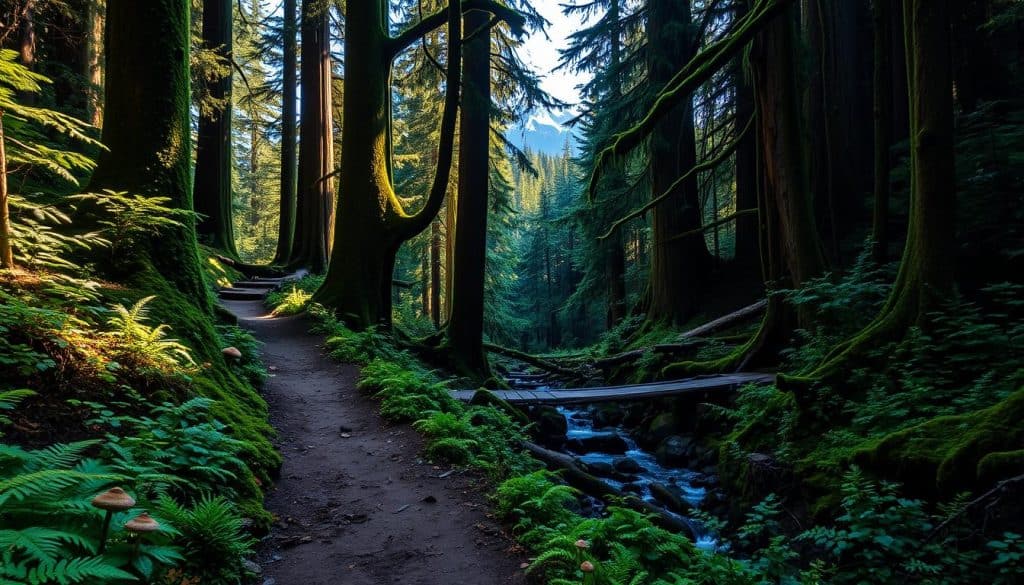
The Hoh Rainforest is a magical place, where moss-draped trees and lush ferns create an otherworldly atmosphere. With nearly 130 inches of rain annually, it’s one of the wettest places in the country. Walk the Hall of Mosses trail to immerse yourself in this verdant wonderland.
Further south, the Quinault Rainforest offers a quieter but equally enchanting experience. Both regions are accessible year-round, with well-maintained trails and informative visitor centers. Nearby lodges provide cozy accommodations, making it easy to extend your stay.
| Region | Highlights | Best Time to Visit |
|---|---|---|
| Coastline | Tide pools, boardwalk trails, seabirds | Year-round |
| Hoh Rainforest | Hall of Mosses, lush ferns, moss-draped trees | Spring to Fall |
| Quinault Rainforest | Quiet trails, scenic lodges, diverse wildlife | Year-round |
Whether you’re drawn to the rugged peninsula or the sheltered rainforests, this area offers a wealth of natural marvels. Plan your visit today and experience the beauty of these diverse ecosystems.
Natural Wonders: Glaciers, Mountains, and Wilderness
The towering peaks and icy glaciers of this region are a testament to nature’s grandeur. From the majestic Mount Olympus to the panoramic vistas of Hurricane Ridge, this area offers a stunning blend of raw beauty and accessible adventures. Whether you’re gazing at the shimmering waters of Lake Crescent or hiking alpine trails, you’ll find endless opportunities to connect with nature.

Glaciated Peaks and the Majesty of Mount Olympus
Mount Olympus, standing at 7,980 feet, is the crown jewel of this region. Its glaciated peaks, including the Blue Glacier, are a sight to behold. At 2.6 miles long, the Blue Glacier is the largest in the area, though it has lost 18% of its size since 1982. This retreat is part of a larger trend affecting glaciers across the region.
Glacier retreat has reshaped the landscape over time. For example, the Anderson Glacier has nearly vanished, highlighting the impact of climate change. Despite these changes, the majesty of Mount Olympus remains undiminished, offering awe-inspiring views and challenging hikes for adventurers.
Hurricane Ridge and Alpine Trails
Hurricane Ridge is a must-visit destination for its sweeping views and diverse trails. In summer, the alpine meadows burst with wildflowers, creating a vibrant contrast against the snow-capped peaks. The ridge is accessible year-round, though winter brings opportunities for snowshoeing and skiing.
The trails here cater to all skill levels. Whether you’re seeking a short walk or a full-day hike, you’ll find options that suit your pace. The panoramic views from the ridge are especially stunning during clear summer days, making it a favorite spot for photographers and nature lovers alike.
| Location | Highlights | Best Time to Visit |
|---|---|---|
| Mount Olympus | Glaciated peaks, Blue Glacier, challenging hikes | Summer |
| Hurricane Ridge | Alpine trails, wildflower meadows, panoramic views | Year-round |
| Lake Crescent | Serene waters, scenic drives, nearby trails | Spring to Fall |
Planning your visit during summer ensures the best weather and accessibility. Whether you’re exploring the coast, hiking alpine trails, or marveling at the glaciers, this region offers a perfect balance of adventure and tranquility. Don’t miss the chance to experience these natural wonders firsthand.
Wildlife and Ecological Treasures in Olympic National Park
Discover a world where wildlife thrives in diverse habitats, from dense forests to rugged coastlines. This region is a sanctuary for unique species, offering a glimpse into nature’s delicate balance. Whether you’re observing Roosevelt elk in their natural habitat or spotting migratory birds, the area’s biodiversity is truly remarkable.
Endemic Species and Conservation Efforts
The area is home to several endemic species, including the Olympic Marmot and Roosevelt elk. These animals are a testament to the region’s ecological richness. Conservation programs focus on protecting these species and their habitats, ensuring their survival for future generations.
Efforts include detailed management plans for mountain goats and cougars, addressing challenges like habitat loss and climate change. The region’s status as a biological reserve underscores its commitment to preserving fragile ecosystems. Your visit supports these vital programs, helping maintain the balance of this unique environment.
Bird Watching, Marine Life, and Mammal Spotting
Bird enthusiasts will find plenty to admire, with over 300 species recorded in the area. From bald eagles to sooty grouse, the diversity is astounding. Coastal areas offer opportunities to observe marine life, including harbor seals and gray whales.
For mammal spotting, head to accessible trailheads near Mount Olympus. Here, you might encounter black bears, cougars, or black-tailed deer. Seasonal changes, especially in November, bring unique behaviors, making it an ideal time for wildlife viewing.
- Endemic species: Olympic Marmot, Roosevelt elk, and mountain goats.
- Conservation milestones: Successful programs protecting fragile ecosystems.
- Viewing opportunities: Bird watching, marine life, and mammal spotting.
- Seasonal highlights: November offers unique wildlife conditions.
- Popular areas: Mount Olympus and accessible trailheads.
Immerse yourself in the ecological treasures of this region. Respectful wildlife viewing programs allow you to connect with nature while supporting conservation efforts. Plan your visit to experience the peak of biodiversity in this remarkable wilderness.
Recreational Activities and Adventure Planning
Adventure awaits in every corner of this diverse wilderness, from coastal trails to alpine peaks. Whether you’re planning a day hike or a multi-day backpacking trip, this region offers something for everyone. With its mix of ecosystems, you’ll find endless opportunities to explore and connect with nature.
Hiking, Camping, and Backpacking Along the Coast
The coastline is a hiker’s paradise, with trails that wind through sandy beaches and rocky outcrops. Popular routes like the Ozette Loop offer stunning views and access to tide pools teeming with wildlife. For camping, sites like Kalaloch and Mora provide easy access to the beach, while backcountry trails offer a more rugged experience.
In the Hoh Rainforest, you’ll find lush trails like the Hall of Mosses, perfect for a peaceful day hike. Spring is an ideal time to visit, as the forest comes alive with vibrant greenery. Be sure to check the weather and pack accordingly, as conditions can change quickly.
For backpackers, the coastal trails offer a unique challenge. Permits are required for overnight stays, so plan ahead to secure your spot. Whether you’re camping under the stars or hiking through the rainforest, these adventures are unforgettable.
Winter Sports and Seasonal Adventures at Hurricane Ridge
When winter arrives, Hurricane Ridge transforms into a snowy wonderland. The ski area offers slopes for all skill levels, from beginners to advanced skiers and snowboarders. The season typically runs from mid-December through March, with operational hours depending on weather conditions.
In addition to skiing, visitors can enjoy snowshoeing and tubing. The ridge also hosts seasonal events, making it a popular destination for winter fun. Be sure to dress warmly and check road conditions before heading out, as snow and ice can make travel challenging.
For those planning a trip, the site offers helpful resources, including trail maps and safety tips. Whether you’re hitting the slopes or exploring the snowy trails, Hurricane Ridge is a must-visit destination for winter enthusiasts.
From coastal hikes to winter sports, this region offers a wide range of activities for every season. With proper planning and preparation, you can make the most of your adventure. Don’t forget to take advantage of the services and programs available to enhance your experience.
Insider Tips and Visitor Information
Planning your trip to this stunning region? Here’s everything you need to know to make the most of your visit. From seasonal weather insights to navigating tide conditions, these tips will help you explore the Olympic Peninsula with confidence.
Seasonal Recommendations and Weather Insights
The best time to visit depends on your interests. Summer (June to September) offers warm weather and open trails, perfect for hiking in the rainforest or along the coast. Spring brings vibrant wildflowers, while fall showcases stunning foliage. Winter transforms the area into a snowy wonderland, ideal for skiing and snowshoeing.
Check the weather forecast before your trip, especially if you’re planning coastal hikes. Tide conditions can change quickly, so always consult updated charts. Popular spots like Rialto Beach are best explored during low tide for safe access to tide pools and sea stacks.
Passes, Fees, and Accessibility Guidelines
Entrance passes are required for most areas. A 7-day pass costs $30 per vehicle, while an annual pass is $55. Fee-free days are available on select holidays, offering a great opportunity to visit without cost. Check the official website for details.
Accessibility varies by location. The Sol Duc River area offers wheelchair-accessible viewing platforms, while some trails in the rainforest are paved for easier navigation. Visitor centers provide maps and resources to help you plan your visit.
- Best times to visit: Summer for hiking, winter for snow sports.
- Must-see spots: Rialto Beach, Hoh Rainforest, and Hurricane Ridge.
- Safety tips: Check tide charts and weather forecasts regularly.
- Pass options: 7-day vehicle pass or annual pass for frequent visitors.
- Accessibility: Wheelchair-friendly areas and trails available.
For more detailed insights on planning your trip, check out our guide on the best times to visit Washington State’s national. Whether you’re exploring the coast or hiking through the rainforest, these tips will ensure a safe and memorable adventure.
Conclusion
This guide has taken you through the wonders of a truly unique destination. From the lush forest trails to the rugged coastline, this area offers a blend of natural beauty and rich cultural history. You’ve discovered its ecological treasures, historic milestones, and endless recreational opportunities.
Starting from Port Angeles, you can easily access highlights like the scenic vistas and trails that stretch for miles. Whether you’re hiking, camping, or simply soaking in the views, every moment here is unforgettable.
As you plan your adventure, remember to respect the environment and its delicate balance. This region’s magic lies in its untouched wilderness and the stories it holds. We invite you to explore it with excitement and share your experiences with others.
Your journey through this guide is just the beginning. The real adventure awaits when you step into this iconic destination and create your own memories.
FAQ
What’s the best time to visit the park?
Summer is ideal for hiking and exploring, while winter offers snowy adventures at Hurricane Ridge. Spring and fall are less crowded with mild weather.
Are there any entrance fees?
Yes, you’ll need a pass. Options include a 7-day vehicle pass, an annual pass, or the America the Beautiful Pass for access to all federal lands.
Can I see wildlife in the park?
Absolutely! Keep an eye out for Roosevelt elk, black bears, and marine life along the coast. Birdwatching is also popular in the diverse ecosystems.
What should I pack for a trip?
Bring layers for changing weather, sturdy hiking shoes, a rain jacket, and essentials like water, snacks, and a map. Don’t forget a camera for the stunning views!
Are there guided tours available?
Yes, ranger-led programs and guided tours are offered seasonally. Check the visitor center or website for schedules and details.
Can I camp in the park?
Definitely! There are campgrounds for tents and RVs, as well as backcountry camping options. Reservations are recommended during peak seasons.
What’s special about the Hoh Rainforest?
It’s one of the few temperate rainforests in the U.S., featuring lush greenery, moss-covered trees, and serene trails like the Hall of Mosses.
Is Hurricane Ridge accessible year-round?
The road to Hurricane Ridge is open in summer and winter, but weather conditions can affect access. Check for updates before your visit.
Are pets allowed in the park?
Pets are allowed in some areas, like campgrounds and paved trails, but not in wilderness zones or on most trails to protect wildlife.
What’s the best way to explore the coastline?
Rialto Beach and Ruby Beach are great starting points. Tide pooling and beachcombing are popular activities—just check tide charts for safety.