

Did you know that Mount Rainier National Park spans over 236,000 acres? That’s larger than some small countries! Established in 1899, this iconic destination is a treasure trove of natural wonders, from its towering 14,410-foot peak to its lush forests and vibrant wildflower meadows.
This guide will take you through everything you need to know about this national gem. Whether you’re planning a hike, exploring its rich history, or simply soaking in the breathtaking views, you’ll find it all here. The park’s programs and trails cater to adventurers of all levels, making it a must-visit for nature lovers.
Key Takeaways
- Discover the park’s vast 236,000-acre landscape and its diverse ecosystems.
- Learn about its establishment in 1899 and its historical significance.
- Explore over 240 miles of trails, including the famous Wonderland Trail.
- Plan your visit with tips on timed entry permits and seasonal activities.
- Understand the park’s conservation efforts and visitor engagement programs.
Getting Started: Overview and History
Step back in time to uncover the fascinating origins of this iconic destination. Established on March 2, 1899, it became the fifth of its kind in the United States. Its transformation from a forest reserve to a protected area was driven by the efforts of conservation pioneers like John Muir.
Park Origins and Establishment
The journey to its establishment began with early explorers and mountaineers. The first recorded climb took place in 1870, marking a significant milestone in its history. Over the years, its towering peak and pristine landscapes drew attention, leading to its designation as a protected area.
Conservation efforts played a crucial role in its development. The Civilian Conservation Corps (CCC) worked on numerous projects, improving accessibility and preserving its natural beauty. Today, it stands as a testament to the importance of protecting our natural heritage.
Native American Heritage and Cultural Significance
Long before its official establishment, this area was home to several Indigenous tribes, including the Cowlitz, Muckleshoot, and Nisqually. These tribes have deep cultural ties to the land, and their traditions continue to influence its identity.
Their stewardship of the land is reflected in the park’s conservation practices. Visitors can learn about their heritage through interpretive programs and exhibits, gaining a deeper appreciation for the area’s cultural roots.
- Discover how it evolved from a forest reserve to a treasured destination.
- Learn about the role of conservation pioneers in its development.
- Explore the cultural heritage of the Native American tribes who first inhabited the region.
Plan Your Visit and Park Logistics
To make the most of your visit, it’s essential to plan ahead and know the key details. With recent changes like timed entry reservations, navigating this vast area requires a bit of preparation. Whether you’re visiting during peak days or quieter times, these tips will help you enjoy a seamless experience.
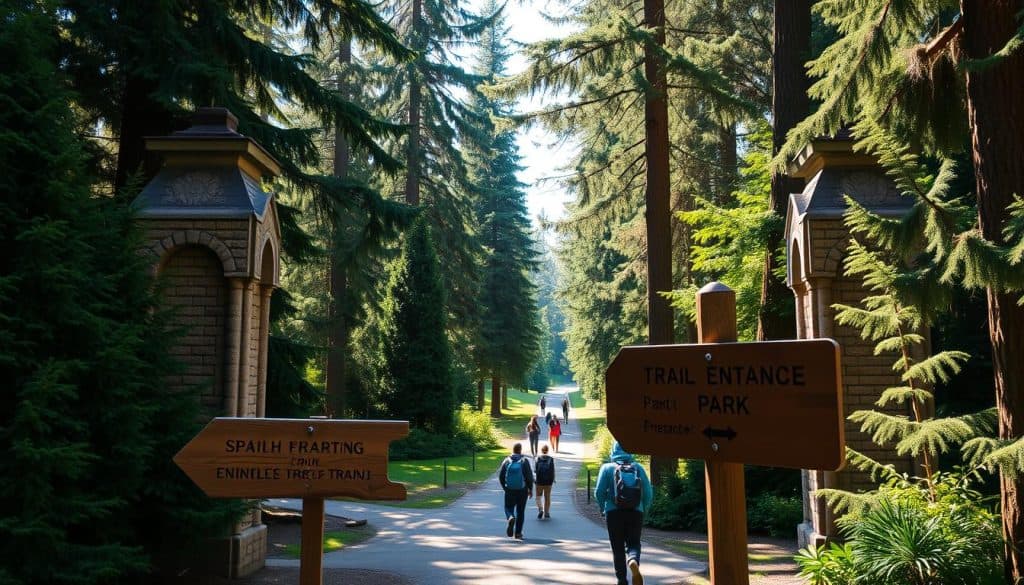
Entrance Reservations and Timed Entry Tips
Timed entry reservations are now required for popular corridors like Paradise and Sunrise. These reservations ensure smoother access during busy periods. Here’s how to secure your spot:
- Book early: Reservations are released in blocks, starting in February for summer visits.
- Plan your day: Arrive during your reserved time to avoid delays.
- Check for updates: Policies may change, so review the latest guidelines before your trip.
Understanding the Park’s Layout and Access Points
This expansive area has multiple entrances, each offering unique access to its trails and attractions. The Nisqually entrance is the most popular, providing year-round access. Stevens Canyon and Sunrise/White River entrances are ideal for exploring specific regions.
Here’s a quick guide to the main access points:
- Nisqually: Best for first-time visitors and year-round access.
- Stevens Canyon: Perfect for scenic drives and waterfalls.
- Sunrise/White River: Offers stunning views and alpine trails.
By understanding the layout and planning your entrance, you’ll maximize your time and enjoy every moment of your visit. Whether it’s your first trip or a return visit, these tips ensure a smooth and memorable experience.
Explore Mount Rainier National Park: Trails, Wildlife & Attractions
Discover the heart of adventure with trails, wildlife, and stunning views. Whether you’re hiking on foot or soaking in the beauty of cascading rivers, this area offers unforgettable experiences. From iconic trails to hidden gems, there’s something for every nature lover.
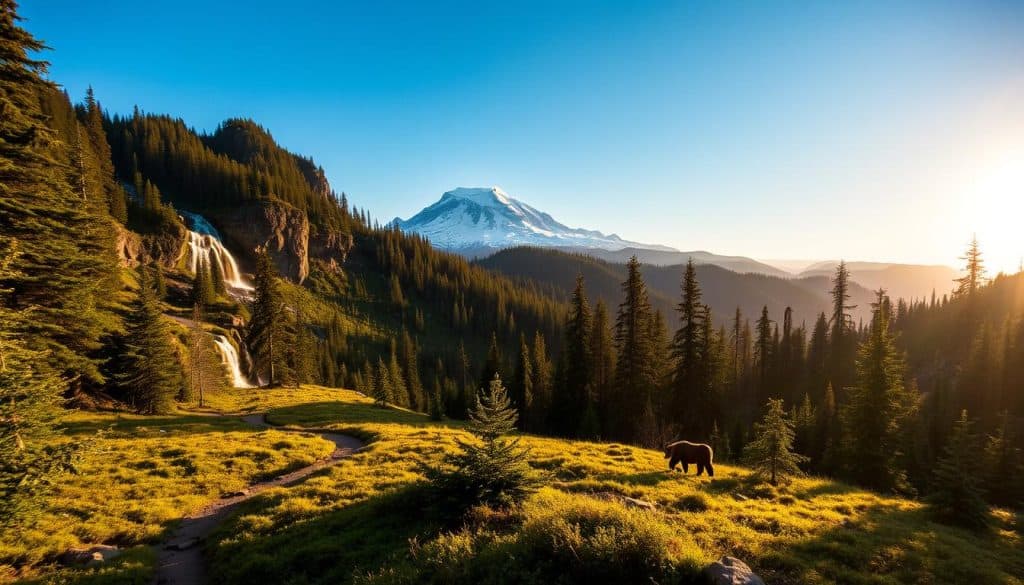
Popular Hiking Trails and Scenic Routes
The park boasts over 240 miles of trails, each offering unique views and challenges. The Wonderland Trail is a must-visit, circling the mountain and providing breathtaking scenery. For shorter hikes, try the Snow Lake Trail or the Pinnacle Peak Trail, both known for their stunning views.
Here’s a quick guide to some of the best trails:
| Trail Name | Distance | Elevation Gain |
|---|---|---|
| Wonderland Trail | 93 miles | 22,000 feet |
| Snow Lake Trail | 2.5 miles | 610 feet |
| Pinnacle Peak Trail | 3.8 miles | 900 feet |
Wildlife Viewing and Natural Wonders
Keep an eye out for wildlife as you explore. Marmots, deer, and even bears are often spotted along the trails. The Paradise Valley is a hotspot for birdwatching, with species like the gray jay and Clark’s nutcracker.
Don’t miss the Carbon Glacier, the longest and deepest in the area. It’s a natural wonder that’s worth the visit. For a peaceful break, stop by one of the inns or resting spots along the river. These locations are perfect for recharging before your next adventure.
Seasonal Highlights and Activities
Every season brings a unique charm to this iconic destination. From vibrant wildflower meadows in spring to snow-covered trails in winter, the landscape transforms throughout the year. Whether you’re planning a summer expedition or a cozy winter getaway, there’s always something special to discover.
Spring Wildflower Blooms and Waterfall Views
Spring is a magical time to visit. The meadows come alive with colorful wildflowers, creating a stunning backdrop for your adventures. Waterfalls are at their peak flow, offering breathtaking views. Don’t miss the Paradise Inn, a historic spot that’s perfect for soaking in the scenery.
For the best experience, plan your trip around late spring or early summer. This is when the blooms are most vibrant. The Sunrise area is particularly popular for its panoramic views and easy access to trails.
Winter Adventures and Snowshoeing Tips
Winter transforms the area into a snowy wonderland. Snowshoeing is a favorite activity, with trails like the Trail of the Shadows offering a peaceful escape. Remember to dress in layers and check weather conditions before heading out.
Only two entrances remain open in winter: the Nisqually and Carbon River entrances. These provide access to key attractions, even during the colder months. Safety is crucial, so always carry essentials like a map, flashlight, and extra supplies.
Fall Colors and Summer Expeditions
Fall paints the landscape in warm hues of orange and red. It’s the perfect time for a scenic drive or a hike to enjoy the changing leaves. The Sunrise visitor station is a great starting point for exploring the area’s natural beauty.
Summer is ideal for longer expeditions. August is particularly popular, with mild weather and clear skies. Whether you’re hiking the Wonderland Trail or relaxing by the river, summer offers endless opportunities for adventure.
Local Lodging, Dining, and Nearby Attractions
Your adventure isn’t complete without exploring the local lodging and dining options. From historic inns to cozy cabins, there’s something for every traveler. Pair your stay with delicious meals and nearby attractions to make your trip unforgettable.
Where to Stay: Paradise Inn, Longmire, and More
Finding the perfect place to stay is key to a comfortable trip. The Paradise Inn is a historic gem, offering stunning views and easy access to trails. For year-round lodging, the National Park Inn in Longmire is your best bet, even during the winter season.
If you prefer a more rustic experience, cozy cabins near Ashford provide a charming retreat. These options ensure you’re close to the action while enjoying the comforts of home. Here’s a quick guide to the top lodging choices:
| Lodging Option | Location | Season |
|---|---|---|
| Paradise Inn | Paradise | Summer |
| National Park Inn | Longmire | Year-Round |
| Cozy Cabins | Ashford | Year-Round |
Dining Options and Community Experiences
After a day of exploring, indulge in regional flavors at local eateries. The National Park Inn Dining Room offers hearty meals with a view, perfect for refueling. For a taste of the community, visit nearby towns like Wilkeson, known for its pizza and coffee.
Don’t miss the chance to explore nearby attractions like the Carbon River. Whether you’re hiking or simply enjoying the scenery, this area adds depth to your trip. Plan your schedule down to the hour to make the most of your visit.
For more tips on planning your trip, check out the best times to visit Washington’s national. This guide will help you align your visit with seasonal highlights and activities.
Insider Tips for a Memorable Adventure
Unlock the secrets to an unforgettable trip with these insider tips. From hidden photo spots to essential safety advice, this guide ensures you make the most of your visit. Whether you’re planning a group trip or a solo adventure, these insights will enhance your experience.
Best Photo Spots and Scenic Overlooks
Capture the beauty of this iconic destination with these hidden gems. The area around Longmire offers stunning overlooks, perfect for sunrise or sunset shots. For a unique perspective, head to the Carbon River area, where lush forests and glacier views create a breathtaking backdrop.
Another must-visit spot is the Trail of the Shadows, especially during march when the snow begins to melt. This trail provides a mix of history and natural beauty, making it a favorite among photographers.
Preparation, Safety, and Local Insights
Preparation is key to a safe and enjoyable trip. If you’re visiting in march, pack layers and waterproof gear to stay comfortable in changing weather. For group trips, coordinate schedules and ensure everyone has the essentials, like maps and first aid kits.
Make reservations early for guided climbs or special excursions. These programs fill up quickly, especially during peak seasons. Local experts recommend checking weather forecasts and trail conditions before heading out.
Don’t miss the Carbon-themed attractions, like the glacier trail, which offers a unique glimpse into the area’s natural wonders. Combine preparation with spontaneity to create a truly memorable experience as a visitor.
Conclusion
As your journey comes to a close, take a moment to reflect on the natural wonders you’ve discovered. From serene lakes to towering forests, this area offers endless opportunities for adventure. The visitor center provides essential resources to enhance your experience, whether you’re exploring trails or learning about local wildlife.
Plan your next visit during July for vibrant wildflowers or winter for snowy landscapes. Don’t forget to explore nearby attractions around Seattle, adding depth to your trip. With its unique elevation and diverse ecosystems, this destination is a treasure for every nature lover.
Start planning your return today. Whether you’re hiking, sightseeing, or simply soaking in the views, this guide ensures an unforgettable adventure. The beauty of this area awaits—make it your next escape.
FAQ
Do I need a reservation to enter the park?
Yes, during peak seasons, timed entry reservations are required for certain areas like Paradise and Sunrise. Plan ahead to secure your spot.
What are the best trails for beginners?
The Nisqually Vista Trail and Grove of the Patriarchs are great options for beginners, offering stunning views and easy terrain.
When is the best time to see wildflowers?
Wildflowers typically bloom from late July to early August, especially in the Paradise area. It’s a must-see for nature lovers.
Are there winter activities available?
Absolutely! Snowshoeing, skiing, and sledding are popular winter activities. Check conditions and rent gear at the visitor centers.
Where can I stay inside the park?
The Paradise Inn and Longmire’s National Park Inn are iconic lodging options. Book early, as they fill up quickly.
What wildlife might I see during my visit?
You could spot black bears, deer, marmots, and a variety of birds. Always keep a safe distance and respect their habitat.
Are there dining options inside the park?
Yes, both the Paradise Inn and Longmire’s National Park Inn offer dining options. Pack snacks for longer hikes.
What should I pack for a day trip?
Bring layers, sturdy footwear, water, snacks, sunscreen, and a map. Weather can change quickly, so be prepared.
Can I visit the park in one day?
While one day is enough for highlights like Paradise or Sunrise, a longer stay lets you explore more trails and attractions.
Are pets allowed on trails?
Pets are only allowed in specific areas like campgrounds and paved paths. Check park regulations before bringing your furry friend.