

Did you know that over 600 cliff dwellings are preserved in one of America’s most unique cultural sites? Established on June 29, 1906, this UNESCO World Heritage Site offers a fascinating glimpse into the lives of the ancestral pueblo people who thrived here for centuries. Nestled in the rugged landscapes of Colorado, this destination is a treasure trove of history, archaeology, and natural beauty.
This guide will take you on a journey through its iconic attractions, including the famous Cliff Palace, one of the largest cliff dwellings in North America. You’ll also discover hiking trails, ancient kivas, and a museum that brings the past to life. Whether you’re planning your first visit or looking to deepen your understanding, this guide has everything you need to make the most of your trip.
Key Takeaways
- Explore over 600 cliff dwellings, including the iconic Cliff Palace.
- Learn about the ancestral pueblo people who lived here for centuries.
- Discover UNESCO World Heritage Site status and its significance.
- Plan your visit with tips on tours, trails, and museum highlights.
- Experience the perfect blend of history, culture, and natural beauty.
Overview of Mesa Verde National Park
Step into a world where ancient history meets stunning landscapes. Spanning over 52,485 acres in Montezuma County, Colorado, this area is a testament to the ingenuity of the ancestral Pueblo people. Known for its breathtaking cliff dwellings and archaeological sites, it offers a unique blend of culture and nature.
Park Highlights and Attractions
The park is home to over 600 cliff dwellings, including the iconic Cliff Palace and Balcony House. These structures, nestled into the cliffs, showcase the architectural brilliance of the ancestral Puebloans. Scenic overlooks provide panoramic views of the rugged landscape, while hiking trails let you explore the area at your own pace.
Visitors can also enjoy guided tours that delve into the history and significance of these ancient sites. Whether you’re walking through a cliff dwelling or admiring the natural vistas, every moment here is a step back in time.
A Glimpse into the Past
For over 700 years, the ancestral Pueblo people thrived in this region. They built homes, cultivated crops, and created a vibrant community. The park’s archaeological sites offer a window into their daily lives, from their early mesa-top settlements to their later cliff dwellings.
By the late 13th century, the Puebloans had moved on, leaving behind a legacy etched into the cliffs. Today, the park preserves this history, allowing visitors to connect with a culture that shaped the American Southwest.
History and Cultural Heritage
Journey back in time to uncover the rich history of the ancestral Pueblo people. Around 750 AD, these early settlers began transforming the landscape, leaving behind a legacy that still captivates visitors today. Their story is one of resilience, innovation, and cultural depth.
Ancestral Pueblo Roots
The ancestral Pueblo people first inhabited the region around 550 AD. Initially, they lived in simple pithouses dug into the ground. Over time, their communities grew, and they began building more permanent structures on the mesa tops.
By 750 AD, during the Pueblo I period, they constructed surface dwellings made of stone and adobe. These early homes marked the beginning of a more settled lifestyle. The Pueblo II and III periods saw the rise of complex villages and the iconic cliff dwellings we admire today.
Evolution of the Mesa Communities
As the ancestral Puebloans adapted to their environment, their architecture evolved. They moved from mesa-top villages to cliff dwellings, which offered protection and resources. These structures, like the famous Cliff Palace, housed entire communities and showcased their advanced engineering skills.
By the late 1200s, a combination of drought and resource depletion led to their migration south. Despite leaving, their cultural heritage remains preserved in the park’s archaeological sites. Today, their descendants, including the Hopi and Zuni tribes, continue to honor this legacy.
Visiting these sites offers a unique opportunity to connect with a culture that shaped the American Southwest. From the early pithouses to the intricate cliff dwellings, every structure tells a story of survival and ingenuity.
The Geological and Archaeological Significance
Discover the fascinating blend of geology and archaeology that shaped this iconic landscape. Spanning over 52,485 acres, this area is a treasure trove of natural wonders and ancient mysteries. From towering rock formations to intricate cliff dwellings, every corner tells a story of time and transformation.
Formation of the Mesa Landscape
The mesa landscape was shaped over millions of years through geological processes. Around 100 million years ago, the Dakota Sandstone was deposited during the Cretaceous Period. Layers of shale and sandstone followed, creating the foundation of the region.
Erosion played a key role in carving the cliffs and alcoves we see today. Water seeped through porous sandstone, freezing and expanding to crack the rock. This process, known as ice wedging, formed the alcoves that later became home to the ancestral Pueblo people.
Key Archaeological Discoveries
Archaeologists have uncovered remarkable insights into the lives of the ancestral Puebloans. Their cliff dwellings, built into the alcoves, showcase advanced engineering and resourcefulness. These structures provided shelter, protection, and access to water from seep springs.
Ongoing research continues to reveal new findings, from pottery fragments to tools. These discoveries help us understand how the Puebloans thrived in this challenging environment. Conservation efforts ensure these treasures are preserved for future generations.
- Geological Processes: Shaped the mesa landscape over millions of years.
- Cliff Dwellings: Showcase the ingenuity of the ancestral Puebloans.
- Ongoing Research: Uncovers new insights into regional prehistory.
- Conservation: Protects rare species and unique rock formations.
Exploring the Iconic Cliff Dwellings
Step into the shadows of towering cliffs and uncover the secrets of ancient communities. These remarkable structures, built by the ancestral Pueblo people, are a testament to their ingenuity and resilience. Carved into the rock faces, the cliff dwellings offer a glimpse into a life shaped by the challenges and beauty of the landscape.
Cliff Palace and Other Major Sites
One of the most awe-inspiring sites is Cliff Palace, the largest cliff dwelling in North America. With over 150 rooms and 23 kivas, it housed more than 100 people. The craftsmanship is extraordinary, with stone walls and wooden beams meticulously fitted into the alcove. Walking through this site, you can almost hear the echoes of daily life—children playing, meals being prepared, and ceremonies taking place.
Another must-see is Balcony House, known for its adventurous access. Visitors climb ladders and crawl through tunnels to reach this compact yet intricate dwelling. Its 38 rooms and two kivas highlight the resourcefulness of the ancestral Puebloans, who built these structures to maximize space and safety.
Don’t miss Spruce Tree House, one of the best-preserved sites. With 150 rooms and eight kivas, it once housed between 60 and 80 residents. The site’s accessibility makes it a favorite for visitors looking to immerse themselves in history without the physical challenges of other dwellings.
What Makes These Dwellings Unique?
These cliff dwellings are more than just homes—they are masterpieces of engineering. Built between 1190 and 1280, they were designed to blend seamlessly with the natural environment. The ancestral Puebloans used local sandstone and mud mortar to construct walls that have endured for centuries. Alcoves provided natural insulation, keeping the dwellings cool in summer and warm in winter.
What truly sets these sites apart is their scale and complexity. From one-room granaries to entire villages, they reflect a society that thrived in harmony with its surroundings. As you explore, take a moment to imagine the daily routines, communal gatherings, and spiritual ceremonies that once filled these spaces.
Visiting these cliff dwellings is more than a tour—it’s a journey into the heart of a culture that shaped the American Southwest. Whether you’re marveling at the grandeur of Cliff Palace or navigating the tight spaces of Balcony House, you’ll leave with a deeper appreciation for the ancestral Pueblo people and their remarkable legacy.
Visitor Information and Practical Tips
Planning a trip to this historic site? Here’s everything you need to know to make your visit smooth and memorable. From entrance fees to seasonal alerts, we’ve got you covered.
Entrance Fees and Operating Hours
Entry to the park varies by season. From January to April, a private vehicle pass costs $15. From May to October, the fee increases to $35 for a 7-day pass. If you’re a frequent visitor, consider the America the Beautiful Pass, which grants access to all national parks for $80 annually.
Operating hours change throughout the year. Summer months offer extended access, while winter hours are shorter. Always check the official website for the latest updates before your trip.
Seasonal Alerts and Conditions
Weather can significantly impact your visit. Summers are warm, with temperatures in the 80s, while spring and fall are milder. Winter brings cold mountain air, and some tours and sites may close due to snow or ice.
Before heading out, check for current closures or alerts. Seasonal changes can affect trail conditions and tour availability, so it’s best to plan ahead.
- Entrance Fees: $15-$35, depending on the season.
- Annual Pass: $80 for unlimited access to national parks.
- Operating Hours: Vary by season; check the website for details.
- Seasonal Alerts: Be aware of weather-related closures.
- Accessibility: Some sites and trails are wheelchair-friendly.
- Pets: Leashed pets are allowed in certain areas but not in dwellings or on tours.
With these tips in mind, you’re ready to explore this incredible destination. Whether you’re marveling at ancient cliff dwellings or hiking scenic trails, your adventure awaits!
Mesa Verde National Park: A UNESCO World Heritage Site
In 1978, a remarkable site in Colorado earned global recognition. Mesa Verde National Park became the first and only UNESCO World Heritage Site in the state. This honor highlights its outstanding universal value and ensures its preservation for future generations.
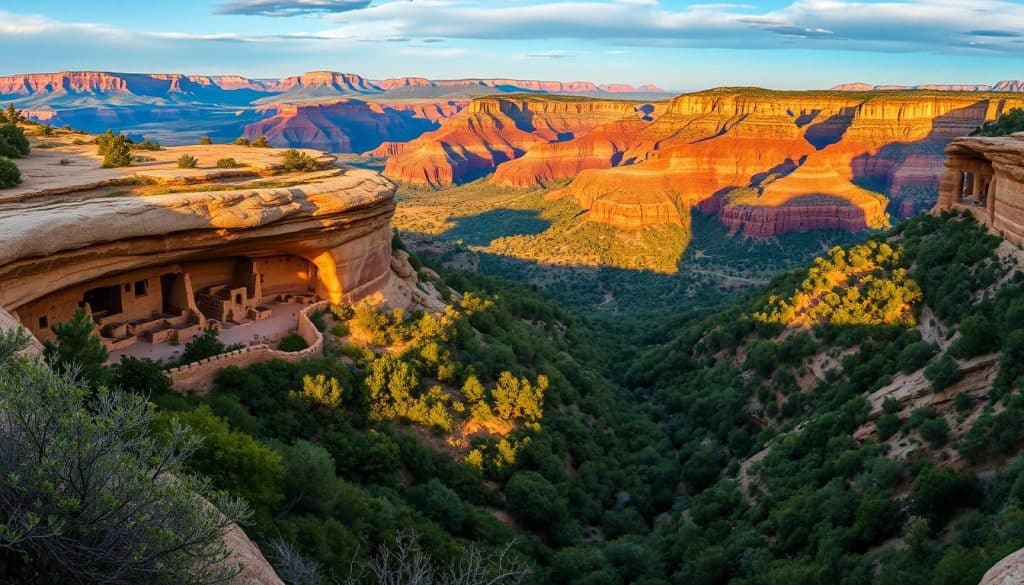
What does this designation mean? It signifies that the park holds cultural and historical importance that transcends borders. The UNESCO committee recognized its well-preserved ancestral sites, which offer a window into the lives of the Pueblo people who thrived here centuries ago.
To qualify as a world heritage site, the park had to meet strict criteria. Its cliff dwellings, like the iconic Cliff Palace, showcase advanced engineering and a deep connection to the land. These structures are a testament to the ingenuity of the Puebloans and their harmonious relationship with nature.
This honor is not just for historians—it’s for you, the visitor. Walking through these ancient sites, you’re part of a global effort to appreciate and protect our shared heritage. As one visitor put it,
“Seeing these dwellings is like stepping into a living history book.”
Today, the park continues to inspire awe and curiosity. Its UNESCO status ensures that its stories and structures remain intact, offering a timeless connection to the past. Whether you’re a history enthusiast or a casual traveler, this designation makes your visit even more meaningful.
Guided Tours and Activities
Ready to dive into the heart of ancient history? Guided tours offer a unique way to explore the rich cultural heritage of this iconic site. Whether you’re a history buff or an outdoor enthusiast, there’s something for everyone.
Cliff Dwelling Tour Reservations
To explore the famous cliff dwellings, you’ll need to reserve a spot on a ranger-led tour. These tours are popular and fill up quickly, so plan ahead. Reservations can be made up to 14 days in advance, and tours run from May to October.
Each tour is limited to 50 participants, ensuring a personalized experience. The Cliff Palace tour, for example, lasts 45 minutes and covers a quarter-mile walk with a 100-foot elevation change. Be prepared for a bit of adventure—some tours involve climbing ladders or crawling through tunnels.
Hiking, Photography, and More
Beyond the cliff dwellings, the park offers a variety of activities. Hiking trails wind through stunning landscapes, perfect for capturing breathtaking photos. Photography tours are also available, giving you tips on how to best capture the park’s beauty.
For a deeper understanding of the ancestral culture, consider joining a guided hike. These tours provide insights into the daily lives of the people who once called this place home. Audio tours and park films at the visitor center are also great resources for learning more.
- Reservations: Book your spot on a cliff dwelling tour in advance.
- Activities: Explore hiking trails, photography tours, and more.
- Guided Tours: Gain a deeper historical and cultural understanding.
- Preparation: Bring water, wear sturdy shoes, and check trail conditions.
With these tips, you’re ready to make the most of your visit. Whether you’re climbing ladders to explore a cliff dwelling or hiking through scenic trails, your adventure awaits!
Educational Experiences at the Visitor Center
Immerse yourself in the stories of the past at the Mesa Verde Visitor and Research Center. This hub of knowledge offers a wealth of resources to enhance your understanding of the ancestral Pueblo people and their remarkable legacy. Whether you’re a history enthusiast or a curious traveler, the center provides an engaging introduction to the site’s cultural and archaeological significance.
Mesa Verde Museum and Interpretive Programs
The museum is a treasure trove of exhibits that bring history to life. You’ll find artifacts, dioramas, and interactive displays that detail the daily lives of the ancestral Puebloans. From pottery fragments to tools, each exhibit offers a glimpse into their ingenuity and resourcefulness.
Interpretive programs add depth to your visit. Guided tours, films, and audio tours provide context and insights into the site’s history. These programs are designed to help you connect with the past in a meaningful way. As one visitor noted,
“The museum made the ancient world feel alive and relevant.”
- Key Exhibits: Artifacts, dioramas, and interactive displays.
- Interpretive Programs: Guided tours, films, and audio tours.
- Interactive Learning: Hands-on activities for all ages.
- Visitor Tips: Explore the center before and after touring the park.
Take your time to explore the center’s offerings. The resources here will deepen your appreciation for the ancestral Pueblo people and their enduring legacy. Whether you’re watching a film or examining artifacts, every moment spent here enriches your visit to this iconic site.
Sustainable Tourism and Preservation Efforts
Preserving the past while welcoming the future is at the heart of sustainable tourism in this iconic destination. By balancing exploration with conservation, we ensure that the stories of the ancestral Pueblo people continue to inspire. Every visit to this cultural treasure is an opportunity to support its preservation.
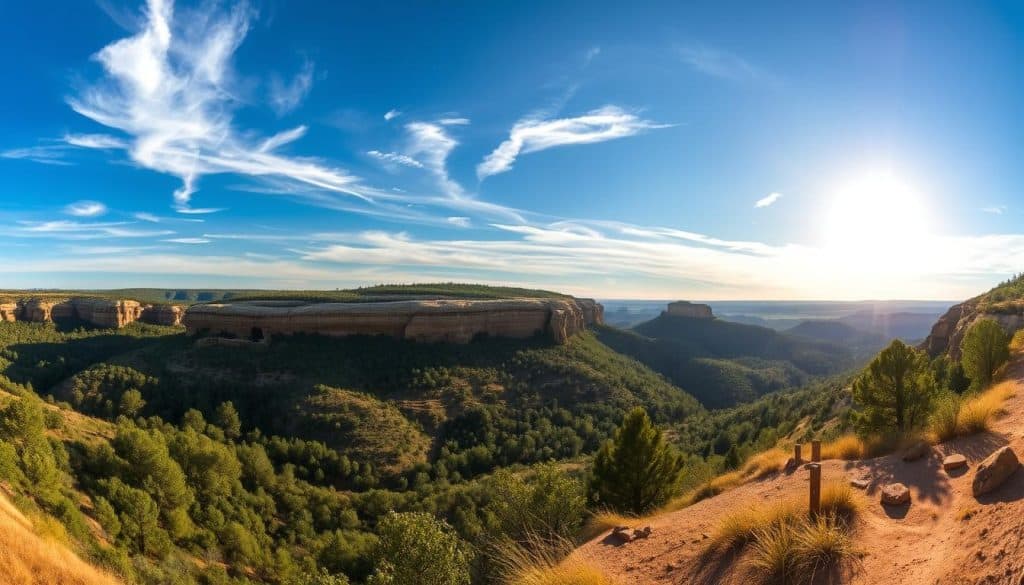
Efforts to protect the park’s architectural and natural resources are ongoing. Programs like the Save America’s Treasures Grant fund critical conservation projects. These initiatives help maintain the integrity of cliff dwellings and other ancient structures, ensuring they withstand the test of time.
Modern conservation practices play a vital role in safeguarding these sites. Techniques like non-invasive monitoring and climate-controlled stabilization protect structures from weathering and erosion. These methods allow us to preserve the park’s legacy while minimizing environmental impact.
- Sustainable Tourism Initiatives: Programs encourage responsible visitation and reduce ecological footprints.
- Preservation Projects: Grants fund restoration and maintenance of historic sites.
- Community Involvement: Local partnerships support conservation and education efforts.
- Visitor Tips: Stay on marked trails, avoid touching structures, and pack out all trash.
Your actions as a visitor make a difference. By following guidelines and supporting conservation programs, you contribute to the park’s sustainability. As one ranger shared,
“Every small effort adds up to a big impact in preserving this unique heritage.”
For more insights into preserving America’s natural wonders, explore our guide to the top national parks. Together, we can ensure that these treasures remain for future generations to enjoy.
Discovering Chapin Mesa: Landmarks and Highlights
Chapin Mesa is a treasure trove of ancient wonders waiting to be explored. Home to some of the most iconic cliff dwellings, this area offers a fascinating glimpse into the lives of the ancestral Pueblo people. From the grandeur of Cliff Palace to the intricate details of Balcony House, every site tells a story of ingenuity and resilience.
Iconic Landmarks of Chapin Mesa
One of the most remarkable sites is Cliff Palace, the largest cliff dwelling in North America. With over 150 rooms and 23 kivas, it’s a testament to the advanced engineering skills of its builders. Walking through this site, you can imagine the bustling community that once thrived here.
Another must-see is Balcony House, known for its adventurous access. Climbing ladders and crawling through tunnels adds an exciting element to your visit. This compact dwelling showcases the resourcefulness of the ancestral Puebloans, who maximized space and safety in their construction.
While Spruce Tree House is currently closed for tours, it remains one of the best-preserved sites. With 130 rooms and eight kivas, it once housed a vibrant community. You can still admire its beauty from a distance and appreciate its historical significance.
Exploring Chapin Mesa
Chapin Mesa is designed for self-guided exploration. The Mesa Top Loop Road offers a scenic drive with stops at key archaeological sites. Along the way, you’ll learn about the evolution of ancestral Pueblo architecture, from early pithouses to the intricate cliff dwellings.
Take your time to soak in the breathtaking views and reflect on the ingenuity of the people who built these structures centuries ago. As one visitor shared,
“Exploring Chapin Mesa feels like stepping into a living history book.”
- Cliff Palace: The largest cliff dwelling in North America.
- Balcony House: A compact site with adventurous access.
- Spruce Tree House: A well-preserved dwelling with historical significance.
- Self-Guided Tours: Explore at your own pace along the Mesa Top Loop Road.
- Scenic Views: Enjoy breathtaking landscapes while learning about ancient construction methods.
Chapin Mesa is more than a destination—it’s a journey into the heart of a culture that shaped the American Southwest. Whether you’re marveling at the grandeur of Cliff Palace or navigating the tight spaces of Balcony House, you’ll leave with a deeper appreciation for the ancestral Pueblo people and their remarkable legacy.
Exploring Wetherill Mesa Offerings
Discover a quieter side of history at Wetherill Mesa. This area offers a more intimate experience compared to the bustling Chapin Mesa. With fewer crowds, you can truly immerse yourself in the ancient stories etched into the landscape.
Long House Tours and Visitor Guidance
The Long House is the largest cliff dwelling on Wetherill Mesa and a must-see attraction. Accessible only through a ticketed radar-guided tour, this site offers a deeper understanding of the ancestral Pueblo people’s ingenuity. Tours are available seasonally, so plan ahead to secure your spot.
Wetherill Mesa is open from late spring to early fall, making it a perfect summer destination. Amenities include picnic areas and restrooms, ensuring a comfortable visit. The Step House and other nearby sites add to the rich experience.
What Makes Wetherill Mesa Unique?
Unlike Chapin Mesa, Wetherill Mesa offers a more secluded and peaceful atmosphere. The Long House tour provides an in-depth look at the community that once thrived here. Walking trails and scenic overlooks allow you to explore at your own pace, surrounded by breathtaking views.
- Seasonal Access: Open from May to October.
- Guided Tours: Reserve your spot for the Long House tour in advance.
- Walking Trails: Explore scenic paths with stunning overlooks.
- Less Crowded: Enjoy a more intimate experience compared to Chapin Mesa.
Wetherill Mesa is a hidden gem that invites you to connect with history in a serene setting. Whether you’re touring the Long House or hiking the trails, this area offers a unique and unforgettable experience.
Planning Your Visit: Insider Tips and Essentials
Planning your trip to this historic site? Here’s what you need to know for a seamless experience. From the best times to visit to accessibility tips, we’ve got you covered. Whether you’re a first-time visitor or a seasoned explorer, these insights will help you make the most of your adventure.
Best Times to Visit and Accessibility
The ideal time to visit is during late spring to early fall. From May to October, the weather is pleasant, and all attractions are open. Summer months can be busy, so consider visiting in May or September for fewer crowds.
Winter visits offer a quieter experience, but some areas, like the Cliff Palace Loop, are closed. Check the official website for seasonal updates and operating hours before your trip.
Accessibility is a priority here. Many sites, like the Chapin Mesa Museum, are wheelchair-friendly. However, some cliff dwellings require climbing ladders or navigating uneven terrain. Plan accordingly based on your needs.
Insider Tips for a Smooth Visit
- Arrive Early: Beat the crowds by starting your day early. Parking can fill up quickly, especially during peak season.
- Reserve Tours in Advance: Popular tours, like the Cliff Palace and Long House, require reservations. Book up to 14 days ahead to secure your spot.
- Pack Essentials: Bring water, sunscreen, and sturdy shoes. The high altitude and rugged terrain can be challenging.
- Plan Your Route: Driving between Chapin Mesa and Wetherill Mesa takes about 1.5 hours. Use the park map to optimize your itinerary.
With these tips, you’re ready to explore this incredible destination. Whether you’re marveling at ancient cliff dwellings or hiking scenic trails, your adventure awaits!
Enhancing Your Mesa Verde Experience
Make your visit unforgettable with these insider tips and local insights. From savoring local flavors to staying safe on rugged trails, we’ve got you covered. Here’s how to make the most of your time in this historic destination.
Local Food Options
After a day of exploring, treat yourself to some local cuisine. The Metate Room offers a fine dining experience with a focus on regional ingredients. For a more casual meal, try the Far View Terrace Café, known for its hearty breakfasts and Southwestern dishes.
If you’re venturing outside the park, nearby towns like Cortez and Mancos have charming eateries. From farm-to-table restaurants to cozy coffee shops, there’s something for every palate.
Safety Tips for Exploring
Exploring cliff dwellings and rugged terrain requires caution. Always stay on marked trails to protect both yourself and the fragile environment. Wear sturdy shoes with good grip, especially when climbing ladders or navigating uneven surfaces.
Hydration is key, especially at higher altitudes. Carry plenty of water and take breaks as needed. Be mindful of weather changes—summer heat can be intense, while winter brings cold and icy conditions.
Recommended Gear and Clothing
Packing the right gear ensures a comfortable visit. Here’s a quick guide:
| Season | Essential Gear |
|---|---|
| Spring/Fall | Layered clothing, waterproof jacket, hiking boots |
| Summer | Sun hat, sunscreen, lightweight clothing, water bottle |
| Winter | Insulated jacket, gloves, thermal layers, traction devices for shoes |
Insider Advice for Photos and Attractions
Capture stunning memories with these tips. Early morning or late afternoon light is ideal for photography, offering soft, golden hues. The Sun Point Overlook provides panoramic views perfect for landscape shots.
For a unique experience, visit the Yucca House National Monument. This lesser-known site offers a peaceful escape and a chance to explore ancient ruins without the crowds.
With these tips, your visit will be both safe and memorable. Whether you’re enjoying local flavors or capturing breathtaking views, these insights will enhance your adventure.
Conclusion
Uncover the timeless stories etched into the cliffs and canyons of this remarkable destination. As a UNESCO World Heritage Site, this area offers a unique blend of history, culture, and natural beauty. From the awe-inspiring cliff dwellings to the serene landscapes, every corner invites you to connect with the ancestral heritage of the Pueblo people.
Whether you’re exploring the iconic Cliff Palace or hiking scenic trails, the experience is unforgettable. Practical tips like arriving early, reserving tours in advance, and packing essentials ensure a smooth visit. This national park is not just a place—it’s a journey into the heart of a vibrant community that thrived here centuries ago.
Plan your next adventure with confidence and curiosity. Discover the wonders of this top destination and create memories that will last a lifetime. Your journey awaits—step into the past and embrace the beauty of this extraordinary area.
FAQ
What are the must-see attractions in the park?
You’ll want to explore iconic sites like Cliff Palace, Balcony House, and Spruce Tree House. These cliff dwellings offer a fascinating look into the lives of the Ancestral Pueblo people.
How do I book a guided tour of the cliff dwellings?
Tours can be reserved online or at the visitor center. Make sure to book early, especially during peak seasons, as spots fill up quickly.
What is the best time of year to visit?
Spring and fall are ideal, with mild weather and fewer crowds. Summer is popular but can be hot, while winter offers a quieter experience with limited access to some areas.
Are there entrance fees, and what do they cover?
Yes, there’s an entrance fee per vehicle or person. It grants access to the park, visitor center, and most trails. Check the official website for current rates.
Can I visit the cliff dwellings without a tour?
Some sites, like Spruce Tree House, are accessible without a tour, but major dwellings like Cliff Palace and Balcony House require a guided tour for entry.
What should I bring for a day trip?
Pack water, sunscreen, sturdy shoes, and a camera. The terrain can be uneven, and the sun can be intense, so come prepared.
Is the park family-friendly?
Absolutely! Kids will love the hands-on exhibits at the museum and the adventure of exploring the cliff dwellings. Just keep an eye on them near steep edges.
Are pets allowed in the park?
Pets are allowed in certain areas but not in the cliff dwellings or on most trails. Always keep them on a leash and check the park’s pet policy before visiting.
What makes this place a UNESCO World Heritage Site?
The park preserves over 5,000 archaeological sites, including the well-preserved cliff dwellings, showcasing the ingenuity and culture of the Ancestral Pueblo people.
Are there dining options inside the park?
Yes, there’s a café at the visitor center and a restaurant near Far View Lodge. You can also bring your own food for a picnic in designated areas.