

Did you know that over 150 eruptions occurred in this area between 1914 and 1915? This incredible event shaped the landscape you see today, making it one of the most unique destinations in California. With steaming fumaroles, jagged peaks, and wildflower meadows, this place offers a mesmerizing mix of geothermal wonders and natural beauty.
Designated as a protected area in 1916, this park is home to all four types of volcanoes: shield, composite, cinder cone, and plug dome. Its rugged terrain and cooling mountain lakes create a paradise for hikers, photographers, and nature lovers alike. Whether you’re exploring its volcanic history or marveling at its diverse landscapes, this guide will help you plan an unforgettable visit.
Key Takeaways
- Discover the park’s geothermal wonders and volcanic history.
- Explore diverse landscapes, from peaks to meadows and lakes.
- Learn about its designation as a protected area in 1916.
- Plan your visit to see its must-see attractions.
- Experience all four types of volcanoes in one location.
Introduction to Lassen Volcanic National Park
Nestled in northeastern California, this area is a treasure trove of geothermal wonders and breathtaking landscapes. Its unique volcanic features and diverse ecosystems make it a must-visit destination for nature enthusiasts. From bubbling mud pots to serene mountain lakes, there’s something here for everyone.
Overview & Unique Attractions
This national park is famous for its geothermal areas, like Bumpass Hell and Sulphur Works. These spots showcase the earth’s raw power with steaming fumaroles and colorful mineral deposits. The park’s dramatic volcanic history is evident in every corner, from jagged peaks to lush meadows.
Early Native American tribes once called this area home, leaving behind a rich cultural legacy. European explorers later marveled at its natural beauty, leading to its designation as a protected area. Today, visitors can explore its trails, learn about its history, and enjoy its stunning scenery.
What Makes This Park Special
What sets this volcanic national destination apart is its accessibility and variety. Modern facilities make it easy for visitors to explore, whether you’re hiking, camping, or simply taking in the views. The park’s mix of natural beauty and volcanic activity creates a one-of-a-kind experience.
From the iconic Lassen Peak to the tranquil Manzanita Lake, there’s no shortage of attractions. Whether you’re a first-time visitor or a seasoned explorer, this lassen volcanic wonderland promises an unforgettable adventure.
Understanding the Park’s Volcanic Landscapes
This destination offers a unique opportunity to witness Earth’s geological processes in action. Its rugged terrain is a testament to the powerful forces that shaped it over thousands of years. From towering peaks to bubbling mud pots, the area is a living laboratory of volcanic activity.
The Four Types of Volcanoes
This national treasure is one of the few places in the world where you can find all four types of volcanoes. Each type has a distinct formation process and appearance:
- Plug Dome: Formed by slow-moving lava, Lassen Peak is the largest example in the world.
- Shield: Built by fluid lava flows, these volcanoes have broad, gentle slopes.
- Cinder Cone: Created by explosive eruptions, these are smaller and steeper.
- Stratovolcano: Layered structures formed by alternating eruptions of lava and ash.
These volcanic features make the park a hotspot for geologists and nature enthusiasts alike.
Active Hydrothermal Areas
The area’s geothermal activity is still very much alive. You’ll find steaming fumaroles, boiling mud pots, and hot springs scattered throughout the landscape. These features are a reminder of the Earth’s internal heat and its ability to shape the surface.
One of the most famous hydrothermal areas is Bumpass Hell. Here, you can see vibrant mineral deposits and feel the heat from the ground. It’s a must-see for anyone visiting the national site.
| Volcano Type | Key Feature | Example in the Park |
|---|---|---|
| Plug Dome | Slow-moving lava | Lassen Peak |
| Shield | Broad, gentle slopes | Prospect Peak |
| Cinder Cone | Steep, explosive eruptions | Cinder Cone |
| Stratovolcano | Layered structure | Brokeoff Volcano |
Understanding these volcanic landscapes gives you a deeper appreciation for the area’s geological importance. Whether you’re hiking or simply taking in the views, you’re witnessing the Earth’s dynamic processes firsthand.
Historical Insights: From Indigenous Peoples to National Park Status
The history of this region is deeply rooted in the stories of its earliest inhabitants and the forces of nature. Long before it became a protected area, this land was shaped by indigenous cultures and the dramatic effects of volcanic activity. From tribal legends to European exploration, the past of this area is as captivating as its landscapes.
Early Inhabitants & Native Legends
The Atsugewi people were among the first to call this area home. They lived in harmony with the land, relying on its resources for survival. Their legends often revolved around the powerful forces of fire and water, reflecting the volcanic and aquatic features of the region.
Other tribes, like the Yana and Mountain Maidu, also traveled through these lands. They followed deer herds and gathered acorns, leaving behind a rich cultural legacy. These tribes’ deep connection to the land is still honored today.
European Exploration and Park Establishment
In the mid-19th century, European explorers arrived, drawn by the area’s natural beauty. Peter Lassen, a Danish immigrant, played a key role in mapping the region. His efforts eventually led to the area being named after him.
By 1916, the area was designated as a protected site, preserving its unique features for future generations. The stunning mountain lakes and volcanic landscapes played a significant role in this decision. Today, visitors can appreciate the blend of indigenous culture and European history that shaped this remarkable place.
Planning Your Trip to Lassen Volcanic National Park
Planning a trip to this unique area requires careful consideration of seasonal changes and trail conditions. The diverse landscapes and varying elevations mean that weather can shift dramatically, so preparation is key. Whether you’re aiming to hike near the iconic peak or explore the geothermal wonders, timing your visit right will make all the difference.
Best Seasons to Visit
The best time to explore this area is during the summer months, from July to September. During this period, most roads and trails are open, and the weather is most favorable. Winter snow often closes access from October to June, so plan accordingly if you’re visiting outside the summer season.
Elevation plays a significant role in weather conditions. Higher areas, like the peak, can be cooler and more unpredictable. Always check the National Park Service (NPS) alerts for the latest updates on road and trail conditions.
| Season | Accessibility | Weather |
|---|---|---|
| Summer (July-Sept) | Most roads and trails open | Warm, sunny days |
| Fall (Oct-Nov) | Limited access due to snow | Cool, variable conditions |
| Winter (Dec-Mar) | Main road closed | Heavy snowfall |
| Spring (Apr-Jun) | Partial access, snow melting | Cool, wet conditions |
Tips for a Successful Adventure
To make the most of your visit, start by downloading offline maps. Cellular service is limited in the area, so having a backup is essential. Wear layers to adapt to changing weather, especially if you’re hiking near the peak or other high-elevation spots.
Bring plenty of water and snacks, as some trails can be strenuous. Always monitor NPS alerts for real-time updates on trail closures or weather changes. For more tips on exploring California’s diverse landscapes, check out this guide to California’s national parks.
Finally, leave no trace. Respect the natural beauty of this unique area by packing out all trash and staying on designated trails. With proper planning, your adventure will be both memorable and rewarding.
Activity Guide: Hiking and Trail Exploration
With over 150 miles of trails, this area offers endless opportunities for outdoor adventure. Whether you’re a seasoned hiker or a casual explorer, the diverse landscapes and unique geological features make every step worthwhile. From bubbling geothermal areas to towering peaks, there’s a trail for everyone.
Popular Trails: Bumpass Hell and Cinder Cone
One of the most iconic hikes is the Bumpass Hell Trail. This 3-mile round-trip trail takes you through a geothermal wonderland with steaming fumaroles and vibrant mineral deposits. The boardwalk ensures a safe and accessible experience, making it a must-see for first-time visitors.
For a more challenging adventure, the Cinder Cone Trail is a thrilling option. With a steep climb of 200 feet, this trail rewards hikers with panoramic views of the surrounding landscape. The trail’s volcanic terrain offers a unique glimpse into the area’s geological history.
Exploring Scenic Views and Hidden Gems
Beyond the popular trails, there are hidden gems waiting to be discovered. The Ridge Lakes Trail, for example, climbs over 1,000 feet in just one mile, offering breathtaking views of alpine lakes at 8,000 feet elevation. It’s a perfect spot for photographers and nature enthusiasts.
For a more leisurely experience, the Manzanita Lake Loop is a 1.7-mile trail that circles a serene mountain lake. It’s ideal for families or those looking for a peaceful walk. Don’t forget to check trail conditions and elevation changes before heading out, as weather can vary significantly.
“Hiking here is like stepping into another world—every trail tells a story of the Earth’s dynamic forces.”
When planning your hike, keep in mind that trails can remain snow-covered into June or July. Always check the latest information from the park service to ensure a safe and enjoyable experience. With proper preparation, your adventure will be unforgettable.
Navigating Weather and Climate Conditions
From sunny skies to sudden snowstorms, the weather here keeps visitors on their toes. The high elevation and seasonal snow create a dynamic climate that demands careful planning. Understanding these patterns is essential for a safe and enjoyable visit.
Seasonal Patterns and What to Expect
Weather here varies dramatically with the seasons. Summer, from July to September, offers the most stable conditions, with warm days and open trails. However, even in summer, temperatures can drop significantly at higher elevations.
Winter brings heavy snowfall, with depths reaching over 6 feet in some areas. Roads and trails often close, limiting access. Spring and fall are transitional periods, with melting snow and unpredictable weather. Always check the latest updates before heading out.
How Visitor Centers Help Plan Your Visit
Visitor centers are invaluable resources for understanding current conditions. They provide real-time updates on trail accessibility, weather forecasts, and safety tips. Staff can also recommend the best times to start your activities based on the day’s conditions.
For example, the Kohm Yah-mah-nee Visitor Center, open year-round, offers detailed information on snow levels and road closures. Checking in here can help you adjust your plans and avoid unexpected challenges.
Preparing for Changing Weather
Proper preparation is key to enjoying your visit despite the weather. Dress in layers to adapt to temperature changes, and bring waterproof gear for sudden rain or snow. Carry extra water and snacks, especially for longer hikes.
Monitoring activity updates from the park service is crucial. Conditions can shift rapidly, and staying informed ensures you’re ready for whatever the weather brings. As one ranger puts it,
“The key to a great visit is flexibility and preparation.”
Checking Current Conditions
Before starting any activity, check the latest conditions. Websites and apps from the park service provide up-to-date information on trail status, weather alerts, and safety recommendations. This step is especially important for high-elevation areas, where conditions can be more severe.
By staying informed and prepared, you can make the most of your visit, no matter what the weather brings. Whether you’re hiking, sightseeing, or simply enjoying the scenery, a little planning goes a long way.
Exploring Unique Geothermal Features
The earth’s raw power is on full display in this geothermal wonderland. From steaming vents to bubbling mud pots, the area’s features are a testament to the planet’s inner energy. Even in winter, when snow blankets the landscape, these geothermal sites remain active, offering a striking contrast between the cold and the heat beneath.
Sulphur Works and Fumaroles
One of the most accessible geothermal areas is Sulphur Works. Located just a mile from the entrance, this site features boiling mud pots and steam vents. The fumaroles here release gases that create a surreal, otherworldly atmosphere. A sidewalk allows you to safely observe these features up close.
In winter, the steam from the fumaroles rises dramatically against the snowy backdrop. It’s a reminder of the constant activity beneath the surface. However, always stay on designated paths—venturing off can be dangerous, as the ground may be unstable.
Devil’s Kitchen and Boiling Mud Pots
For a more intense experience, head to Devil’s Kitchen. This site is known for its boiling mud pots and vibrant mineral deposits. The area’s name hints at its dramatic, almost eerie beauty. The mud pots bubble and churn, creating a mesmerizing display of nature’s power.
Even in winter, the heat from these features keeps the surrounding snow at bay. The contrast between the cold air and the molten activity is striking. As one visitor noted,
“It’s like stepping into another world—one where the earth is alive and constantly changing.”
Safety Tips for Exploring Geothermal Areas
While these sites are fascinating, they require caution. Stick to marked trails and boardwalks to avoid unstable ground. The heat from fumaroles and mud pots can cause severe burns, so keep a safe distance. In winter, wear sturdy boots to navigate icy paths safely.
Always check with the visitor center for the latest conditions. They can provide updates on trail accessibility and safety alerts. With proper preparation, you can safely enjoy these incredible geothermal wonders.
Essential Experiences in Lassen Volcanic National Park
Step into a world where nature’s raw power meets serene beauty. This area is home to iconic landmarks that define its identity, offering unforgettable experiences for every visitor. From towering peaks to tranquil lakes, these must-see spots showcase the best of what this destination has to offer.
Iconic Landmarks and Must-See Spots
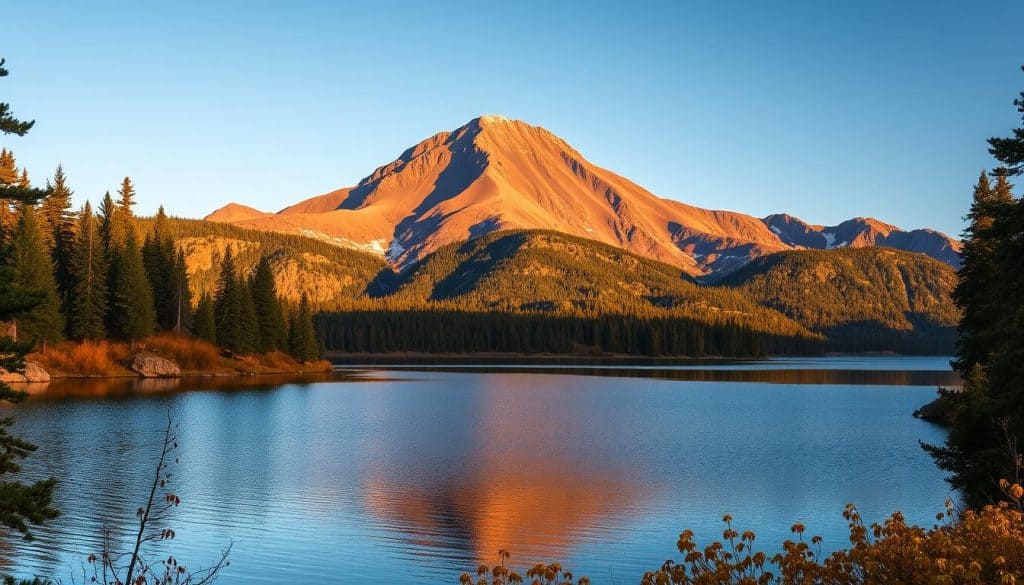
One of the most breathtaking sights is Lassen Peak. As the largest plug dome volcano in the world, it offers a challenging yet rewarding hike. The 5-mile round trip takes you to an elevation of over 10,000 feet, where panoramic views of the surrounding landscape await. It’s a testament to the area’s geological significance and a must for adventure seekers.
For a more relaxed experience, head to Manzanita Lake. This serene spot is perfect for kayaking, fishing, or simply soaking in the scenic beauty. The 1.7-mile loop trail around the lake is ideal for families and photographers, offering stunning reflections of the surrounding peaks.
Other must-see spots include Bumpass Hell, known for its geothermal features, and the Cinder Cone Trail, which offers a unique glimpse into the area’s volcanic history. Each of these landmarks tells a story, inviting you to explore and connect with nature.
As one visitor shared,
“Standing atop Lassen Peak felt like being on top of the world—the views were absolutely worth the climb.”
Whether you’re hiking, relaxing, or capturing memories, these essential experiences will leave you in awe of this remarkable place.
Discovering Manzanita Lake and Campground Areas
Manzanita Lake is a serene escape, offering a perfect blend of water activities and scenic trails. Nestled at an elevation of 5,700 feet, this area is a hub for visitors seeking both relaxation and adventure. Whether you’re paddling on the lake or exploring its surrounding trails, this spot is a must-visit.
Water Activities and Lakeside Trails
The lake is ideal for non-motorized boating, including kayaking and stand-up paddleboarding. Its calm water reflects the surrounding peaks, creating a picturesque setting. The 1.8-mile loop trail around the lake is perfect for leisurely walks, offering stunning views and opportunities for photography.
For a shorter hike, try the Reflection Lake loop, a half-mile trail that’s family-friendly. The Lily Pond Interpretive Trail is another great option, providing insights into the area’s ecosystem. These trails are often among the first to be snow-free, making them accessible earlier in the season.
Campground Tips and Nearby Facilities
The Manzanita Lake Campground is a popular choice for overnight stays. Located at 5,900 feet, it offers a range of facilities, including flush toilets and running water during the summer season. Each campsite accommodates up to six people and includes bear lockers for food storage.
Reservations are recommended, especially during peak months. Nearby, the drakesbad guest ranch provides additional lodging options, blending rustic charm with modern comforts. As one camper shared,
“Staying at the campground felt like being in the heart of nature—peaceful and rejuvenating.”
| Facility | Details |
|---|---|
| Campsite Capacity | Up to 6 people, 2 vehicles |
| Toilets | Flush (summer), vault (off-season) |
| Food Storage | Bear lockers provided |
| Pets | Allowed on leash, not on trails |
With its mix of water activities, scenic trails, and convenient facilities, Manzanita Lake is a destination that caters to all types of visitors. Plan your visit to enjoy this unique blend of adventure and tranquility.
Wildlife Encounters and Nature Experiences
The diverse wildlife here offers a glimpse into nature’s vibrant ecosystem. From the elusive Sierra Nevada red fox to the colorful waterfowl near Reflection Lake, every day brings new opportunities to connect with the natural world. Whether you’re exploring geothermal areas like Bumpass Hell or wandering through thick manzanita groves, the variety of species is astounding.
Local Fauna You Can Spot
This area is home to a wide range of animals. Black bears are often seen foraging in the meadows, while mule deer graze peacefully in the open spaces. Bird enthusiasts can spot species like the mountain bluebird and the red-tailed hawk. Keep an eye out for smaller creatures, such as the yellow-bellied marmot and the western fence lizard.
For a truly unique experience, visit the geothermal areas. The warm ground attracts insects, which in turn draw birds and other wildlife. It’s a fascinating cycle of life that highlights the interconnectedness of this ecosystem.
Bird Watching and Photography Tips
Bird watching here is a rewarding activity. Early mornings are the best time to spot birds, as they are most active during this period. Bring binoculars and a field guide to help identify different species. For photography, use a telephoto lens to capture detailed shots without disturbing the animals.
When photographing wildlife, patience is key. Stay quiet and move slowly to avoid startling your subjects. Early morning or late afternoon light provides the best conditions for capturing stunning images. As one photographer shared,
“The key to great wildlife photos is blending into the environment and letting the animals come to you.”
Whether you’re a seasoned birder or a casual observer, the natural beauty here will leave you inspired. Take your time, immerse yourself in the surroundings, and let the wildlife tell its story.
Cultural and Educational Opportunities
Discover the cultural and educational treasures waiting for you in this unique destination. From ranger-led tours to interactive exhibits, there’s something for everyone to enjoy and learn from. Whether you’re visiting in summer or planning a trip in august, these opportunities will enrich your experience.
Ranger-Led Tours and Visitor Centers
Ranger-led tours are a fantastic way to dive deeper into the area’s history and natural wonders. These guided walks and talks are available throughout the summer, offering insights into geology, wildlife, and local culture. The Kohm Yah-Mah-Nee Visitor Center is a great starting point, with exhibits that bring the area’s volcanic history to life.
Planning ahead ensures you don’t miss these engaging programs. Check the schedule online or at the visitor center to make the most of your visit. As one ranger shared,
“Our goal is to connect visitors with the stories and science behind this incredible place.”
Programs and Museum Exhibits
Interactive programs and museum exhibits add another layer to your visit. The Loomis Museum, for example, showcases artifacts and photographs that tell the story of the area’s volcanic past. Seasonal events, like the Dark Sky Festival in august, highlight the importance of preserving night skies and offer stargazing opportunities.
These experiences blend education with entertainment, making learning fun for all ages. Whether you’re exploring exhibits or joining a hands-on activity, you’ll leave with a deeper appreciation for this remarkable place.
Practical Travel Information and Park Access
Getting to this stunning destination is easier than you might think, with well-marked routes leading you straight to its natural wonders. Whether you’re driving from the north or south, State Routes 89 and 44 are the primary gateways. These roads connect you to the heart of the area, offering scenic views along the way.
How to Get There
From the north, take State Route 44, which leads directly to the Manzanita Lake entrance. This route is ideal for those coming from Redding or other northern California cities. From the south, State Route 89 connects you to the southwest entrance, near the Kohm Yah-mah-nee Visitor Center.
If you’re traveling from the east or west, Interstate 5 is your best bet. Exit onto State Route 36 or 44, depending on your destination. These routes are well-maintained and clearly marked, making navigation straightforward.
Understanding Park Facilities and Alerts
The Main Park Road is the central artery, providing access to key attractions like Bumpass Hell and the iconic cone-shaped landmarks. However, this road is often closed from late October to June due to heavy snowfall. Always check the latest updates before planning your trip.
Facilities like campgrounds and visitor centers are well-equipped to enhance your visit. The Manzanita Lake Campground, for example, offers amenities like flush toilets and bear lockers. Reservations are recommended, especially during peak months.
Visitor alerts are crucial for a smooth experience. These updates cover everything from trail closures to weather conditions. Staying informed ensures you can adjust your plans as needed.

| Route | Entrance | Key Features |
|---|---|---|
| State Route 44 | Manzanita Lake | Campground, lake access |
| State Route 89 | Southwest Entrance | Visitor center, geothermal areas |
| Interstate 5 | East/West Access | Connects to multiple routes |
Landmarks like the cone-shaped features are not just visually striking—they also serve as natural navigation aids. For example, the Cinder Cone near Bumpass Hell is a popular hiking destination and a key point of reference for visitors.
Before your trip, check the latest alerts and accessibility options. This ensures you’re prepared for any changes and can make the most of your visit. As one traveler shared,
“Knowing the road conditions and facilities ahead of time made our trip stress-free and enjoyable.”
Planning for Winter Visits and Snow Adventures
Winter transforms this area into a snowy wonderland, offering unique adventures for those willing to brave the cold. Heavy snowfall blankets the landscape, creating a serene yet thrilling environment. While vehicle access is limited, the season opens up opportunities for snowshoeing, cross-country skiing, and other winter sports.
Winter Sports and Snowshoeing
Snowshoeing is a popular activity here, with trails like the Manzanita Lake Snowshoe Loop providing a 1.5-mile journey through stunning winter scenery. Cross-country skiing is another favorite, with routes such as Nanny Creek via McGowan Ski Trail offering a 5-mile challenge. These activities let you explore the area’s snowy beauty at your own pace.
For those seeking guided experiences, ranger-led snowshoe tours are available from January through April. These tours are perfect for beginners and families, offering insights into the area’s winter ecology. As one participant shared,
“The ranger-led tour was both educational and fun—a great way to experience the snowy trails.”
Safety and Accessibility Tips
Winter travel here requires careful preparation. Dress in layers to stay warm, and wear waterproof boots to navigate snowy trails safely. Always check trail conditions before heading out, as weather can change rapidly. The Kohm Yah-mah-nee Visitor Center provides updates on accessibility and safety alerts.
For overnight stays, nearby guest ranch accommodations offer cozy retreats after a day of adventure. These sites are equipped for winter visitors, providing warmth and comfort. Remember to carry essentials like water, snacks, and a map, as cell service is limited in the area.
By planning ahead and following safety guidelines, you can enjoy a memorable winter visit. Whether you’re snowshoeing or simply soaking in the snowy views, this destination promises a magical experience.
Sustainable Tourism and Park Preservation
Preserving the natural beauty of this unique destination is a shared responsibility between visitors and the community. By adopting sustainable practices, you can help protect its delicate ecosystems while enjoying its wonders. This way, future generations can experience the same breathtaking landscapes.
One of the best ways to minimize your impact is by following the “Leave No Trace” principles. Pack out all trash, stay on designated trails, and avoid disturbing wildlife. These small actions make a big difference in maintaining the area’s pristine condition.
The visitor center plays a key role in educating the public about conservation. Through interactive exhibits and ranger-led programs, you can learn about the area’s unique ecosystems and the importance of protecting them. These initiatives inspire visitors to become stewards of the environment.
Another way to support preservation is by visiting the local museum. Here, you’ll find displays that highlight ongoing conservation efforts and the history of the area. These exhibits provide valuable insights into how the community works to balance tourism with environmental protection.
- Use reusable water bottles and containers to reduce waste.
- Respect wildlife by observing from a distance and not feeding animals.
- Support local conservation organizations through donations or volunteer work.
By taking these steps, you contribute to the sustainability of this remarkable place. As one ranger shared,
“Every small effort adds up to create a lasting impact. Together, we can ensure this destination remains vibrant for years to come.”
Whether you’re exploring the trails or learning at the museum, your actions matter. Embrace sustainable tourism and help preserve this natural treasure for future generations.
Local Dining and Nearby Accommodations
From rustic guest ranches to charming local eateries, the valley offers unforgettable experiences. Whether you’re craving regional flavors or seeking a cozy stay, the area has something for everyone. The natural vents and scenic beauty create a unique ambiance that enhances every meal and overnight stay.
Historic Guest Ranch Experiences
For a truly memorable stay, consider the Drakesbad Guest Ranch. Nestled in the heart of the valley, this historic ranch combines rustic charm with modern comforts. Located just a mile from popular attractions, it’s the perfect base for your adventures. The ranch offers hearty meals, comfortable rooms, and a warm, welcoming atmosphere.
As one guest shared,
“Staying at Drakesbad felt like stepping back in time—it’s a peaceful retreat surrounded by nature.”
Local Dining and Lodging Options
If you’re looking for convenient options, there are several accommodations within a mile of the area. The St. Bernard Lodge, just 20 minutes away, offers cozy rooms and a full breakfast. Nearby, you’ll find restaurants serving classic Californian cuisine, from farm-to-table dishes to hearty comfort food.
For a unique dining experience, visit the Farmer’s Market in Chester. Open Thursday evenings from June to September, it’s a great way to sample local produce and artisanal goods. The natural vents in the area add a touch of geothermal wonder to your meals, making every bite unforgettable.
Whether you’re staying at a historic ranch or exploring local eateries, the valley ensures your visit is as comfortable as it is adventurous. Plan your trip to include these dining and lodging options for a truly immersive experience.
Conclusion
Exploring this remarkable destination offers a blend of history, geology, and modern adventure. From its volcanic landscapes to its serene lakes, the area’s diversity ensures an unforgettable experience. Whether you’re hiking its trails or marveling at geothermal wonders, thoughtful planning enhances every visit.
The service provided by the park’s team ensures your safety and enriches your journey. Rangers and facilities like the drakesbad guest ranch make your stay comfortable and informative. Their dedication helps preserve this natural treasure for future generations.
With this guide, you’re equipped to plan a memorable trip. Start your adventure today and discover the unique allure of this destination. Return to our site for updates and alerts to stay informed for your next visit.
FAQ
What are the best trails to explore in the park?
Popular trails include Bumpass Hell and Cinder Cone, offering stunning views and unique geothermal features. For a more relaxed walk, try the Manzanita Lake Trail.
When is the ideal time to visit?
Summer and early fall are the best seasons, typically from June to October, when most trails and facilities are open. Winter visits are great for snowshoeing and cross-country skiing.
Are there any active volcanoes in the area?
Yes, Lassen Peak is an active volcano, and the park is home to all four types of volcanoes: shield, cinder cone, composite, and plug dome.
Can I see geothermal features in the park?
Absolutely! Visit Sulphur Works, Bumpass Hell, and Devil’s Kitchen to witness boiling mud pots, steam vents, and fumaroles.
What wildlife might I encounter?
You could spot black bears, mule deer, and various bird species. Bring binoculars for birdwatching and always maintain a safe distance from wildlife.
Are there campgrounds available?
Yes, Manzanita Lake Campground is a popular option. Reservations are recommended, especially during peak seasons.
What should I pack for a winter visit?
Dress in layers, bring waterproof gear, and pack essentials like snowshoes or skis. Check weather conditions and road closures before heading out.
Are there ranger-led programs?
Yes, the park offers ranger-led tours, educational programs, and exhibits at the Kohm Yah-mah-nee Visitor Center.
How do I get to the park?
The main entrance is via Highway 89, accessible from Redding or Susanville. Check for seasonal road closures before your trip.
Can I stay overnight nearby?
Yes, consider staying at Drakesbad Guest Ranch for a historic experience or explore local lodging options in nearby towns.