

Did you know that Lake Clark National Park spans over 4 million acres, making it larger than the states of Rhode Island and Connecticut combined? This vast wilderness in Alaska is one of the least visited parks in the U.S., offering unparalleled solitude and untouched beauty. Established in 1980, it’s a place where rugged mountains, active volcanoes, and pristine waters come together to create a breathtaking landscape.
From the historic town of Port Alsworth to the abundant wildlife, including grizzly bears and salmon runs, this park is a haven for adventurers. Whether you’re hiking the scenic trails or exploring the backcountry, every corner of this preserve promises a unique experience. Ready to dive deeper? Let’s uncover everything you need to know to plan your trip.
Key Takeaways
- Lake Clark National Park covers over 4 million acres, offering vast wilderness to explore.
- Port Alsworth serves as the main access point, with limited but essential facilities.
- The park is home to active volcanoes, brown bears, and abundant salmon runs.
- It’s one of the least visited parks, ensuring a serene and uncrowded experience.
- Activities include hiking, fishing, bear viewing, and exploring diverse ecosystems.
Discover the Majesty of Lake Clark National Park & Preserve
With fewer than 20,000 annual visitors, this area offers unmatched solitude and beauty. Spanning over 4 million acres, it’s a place where nature and history intertwine, creating a truly unique experience. Whether you’re drawn to its rugged landscapes or its rich cultural heritage, there’s something here for everyone.
Park Facts and Figures
This vast preserve covers an area larger than some U.S. states. In 2022, it welcomed around 18,000 visitors, making it one of the least crowded destinations in the country. Its diverse ecosystems include active volcanoes, glacial rivers, and dense forests. These features make it a hotspot for bear viewing, fishing, and hiking.
Here are some quick facts to help you understand its scale and significance:
- Over 4 million acres of protected wilderness.
- Home to active volcanoes and pristine waters.
- Less than 20,000 visitors annually, ensuring a peaceful experience.
Cultural and Historical Significance
The area is deeply rooted in the heritage of the Dena’ina people, who have lived here for thousands of years. Landmarks like the Kijik (Qizhjeh) National Historic Landmark and the Wassillie Trefon Dena’ina Fish Cache tell stories of their enduring connection to the land.
These sites are not just historical artifacts; they are living reminders of the region’s cultural richness. Exploring them offers a glimpse into the traditions and resilience of the Dena’ina people.
Whether you’re marveling at the natural wonders or delving into its history, this preserve is a place where every visit feels like a journey through time and nature.
Planning Your Visit to Lake Clark National Park
Getting to this vast preserve is an adventure in itself, with no roads leading directly to its heart. Access is limited to air or water, making it a truly remote destination. Whether you’re flying in by floatplane or arriving by boat, the journey is part of the experience.
Access, Transportation, and Permits
To reach this pristine area, you’ll need to rely on air taxis or floatplanes. Popular departure points include Anchorage and Homer, with flights taking about 60-90 minutes. Once there, you can explore by foot, boat, or even skis during winter.
Permits are not required for day hikes or most backcountry activities. However, overnight stays in certain areas may need authorization. Always check the official website for the latest updates on regulations and public use areas.
Seasonal Considerations and Visitor Information
The best time to visit depends on your interests. Summer (June to August) is ideal for hiking, fishing, and bear viewing. Fall brings vibrant colors and fewer crowds, while winter offers a serene, snow-covered landscape.
The visitor center in Port Alsworth is open daily from Memorial Day to Labor Day, with reduced hours in September. It’s a great resource for maps, safety tips, and local insights. Remember, cell service is limited, so plan accordingly.
| Activity | Best Season | Tips |
|---|---|---|
| Hiking | Summer | Bring sturdy boots and a map. |
| Fishing | May to October | Peak salmon runs in August. |
| Bear Viewing | June to September | Book flights 6-12 months in advance. |
With proper planning, your trip to this Alaskan wilderness will be unforgettable. Embrace the adventure and immerse yourself in the raw beauty of this preserve.
Breathtaking Views and Photography Spots
For photographers and nature lovers, this Alaskan preserve offers some of the most stunning landscapes in the world. From towering peaks to turquoise waters, every corner of this wilderness is a masterpiece waiting to be captured. Whether you’re an amateur or a pro, the opportunities for breathtaking shots are endless.
Best Aerial Views and Floatplane Tours
One of the best ways to appreciate the preserve’s grandeur is from the air. Floatplane tours provide a bird’s-eye view of its dramatic landscapes. You’ll soar over glaciers, rivers, and forests, capturing images that are nothing short of spectacular.
Trusted air taxi operators in Alaska offer day trips that include stops at prime photography spots. These tours are perfect for capturing the preserve’s vastness and diversity. Book early, as these experiences are in high demand.
Inland and Coastal Scenic Locations
On the ground, the preserve’s beauty is equally mesmerizing. Coastal vistas along Chinitna Bay offer sweeping views of the ocean and wildlife. Inland, Mount Tanalian’s summit provides a panoramic perspective of the surrounding wilderness.
For those seeking unique shots, the turquoise lakes and glacial valleys are must-see locations. Early mornings and late afternoons are ideal for capturing the soft, golden light that enhances the scenery.
“The preserve’s landscapes are a photographer’s paradise—every frame tells a story of nature’s raw beauty.”
Whether you’re exploring by air or on foot, the preserve’s scenic spots promise unforgettable moments and stunning photographs.
Hiking Trails and Outdoor Adventures
Exploring the trails in this Alaskan wilderness offers something for everyone, from easy family hikes to rugged backcountry adventures. Whether you’re a beginner or an experienced hiker, the diverse terrain ensures an unforgettable experience. Let’s dive into the best trails for every skill level.
Family-Friendly Trails
If you’re traveling with kids or prefer a leisurely walk, there are several gentle trails near the visitor center in Port Alsworth. The Beaver Pond loop is a popular choice, offering a short, scenic route through lush forests and around tranquil ponds. It’s perfect for introducing young ones to Alaska’s wilderness.
Another great option is the Teetering Rock Trail, known for its well-marked paths and stunning views. These trails are ideal for families looking to enjoy nature without the challenge of steep climbs or long distances.
Challenging Backcountry Routes
For those seeking a more demanding adventure, the Tanalian Mountain ascent is a must-try. This 13.9 km hike rewards you with panoramic views of the surrounding wilderness, but it requires advanced navigation and survival skills. The elevation gain of 1,030 meters makes it a test of endurance.
Another iconic route is the Telaquana loop, a multi-day trek through rugged tundra and shallow lakeshores. This backcountry adventure is for experienced hikers who are prepared for remote and unpredictable conditions.
Here are some essential tips for your hiking adventure:
- Carry bear-resistant containers for food storage.
- Check the official website for trail updates and permit requirements.
- Bring sturdy boots, a map, and navigation tools for backcountry routes.
- Plan according to the season, as weather conditions can change rapidly.
Whether you’re exploring a family-friendly trail or tackling a challenging route, the Alaskan wilderness promises an adventure like no other. Prepare well, stay safe, and enjoy every step of your journey.
Wildlife Watching: Bears, Birds, and More
From coastal brown bears to migratory birds, this region is a treasure trove for wildlife watchers. Whether you’re observing bears in their natural habitat or spotting rare bird species, the opportunities here are endless. Let’s explore how to make the most of your wildlife adventure.
Bear Viewing Guidelines and Safety
Observing brown bears is a highlight for many visitors. Coastal areas like Chinitna Bay are prime spots, where you can see up to 20 bears in one location. During the salmon run, bears frequent the shorelines of Crescent Lake, offering incredible viewing opportunities.
To ensure safety, always follow established guidelines. Keep a safe distance, avoid sudden movements, and never approach bears. Groups are safer than individuals, as bears are less likely to perceive a threat from multiple people. For the best experience, consider booking a guided tour with certified operators.
Birding Hotspots and Other Wildlife
This area is a paradise for bird enthusiasts, with over 180 species recorded. Tidal flats and coastal bays are ideal for spotting migratory birds. Don’t miss the chance to see caribou, wolves, and Dall sheep in their natural habitat.
For a unique experience, visit during the summer solstice when daylight lasts nearly 20 hours. This extended light provides ample time for wildlife watching and photography. Remember to respect the animals’ space and follow ethical viewing practices.
“Wildlife watching here is not just an activity—it’s a chance to connect with nature in its purest form.”
Whether you’re marveling at bears or spotting rare birds, this wilderness offers unforgettable encounters with Alaska’s incredible wildlife.
Adventure Safety Tips in Rugged Wilderness
Exploring the rugged wilderness of this Alaskan preserve requires careful preparation and a solid understanding of safety measures. The remote and unpredictable nature of this area demands self-reliance and respect for the environment. Whether you’re hiking, camping, or observing wildlife, these tips will help ensure a safe and enjoyable adventure.
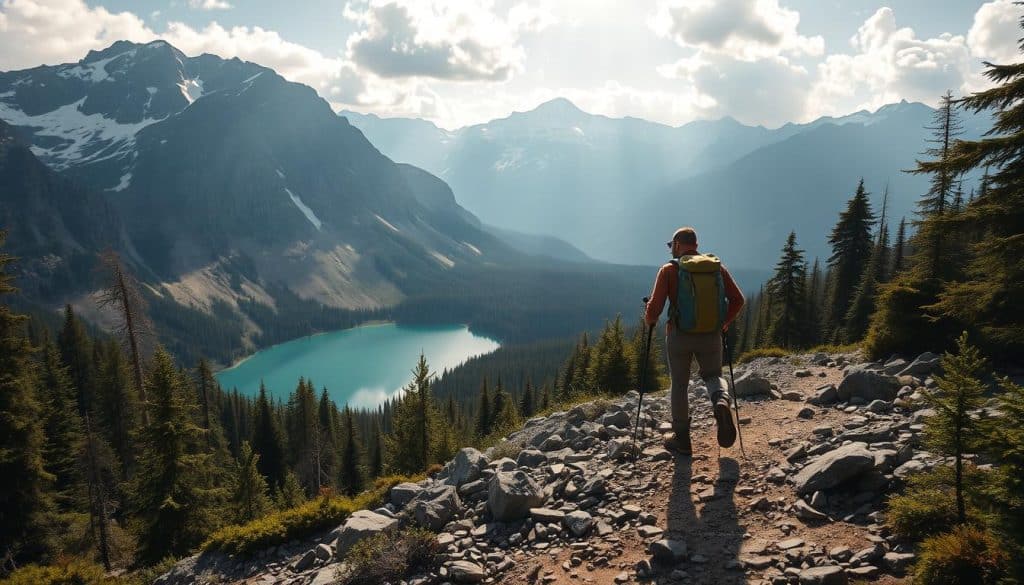
Essential Safety Precautions
Before heading into the backcountry, it’s crucial to equip yourself with the right tools and knowledge. Here’s a checklist to keep in mind:
- Navigation Skills: Carry a detailed map and compass, and know how to use them. GPS devices are helpful but should not replace traditional navigation methods.
- Weather Preparedness: Conditions can change rapidly. Pack layers, waterproof gear, and extra food in case of delays.
- Wildlife Safety: Maintain a safe distance from animals, especially bears. Store food in bear-resistant containers and avoid surprising wildlife.
- Emergency Communication: Since cell service is unavailable, consider carrying a satellite phone or personal locator beacon. Leave your itinerary with someone reliable.
Proper planning is your best defense against unexpected challenges. Always check the official website for updates on trail conditions and public use areas.
When it comes to wildlife encounters, especially bear viewing, follow these best practices:
- Travel in groups whenever possible.
- Make noise to avoid surprising animals.
- Carry bear spray and know how to use it.
“Safety in the wilderness isn’t just about gear—it’s about mindset. Stay alert, respect nature, and always be prepared.”
By taking these precautions, you’ll be ready to tackle the challenges of this stunning Alaskan preserve. Embrace the adventure, but never underestimate the importance of safety.
Experiencing the Natural and Cultural History
The cultural and natural history of this Alaskan preserve is a fascinating blend of ancient traditions and breathtaking landscapes. Here, you’ll discover stories of the Dena’ina people, explore historic landmarks, and learn how ancient cultures interpreted this rugged terrain.
Dena’ina Heritage and Historic Landmarks
The Dena’ina people have called this land home for thousands of years. Their heritage is deeply woven into the landscape, with landmarks like the Kijik National Historic Landmark showcasing their enduring connection. These sites are not just relics of the past; they are living reminders of a rich cultural legacy.
Artifacts such as the Wassillie Trefon Dena’ina Fish Cache offer a glimpse into traditional practices. These preserved caches tell stories of survival, resourcefulness, and a deep respect for the land. Exploring these sites allows you to connect with the history that shaped this region.
Interpreting Ancient Landscapes
This preserve is more than just a scenic wonder—it’s a window into the past. Ancient peoples navigated these landscapes using natural features like rivers, mountains, and valleys. Their interpretations of the land reveal a profound understanding of the environment.
Archaeological sites scattered across the area provide clues about how these cultures thrived. From seasonal camps to ceremonial grounds, each site adds a layer to the story of human adaptation in this wilderness.
| Landmark | Significance | Visitor Tips |
|---|---|---|
| Kijik National Historic Landmark | Ancient Dena’ina village site | Visit during summer for guided tours |
| Wassillie Trefon Fish Cache | Historic food storage site | Respect the area; no touching artifacts |
| Tanalian Mountain | Sacred site with panoramic views | Hike early for the best experience |
For more insights into planning your trip, check out the best times to visit Alaska’s national. This guide will help you make the most of your adventure while respecting the cultural and natural heritage of this remarkable preserve.
Exciting Activities and Excursions
Alaska’s wilderness offers endless opportunities for adventure, and this preserve is no exception. Whether you’re seeking thrilling encounters with wildlife or serene moments on the water, there’s something here for every explorer. From guided bear camps to kayaking along wild rivers, the activities available will leave you with unforgettable memories.

Guided Bear Camps, Fly-Fishing, and Kayak Adventures
For a truly immersive experience, consider joining a guided bear camp. These camps offer a chance to observe brown bears in their natural habitat, especially during the salmon run. Safety is a priority, and expert guides ensure you maintain a respectful distance while capturing incredible moments.
Fly-fishing enthusiasts will find plenty to love here. Crescent Lake is a premier spot, teeming with salmon and trout. Whether you’re a seasoned angler or a beginner, the pristine waters and abundant fish make for an unforgettable day on the water.
Kayaking is another fantastic way to explore the preserve. Paddle along scenic rivers, taking in the untouched beauty of the landscape. Guided tours are available for those who prefer a structured adventure, while experienced kayakers can venture out on their own.
Exploring Wild and Scenic Rivers
The preserve’s rivers are a gateway to its wild heart. These waterways wind through rugged terrain, offering stunning views and a sense of solitude. Whether you’re floating downstream or stopping to explore the shoreline, the experience is both peaceful and exhilarating.
Here are some tips for making the most of your river adventure:
- Pack essentials: Bring waterproof gear, snacks, and a map.
- Check conditions: Water levels and weather can change quickly.
- Respect the environment: Leave no trace and avoid disturbing wildlife.
Each activity connects you with the untamed beauty of Alaska. Whether you’re casting a line, paddling a kayak, or simply soaking in the scenery, the preserve offers a unique blend of excitement and tranquility.
Where to Stay: Lodges, Cabins, and Camping Options
Planning your stay in this Alaskan wilderness is as important as planning your adventures. Whether you prefer the comfort of a lodge or the thrill of backcountry camping, there are options to suit every traveler. Let’s explore the best choices for your trip.
Lodging Choices in Port Alsworth
Port Alsworth is the main hub for accommodations, offering a range of cozy lodges and cabins. The Farm Lodge is a popular choice, known for its warm hospitality and scenic views. For a rustic experience, consider staying at the Redoubt Mountain Lodge, which combines comfort with a true wilderness feel.
Public use cabins are also available through Recreation.gov. These cabins provide a unique way to immerse yourself in nature while still having a roof over your head. Be sure to book early, as they fill up quickly during peak seasons.
Backcountry Camping Essentials
For those seeking a more rugged experience, backcountry camping is an excellent option. However, it requires careful preparation. Bear-resistant containers are a must for storing food and toiletries. You can borrow these from the visitor center in Port Alsworth or rent them from outdoor shops in nearby towns.
Camping areas like Hope Creek offer primitive sites on a first-come, first-served basis. Remember to pack all essentials, including a sturdy tent, sleeping bag, and navigation tools. Always check the weather forecast and trail conditions before heading out.
| Option | Best For | Tips |
|---|---|---|
| Lodges | Comfort and convenience | Book early for peak season availability |
| Cabins | Rustic charm | Reserve through Recreation.gov |
| Backcountry Camping | Adventure seekers | Bring bear-resistant containers and a map |
No matter where you stay, your time in this stunning Alaskan preserve will be unforgettable. Choose the option that best fits your style and prepare for an adventure like no other.
Insider Tips for a Memorable National Park Experience
Planning a trip to this Alaskan preserve? Here’s how to make it unforgettable. Local insiders and experienced guides share their best advice to help you avoid common pitfalls and maximize your adventure. Whether you’re into history, wildlife, or outdoor activities, these tips will ensure a stress-free and rewarding experience.
Local Advice and Planning Checklists
Start with a solid plan. Local experts recommend creating a detailed itinerary that balances sightseeing, adventure, and rest. Pack essentials like sturdy boots, waterproof gear, and a reliable map. Don’t forget bear-resistant containers if you’re camping or hiking in remote areas.
Timing is key. Visit during the summer months (June to August) for the best weather and wildlife viewing opportunities. Early mornings and late afternoons are ideal for photography, as the light enhances the scenic beauty.
Maximizing Your Trip in Alaska
Tailor your trip to your interests. If you’re a wildlife enthusiast, book guided bear viewing tours or birding excursions. For adventure seekers, consider kayaking, fishing, or backcountry hiking. Balance your days with a mix of activities and downtime to fully enjoy the experience.
Reservations are crucial, especially for flights and lodging. Secure your spot early, as popular options fill up quickly. Check the official website for updates on trail conditions and public use areas.
| Activity | Best Time | Tips |
|---|---|---|
| Bear Viewing | June to September | Book flights 6-12 months in advance. |
| Kayaking | Summer | Pack waterproof gear and snacks. |
| Hiking | June to August | Carry a map and bear spray. |
By following these insider tips, you’ll be well-prepared to explore this stunning Alaskan preserve. Embrace the adventure and create memories that will last a lifetime.
Conclusion
Your journey to this pristine Alaskan destination promises unforgettable moments and unparalleled beauty. From its rugged landscapes to its rich cultural heritage, this area offers a unique blend of adventure and tranquility. Whether you’re exploring scenic trails, observing wildlife, or learning about ancient traditions, every experience here is truly one-of-a-kind.
Planning your trip is key to making the most of your visit. Remember to check the official website for updates on trails, permits, and seasonal tips. Pack essentials like a reliable map, sturdy gear, and bear-resistant containers for safety. With proper preparation, you’ll be ready to embrace the wonders of this remarkable preserve.
Ready to start your adventure? Use this guide to plan an unforgettable trip to this stunning Alaskan destination. The memories you create here will last a lifetime.
FAQ
How do I get to Lake Clark National Park & Preserve?
You can reach the area by floatplane or boat. Most visitors fly from Anchorage to Port Alsworth, the main hub for access. There are no roads leading directly to the preserve.
What is the best time of year to visit?
Summer, from June to September, is ideal. The weather is milder, and activities like hiking, fishing, and bear viewing are at their peak. Winter visits are possible but require more preparation.
Are there guided tours available?
Yes, you can join guided tours for bear viewing, fly-fishing, kayaking, and more. Local operators in Port Alsworth offer a variety of excursions tailored to your interests.
What wildlife can I expect to see?
You’ll likely spot brown bears, salmon, moose, and a variety of birds. The preserve is a prime location for observing these animals in their natural habitat.
Do I need a permit for backcountry camping?
No permits are required for camping, but you should register at the visitor center in Port Alsworth. This helps rangers keep track of visitors for safety purposes.
What should I pack for my trip?
Bring layers for changing weather, sturdy hiking boots, bear spray, and a good camera. Don’t forget essentials like a map, water filter, and insect repellent.
Can I fish in the park?
Absolutely! Fly-fishing is popular, especially for salmon and trout. Make sure to check Alaska’s fishing regulations and obtain the necessary licenses.
Are there lodging options inside the park?
Yes, you can stay in lodges or cabins in Port Alsworth. For a more rugged experience, backcountry camping is also an option.
Is it safe to hike in bear country?
Yes, but you must follow safety guidelines. Carry bear spray, make noise while hiking, and store food properly. Guided tours often provide additional safety measures.
What are the must-see scenic spots?
Don’t miss the views of Tanalian Falls, Kontrashibuna Lake, and the Chigmit Mountains. Aerial tours offer stunning perspectives of glaciers and coastal landscapes.