

Did you know that one of America’s most stunning natural wonders sees fewer visitors in a year than some theme parks see in a single day? Kobuk Valley National Park, located north of the Arctic Circle, is a hidden gem that offers unparalleled adventure and untouched wilderness. With no roads leading to it, this remote destination is accessible only by bush plane, making it a true escape from the ordinary.
This vast area spans over 1.7 million acres and is home to the iconic Great Kobuk Sand Dunes, where sand dunes rise as high as 100 feet. It’s also a critical pathway for the Western Arctic caribou herd, with nearly half a million caribou migrating through annually. Whether you’re drawn to its unique landscapes or its rich cultural ties to the Inupiat people, this park promises an unforgettable experience.
In this guide, you’ll discover everything you need to know to plan your trip, from practical travel tips to the must-see natural wonders. Get ready to explore one of the least visited yet most awe-inspiring places in the United States.
Key Takeaways
- Discover the remote and untouched beauty of this Arctic destination.
- Explore the Great Kobuk Sand Dunes, a unique natural wonder.
- Witness the annual migration of the Western Arctic caribou herd.
- Learn about the cultural heritage of the native Inupiat people.
- Plan your adventure with essential travel tips and safety advice.
Journey Overview and Access Tips
Accessing this hidden gem requires a journey that’s as unique as the destination itself. Located north of the Arctic Circle, this remote area is accessible only by chartered air flights. The adventure begins in Alaska’s key hubs like Kotzebue, Bettles, or Nome, where you’ll board a small plane to reach this pristine wilderness.
Understanding the Remote Arctic Landscape
The Arctic landscape here is unlike any other. With no roads or traditional infrastructure, the National Park Service manages this area to preserve its untouched beauty. The iconic sand dunes, formed by glacial deposits and wind, rise dramatically against the backdrop of the Kobuk River. This unique combination of sand and water creates a surreal environment that’s both stark and stunning.
Weather plays a significant role in your journey. The Arctic climate is unpredictable, and flight schedules often depend on conditions. This adds an element of adventure, as you’ll need to be flexible with your plans. The reward? Breathtaking aerial views of the dunes and the winding river below.
Chartered Air Flights and Access Points
Chartered air taxis are the primary way to reach this remote destination. Flights typically depart from Kotzebue, Bettles, or Nome, offering a scenic journey over the Arctic tundra. Here’s a quick guide to the process:
| Departure Point | Flight Duration | Cost (Approx.) |
|---|---|---|
| Kotzebue | 4-5 hours | $450 per person |
| Bettles | 2 hours | $1,750 per person |
| Nome | 8 hours | $1,750 per person |
Planning your trip in advance is crucial. Flights are weather-dependent, and delays are common. However, the journey itself is part of the experience, offering unparalleled views of Alaska’s rugged beauty. For more insights into Alaska’s diverse national parks, check out this guide to Alaska’s national parks.
This remote area is a testament to the spirit of Alaska, where modern logistics meet untouched wilderness. Whether you’re soaring over the sand dunes or landing near the river, every moment of the journey is unforgettable.
Essential Preparation and Safety Guidelines
Preparing for an Arctic adventure requires more than just enthusiasm—it demands careful planning and the right gear. This remote wilderness offers unparalleled beauty, but it also presents unique challenges. From extreme weather to rugged terrain, being well-prepared is the key to a safe and memorable trip.
Backcountry Gear and Survival Essentials
When venturing into this untouched landscape, your gear can make or break your experience. The park service emphasizes the importance of self-sufficiency, as there are no designated trails or roads. Here’s a checklist of essentials:
- Navigation tools: Topographic maps, a compass, and a GPS unit are crucial.
- Clothing: Non-cotton layers, breathable rain gear, and insulated boots are a must.
- Camping equipment: A high-quality tent, sleeping bag, and bear-resistant food container are vital.
- Emergency supplies: Carry a first-aid kit, satellite phone, and extra food for unexpected delays.
Weather, Climate, and Seasonal Considerations
The Arctic climate is unpredictable, with temperatures ranging from -50°F in winter to 70°F in summer. Frost can occur even in warmer months, and hypothermia is a risk on windy, wet days. Here’s what to expect:
| Season | Temperature Range | Key Considerations |
|---|---|---|
| Winter | -50°F to 0°F | Extreme cold, limited daylight, and potential flight delays. |
| Summer | 60°F to 70°F | Cool days, mosquito season, and caribou migration. |
Flights from Kotzebue or other gateways are weather-dependent, so flexibility is essential. Whether you’re navigating sand dunes or mountainous terrain, proper preparation ensures your adventure is as safe as it is unforgettable.
Exploring Kobuk Valley National Park
The Arctic wilderness offers a unique blend of natural wonders that few places on Earth can match. From towering sand dunes to vast tundra landscapes, this remote area is a treasure trove of beauty and adventure. Every hour spent here reveals something new and extraordinary.
Discovering the Great Kobuk Sand Dunes
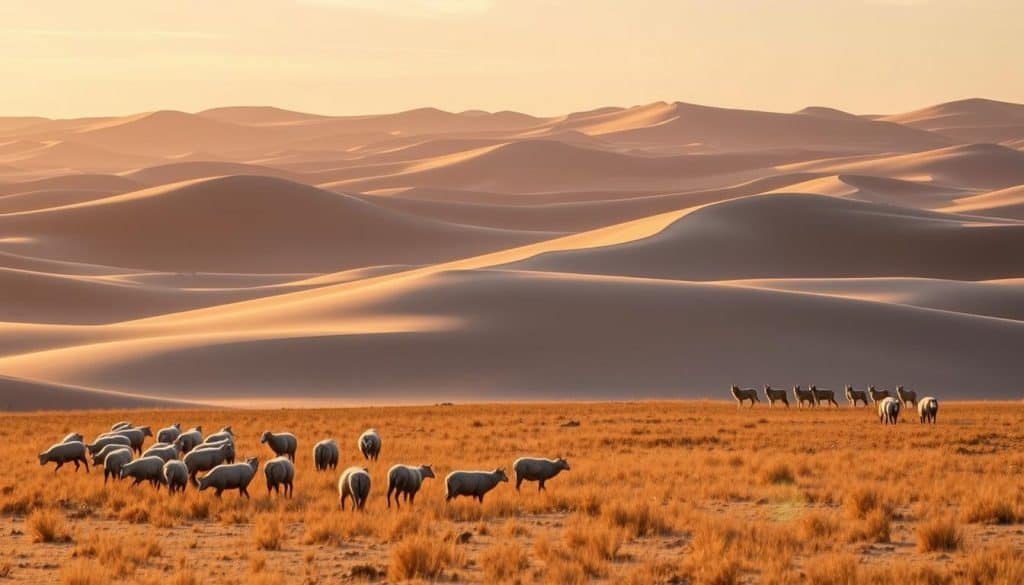
The Great Kobuk Sand Dunes are the crown jewel of this Arctic landscape. Rising up to 100 feet high, these dunes cover 25 square miles, making them the largest active dune fields in North America. Formed by glacial deposits and shaped by wind over time, they create a surreal environment that feels almost otherworldly.
Visitors can explore the dunes on foot, marveling at their scale and beauty. The park service ensures a safe experience, even in this undeveloped area. Remember, the weather can change quickly, so every hour of exploration requires preparation and caution.
Wildlife, Caribou Migration, and Natural Wonders
This area is also a critical pathway for the Western Arctic caribou herd. Nearly half a million caribou migrate through here annually, offering a breathtaking spectacle. The visitor center in Kotzebue provides detailed information about this migration and other seasonal dynamics.
The diverse ecosystems here include wetlands, tundra, and river channels. These habitats support a variety of wildlife, from birds to small mammals. During the summer months, the landscape comes alive with activity, while the long daylight hours allow for extended exploration.
| Season | Key Features |
|---|---|
| Summer | Caribou migration, endless daylight, vibrant ecosystems |
| Winter | Snow-covered dunes, extreme cold, limited daylight |
Exploring this arctic national destination is a once-in-a-lifetime adventure. Whether you’re hiking the dunes or observing wildlife, every moment here is unforgettable. Plan your visit carefully, and let the park service guide you to a safe and enriching experience.
Planning Your Itinerary for a Memorable Adventure
Planning a trip to this remote Arctic destination requires attention to detail and flexibility. With no roads or visitor centers, every aspect of your journey needs careful consideration. From coordinating flights to packing the right gear, your itinerary will ensure a seamless and unforgettable experience.
Step-by-Step How-To Guide for Your Visit
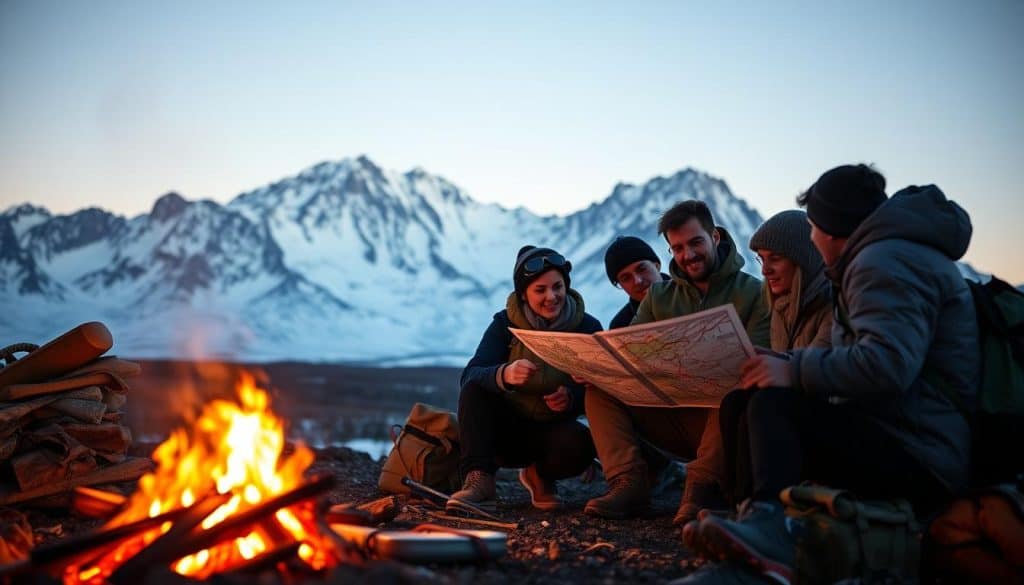
Start by booking your flight from Kotzebue, Bettles, or Nome. These gateways offer chartered air services to the park. Flights are weather-dependent, so plan extra days for potential delays. Once you arrive, focus on exploring the sand dunes and the winding river.
Pack essentials like waterproof gear, sturdy boots, and a reliable tent. The Arctic weather can change quickly, so layers are your best friend. Don’t forget navigation tools and emergency supplies, as this is a self-sufficient adventure.
Sample Itineraries and Activity Ideas
For a two-day trip, consider this schedule:
- Day 1: Fly into the park, set up camp, and explore the sand dunes.
- Day 2: Hike along the river, observe wildlife, and enjoy the serene landscape.
For extended stays, backcountry camping offers deeper immersion. Local outfitters like Alaska Alpine Adventures provide guided tours and equipment rentals. These experts can help you navigate the terrain and make the most of your time.
Timing is crucial. Summer months bring warmer weather and caribou migrations, while spring offers solitude and blooming wildflowers. No matter when you visit, this Arctic wilderness promises a once-in-a-lifetime adventure.
Local Insights and Cultural Encounters
The cultural tapestry of this Arctic region is as vast and intricate as its landscapes. Here, the stories of the Inupiat people and their deep connection to the land come alive. This area is not just a natural wonder but a living testament to indigenous heritage and resilience.
Learning About Native Inupiat Heritage
The Inupiat have thrived in this harsh environment for thousands of years. Their traditions of subsistence hunting and fishing are deeply tied to the land. The sand dunes and river valleys have served as both hunting grounds and cultural backdrops for generations.
Today, these practices continue, blending ancient wisdom with modern conservation efforts. Visitors can gain insights into this way of life through local storytelling and community interactions. Respecting these traditions enriches your journey and fosters a deeper connection to the land.
Historical Sites and Archeological Landmarks
One of the most significant sites is the Onion Portage Archeological District. This area has been a caribou crossing point for over 9,000 years. The great kobuk sand formations nearby add to the site’s historical and cultural significance.
Artifacts found here reveal the ingenuity and adaptability of early inhabitants. These discoveries highlight the enduring relationship between people and the dune field landscape. Exploring these landmarks offers a glimpse into the past and a deeper appreciation for the region’s heritage.
This Arctic destination is more than a least visited national treasure—it’s a place where culture and nature intertwine. By engaging with local communities and respecting their traditions, you’ll leave with a richer understanding of this unique corner of the world.
Conclusion
Exploring this remote Arctic destination is a journey into the heart of untouched wilderness. Every mile traveled, whether by bush plane or on foot, opens up a new way to experience the raw beauty of this unique place. From the towering sand dunes to the annual caribou migration, the arctic circle offers landscapes and experiences found nowhere else.
Despite being one of the least visited destinations, its remote location ensures solitude and a deep connection with nature. Practical tips and safety guidelines are essential for a secure and enjoyable trip throughout the year. The adventure begins with a flight from Kotzebue, leading you north to a world of unparalleled beauty.
This hidden gem invites you to step off the beaten path and embrace the wild. Whether you’re drawn to its diverse ecosystems or its rich cultural history, this destination promises an unforgettable adventure. For more inspiration, explore the wonders of California’s national parks, where nature’s diversity shines.
FAQ
How do I get to Kobuk Valley National Park?
Access is primarily by chartered air flights from nearby towns like Kotzebue. There are no roads leading directly to the park, so flying is your best option.
What should I pack for a trip to the Arctic wilderness?
Bring sturdy backcountry gear, including warm layers, waterproof clothing, and survival essentials like a first-aid kit and navigation tools. Be prepared for unpredictable weather.
When is the best time to visit?
Summer months (June to August) offer milder weather and longer daylight hours, making it ideal for exploring the sand dunes and witnessing the caribou migration.
Can I see the Great Kobuk Sand Dunes?
Yes! The dunes are a highlight of the park. You can hike across the vast dune fields, which are some of the largest active sand dunes in the Arctic.
Are there guided tours available?
While the park doesn’t offer official guided tours, local air taxi services and outfitters can help plan your adventure and provide insights into the area.
What wildlife can I expect to see?
You might spot caribou during their migration, as well as grizzly bears, wolves, and a variety of bird species. The park is a haven for wildlife enthusiasts.
Is there a visitor center in the park?
No, there isn’t a visitor center within the park. Plan your trip by researching online or contacting the National Park Service for information before you go.
How do I respect the local Inupiat culture?
Learn about the Inupiat heritage and traditions before your visit. Be mindful of historical sites and artifacts, and always practice Leave No Trace principles.
What are the weather conditions like?
Weather can be unpredictable, with cold temperatures even in summer. Prepare for rain, wind, and sudden changes in conditions.
How long should I plan to stay?
A 3-5 day trip allows you to explore the dunes, river, and surrounding landscapes. Longer stays let you immerse yourself in the Arctic wilderness.