
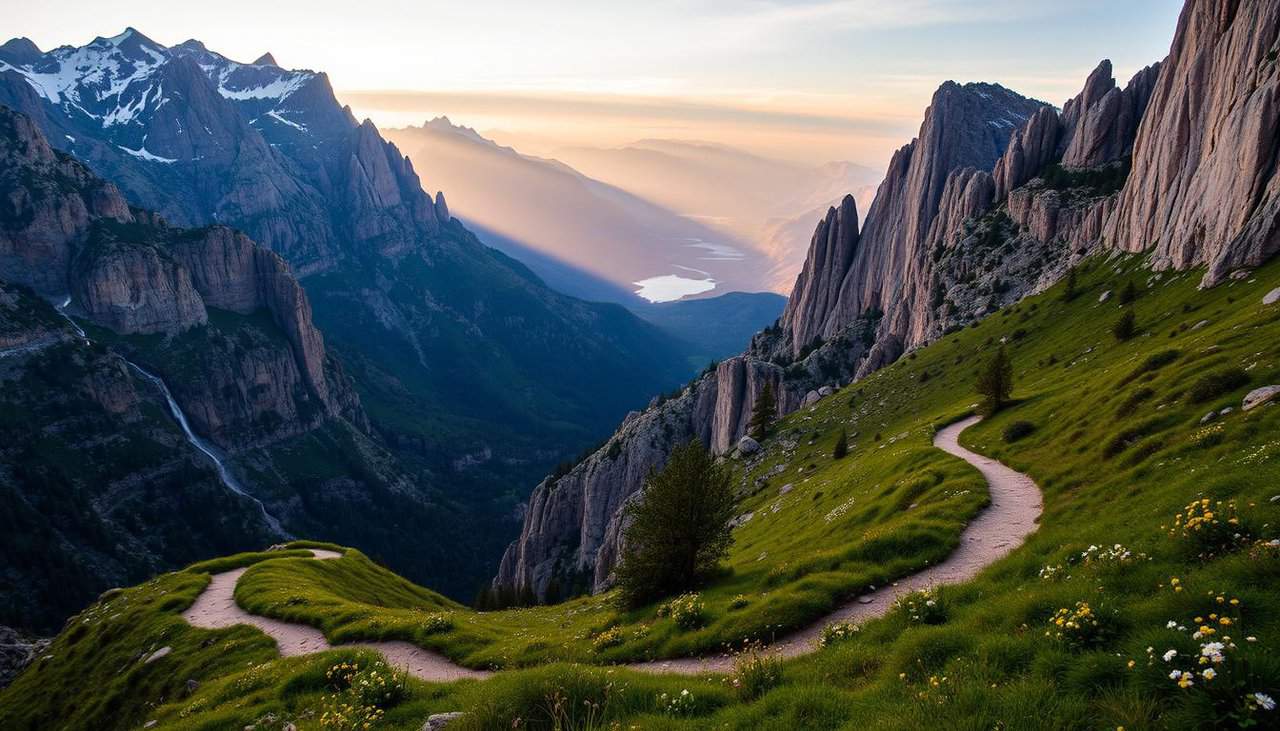
Did you know that Kings Canyon National Park boasts the largest vertical relief of any protected area in the continental United States? From its towering peaks to its deep valleys, this park offers a stunning range of landscapes that will leave you in awe.
Home to some of the world’s oldest and largest trees, including the famous General Grant Tree, this destination is a haven for nature lovers. Its vast sequoia groves, rugged canyons, and scenic vistas make it a must-visit for anyone seeking adventure or tranquility.
Connected to Sequoia National Park, this area provides a combined experience that’s rich in natural beauty and outdoor activities. Whether you’re hiking through its 800 miles of trails or marveling at its breathtaking views, there’s something for everyone.
Planning your visit? Keep in mind that summer is peak season, so book your accommodations early. From camping under the stars to staying in cozy lodges, you’ll find plenty of options to suit your style.
Key Takeaways
- Discover the largest vertical relief in the continental U.S.
- Explore ancient sequoia groves and deep canyons.
- Enjoy over 800 miles of hiking trails.
- Plan ahead for summer visits to avoid crowds.
- Combine your trip with Sequoia National Park for a richer experience.
Exploring the Majestic Landscapes of Kings Canyon National Park
Step into a world where towering trees and deep valleys create unforgettable scenery. This destination is a paradise for nature enthusiasts, offering a mix of serene meadows, rugged peaks, and ancient forests. Whether you’re here for a short visit or an extended adventure, the landscapes will leave you in awe.
Unforgettable Vistas and Iconic Landmarks
One of the highlights of your trip will be the General Grant Tree, a giant sequoia that stands over 267 feet tall. Known as “The Nation’s Christmas Tree,” this ancient marvel is a must-see. Nearby, Cedar Grove offers stunning rock formations like North Dome and Grand Sentinel, rising dramatically above the canyon floor.
For a peaceful escape, head to Zumwalt Meadow. This lush area features a flat, 1.5-mile loop trail perfect for a leisurely walk. The meadow is surrounded by towering cliffs, making it a favorite spot for photographers and nature lovers alike.
Diverse Hiking Trails and Outdoor Activities
With over 800 miles of trails, there’s something for everyone. Beginners will enjoy the Zumwalt Meadow Loop, while seasoned hikers can tackle the challenging Mist Falls Trail, an 8-mile round trip with rewarding views. For a family-friendly option, the 2.8-mile loop around Hume Lake is ideal.
If you’re up for a more immersive experience, try the Rae Lakes Loop, a popular backpacking route that takes you through high-elevation lakes and snow-capped peaks. Always check current conditions and trail alerts before heading out to ensure a safe and enjoyable adventure.
Beyond hiking, you can explore the area on horseback or enjoy a scenic drive along the park’s winding roads. Each season brings its own charm, so plan your visit to make the most of the weather and activities available.
Planning Your Trip to Kings Canyon National Park
Planning a trip to this stunning destination requires some preparation to make the most of your adventure. From navigating road closures to choosing the right lodging, a little planning goes a long way. Whether you’re visiting in summer or braving the winter months, here’s everything you need to know.
Travel and Access Tips
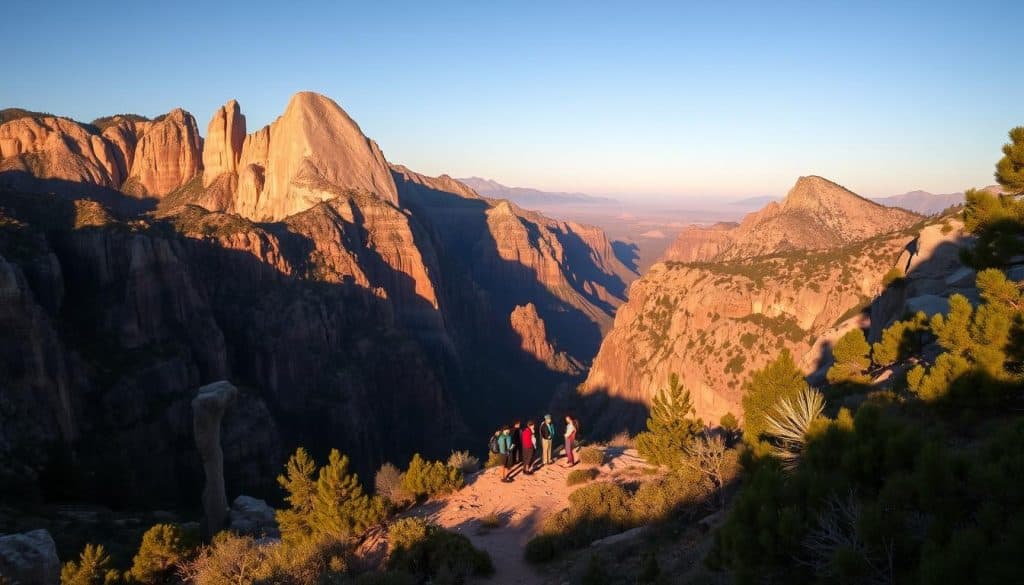
Getting to this area is straightforward, but seasonal conditions can affect your route. During winter, some roads may close due to snow, so always check the National Park Service website for updates. Purchasing your park pass online in advance can save time at the entrance.
If you’re coming from Yosemite, the drive is scenic but can take several hours. Plan your route carefully, especially if you’re traveling during peak seasons. Apps like Google Maps or the NPS app can provide real-time updates on road conditions and closures.
Where to Stay and Camp
Accommodations range from cozy lodges to rustic campsites. Popular areas like Grant Grove and Cedar Grove offer both options, but reservations are highly recommended, especially in summer. For a unique experience, consider camping under the stars—just remember to store food properly to avoid attracting wildlife.
Here’s a quick comparison of lodging options:
| Option | Price Range |
|---|---|
| Lodge Room | $150 – $250 per night |
| Cabin | $60 – $200 per night |
| Campsite | $12 – $20 per night |
Seasonal Advice and Essential Safety Tips
Winter visits require extra preparation. Snow can accumulate quickly, and temperatures can drop below freezing. Dress in layers, carry tire chains, and check weather forecasts regularly. For a serene experience, consider visiting during winter, when crowds are thinner and the landscapes are magical.
Always prioritize safety. Stay on marked trails, carry plenty of water, and be aware of altitude sickness symptoms like headaches or nausea. If you’re hiking in remote areas, let someone know your plans and expected return time.
“Preparation is the key to a safe and enjoyable adventure in this breathtaking area.”
With these tips, your trip will be smooth, safe, and unforgettable. Happy exploring!
Uncovering the Rich History and Natural Wonders
Discover the timeless beauty and history of this iconic destination. From ancient trees to dramatic canyons, this area offers a glimpse into the past while showcasing nature’s grandeur. Whether you’re a history buff or a nature enthusiast, you’ll find plenty to explore and learn.
The Legacy of Giant Sequoias and Scenic Canyons
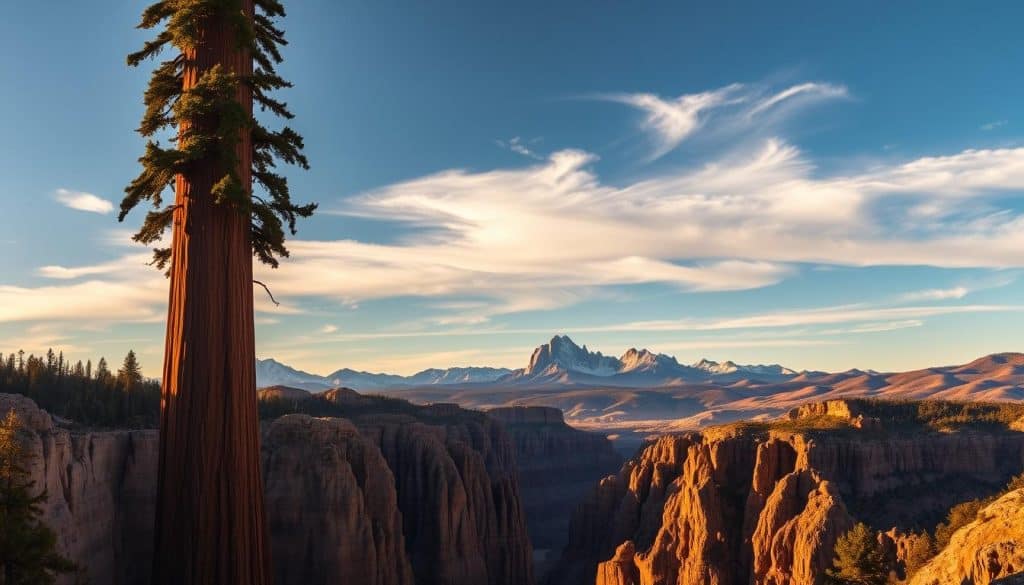
The General Grant Tree stands as a testament to the passage of time. This giant sequoia, over 267 feet tall, has witnessed centuries of change. Its massive trunk and towering presence make it a must-see for visitors. Surrounding it are other ancient trees, each with its own story to tell.
Scenic canyons carved by glaciers add to the area’s charm. These natural wonders offer breathtaking views and a sense of awe. Modern trails follow ancient geological paths, allowing you to walk in the footsteps of those who came before.
Cultural and Geological Insights
The cultural heritage of this region is as rich as its natural beauty. Indigenous tribes have lived here for thousands of years, leaving behind a legacy of traditions and knowledge. Their connection to the land is evident in the stories and artifacts preserved over time.
Geologically, the area is a marvel. Glaciated valleys and towering rock formations tell the story of the earth’s evolution. Each month brings a new perspective, from snow-covered peaks in winter to vibrant meadows in spring.
For detailed information, consider using apps like the NPS app. These tools provide updates on trail conditions and historical data, enhancing your visit.
| Feature | Description |
|---|---|
| General Grant Tree | Over 267 feet tall, a symbol of resilience. |
| Glaciated Valleys | Formed by ancient glaciers, offering stunning views. |
| Indigenous Heritage | Rich cultural traditions spanning thousands of years. |
Conclusion
Exploring this breathtaking destination offers a chance to connect with nature and create lasting memories. To make the most of your trip, plan ahead and check road conditions, especially along the main highways. Using dedicated apps can provide real-time updates, ensuring a smooth journey.
Pre-purchased passes save time and help you focus on the adventure. Whether you’re hiking scenic trails or marveling at ancient trees, safety should always come first. Carry essentials like water, snacks, and a map to stay prepared.
For a unique experience, consider solo travel. It’s a great way to embrace freedom and immerse yourself in the beauty of this area. Remember, preparation and respect for nature unite to make your visit unforgettable.
FAQ
What are the must-see landmarks in the area?
You can’t miss the General Grant Tree, one of the largest sequoias in the world. The scenic drive along Highway 180 offers breathtaking views of the canyon and surrounding peaks.
When is the best time to visit?
Spring and fall are ideal for mild weather and fewer crowds. Winter is perfect for snow enthusiasts, but some roads may close due to conditions.
Are there family-friendly hiking trails?
Absolutely! The Big Stump Trail and Zumwalt Meadow Loop are great for all ages. They offer easy walks with stunning views of the giant trees and meadows.
What should I pack for my trip?
Bring layers, sturdy shoes, and plenty of water. Don’t forget a map or download the park app for offline use, as cell service can be spotty.
Can I camp inside the park?
Yes, there are several campgrounds, like Sentinel and Cedar Grove. Reservations are recommended, especially during peak seasons.
How does it compare to Yosemite?
Both parks are stunning, but this area is less crowded and offers equally impressive sequoias and canyon views. It’s a quieter alternative with its own unique charm.
Are pets allowed on trails?
Pets are allowed in certain areas but must be leashed. They’re not permitted on most trails to protect wildlife and the natural environment.
What’s the best way to explore the giant sequoias?
Start at the Grant Grove area, home to the General Grant Tree. The trails here let you walk among these ancient giants and learn about their history.
Is there an entrance fee?
Yes, there’s a fee per vehicle, which grants access for seven days. Consider an annual pass if you plan to visit multiple U.S. national parks.
What’s the weather like in winter?
Winter brings snow and colder temperatures, especially at higher elevations. Check road conditions before heading out, as some areas may be inaccessible.