

Did you know that over 2,000 brown bears roam the vast wilderness of Katmai National Park? This stunning area, covering more than 4 million acres, offers some of the most breathtaking landscapes and wildlife encounters in the world. Whether you’re planning your first visit or looking to deepen your knowledge, this guide is your go-to resource for exploring this Alaskan treasure.
From its rugged coastlines to its pristine rivers, the park is a haven for outdoor enthusiasts. You’ll find everything from bear viewing to fishing, hiking, and even kayaking. This guide covers all the essentials, including transportation, accommodations, and insider tips to make your trip unforgettable.
As you read on, you’ll discover the rich history of the area, the best times to visit, and how to maximize your experience. Whether you’re a seasoned adventurer or a first-time visitor, this guide will help you plan the perfect trip to this remarkable destination.
Key Takeaways
- Katmai National Park spans over 4 million acres, offering vast wilderness to explore.
- The park is home to over 2,000 brown bears, making it a premier bear-viewing destination.
- Plan your visit between June and September for the best wildlife experiences.
- Accommodations range from lodges to campsites, but book early as they fill up quickly.
- Essential activities include bear viewing, fishing, hiking, and kayaking.
Discover the Wild Beauty of Katmai National Park
Step into a land shaped by volcanic fury and ancient cultures. This area, located in Alaska, is a testament to the raw power of nature and the resilience of human history. From its dramatic landscapes to its rich cultural heritage, this national park preserve offers a unique blend of adventure and discovery.
History and Natural Wonders
In 1912, the Novarupta volcano erupted, creating one of the most significant geological events of the 20th century. This eruption formed the Valley of Ten Thousand Smokes, a vast, ash-covered landscape that remains a must-see for visitors. The area’s transformation is a powerful reminder of nature’s ability to reshape the world.
Long before this eruption, the Sugpiaq people called this region home. Their cultural heritage, spanning thousands of years, adds depth to the park’s story. Evidence of their settlements, including ancient pithouses, can still be found along the Brooks River.
Today, the park’s natural wonders provide a dramatic backdrop for wildlife. From lush riverbanks to rugged coastlines, the diverse terrain supports a thriving ecosystem. Whether you’re exploring the volcanic valleys or hiking along pristine trails, you’ll find yourself immersed in a landscape that feels both timeless and dynamic.
- Learn about the 1912 Novarupta eruption and its lasting impact.
- Discover the cultural heritage of the Sugpiaq people.
- Explore the Valley of Ten Thousand Smokes and its unique geology.
- Experience the park’s diverse landscapes, from rivers to coastlines.
Located about 300 miles southwest of Anchorage, this national park preserve is a destination like no other. Its blend of history, geology, and nature makes it a must-visit for anyone seeking adventure in Alaska.
Planning Your Trip to Katmai
Planning a trip to Katmai requires careful timing and preparation to make the most of your adventure. From bear viewing to navigating the park’s unique logistics, every detail matters. Here’s how to ensure your visit is seamless and unforgettable.
Best Time to Visit
The best time to visit Katmai is between June and September. This period offers peak bear viewing opportunities, especially at Brooks Falls. During these months, the salmon run attracts large numbers of brown bears, making it a wildlife enthusiast’s dream.
Weather conditions are also more favorable during this time. Summers are mild, with temperatures ranging from 50°F to 70°F. However, be prepared for rain, as the region is known for its unpredictable weather.
Essential Travel Tips
Accessing Katmai is an adventure in itself. The park is roadless, so most visitors arrive by floatplane or water taxi. Here’s a breakdown of transportation options and costs:
| Transportation | Cost (Round Trip) | Details |
|---|---|---|
| Floatplane from King Salmon | $450 | Includes Park Entry Fee |
| Water Taxi | $450 | Operates June 1 to September 25 |
| Direct Flight from Anchorage | $1,350 | Includes shuttle service |
Book your transportation and accommodations early, as they fill up quickly. Whether you’re staying at Brooks Lodge or camping, reservations are essential. Don’t forget to pack for variable weather and bring bear safety gear.
By planning ahead, you’ll maximize your chances of experiencing the best Katmai has to offer. From bear encounters to stunning landscapes, your trip will be a memory to cherish.
Navigating Transportation Options
Reaching this remote destination is an adventure in itself, with unique transportation options to explore. Whether you’re flying in or taking a scenic water route, each method offers its own charm and challenges. Planning your travel time carefully is key to ensuring a smooth journey.
Float Planes and Water Taxi
Float planes are the most popular way to access this wilderness. Departing from King Salmon, these flights provide stunning aerial views of the landscape. The cost is around $450 round trip, including the park entry fee. However, weather delays can affect schedules, so flexibility is essential.
Water taxis are another option, operating from June 1 to September 25. They offer a more relaxed journey along the waterways, perfect for those who enjoy being on the water. Like float planes, they cost about $450 round trip.
Other Routes and Tips
For a more direct route, consider flying from Anchorage. This option includes shuttle service but comes at a higher cost of $1,350 round trip. It’s ideal for those with limited time or who prefer a seamless travel experience.
Here’s a quick comparison of your options:
| Transportation | Cost (Round Trip) | Details |
|---|---|---|
| Floatplane from King Salmon | $450 | Includes Park Entry Fee |
| Water Taxi | $450 | Operates June 1 to September 25 |
| Direct Flight from Anchorage | $1,350 | Includes shuttle service |
When planning your trip, consider the salmon run season, as it’s the best time for wildlife views. Also, book early to secure your preferred transportation and avoid last-minute hassles. For more tips on accessing remote destinations, check out this guide on the best airport for Washington State national.
Accommodation Options in Katmai
From rugged camping to cozy lodges, Katmai offers diverse stays for every adventurer. Whether you’re seeking solitude in the wilderness or the comfort of a lodge, there’s a spot for you. Here’s a breakdown of your options to help you plan the perfect stay.
Backcountry Camping
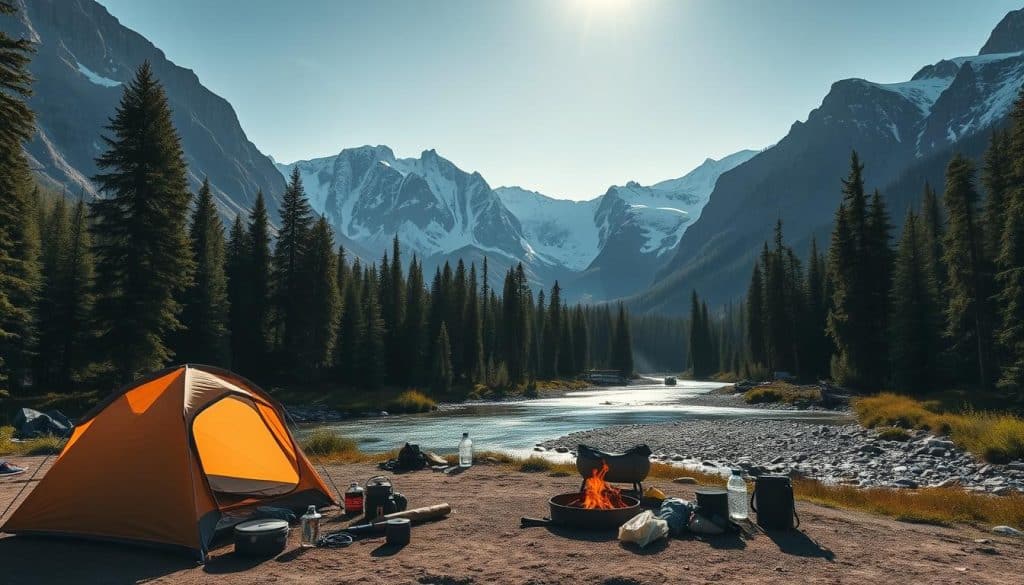
For those who crave adventure, backcountry camping is an unforgettable experience. You’ll find yourself immersed in pristine landscapes, far from the crowds. However, this rugged option requires careful preparation.
Food storage is critical in bear country. Use bear-resistant containers to keep your supplies safe. These containers are available for rent at Brooks Camp. Always follow park guidelines to ensure a safe and enjoyable trip.
Backcountry camping is ideal for experienced hikers who are comfortable navigating remote areas. It’s a chance to connect with nature on a deeper level.
Brooks Campground and Brooks Lodge
If you prefer a mix of comfort and convenience, Brooks Campground is a great choice. Located near the famous Brooks Falls, it’s a prime spot for bear viewing. The campground offers basic amenities, including food storage lockers and restrooms.
For a more luxurious stay, consider Brooks Lodge. It’s the only overnight lodge in the area, offering cozy rooms and guided tours. From June to September, the lodge provides multi-day excursions for bear viewing. The cost for a day trip from Anchorage is $1,350, while multi-day packages start at $6,252.
Both options put you close to the action, with easy access to the river and wildlife. Reservations fill up quickly, so book early to secure your spot.
- Backcountry camping offers solitude but requires bear safety precautions.
- Brooks Campground is practical and close to Brooks Falls.
- Brooks Lodge provides luxury and guided tours during the summer.
- Proximity to the river enhances your wildlife viewing experience.
- Book early to ensure availability during peak season.
No matter your preference, Katmai’s accommodations ensure a memorable stay. Plan ahead, pack wisely, and get ready for an adventure like no other.
Exciting Wildlife Encounters
Imagine standing just feet away from a brown bear as it catches salmon in a rushing river. This is the magic of bear viewing at Brooks Falls, a world-renowned destination for wildlife enthusiasts. The area’s unique ecosystem and abundant salmon runs create the perfect stage for unforgettable encounters.
Bear Viewing at Brooks Falls
Brooks Falls is famous for its high concentration of brown bears. During the salmon run, you can watch these majestic creatures fish in the river. The best time to visit is from June to September, when the salmon are plentiful and the bears are most active.
Safety is a top priority. Always follow park guidelines and maintain a safe distance. Patience is key, as bears may take their time to appear. When they do, the experience is nothing short of breathtaking.
Photography and Nature Trails
For photographers, Brooks Falls offers incredible opportunities. Position yourself on the viewing platforms for the best shots. Early morning and late afternoon provide the best lighting for capturing the bears in action.
If you’re exploring the trails, bring a good pair of binoculars. The surrounding landscape is just as stunning as the wildlife. From lush forests to serene rivers, every step reveals something new.
| Activity | Best Time | Tips |
|---|---|---|
| Bear Viewing | June to September | Stay on platforms, bring binoculars |
| Photography | Early morning or late afternoon | Use a telephoto lens, be patient |
| Nature Trails | All day | Wear sturdy shoes, carry water |
Every trip to Brooks Falls is unique. Whether you’re watching bears fish or capturing the beauty of the landscape, the memories will last a lifetime. Plan your visit during the peak season to make the most of your day in this incredible setting.
Adventures and Guided Tours
Embark on an unforgettable journey through Alaska’s rugged wilderness with guided tours that bring you closer to nature. These expertly led adventures offer a deeper understanding of the area’s unique landscapes and wildlife. Whether you’re exploring volcanic valleys or soaring above dramatic terrain, guided tours provide an enriching way to experience this remote destination.
Valley of Ten Thousand Smokes Tour
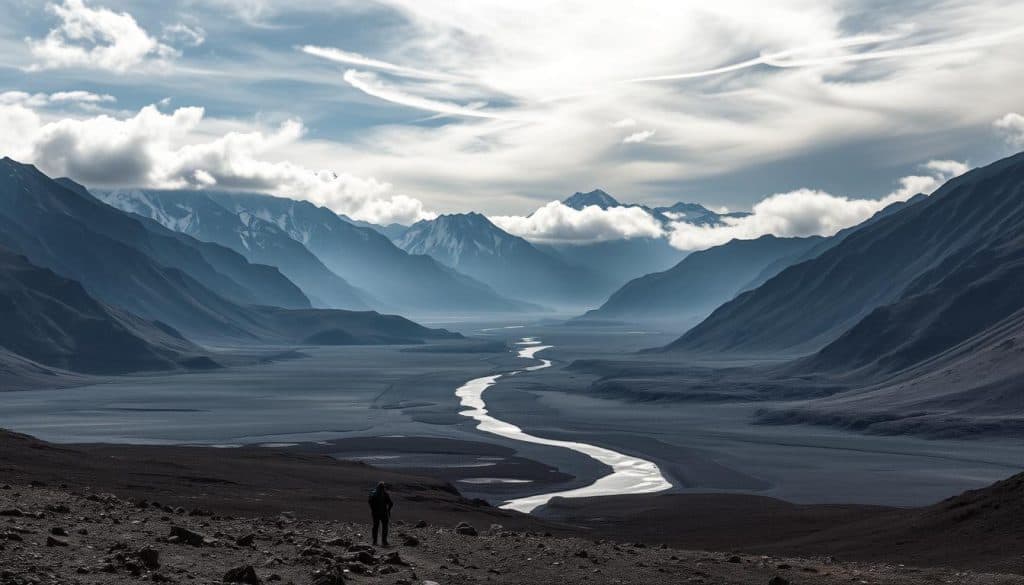
One of the most popular guided tours is the all-day trip to the Valley of Ten Thousand Smokes. This bus tour takes you through the heart of the volcanic landscape shaped by the 1912 Novarupta eruption. You’ll witness vast ash-covered plains, rugged canyons, and learn about the area’s geological history.
The tour lasts approximately 8 hours and includes stops at key viewpoints. A park ranger accompanies the group, providing insights into the region’s natural and cultural significance. This is a must-do for anyone interested in geology or history.
Flightseeing Over the Landscape
For a bird’s-eye view of the dramatic terrain, consider a flightseeing tour. These one-hour flights depart from Brooks Lodge and offer breathtaking aerial views of volcanic peaks, rivers, and coastlines. It’s an excellent option for those who want to see the area’s vastness in a short amount of time.
Flightseeing tours are available from June to September and can accommodate up to 9 passengers. The experience is both thrilling and informative, with pilots sharing stories about the landscape below.
“Flightseeing tours give you a perspective you can’t get from the ground. It’s like seeing the earth’s raw power from above.”
Comparing Guided and Self-Guided Adventures
Guided tours are ideal for those who want expert insights and structured itineraries. They’re also a great option for first-time visitors or those with limited time. Self-guided adventures, on the other hand, offer more flexibility and independence.
Here’s a quick comparison to help you decide:
| Tour Type | Duration | Highlights |
|---|---|---|
| Valley of Ten Thousand Smokes | 8 hours | Geological history, ranger insights |
| Flightseeing | 1 hour | Aerial views, volcanic terrain |
| Self-Guided | Flexible | Freedom to explore at your own pace |
No matter which adventure you choose, be sure to book early. Tours fill up quickly, especially during peak season. Bring comfortable clothing, a camera, and a sense of curiosity to make the most of your experience.
Exploring Local Cuisine and Amenities
After a day of exploring, there’s nothing better than enjoying a hearty meal surrounded by nature’s beauty. At Brooks Lodge, dining is more than just sustenance—it’s a communal experience that brings visitors together. Whether you’re savoring fresh seafood or sipping a warm beverage by the fireplace, the lodge offers a perfect blend of comfort and Alaskan hospitality.
Dining at Brooks Lodge
The lodge’s buffet-style meals are a highlight of any stay. Breakfast, lunch, and dinner are served daily, with a variety of options to suit every taste. Here’s a breakdown of the meal offerings and pricing:
| Meal | Price | Highlights |
|---|---|---|
| Breakfast | $25 | Fresh pastries, eggs, and local Alaskan specialties |
| Lunch | $30 | Salads, sandwiches, and seasonal soups |
| Dinner | $45 | Grilled salmon, roasted vegetables, and desserts |
Meals are served in a cozy dining room with large windows overlooking the surrounding wilderness. It’s the perfect spot to relax and share stories with fellow travelers.
Amenities and Local Flavors
Brooks Lodge goes beyond meals to ensure your comfort. Water refill stations are available throughout the lodge, and hot beverages like coffee and tea are offered on an honor system. The communal spaces, including a fireplace lounge, provide a warm retreat after a day of fishing or viewing wildlife.
The lodge’s menu features local ingredients, giving you a true taste of Alaska. From freshly caught salmon to wild berry desserts, every dish reflects the region’s culinary heritage. It’s a delicious way to connect with the area’s culture and traditions.
Tips for Enjoying Your Meal
To make the most of your dining experience, plan your meal times around your activities. Early breakfasts are ideal for morning camp excursions, while dinners are a great way to unwind after a day of adventure. Take your time to enjoy the scenic views and the company of other guests.
For more tips on exploring Alaska’s wilderness, check out this guide to the eight national parks in Alaska. Whether you’re hiking, fishing, or simply soaking in the views, Brooks Lodge ensures your trip is as comfortable as it is memorable.
Tips for Packing and Staying Safe
Packing for an Alaskan adventure requires careful planning to stay safe and comfortable. The wilderness demands versatile gear and smart choices, especially when you’re exploring areas teeming with wildlife. Here’s how to prepare for the unpredictable conditions and ensure a smooth trip.
Clothing Essentials and Gear
Alaska’s weather can change in an instant, so layering is key. Start with a moisture-wicking base layer, add an insulating mid-layer, and finish with a waterproof outer shell. This setup keeps you warm and dry, whether you’re hiking or waiting for a flight.
For footwear, choose sturdy, waterproof boots with good ankle support. Gloves, a warm hat, and a buff scarf are also essential for chilly mornings. Don’t forget a lightweight, packable rain jacket—it’s a lifesaver during sudden downpours.
In the backcountry, a reliable tent is a must. Look for a three-season model that can withstand wind and rain. A bear-resistant food container is also required to store your supplies safely. Always carry extra food and water, as weather delays can extend your trip unexpectedly.
Bug Protection and Safety Measures
Summer in Alaska brings swarms of mosquitoes and other biting insects. Protect yourself with a head net, bug spray, and long-sleeved clothing. A buff scarf can double as a face cover, keeping bugs at bay while you explore.
When hiking in bear country, safety is paramount. Carry bear spray and know how to use it. Make noise while walking to avoid surprising a brown bear. Stick to marked trails and always travel in groups when possible.
Water sources in the wilderness may dry up or carry silt, so bring a filtration system. The CDC recommends boiling water for one minute or using a 1-micron filter with chlorine dioxide drops. A silt stopper can prevent clogs and ensure clean drinking water.
By packing smart and staying prepared, you’ll enjoy your adventure while minimizing risks. Whether you’re camping in the backcountry or watching bears fish, the right gear makes all the difference.
Budgeting Your Katmai National Park Adventure
Planning a trip to this Alaskan wilderness involves more than just packing your bags—it’s about budgeting wisely to make the most of your adventure. From transportation to accommodations and activities, every expense adds up. Here’s a detailed breakdown to help you plan your finances effectively.
Transportation is often the biggest cost. Roundtrip flights from Anchorage to King Salmon range from $400 to $500. From there, a floatplane or water taxi to the park costs around $450. If you prefer a direct flight from Anchorage, expect to pay $1,350, which includes shuttle service.
Accommodations vary depending on your preferences. Backcountry camping is the most budget-friendly option, but you’ll need to rent a bear-resistant food container for $6 per day. Brooks Campground offers basic amenities for $12 per night, while Brooks Lodge provides luxury stays starting at $6,252 for multi-day packages.
Meals at Brooks Lodge are buffet-style, with breakfast at $25, lunch at $30, and dinner at $45. If you’re camping, plan to bring your own food and cooking supplies. Water refill stations are available at the lodge, and hot beverages are offered on an honor system.
For activities, bear viewing is a must. A river permit costs $6 and allows you to walk within 50 yards of the river. Guided tours, like the Valley of Ten Thousand Smokes, cost around $150 per person. Flightseeing tours are $450 for a one-hour experience.
| Expense | Cost | Details |
|---|---|---|
| Flight (Anchorage to King Salmon) | $400-$500 | Roundtrip |
| Floatplane/Water Taxi | $450 | Includes park entry fee |
| Brooks Campground | $12/night | Basic amenities |
| Brooks Lodge | $6,252 | Multi-day package |
| Meals | $25-$45 | Buffet-style at the lodge |
| Bear Viewing Permit | $6 | River access |
| Guided Tours | $150 | Valley of Ten Thousand Smokes |
To save money, book flights and accommodations early. Consider camping to reduce lodging costs and bring your own food. Prioritize activities like bear viewing, which offer unforgettable experiences without breaking the bank.
By planning ahead and budgeting wisely, you can enjoy everything this Alaskan wilderness has to offer without overspending. Whether you’re watching brown bears fish or exploring volcanic valleys, your adventure will be worth every penny.
Conclusion
Your journey to this Alaskan wilderness promises unforgettable moments, whether you’re hiking rugged trails or soaring above dramatic landscapes. From the backcountry to cozy lodges, every experience is designed to leave a lasting impression. This guide has covered everything you need to know, from transportation options to seasonal highlights, ensuring you’re fully prepared for your adventure.
Each season brings its own charm, whether it’s the vibrant wildlife of summer or the serene beauty of fall. Whether you’re taking a scenic flight or exploring the heart of the wilderness, this destination offers something for everyone. Plan your trip with confidence, knowing every detail has been thoughtfully addressed.
As you prepare for your adventure, revisit this guide for additional tips and insights. Share your experiences with others, and inspire them to explore this remarkable center of natural wonder. Your Alaskan journey awaits—embrace it fully and create memories that will last a lifetime.
FAQ
When is the best time to visit for bear viewing?
The peak season for bear viewing is from late June to early September, especially in July when salmon runs are at their highest. Brooks Falls is a prime spot to see brown bears in action.
How do I get to the park?
Most visitors arrive by floatplane from Anchorage, King Salmon, or Homer. There are no roads leading directly to the area, so air travel is the most common option.
Can I camp in the backcountry?
Yes, backcountry camping is allowed with a permit. Be sure to follow all safety guidelines, especially in areas frequented by bears. Brooks Campground is another great option for staying overnight.
What should I pack for my trip?
Bring layered clothing, waterproof gear, sturdy hiking boots, and bug spray. Don’t forget a camera with extra batteries to capture the stunning scenery and wildlife.
Are guided tours available?
Yes, you can join guided tours like the Valley of Ten Thousand Smokes excursion or flightseeing adventures. These tours offer unique perspectives on the landscape and its history.
Is there dining available at Brooks Lodge?
Yes, Brooks Lodge offers meals for guests. It’s a convenient option if you’re not planning to cook during your stay. Be sure to make reservations in advance.
What safety measures should I take around bears?
Always maintain a safe distance, store food properly, and follow park ranger instructions. Bear spray is recommended for added protection during hikes.
Can I fish in the rivers?
Fishing is allowed in designated areas, and you’ll need a valid Alaska fishing license. The rivers are teeming with salmon, especially during the summer months.
Are there hiking trails in the area?
Yes, there are several trails, including the popular Brooks Falls Trail. These paths offer incredible views of the valley, waterfalls, and wildlife.
How much does a trip to the park typically cost?
Costs vary depending on transportation, lodging, and activities. Budget for floatplane tickets, accommodations, and any guided tours you plan to take.