

Imagine having the freedom to camp anywhere you desire, surrounded by nature’s serenity. Approximately 640 million acres of public land managed by federal agencies are available for dispersed camping, offering a unique wilderness experience. However, the legality of wild camping in the United States can be confusing.
The reality is that the rules vary significantly depending on the location and the government agency managing the land. Understanding the difference between developed campgrounds and dispersed camping is crucial for a hassle-free adventure.
As you plan your next camping trip, it’s essential to know the regulations surrounding wild camping to avoid any potential issues.
Key Takeaways
- Dispersed camping is allowed on approximately 640 million acres of public land managed by federal agencies.
- The legality of wild camping depends on land designation and the managing agency.
- Understanding the distinction between developed campgrounds and dispersed camping is vital.
- Researching local regulations is crucial before embarking on a camping trip.
- Being aware of the rules can help ensure a smooth and enjoyable camping experience.
Understanding Wild Camping in America
As you venture into the great outdoors, understanding the nuances of wild camping in America becomes essential. Wild camping, a practice that involves setting up camp outside of designated campgrounds, is a sought-after experience for many outdoor enthusiasts. However, it’s crucial to grasp the differences between various camping styles to ensure a safe and enjoyable experience.
What Is Wild Camping?
Wild camping refers to the practice of camping outside of designated campgrounds, typically in undeveloped areas without facilities or amenities like bathrooms or running water. This type of camping requires a higher degree of self-sufficiency and outdoor knowledge, as campers need to manage everything from waste disposal to water purification without facilities. For those seeking solitude and a more authentic outdoor experience, wild camping can be particularly appealing.
Dispersed Camping vs. Developed Campgrounds
In America, the term “dispersed camping” is more commonly used and refers specifically to camping on public lands away from developed recreation facilities. Unlike developed campgrounds that offer amenities such as restrooms, potable water, and designated sites, dispersed camping areas are more primitive. This type of camping appeals to campers seeking freedom from the constraints of designated campgrounds and a deeper connection with nature. Understanding the fundamental differences between these camping styles helps travelers choose the experience that best suits their comfort level, skills, and desire for wilderness immersion.
By distinguishing between wild or dispersed camping and developed campgrounds, outdoor enthusiasts can better plan their adventures and ensure compliance with local regulations, thereby enhancing their overall camping experience.
Is Wild Camping Legal in America?
The legality of wild camping in America varies depending on the land designation. As an outdoor enthusiast, it’s crucial to understand the rules that govern different types of public lands to avoid any legal issues.
Bureau of Land Management (BLM) Lands
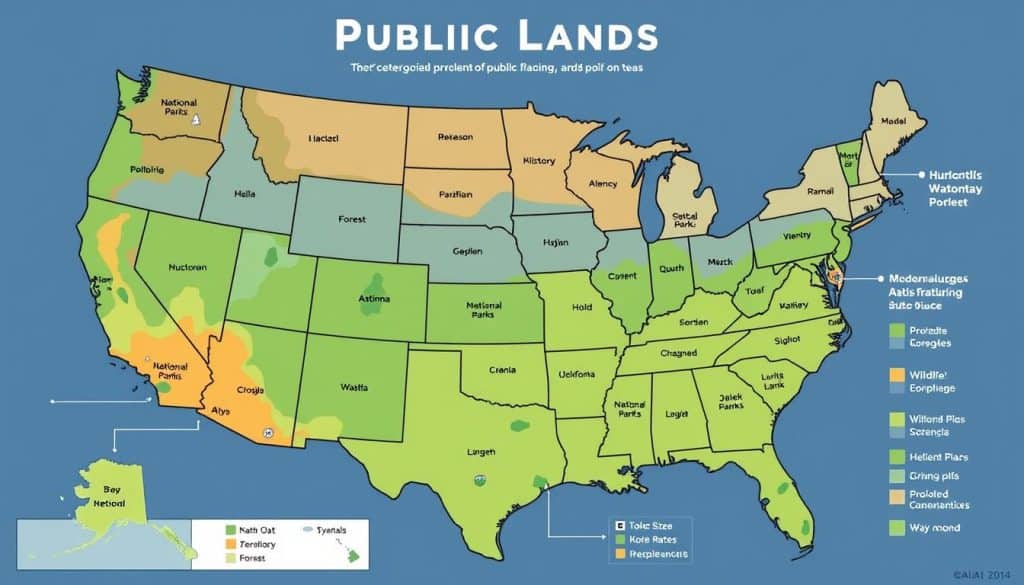
The Bureau of Land Management manages approximately 245 million acres of land, primarily in western states. Dispersed camping is generally allowed on BLM lands for up to 14 days within a 28-day period. However, it’s essential to check if the area is suitable for camping and not being used for other purposes like cattle grazing or mining operations.
National Forests and Grasslands
National Forests and Grasslands, managed by the U.S. Forest Service, offer vast opportunities for dispersed camping across their 193 million acres. While most areas permit dispersed camping, some forests may have designated sites or restricted areas. It’s always a good idea to check with the local forest service office for specific regulations.
National Parks and Monuments
National Parks have stricter regulations regarding wild camping. Generally, camping is only allowed in designated backcountry sites, and a permit is required. The number of consecutive days you can camp in the backcountry varies by park, typically ranging from 7 to 14 days. It’s crucial to plan ahead and obtain the necessary permits.
Rules and Regulations for Wild Camping
When venturing into the wild for camping, it’s essential to understand the rules and regulations that govern this activity. As you prepare for your trip, knowing what is expected of you can make a significant difference in your experience and the preservation of the natural environment.
Camping Duration Limits
Dispersed camping is generally allowed on public land for a period not to exceed 14 days within a 28 consecutive day period. This rule helps prevent long-term occupation and minimizes environmental impact. However, camping limitation rules vary per office, so it’s crucial to check with your local office for specific details on camping limitations.
Campsite Selection Guidelines
When selecting a campsite, choose locations at least 200 feet away from any water source to protect water quality and wildlife habitats. Dispersed camp sites are often located along secondary roads and may not be marked. Look for existing sites to avoid creating new disturbances. If you’re setting up near running water, pitch your tent at least 150 feet away and designate an area for personal needs that’s at least 200 feet away to avoid waste and litter pollution.
Fire Regulations
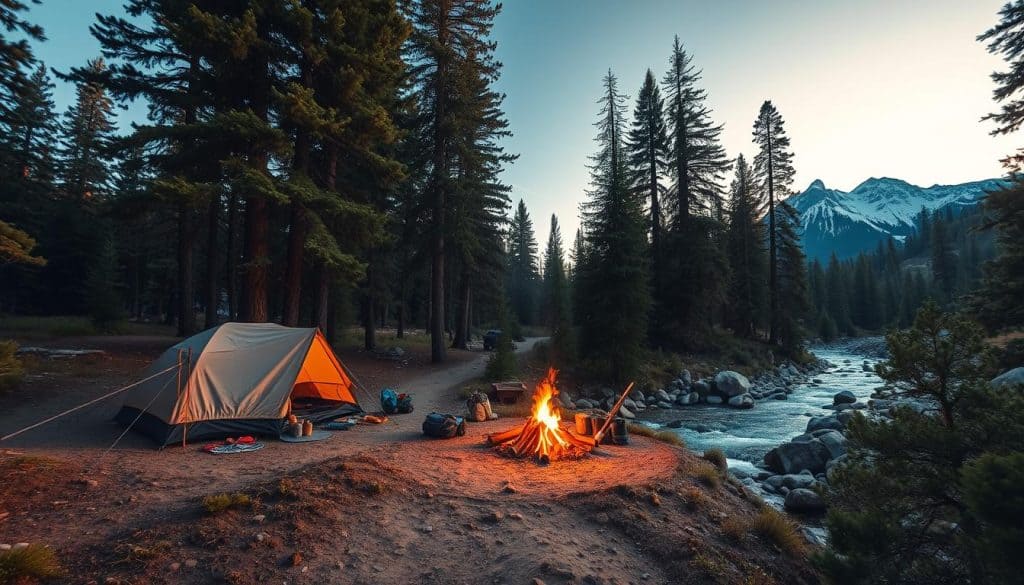
Fire regulations vary widely depending on location and season. Many areas require fire permits, restrict fires during dry periods, or prohibit open fires entirely due to wildfire concerns. Always check current fire restrictions before your trip, as they can change rapidly based on weather conditions and fire danger levels.
Water Source Considerations
Water management is crucial for dispersed camping. Bring sufficient water or reliable filtration systems, as natural water sources may be contaminated with bacteria or parasites. Never drink from still, unmoving water. Planning to camp near running water can be beneficial, but be sure to follow the guidelines for campsite selection to protect water sources.
| Regulation | Description |
|---|---|
| Camping Duration | Maximum 14 days within 28 consecutive days |
| Campsite Selection | At least 200 feet away from water sources |
| Fire Safety | Check local fire restrictions before starting a fire |
| Water Management | Bring sufficient water or use reliable filtration systems |
Conclusion
Embracing the wild camping spirit in America means connecting with nature on a deeper level. With approximately 640 million acres of public land open for dispersed camping, the opportunities to explore diverse landscapes are endless.
Wild camping in America provides an unparalleled way to experience the country’s natural beauty, from desert plateaus to alpine meadows. To ensure a safe and enjoyable experience, it’s crucial to understand the regulations and best practices.
By respecting the environment, practicing responsible camping, and following guidelines like Leave No Trace principles, you help preserve these natural spaces for future generations. Whether you’re setting up a tent in a remote area or securing a backcountry permit, wild camping offers a unique way to disconnect from everyday life and reconnect with nature.
In conclusion, wild camping in the USA is a rewarding adventure that requires preparation, respect for the law, and a commitment to preserving the environment. As you plan your next camp, remember that the freedom to camp comes with the responsibility to protect these beautiful landscapes.
FAQ
What are the rules for dispersed camping on Bureau of Land Management (BLM) lands?
The rules for dispersed camping on BLM lands vary by location, but generally, you can camp for up to 14 days within a 28-day period, and you’re required to move at least 25 miles from your previous campsite.
Can I have a campfire while dispersed camping on National Forest lands?
Campfires are allowed on National Forest lands, but you should check with the local forest service office for any fire restrictions or regulations, as they can change depending on weather conditions.
How do I find dispersed camping sites?
You can find dispersed camping sites by visiting the Bureau of Land Management or US Forest Service websites, or by using online resources such as FreeCampsites.net or Campendium.
Are there any amenities available at dispersed camping sites?
Dispersed camping sites typically have no amenities, such as restrooms, potable water, or picnic tables, so you should be prepared to be self-sufficient.
Can I camp anywhere on National Park lands?
No, camping is only allowed in designated campsites or areas within National Parks, and you should check with park rangers for specific regulations and restrictions.
What are the guidelines for selecting a campsite?
When selecting a campsite, consider factors such as proximity to water sources, potential environmental impact, and visibility from roads or trails, and try to camp on durable surfaces like gravel or sand.
How can I access water while dispersed camping?
You can access water by bringing a water filter or treatment, or by using water from a known safe source, and you should always check with local authorities for information on water quality.
What are the camping duration limits on National Forest lands?
Camping duration limits on National Forest lands vary, but typically range from 14 to 30 days, and you should check with the local forest service office for specific regulations.