

Imagine trekking into the woods, setting up camp, and disconnecting from the world. Dispersed camping, or wild camping, offers this unique camping experience. However, the laws governing this activity vary across the country.
Many outdoor enthusiasts wonder if they can camp on public lands without breaking the law. The answer lies in understanding the regulations surrounding dispersed camping in different land areas.
This guide will explore the legal status of wild camping across the United States, helping you navigate the rules and find the perfect spot for your next adventure.
Key Takeaways
- Understand the legal status of dispersed camping in the US
- Learn how to camp on public lands responsibly
- Discover the benefits of a unique camping experience
- Find out how to identify legal camping areas
- Essential tips for a safe and enjoyable trip
Understanding Wild Camping in America
The concept of wild camping, or dispersed camping, is simple yet exhilarating – setting up camp on public lands without the confines of an established campground. This form of camping allows individuals to immerse themselves in nature, away from the crowds often found in traditional campgrounds.
What Is Wild Camping?
Wild camping is the practice of camping outside designated campgrounds on public lands. It involves setting up your tent, RV, or campervan in areas such as National Forests, State Forests, and BLM Land, often accessible via forest road networks. This type of camping is akin to backpacking but with the convenience of having your vehicle nearby. It offers a unique opportunity to experience the great outdoors, enjoying solitude and a more primitive form of camping.
Wild Camping vs. Established Campgrounds
Unlike established campgrounds, wild camping sites lack amenities such as flush toilets, potable water, and picnic tables. However, this absence of infrastructure is part of its appeal, offering a more immersive natural experience. Wild camping provides the freedom to choose your camping spot, allowing for a more personalized and flexible outdoor adventure. It requires a level of self-sufficiency, as campers must be prepared to bring all necessary supplies and leave nothing behind but bubbles.
By embracing wild camping, individuals can reconnect with nature on a deeper level. It’s an experience that strips away the distractions of modern life, offering a chance to rejuvenate and find peace in the natural world.
Is Wild Camping Illegal in the US?
The US offers diverse public lands for wild camping, but the rules vary significantly across different regions and land management agencies. As someone who’s spent a lot of time exploring these lands, I can tell you that understanding the legal landscape is crucial for a safe and enjoyable experience.
Legal Status on Federal Public Lands
Federal public lands offer numerous opportunities for wild camping. Generally, you can camp on these lands unless they’re specifically closed to camping or have restrictions in place. The Bureau of Land Management (BLM) and the US Forest Service (USFS) manage millions of acres of public land that are open to dispersed camping, which is another term for wild camping.
Dispersed camping allows you to camp outside of developed campsites, giving you the freedom to choose your camping spot. However, it’s essential to follow the rules and regulations set by the managing agency to ensure that you’re camping legally and sustainably.
National Forests and BLM Land Regulations
National forests and BLM lands are popular destinations for wild campers. In national forests, you can typically camp for up to 14 days within a 28-day period, and you’re required to move your campsite at least 5 miles away from your previous location. BLM lands also allow dispersed camping, but there may be specific restrictions related to cattle grazing, mining operations, or other land uses.
Before setting up camp, it’s a good idea to check with the local ranger station or land management office to understand any specific rules or restrictions in the area you’re planning to visit. This will help you avoid any potential issues and ensure a smooth camping experience.

National Parks and Protected Areas
National parks have stricter regulations when it comes to wild camping. While some national parks allow backcountry camping with a permit, others may prohibit it entirely. If you’re planning to camp in a national park, it’s crucial to research the specific park’s rules and regulations beforehand. You can usually find this information on the park’s official website or by contacting the park’s ranger station directly.
In summary, while wild camping is not entirely illegal in the US, its legality depends on the type of public land and specific local regulations. By understanding the rules and regulations governing different types of public lands, you can enjoy a safe and enjoyable wild camping experience.
Wild Camping Rules and Regulations
To ensure a harmonious and safe wild camping experience, it’s essential to familiarize yourself with the existing regulations. These rules are designed not only to protect the environment but also to ensure your safety and the safety of others.
Time Limitations and Restrictions
Dispersed camping, a form of wild camping, is generally allowed on public land for a period not to exceed 14 days within a 28 consecutive day period. This rule helps prevent overuse of any single area and allows the land to recover. However, it’s crucial to check with your local office for specific camping limitations, as these can vary.
Additionally, campers are not allowed to leave personal property unattended for more than 10 days (12 months in Alaska). This regulation helps prevent the accumulation of abandoned gear and ensures that public lands remain accessible to all.
Fire Regulations and Safety
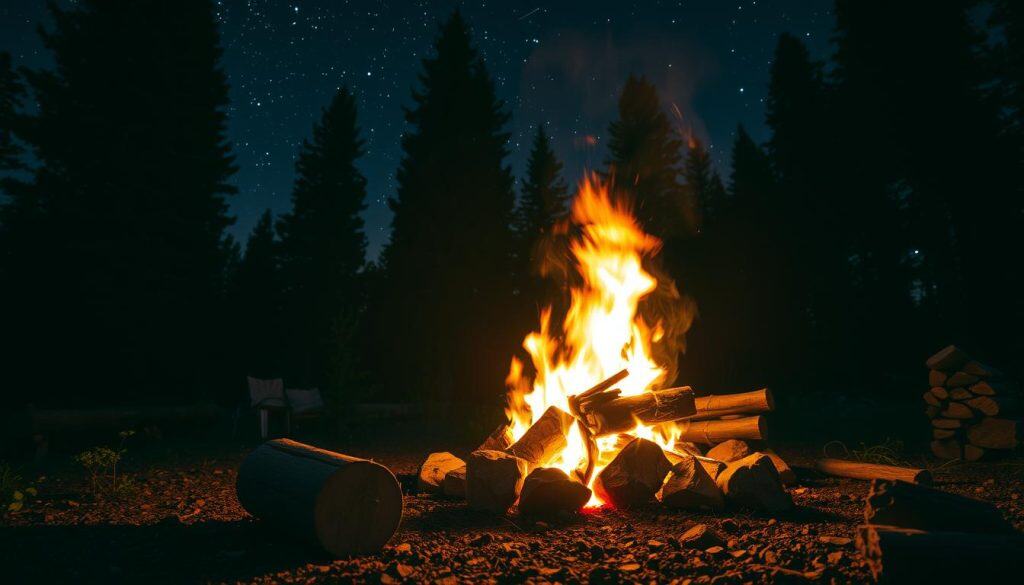
Camping without a campfire is hard to imagine, but fire safety is paramount. In many areas, especially those prone to wildfires, open fires may be restricted or completely banned. Always check local fire restrictions before you light a fire.
When fires are allowed, they should be contained in a fire ring or pit, and fully extinguished before leaving the campsite. It’s also wise to plan a safe escape route should a wildfire occur. Remember, fire safety is everyone’s responsibility when wild camping.
Leave No Trace Principles
One of the core principles of wild camping is to leave the natural environment as you found it. This means disposing of waste properly and minimizing your impact on the land. When nature calls, designate an area at least 200 feet away from water sources and trails to avoid contaminating water and degrading soil.
- Plan ahead and prepare to minimize your impact.
- Travel and camp on durable surfaces to avoid damaging the land.
- Dispose of waste properly, and pack it out if necessary.
- Leave what you find, and avoid taking souvenirs.
- Minimize campfire impacts by using a portable stove or camping grill.
By following these guidelines and being mindful of your impact, you can enjoy the beauty of wild camping while preserving it for future generations.
Essential Gear for Wild Camping
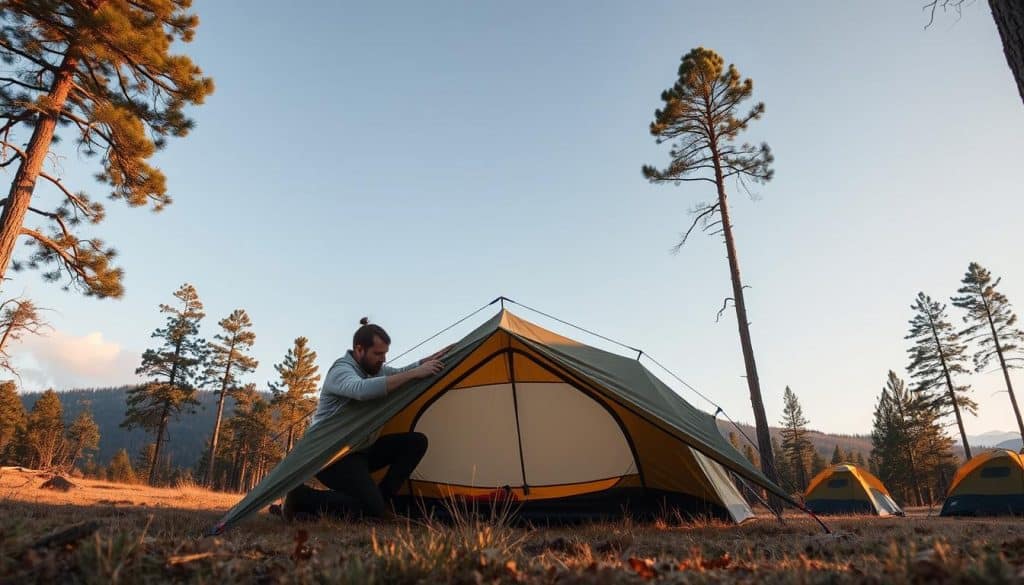
When venturing into the wild, having the right gear is crucial for a safe and enjoyable experience. As you prepare for your wild camping trip, it’s essential to consider the gear that will keep you safe and comfortable.
Shelter and Sleeping Equipment
A good quality, lightweight tent is essential for wild camping. The North Face Stormbreak 2 Tent is a great option, offering durability and weather resistance. Choose a tent that is appropriate for the conditions you will be facing, such as the number of occupants, the season, and the expected weather. A decent three-season sleeping bag will do the trick for most trips, and a sleeping pad will help to insulate you from the cold ground and make you more comfortable.
Water and Food Considerations
Access to safe drinking water is critical when wild camping. While purification tablets might seem cost-effective, they usually have a strong taste. Water filters, on the other hand, are easier to use and more convenient. If you’re planning on camping a lot, it’s worth investing in a compact Lifesaver water purifier, or even getting a bottle with a built-in filter. Also, pack enough food for your entire trip, plus a little extra in case of emergencies. Choose foods that are high in calories and don’t require refrigeration.
Navigation and Safety Tools
When camping in remote areas, navigation and safety tools are vital. Make sure to bring a map, compass, and GPS device to stay on track. It’s also a good idea to have emergency communication options, such as a satellite phone or a personal locator beacon (PLB), especially in areas without cell service. By being prepared with the right gear, you can ensure a safe and enjoyable wild camping experience.
Finding the Perfect Wild Camping Spot
The freedom of wild camping lies in finding that perfect, secluded spot, and I’m here to guide you through the process. Whether you’re a seasoned camper or just starting out, the right tools and knowledge can make all the difference.
Apps and Resources for Finding Sites
When it comes to finding wild camping sites, there are several apps and resources that can be incredibly helpful. TheDyrt is one of my favorites, offering thousands of camp locations and the ability to download maps offline, which is crucial when you’re out of cell range.
Other useful resources include iOverlander, designed for serious overlanding but also great for dispersed campsites, and Gaia GPS, which offers top-notch maps that can be downloaded for offline use. OnX Maps is another valuable tool, providing detailed information to help you avoid private lands and find public lands for camping.
Top Wild Camping Destinations in the US
The US is home to countless amazing wild camping destinations. From the rugged beauty of Valley of the Gods in Southern Utah to the scenic Mineral Creek Road near Silverton, Colorado, there’s no shortage of incredible spots.
Other top recommendations include Coconino National Forest near Flagstaff, Arizona, Green River Lakes in Wyoming, and the areas around Grant Teton National Park. For those willing to venture further, Denali Highway in Alaska and the Kenai Peninsula offer breathtaking wilderness camping experiences.
Conclusion
The freedom to wild camp is a precious gift, and with the right knowledge, you can enjoy it responsibly. Wild camping is generally allowed on most public lands, including national forests and BLM lands, but it’s crucial to research local rules and regulations before your trip.
As campers, we have a special responsibility to protect these areas through proper preparation and adherence to Leave No Trace principles. By doing so, we can ensure that these beautiful lands remain pristine for others to enjoy.
So pack your tent, plan your trip, and experience the unique way of connecting with nature that wild camping offers. Whether you’re in a national park or a remote forest, the experience will be one you’ll cherish.
FAQ
What is dispersed camping, and how does it differ from wild camping?
Dispersed camping refers to camping outside of developed campgrounds, often on public lands. While some people use the terms “dispersed camping” and “wild camping” interchangeably, dispersed camping typically implies camping in areas that are still relatively accessible by road, whereas wild camping often involves more remote, backcountry areas.
Can I camp anywhere on national forest land?
Generally, national forests allow dispersed camping, but there may be specific restrictions or closures. It’s essential to check with the local forest service office for up-to-date information on camping regulations and any closed areas.
Are campfires allowed when wild camping on public lands?
Campfire regulations vary depending on the location, time of year, and local fire restrictions. Always check with the relevant land management agency or local authorities to determine if campfires are permitted and follow any guidelines or restrictions.
How long can I stay at a dispersed camping site?
The length of stay allowed at dispersed camping sites varies, but typically ranges from 14 to 30 days. Be sure to check with the local land management agency for specific time limitations and restrictions.
What are Leave No Trace principles, and why are they important?
Leave No Trace principles are guidelines for minimizing one’s impact on the environment when camping or hiking. They include practices such as packing out trash, using existing campsites, and minimizing campfire impacts. Following these principles helps preserve the natural beauty and integrity of public lands.
Can I bring my dog on a wild camping trip?
While some public lands allow dogs, others may have restrictions or require them to be on a leash. Always check with the relevant land management agency or local authorities to determine the specific rules and regulations regarding dogs on public lands.
How do I find wild camping sites on public lands?
You can use online resources, such as the Bureau of Land Management’s (BLM) website or apps like FreeCampsites.net, to find dispersed camping sites on public lands. Additionally, contacting local land management agencies or visitor centers can provide valuable information on camping opportunities.