
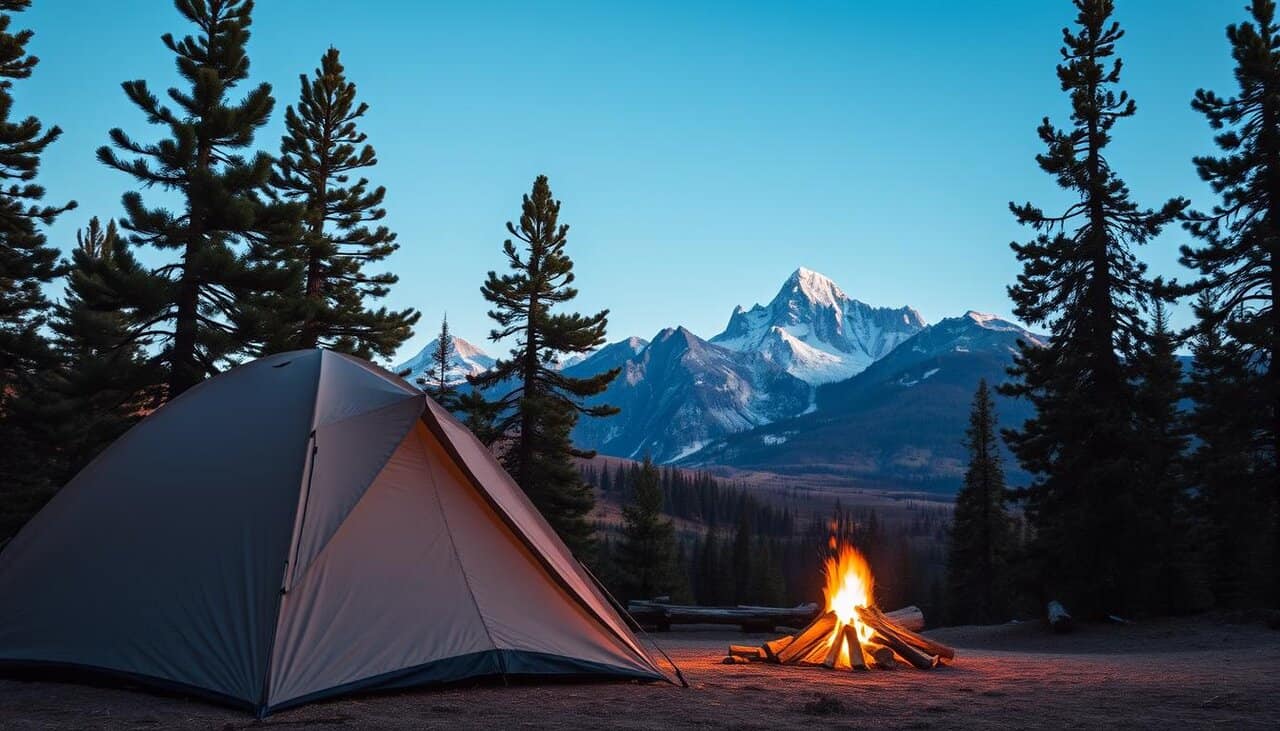
Imagine waking up to the sound of wolves howling in the distance or witnessing the majestic beauty of Yellowstone National Park‘s geothermal features up close. With 293 backcountry campsites and multiple developed campgrounds, Yellowstone offers endless opportunities for camping. However, many visitors wonder about the safety aspects of tent camping in this wilderness environment.
Understanding the potential risks and necessary precautions is essential for a safe and enjoyable camping experience in Yellowstone, whether you’re staying in developed campgrounds or backcountry sites. For more information on camping rules and regulations, you can visit national park camping rules.
Key Takeaways
- Yellowstone offers diverse camping experiences with its varied landscapes and geothermal features.
- Understanding safety concerns and precautions is crucial for a safe camping experience.
- Developed campgrounds and backcountry sites have different safety features and protocols.
- Proper food storage and waste disposal are essential to avoid wildlife encounters.
- Following park regulations and guidelines is vital for a safe and enjoyable trip.
Wildlife Safety When Tent Camping in Yellowstone
As you set up your tent in Yellowstone, remember you’re in the home of grizzly bears and other wildlife. The park is inhabited by both grizzly and black bears, and encounters can happen, especially near campgrounds. To ensure a safe camping experience, it’s crucial to follow the park’s safety guidelines.
Bear Safety Protocols
Bear safety is paramount in Yellowstone. This includes maintaining a clean campsite, storing food and scented items properly, and being aware of your surroundings. Making noise while hiking and carrying bear spray are also essential precautions. Knowing how to react during a bear encounter can be lifesaving.
Proper Food Storage Requirements
Proper food storage is critical to avoid attracting wildlife to your campsite. In designated campgrounds, store food and scented items in bear-proof storage lockers or locked vehicles. For backcountry camping, use bear canisters or hang food on the provided food poles at least 10 feet high and 4 feet away from any tree trunk. This helps prevent encounters with bears and other wildlife.
| Camping Location | Food Storage Method |
|---|---|
| Frontcountry Campsites | Bear-proof storage lockers or locked vehicles |
| Backcountry Campsites | Bear canisters or hanging food on provided poles |
For more information on activities and safety guidelines in Yellowstone, visit things to do at Yellowstone National. By following these guidelines, you can enjoy a safe and memorable camping experience in Yellowstone.
Choosing the Right Campground for Safety
When planning your Yellowstone adventure, selecting the right campground is crucial for a safe and enjoyable experience. Yellowstone National Park offers various camping options to suit different needs and preferences.
Frontcountry vs Backcountry Camping Safety
Yellowstone offers two distinct camping experiences: frontcountry (developed) campgrounds and backcountry sites. Frontcountry campgrounds provide enhanced safety features, including ranger presence, emergency services access, and bear-proof food storage boxes, making them ideal for families and first-time visitors. In contrast, backcountry camping requires a wilderness permit and demands greater self-sufficiency and wildlife safety knowledge from campers.
Campground Facilities and Security Features
Popular frontcountry campgrounds like Bridge Bay, Canyon, and Madison offer amenities such as flush toilets, potable water, and designated fire grates. These campgrounds maintain strict quiet hours and generator restrictions, ensuring a peaceful environment for all campers. Reservations for these campgrounds should be made far in advance through Yellowstone National Park Lodges or the National Park Service at Recreation.gov.
To ensure a safe camping experience, consider factors like proximity to attractions, available facilities, elevation, and the surrounding terrain when selecting a campground. By choosing the right campground, you can enjoy a secure and memorable trip to Yellowstone.
Is it safe to sleep in a tent in Yellowstone?
Camping in Yellowstone can be a thrilling experience, but safety should always be your top priority. With proper preparation and adherence to park regulations, thousands of visitors safely enjoy tent camping in Yellowstone National Park each year.
Weather and Environmental Considerations
Yellowstone’s weather can be unpredictable and extreme. At higher elevations, many campgrounds sit above 7,000 feet, and snow can occur even in summer months. Sudden thunderstorms and significant temperature drops at night are also common. To be prepared, campers should pack gear for all conditions and check for fire restrictions before their visit. For example, the Grebe Lake area, being at 8,000 feet, may have snow until mid-June and mosquitoes until early July.
| Environmental Hazard | Precaution |
|---|---|
| Wildfires | Check for fire restrictions before your visit |
| Fallen Trees | Avoid camping under dead trees, especially during windy conditions |
| Thermal Features | Stay on established trails near thermal areas |
Park Ranger Support and Emergency Services
Park ranger support is readily available at frontcountry campgrounds, with regular patrols and educational programs providing safety information. Emergency services can be accessed throughout the park, though response times may be longer in remote areas. It’s essential to know the locations of the nearest ranger stations, visitor centers, and emergency phones when planning your camping itinerary. For more information on camping in Yellowstone, you can visit this guide to plan your trip.
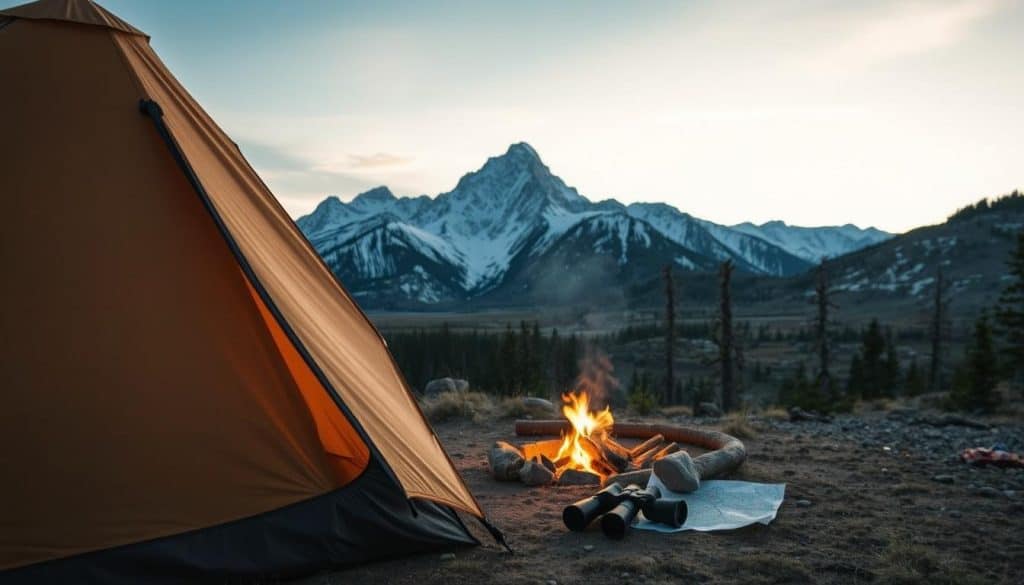
To ensure a safe camping experience, make reservations for campsites far in advance through either Yellowstone National Park Lodges or the National Park Service (via Recreation.gov), depending on the specific campground. This ensures you’ll have a designated safe place to camp rather than searching for accommodations upon arrival.
Conclusion
With proper preparation and knowledge, tent camping in Yellowstone National Park can be both safe and enjoyable. To ensure a memorable trip, it’s essential to research campgrounds and make reservations far in advance. By understanding wildlife safety protocols and following food storage requirements, you can minimize risks. The National Park Service provides comprehensive safety systems, including ranger patrols and emergency services. By respecting park wildlife and being prepared for changing weather, you can enjoy the unparalleled experience of sleeping under the stars in one of America’s most magnificent national parks, with various campground sites offering different levels of services and security features.
FAQ
What are the bear safety protocols when tent camping in Yellowstone?
When camping, keep a clean campsite, store food and scented items properly, and be aware of your surroundings. Make noise while hiking to avoid surprising bears, and stay in groups when possible.
How do I store food and other scented items when backcountry camping in Yellowstone?
Use bear-resistant containers or hang food and scented items at least 10 feet off the ground and 4 feet out from the trunk. Check with park rangers for specific guidelines on food storage in the area you plan to visit.
What’s the difference between frontcountry and backcountry camping safety in Yellowstone?
Frontcountry campgrounds are more developed, with amenities like flush toilets and potable water, while backcountry sites are more primitive. Backcountry camping requires more planning, self-sufficiency, and awareness of potential hazards like wildlife encounters.
What kind of support can I expect from park rangers when camping in Yellowstone?
Park rangers are available to provide information, assistance, and emergency response. They can help with everything from camping permits to responding to wildlife encounters or medical emergencies.
How can I prepare for unpredictable weather when camping in Yellowstone?
Check the weather forecast before heading out, and be prepared for changing conditions with appropriate gear, such as rain jackets and warm layers. Stay informed about weather alerts and warnings from park authorities.
What are the campground facilities and security features like in Yellowstone?
Many campgrounds in Yellowstone have amenities like restrooms, potable water, and picnic tables. Some also have on-site hosts or park rangers, and may have security features like bear-proof trash cans and surveillance cameras.
How far in advance should I make campground reservations in Yellowstone?
Reservations for campgrounds in Yellowstone can be made up to six months in advance, and are highly recommended, especially during peak season. Some backcountry campsites can be reserved even further in advance.