
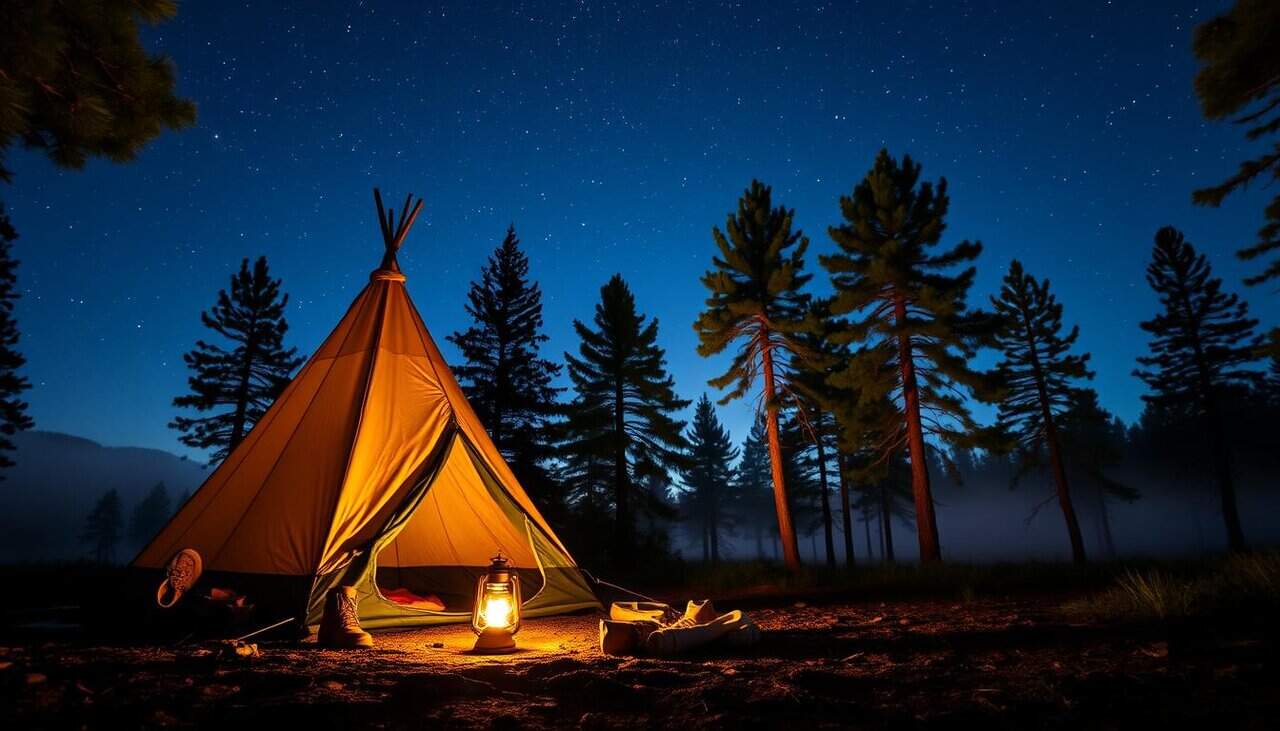
Camping is an adventure that millions of people enjoy every year, and for many, it’s a way to reconnect with nature and themselves. But, have you ever wondered just how safe it is to spend the night in a tent at a campground?
As someone who’s spent countless nights under the stars, I can reassure you that with the right preparation and knowledge, camping can be both safe and incredibly rewarding. Modern tents are designed with safety and comfort in mind, offering protection from the elements and potential hazards.
Understanding the safety aspects of camping is crucial for a pleasant experience. Campgrounds are generally considered safe environments, thanks to the presence of other campers, campground hosts, and established facilities.
Key Takeaways
- Camping is a safe activity when properly prepared for.
- Modern tents are designed with safety features.
- Campgrounds offer a secure environment due to the presence of other campers and hosts.
- Understanding potential hazards can enhance your camping experience.
- Proper preparation is key to a safe and enjoyable camping trip.
The Safety of Tent Camping: Addressing Common Concerns
I’ve found that understanding the basics of tent safety can significantly enhance the camping experience. When you’re well-informed, you can better appreciate the great outdoors without letting safety concerns overshadow your adventure.
Understanding Tent Safety Basics
Tents are designed to provide a barrier between you and the outside environment, protecting you from insects and wildlife. Most tents come with fine mesh screens on doors and windows that keep bugs out while allowing ventilation. They also have sewn-in groundsheets, which add an extra layer of protection. While tents may not be completely animal-proof, they offer a degree of protection against small animals and insects, giving you peace of mind as you sleep.
Tent Safety Features:
| Feature | Description | Benefit |
|---|---|---|
| Mesh Screens | Fine mesh on doors and windows | Keeps insects out |
| Sewn-in Groundsheets | Integrated groundsheet | Protects against moisture and insects |
| Durable Materials | Waterproof and tear-resistant fabric | Withstands various weather conditions |
Common Fears and Misconceptions
Many people fear wildlife encounters, stranger danger, and extreme weather when tent camping. However, most established campgrounds have measures in place to mitigate these risks. For instance, proper food storage and disposal can minimize wildlife encounters.
Statistics on Campground Safety
Serious safety incidents at established campgrounds are relatively rare. According to various studies, the risk of encountering problems is low when you follow basic safety precautions and choose a well-managed campground.
By understanding the safety features of tents, addressing common fears, and looking at the statistics, you can enjoy a safe and peaceful night under the canvas. The key is to be informed and prepared, ensuring that your camping experience is both enjoyable and safe.
Protection from the Elements: How Tents Keep You Safe
Understanding how tents protect you from the elements is key to a safe and enjoyable camping experience. One of the primary functions of a tent is to shield you from various weather conditions, such as rain, wind, and sun.
High-quality tents are made from durable, weather-resistant materials that keep you dry and comfortable. Let’s dive into the specifics of how they achieve this.
Waterproofing and Weather Resistance
Tents feature waterproof fabrics and sealed seams to prevent leaks, ensuring you stay dry even in heavy rain. The waterproofing technology used in quality tents includes hydrostatic head ratings, which indicate the level of protection you can expect during rainstorms.
Wind Protection Features
These tents are designed to withstand strong winds, with reinforced poles and sturdy guy lines that keep the tent stable. Proper setup is crucial to ensure the tent can resist various weather conditions.
Temperature Regulation in Tents
Temperature regulation inside tents is also vital for a comfortable camping experience. The right tent design can help manage both hot and cold temperatures, making for safer sleeping conditions. Ventilation plays a key role in preventing condensation, which can be mistaken for leaks and make for an uncomfortable experience.
Different tent designs, such as dome, tunnel, and cabin styles, offer varying levels of protection against specific environmental challenges you might face at a campground. By choosing the right tent for the conditions, you can significantly enhance your camping safety and comfort.
Wildlife Considerations When Camping
The great outdoors is home to a variety of wildlife, and being aware of the potential risks is key to a safe camping experience. When you’re camping, you’re a guest in the animals’ habitat, and understanding this can significantly reduce your risk of encountering problems.
Understanding Local Wildlife Risks
Before you set up your tent, research the local wildlife. If you’re heading into bear country, it’s crucial to know whether you’re dealing with black bears or grizzlies. The behavior and aggression levels of these animals differ, and knowing what to expect can help you prepare.
Food Storage and Cooking Practices
One of the main attractants for wildlife to your campsite is food. Proper food storage is essential. Use bear canisters or bear bags as required by the area you’re camping in. Cooking and eating away from your tent can also minimize the chance of attracting unwanted visitors.
Wildlife Deterrents and Safety Equipment
In areas known to have bear activity, carrying bear spray is a prudent measure. Bear spray can be an effective deterrent in case of an encounter. Additionally, being aware of other animals and using noise makers or other safety equipment can enhance your safety.
By taking these precautions and being mindful of your surroundings, you can enjoy the beauty of nature while minimizing your exposure to wildlife risks. Always check local regulations and recommendations for the area you’re visiting to ensure you’re fully prepared.
Choosing the Right Campsite for Safety
A safe camping experience starts with selecting a suitable campsite, which involves careful consideration of several factors. When you’re out in the wilderness, the last thing you want is to be caught off guard by a safety hazard that could have been avoided with a little planning.
Evaluating Terrain and Surroundings
When evaluating a potential campsite, the first thing to consider is the terrain and surroundings. Look for a flat area that is clear of any hazards such as dead trees, rocky outcrops, or steep slopes. You don’t want to arbitrarily pitch your tent at the campground; instead, choose a spot where you can see into the distance from inside your tent. This allows you to monitor your surroundings and spot any potential threats before they become a problem.
Distance from Water Sources
Another critical factor is the distance from water sources. While being close to a water source can be convenient, it can also attract wildlife and increase the risk of flooding. For more information on selecting the perfect spot, you can visit Hipcamp’s guide on the topic.
Campground vs. Dispersed Camping Safety
The type of camping you choose also impacts your safety. Established campgrounds typically offer more amenities and are generally considered safer than dispersed camping. However, dispersed camping can offer more privacy and a more immersive experience if you’re willing to take the necessary precautions.
By carefully evaluating the terrain, surroundings, and other factors, you can choose a campsite that maximizes your safety and enjoyment.
Setting Up Your Tent Properly for Maximum Safety
Camping safety starts with setting up your tent the right way. When you’re out in the wilderness, your tent is your shelter and your protection from the elements. I’ve learned from experience that a well-set-up tent can make all the difference between a comfortable night’s sleep and a disastrous camping trip.
Finding the Right Spot
First and foremost, you need to find a suitable spot for your tent. Look for flat, stable ground that’s free from hazards like rocks, roots, and standing water. If you can’t find a perfectly flat spot, position your tent on the shallowest incline possible, with your head above your feet when sleeping. This will help prevent water from accumulating around your tent and reduce the risk of it being damaged or flooded.

Proper Staking and Guy Lines
Once you’ve found your spot, it’s time to stake down your tent. Use sturdy stakes that can withstand wind and weather conditions. Make sure to guy out your tent properly, especially if you’re expecting high winds. I learned this the hard way at Gaviota State Park when my REI Base Camp 4 tent’s walls kept collapsing inward due to strong gusts. For more tips on staying safe while camping, check out how to feel safe at night when.
Creating Weather-Resistant Setups
To create a weather-resistant setup, ensure your tent’s rainfly is properly positioned and staked down. Consider trenching around your tent if you’re expecting heavy rain to prevent water from accumulating. Here’s a simple table to help you remember the key steps:
| Setup Component | Action | Benefit |
|---|---|---|
| Flat Ground | Choose a level spot | Prevents water accumulation |
| Proper Staking | Use sturdy stakes and guy lines | Withstands wind and weather |
| Rainfly Positioning | Stake down rainfly properly | Prevents water entry |
By following these steps, you can ensure a safe and comfortable camping experience. Remember, setting up your tent properly is the first step in enjoying the great outdoors.
Essential Gear for Safe Tent Camping
The key to a safe and enjoyable camping experience lies in the gear you choose. When venturing into the great outdoors, it’s crucial to be well-prepared with the right equipment to handle various situations that may arise.
Quality Sleeping Equipment
One of the most critical aspects of camping is getting a good night’s sleep, which is directly related to the quality of your sleeping bag. When searching for the best sleeping bags for camping, consider the temperature rating and the insulation type to ensure it suits the conditions you’ll be camping in.
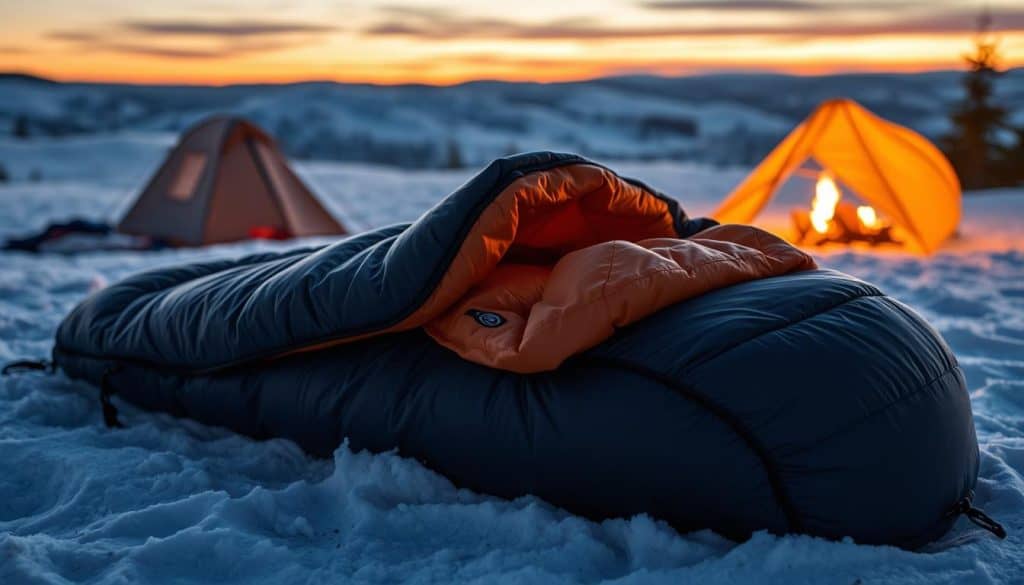
A good sleeping bag is not just about comfort; it’s also a safety issue. Hypothermia can be a real risk if you’re not properly equipped to handle the cold. Look for a bag that is rated for the lowest temperature you expect to encounter.
Lighting and Communication Devices
Having reliable light sources is vital for safety. I personally use a 30-Day Duro lantern inside my tent, which provides ample light without disturbing my sleep. Additionally, a Black Diamond headlamp is indispensable for navigating around the campsite at night.
Besides lighting, having a means of communication is equally important. This can range from a simple whistle to more advanced satellite communicators, depending on the remoteness of your camping location.
Emergency and First Aid Supplies
A well-stocked first aid kit is a must-have for any camper. Customize your kit based on your specific health needs and the activities you plan to undertake during your camping trip. Don’t forget to include emergency supplies like fire starters, emergency blankets, and multi-tools in your pack.
Being prepared with the right gear can make all the difference in case of an unexpected situation. It’s always better to be safe than sorry when you’re out in the wilderness.
Is it Safe to Sleep in a Tent in a Campground? Practical Safety Measures
As we explore the great outdoors, one of the most pressing questions is whether it’s safe to sleep in a tent at a campground. The answer lies in understanding and implementing practical safety measures that significantly reduce any risks you might face while camping.
Campground-Specific Safety Protocols
When camping, it’s essential to familiarize yourself with the campground’s rules and emergency procedures. This includes knowing the location of emergency services, understanding the campground’s policy on wildlife encounters, and being aware of any specific regulations, such as quiet hours or fire restrictions. Working with campground hosts can also enhance your safety, as they often have valuable insights into the area and can provide assistance when needed. For example, some campgrounds near national parks, like those nearBig Bend National Park, may have specific guidelines to follow.
To minimize risks, consider the following safety protocols:
- Research the campground and its surroundings before your trip
- Understand the local wildlife and how to react during an encounter
- Keep your campsite clean and store food properly to avoid attracting wildlife
Nighttime Security Practices
Nighttime security is crucial when camping. I’ve developed a few practices over the years that help protect both you and your gear while you sleep. Keeping a flashlight or headlamp handy can be useful in case you need to get up during the night. It’s also a good idea to keep your tent zipped up and to be mindful of your belongings.
Using bear spray or other deterrents can provide an added layer of security, especially in areas known to have bears or other wildlife. For instance, if you’re camping in black bear country, you’re generally safer than in grizzly bear territory. However, it’s still crucial to know how to haze and defend yourself against whichever bear species you’re likely to encounter.
Fire Safety Considerations
Fire safety is another critical aspect of camping safety. This includes safe cooking practices, proper campfire management, and having an emergency response plan in place. Always follow the campground’s fire safety guidelines and be mindful of any local fire restrictions.
By understanding and implementing these practical safety measures, you can significantly reduce the risks associated with sleeping in a tent at a campground. This allows you to enjoy your camping experience with peace of mind, knowing you’re prepared for any situation that may arise.
Sleeping Comfortably in Your Tent
Ensuring you’re comfortable in your tent at night can significantly enhance your overall camping experience. A good sleeping system is key to a restful night.
Creating a Comfortable Sleep System
To achieve comfort, start with the right sleeping bag. If you’re car camping, consider a queen-sized mattress and a foam topper for ultimate comfort. For backpacking, a high-quality sleeping bag and a sleeping pad with a high ASTM R-value are essential, especially in cold temperatures.
For added comfort, you might even cut up an eggshell foam topper to fit your blow-up sleeping pad. This enhances the overall sleep quality, making it closer to what you’d experience at home.
Managing Temperature for Better Sleep
Managing temperatures inside your tent is crucial. Use ventilation options or adjust your sleeping bag to maintain a comfortable temperature throughout the night.
Dealing with Noise and Disturbances
To improve sleep quality, consider strategies for dealing with campground noises. Using white noise, earplugs, or strategic tent placement can make a significant difference at time to rest.
By focusing on these aspects, you can significantly improve your sleep comfort while camping, ensuring you’re well-rested for the next day’s adventures.
Overcoming Anxiety When Tent Camping
Many people struggle with anxiety when it comes to sleeping in a tent, whether it’s due to concerns about wildlife or the unknown. As someone who has experienced this firsthand, I understand how challenging it can be to manage these feelings. However, with the right mindset and preparation, it’s possible to overcome anxiety and enjoy a peaceful night’s sleep under the stars.
Mental Preparation Techniques
One effective way to reduce anxiety is through mental preparation. This can involve visualization techniques, where you imagine yourself in a calm and safe environment. You can also practice positive self-talk, reassuring yourself that you’ve taken necessary precautions to ensure your safety. By preparing yourself mentally, you can build confidence and feel more in control when camping.
Establishing Comforting Routines
Establishing comforting routines can also help create a sense of normalcy and security, even in an unfamiliar camping environment. This might include activities like reading a book, journaling, or practicing relaxation techniques before bed. By sticking to a routine, you can signal to your brain that it’s time to sleep, making it easier to fall asleep and stay asleep throughout the night.
- Develop a calming pre-sleep routine to signal to your brain that it’s time to rest
- Use bear spray or other safety measures to alleviate concerns about wildlife
- Stay informed about potential risks and take necessary precautions
Using Technology to Feel Safer
Technology can also play a role in enhancing your feeling of safety while camping. This might include using weather apps to stay informed about changing weather conditions, or carrying communication devices like a cell phone or two-way radio. Some campsites also offer security features like gated access or on-site staff, which can provide an added layer of protection.
By combining mental preparation techniques, comforting routines, and technology, you can reduce anxiety and enjoy a more restful night’s sleep while tent camping. Remember, it’s normal to feel some level of anxiety when venturing into the unknown, but with the right mindset and preparation, you can overcome these fears and enjoy the many benefits of camping.
Weather Considerations for Tent Safety
As someone who’s spent a lot of time camping, I can attest that weather considerations are vital for tent safety. The right preparation can make all the difference between a comfortable camping experience and a potentially hazardous one.
Preparing for Rain and Storms
When camping, it’s crucial to have a tent that can withstand rain and potential storms. I always look for tents with a high hydrostatic head rating – at least 2000-3000mm – to keep the water out. Some affordable tents now boast 5000mm material, like my Featherstone tent. Ensuring that the seams are factory sealed with waterproof laminate tape is also essential, particularly on the fly and the bathtub floor of the tent.
Proper site selection and tent positioning can also mitigate the risks associated with rain and wind. I always try to set up my tent in a spot that’s protected from the wind and not prone to flooding.
Wind and Temperature Management
Managing wind exposure is critical for maintaining a safe and comfortable tent environment. I make sure to stake my tent properly and use guy lines to secure it against strong winds. Temperature fluctuations can also be challenging; using the right gear and clothing can help regulate body temperature.
Seasonal Camping Considerations
The season you’re camping in significantly affects tent safety. Most tents are rated for spring, summer, and fall, but some, like my REI Base Camp 4, are designed for 3 to 4 seasons, handling larger wind and snow loads in the winter. Understanding the season rating of your tent and preparing accordingly is vital.
By understanding and preparing for various weather conditions, you can significantly enhance your tent’s safety and your overall camping experience. Whether it’s rain, wind, or extreme temperatures, being prepared is the key to a safe and enjoyable trip.
Conclusion: Enjoying Safe and Peaceful Nights Under Canvas
The great outdoors awaits, and with the safety tips and considerations we’ve discussed, you’re now better equipped to enjoy peaceful nights under canvas. As we’ve explored throughout this article, tent camping can be a safe and rewarding experience when done with proper preparation and awareness.
Let’s quickly revisit the key points to keep in mind for your next camping trip. First, understanding and preparing for potential risks such as wildlife encounters and harsh weather conditions is crucial. This includes storing food properly, using bear spray when necessary, and being mindful of wind and temperatures. Choosing the right campsite and setting up your tent correctly are also vital steps in ensuring a safe and comfortable night’s sleep.
Moreover, having the right gear, from a quality sleeping bag to appropriate clothing, can make a significant difference in your camping experience. It’s also important to be prepared for emergencies with a first aid kit and to know how to use the items in it. By taking these precautions and being mindful of your surroundings, you can minimize risks and maximize your enjoyment of the outdoors.
As you plan your next camping adventure, remember that every experience is an opportunity to learn and improve. Reflecting on what worked well and what didn’t can help you refine your approach over time. With each trip, you’ll become more confident and comfortable in the tent, and the joys of camping will become more apparent. So, pack your bags, head out to your chosen campsite, and enjoy the beauty and tranquility of nature.
In conclusion, with the right mindset and preparation, camping can be a truly enriching experience. I encourage you to embrace the adventure and make lasting memories under the stars.
FAQ
What are the most common risks associated with sleeping in a tent at a campground?
The most common risks include exposure to wildlife, harsh weather conditions, and potential campsite hazards such as uneven terrain or proximity to water sources.
How can I protect myself from wildlife while tent camping?
To minimize the risk of wildlife encounters, store food and trash properly, keep a clean campsite, and consider using bear-resistant containers or hanging food and scented items from a tree.
What should I look for when choosing a safe campsite?
When selecting a campsite, look for flat, stable ground that is far from water sources and potential flood zones, and avoid areas with signs of wildlife activity or dense vegetation.
How can I ensure my tent is set up safely and securely?
To set up your tent safely, choose a spot with good drainage, stake it down firmly, and use guy lines to provide additional stability, especially in windy conditions.
What are some essential items to pack for safe tent camping?
Essential items include a quality sleeping bag, a reliable light source, a first aid kit, and emergency supplies such as a whistle, fire starter, and warm layers.
How can I stay comfortable while sleeping in my tent?
To improve sleeping comfort, invest in a good sleeping pad, manage temperature with appropriate clothing and ventilation, and minimize noise disturbances by choosing a quiet campsite.
What should I do to prepare for unexpected weather conditions?
Be prepared for changing weather by checking forecasts, bringing a rain fly or tarp, and knowing how to secure your tent in high winds or other adverse conditions.
How can I overcome anxiety or fear when tent camping?
To overcome anxiety, prepare mentally by learning about camping safety, establish comforting routines such as a bedtime ritual, and consider using technology like a personal locator beacon (PLB) or satellite phone for added security.