
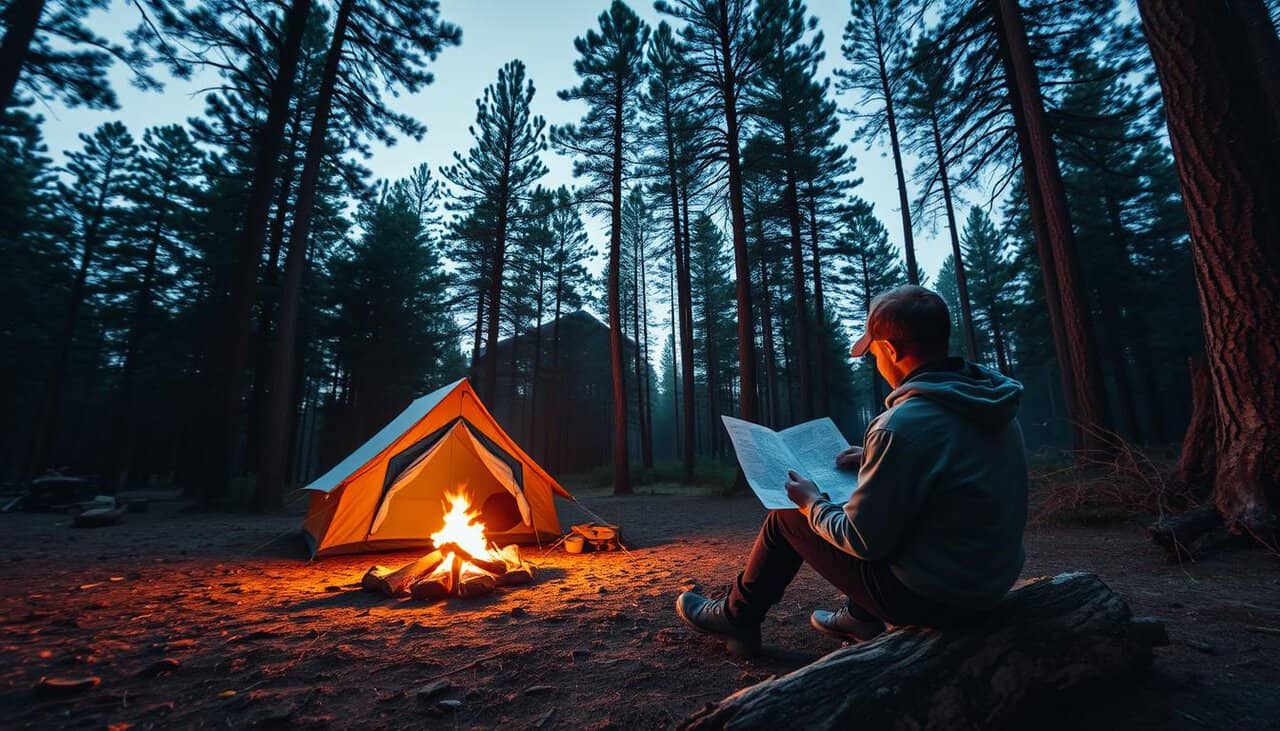
Imagine waking up to breathtaking views, surrounded by nature’s serenity. For many outdoor enthusiasts, camping is a way to experience the great outdoors. But, you might wonder, can you camp anywhere you like?
The reality is that while dispersed camping offers a lot of freedom, there are limitations. You can’t just set up your tent anywhere. However, with a little guidance, you can find the perfect spot. This guide will walk you through the different options available, from national parks to public lands and designated campsites.
As you explore the world of camping, you’ll discover that there’s more to it than just finding a spot. You’ll gain a richer experience by understanding the rules and regulations.
Key Takeaways
- Understand the concept of dispersed camping and its limitations.
- Learn about the different types of lands available for camping.
- Discover the rules and regulations for camping on public and private lands.
- Find out where camping is prohibited and the potential consequences.
- Get a comprehensive guide to camping in the US.
Understanding Camping Regulations in the United States
The great outdoors beckons, but before you pitch your tent, it’s essential to know the camping regulations in the US. Understanding where you can and can’t camp comes down to defining boundaries. Think of it like coloring inside the lines.
As you embark on your next adventure, whether it’s a cross-country road trip or a van life journey, knowing the rules of the road and the land is crucial. The American ideal of traveling freely romanticizes the pragmatism of sleeping in your car or setting up camp. This brings us to the three most clearly defined boundaries that dictate where you can legally camp.
The Reality of “Free Camping” in America
The concept of “free camping” in America is often misunderstood. While there are areas where you can camp without a fee, the term “free camping” doesn’t always mean unrestricted. Many public lands offer free camping options, but there are still rules to follow.
- Some national forests and Bureau of Land Management (BLM) lands allow dispersed camping, which is often free.
- However, even in these areas, there may be restrictions on campfires, waste disposal, and length of stay.
- It’s essential to research the specific rules and regulations for the area you plan to visit.
Public vs. Private Land: Knowing the Difference
Understanding the distinction between public lands and private property is fundamental to legal camping. Public lands are managed by various government agencies, each with its own set of regulations.
For instance, public lands managed by the BLM or US Forest Service may have different rules compared to national parks. On the other hand, private property requires permission from the landowner to camp.
- Always check for signs or markers indicating land ownership.
- Use online resources or contact local authorities to determine land ownership and camping regulations.
- Respecting private property is not only a legal necessity but also a matter of maintaining positive relations with landowners.
Where You Cannot Legally Camp in the US
When exploring the great outdoors in the US, it’s crucial to know where you can’t camp. Understanding the restrictions on camping can save you from legal troubles and ensure a safe, enjoyable experience.
Private Property Without Permission
Camping on private property without the owner’s permission is considered trespassing. It’s straightforward: you can’t just pitch a tent on someone’s land without their consent. This not only risks legal consequences but also strains relations between campers and landowners.
Private Businesses and Parking Lots
While it might be tempting to park your car and camp overnight at a grocery store or shopping center, it’s generally not recommended. Many private businesses and parking lots have policies against overnight stays, and staying without permission can lead to being asked to leave or even towing.
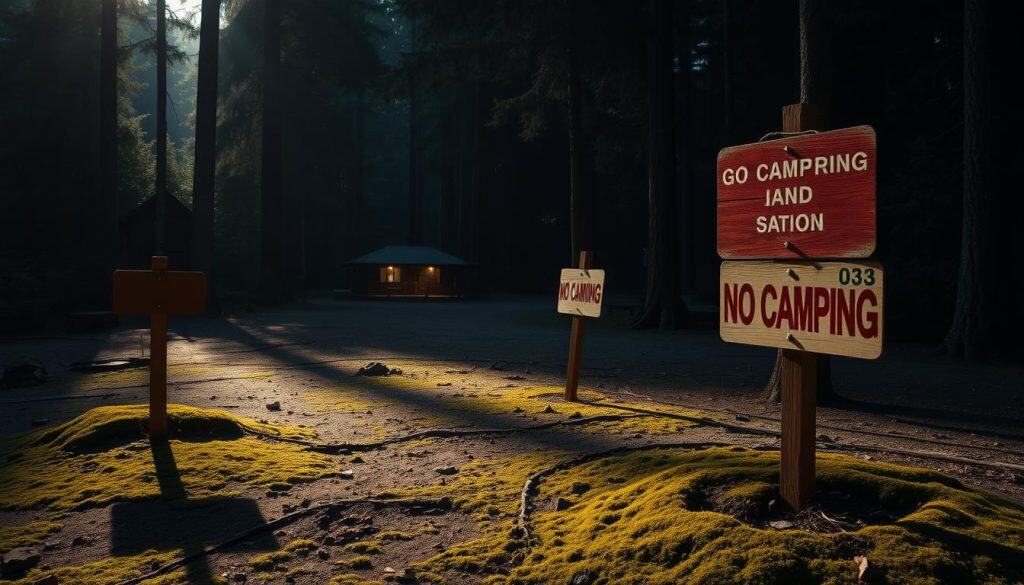
Rest Areas and Roadside Stops
Rest areas and roadside stops are designed for short-term breaks, not for camping. Setting up a tent or sleeping outside your vehicle at these locations is usually prohibited. While resting in your car might be tolerated for a short period, actual camping is not allowed.
By being aware of these restrictions, you can avoid fines and confrontations, ensuring a more enjoyable camping experience on your next adventure.
Is It Legal to Camp Anywhere in US? The Truth About Dispersed Camping
For many, the question ‘Is it legal to camp anywhere in US?’ is answered through understanding dispersed camping. Dispersed camping, also known as wild camping, boondocking, or backcountry camping, is a more self-sufficient experience that offers its own unique appeal. It’s about camping outside of developed campsites, often on public lands.
What Is Dispersed Camping?
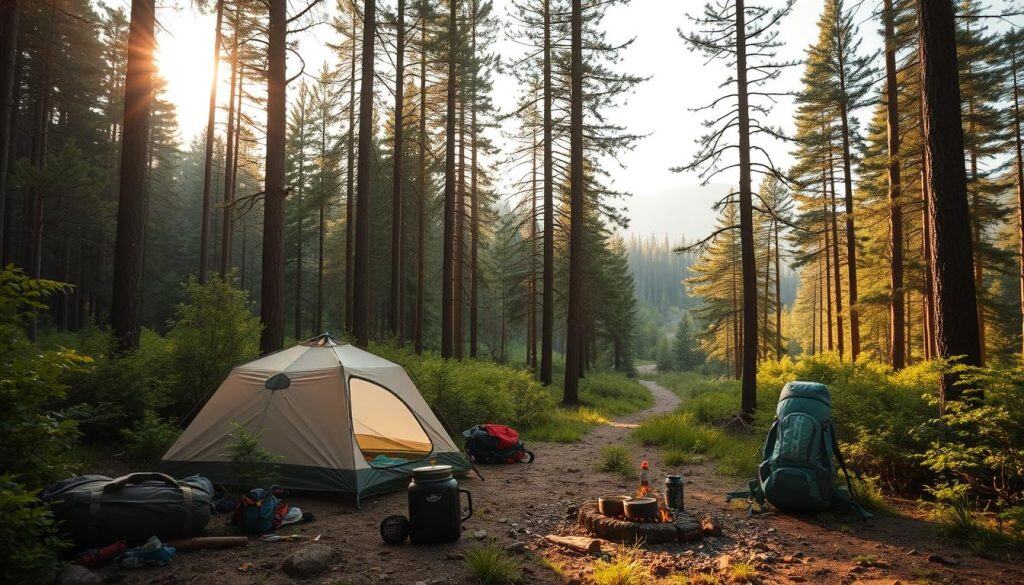
Dispersed camping is a type of camping where you camp outside of designated campsites. It’s called ‘dispersed’ because campers are dispersed throughout the area rather than being confined to a specific campground. This type of camping is usually free and can be found on public lands managed by agencies like the Bureau of Land Management (BLM) or the U.S. Forest Service.
The Leave No Trace Principles
When engaging in dispersed camping, it’s crucial to follow the Leave No Trace principles to minimize your impact on the environment. These principles include disposing of waste properly, respecting wildlife, and not damaging the land. By following these guidelines, you can help preserve the natural beauty of the areas you visit.
Some key Leave No Trace principles include:
- Plan ahead and prepare
- Travel and camp on durable surfaces
- Dispose of waste properly
- Leave what you find
- Minimize campfire impacts
- Respect wildlife
- Be considerate of other visitors
Time Limits and Restrictions
While dispersed camping offers a lot of freedom, there are still rules and regulations to follow. For example, on BLM lands, you’re generally allowed to camp for up to 14 days in a single location. After that, you must move to a new area. There may also be other restrictions specific to certain regions or lands.
| Land Management | Typical Stay Limit | Notes |
|---|---|---|
| Bureau of Land Management (BLM) | 14 days | Must move to a new area after the stay limit |
| U.S. Forest Service | 14-16 days | Can vary depending on the forest |
| National Parks | Varies | Often requires a permit and has specific campsites |
Understanding these rules is key to enjoying dispersed camping while also preserving the environment and respecting other campers.
Legal Camping on Federal Public Lands
Federal public lands provide diverse camping experiences across the United States. These lands are managed by different federal agencies, each with its own set of rules and regulations.
Camping Rules in National Parks
National parks are a favorite among campers, offering breathtaking landscapes and historical significance. The National Park Service manages over 400 sites, covering more than 85 million acres of land. However, camping in national parks is typically restricted to designated campgrounds that often require reservations. You can plan your trip and make reservations through the official National Park Service website or by visiting enjoynationalparks.com for more information on the best national parks for camping.
Bureau of Land Management (BLM) Lands
The Bureau of Land Management oversees tracts of public lands, offering both designated campgrounds and dispersed camping opportunities. The BLM manages one in every 10 acres of land nationwide, providing numerous options for campers. To find BLM dispersed camping locations, you can visit the BLM’s official website and explore their interactive maps and databases.
National Forests and Grasslands
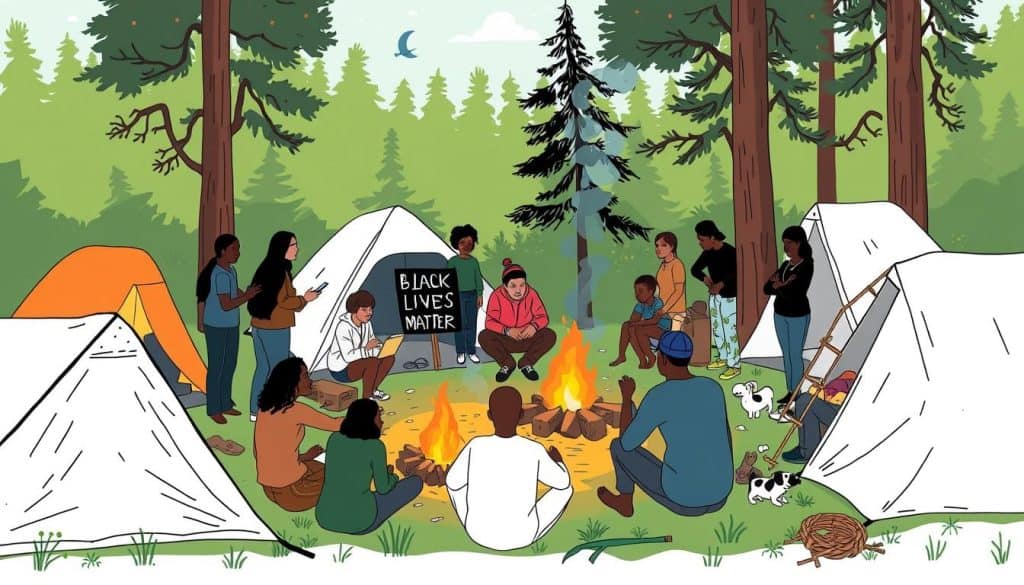
The National Forest Service manages 193 million acres of forest and grasslands, offering a mix of developed campgrounds and opportunities for dispersed camping. These areas often provide a middle ground between the amenities of national parks and the solitude of wilderness camping. For information on free camping in national forests, you can visit the US Forest Service’s website.
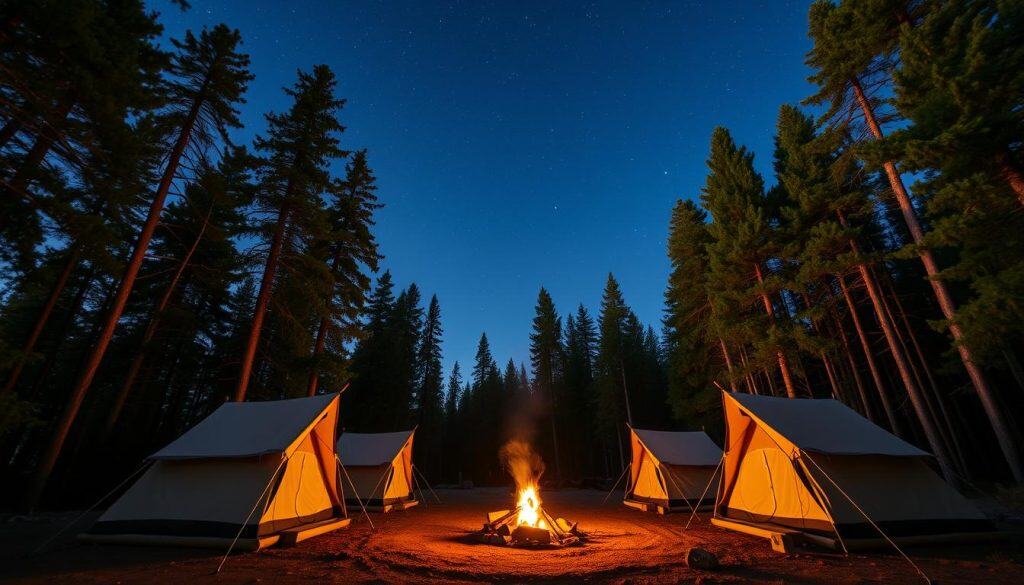
In conclusion, federal public lands offer a wide range of camping opportunities, from the structured environment of national parks to the flexibility of dispersed camping on BLM lands and national forests. Understanding the rules and regulations of each can help you plan a memorable and enjoyable camping trip.
State and Local Camping Options
Beyond the well-known national parks, state and local camping options offer a wealth of opportunities for outdoor enthusiasts. These alternatives not only provide more accessible locations but also often come with the benefit of fewer crowds.
State Parks and Recreation Areas
State parks are often as breathtakingly beautiful and iconic as national parks, but they are managed at the state level. This classification creates a “hidden gem” appeal, offering a strong alternative to national destinations that may require a longer road trip.
State parks typically offer well-maintained campgrounds with various amenities at reasonable prices. You can enjoy camping in a serene environment, surrounded by nature, and still have access to basic facilities like restrooms and potable water.
Many state parks also offer recreational activities such as hiking, fishing, and boating, enhancing your overall camping experience.
County and City Parks
County and city parks that permit camping can be convenient options for weekend getaways or urban camping experiences.
These parks often provide a more localized camping experience and may offer amenities like picnic areas, playgrounds, and sports facilities.
Tribal Lands and Special Permissions
The sovereignty of each federally-recognized tribe grants them authority to manage their tribal lands as they choose.
Camping on tribal lands usually requires special permissions, and it’s essential to respect tribal sovereignty and regulations.
Alternative Legal Camping Solutions
For travelers seeking flexibility, alternative legal camping solutions are a game-changer. Whether you’re on a road trip or living in your van, having options beyond traditional campgrounds is invaluable.
Businesses That Allow Overnight Parking
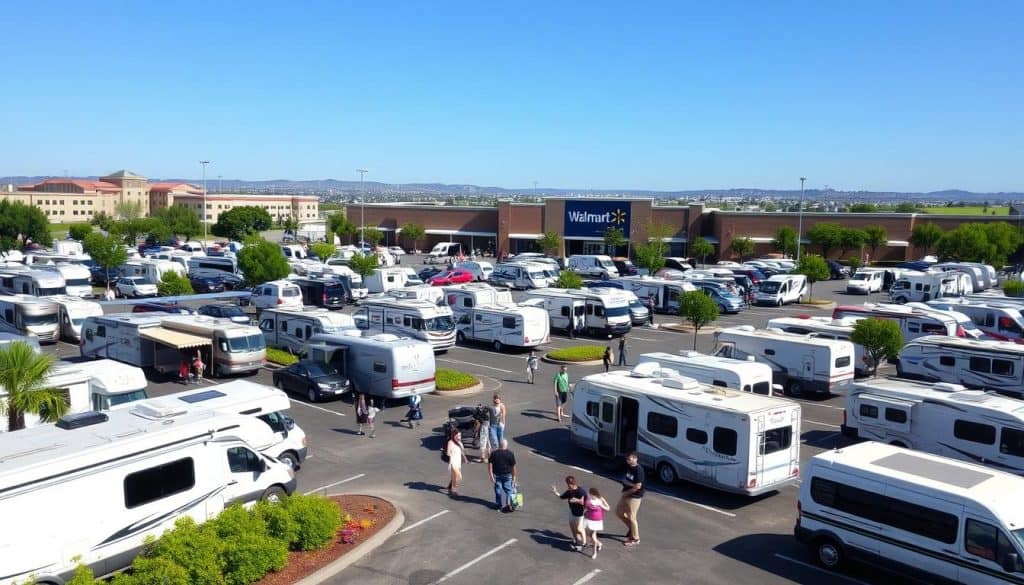
Many businesses across the US allow overnight parking in their lots, providing a convenient option for travelers. Walmart is one such retailer that often permits overnight parking, although it’s essential to check the specific store’s policy beforehand.
Membership Programs for Private Land Camping
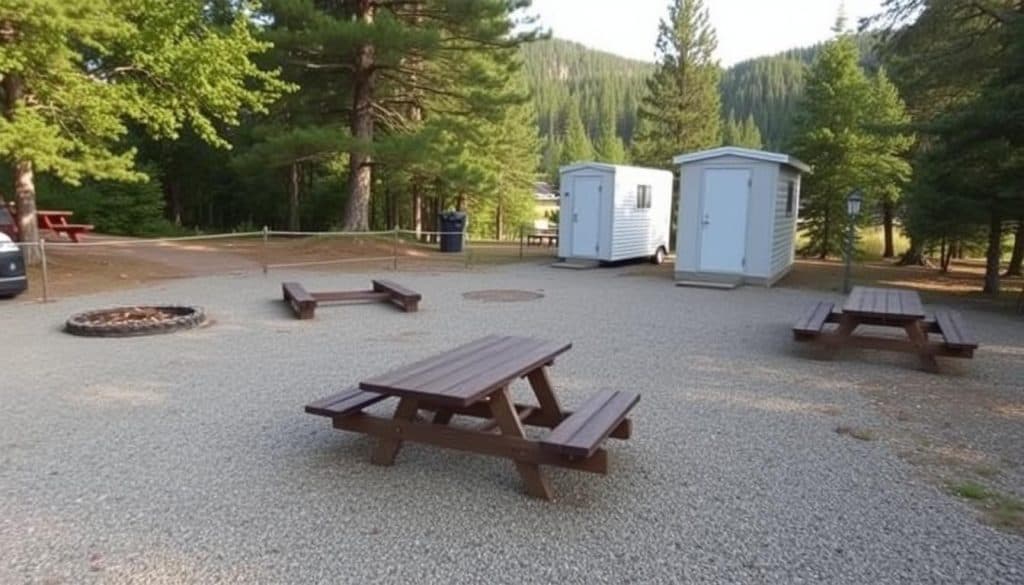
Membership programs like Hipcamp offer access to private land camping, providing unique experiences and often more amenities than public campsites. With Hipcamp, you can find and book campsites on private properties, ranging from secluded spots to glamping sites with running water and picnic tables.
Apps and Websites for Finding Legal Camping Spots
Several apps and websites can help you find legal camping spots, making trip planning easier. FreeCampsites.net and Campendium are popular resources that list free and low-cost camping options across the country. These platforms allow you to filter by amenities, location, and more, ensuring you find a suitable spot for your needs.
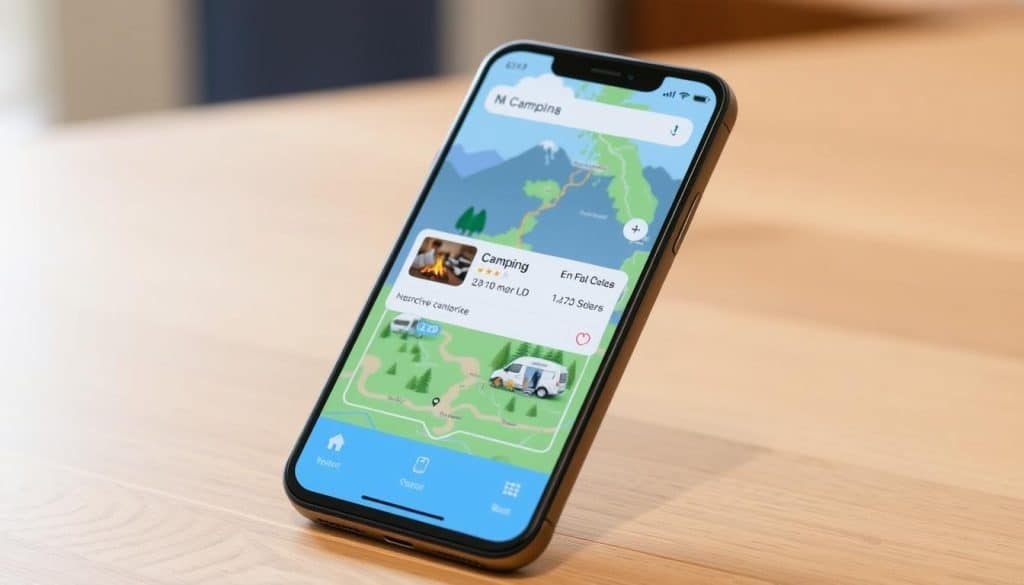
By exploring these alternative legal camping solutions, you can enjoy a more flexible and varied camping experience, whether you’re on a road trip or a long-term adventure.
Conclusion
As we’ve explored the vast camping landscape across the United States, it’s clear that the ideal camping experience is a personal journey. Whether you’re drawn to the freedom of dispersed camping or the amenities of developed campgrounds, there’s a wealth of options to suit every camper’s preferences.
The key to a successful camping trip lies in understanding the regulations and rules that govern different camping areas. From national forests to public lands managed by the Bureau of Land Management, each offers unique opportunities and challenges. By choosing the right type of camping for your needs, you can enjoy the great outdoors while respecting the environment and local regulations.
To make the most of your camping experience, remember to research your destination thoroughly, prepare for the unexpected, and follow the principles of responsible camping. This includes leaving nothing behind but bubbles and taking nothing but memories. With the right knowledge and preparation, you can enjoy the freedom of camping across America’s diverse landscapes while staying within legal boundaries.
So, pack your tent, grab your gear, and hit the road. The great outdoors awaits, with its forests, parks, and campsites ready to be explored. Happy camping!
FAQ
What is dispersed camping, and where is it allowed?
Dispersed camping refers to camping outside of designated campsites, often on public lands managed by the Bureau of Land Management (BLM) or the US Forest Service. It’s allowed in many national forests and on BLM lands, but rules vary, so it’s essential to check with local land management agencies for specific regulations.
Can I camp on private property without permission?
No, camping on private property without the owner’s permission is considered trespassing and can result in fines or other penalties. Always obtain permission before camping on private land.
Are there time limits for dispersed camping on public lands?
Yes, there are usually time limits for dispersed camping, typically ranging from 14 to 30 days, depending on the land management agency and location. Be sure to check the specific rules for the area you plan to visit.
Can I camp in national parks, and what are the rules?
Yes, camping is allowed in national parks, but there are specific rules and regulations. Some national parks have designated campsites with amenities, while others offer backcountry camping. Always check with park rangers for up-to-date information on camping rules and availability.
What are the Leave No Trace principles, and why are they important?
The Leave No Trace principles are guidelines for minimizing your impact on the environment when camping or hiking. They include practices like packing out trash, using existing campsites, and being mindful of wildlife. Following these principles helps preserve the natural beauty of public lands for future generations.
Can I use apps or websites to find legal camping spots?
Yes, there are several apps and websites available that can help you find legal camping spots, including those on public lands, in national parks, and on private property. Some popular options include websites dedicated to camping and outdoor recreation.
Are there any businesses that allow overnight parking or camping?
Yes, some businesses like rest stops, truck stops, and retail stores allow overnight parking, but it’s crucial to check with the specific business beforehand to confirm their policy.
How do I find out if a piece of land is public or private?
You can use online maps and resources, such as those provided by the BLM or US Forest Service, to determine if a piece of land is public or private. Additionally, contacting local land management agencies or county assessor’s offices can provide more detailed information.