
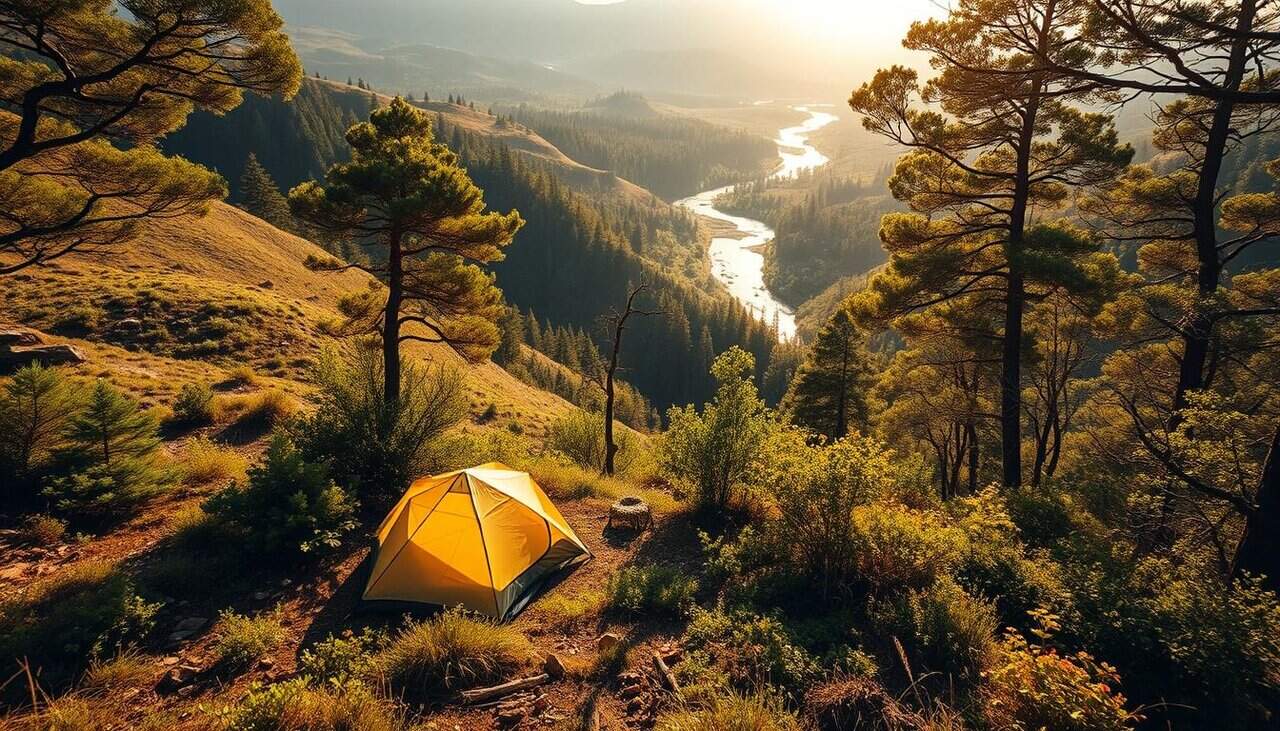
Imagine being able to park your car anywhere with a scenic view and set up camp. For many outdoor enthusiasts, this freedom is the ultimate camping experience. While the reality of dispersed camping isn’t a literal free for all, it’s not far from that either.
The United States offers vast opportunities for camping on public lands, but there are limitations. Understanding these limitations and the regulations that apply is crucial for a legal and enjoyable camping experience.
This comprehensive guide will explore the legality of camping across the US, examining the distinctions between different types of land and various camping styles.
Key Takeaways
- Understanding the difference between public and private lands is essential for legal camping.
- Dispersed camping offers flexibility, but it’s subject to specific regulations.
- Public lands provide vast opportunities for camping, but not all areas are open to camping.
- Familiarizing yourself with local camping regulations is crucial.
- Responsible camping practices help preserve America’s natural resources.
Understanding Camping Legality in the US
The freedom to camp anywhere is a romantic notion, but the reality is governed by specific laws and regulations. Understanding where you can and can’t camp comes down to defining boundaries. Think of it like coloring inside the lines.
The Reality of “Camp Anywhere”
The concept of being able to “camp anywhere” in the US is more nuanced than many people realize. While the idea of setting up camp wherever you please is appealing, the truth is that specific legal frameworks dictate where camping is allowed.
Camping regulations vary significantly across different regions, and it’s crucial to understand these differences to avoid any legal issues. The notion of camping freely is often associated with public lands, but even these have restrictions.
Public vs. Private Land Distinctions
A critical distinction for campers to understand is the difference between public and private lands. Public lands, managed by various government agencies such as the National Park Service, US Forest Service, and Bureau of Land Management, often allow camping with certain restrictions.
On the other hand, private property requires explicit permission from the owner to camp. Trespassing on private property can result in legal consequences, making it essential to respect these boundaries.
By understanding the rules governing public and private lands, you can enjoy camping without legal concerns. It’s about being aware of the rules and respecting the property rights of others.
Where You Cannot Camp Legally
As you plan your next road trip, it’s essential to know where you can and cannot camp legally. Understanding the restrictions on camping can save you from uncomfortable encounters with law enforcement or property owners.
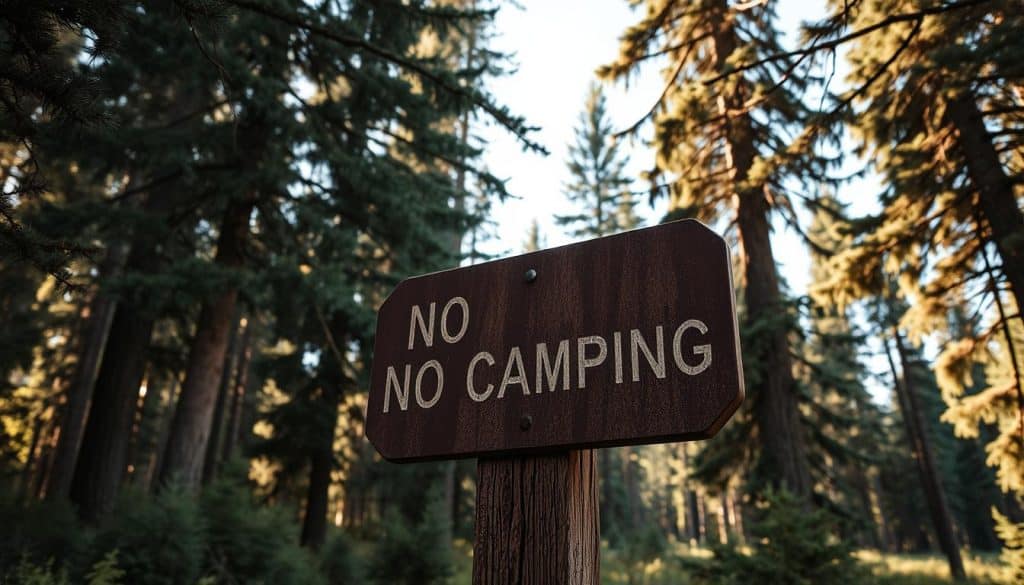
Private Property Restrictions
Private property is generally off-limits for camping without explicit permission from the landowner. This includes residential areas, farms, and commercially owned land. It’s intuitive that you can’t drive up to a stranger’s home and pitch your tent in their yard. Increasingly, some towns and cities have begun to enact legislation that discourages or prohibits sleeping in your car on local streets.
Private Businesses and Parking Lots
Many private businesses have specific policies regarding overnight parking or camping in their lots. For instance, some Walmart locations, truck stops, and casinos may allow overnight stays, but policies vary by location and management. It’s always a good idea to check with the management before setting up for the night.
Rest Areas and Roadside Limitations
Rest areas along highways typically have strict limitations on camping and overnight stays. Most allow brief stops for rest but prohibit setting up tents or staying beyond posted time limits. These areas are designed to provide a safe place to rest, not to camp for extended periods.
By understanding these restrictions, you can plan your road trip more effectively and find legal sites to camp along the way. This knowledge will help you avoid trouble and enjoy your journey.
Is it legal to camp anywhere in the US? The Complete Answer
The great outdoors beckons, but before you pitch your tent, it’s essential to understand the laws surrounding camping in the US. Camping is a popular activity, and many people are drawn to the idea of setting up camp in beautiful, natural areas.
Legal Framework for Camping on Public Lands
Camping on public lands is generally allowed, but it’s subject to specific regulations that vary by land management agency and location. Public lands are managed by different agencies, such as the Bureau of Land Management (BLM), the US Forest Service (USFS), and the National Park Service (NPS), each with its own set of rules.
- Understand the specific regulations for the area you plan to camp in.
- Familiarize yourself with the land management agency’s rules and guidelines.
Time Limitations and Permit Requirements
When camping on public lands, it’s crucial to be aware of time limitations and permit requirements. Many areas have restrictions on how long you can stay, typically 14 days in a 28-day period. Additionally, some areas require permits, which may involve fees and advance reservations.

- Check if the area you plan to camp in requires a permit.
- Be aware of the time limitations to avoid overstaying.
By understanding the legal framework and regulations surrounding camping on public lands, you can plan your trip effectively and enjoy the great outdoors while respecting the natural resources and other outdoor enthusiasts.
Dispersed Camping vs. Designated Campgrounds
Dispersed camping and designated campgrounds offer distinct experiences for campers, each with its own set of advantages and disadvantages. Understanding these differences is key to choosing the right camping style for your next outdoor adventure.
What is Dispersed Camping?
Dispersed camping, also known as wild camping, boondocking, or backcountry camping, refers to camping outside of designated campgrounds, typically in more remote areas without facilities or services. This type of camping offers greater solitude but requires self-sufficiency. Campers must be prepared to bring their own water, restrooms are often not available, and campers must adhere to the principles of Leave No Trace.
Pros and Cons of Dispersed Camping
The appeal of dispersed camping lies in its ability to offer a more secluded and peaceful experience. However, it also comes with its challenges. On the plus side, dispersed camping provides more privacy and often, no fees are associated with it. On the downside, campers must be entirely self-sufficient, bringing all necessary amenities, including running water and a means to manage waste.
- Pros: More privacy, often free, and a more immersive wilderness experience.
- Cons: Requires self-sufficiency, no access to restrooms or running water, and adherence to specific regulations.
Designated Campgrounds: Amenities and Limitations
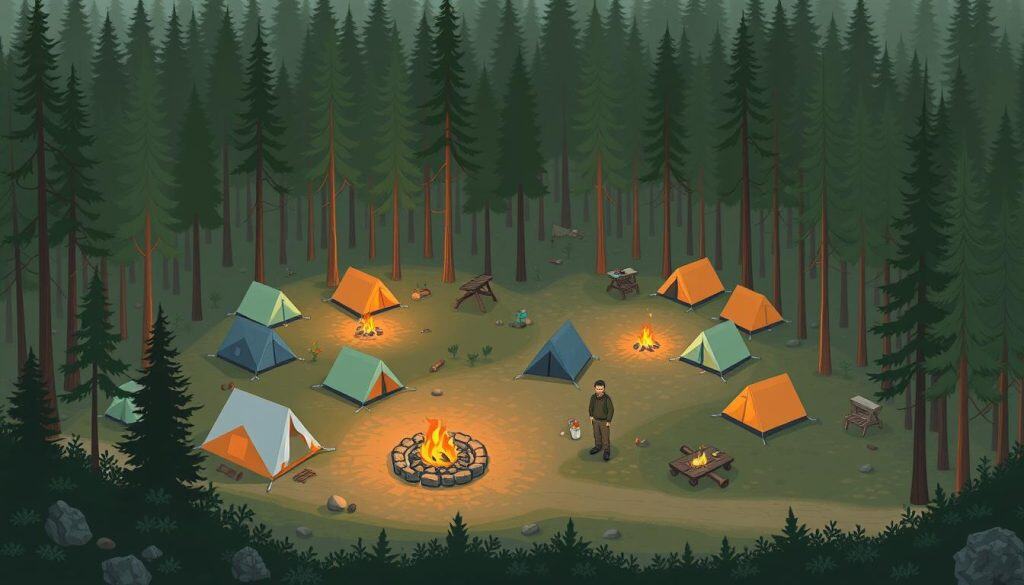
Designated campgrounds, or developed campgrounds, provide an entry-level camping experience with various amenities, including restrooms, running water, picnic tables, and fire rings. These campgrounds are more accessible for families and less experienced campers. However, they often come with fewer opportunities for solitude and may have more regulations and fees associated with them.
When choosing between dispersed camping and designated campgrounds, consider your experience level, the type of camping experience you’re looking for, and your preparedness for self-sufficiency. Each option has its unique charm and challenges, and understanding these differences will help you make an informed decision for your next camping trip.
Camping in National Parks and Forests
For many outdoor enthusiasts, camping in national parks and forests is a quintessential American adventure. The US is home to numerous national parks and forests, each offering unique camping experiences that cater to different preferences and needs.
National Park Camping Regulations
National parks are managed by the National Park Service, which oversees more than 400 sites across the country, covering over 85 million acres of land. While these parks offer breathtaking landscapes and historical significance, camping is restricted to designated campgrounds to preserve the natural environment and ensure visitor safety.
To camp in a national park, you often need to make reservations in advance, especially during peak seasons. You can plan your trip by visiting the official National Park Service website or third-party reservation platforms. For instance, if you’re planning to visit some of the most popular national parks, you might want to check out the best national parks to visit.
National Forest and Grasslands Camping Rules
In contrast to national parks, national forests and grasslands offer more flexibility when it comes to camping. The Forest Service manages 193 million acres of forests and grasslands, allowing both designated campground camping and dispersed camping in many areas.
Dispersed camping, in particular, offers campers the freedom to camp outside of designated campsites, often without the need for reservations. However, it’s crucial to understand the specific rules and regulations for each forest or grassland, as they can vary significantly.
Bureau of Land Management (BLM) Lands
As an outdoor enthusiast, I’ve found that the Bureau of Land Management (BLM) lands provide some of the most accessible and enjoyable camping experiences. The BLM manages approximately one-tenth of the land in the United States, offering a vast array of camping opportunities, from designated campgrounds to dispersed camping.
BLM Dispersed Camping Guidelines
Dispersed camping on BLM lands is allowed under certain conditions. To camp on BLM land, you must ensure that your campsite is away from recreational facilities, not within an area marked “Closed to Camping,” and does not conflict with authorized uses or harm wildlife and natural resources.
When camping on BLM lands, it’s essential to follow the guidelines: set up camp at least 200 feet from water sources, avoid developed recreation facilities, and steer clear of areas closed to camping. You can search for “BLM land camping near me” to find suitable locations.
- Set up camp at least 200 feet from water sources
- Avoid developed recreation facilities
- Steer clear of areas closed to camping
The 14-Day Rule and Other Restrictions
The BLM has a 14-day rule, which limits camping stays to 14 days within any 28-day period. After this period, campers must move at least 25 miles away from their original campsite.
In addition to the 14-day rule, campers on BLM lands must practice “Leave No Trace” principles. This includes proper waste disposal and minimizing your impact on natural resources and wildlife. Before heading out, make sure to check with local field offices about specific area restrictions, fire regulations, and seasonal closures.
- Practice “Leave No Trace” principles
- Check with local field offices for area restrictions and regulations
Alternative Camping Options
Beyond the typical campsites, there are alternative options worth considering for your next adventure. These alternatives can provide a more varied and enriching camping experience.
State Parks and Recreation Areas

State parks offer well-maintained camping facilities with moderate fees. They provide a good balance between amenities and natural settings, making them suitable for campers of all experience levels. You can enjoy camping in scenic recreation areas while having access to necessary amenities.
Tribal Lands: Permission and Protocol
Camping on tribal lands requires special permission and often permits. It’s crucial to contact tribal authorities before planning your trip to these sovereign territories. The sovereignty of each federally-recognized tribe grants them authority to manage their lands as they choose.
Free Parking Lot Camping
Free parking lot camping at businesses like Walmart, Cabela’s, and truck stops can provide convenient overnight options for road trips. Make sure to get permission and follow all posted rules. This option can be particularly useful when traveling through areas with limited public land access.
When planning your trip, make sure to research these alternatives in advance, as policies can change and some locations may have restrictions or require reservations.
Conclusion: Responsible Camping Practices
As we wrap up our exploration of camping in the US, it’s clear that finding the perfect campsite is a personal journey. To ensure that these natural lands remain accessible for future generations, responsible camping practices are essential. This includes following the “Leave No Trace” principles, such as packing out all trash, minimizing campfire impacts, and respecting wildlife.
When planning your trip, research regulations, obtain necessary permits, and check weather conditions to make sure you’re prepared. Be mindful of time limitations, typically 14 days, to ensure fair access for all campers and prevent environmental damage.
Whether you choose a developed campground with picnic tables and running water or dispersed camping in remote areas, your experience should match your skills and comfort level. By being a responsible camper, you’ll not only enhance your own experience but also help preserve America’s natural beauty.
FAQ
What is dispersed camping, and how does it differ from camping in designated campgrounds?
Dispersed camping refers to camping outside of designated campsites, often without amenities like restrooms or running water. In contrast, designated campgrounds offer more amenities and are typically managed by a government agency or private company.
Can I camp on any public land?
No, not all public land is open to camping. Some areas, like certain Bureau of Land Management (BLM) lands, national forests, and national parks, allow camping, but there are often specific rules and regulations to follow.
What are the rules for camping on BLM lands?
BLM lands often allow dispersed camping, but there are usually time limits, such as the 14-day rule, and restrictions on activities like campfires and waste disposal.
Can I camp in national parks, and what are the regulations?
Yes, many national parks have campgrounds, but regulations vary by park. Some parks require reservations, have specific rules for campfires and wildlife, and limit the length of stay.
Are there any free camping options available?
Yes, some options include dispersed camping on BLM lands, national forests, and certain rest areas or parking lots, like those at Walmart or truck stops, with permission.
What should I know before camping on private property?
Always obtain permission from the landowner before camping on private property, and be aware that some areas may have specific rules or restrictions.
Can I have a campfire while dispersed camping?
It depends on the specific regulations of the area you’re in. Some areas may have fire restrictions or require you to fully extinguish campfires before leaving them unattended.
How do I find public lands that allow camping?
You can use online resources like the BLM’s land and mineral records system or the US Forest Service’s website to find public lands that allow camping.