
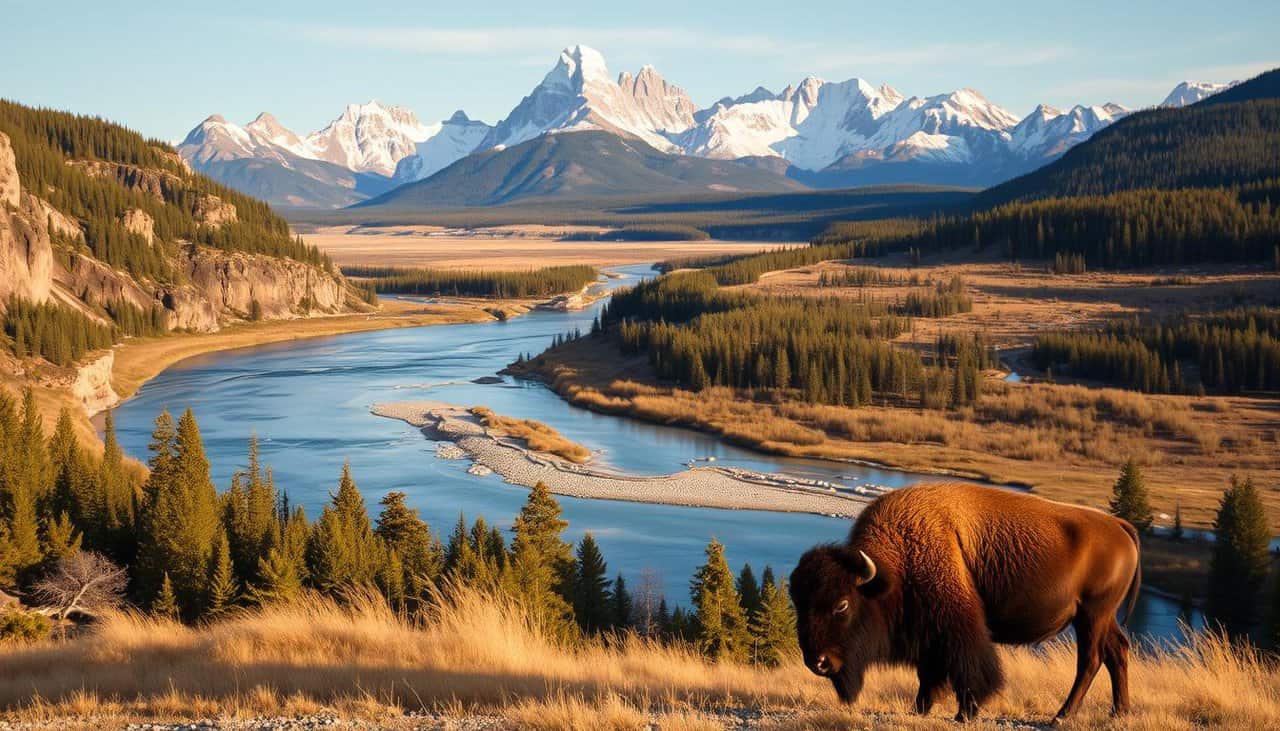
With over 4 million visitors annually, Yellowstone National Park is a must-visit destination for many. As you prepare for your trip, you may be wondering whether it’s better to stay inside the park or outside. As a seasoned traveler, I’ve been in your shoes, and I’m here to help you make an informed decision.
When planning your trip to Yellowstone, considering factors like location, budget, and amenities is crucial. Your decision will significantly impact your overall experience, especially if you’re visiting Yellowstone for the first time.
Let’s explore the pros and cons of staying inside versus outside the park to help you maximize your time and enjoyment in this incredible national park.
Key Takeaways
- Understand the pros and cons of staying inside versus outside Yellowstone National Park.
- Consider factors like location, budget, and amenities when making your decision.
- Learn how the park’s unique layout and seasonal considerations impact your lodging choice.
- Discover the different types of accommodations available inside and outside the park.
- Make an informed decision to maximize your time and enjoyment in Yellowstone.
Understanding Yellowstone’s Size and Layout
With Yellowstone being as large as Delaware and Rhode Island combined, understanding its size is vital. The park’s enormous area means that where you choose to stay will significantly impact your daily driving time to and from attractions.
Yellowstone National Park is a vast wilderness area, and its size can be intimidating. However, knowing the park’s layout can help you plan your trip more effectively.
The Five Entrances to Yellowstone National Park
Yellowstone has five distinct entrances, each connected to gateway towns that offer various accommodations and services. These entrances are:
- West Yellowstone, Montana
- Gardiner, Montana (North Entrance)
- Cooke City-Silvergate, Montana (Northeast Entrance)
- Jackson, Wyoming (South Entrance)
- Cody, Wyoming (East Entrance)
Each entrance provides access to different parts of the park, and choosing the right one can save you time and enhance your experience. For instance, the West Yellowstone entrance is ideal for those looking to visit the geyser basins, while the North Entrance is closest to Mammoth Hot Springs and the wildlife-rich Lamar Valley.
The Grand Loop Road and Travel Times
The Grand Loop Road is a figure-8 shaped road that connects most of the park’s major attractions. However, driving around this loop without stopping can take anywhere from 4 to 7 hours.
Understanding travel times between different areas of the park is crucial for planning your day. For example, driving from Old Faithful to Mammoth Hot Springs can take over 1.5 hours one-way, even in good conditions. Additionally, factors like traffic congestion, wildlife jams, and seasonal road closures can significantly impact your travel time, making your base location even more important for maximizing your sightseeing time.
Is it better to stay inside Yellowstone or outside?
When planning a trip to Yellowstone National Park, one of the most crucial decisions is whether to stay inside the park or in the surrounding areas. This decision can significantly impact your overall experience, affecting everything from your daily itinerary to your budget.
Key Factors to Consider When Deciding
Several key factors come into play when deciding whether to stay inside or outside Yellowstone. Your budget is a significant consideration, as accommodations within the park can range from rustic cabins starting at around $150 per night to luxury lodges exceeding $300 per night. In contrast, options outside the park offer a wider range of prices.
Another crucial factor is your travel schedule. If you’re planning to visit during peak season, it’s essential to book your accommodations well in advance, as in-park lodging opens for booking 13 months ahead and fills up quickly. On the other hand, if you’re a last-minute planner, you might find more availability in the gateway towns surrounding the park.
- Budget considerations: in-park vs. out-of-park accommodations
- Travel dates and booking timeline
- Desired amenities and services
- How you plan to spend your time in the park
Who Should Stay Inside vs. Outside the Park
Different types of travelers may prefer different accommodation options. For instance, families with children and luxury travelers might find it more convenient to stay outside the park, where they can access a broader range of amenities, such as reliable Wi-Fi and air conditioning.
On the other hand, wildlife enthusiasts and photographers may benefit from staying inside the park, allowing them to access prime wildlife viewing areas during early morning and late evening hours when animals are most active.
Ultimately, the decision comes down to your individual priorities and travel style. Some visitors even recommend a multi-base approach, splitting their stay between different locations inside and outside the park to maximize convenience and experience different areas.
Advantages of Staying Inside Yellowstone National Park
When you stay inside Yellowstone, you’re not just booking a room, you’re immersing yourself in the park’s natural wonders. By doing so, you eliminate the need to commute through entrance gates daily, giving you more time to explore the vast 3,500 square miles of Yellowstone wilderness.
Proximity to Major Attractions
Staying within the park provides unparalleled proximity to major attractions like Old Faithful, allowing you to visit these sites during the early morning or late evening when crowds are thinner. This proximity means you can enjoy popular spots without the chaos that often comes later in the day.
Early Morning and Late Evening Wildlife Viewing
Dawn and dusk are prime times for wildlife viewing, and staying inside Yellowstone makes these moments easily accessible. Lamar Valley is particularly renowned for its abundant wildlife, offering broad vistas where you can spot animals grazing along the Lamar River and on the open hillsides.
The Unique Experience of Historic Lodges
The historic lodges, such as Old Faithful Inn, offer a unique immersive experience that connects you to the park’s rich heritage. These lodges are not just places to stay; they’re gateways to understanding the early days of America’s national park system.
To further illustrate the benefits, consider the following comparison of staying inside versus outside the park:
| Experience | Inside the Park | Outside the Park |
|---|---|---|
| Commuting Time | No daily commute through gates | Daily commute through gates |
| Access to Attractions | Early morning and late evening access to popular sites | Limited by gate hours and commute time |
| Wildlife Viewing | Easy access to prime viewing times | May require long drives from accommodations |
By staying inside Yellowstone, you not only gain more time to explore but also enjoy a more serene experience after the day visitors leave. The convenience of being able to return to your room for a break before heading out again is a significant advantage, saving you time and energy during your visit.
Disadvantages of Staying Inside Yellowstone National Park
While staying inside Yellowstone National Park offers numerous benefits, there are also some significant drawbacks to consider. As you plan your trip, it’s crucial to weigh these disadvantages against the advantages to make an informed decision.
Limited Availability and Advance Booking Requirements
One of the significant challenges of staying inside Yellowstone is the limited availability of accommodations. With only about 2300 rooms available within the park, it’s not uncommon for these to book up as early as 12-13 months in advance, especially during peak summer months. This can be a significant constraint for spontaneous travelers or those with flexible plans.
Higher Costs Compared to Outside Options
Accommodations within Yellowstone tend to be pricier compared to those in gateway towns. You can expect to pay around $150 per night for basic cabins, while historic lodges like the Old Faithful Inn and Lake Yellowstone Hotel can range from $300 to $1,200 per night. This higher cost is a crucial factor to consider when budgeting for your trip.
More Rustic Accommodations and Fewer Amenities
Most in-park accommodations are designed to be rustic and blend in with the natural surroundings. This means you might have to compromise on modern amenities like TVs, refrigerators, and microwaves. In fact, air conditioning is a rare feature, available only in a few rooms at places like Mammoth Hot Springs Hotel. Some cabins may even require sharing bathrooms, which could be a drawback for some travelers.
To give you a clearer picture, here’s a comparison of what you can expect inside the park versus outside:
| Feature | Inside Yellowstone | Outside Yellowstone |
|---|---|---|
| Advance Booking Required | 12-13 months | Less than 6 months |
| Average Nightly Cost | $150-$1,200 | Generally lower |
| Modern Amenities | Limited (no TVs, fridges, etc.) | More available |
| Air Conditioning | Rare | Common |
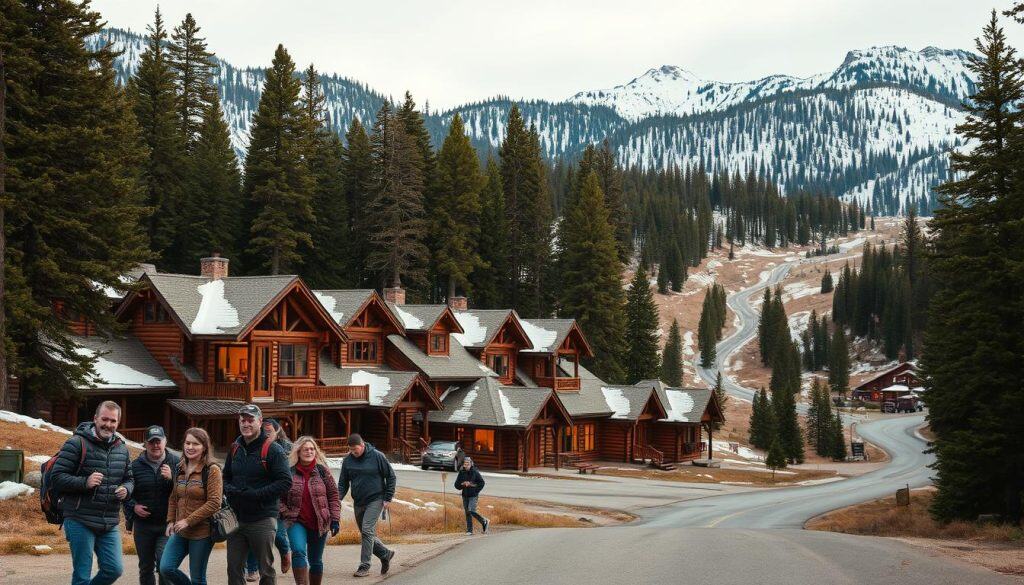
Understanding these differences can help you make a more informed decision about whether to stay inside or outside Yellowstone National Park.
Lodging Options Inside Yellowstone National Park
Inside Yellowstone, you’ll find nine distinct lodging facilities to suit various preferences, ranging from historic hotels to rustic cabins, each with its own character and proximity to different attractions.
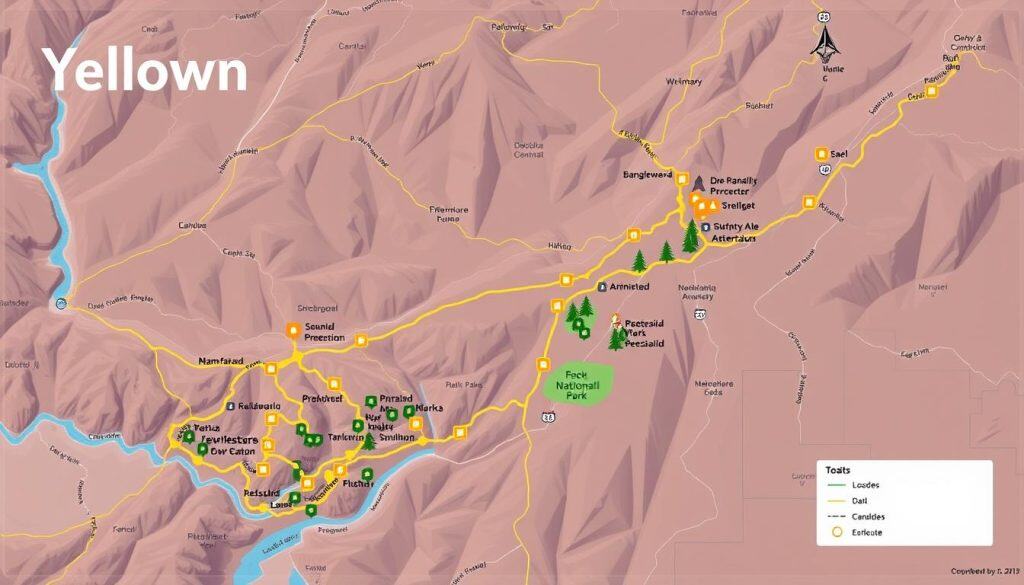
Old Faithful Area Accommodations
The Old Faithful area is home to three unique accommodation options. The iconic Old Faithful Inn, a historic log-and-stone lodge, offers luxurious stays right next to Old Faithful Geyser, with prices ranging from $300 to $1,200 per night. For a more budget-friendly option, Old Faithful Lodge Cabins provide comfortable accommodations at $120-$300 per night. During winter, the Old Faithful Snow Lodge opens its doors, offering modern rooms at $300-$600 per night.
Canyon Village and Lake Yellowstone Area Lodging
Canyon Lodge and Cabins in Canyon Village is the largest lodging facility in Yellowstone, with over 500 rooms spread across five lodge buildings and cabin areas. Prices range from $250 to $600 per night. In the Lake Yellowstone area, visitors can choose between the elegant Lake Yellowstone Hotel, priced at $425-$1,000 per night, and the more affordable Lake Lodge Cabins at $150-$400 per night.
Mammoth Hot Springs and Roosevelt Area Options
Mammoth Hot Springs Hotel and Cabins is one of the few lodgings open year-round, offering some pet-friendly cabins. Prices range from $150 to $400 per night. For a rustic, Old West experience, Roosevelt Lodge Cabins are available at $121-$200 per night, providing proximity to the wildlife-rich Lamar Valley.
Grant Village and Other Accommodations
Grant Village Lodge offers 300+ rooms in six two-story buildings near Yellowstone Lake and the West Thumb Geyser Basin, priced between $250-$400 per night. This lodge is an excellent base for exploring the southern portion of the park.
Most in-park accommodations must be booked through the official Yellowstone National Park Lodges website, with reservations opening 13 months in advance and filling quickly, especially for summer months.
Advantages of Staying Outside Yellowstone National Park
As you prepare for your Yellowstone adventure, you might wonder if staying outside the park could offer some unique benefits. I’ve found that opting for accommodations in the gateway towns surrounding Yellowstone can significantly enhance your travel experience. The key is understanding what matters most to you: proximity to park attractions, the quality of your accommodations, or perhaps the flexibility to explore beyond the park’s boundaries.
Greater Variety of Accommodation Types
One of the most significant advantages of staying outside Yellowstone is the vast array of accommodation options available. Unlike the limited choices within the park, gateway towns like West Yellowstone offer everything from modern hotels and motels to vacation rentals, B&Bs, and luxury resorts. This variety caters to different preferences and group sizes, ensuring you can find the perfect fit for your needs.
More Amenities and Services
Staying outside the park also means you’ll have access to a wider range of amenities and services. Modern hotels in gateway towns often come equipped with reliable Wi-Fi, air conditioning, swimming pools, fitness centers, and in-room refrigerators and microwaves – amenities that are often limited or non-existent within the park.
Better Availability and Lower Costs
Accommodations outside Yellowstone generally offer greater availability for last-minute bookings and tend to be more budget-friendly. Unlike in-park lodgings, which often require reservations 6-13 months in advance, gateway towns provide more flexibility. This makes them ideal for spontaneous travelers or those on a tighter budget. Plus, the competitive pricing due to the greater number of properties means you can often find a great deal, especially during shoulder seasons.
Ultimately, staying outside Yellowstone National Park can offer a more relaxed and flexible vacation experience. With a broader range of accommodations and amenities at your disposal, you’re free to explore the park and its surroundings without the constraints of limited in-park lodging options.
Gateway Towns and Outside Accommodation Options
Yellowstone National Park’s surrounding gateway towns offer a range range of accommodation options, each with its unique character and advantages. When visiting Yellowstone National Park, staying in these nearby towns can provide a more affordable and varied lodging experience.
West Yellowstone, Montana Lodging
West Yellowstone is the most popular gateway town to Yellowstone National Park, boasting the highest concentration of hotels, restaurants, and attractions outside the park. It’s an ideal base for exploring the park’s western entrance and geyser basins. Visitors can choose from a variety of accommodations, including family-friendly hotels like Days Inn, which features a pool with a water slide, and boutique hotels like 1872 Inn, offering a more adult-oriented experience.
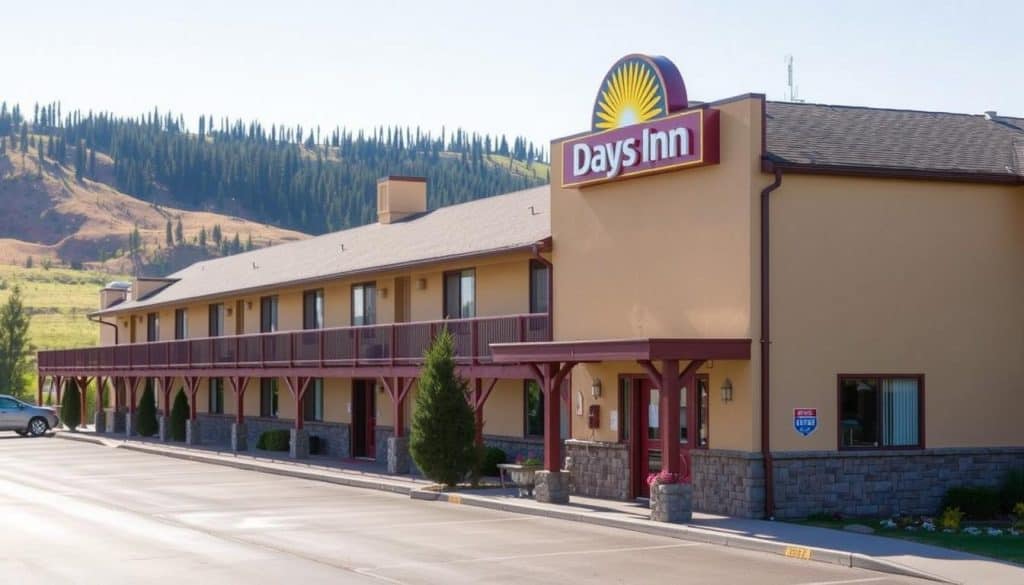
For those seeking a more unique experience, Under Canvas offers glamping options. With its wide range of choices, West Yellowstone caters to diverse traveler preferences, making it an excellent choice for anyone visiting Yellowstone National Park.
Gardiner, Montana Accommodations
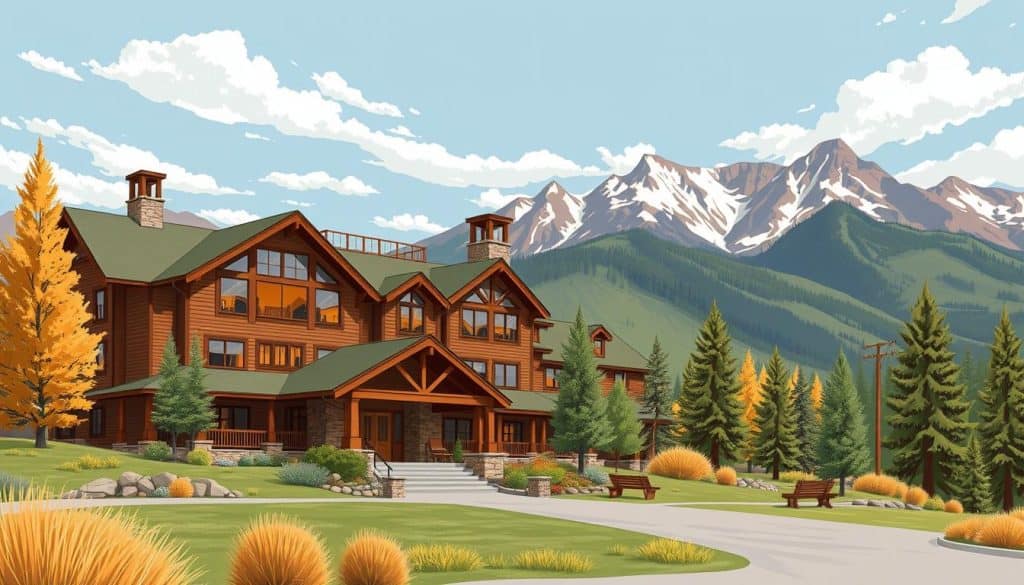
Gardiner, Montana, located at the North Entrance of Yellowstone National Park, provides a more authentic small-town experience. This historic town is accessed via the iconic Roosevelt Arch and offers proximity to Mammoth Hot Springs and the wildlife-rich Lamar Valley. Accommodations in Gardiner range from riverfront properties like Absaroka Lodge to historic bed and breakfasts such as the Gardiner Guest House.
Cody, Wyoming Places to Stay
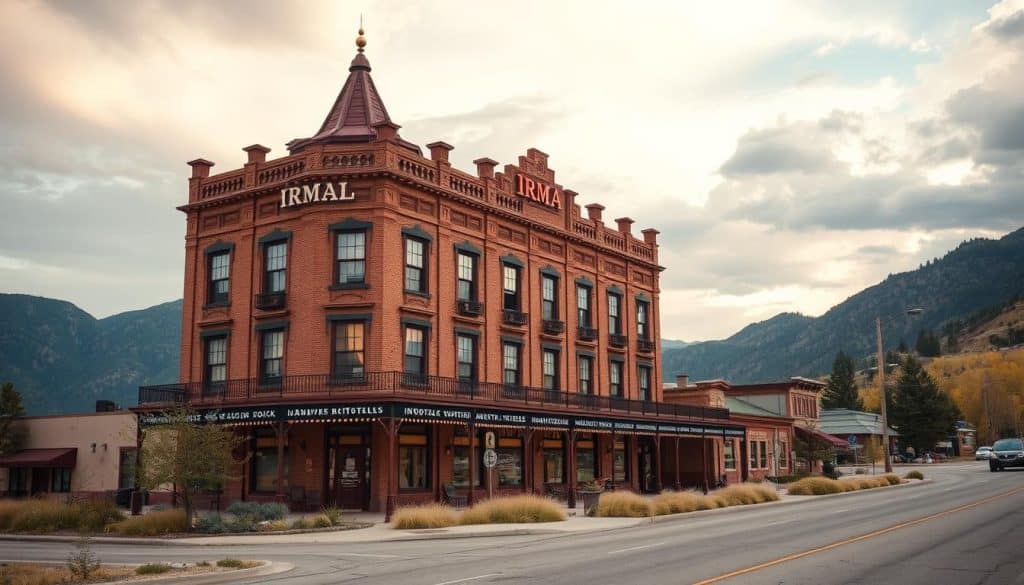
Cody, Wyoming, founded by Buffalo Bill Cody, is another popular gateway town, situated at the East Entrance of Yellowstone National Park. While it’s farther from the park’s main attractions compared to West Yellowstone and Gardiner, Cody offers more affordable lodging options and a rich Western heritage. Historic accommodations like the Irma Hotel and Chamberlin Inn provide an authentic Western experience.
Jackson Hole and Other Gateway Options
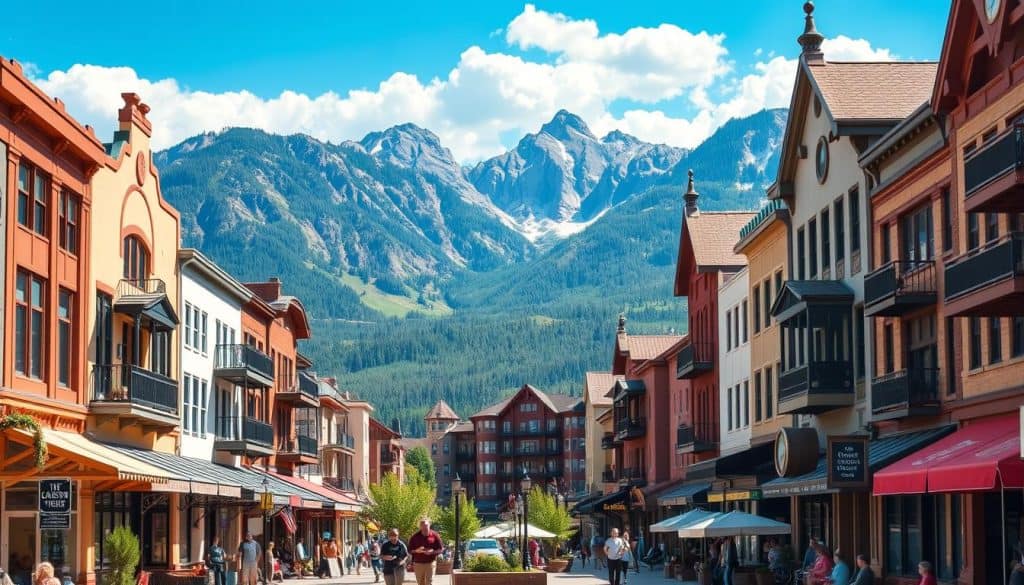
Jackson Hole, located near the South Entrance of Yellowstone National Park, serves as a gateway to both Yellowstone and Grand Teton National Park. It offers luxury resorts, dude ranches, and a vibrant town atmosphere with high-end shopping and dining. Other gateway options include Cooke City-Silver Gate near the Northeast Entrance, ideal for accessing the Lamar Valley, and Island Park, which offers numerous vacation rentals suitable for larger groups.
Best Lodging Strategy: The Multi-Base Approach
A multi-base lodging strategy can significantly enhance your Yellowstone National Park experience. By staying in different locations throughout your trip, you can reduce daily driving times and maximize your sightseeing opportunities.
Yellowstone’s vast size (3,500 square miles) and unique figure-8 road system make it challenging to explore from a single base. Staying in one location often results in long daily drives to reach distant attractions, which can be tiring and limit your overall experience.
Why Changing Accommodations Makes Sense
Changing accommodations during your trip makes sense because it allows you to explore nearby attractions thoroughly without the burden of long commutes. For instance, staying in the Old Faithful area gives you easy access to western attractions, while Canyon Lodge provides a central location for exploring the Grand Canyon of Yellowstone and Hayden Valley.
A strategic multi-base approach might include splitting your stay between different lodges inside the park and gateway towns outside. This strategy not only reduces driving time but also allows you to experience different types of accommodations, from historic lodges to more amenity-rich options in nearby towns.
Sample Itineraries Using Multiple Bases
Here are a couple of sample itineraries that demonstrate the effectiveness of a multi-base approach:
- Spend 2 nights in West Yellowstone to explore geyser basins, then move to Canyon Village for 2 nights to visit the Grand Canyon of Yellowstone and Hayden Valley. Finally, stay near the North Entrance for 2 nights to explore Mammoth Hot Springs and Lamar Valley.
- Alternatively, spend 2-3 nights in the Old Faithful area, followed by 2 nights at Yellowstone Lake, and conclude your trip with 2 nights in Gardiner for a comprehensive park experience.
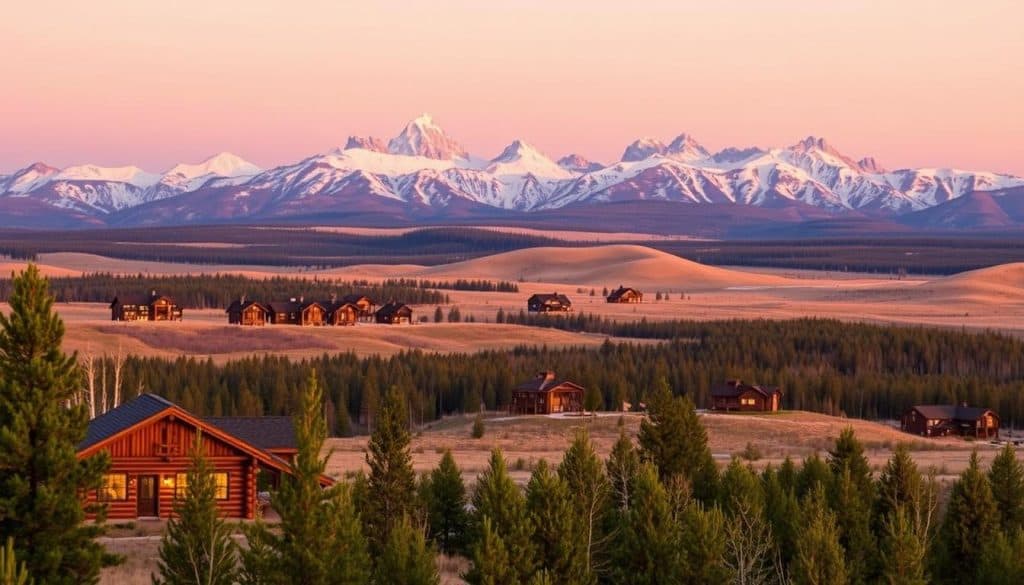
When planning your trip using this strategy, consider the direction you’re traveling from and to, and arrange your bases to minimize backtracking across the park. This thoughtful approach will enhance your overall Yellowstone National Park experience.
Best Places to Stay Based on Your Interests
The key to a memorable Yellowstone National Park adventure lies in selecting accommodations that align with your interests. Whether you’re a wildlife enthusiast, a fan of geysers and thermal features, or traveling with family, the park offers various lodging options to suit your needs.
For Wildlife Enthusiasts
If you’re visiting Yellowstone National Park for its incredible wildlife, consider staying near Lamar Valley or Hayden Valley. Accommodations like Roosevelt Lodge Cabins or Mammoth Hot Springs Hotel provide optimal access to prime wildlife viewing areas. For the best experience, stay in-park to avoid long pre-dawn drives from gateway towns.
For Geyser and Thermal Feature Fans
Geyser enthusiasts will love staying in the Old Faithful area. The Old Faithful Inn, Snow Lodge, or Lodge Cabins offer walking access to the Upper Geyser Basin and easy drives to Midway Geyser Basin, home to the Grand Prismatic Spring. Watching Old Faithful geyser erupt from the comfort of the historic lodge is an unforgettable experience.
For Families with Children
Families typically find West Yellowstone the most accommodating gateway town, with family-friendly hotels featuring pools and water slides. For a more central location within the park, consider Canyon Village, which offers modern accommodations and easy access to multiple park areas. You can explore more activities and plan your trip on https://enjoynationalparks.com/things-to-do-at-yellowstone-national-park/.
Seasonal Considerations for Yellowstone Accommodations
When planning your trip to Yellowstone National Park, understanding the seasonal dynamics can greatly enhance your experience. The park offers unique attractions and challenges throughout the year, making it essential to choose the right time for your visit based on your preferences and interests.
Summer Peak Season
Summer, from June through August, is Yellowstone’s peak season. All park roads and facilities are open, but this also means maximum crowds and the highest accommodation prices. Reservations for in-park lodging are required 6-13 months in advance, especially for iconic properties like Old Faithful Inn. While the weather is generally pleasant, the crowds can be overwhelming.
Spring and Fall Shoulder Seasons
The spring (May to early June) and fall (September to mid-October) shoulder seasons offer a more balanced experience. You can enjoy reduced crowds, lower rates, and greater availability, though some facilities might be closed. Many experienced visitors consider September the ideal time to visit, with pleasant weather, active wildlife, and fall colors enhancing the landscape.
Winter Lodging Options
Winter transforms Yellowstone into a magical landscape, with unique wildlife viewing opportunities. However, accommodation options are limited to Old Faithful Snow Lodge and Mammoth Hot Springs Hotel. Access to these locations requires special planning, as most park roads close to regular vehicles, and snowcoach or snowmobile tours are necessary.
| Season | Characteristics | Accommodation Options |
|---|---|---|
| Summer | Peak season, maximum crowds, highest prices | All 9 lodging facilities open |
| Spring/Fall | Shoulder season, fewer crowds, lower rates | Variable facility availability |
| Winter | Unique landscapes, limited access | Old Faithful Snow Lodge, Mammoth Hot Springs Hotel |
Common Mistakes to Avoid When Booking Yellowstone Accommodations
Many visitors to Yellowstone National Park make critical errors when booking their accommodations, which can significantly impact their experience. As someone who’s been there, I can attest that a little planning can go a long way in ensuring a memorable trip.
Let’s dive into some of the most common mistakes people make. First and foremost, waiting too long to book can be a recipe for disaster. In-park lodging, especially iconic properties like Old Faithful Inn, often fills up 12-13 months in advance during peak summer months.
Waiting Too Long to Book
Procrastination can be costly when it comes to booking your Yellowstone accommodations. With limited availability, especially during peak season, it’s essential to plan ahead to secure your preferred lodging.
Staying in Only One Location
Another mistake is staying in just one location for the entire trip. Yellowstone is vast, with much to see and do. By staying in multiple locations, you can minimize driving time and maximize your experience.
Underestimating Travel Times
Travel times between destinations within the park are often underestimated. The park’s single-lane roads, potential wildlife traffic jams, and construction delays can significantly impact your itinerary. Planning for these contingencies is crucial.
| Common Mistake | Consequence | Recommendation |
|---|---|---|
| Waiting too long to book | Limited accommodation options | Book 12-13 months in advance |
| Staying in one location | Excessive driving time | Consider multiple bases |
| Underestimating travel times | Delays and rushed itinerary | Plan for contingencies |
Conclusion
After weighing the pros and cons, it’s evident that there’s no one-size-fits-all answer to the question of where to stay in Yellowstone National Park. The best choice depends on your specific priorities, budget, travel style, and the experiences you value most.
Staying inside Yellowstone offers unparalleled proximity to attractions like Old Faithful geyser, Mammoth Hot Springs, and Yellowstone Lake. You’ll also enjoy the unique experience of historic lodges and early or late access to wildlife viewing. On the other hand, outside accommodations in gateway towns provide more modern amenities, greater availability, and lower costs, making them ideal for families and budget travelers.
For many visitors, the optimal strategy combines both approaches. Consider staying at Canyon Lodge or Lake Yellowstone Hotel for part of your trip, then moving to a gateway town like West Yellowstone or Gardiner for another portion. No matter where you choose to stay, advance planning is essential, especially during peak summer season. By focusing on quality experiences rather than quantity, you’ll create an unforgettable Yellowstone adventure.
FAQ
What are the main lodging options inside Yellowstone National Park?
Inside the park, you can choose from various lodges and hotels, such as Old Faithful Inn, Lake Yellowstone Hotel, and Mammoth Hot Springs Hotel, each offering a unique experience and proximity to major attractions.
How far in advance should I book my accommodations inside Yellowstone?
It’s recommended to book your lodging inside the park at least 6-12 months in advance, especially during peak season, to ensure availability.
What are the benefits of staying outside Yellowstone National Park?
Staying outside the park offers a greater variety of accommodation types, more amenities and services, and often lower costs compared to lodging inside the park.
Which gateway towns are closest to Yellowstone’s entrances?
The main gateway towns near Yellowstone’s entrances are West Yellowstone, Montana (west entrance), Gardiner, Montana (north entrance), and Cody, Wyoming (east entrance).
Can I stay in one place for the entire trip, or should I consider multiple bases?
Considering a multi-base approach can be beneficial, as it allows you to experience different parts of the park without lengthy daily drives.
Are there any specific lodging recommendations for wildlife enthusiasts?
For wildlife enthusiasts, staying near Lamar Valley or Yellowstone Lake can offer excellent opportunities for viewing wildlife, such as grizzly bears, wolves, and elk.
What are the seasonal considerations for choosing accommodations in Yellowstone?
During summer peak season, book early to secure lodging. In the shoulder seasons (spring and fall), some lodges may be closed, but you’ll have fewer crowds. Winter lodging options are limited, but offer a serene, snow-covered landscape.
What are some common mistakes to avoid when booking Yellowstone accommodations?
Common mistakes include waiting too long to book, staying in only one location, and underestimating travel times between attractions.