
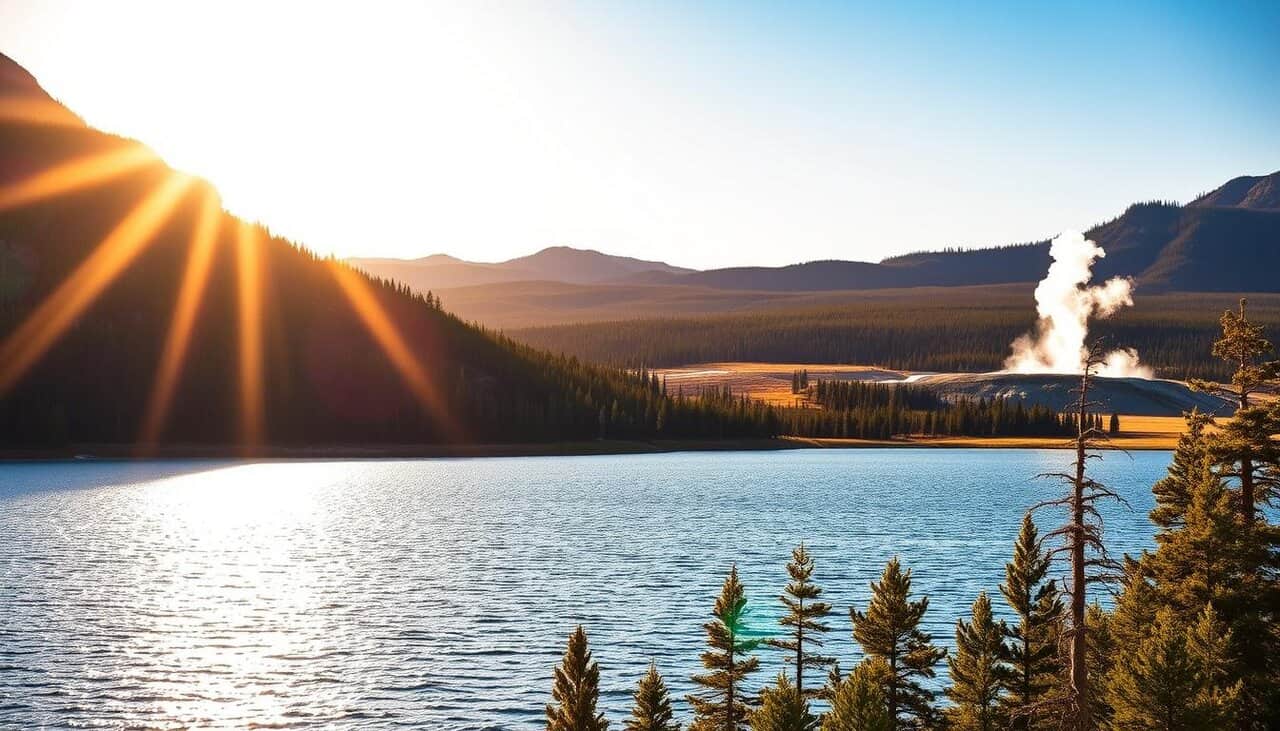
I truly believe Yellowstone is the best National Park, but it’s not a “drive-thru” park. With 2.2 million acres to explore, it’s easy to underestimate the time needed to experience all it has to offer.
Many visitors arrive with a rushed itinerary, only to leave feeling like they’ve missed out on the true essence of this incredible destination. So, how much time is enough for a trip to Yellowstone? In my experience, 7 days is the sweet spot, allowing you to explore the park’s 8 main areas, walk the boardwalks, rest, and enjoy wildlife viewing.
With a week-long stay, you’ll have the flexibility to take in the major attractions and make unexpected discoveries along the way.
Key Takeaways
- Spend at least a week in Yellowstone to truly experience its beauty and attractions.
- Don’t rush your trip; take time to explore the park’s hidden gems.
- Plan your day according to the park’s main areas and attractions.
- Leave some buffer time for wildlife viewing and unexpected discoveries.
- Make the most of your time in Yellowstone with a well-planned itinerary.
Why Yellowstone Deserves Your Time
As America’s first national park, Yellowstone offers a multitude of experiences that can’t be rushed. It’s a geo-thermal marvel with a lot of unique features that can’t be seen anywhere else in the world. The park is not just about scenery; it’s a place to learn, explore, and wait for the right moments to capture its true essence.
I can sum up why you need time in Yellowstone in one word: wildlife. To see the really amazing wildlife, you have to be patient and get up early – not 10 am early, but 5 am early, before daybreak. This allows you to experience the park’s diverse ecosystem, which supports an incredible array of wildlife including grizzly bears, wolves, bison, elk, and hundreds of bird species.
- Yellowstone stands apart from other national parks as a unique geothermal wonderland with over 10,000 thermal features.
- The park’s diverse ecosystem supports a wide variety of wildlife, but spotting these animals takes time and patience.
- Unlike parks valued primarily for scenery, Yellowstone offers multiple distinct experiences: geothermal wonders, dramatic canyons, pristine lakes, abundant wildlife, and historic sites.
- The sheer size of Yellowstone means that driving distances between attractions are significant, with the Grand Loop Road alone spanning 142 miles.
- Having extra days in your itinerary allows flexibility when weather conditions aren’t ideal for certain activities.
- The park’s popularity means crowds at major attractions during peak hours; having more days allows you to visit popular sites during less crowded times.
- Yellowstone is about immersing yourself in a preserved ecosystem, which requires slowing down and taking time to observe and appreciate.
By spending more time in Yellowstone, you can truly experience all that it has to offer. Whether it’s watching the sunrise over the geysers, observing wildlife in their natural habitat, or simply taking in the breathtaking scenery, time is a crucial element in making the most of your visit to this incredible national park.
Understanding Yellowstone’s Layout
Before diving into your Yellowstone itinerary, it’s essential to grasp the park’s geographical layout. Yellowstone National Park is vast, covering over 3,468 square miles across Wyoming, Montana, and Idaho. The park is divided into eight distinct areas, each with its unique character and attractions.
The road system within Yellowstone is designed in a figure-eight pattern, creating two main loops – the Upper and Lower loops – that connect the park’s major attraction areas. This layout is crucial for efficient trip planning, as it allows visitors to navigate between different parts of the park effectively.
Yellowstone has five entrance gates, each offering access to different areas and attractions. Choosing the right entrance points for different days can save hours of drive time. For instance, the North Entrance near Mammoth Hot Springs provides direct access to the northern parts of the park, while the West Entrance is ideal for visiting Old Faithful.
The distances between areas are substantial. For example, driving from the North Entrance to Old Faithful takes approximately 2 hours without stops. A complete loop of the Grand Loop Road is about 142 miles and can take a significant amount of time to complete, especially with stops at the various attractions along the way.
Elevation changes throughout the park also affect both weather conditions and driving times. The park’s elevation ranges from 5,282 to 11,358 feet, and mountain passes can occasionally close due to snow even in summer months. This variability means that visitors should be prepared for changing conditions and potential delays.
| Area | Main Attractions | Services Available |
|---|---|---|
| Mammoth Hot Springs | Hot Springs, Fort Yellowstone | Lodging, Dining, Gas |
| Old Faithful | Old Faithful Geyser, Grand Prismatic Spring | Lodging, Dining |
| Lake Village | Yellowstone Lake, Lake Shore Trail | Lodging, Dining, Boat Tours |
Understanding the distribution of attractions and services within the park is key to planning your day. The park’s thermal basins are concentrated in the western and southern portions, while the best wildlife viewing tends to be in the northern and eastern regions. Each area has different services available, including lodging, dining, and gas, which affects where you’ll need to stop during your daily explorations.
Given the limited cell service throughout the park, physical maps and pre-planning are essential for navigation between areas. By understanding Yellowstone’s layout and planning your route, you can make the most of your visit and enjoy the diverse attractions the park has to offer.
Is 7 Days Too Long in Yellowstone?
I’ve found that 7 days is the perfect amount of time to explore Yellowstone without feeling rushed. With 8 main areas to cover, this duration allows for a comprehensive visit, including time to see attractions, walk the boardwalks, rest, and enjoy wildlife viewing.
One of the primary reasons 7 days is not too long is that Yellowstone is vast, covering over 2.2 million acres. The driving distances between attractions can often exceed an hour, making shorter visits feel hurried and incomplete.
For instance, wildlife viewing, one of Yellowstone’s premier experiences, requires patience and time. The longer you stay, the greater your chances of witnessing memorable animal encounters. A week-long stay provides the flexibility to visit each of the park’s eight distinct areas while still having time to return to favorite spots or adapt to weather conditions.
Benefits of a 7-Day Yellowstone Trip
- A comprehensive visit without feeling rushed
- Time to explore all 8 main areas of the park
- Flexibility to adapt to weather conditions or revisit favorite spots
- Enhanced wildlife viewing opportunities
- Buffer days for unexpected events like wildlife jams or weather delays
Many visitors report that even after seven days, they feel they could have used more time, not less. It’s rare for anyone to feel they’ve spent too much time in Yellowstone. The National Park Service’s seven-day entrance pass also suggests that park managers understand this is the optimal duration for a visit.
| Day | Area/Attraction | Activities |
|---|---|---|
| 1 | West Entrance | Explore local attractions, get accustomed to park environment |
| 2-3 | Old Faithful, Geyser Basins | Watch geysers, explore geothermal areas |
| 4 | Grand Canyon of Yellowstone | Hike, take in the views |
| 5 | Lamar Valley | Wildlife viewing, scenic drives |
With a full week, you can experience the park at different times of day, including early mornings and evenings when wildlife is most active and popular attractions are less crowded. This flexibility is key to a satisfying and relaxed visit.
In conclusion, 7 days in Yellowstone is not too long; it’s actually the ideal duration for a comprehensive and enjoyable visit. By spending a week in the park, you can explore its many wonders without feeling rushed, and create memories that will last a lifetime.
The 8 Main Areas of Yellowstone You Need to Explore
To truly appreciate Yellowstone’s natural wonders, it’s essential to explore its eight main areas. Each of these areas offers a unique experience, showcasing the park’s diverse geothermal features, wildlife, and scenic landscapes.
Let’s dive into the details of these areas to help you plan your visit effectively.
Mammoth Hot Springs Area is one of the most iconic regions in Yellowstone, featuring the breathtaking terraced hot springs. Located near the North Entrance, this area is a must-visit, with its otherworldly white limestone formations that are constantly changing. Plan to spend at least 2-3 hours exploring both the Upper and Lower Terraces.
- Tower-Roosevelt Area: Known for its prime wildlife territory, especially for wolf watching in Lamar Valley, often called “America’s Serengeti.” Early morning or evening visits are best for optimal wildlife viewing.
- Canyon Village Area: Home to the spectacular Grand Canyon of Yellowstone, with its dramatic 308-foot Lower Falls and colorful canyon walls. The area offers numerous viewpoints and hiking trails, deserving at least half a day to explore.
- Lake Village/Fishing Bridge Area: Centered around Yellowstone Lake, the largest high-elevation lake in North America, this area offers beautiful shoreline views, fishing opportunities, and is an important habitat for waterfowl and other wildlife.
- West Thumb Area: Where geothermal features meet Yellowstone Lake, creating a unique landscape of lakeside geysers and hot springs. The boardwalk loop takes about an hour and offers some of the most photogenic scenes in the park.
- Old Faithful Area: Beyond the famous geyser itself, this region contains the highest concentration of geothermal features in the park, including the spectacular Grand Prismatic Spring. Plan to spend at least a full day exploring the Upper Geyser Basin.
- Madison Area: Located at an important junction in the park, this riverside area is excellent for wildlife viewing, particularly elk during the rutting season, and serves as a gateway to the western attractions.
- Norris Geyser Basin Area: Contains the hottest and most acidic features in the park, including Steamboat Geyser, the world’s tallest active geyser. The alien landscape and unique thermal features make it worth at least a 2-hour visit.
Each of these areas provides a distinct experience, and together they offer a comprehensive Yellowstone adventure. By understanding what each area has to offer, you can better plan your time and make the most of your visit to this incredible national park.
When planning your trip, consider allocating time based on the unique attractions and activities of each area. For instance, the geothermal wonders in the Old Faithful and Norris Geyser Basin areas are a must-see, while the wildlife viewing opportunities in the Tower-Roosevelt and Madison areas are not to be missed.
By exploring these eight main areas, you’ll gain a deeper appreciation for Yellowstone’s natural beauty and diverse landscapes. Whether you’re interested in geothermal features, wildlife, or simply taking in the scenic views, Yellowstone has something for everyone.
Perfect 7-Day Yellowstone Itinerary
With so many attractions and activities, crafting the perfect 7-day Yellowstone itinerary is essential for an unforgettable trip. As someone who’s explored this magnificent park multiple times, I’m excited to share a detailed plan that will help you make the most of your week-long adventure.
Here’s a breakdown of how to spend your 7 days in Yellowstone, ensuring you experience the best of what the park has to offer.
Day 1: Arrival and West Entrance Exploration
Begin your Yellowstone adventure by entering through the West Entrance. Spend your first day acclimating to the park’s elevation while exploring the Madison area. Take a scenic drive along the Madison River, which offers excellent opportunities for wildlife spotting and your first glimpses of thermal features. Drive to Canyon Village, a central location that’s not as crowded as other areas, and take some time to settle in.
Day 2: Old Faithful and Geyser Basins
Dedicate your second day to the Old Faithful area and surrounding geyser basins. Start early to see Old Faithful with smaller crowds before exploring the Upper Geyser Basin boardwalks. Then, move on to the spectacular Grand Prismatic Spring and other thermal areas like Black Sand Basin and Biscuit Basin. Be sure to check the eruption schedule for Old Faithful to plan your day effectively.
Day 3: Grand Canyon of Yellowstone
Focus on the Grand Canyon of Yellowstone on your third day. Spend the morning exploring both the North and South Rim drives with stops at iconic viewpoints like Artist Point and Lookout Point. Consider hiking one of the canyon trails, such as Uncle Tom’s Trail or the North Rim Trail, for different perspectives of the dramatic waterfalls. The drive between viewpoints offers breathtaking views, so be sure to take your time.
Day 4: Mammoth Hot Springs and Northern Loop
Head north to Mammoth Hot Springs on Day 4, where you’ll spend the morning exploring the terraced thermal features via the boardwalks. Continue along the Northern Loop with stops at Roaring Mountain, Obsidian Cliff, and the petrified tree. If Dunraven Pass is open, return via this route for additional scenic views.
Day 5: Lamar Valley and Wildlife Viewing
Rise before dawn on Day 5 for the ultimate wildlife experience in Lamar Valley, known as “America’s Serengeti.” Patient observation during the golden hours of early morning and late afternoon offers the best chances to see wolves, bears, bison herds, and other wildlife in their natural habitat. Bring binoculars and a camera to capture these unforgettable moments.
Day 6: Lake Area and West Thumb
Explore the eastern side of the park on Day 6, focusing on Yellowstone Lake, the largest high-elevation lake in North America. Visit the unique thermal features at West Thumb Geyser Basin, where hot springs meet the lakeshore. Stop by Fishing Bridge and Lake Village for different perspectives of this massive body of water.
Day 7: Flexible Day for Favorites or Missed Spots
Use your final day as a flexible “greatest hits” day to revisit favorite locations, explore areas you may have missed, or simply spend more time wildlife watching in Hayden Valley or Lamar Valley. This buffer day is often cited by experienced visitors as the most valuable part of a week-long itinerary.
By following this 7-day itinerary, you’ll be able to experience the diversity and beauty of Yellowstone National Park, creating memories that will last a lifetime.
Alternative Itineraries Based on Your Interests
With seven days at your disposal, you can explore Yellowstone in a way that suits you best, whether that’s through wildlife, photography, hiking, or family-friendly activities. The key to a fulfilling trip is tailoring your itinerary to your interests, ensuring that you make the most of your time in this incredible park.
For Wildlife Enthusiasts
If wildlife is your passion, structuring your 7-day itinerary around prime viewing times is essential. Dawn and dusk are the best times to spot animals in Lamar Valley and Hayden Valley. Dedicate at least three mornings to wildlife watching, using spotting scopes or binoculars to get a closer look. Consider hiring a wildlife guide for one day to enhance your experience and learn tracking techniques that will increase your chances of seeing elusive species like wolves and bears.
For Photography Buffs
For those with a camera in hand, planning your days around optimal lighting conditions can make all the difference. Visit thermal features like Grand Prismatic Spring in the mid-afternoon when the light penetrates the steam best. Schedule your visits to canyon viewpoints during the golden hour to capture breathtaking shots. Don’t rush from site to site; instead, allow extra time at each location to wait for perfect lighting or wildlife opportunities.
For Hiking Lovers
With over 900 miles of trails, Yellowstone offers endless opportunities for hikers. Modify the standard itinerary to incorporate longer day hikes such as Mount Washburn (6.2 miles round trip), Fairy Falls/Imperial Geyser (8.8 miles), or Avalanche Peak (4.7 miles). This way, you can experience the park’s less-traveled paths while still enjoying the major attractions.
For Families with Children
When traveling with kids, it’s essential to adjust the pace and include more frequent stops. Focus on easily accessible boardwalk trails around thermal features, and incorporate activities from the Junior Ranger program. Plan wildlife viewing during the morning when children are most energetic, and don’t forget to include swimming opportunities at Firehole River Swimming Area or Boiling River (when open).
Each of these specialized itineraries maintains the seven-day structure but shifts the emphasis and timing to maximize experiences aligned with specific interests. The flexibility of having a full week is what makes it possible to truly enjoy Yellowstone in a way that suits you best.
Must-See Attractions in Yellowstone
With so much to see and do, Yellowstone can be overwhelming, but there are certain attractions you can’t miss. As you plan your visit, it’s helpful to know the top sights to include in your itinerary. Yellowstone National Park is vast, covering over 2.2 million acres, and is divided into different areas, each offering unique experiences.
Let’s explore some of the must-see attractions that make Yellowstone so remarkable. From geothermal wonders to scenic viewpoints, wildlife hotspots, and hidden gems, there’s something for everyone in this incredible park.
Geothermal Wonders
Yellowstone is renowned for its geothermal features, boasting over 10,000 thermal sites. Old Faithful, a geyser that erupts approximately every 90 minutes, is a must-see. However, it’s not the only geothermal wonder worth visiting. The Grand Prismatic Spring, the largest hot spring in the United States, is a kaleidoscope of colors due to the presence of microorganisms. Mammoth Hot Springs is another highlight, featuring travertine formations that are both beautiful and fascinating.
Other geothermal features include the Fountain Paint Pot, known for its bubbling mud pots, and the Grand Geyser, the tallest predictable geyser in the park. Exploring these geothermal wonders gives you a glimpse into the volcanic activity beneath the park’s surface.
Scenic Viewpoints
The Grand Canyon of Yellowstone is a breathtaking sight, with the 308-foot Lower Falls plunging into a colorful canyon. Viewpoints like Artist Point and Lookout Point offer spectacular vistas. Another scenic spot is Hayden Valley, which provides sweeping panoramas of pristine wilderness. For a different perspective, visit Lake Butte Overlook, which offers breathtaking views across Yellowstone Lake with mountains in the background.
| Scenic Viewpoint | Location | Notable Feature |
|---|---|---|
| Artist Point | Grand Canyon of Yellowstone | Lower Falls |
| Hayden Valley | Between Canyon and Lake | Pristine Wilderness |
| Lake Butte Overlook | Near Yellowstone Lake | Panoramic Views |
Wildlife Hotspots
Yellowstone is a wildlife enthusiast’s paradise. Lamar Valley, often called “America’s Serengeti,” is renowned for its wolf-watching opportunities. Hayden Valley is another prime location, known for its bison herds, grizzly bears, and elk. The Madison River corridor is also a great place to spot wildlife, including elk, bison, and occasionally bears. Visiting these areas during early morning or evening increases your chances of memorable wildlife encounters.
Hidden Gems Worth Your Time
Beyond the popular attractions, Yellowstone has several hidden gems worth exploring. West Thumb Geyser Basin is a unique spot where thermal features meet Yellowstone Lake, creating excellent photo opportunities. The Boiling River, when open, offers a rare chance to soak in naturally heated waters. For a peaceful escape, visit Trout Lake, a pristine alpine lake accessible via a short hike.
With seven days in Yellowstone, you have the time to explore beyond the obvious attractions. Experienced visitors often find that other thermal features, like Beehive Geyser and Morning Glory Pool, are equally or more impressive than Old Faithful. The park’s must-see attractions are spread throughout all regions, making a full week ideal for a comprehensive visit.
Best Hikes to Include in Your 7-Day Trip
As you plan your 7-day Yellowstone trip, incorporating the right hikes can make all the difference in your experience. With a range of trails catering to different skill levels and interests, you can tailor your itinerary to include the most rewarding hikes.
Yellowstone’s diverse landscapes offer numerous hiking opportunities, from easy, accessible trails to more challenging routes. The key is to balance your hiking plans with other activities like scenic drives and wildlife viewing.
Easy Trails for Everyone
Yellowstone offers numerous accessible boardwalk trails that are perfect for visitors of all ages and abilities. For instance, the Upper Geyser Basin Loop around Old Faithful is a 1.5-mile trail that provides close-up views of thermal features. Similarly, the West Thumb Geyser Basin trail is a 0.6-mile walk that showcases the park’s geothermal wonders. The Lower Terraces at Mammoth Hot Springs is another easy 1.75-mile trail that offers stunning views of travertine formations.
- Upper Geyser Basin Loop: 1.5 miles around Old Faithful
- West Thumb Geyser Basin trail: 0.6 miles
- Lower Terraces at Mammoth Hot Springs: 1.75 miles
Moderate Hikes with Great Rewards
For those looking for a bit more challenge, Yellowstone has several moderate hikes that offer great rewards. The Fairy Falls Trail is a 5.4-mile round-trip hike that leads to a 200-foot waterfall and includes the Grand Prismatic Spring Overlook for iconic aerial views. Another option is the Storm Point Loop, a 2.3-mile hike that offers beautiful views of Yellowstone Lake and forest hiking. The North Rim Trail is a 6.4-mile hike that provides multiple perspectives of the Grand Canyon of Yellowstone without extreme elevation changes.
- Fairy Falls Trail: 5.4 miles round trip
- Storm Point Loop: 2.3 miles
- North Rim Trail: 6.4 miles
Challenging Trails for Experienced Hikers
For experienced hikers, Yellowstone offers several challenging trails that reward with spectacular views. Mount Washburn is a 6.2-mile round-trip hike that takes you to the 10,243-foot summit, offering panoramic views. The Seven Mile Hole Trail is a 10-mile round-trip hike that descends into the Grand Canyon of Yellowstone, with a significant 1,400 feet of elevation change. Avalanche Peak is another challenging option, a 4.7-mile round-trip hike that offers spectacular views of the eastern Yellowstone wilderness.
- Mount Washburn: 6.2 miles round trip
- Seven Mile Hole Trail: 10 miles round trip
- Avalanche Peak: 4.7 miles round trip
With seven days in the park, you can incorporate at least one signature hike each day while still having time for scenic drives and wildlife viewing. It’s best to tackle more strenuous hikes in the morning when temperatures are cooler and energy levels are higher, saving easier walks for afternoons or days following challenging hikes.
Wildlife Viewing Tips for Your Week-Long Stay
My adventures in Yellowstone have taught me that patience is key when it comes to spotting the park’s incredible wildlife. A week-long stay can dramatically increase your chances of meaningful encounters, as time spent in prime locations is crucial for successful wildlife viewing.
To make the most of your visit, it’s essential to understand the best times and locations for viewing wildlife. The “golden hours” around dawn and dusk are typically the most productive, as animals are most active during these periods.
Best Times and Locations
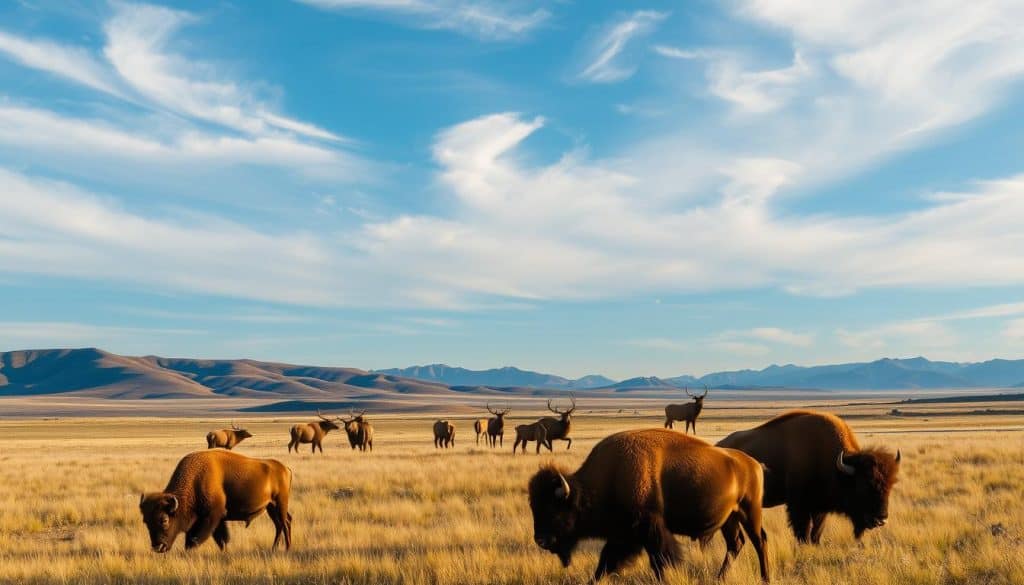
Yellowstone offers numerous excellent locations for wildlife viewing. Lamar Valley, located in the northeast section of the park, is renowned for wolf watching and grizzly sightings. Hayden Valley, in the central portion, provides great opportunities to see bison herds, bears, and elk. The Madison River corridor is another prime area that frequently hosts elk and bison year-round.
During your day trips, keep an eye out for “wildlife jams” – traffic stopped along the road due to animal sightings. Be courteous by pulling completely off the road and not blocking traffic. This way, you can enjoy the show without causing inconvenience to others.
Wildlife Safety Guidelines
Safety should always be your top priority when viewing wildlife. Maintain the required minimum distances: 100 yards (91 meters) from bears and wolves, and 25 yards (23 meters) from all other animals. Never approach, feed, or attempt to touch wild animals. When hiking, carry bear spray and know how to use it. Staying on designated trails and boardwalks not only protects you but also preserves the sensitive habitat.
Photography Tips for Wildlife
For those interested in capturing the beauty of Yellowstone’s wildlife through photography, a few tips can enhance your experience. Bring a telephoto lens (at least 300mm, preferably 400mm or longer) to get close-up shots without disturbing the animals. Use a tripod or monopod to stabilize your camera during long waits. Learning to use your camera’s burst mode can help capture action shots, and considering exposure compensation can improve your photos, especially in varying light conditions. Most importantly, prioritize the animal’s welfare over getting the “perfect shot.”
A week-long stay in Yellowstone provides ample time to explore different areas and increase your chances of spotting a wide variety of wildlife. By being patient, following safety guidelines, and being prepared with the right equipment, you can have a rewarding experience in this incredible park.
Where to Stay During Your 7-Day Yellowstone Trip
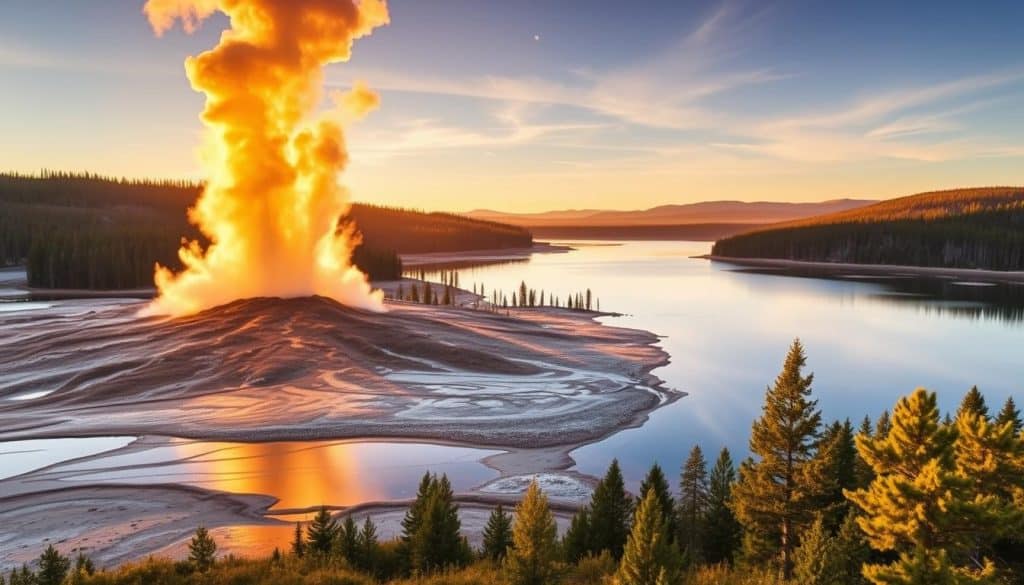
To truly immerse yourself in Yellowstone’s natural beauty, staying within the park is not just a convenience, but a necessity. While the places to stay inside the park can be expensive and limited in options, the benefits far outweigh the drawbacks. Being minutes away from major attractions rather than hours makes a significant difference in your overall experience.
In-Park Lodging Options
Yellowstone offers nine lodging facilities that cater to different preferences and needs. From the historic luxury of Old Faithful Inn to the rustic charm of Roosevelt Lodge, there’s something for everyone. Canyon Lodge provides modern accommodations with over 500 rooms, while Lake Yellowstone Hotel offers elegant lakeside rooms. Mammoth Hot Springs Hotel is another great option, providing year-round lodging near the north entrance.
Strategic Lodging Locations for Your Itinerary
For a 7-day trip, consider splitting your stay between 2-3 locations to minimize driving time. Canyon Village is centrally located, making it an ideal base for exploring the entire park. If you’re interested in geothermal features, the Old Faithful area is the way to go. For wildlife enthusiasts focusing on the northern range, Mammoth or Roosevelt areas are perfect.
Booking Tips and Timelines
Reservations for in-park lodging open on May 1st for the following year and often fill up quickly, especially for peak summer dates. It’s essential to book 12-13 months in advance for July-August stays. Consider visiting during the shoulder season (May, September, or early October) for better availability. Always have backup dates or locations in mind to increase your chances of securing accommodations.
Staying outside the park in gateway communities like West Yellowstone or Gardiner is an alternative, but it adds significant driving time each day. For a truly immersive experience, consider changing your accommodations midweek to minimize daily driving distances. Research the amenities available at each location before booking, as they vary widely.
By choosing the right lodging within Yellowstone, you’ll be able to make the most of your time and create unforgettable memories.
Dining and Food Planning for a Week in Yellowstone
With so much to see and do in Yellowstone, having a dining plan can save you time and enhance your experience. As you explore the park’s wonders, from the geysers to the wildlife, you’ll want to make sure you’re fueling up at the right places.
In-Park Dining Options
Yellowstone offers a range of dining experiences that cater to different tastes and preferences. You can enjoy everything from casual cafeterias to fine dining at places like the Lake Yellowstone Hotel Dining Room and the Old Faithful Inn Dining Room. Most major areas within the park, such as Canyon, Lake, Old Faithful, and Mammoth, have multiple food options. However, be prepared for potential long waits during peak meal times in summer, and note that some dining facilities close relatively early, often by 8-9 p.m.
Grocery and Picnic Strategies
To save both time and money, consider packing a cooler with lunch supplies each morning. General stores in major areas stock basic groceries, though at premium prices. Designated picnic areas throughout the park offer scenic spots to enjoy your meals. Stocking up on non-perishable snacks before entering the park is also a good idea to ensure you’re prepared for long days of exploration.
Dietary Restrictions and Planning Ahead
If you have dietary restrictions, it’s wise to research menu options in advance on the Yellowstone National Park Lodges website. While most restaurants offer vegetarian options, vegan, gluten-free, or specialized allergy-friendly choices may be limited. For special requests, calling restaurants directly is recommended. Bringing supplemental food items that meet your specific needs can also be helpful for a week-long stay. Consider making dinner reservations for popular restaurants like the Old Faithful Inn and Lake Hotel dining rooms as soon as you arrive, as they often book up days in advance during peak season.
By planning ahead and being flexible with your meal times, you can enjoy a stress-free dining experience in Yellowstone. Breakfast is generally the easiest meal to find, with options ranging from grab-and-go pastries at general stores to full-service breakfast restaurants in most lodging areas. For a special experience, plan at least one dinner at the historic Old Faithful Inn dining room, where the atmosphere is as memorable as the food.
Best Seasons for a 7-Day Yellowstone Visit
Visiting Yellowstone is a memorable experience, but the time of year you choose can significantly impact your trip. I’ve found that understanding the park’s seasonal dynamics is crucial for making the most of your 7-day visit.
Yellowstone is a year-round destination, but each season offers a distinct experience. Let’s dive into the characteristics of each season to help you decide when to plan your visit.
Summer Advantages and Challenges
Summer is the peak tourist season in Yellowstone, with full access to all park roads and facilities, and long daylight hours. However, this comes with the highest visitor numbers, often exceeding 25,000 people per day in July. If summer is your only option, consider exploring popular attractions before 9 am or after 4 pm to avoid the worst crowds.
- Long daylight hours (16+ hours in June)
- Full access to all park roads and facilities
- Highest visitor numbers (often over 25,000 people per day in July)
- Accommodation scarcity
- Afternoon thunderstorms
Fall: The Secret Sweet Spot
Mid-September through early October is considered the secret sweet spot for visiting Yellowstone. The crowds have dissipated, and the daytime temperatures are comfortable, ranging from the 40s to 60s°F. This period also offers spectacular fall colors in certain areas and increased wildlife activity as animals prepare for winter.
For more information on the best time to visit Yellowstone, check out this resource: Best Time to Visit Yellowstone.
Spring Wildlife Opportunities
Spring, from May to early June, brings new life to Yellowstone with baby animals, hungry predators emerging from winter, and vibrant green landscapes. While there are fewer visitors than in summer, you should expect variable weather conditions and potential temporary road closures due to snow.
Winter Wonderland Experience
Winter transforms Yellowstone into a magical snow-covered landscape with steaming thermal features and excellent wildlife viewing opportunities against the white backdrop. However, access is limited to snowcoach or snowmobile tours from the North and West entrances only, with just two in-park lodging options available.
Each season offers a unique Yellowstone experience, with dramatic changes in wildlife behavior, thermal feature appearance, and visitor numbers throughout the year. It’s essential to sure check the National Park Service website for current road conditions before and during your trip, especially in spring, fall, and winter when weather can change rapidly.
A seven-day visit gives you buffer days to work around weather challenges that might arise during shoulder seasons, making it the ideal duration for visits outside peak summer.
Transportation Tips for Navigating Yellowstone
Getting around Yellowstone requires some planning, especially considering its vast size and the various factors that can impact your journey. As you prepare for your adventure, understanding the transportation options and challenges within the park is crucial for a smooth trip.
Getting to Yellowstone
Yellowstone has five entrance gates: North, Northeast, East, South, and West. The West Entrance via West Yellowstone, Montana, is the most popular and accessible. If you’re flying in, the closest major airports are in Bozeman, MT (about 90 minutes to the North Entrance), Jackson, WY (about 60 minutes to the South Entrance), and Idaho Falls, ID (about 2 hours to the West Entrance). Renting a car is essential because public transportation to the park is extremely limited. Make sure to plan your arrival accordingly, considering the time it takes to get to your chosen entrance.
Getting Around the Park
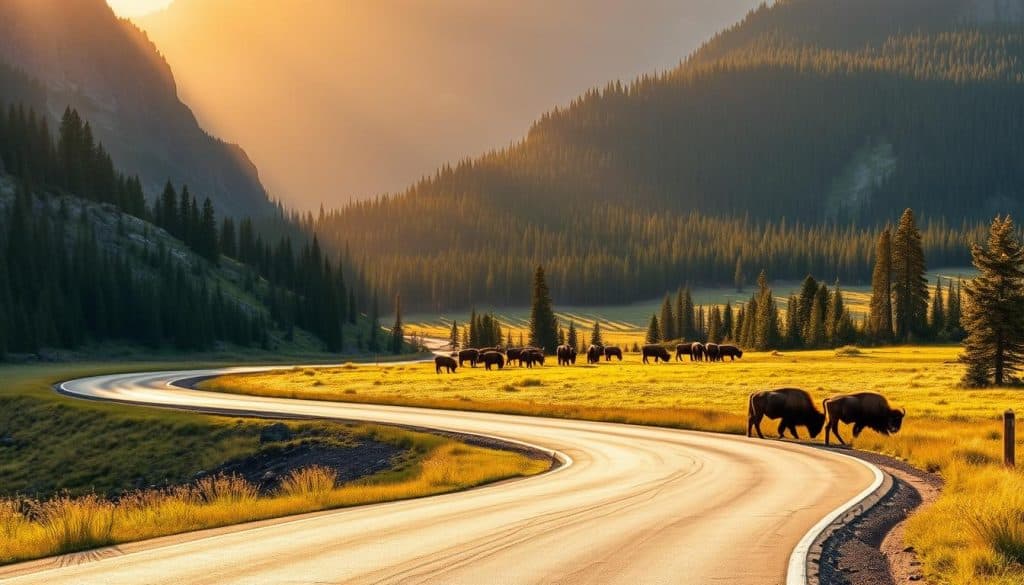
Once inside the park, you’ll need to navigate the Grand Loop Road, which forms a figure-eight pattern covering 142 miles. The speed limit is 45 mph or lower, and you should expect frequent wildlife-related traffic slowdowns. Driving between major attractions typically takes longer than map distances suggest; for example, plan for 2-3 hours to travel between Old Faithful and Mammoth Hot Springs. There’s no public transportation within the park, so having a personal vehicle is necessary for exploration. Be sure to check the current road conditions and plan your drive accordingly.
Road Closure Considerations
Seasonal closures can significantly affect park access. Only the North Entrance Road from Gardiner to Cooke City remains open to regular vehicles year-round. Spring and fall can bring temporary closures due to snow or construction. Multi-year construction projects can dramatically impact travel time between areas. Always sure check the NPS website for current road status before and during your visit. Additionally, be prepared for wildlife jams, which can add significant time to your journey within the park. Keep your tank at least half full, as fuel is available at limited locations, and prices are higher than outside the park.
It’s also important to note that cell service and GPS are unreliable throughout most of the park. Carry physical maps and plan your routes in advance rather than relying on digital navigation. The park’s roads can be narrow and winding in sections with limited guardrails, so drive cautiously, especially at dawn and dusk when wildlife activity increases and visibility decreases.
Combining Yellowstone with Grand Teton National Park
Yellowstone National Park is a breathtaking destination on its own, but pairing it with Grand Teton creates an unforgettable adventure. The two parks are closely linked, both geographically and in terms of the experiences they offer. If you’re planning to visit Yellowstone, it’s worth considering whether to add Grand Teton to your itinerary.
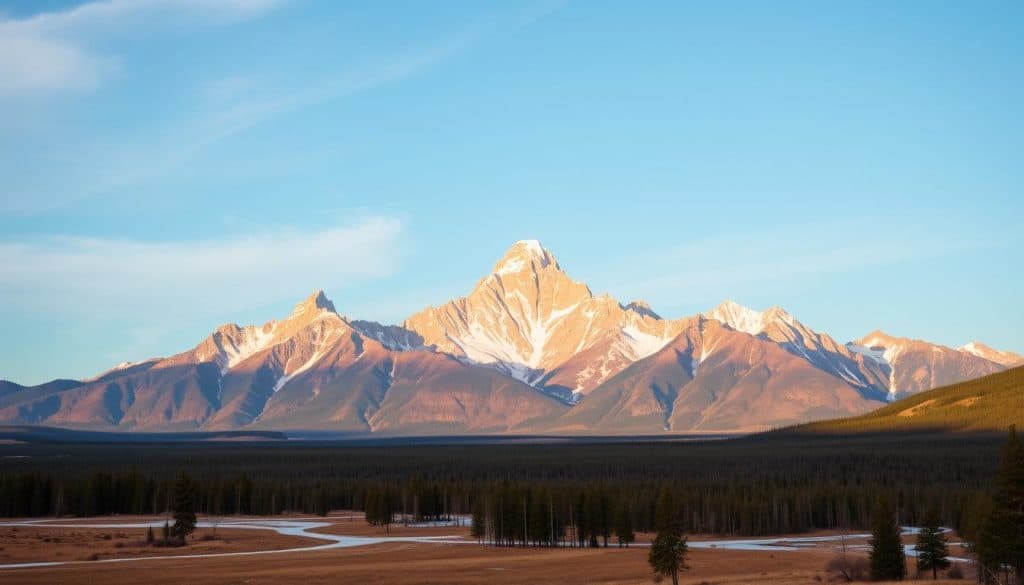
Is It Worth Adding Grand Teton?
Grand Teton National Park offers a perfect complement to Yellowstone with its dramatic mountain scenery, pristine lakes, and excellent wildlife viewing opportunities in a more compact area. While Yellowstone is known for its geothermal features and diverse ecosystems, Grand Teton showcases the iconic jagged Teton Range rising abruptly from the valley floor. The visual contrast between the two parks makes visiting both highly rewarding.
If you’re a fan of mountain landscapes, Grand Teton is a must-visit. Its scenery is more focused on the dramatic Teton Range, offering a different yet complementary experience to Yellowstone’s diverse geological features.
How to Split Your Time
With a combined trip, allocate at least 7 days to Yellowstone and 2-3 days to Grand Teton for a satisfying experience of both parks. If time is limited, consider 5-6 days in Yellowstone and 2 days in Grand Teton. Focus your Grand Teton time on scenic drives like the 42-mile Scenic Loop Drive, iconic photography locations like Schwabacher Landing and Mormon Row, and at least one hike to experience the mountain environment up close.
Splitting your time effectively between the two parks ensures you get the most out of your trip. Prioritize the experiences that matter most to you, whether it’s wildlife viewing, hiking, or simply taking in the views.
Travel Logistics Between Parks
The two parks are connected by the John D. Rockefeller Jr. Memorial Parkway, with just 8 miles separating Yellowstone’s South Entrance from Grand Teton’s north boundary. The drive from Old Faithful to Jackson takes approximately 2.5 hours without stops. Consider staying in the Colter Bay or Jackson Lake area of Grand Teton to minimize travel time if visiting both parks. Be aware that the South Entrance road can close due to snow as late as May or as early as October.
Planning your travel between the parks is relatively straightforward, thanks to their proximity. Make sure to check the road conditions before you go, especially if you’re traveling during the shoulder season.
Essential Packing List for a Week in Yellowstone
To make the most of your week-long adventure in Yellowstone, it’s essential to pack wisely. The park’s diverse landscapes and unpredictable weather conditions demand a thoughtful approach to packing.
Clothing for Variable Weather
Yellowstone’s weather is notoriously unpredictable, with temperature swings of 30-40 degrees possible in a single day. Packing layers is crucial, including moisture-wicking base layers, insulating mid-layers, and waterproof/windproof outer layers.
Don’t forget a warm hat and gloves, even in summer, as mornings can be near freezing. Sturdy, broken-in hiking boots are a must for trails, while comfortable walking shoes are ideal for boardwalks. Rain gear is also essential due to common afternoon thunderstorms in summer.
Gear and Equipment
Several key items can enhance your Yellowstone experience. Binoculars (8×42 or 10×42 recommended) are perfect for wildlife viewing. A day pack is necessary for carrying water, snacks, and extra layers.
If you plan to hike, consider bear spray, which can be purchased locally. Sunscreen and a sun hat are vital due to the high elevation intensifying UV exposure. Insect repellent is also a must, especially during June and July.
Technology and Navigation Tools
Cell service is limited in Yellowstone, so it’s crucial to download offline maps before arrival. Bring a physical map of the park, available at entrance stations. A portable power bank can be a lifesaver for recharging devices.
For photography enthusiasts, extra memory cards and batteries are a must. Download the official NPS Yellowstone app, which works offline, for information on attractions, facilities, and programs.
| Item | Importance Level | Notes |
|---|---|---|
| Layers for variable weather | High | Include moisture-wicking base layers, insulating mid-layers, and waterproof outer layers |
| Binoculars | Medium | 8×42 or 10×42 recommended for wildlife viewing |
| Bear spray | High | For hiking; can be purchased locally |
| Offline maps and NPS app | High | Crucial for navigation due to limited cell service |
By packing these essentials, you’ll be well-prepared to enjoy your time in Yellowstone, making the most of your week-long adventure.
Conclusion: Making the Most of Your Week in Yellowstone
My journey through Yellowstone taught me that a 7-day itinerary is ideal for balancing the park’s highlights with deeper exploration and unexpected discoveries. With time being a crucial factor, a week allows you to visit iconic spots like Mammoth Hot Springs and the Grand Canyon of Yellowstone without feeling rushed.
A successful trip to Yellowstone requires thoughtful planning, including where to stay and how to navigate the park‘s vast terrain. Whether you choose to stay at Lake Village, Grant Village, or Canyon Village, having a flexible itinerary is key. This allows you to adapt to changing weather conditions or seize unexpected wildlife viewing opportunities.
Yellowstone is more than just a collection of attractions; it’s an immersive experience into one of the world’s most unique ecosystems. By dedicating a week to this incredible park, you’ll not only see the highlights but also uncover its hidden gems, creating memories that last a lifetime. So, plan your trip, and make the most of your time in Yellowstone.
FAQ
What are the must-see attractions in Yellowstone?
Yellowstone is home to numerous iconic attractions, including Old Faithful, Mammoth Hot Springs, the Grand Canyon of the Yellowstone River, and an array of geothermal features like hot springs and geyser basins.
How do I plan a 7-day itinerary for Yellowstone?
To plan your trip, consider dividing your time among the park’s main areas, such as the Old Faithful area, Mammoth Hot Springs, Grand Canyon Village, Lake Village, and Grant Village. Allocate days for exploring geyser basins, hiking, and wildlife viewing.
What are the best ways to get around Yellowstone?
The most convenient way to navigate Yellowstone is by car, as it allows you to explore at your own pace. Be sure to check for road closures before heading out, as they can impact your plans. Additionally, consider using the park’s shuttle services during peak season.
Can I visit Grand Teton National Park during my Yellowstone trip?
Yes, Grand Teton National Park is located near Yellowstone, and visiting both parks can enhance your experience. Consider allocating a few days to explore Grand Teton’s stunning mountain vistas and serene lakes.
What are the best times for wildlife viewing in Yellowstone?
Early morning and late evening are typically the best times for spotting wildlife in Yellowstone. Areas like Lamar Valley and Fishing Bridge are renowned for their abundant wildlife.
How can I prepare for variable weather conditions in Yellowstone?
Yellowstone’s weather can be unpredictable. Pack layers for temperature fluctuations, and be prepared for rain or snow, even in summer. Stay informed about weather forecasts to plan your activities accordingly.
Are there any specific safety guidelines I should follow in Yellowstone?
Yes, always maintain a safe distance from wildlife, stay on designated trails, and follow guidelines for interacting with geothermal features. Be prepared for changing conditions and know what to do in case of an emergency.