
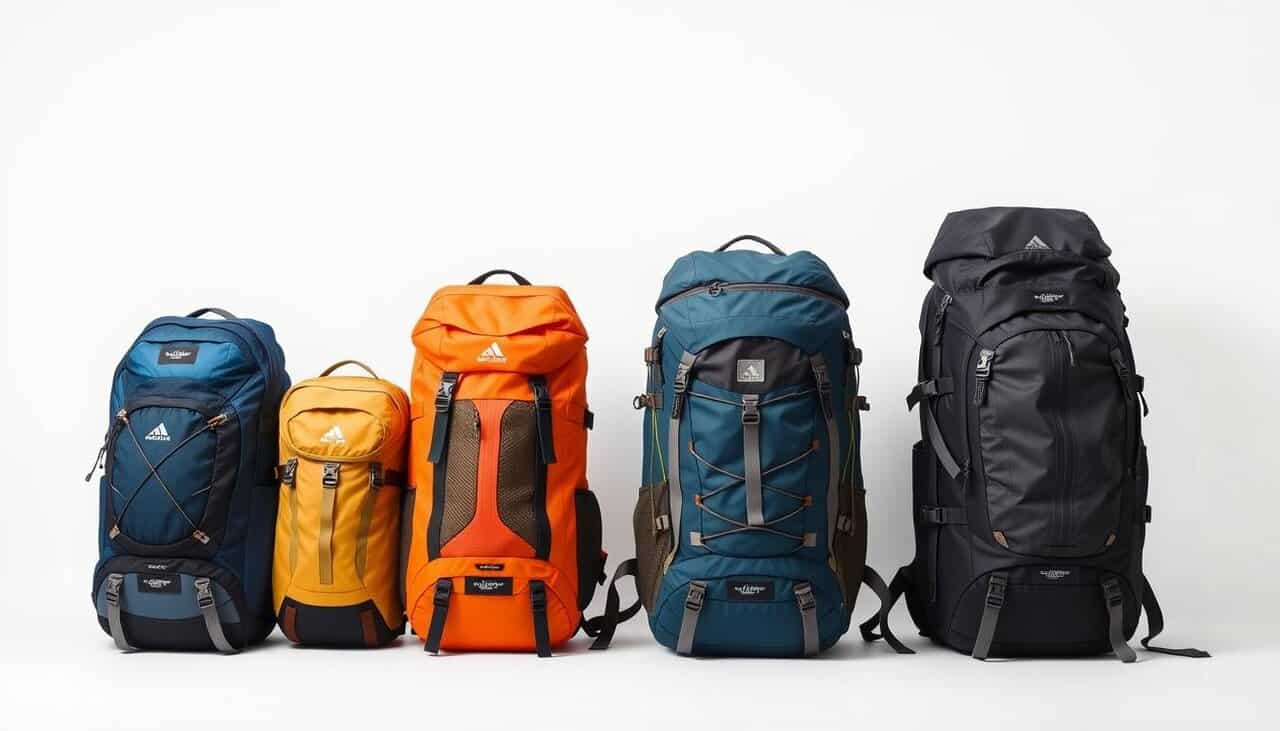
When planning a trip, one of the most pressing questions is: how much gear should I pack? The answer lies in understanding backpack sizes and capacities. As a seasoned traveler, I’ve often been asked if a 50L backpack is sufficient for a 3-day journey.
Backpack capacity is measured in liters, making it easier to compare sizes across brands. Generally, 25-30 liters is ideal for short weekend trips, while 30-45 liters is better suited for longer trips or extended travel.
So, is a 50L pack too big or just right? The answer depends on several factors, including trip type, weather conditions, and personal packing style. In this guide, we’ll explore these factors and help you determine if a 50L bag meets your needs.
Key Takeaways
- Understand how backpack capacity is measured and what 50L means in practical terms.
- Learn how trip type, weather, and packing style impact your gear needs.
- Discover tips for packing efficiently and selecting the right gear.
- Get insights into the pros and cons of using a 50L backpack for a 3-day trip.
- Find out how proper packing techniques can maximize your bag’s space.
Understanding Backpack Sizing and Capacity
When it comes to backpacks, understanding the sizing and capacity is crucial for packing the right amount of gear. I’ve found that many people overlook the importance of backpack volume, focusing instead on the dimensions. However, capacity tells you how much you can fit in your travel backpack, while the dimensions give you a better idea of what you can fit.
How Backpack Volume is Measured
Backpack volume is typically measured in liters. This measurement is usually calculated by filling the backpack with water or using a formula based on the backpack’s dimensions. Not all 50L backpacks are created equal; the shape and design can significantly affect the usable space. For instance, a backpack with a sleek design might not offer as much room for stuffing items as one with a more expandable layout.
To give you a better idea, let’s look at how different capacities translate to everyday items. A 50L backpack can generally fit about 3-4 days’ worth of clothing, depending on how you pack. Here’s a rough guide to what you can expect to fit in backpacks of various sizes:
| Backpack Size (L) | Clothing | Other Items |
|---|---|---|
| 30L | 2 days’ worth | Toiletries, small electronics |
| 50L | 3-4 days’ worth | Laptop, camera, extra shoes |
| 60L | 5-6 days’ worth | Bulkier items like jackets, hiking boots |
Visualizing Liter Capacity in Real Terms
To visualize the capacity, consider that a standard t-shirt takes up about 1-2 liters of space when rolled. So, a 50L backpack can fit around 25-30 rolled t-shirts. However, this is just a rough estimate and doesn’t account for other items like pants, jackets, or toiletries. The way you pack your items—whether you roll, fold, or use compression bags—also significantly affects how much you can fit in a given pack.
By understanding how backpack volume is measured and visualizing what different capacities mean in real terms, you can make a more informed decision about whether a 50L backpack is right for your needs.
Is 50L Backpack Big Enough for 3 Days?
When planning a 3-day trip, one of the most pressing questions is whether a 50L backpack will have enough space for all your essentials. The answer to this question largely depends on several factors, including the type of trip you’re embarking on, the climate of your destination, and your personal packing habits.
The Short Answer: Yes, With Proper Packing
In most cases, a 50L backpack can be sufficient for a 3-day trip if you pack efficiently. The key is to bring only the essentials and use packing strategies that maximize space. For instance, if you’re traveling to a warm and sunny destination, your lighter clothes will take up less space, making it easier to fit everything into a 50L backpack. As I always say, “Packing is not just about throwing things into a bag; it’s an art that requires thought and planning.”
To pack effectively, consider using techniques like rolling your clothes to reduce bulk and utilizing packing cubes to organize your gear. By doing so, you can fit a surprising amount of gear into a 50L pack. For example, you can typically fit 3 days’ worth of clothing, a sleeping bag for warmer climates, and other essentials like toiletries and electronics.
When 50L Might Not Be Enough
However, there are scenarios where a 50L backpack might not be enough. For example, if you’re going on a winter camping trip, the bulky clothing and sleeping bag required for colder climates can quickly fill up a 50L backpack. Similarly, if you’re engaging in specialized activities like photography or climbing that require substantial gear, you might find that 50L is insufficient.
Additionally, inexperienced packers often need more space until they refine their packing techniques and weight distribution. Family responsibilities, such as carrying items for children, can also necessitate a larger pack size. Certain environments or trip types, like extended backcountry trips with no resupply options or trips requiring bear canisters, might push the limits of a 50L pack. As the saying goes, “You can’t have too much of a good thing, but you can have too much stuff in your bag.”
In conclusion, while a 50L backpack can be big enough for a 3-day trip with proper packing, it’s essential to consider the specifics of your trip and pack accordingly. By being mindful of the size of your gear and the things you need to bring, you can make the most of your 50L backpack.
Factors That Affect How Much You Need to Pack
When planning a trip, understanding the factors that influence your packing needs is crucial. I’ve learned through my own travel experiences that what you pack can make or break your adventure. Two significant factors that determine how much you need to pack are weather and climate considerations, and the type and intensity of your activities.
Weather and Climate Considerations
The weather and climate of your destination play a significant role in determining what to pack. For instance, if you’re heading to a cold climate, you’ll need to pack warm clothing, including layers and waterproof gear. On the other hand, if you’re traveling to a warm or tropical location, you can focus on lighter, breathable clothing. As the saying goes, “pack layers for the mountains, and hope for the best for the weather.”
It’s also essential to check the weather forecast before your trip to ensure you’re prepared for any conditions. You might need to pack additional items like an umbrella or raincoat if rain is predicted. For example, a friend once got caught in an unexpected downpour while hiking, and not having the right gear made the experience miserable.
| Climate | Essential Items |
|---|---|
| Cold | Warm clothing, layers, waterproof gear |
| Warm/Tropical | Light, breathable clothing, sunscreen, sunglasses |
| Rainy | Umbrella, raincoat, waterproof shoes |
Activity Type and Intensity
The type and intensity of your activities also significantly impact your packing needs. For example, if you’re going hiking or camping, you’ll need to pack specialized gear like hiking boots, a tent, and sleeping bag. In contrast, if you’re traveling for business, you’ll need to focus on professional attire and technology, like your laptop and charger.
As
“The clearest way into the Universe is through a forest wilderness.” – John Muir
suggests, the right gear can enhance your experience in nature. For high-intensity activities, you may need to prioritize lightweight and versatile gear to minimizepack weight. For multi-activity trips, efficiently organizing your gear is key to ensuring you have everything you need without overpacking.
- Different activities require unique gear, such as hiking boots for trails or climbing equipment for technical climbs.
- Trip intensity influences packing requirements; for instance, ultralight adventures require more minimalist packing.
- Prioritizing gear based on activity focus helps determine what’s essential versus optional.
Backpack Size Guide for Different Trip Lengths
Different trips require different pack sizes, and understanding this can make your travel experience much smoother. Whether you’re embarking on a short overnight trip or a longer, more extended journey, the size of your backpack can significantly impact your comfort and preparedness.
Overnight Trips (15-30L)
For overnight trips, a backpack with a capacity of 15-30 liters is usually sufficient. This size pack allows you to bring the essentials: a change of clothes, toiletries, and any necessary electronics. The key is to pack lightly and efficiently, focusing on the most critical items.
Weekend Trips (30-50L)
Weekend trips typically require a bit more gear, making a 30-50 liter backpack ideal. This size provides enough space for a couple of changes of clothes, additional personal items, and some extra gear if needed. It’s a versatile size that works well for both urban getaways and outdoor adventures.
For example, the Large Knack Pack, which expands from 30 to 46 liters, is perfect for weekend trips. As Jon C. noted about his Series 1 Large Expandable Knack Pack, “I was able to make it through 3 weeks in Europe with this bag (and packing cubes) as well as use it for my work.”
Extended Trips (50L+)
For trips lasting more than a few days, you’ll likely need a backpack larger than 50 liters. The exact size depends on several factors, including your packing efficiency, the climate, and whether you’ll have access to laundry facilities. Generally, trips longer than 3-4 days benefit from packs larger than 50L, especially for less experienced packers.
| Trip Length | Recommended Backpack Size | Key Considerations |
|---|---|---|
| Overnight | 15-30L | Pack essentials, focus on lightweight gear |
| Weekend | 30-50L | Bring extra clothes, consider versatility of gear |
| Extended | 50L+ | Plan for varied weather, consider resupply points |
When planning your trip, consider factors like resupply opportunities, the type of activities you’ll be doing, and the weight of your gear. These considerations will help you choose the right size backpack for your needs.
What Can You Fit in a 50L Backpack?
Packing for a 3-day adventure requires careful consideration of what gear to bring and how to fit it all in a 50L pack. As someone who’s been in your shoes, I can tell you that it’s all about making smart choices and optimizing your gear.
Clothing and Personal Items
When it comes to clothing, the key is to pack versatile, layered items that can be mixed and matched. For a 3-day trip, you can typically get away with bringing 2-3 tops, 2 bottoms, and a waterproof jacket. Don’t forget to include essentials like undergarments, socks, and a hat. Toiletries and personal items should be packed in a dedicated pouch or bag to keep them organized and easily accessible.
To maximize space, consider rolling your clothes or using packing cubes. This not only saves room but also helps you find what you need quickly. For personal items, think about what you can’t live without and pack accordingly. You might be surprised at how little you actually need.
Gear and Equipment
The type of gear you need will depend on the activity and environment. For camping, you’ll need a sleeping bag, shelter, and cooking equipment. For urban travel, you might prioritize a portable charger and a travel adapter. In a 50L pack, you can typically fit a lightweight sleeping bag, a compact tent, and a camping stove, along with fuel and cooking pot.
When selecting gear, consider the weight and volume. For example, a down sleeping bag is generally lighter and more compressible than a synthetic one. Multi-purpose gear can also save substantial space – think of items that serve multiple functions, like a sarong that can be used as a blanket, towel, or dress.
Organizing your gear within the pack is crucial. Use compression sacks for bulky items like the sleeping bag and clothing. Place frequently used items in easy-to-reach locations, and keep your electronics and valuables safe and accessible.
Packing Strategies for a 3-Day Trip
A well-packed 50L backpack can make all the difference on a 3-day trip, ensuring you have everything you need without the extra bulk. I’ve found that the right packing strategy can turn a potentially cumbersome task into a straightforward process.
The Layer Method
The layer method involves placing items in your backpack in a specific order to maximize space and accessibility. Start by putting your sleeping bag or lightest items at the bottom. Then, add a layer of clothing, followed by your heaviest or bulkiest items, like your tent or hiking boots. This way, you distribute the weight evenly and keep your gear organized.
I arrange things like I want and use my (partially) uncompressed sleeping bag and clothes and compression straps to keep everything tight.
Using Packing Cubes and Compression Sacks
Packing cubes and compression sacks are game-changers when it comes to organizing your gear and compressing your clothing to make the most of your backpack’s space. By using these tools, you can keep your clothes and other items tidy and easily find what you need.
For instance, I use compression sacks for my sleeping bag and clothes to save space and keep my pack dry. Make sure to choose the right size of packing cubes for your items to avoid wasting space.
Strategic Item Placement
Strategic item placement is crucial for a comfortable and enjoyable trip. It’s about placing items based on when you’ll need them. For example, keep snacks and rain gear in easily accessible pockets. Use external attachment points for items like your water bottle or trekking poles, but be mindful of the weight distribution to avoid straining your back.
The key is to ensure that your pack is balanced and that you can access what you need without having to unpack everything.
| Item Category | Placement Priority | Recommended Location |
|---|---|---|
| Snacks, Rain Gear | High | Easily Accessible Pockets |
| Sleeping Bag, Light Clothing | Low | Bottom of the Backpack |
| Heavy Gear (Tent, Boots) | Medium | Middle Layer |
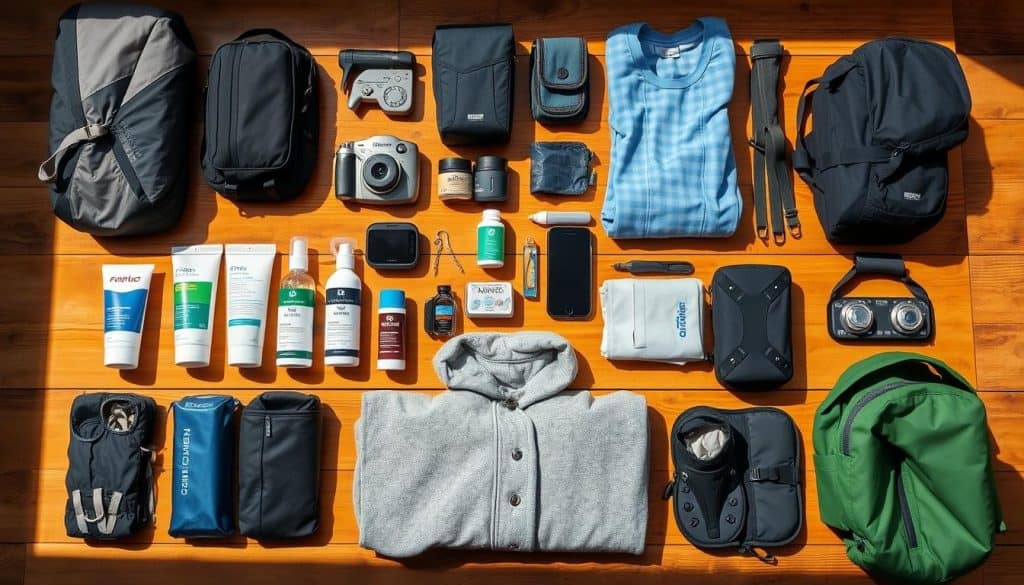
By implementing these packing strategies, you can ensure a more enjoyable and stress-free 3-day trip.
Travel Backpacks vs. Hiking Backpacks
Understanding the differences between travel and hiking backpacks is essential for selecting the right gear for your 3-day trip. While both types of backpacks can be used for carrying essentials, their design and features cater to different needs and environments.
Design Differences
Travel backpacks are designed with a more professional look, making them suitable for city travel and hotel stays. They often feature multiple compartments and pockets for organization, which helps in keeping your belongings tidy and easily accessible. On the other hand, hiking backpacks have a more rugged design with features like hydration sleeves, tool attachments, and daisy chains that are ideal for outdoor activities. For instance, a hiking backpack might have reinforced materials and weather-resistant zippers to withstand harsh conditions.
When choosing between the two, consider the primary activities you’ll be doing during your trip. If you’re mostly traveling through cities, a travel backpack with features like suitcase-style openings and hidden pockets might be more suitable. However, if you’re planning to hike or engage in outdoor activities, a hiking backpack’s specialized features will be more beneficial.
Organization Features
The organization features of travel and hiking backpacks differ significantly. Travel backpacks typically have multiple compartments, laptop sleeves, and document pockets, making it easier to stay organized in urban environments. As Raul A shared, “I arrive at the hotel, empty everything in a drawer, compress the bag, and it’s the perfect computer bag.” This level of organization is crucial for business travelers or those who need to keep their gear tidy.
In contrast, hiking backpacks often have simpler designs with fewer divisions but include features like hydration sleeves and gear loops that are essential for carrying outdoor gear. The organizational differences between these two types of backpacks affect not only how you pack but also how you access your gear during the trip.
- Travel backpacks offer multiple compartments and pockets for better organization.
- Hiking backpacks feature specialized pockets like hydration sleeves and gear loops.
- The choice between the two should be based on the type of activities planned for the trip.
Weight Considerations: Pack Weight vs. Capacity
As you prepare for a 3-day adventure, finding the right balance between the weight of your pack and its capacity becomes a top priority. A 50L backpack is considered sufficient for a 3-day trip by many outdoor enthusiasts, but the key to a comfortable journey lies in how you pack it.
Finding the Right Balance
To achieve the perfect balance, consider the essentials you need to carry. For a 3-day trip, this typically includes clothing, personal items, food, and gear. The total weight should be distributed evenly, ensuring that your pack is not too heavy on one side. I’ve found that using a packing list helps in organizing and limiting the items to the bare essentials, thus optimizing both weight and space.
A useful tip is to pack clothes that can be layered, as this approach allows you to adjust to varying weather conditions without carrying unnecessary items. Moreover, choosing multi-purpose gear can significantly reduce the overall weight and capacity required.
| Item | Weight (oz) | Essential? |
|---|---|---|
| Backpack | 11 | Yes |
| Sleeping Bag | 20 | Yes |
| Extra Shoes | 16 | No |
Ultralight Approach for 3-Day Trips
Adopting an ultralight approach can be beneficial for 3-day trips, allowing you to carry less and travel more efficiently. This philosophy involves selecting gear that is not only lightweight but also compact and multi-functional. For instance, I’ve used a Gossamer Gear Murmur backpack, which weighs only 11oz, significantly reducing my overall pack weight.
When transitioning to an ultralight approach, it’s essential to consider the trade-offs, such as potentially higher costs for lightweight gear and possible comfort sacrifices. However, the benefits often outweigh these drawbacks, especially for those who value mobility and efficiency on their trips.
By carefully selecting your gear and packing only the essentials, you can enjoy a more comfortable and efficient backpacking experience. Whether you’re a seasoned hiker or just starting out, finding the right balance between pack weight and capacity is crucial for a successful 3-day adventure.
Special Considerations for Different Trip Types
The versatility of a 50L backpack is tested by the varied demands of different trip types. Whether you’re heading to the wilderness, traveling internationally, or exploring urban landscapes, your packing strategy and backpack utility can vary significantly.
Urban Travel with a 50L Pack
Urban travel with a 50L pack is often about efficiency and comfort. You need to pack lightly while still bringing essentials like your laptop, travel documents, and versatile clothing. A 50L backpack is ideal for urban travel as it meets most airline carry-on requirements, allowing you to avoid checked baggage fees. When packing for urban travel, consider using packing cubes to organize your belongings and make the most of your backpack’s space.
Some key items to include are:
- Comfortable walking shoes
- Layered clothing for variable weather
- A portable charger for your devices
- Travel adapters if necessary
Wilderness Camping with a 50L Pack
Wilderness camping with a 50L pack requires a different approach. You need to balance the weight and bulk of camping gear with the need for clothing and personal items. It’s essential to prioritize ultralight gear and plan your meals and water supply carefully. A 50L backpack can accommodate a sleeping bag, tent, and other camping essentials, but you must pack efficiently.
Key considerations include:
- Choosing multi-use gear
- Packing lightweight, high-calorie food
- Bringing a water filter or purification tablets
- Selecting a compact tent and sleeping bag
International Travel with a 50L Pack
International travel presents unique considerations for backpack selection, including airline restrictions, security checkpoints, and varied environments. A 50L pack typically meets carry-on requirements for most airlines, allowing travelers to avoid checked baggage fees and potential loss. When traveling internationally, it’s crucial to pack versatile clothing and gear that can accommodate different cultural contexts and variable weather conditions.
To maximize your 50L pack for international travel:
- Research destination-specific dress codes and cultural norms
- Pack clothing that can be easily mixed and matched
- Consider a packing list that includes a universal travel adapter
- Organize your pack for efficient navigation of airports and security screenings
Benefits of Expandable Backpacks for 3-Day Trips
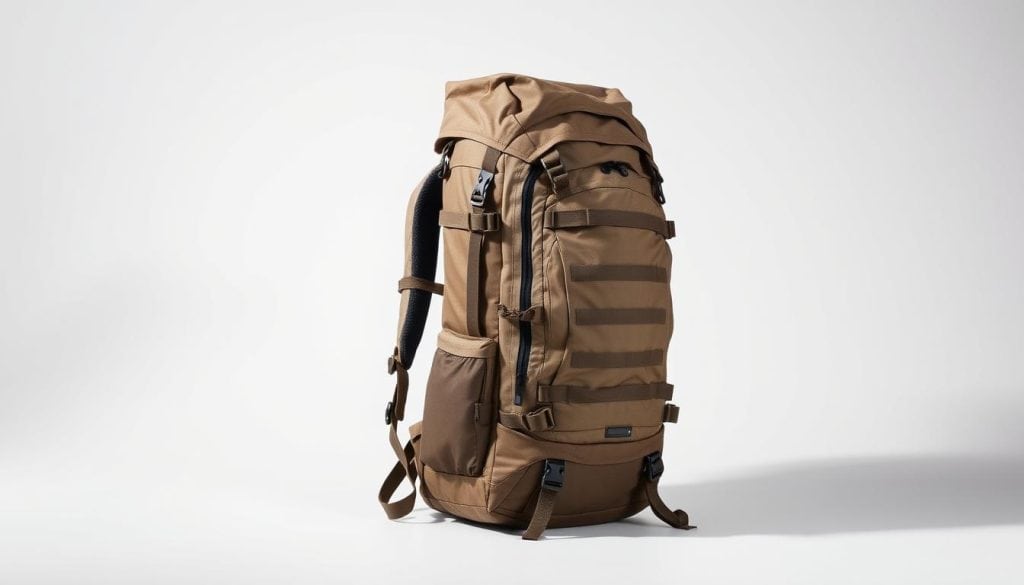
Expandable backpacks have revolutionized the way we pack for trips, offering flexibility for varying travel needs. Whether you’re embarking on a quick weekend getaway or a longer adventure, these packs can adapt to your packing requirements.
Versatility for Different Needs
The primary advantage of an expandable backpack is its ability to adjust to different trip lengths and types. For instance, the Small Knack Pack expands from 15 liters to accommodate a day’s worth of clothing, while the Medium Knack Pack expands from 27 liters to 39 liters, allowing for 2-3 days’ worth of clothes. This versatility makes expandable packs ideal for travelers with varying packing needs.
When evaluating expandable backpacks, consider the expansion mechanism. Some packs feature zippered expansions, while others use roll-top designs or modular components. Each approach has its advantages, and the choice depends on your specific travel style and preferences.
Popular Expandable Backpack Options
Several expandable backpack options are available in the 40-50L range, suitable for 3-day trips. These packs offer a balance between capacity and portability, making them ideal for travelers seeking flexibility.

When selecting an expandable backpack for your next trip, consider factors such as ease of use, durability, and weather resistance. By choosing the right pack, you can ensure a more comfortable and enjoyable travel experience.
Real-World Examples: What Fits in a 50L Pack
A 50L pack can be a versatile companion for various trips, but what can you really fit inside? Understanding the capacity and limitations of your backpack is essential for efficient packing.
Summer 3-Day Packing List
Packing for a summer trip is generally easier due to lighter clothing. For a 3-day adventure, you can fit:
- 3 shirts and 2 pairs of shorts
- 1 lightweight rain jacket
- Toiletries and a first-aid kit
- A sleeping bag or liner, depending on the weather
- Water bottle or hydration bladder
This packing list is relatively straightforward. You can fit all your essentials into a 50L pack with ease. The key is to roll your clothes and use packing cubes to maximize space.
Winter 3-Day Packing List
Winter packing is a different story. Bulky clothing and gear can quickly fill up your pack. For a 3-day winter trip, consider:
- Multiple layers of warm clothing
- A bulky sleeping bag rated for cold temperatures
- Insulated, waterproof boots
- Crampons or ice axe if necessary
- Extra food and water due to higher caloric needs
| Item | Summer | Winter |
|---|---|---|
| Clothing Layers | 3 shirts, 2 shorts | Multiple insulating layers |
| Sleeping Gear | Lightweight sleeping bag | Bulky, cold-rated sleeping bag |
| Footwear | Trail running shoes | Insulated, waterproof boots |
As you can see, winter packing requires more careful planning. You need to prioritize your gear and clothing to fit everything into your 50L pack. Using compression sacks for your sleeping bag and clothes can help.
Common Mistakes When Choosing Backpack Size
Getting the backpack size right is essential for balancing comfort and functionality. When it comes to choosing the perfect backpack for a 3-day trip, many adventurers make critical mistakes that can impact their overall experience.
Overestimating Needed Capacity
Overestimating the needed capacity can lead to carrying a larger, heavier backpack than necessary. This can result in unnecessary strain on your back and shoulders. I’ve found that carrying a pack that’s too big often leads to overpacking, as the extra space can tempt you to bring more gear than you really need. To avoid this, it’s crucial to assess your needs carefully and choose a pack that closely matches your requirements.
Underestimating Needed Capacity
On the other hand, underestimating the needed capacity can lead to a different set of problems. When your pack is too small, you might end up compromising on essential gear or attaching items externally, which can affect the pack’s balance and weather protection. For instance, I recall a situation where I had to attach my sleeping bag to the outside of my pack due to limited capacity, which exposed it to the elements. Underestimating capacity can also lead to overstuffing, making it difficult to access your gear and potentially leading to fatigue from an unbalanced load.
| Pack Size (L) | Typical Gear Capacity | Recommended Use |
|---|---|---|
| 20-30 | Minimal clothing, basic first aid | Day trips, ultralight adventures |
| 30-50 | 3-day clothing, standard first aid, some gear | Weekend getaways, short hikes |
| 50+ | Extended clothing, full gear, bulky items | Long hikes, international travel |
When choosing a backpack, it’s essential to consider factors like trip duration, activity type, and personal packing habits to determine the ideal size. By doing so, you can avoid common mistakes and ensure a more enjoyable, stress-free adventure.
Conclusion
The key takeaway from our discussion is that a 50L backpack is generally big enough for a 3-day trip, given the right approach to packing. Throughout this article, we’ve explored various factors that influence the suitability of a 50L backpack for a short trip. Let’s summarize the main points.
First, we’ve established that backpack capacity is typically measured in liters, making it easier to compare different models across brands. A 50L backpack can be an excellent choice for a 3-day trip, provided you pack efficiently and choose the right gear.
Proper packing techniques, such as the layer method and using packing cubes, play a crucial role in maximizing the use of space in your backpack. The type of trip, weather conditions, and personal preferences also significantly impact how much you need to pack.
For different traveler types, from ultralight enthusiasts to comfort-focused adventurers, the key is finding the right balance between capacity and comfort. While a 50L pack may be sufficient for most 3-day trips, it’s essential to consider your specific needs and adjust accordingly.
The principles discussed here can be applied beyond 3-day trips, helping you develop a broader understanding of pack capacity planning. When starting out, it’s advisable to begin with an appropriate size and refine your packing system through experience rather than overbuying capacity “just in case.”
In conclusion, the best backpack is one that fits well, carries comfortably, and meets your specific needs. Thanks for following along, and I hope this advice helps you plan your next trip with confidence, making the most of your gear and pack.
FAQ
What are the key factors to consider when deciding if a 50L pack is right for a 3-day trip?
When determining if a 50L pack is sufficient, consider the weather, activity level, and packing strategy. For instance, if you’re planning a hiking trip in cold weather, you’ll need to pack more clothing and gear, which may require a larger pack.
How can I pack efficiently for a 3-day trip in a 50L pack?
To pack efficiently, use techniques like layering clothing, packing cubes, and compression sacks. This helps to minimize space and keep your gear organized. You can also consider wearing your heaviest or bulkiest items, like hiking boots, to save space in your pack.
Can I fit a sleeping bag in a 50L pack?
It depends on the size of your sleeping bag and how you pack it. Consider using a compression sack to compress your sleeping bag and make it more compact. Some 50L packs also have external attachment points for sleeping bags.
What’s the difference between a travel pack and a hiking pack?
Travel packs are designed for urban travel and typically have more organizational features, while hiking packs are designed for wilderness travel and often have features like hydration bladder sleeves and external attachment points for gear.
How can I avoid overpacking for a 3-day trip?
To avoid overpacking, make a packing list and stick to it. Consider the activity level and weather forecast for your trip and pack accordingly. You can also consider packing multi-use items to reduce the overall amount of gear you need to bring.
Are expandable packs a good option for 3-day trips?
Expandable packs can be a good option if you’re unsure about how much gear you’ll need or if you plan to bring back more items than you started with. They offer flexibility and can be a good choice for trips where you need to pack extra items.
What’s the best way to distribute weight in a 50L pack?
To distribute weight evenly, pack heavy items like your sleeping bag or hiking boots at the bottom of your pack, and keep lighter items like clothing and snacks towards the top. Make sure to also adjust the straps and hip belt to ensure a comfortable fit.