
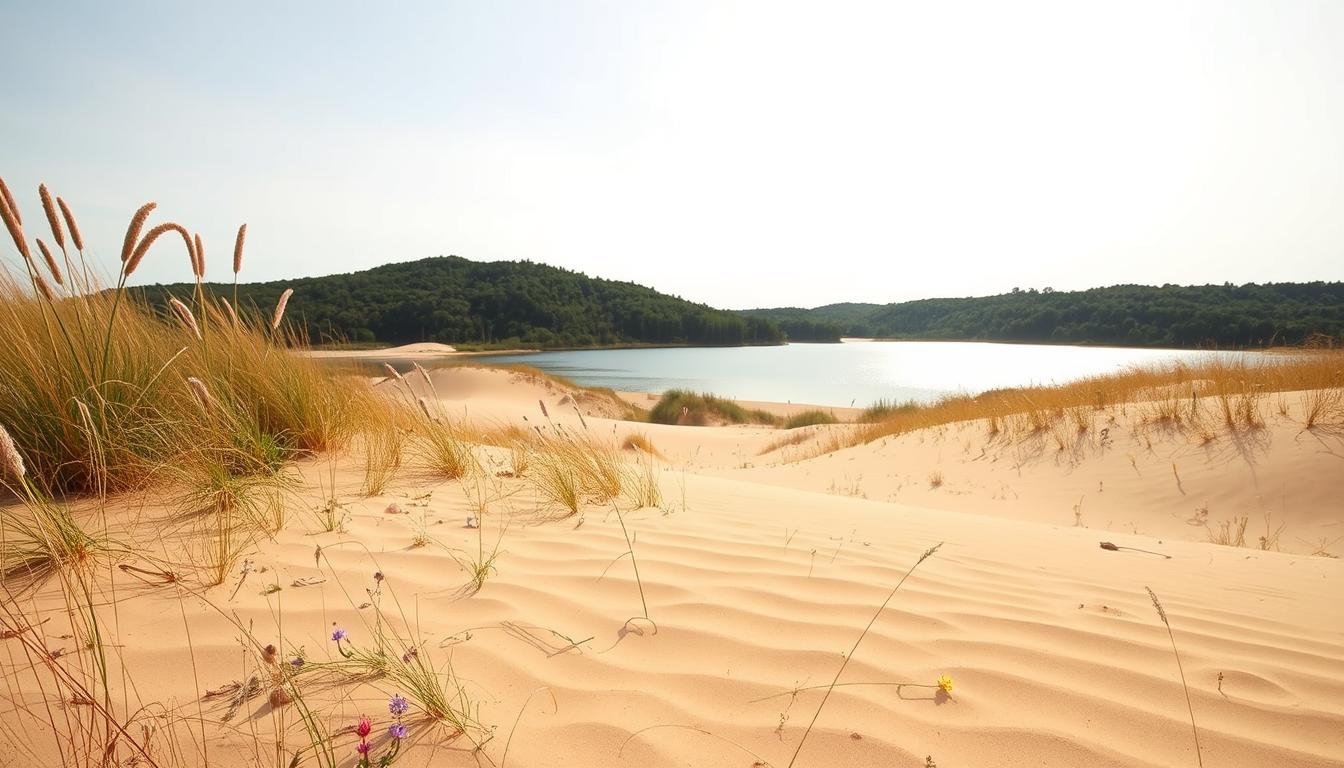
Did you know that the Indiana Dunes National Park is the fourth-most biodiverse national park in the U.S.? Spanning 15,000 acres, this stunning area boasts 15 miles of shoreline along Lake Michigan, offering a perfect blend of nature and adventure.
Formed by glacial action, the landscape here is a mix of towering sand dunes, lush wetlands, and dense forests. Whether you’re hiking, birdwatching, or simply soaking in the views, there’s something for everyone. The park’s rich history and diverse ecosystems make it a must-visit destination.
In 2019, this area was officially designated as a national park, cementing its status as a treasure of the Midwest. From its scenic trails to its historic landmarks, the Indiana Dunes offers endless opportunities for exploration and discovery.
Key Takeaways
- Discover 15,000 acres of diverse landscapes and 15 miles of shoreline.
- Explore unique ecosystems, including sand dunes, wetlands, and forests.
- Learn about the park’s rich history and its evolution into a national park.
- Enjoy outdoor activities like hiking, birdwatching, and beachcombing.
- Use this guide to plan your visit with tips on trails, attractions, and events.
Rich History and Natural Formation
Shaped by ancient forces, this area’s natural beauty has a fascinating origin story. From towering sand formations to lush wetlands, every feature tells a tale of nature’s power and human dedication.
Glacial Origins and Geological Features
Thousands of years ago, glaciers carved the landscape you see today. During the Wisconsin Glacial Period, massive ice sheets retreated, leaving behind glacial Lake Chicago. This ancient lake played a key role in shaping the area’s unique features.
Sand from Lake Michigan was carried by wind and water, creating the iconic dunes. The Valparaiso Moraine, a ridge formed by glacial debris, adds to the area’s diverse terrain. These geological wonders make this place a natural treasure.
Historical Significance and Preservation Efforts
Long before European settlers arrived, Native Americans used this land for its abundant resources. In the 19th century, industrialization threatened the dunes, but passionate individuals fought to save them.
Dorothy Buell, a key figure in the preservation movement, led efforts to protect the area. Her work helped establish the national lakeshore in 1966. Decades later, in 2019, it was designated a national park, ensuring its protection for future generations.
Today, the interplay between natural formations and human efforts continues to preserve this unique landscape. Whether you’re exploring the beach or hiking the trails, you’re walking through a story millions of years in the making.
Explore Indiana Dunes National Park Attractions
Step into a world where nature and history come alive. This stunning destination offers a mix of educational programs, iconic landmarks, and breathtaking views. Whether you’re a first-time visitor or a seasoned explorer, there’s always something new to discover.
Visitor Center Insights and Interpretive Programs
Start your journey at the Visitor Center, your gateway to understanding this remarkable place. Here, you’ll find exhibits that showcase the area’s natural and cultural history. Friendly staff are on hand to help you plan your visit and answer any questions.
Don’t miss the interpretive programs, designed to deepen your connection to the landscape. From guided hikes to interactive workshops, these activities highlight the park’s unique ecosystems and conservation efforts. They’re perfect for families, solo travelers, and nature enthusiasts alike.
Iconic Landmarks and Lakeside Views
No visit is complete without exploring the park’s iconic landmarks. Mount Baldy, a towering sand dune, offers panoramic views of Lake Michigan. Its shifting sands are a testament to the area’s dynamic landscape.
For a quieter experience, head to Pinhook Bog, a designated National Natural Landmark. This unique ecosystem features a 2-mile loop trail through a forest of maple and beech trees. It’s a haven for birdwatchers and wildflower enthusiasts.
Along the lakeshore, you’ll find scenic spots perfect for photography or simply soaking in the beauty. The Great Marsh Trail provides a peaceful escape, with its boardwalk winding through wetlands and offering glimpses of local wildlife.
Here are some highlights to add to your itinerary:
- Visit the Paul H. Douglas Trail for a moderate hike with stunning views.
- Explore the Heron Rookery, a historic nesting ground now teeming with diverse bird species.
- Take a stroll along the Dunes Succession Trail to learn about the area’s ecological changes.
With its blend of education, adventure, and natural beauty, this destination promises an unforgettable experience. Plan your visit today and discover why it’s a treasure of the Midwest.
Unforgettable Hiking Trails and Beach Experiences
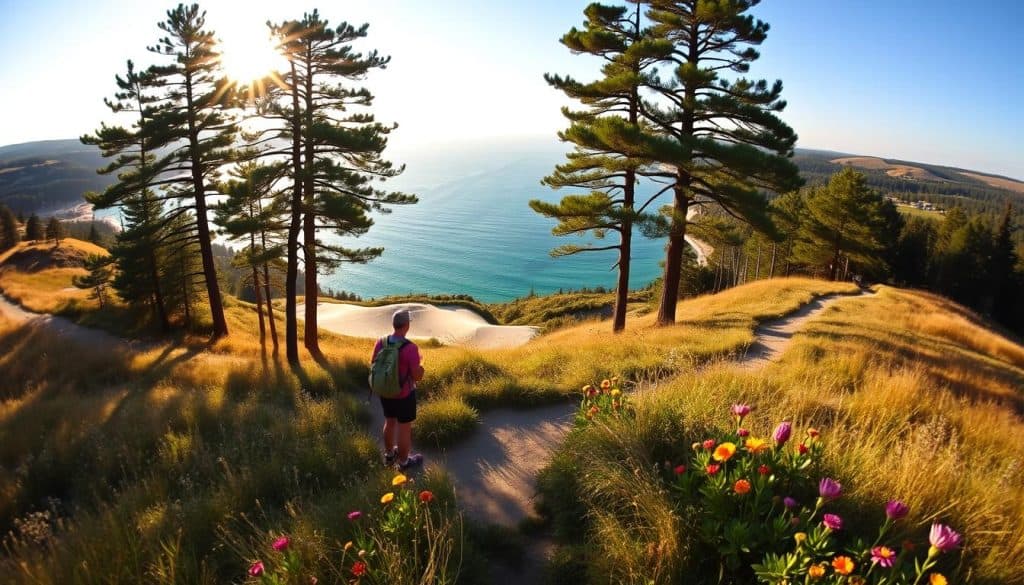
Get ready to lace up your boots and hit the trails for an unforgettable adventure. With over 50 miles of paths winding through diverse landscapes, this area offers something for every outdoor enthusiast. Whether you’re exploring towering sand formations or strolling along tranquil woodlands, each step brings a new discovery.
Top Hiking Trails Through Dunes and Woodlands
For those seeking a challenge, the Cowles Bog Trail is a must. This 4.7-mile loop takes you through wetlands and forests, offering stunning views of the surrounding state. Along the way, you’ll encounter diverse plant life and maybe even spot some wildlife.
If you prefer a shorter hike, the Tolleston Dunes Trail is perfect. This 3-mile path winds through ancient dunes, providing a glimpse into the area’s geological history. Each mile reveals unique features, from sandy ridges to lush vegetation.
For a peaceful escape, try the Great Marsh Trail. This boardwalk takes you through the largest wetland complex in the region. It’s an ideal spot for birdwatching or simply enjoying the serene beauty of nature.
Beachside Adventures Along Lake Michigan
No visit is complete without spending time by the water. The shore of Lake Michigan offers endless opportunities for relaxation and exploration. In spring, the beaches come alive with blooming wildflowers and migrating birds.
For a unique experience, visit during winter to see shelf ice formations. These natural wonders are breathtaking but should be viewed from a safe distance. Always check local conditions before heading out.
Here are some tips to make the most of your beach adventure:
- Arrive early to avoid crowds and enjoy the calm morning air.
- Bring sunscreen and plenty of water, especially during summer months.
- Take a leisurely walk along the shore to discover hidden treasures like driftwood and seashells.
Whether you’re hiking through the dunes or relaxing by the water, this area promises an experience you’ll never forget. Plan your visit today and discover the magic of this natural wonder.
Seasonal Festivals and Outdoor Adventures
Celebrate the changing seasons with vibrant festivals and outdoor adventures. This area comes alive with events that showcase its natural beauty and community spirit. From winter wonderlands to fall festivities, there’s always something to enjoy.

Annual Events and Community Celebrations
One of the highlights is the Maple Sugar Time Festival, a spring tradition that celebrates the region’s maple syrup heritage. Visitors can learn about the process of tapping trees and enjoy sweet treats made from local syrup. It’s a perfect way to welcome the warmer months.
In winter, the area transforms into a snowy paradise. The Indiana Dunes Outdoor Adventure Festival in early September offers activities like hiking, birdwatching, and more. Winter events also include guided walks to view shelf ice, a stunning natural phenomenon along the lakeshore.
Fall brings its own charm with events like the Birding Festival, where enthusiasts can spot migratory species. These gatherings reflect the heritage and vibrant spirit of the community.
Tips for Enjoying Outdoor Festivals Safely
When attending winter events, safety is key. Always check weather conditions before heading out, especially when viewing shelf ice. Keep a safe distance and wear appropriate gear to stay warm and dry.
For all-season events, bring essentials like water, sunscreen, and comfortable shoes. Respect the environment by staying on marked trails and disposing of trash properly. These small steps help preserve the area for future visitors.
As you explore these events, remember that they’re more than just fun—they’re a way to connect with nature and the community. Whether you’re tapping trees in spring or marveling at winter’s icy beauty, each season offers a unique experience.
For more insights into the region’s natural wonders, check out the Ultimate Guide to Indiana Dunes National.
Wildlife, Vegetation, and Conservation Efforts
Discover a world teeming with life, where rare species thrive and conservation takes center stage. This area is a treasure trove of biodiversity, offering a unique blend of ecosystems that support over 1,400 plant species and a variety of wildlife. From towering sand dunes to delicate wetlands, every corner tells a story of nature’s resilience and human dedication to preservation.
Rare Species and Birdwatching Highlights
The area is home to remarkable species, including the endangered Indiana bat and over 370 bird species. Birdwatchers flock here to spot migratory birds and rare species like the piping plover. The Visitor Center offers resources and guided programs to enhance your experience, making it a must-visit for nature enthusiasts.
Here’s a quick look at some of the notable species you might encounter:
| Category | Species | Habitat |
|---|---|---|
| Mammals | Indiana bat | Forests |
| Birds | Piping plover | Shoreline |
| Plants | Pitcher’s thistle | Sand dunes |
Conservation Efforts and Environmental Education
Conservation is a top priority here. Efforts focus on protecting delicate ecosystems like sand dunes and wetlands from invasive species and climate change. The state park collaborates with local organizations to restore habitats and educate visitors about the importance of preservation.
Programs at the Visitor Center emphasize environmental education, offering interactive exhibits and workshops. These initiatives inspire visitors to become stewards of the environment and support ongoing conservation projects.
For more insights into the region’s natural wonders, check out the Ultimate Guide to Indiana Dunes National.
Planning Your Trip: Visitor Tips and Safety Guidelines
Planning your trip to this stunning destination? Here’s everything you need to know for a safe and memorable adventure. With over 15,000 acres of diverse landscapes, this region offers something for everyone, from serene forests to sandy shores. Whether you’re visiting in spring or fall, these tips will help you make the most of your experience.
Best Times to Visit and Weather Considerations
Each year brings unique opportunities to explore this area. In spring, the forests come alive with blooming wildflowers, while fall offers vibrant foliage and cooler temperatures. Summer is perfect for beach days, but be cautious of rip currents along the shoreline. Winter transforms the landscape with stunning shelf ice formations, though viewing them requires extra care.
Here’s a quick guide to seasonal highlights:
| Season | Highlights | Tips |
|---|---|---|
| Spring | Wildflowers, birdwatching | Bring binoculars and a camera |
| Summer | Beach activities, hiking | Watch for rip currents, stay hydrated |
| Fall | Fall colors, mild weather | Pack layers for changing temperatures |
| Winter | Shelf ice, serene trails | Dress warmly, view ice from a safe distance |
Essential Safety Tips
To ensure a safe visit, always check local weather alerts and trail conditions. When hiking, stay on marked paths to protect delicate ecosystems. For beach visits, swim only at lifeguarded areas and avoid venturing too far into the water. During winter, admire shelf ice from a safe distance, as it can be unstable.
Here’s a quick checklist for your trip:
- Bring sunscreen, water, and snacks.
- Wear sturdy shoes for hiking.
- Carry a map or download trail guides.
- Check the Visitor Center for updates and programs.
With these tips, you’re ready to explore this breathtaking region safely and confidently. Plan your visit today and create unforgettable memories!
Conclusion
This stunning destination offers a perfect blend of nature, history, and adventure. From towering sand formations to serene woodlands, every view tells a story of natural beauty and human dedication. Whether you’re hiking scenic trails or exploring the shoreline, there’s a way for everyone to connect with this remarkable place.
Use the information in this guide to plan your visit. Remember to check seasonal programs and safety tips for a smooth experience. Don’t miss iconic landmarks and community events that make this area truly special.
As a premier natural destination in the northwest country, this park invites you to explore its diverse landscapes and rich heritage. Start planning your trip today and create unforgettable memories in this breathtaking corner of the Midwest.
FAQ
What makes the glacial origins of this area unique?
The region was shaped by ancient glaciers, creating rolling sand dunes, wetlands, and diverse landscapes. These features make it a fascinating spot for nature lovers.
What can I learn at the visitor center?
The visitor center offers exhibits, maps, and interpretive programs to help you understand the area’s history, wildlife, and trails. It’s a great starting point for your adventure.
Are there any must-see landmarks?
Yes! Don’t miss the stunning lakeside views, towering sand dunes, and scenic trails. Each spot offers a unique perspective of the natural beauty here.
What are the best hiking trails to explore?
Trails like the Dune Succession Trail and Cowles Bog Trail take you through woodlands, wetlands, and sandy peaks. They’re perfect for all skill levels.
Can I enjoy the beach year-round?
While summer is ideal for swimming, the beach is beautiful in every season. Winter brings icy shores, and spring offers peaceful walks along the water.
Are there any annual events to look forward to?
Yes! Seasonal festivals and community celebrations happen throughout the year. Check the event calendar for details on outdoor activities and cultural experiences.
What wildlife might I see?
The area is home to rare species, migratory birds, and diverse plants. Birdwatching is especially popular, with many species spotted along the trails and wetlands.
When is the best time to visit?
Spring and fall offer mild weather and fewer crowds, while summer is perfect for beach fun. Winter is great for quiet walks and unique icy views.