

Did you know that popular national parks like Yosemite, Yellowstone, and Grand Canyon can be booked up to six months in advance through Recreation.gov?
With over 3,600 facilities and 103,000 campsites available, securing your spot in these breathtaking destinations is crucial.
Understanding the reservation system and the different types of camping available is key to a successful trip.
Whether you’re looking for a serene backcountry experience or a more developed campground with amenities, knowing how to navigate the reservation process will ensure that you can enjoy the natural beauty of America’s national parks.
Key Takeaways
- Book popular national park campsites up to 6 months in advance through Recreation.gov.
- Understand the different types of camping available to choose the right experience.
- Familiarize yourself with the reservation system for a smooth booking process.
- Check campground facilities and regulations before your trip.
- Plan ahead to secure your preferred campsite.
Understanding the National Park Camping System
To make the most of your national park camping trip, it’s essential to grasp how the camping system works. The US national park system is vast and varied, offering numerous camping options that cater to different preferences and needs. Whether you’re looking for a family-friendly campground with amenities or a remote wilderness experience, understanding the types of campgrounds and camping styles is crucial.
Types of Campgrounds in National Parks
National parks offer a range of campgrounds to suit various campers’ needs. You can find developed campgrounds with amenities like restrooms, potable water, and designated fire rings, making them ideal for families and those new to camping. For larger groups, many national parks have group campgrounds, while RV-specific sites cater to those traveling with recreational vehicles, often providing hookups for electricity and water. Some campgrounds operate on a first-come, first-served basis, while others require reservations, which can be made through Recreation.gov or by calling the campground directly.
- Developed campgrounds with amenities
- Group campgrounds for larger parties
- RV-specific sites with hookups
- First-come, first-served and reservation-based campgrounds
Frontcountry vs. Backcountry Camping
Camping in national parks can be broadly categorized into frontcountry and backcountry experiences. Frontcountry campgrounds are accessible by vehicle and typically offer amenities, making them suitable for families and beginners. In contrast, backcountry camping requires hiking to your campsite and offers a more immersive wilderness experience with minimal facilities. Backcountry camping often requires special permits and wilderness camping skills. For those seeking solitude and a deeper connection with nature, backcountry camping is an attractive option, but it demands a higher level of preparation and self-sufficiency. You can explore more about the best national parks for camping on Enjoy National Parks.
Understanding the differences between these camping styles and the various campground options available will help you plan your national park camping trip more effectively, ensuring a memorable and enjoyable experience.
When to Book Your National Park Camping Reservation
The key to a successful national park camping trip lies in understanding when to book your reservation. With visitation numbers consistently high, the demand for campsites in US national parks has never been greater. For the last 10 years, visitation in the US national parks has been steadily growing, peaking in 2016 with 331 million visitors. Although visitation dipped slightly in the following years, it has been on the rise again, with 2023 seeing 325 million visitors.
Reservation Windows for Popular Parks
Most popular national parks open their reservation windows 6 months in advance through Recreation.gov, though this varies by park. For highly sought-after campgrounds like Yosemite’s Valley Floor sites or Grand Canyon’s North Rim, reservations often fill within minutes of becoming available. To increase your chances of securing a spot, it’s crucial to be ready at your computer when the booking window opens.
- Many parks operate on a rolling 6-month reservation window.
- If you want to camp on August 15, you need to make your reservation on February 15 at precisely 10:00 AM Eastern Time.
- Some parks require reservations further in advance due to their popularity.
Peak Seasons and Off-Season Opportunities
The most competitive reservation periods are during summer months (June-August), holiday weekends, and fall foliage season in parks like Acadia, Great Smoky Mountains, and Shenandoah. However, off-season camping offers greater availability and a more peaceful experience. The shoulder seasons (April-May and September-October) provide a good balance of decent weather and lower competition for sites.
Consider visiting during the shoulder season for a more relaxed camping experience.
How Far in Advance to Book
For popular national parks, it’s recommended to book your reservation as soon as the window opens, typically 6 months in advance. For less crowded parks, you may be able to book closer to your visit date. However, it’s always a good idea to check the specific park’s reservation policy and plan accordingly.
How to Book Camping in US National Parks?
Camping in US national parks is a wonderful experience, but it requires making a reservation through the right channels. With many parks offering diverse camping options, from backcountry sites to developed campgrounds, understanding the booking process is key to a successful trip.
Using Recreation.gov for Reservations
Recreation.gov serves as the primary reservation platform for most national park campgrounds. To make a reservation, you’ll need to create an account and familiarize yourself with the site’s booking process before the reservation window opens. When making a reservation, be prepared to provide details such as your arrival and departure dates, the number of people in your party, your equipment type (tent, RV, etc.), and payment information.
Tips for using Recreation.gov: Set up calendar reminders for when reservations become available for your desired dates, as popular campgrounds can fill within minutes. The Recreation.gov mobile app allows you to manage your reservations on the go and receive notifications about cancellations, which can be helpful for securing last-minute camping opportunities.
Park-Specific Reservation Systems
While Recreation.gov is the main platform for national park camping reservations, some parks like Yellowstone operate their own reservation systems. Always check the specific park’s website for the correct booking platform and any unique requirements they may have. Camping information on park websites is typically located under the “Plan Your Visit” tab, often under “Eating & Sleeping.”
The National Park Service (NPS) App is another valuable resource, available on the App Store and Google Play Store. It allows you to explore “Where to Stay” in parks for camping information, making it easier to plan your trip.
Popular National Parks with Unique Reservation Requirements
To experience the natural beauty of the US’s most popular national parks, you’ll need to navigate their specialized reservation processes. These parks have implemented unique systems to manage the high demand for camping and access during peak seasons.
Yosemite National Park

Yosemite National Park implements one of the most competitive camping reservation systems. Sites in Yosemite Valley become available in blocks five months in advance and typically sell out within minutes. To increase your chances, be prepared to make your reservation at exactly 6 am PST on the day they become available.
Glacier National Park
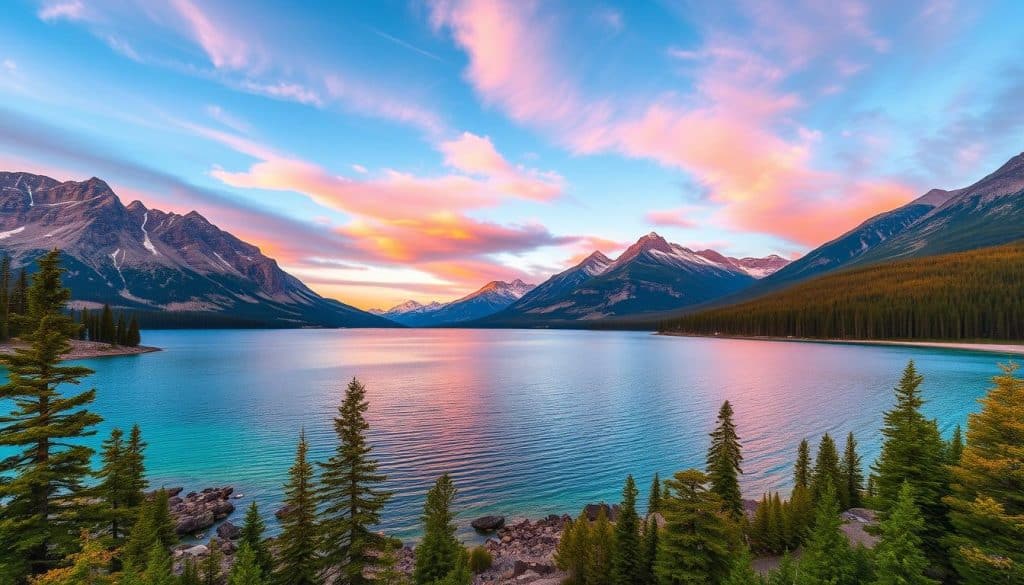
Glacier National Park’s campgrounds operate on different reservation systems. Some can be reserved in advance through Recreation.gov, while others remain first-come, first-served, requiring early arrival during peak summer months. It’s essential to check the specific reservation policies for each campground you’re interested in.
Rocky Mountain and Arches National Parks
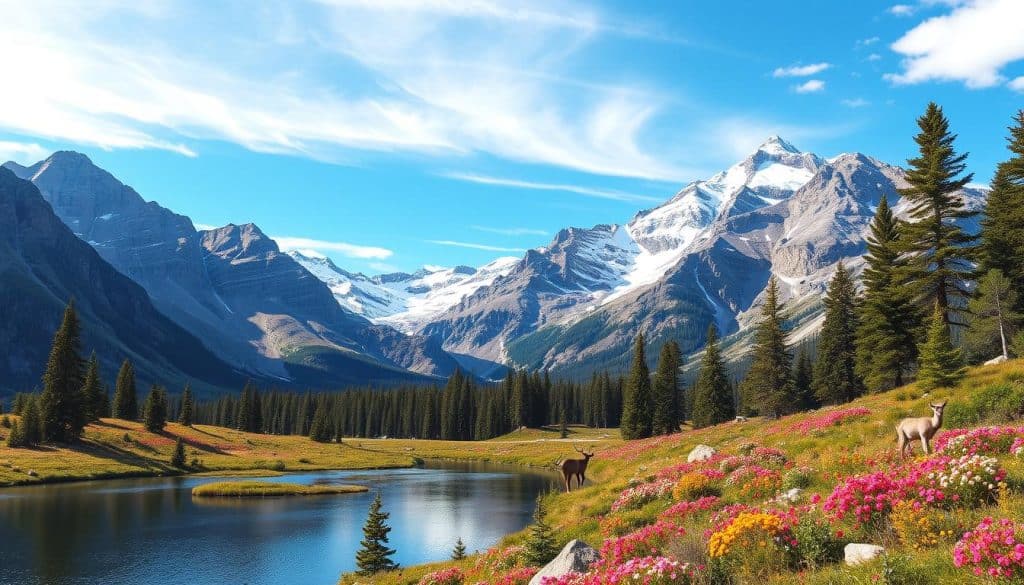
Rocky Mountain National Park not only requires campground reservations but also implements a timed entry permit system during peak season. This means you’ll need both to camp and access certain areas of the park. Arches National Park has a similar timed entry reservation system from April through October, requiring visitors to secure a reservation slot even if they already have a camping reservation. Planning ahead is crucial for a smooth visit.
Understanding these unique reservation requirements is key to a successful and stress-free camping trip to these popular national parks. By planning ahead and being aware of the specific rules for each park, you can ensure a memorable experience.
Navigating First-Come, First-Served Campgrounds
The thrill of camping in a national park can be dampened if you haven’t secured a campsite, making it essential to know how to navigate first-come, first-served options. When reservation-based sites are fully booked, first-come, first-served campgrounds offer a viable alternative, but they require strategic planning and flexibility in your travel schedule.
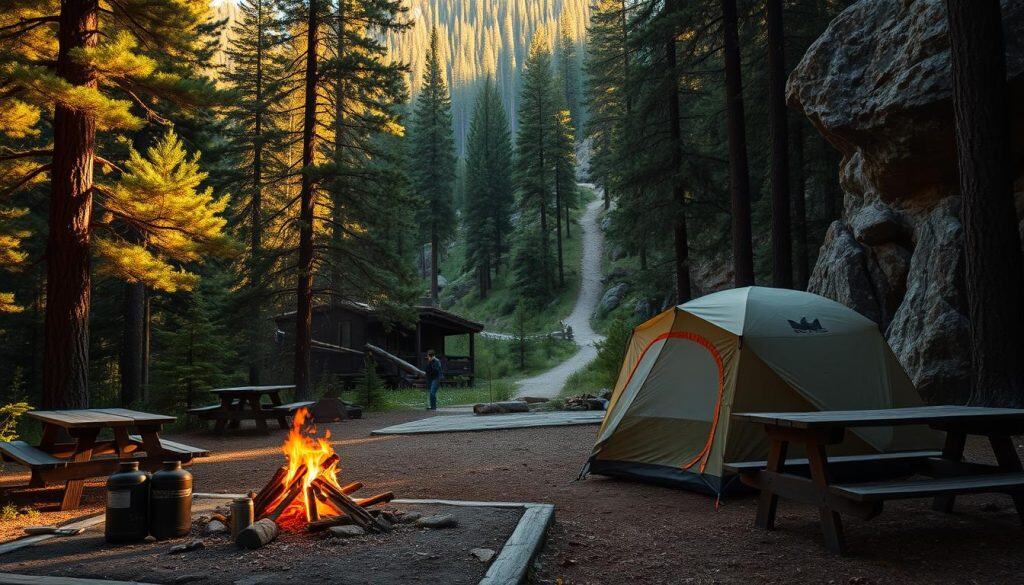
Finding First-Come, First-Served Options
Many national parks offer first-come, first-served campgrounds as an alternative to reservation-based sites. To find these options, you can check the park’s website or contact the visitor center for information on availability. Real-time campground status updates are often provided through the park’s website, visitor centers, or social media channels, helping you identify which campgrounds have availability.
Some parks also provide information on their websites about the best times to arrive for a first-come, first-served campsite. By planning your visit during the shoulder season (spring or fall), you can significantly improve your chances of securing a spot.
Tips for Securing a Spot
To increase your chances of getting a first-come, first-served campsite, consider arriving early in the day, ideally before 10 AM, and plan your visit on weekdays rather than weekends. Having a backup plan with alternative campgrounds outside the park or in nearby national forests can also be helpful, as they often have more availability.
- Arriving early in the day (ideally before 10 AM) on weekdays rather than weekends significantly increases your chances of securing a first-come, first-served campsite.
- Shoulder seasons (spring and fall) offer much better opportunities for securing first-come, first-served sites.
- Many parks provide real-time campground status updates, helping you identify which first-come, first-served campgrounds have availability.
By being flexible and prepared, you can successfully navigate first-come, first-served campgrounds in national parks and enjoy your camping experience.
Choosing the Right Campsite for Your Needs
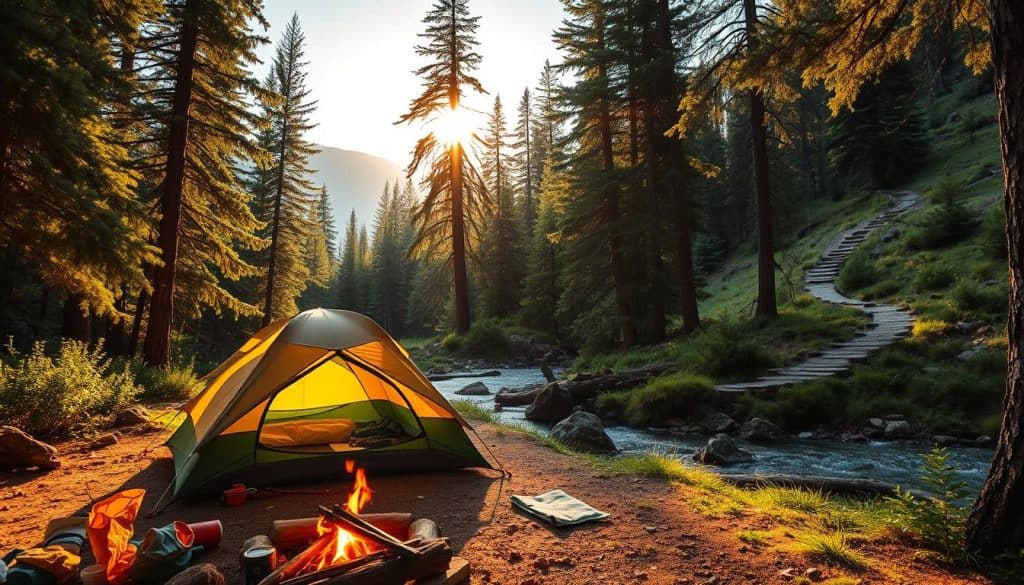
The key to a successful camping adventure in a national park lies in choosing a campsite that meets your specific needs. When arriving at a campsite, the first task is to lay it out effectively. Most frontcountry campgrounds are well-defined, with a parking space, a fire ring or grill, and a picnic table. Upon arrival, walk the boundaries of your campsite to identify the best locations for your tent, cooking station, and eating station.
Considerations for Tent Camping
For tent camping, it’s essential to consider factors like proximity to water sources and restrooms, level ground for sleeping comfort, and shade availability during hot months. Look for sites with natural padding, such as pine needles or soft soil, and ensure there’s adequate drainage to prevent flooding during rain. You should also have sufficient space to set up your tent away from fire rings.
RV and Camper Requirements
If you’re camping with an RV or camper, you’ll need to check the campsite’s length restrictions and the availability of hookups for water, electric, and sewer. Some campsites offer pull-through sites, while others may require backing in. Always check with the park you’re visiting for size restrictions and the number of sites that can accommodate RVs and towed campers.
Group Camping and Special Accommodations
For group camping, national parks often have designated areas that can accommodate 8-25 people. These areas typically have separate reservation systems and booking windows. Additionally, many national parks offer accessibility-focused campsites with features like paved paths, accessible picnic tables, and proximity to accessible restroom facilities.
By considering these factors and choosing the right campsite for your needs, you can ensure a comfortable and enjoyable camping experience in a national park.
Backcountry and Wilderness Camping Permits
As you prepare for your backcountry adventure in a US national park, understanding the permitting system is crucial for a successful and enjoyable trip. Backcountry and wilderness camping offer a unique way to experience the natural beauty of these protected areas, but they come with specific regulations to preserve the environment and ensure visitor safety.
Understanding Backcountry Permits
Backcountry camping permits are managed differently than frontcountry campground reservations. Often, they require separate applications through park-specific wilderness offices or permit systems. Many popular backcountry areas implement quota systems to limit the number of visitors and protect wilderness resources. For example, Yosemite’s High Sierra Camps and Grand Teton’s Garnet Canyon have limited permits available each day.
The permit reservation windows vary widely between parks. Some open six months in advance, while others use lottery systems that may open up to a year ahead for popular routes like the Wonderland Trail in Mount Rainier. It’s essential to plan ahead and research the specific requirements for the park you plan to visit.
Park-Specific Wilderness Camping Rules
Wilderness permits typically require specifying your exact itinerary, including entry and exit points and nightly camping locations. Once your permit is issued, there is limited flexibility to change your plans. Most national parks require backcountry campers to follow Leave No Trace principles, use established sites where designated, store food properly in bear country, and carry out all waste.
Safety Considerations for Backcountry Camping
When camping in the backcountry, safety should be your top priority. Choose a campsite that is sheltered and away from potential hazards such as the middle of a field (in case of lightning storms), the edge of cliffs, dead trees that might fall, and ravines that might flood. In bear country, keep your cooking and sleeping areas at least 200 feet apart, store food properly, and avoid sleeping in clothes used during cooking. Always check park regulations for specific guidelines on food storage and other safety measures.
Tips for Securing Hard-to-Get Reservations
With the rise of timed entry and vehicle reservations, planning a stress-free trip to national parks requires some insider knowledge. As the popularity of national parks continues to grow, so does the competition for campsites.
Monitoring for Cancellations
Cancellations happen regularly, especially 2-3 days before arrival dates. Monitoring reservation systems daily, particularly in the morning, can be a valuable strategy for securing sites at fully-booked campgrounds. You can also use third-party notification services like Campsite Notifier and Campflare to alert you when cancellations occur at your desired campground.
Alternative Camping Options Near National Parks
If you’re having trouble securing a reservation within a national park, consider alternative camping options near national parks. National Forest campgrounds and BLM (Bureau of Land Management) lands often border national parks and provide alternative camping options with fewer reservation requirements and more availability.
Last-Minute Booking Strategies
For popular parks during peak summer months, consider booking mid-week stays (Tuesday-Thursday) rather than weekends, as availability is typically much better even during high season. You can also try splitting your stay between multiple campgrounds if you can’t secure consecutive nights at a single location, allowing you to experience different areas of the park while maximizing your chances of finding availability.
Conclusion
The journey to a perfect camping experience in US national parks begins with mastering the art of making reservations. As you plan yourtripto these natural wonders, understanding thereservationprocess is crucial for a smooth adventure.
Tomake a reservation, you’ll need to plan ahead, be flexible, and understand each park’s unique system. Creating accounts onRecreation.govand park-specific platforms before the booking window opens will streamline your process. It’s also essential to set reminders for when reservationsbecome available, typically 6 months in advance at 10:00 AM Eastern Time.
Having backup plans is vital when planning yourtrip. Consider alternative dates, different campgrounds within the same park, or nearby public lands if your first choice isn’t available. The effort required to securereservationsis well worth it, as camping provides an immersive way toexperienceAmerica’s most beautiful landscapes.
While thereservationprocess may seem complicated, it’s designed to ensure fair access and protect these precious natural resources. By understanding the system and planning ahead, you’ll be able to enjoy thenational parksto their fullest extent. So, start planning yourtriptoday, and get ready for an adventure of a lifetime in the great outdoors.
As you look forward to yourcampingtrip, remember that the key to a successful experience lies in careful planning and flexibility. With the right mindset and preparation, you’ll be able to make the most of your time in thenational parksand create lasting memories.
FAQ
When do campsites become available for reservation?
Campsites typically become available on Recreation.gov six months in advance of your trip date, at 8 a.m. Eastern Time. For example, if you’re planning a trip for July 15, you can make a reservation starting January 15.
What’s the best way to book a campsite during peak season?
During peak season, it’s essential to plan ahead and be prepared to make a reservation as soon as possible. Check Recreation.gov or the park’s website for availability, and consider using their reservation service to secure your spot.
Can I book a campsite on the day of my trip?
Some campgrounds offer first-come, first-served sites, which can be available on a walk-in basis. However, these sites are often limited, and it’s not guaranteed you’ll get a spot. It’s always best to reserve in advance to ensure availability.
Are there any additional fees for booking a campsite?
Yes, there may be additional fees associated with booking a campsite, such as reservation fees or entrance fees. Be sure to check the park’s website or Recreation.gov for a breakdown of the costs involved.
Can I cancel or modify my reservation?
Yes, you can cancel or modify your reservation, but be aware that there may be fees or penalties associated with doing so. Check the park’s website or Recreation.gov for their specific policies on cancellations and modifications.
How do I get a backcountry or wilderness camping permit?
Backcountry and wilderness camping permits are typically handled through the park’s website or by contacting the park directly. Be prepared to provide information about your trip, including your itinerary and the number of people in your group.
What’s the difference between frontcountry and backcountry camping?
Frontcountry camping typically refers to camping in designated campgrounds with amenities like restrooms and potable water. Backcountry camping, on the other hand, involves camping in more remote areas, often with limited or no amenities.