

Over 4 million people visit Yellowstone every year, and for many, camping is a big part of the experience.
As someone who’s camped at Yellowstone multiple times, I’ve learned that understanding the costs involved can make a big difference in your trip.
From entrance fees to campground rates, and additional expenses, I’ll walk you through everything you need to know about camping costs at Yellowstone National Park.
Whether you’re pitching a tent or parking an RV, this guide will help you plan your budget accurately and make the most of your trip.
Key Takeaways
- Understand the complete cost picture for camping at Yellowstone National Park.
- Learn about entrance fees and campground rates.
- Discover insider tips on saving money through pass discounts and smart choices.
- Plan your budget accurately for a stress-free camping experience.
- Get insights into additional expenses you might encounter during your trip.
Understanding Yellowstone National Park Entrance Fees
Yellowstone National Park’s entrance fees can be complex, but knowing your options can save you money. As someone who’s visited the park multiple times, I’ve learned that understanding the different types of passes available is key to planning a cost-effective trip.
Standard Entrance Pass Options
For those planning a short visit, Yellowstone offers standard entrance pass options. These passes grant access to the park for a specific number of days. The fees vary depending on the type of vehicle and the duration of your stay. For instance, a private vehicle can enter the park for seven days with a pass priced at a certain fee. Understanding these options helps you choose the most suitable pass for your visit.
Annual and America the Beautiful Passes
If you’re a frequent visitor to national parks or plan to explore more of what Yellowstone has to offer beyond the initial seven days, consider investing in an annual pass. The Annual Pass costs $80 and is valid for a year from the date of purchase. Alternatively, the America the Beautiful Pass offers access to more than 2,000 federal recreation areas, including Yellowstone, for $80 per year. These passes can be a cost-effective option for those who plan to visit multiple national parks or spend more time exploring Yellowstone.
Discounted and Free Pass Eligibility
Several groups are eligible for discounted or free passes, which can significantly reduce your entrance fees. For example, US citizens or permanent residents aged 62 and older can purchase a Senior Annual Pass for $20 or a Senior Lifetime Pass for $80. Military members and their dependents can obtain free annual or lifetime passes. Additionally, individuals with permanent disabilities can get a free Access Pass. Families with 4th-grade children can also access a free annual pass through the “Every Kid Outdoors” program. Checking your eligibility for these passes can lead to substantial savings on your Yellowstone trip.
Campground Costs at Yellowstone National Park
To budget effectively for a Yellowstone camping trip, you need to understand the different campground fees. Yellowstone National Park offers various camping experiences, from basic tent sites to RV hookups, and the costs can vary significantly depending on the campground and amenities.

Xanterra-Operated Campgrounds Pricing
Xanterra operates several campgrounds within Yellowstone, including Grant Village, Bridge Bay, and Canyon Campground. The pricing for these campgrounds varies, with costs ranging from around $27 to over $77 per night for RV sites with hookups. For example, Bridge Bay Campground offers sites starting at around $32.64 per night.
National Park Service Campgrounds Pricing
The National Park Service manages campgrounds like Madison Campground and Fishing Bridge RV Park. These campgrounds have different pricing, with some offering more basic amenities at lower costs. For instance, Madison Campground is one of the more affordable options, with prices starting at around $27 per night.
Fee Discounts for Pass Holders
If you’re a holder of an Access Pass or Senior Pass, you can receive a significant 50% discount on camping fees at certain campgrounds, including Bridge Bay, Canyon, Grant, and Madison Campgrounds. To receive the discount, simply enter the promo code “PASS” when booking online or mention your pass status when making a reservation by phone. However, remember to present your physical pass at check-in to validate the discount.
Some key benefits for pass holders include:
- Holders of Access Passes and Senior Passes can save $13-$16 per night.
- The discount can add up to $91-$112 for a week-long stay.
- The camping discount does not apply to Fishing Bridge RV Park.
- Regular Annual Passes and America the Beautiful Passes do not qualify for this camping discount.
How Much to Camp at Yellowstone? Complete Cost Breakdown
Camping at Yellowstone is an adventure of a lifetime, but understanding the costs involved is crucial for planning. The cost of camping at Yellowstone National Park varies significantly based on the type of camping experience you choose, ranging from developed campgrounds to backcountry sites.
Tent Camping Costs
Tent camping is a popular way to experience Yellowstone. The costs for tent camping vary depending on the campground. For instance, campgrounds operated by Xanterra Parks & Resorts have different pricing compared to those managed by the National Park Service. Generally, you can expect to pay between $15 to $27 per night for a tent site.
RV Camping Costs
If you’re planning to camp with an RV, the costs are slightly different. Many of the developed campgrounds in Yellowstone have facilities for RVs, including hookups for water, electricity, and sewage. The nightly cost for RV camping can range from $27 to $65, depending on the campground and the amenities provided.

Backcountry Camping Permits and Fees
For those seeking a more immersive experience, backcountry camping is an excellent option. The costs associated with backcountry camping are significantly lower than those of developed campgrounds. To camp in the backcountry, you’ll need to obtain a permit, which costs $5 per person per night, with a maximum group fee of $30 per night. Additionally, there’s a $25 reservation fee if you book in advance. For example, a 3-night backcountry trip for two people would cost approximately $95 total, including the entrance fee, reservation fee, and permit fees.
| Camping Type | Cost per Night | Additional Fees |
|---|---|---|
| Tent Camping | $15-$27 | Entrance Fee: $35 |
| RV Camping | $27-$65 | Entrance Fee: $35; Dump Station Fee: $0.75-$1.25 per gallon |
| Backcountry Camping | $5 per person (max $30 per night) | Entrance Fee: $35; Reservation Fee: $25 |
Additional Camping Expenses to Consider
To ensure a stress-free Yellowstone camping experience, it’s crucial to budget for the additional expenses that come with camping in one of America’s most stunning national parks. While the initial camping fees are a significant part of your expenses, other costs can add up quickly if you’re not prepared.
Shower and Laundry Facilities Costs
For many campers, access to clean shower and laundry facilities is a must. Yellowstone offers these amenities at some of its campgrounds, but they often come with an additional fee. You can expect to pay a few dollars for a hot shower, and laundry facilities may charge per cycle. Be sure to check the specific amenities and costs associated with your chosen campground.
Dump Station Fees
If you’re camping with an RV, you’ll need to consider the cost of using dump stations within the park. Some campgrounds include dump station access in their fees, while others may charge a small fee. It’s also worth noting that exploring Yellowstone’s many attractions can be a significant part of your trip, but that’s a topic for another day.
Food and Supply Costs in the Park
Food and supplies inside Yellowstone National Park come at a premium, with prices 30-50% higher than outside the park. General stores near major campgrounds offer basic groceries, snacks, and camping supplies. A bag of ice might cost $3-$4, and a bundle of firewood around $8-$10. For a family of four, budget $50-$75 per day for food if cooking at your campsite, or $100-$150 per day if eating at park restaurants. I recommend purchasing most of your food and supplies before entering the park, as towns like West Yellowstone and Gardiner have grocery stores with better prices. Don’t forget to budget for water containers if your campsite lacks potable water; while filling stations offer free water, proper storage is essential.
Reservation Policies and Length of Stay Limitations
Planning your Yellowstone camping trip involves more than just choosing a campsite; you need to understand the rules and regulations surrounding your stay. This includes knowing how to make campground reservations, the maximum stay duration allowed, and what to expect regarding check-in and check-out times.
How to Make Campground Reservations
Making a campground reservation at Yellowstone is a straightforward process. You can reserve your site by visiting the official Yellowstone National Park website or by calling their reservation hotline. It’s essential to have your preferred dates and number of vehicles ready, as this information will be required during the reservation process.
I recommend booking your site well in advance, especially during peak season, as campsites fill up quickly.
Maximum Stay Duration Rules
Yellowstone has rules in place regarding the maximum length of stay at its campgrounds. Generally, the maximum stay duration is 14 days, but this can vary depending on the campground and the time of year.
Understanding these rules will help you plan your trip accordingly and avoid any potential issues with your reservation.
Late Arrival and Check-in/Check-out Policies
When camping at Yellowstone, it’s crucial to be aware of the check-in and check-out times. The standard check-in time is 1:00 PM, and check-out time is 11:00 AM.
If you arrive late, your site information will be available via a posted envelope on the Registration Building window. You’ll need to complete the formal check-in process the following morning.
It’s also worth noting that there are no refunds for late arrivals or early departures, so it’s essential to plan your trip carefully.
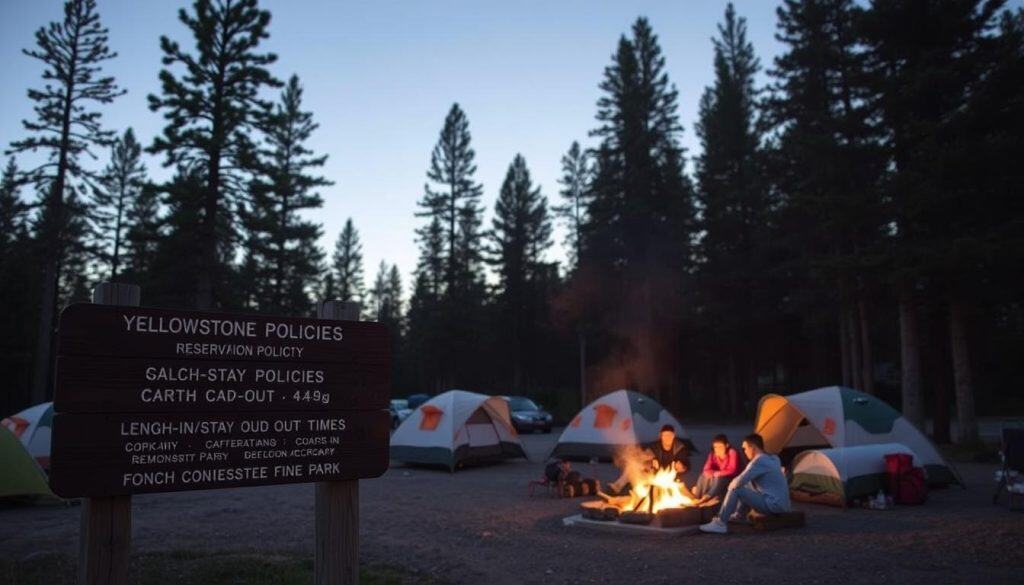
By understanding these policies, you can ensure a hassle-free camping experience at Yellowstone.
Conclusion: Planning Your Yellowstone Camping Budget
Yellowstone National Park offers an unparalleled camping experience, and with the right planning, you can enjoy it without breaking the bank. As you’ve gathered from the information provided, budgeting for a Yellowstone camping trip involves considering various expenses, including entrance fees, campsite costs, and additional expenditures like showers, laundry, and supplies.
For a typical 5-day camping trip, a family of four can expect to budget around $35 for entrance fees (or $80 for an annual pass if visiting multiple parks), $75-$425 for camping, $80-$100 for showers and laundry, and $250-$500 for food and supplies. Significant savings are possible through pass discounts, with Access Pass and Senior Pass holders saving 50% on campsite fees at most campgrounds.
Reservations are essential for summer visits, with Xanterra campgrounds bookable 13 months in advance. For those on a tight budget, consider camping just outside the park in national forests or nearby private campgrounds, which often offer lower rates while still providing reasonable access to Yellowstone National Park.
The shoulder seasons (May-early June and September-October) offer the best value, with lower rates, fewer crowds, and greater availability of campsites. For experienced campers, backcountry camping is a cost-effective option, requiring only a $5 per person per night permit fee plus a $25 reservation fee.
Ultimately, camping remains the most affordable way to experience Yellowstone, with options to fit nearly any budget. By planning and budgeting carefully, making reservations well in advance for summer visits, and considering the shoulder seasons, you can enjoy a memorable Yellowstone camping experience without overspending.
No matter which camping option you choose, the experience of staying within Yellowstone National Park, with its wildlife, geothermal features, and natural beauty right outside your tent or RV door, offers tremendous value that far exceeds the monetary cost.
FAQ
What are the entrance fees for Yellowstone National Park?
The entrance fee for a private vehicle is valid for seven days and varies depending on the type of vehicle and the time of year. You can check the National Park Service website for the most up-to-date pricing.
Can I make campground reservations in advance?
Yes, you can make reservations for campgrounds operated by Xanterra and some National Park Service campgrounds through the National Park Service or recreation.gov. It’s recommended to book early, as campsites fill up quickly.
What is the cost of camping at Yellowstone’s campgrounds?
The cost varies depending on the campground and type of campsite. Xanterra-operated campgrounds range from to per night, while National Park Service campgrounds range from to per night.
Are there any additional fees for amenities like showers and laundry?
Some campgrounds have shower and laundry facilities available for an extra fee. You can also expect to pay a fee for dump stations if you’re camping with an RV.
Can I stay at a Yellowstone campground for more than one night?
Yes, but there are maximum stay duration rules in place. The length of stay varies by campground, so be sure to check the specific rules for your campsite.
Is backcountry camping available in Yellowstone?
Yes, backcountry camping is available in Yellowstone with a permit. The cost of a backcountry permit is per person per night, with a maximum stay of 14 days.
Do I need to bring my own food and supplies?
While there are some food and supply options available within the park, it’s a good idea to bring your own supplies, especially if you have specific dietary needs or preferences.
Are there any discounts available for camping in Yellowstone?
Yes, holders of certain passes, such as the America the Beautiful annual pass, may be eligible for discounted or free camping fees. Be sure to check the National Park Service website for more information.