

Camping has become a surge in popularity in America, especially since the pandemic. As people look for affordable vacation alternatives, the great outdoors has become an attractive option.
I’ve found that camping can be budget-friendly, but understanding the various costs involved is crucial for planning a successful trip. The expenses can vary widely based on factors like location, season, and gear quality.
From basic tent camping to luxury RV experiences, the costs can add up quickly. This comprehensive guide will break down all the potential costs associated with camping around the US, from campsite fees to gear, food, transportation, and hidden expenses.
Key Takeaways
- Understand the various costs involved in camping to plan a budget-friendly trip.
- Learn how to save money on campsite fees, gear, and other expenses.
- Discover the different types of camping experiences and their associated costs.
- Get tips on how to plan an affordable camping adventure without sacrificing enjoyment.
- Find out how to make camping fit your budget and experience America’s natural beauty.
Understanding Campsite Costs Across the US
As you plan your camping trip, it’s essential to grasp the factors that affect campsite costs nationwide. The cost of camping can vary significantly based on several factors, including the type of campground, its location, and the time of year you choose to visit.
Private Campgrounds vs. Public Campgrounds
One of the primary factors influencing camping costs is whether you choose a private or public campground. Private campgrounds often offer more amenities, such as hookups, showers, and recreational facilities, which can increase the cost per night. In contrast, public campgrounds, typically managed by state or national park services, may offer more basic facilities at a lower rate. For instance, a private campground might charge $30 per night for a site with full hookups, while a public campground might charge $15 per night for a more basic site.
Comparison of Average Nightly Rates
| Campground Type | Average Cost Per Night |
|---|---|
| Private Campground | $30-$50 |
| Public Campground | $15-$30 |
Regional Price Variations
Camping prices also vary significantly across different regions of the US. Popular destinations like national parks in the West can command higher prices due to their natural beauty and high demand. For example, campgrounds in Yellowstone or Yosemite might charge premium rates during peak season. In contrast, less visited areas or those with fewer amenities may offer lower rates.
Seasonal Pricing Considerations
Seasonality plays a crucial role in determining camping rates. Peak season, typically during summer and holiday weekends, sees the highest prices. Conversely, the off-season, which includes late autumn through early spring, offers lower rates. Weather patterns also influence pricing; comfortable camping weather drives higher demand and costs. For example, campsites in areas with mild winters may remain popular year-round, while those in regions with harsh winters may see a significant drop in prices during the colder months.
By understanding these factors and planning accordingly, you can find the best rates for your camping trip. Whether you opt for off-season camping or look for public campgrounds, being informed can help you save money and enhance your overall camping experience.
Essential Camping Gear and Their Costs
When planning a camping trip, it’s crucial to consider the essential gear you’ll need. The right equipment can make a significant difference in your camping experience, ensuring comfort, safety, and enjoyment. As you prepare for your trip, understanding the various types of camping gear and their associated costs is vital.
Tents: Types and Price Ranges
Tents are a fundamental piece of camping equipment, providing shelter from the elements. The type and quality of a tent can significantly impact your camping experience. Tents come in various sizes, materials, and designs, catering to different needs and preferences.
Basic tents can start as low as $50, while more advanced models with additional features such as waterproofing, ventilation, and spacious interiors can range from $100 to $300 or more. When selecting a tent, consider factors such as the number of occupants, weather conditions, and the duration of your trip.
| Tent Type | Price Range | Description |
|---|---|---|
| Basic Tent | $50-$100 | Simple, lightweight, and compact. |
| Mid-Range Tent | $100-$200 | Offers better durability and weather resistance. |
| Luxury Tent | $200-$300+ | High-quality materials, spacious, and advanced features. |
Sleeping Equipment: Bags, Pads, and Air Mattresses
A good night’s sleep is essential for a enjoyable camping experience. Sleeping bags, pads, and air mattresses are crucial for comfort and warmth. Sleeping bags come in various temperature ratings and insulation types, with prices ranging from $20 to $100 or more.
Sleeping pads and air mattresses provide additional comfort and insulation from the ground. Their prices vary based on material, thickness, and brand, ranging from $10 to $50 for basic models and up to $100 or more for high-end options.
Cooking Supplies and Food Storage
Cooking supplies and food storage are vital components of camping gear. Portable stoves, cooking pots, and utensils are necessary for meal preparation. The cost of cooking supplies can vary widely, from basic sets starting at around $20 to comprehensive camping cookware sets costing $100 or more.
Food storage containers are essential for keeping your supplies fresh and protected from wildlife. These can range from simple, inexpensive containers to more advanced, bear-resistant models.
Lighting, First Aid, and Other Necessities
Lighting is a critical aspect of camping, with options ranging from basic flashlights to premium headlamps and lanterns. Headlamps and lanterns offer hands-free lighting and can be powered by batteries or solar panels. Prices vary from $15 for basic models to over $100 for advanced, high-lumen options.
First aid kits are another essential item for camping. Basic kits can start at around $15, while more comprehensive kits with a wider range of supplies can cost $50 to $100 or more. It’s also important to consider other necessities such as navigation tools, multi-tools, and personal hygiene supplies.
When preparing for a camping trip, make sure to prioritize your needs based on the type of camping you’ll be doing and the environment you’ll be in. By investing in the right gear, you can ensure a safe, enjoyable, and memorable camping experience.
How Much Does It Cost to Camp Around the US? Breaking Down the Numbers
When planning a camping trip in the US, understanding the costs involved is crucial. Camping can range from a budget-friendly adventure to a luxurious getaway, depending on your choices of accommodation, gear, and activities.
Budget Camping: Under $200 Total
For those on a tight budget, camping can be an affordable option. Budget camping involves opting for basic campsites, minimal gear, and self-prepared meals. You can expect to spend under $200 for a trip, covering basic tent camping needs.
Some cost-saving measures include choosing public campgrounds over private ones, selecting campsites with basic amenities, and preparing your own meals instead of dining out.
Mid-Range Camping: $200-$700
Mid-range camping offers a step up in comfort without breaking the bank. This category includes upgraded campsites with more amenities, better gear, and possibly some guided activities. The cost for a mid-range camping trip can fall between $200 and $700.
At this level, you might consider renting an RV or staying at campsites that offer more amenities like showers and electricity. Your gear might include higher-quality tents, sleeping bags, and cooking equipment.
Luxury Camping: $700+
Luxury camping, or “glamping,” is the epitome of outdoor comfort. For $700 or more, you can enjoy high-end camping experiences that include luxury RV rentals, high-quality gear, and exclusive activities.
Luxury Camping Options:
| Item | Description | Cost |
|---|---|---|
| RV Weekend Rental | Rent a large RV with all amenities | $600 (minimum 3 nights) |
| Campsite with RV Hookup | Stay at a fancy RV resort | $186 (2 nights) |
| Sheets, Bedding, and Pillows | Personal convenience kits | $100 per person |
| Campsite Cooking Supplies | Kitchen kit rental | $100 |
| Illumination | Goal Zero Lighthouse 400 lantern | $49.99 |
| Total | $1,692.93 |
Luxury camping experiences offer not just comfort but also unique activities and gourmet dining options. For instance, you can enjoy guided hikes, zip lining, or fine dining at gourmet restaurants within camp lodges.
The growing popularity of glamping has made luxury camping more accessible and appealing to a wider audience. Even at a high-end, camping can offer value compared to traditional luxury travel, providing a unique connection with nature.
Food and Meal Planning for Your Camping Trip
Before you head out on your camping trip, taking the time to plan your meals can make all the difference in your overall experience. Proper food and meal planning ensure that you have the energy to enjoy the great outdoors and create lasting memories.
When it comes to camping, food is not just about sustenance; it’s about enhancing your overall experience. Planning your meals in advance allows you to consider the type of meals that are both nourishing and easy to prepare in a campsite setting. You can opt for simple, one-pot dishes or more elaborate meals, depending on your group’s preferences and the length of your trip.
Budget-Friendly Meal Ideas
Camping on a budget doesn’t mean you have to sacrifice flavor or variety. There are plenty of budget-friendly meal ideas that are perfect for camping. Consider bringing ingredients for hearty stews, pasta dishes, or even simple sandwiches. You can also plan your meals around what’s in season and what’s on sale at your local grocery store.
Some other budget-friendly tips include:
- Planning your meals around staple ingredients to reduce waste and save money
- Preparing meals that can be cooked in one pot to minimize cooking supplies
- Using reusable containers and bags to reduce waste
Cooking Equipment Considerations
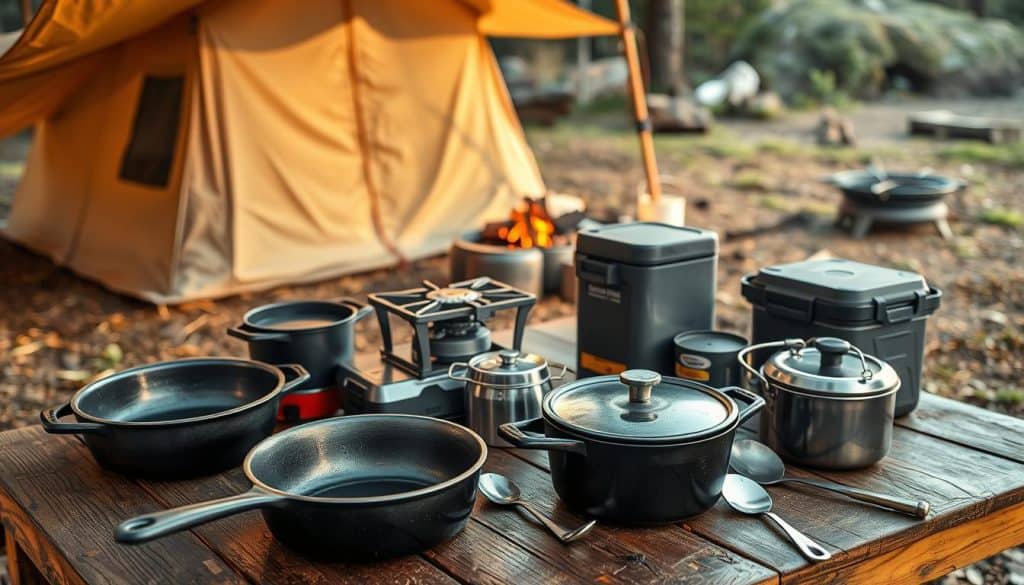
When it comes to cooking equipment, there are several factors to consider, including the type of stove you’ll need, the number of people you’re cooking for, and the type of meals you plan to prepare. A two-burner propane stove, like the Coleman Propane Stove, is a popular choice among campers, offering flexibility and reliability. Don’t forget to consider the costs associated with cooking equipment, as they can vary widely depending on quality and brand.
For example, a basic pot and pan set can cost around $50, while a high-quality cooler can be a worthwhile investment to keep your food fresh throughout your trip. When selecting cooking equipment, think about the time you’ll spend on meal preparation and the convenience it offers.
Transportation Costs for Camping Trips
Camping trips often involve significant travel, and the cost of transportation can vary widely depending on several factors. Whether you’re driving your own vehicle or renting an RV, understanding these costs is crucial for budgeting your trip effectively.
Gas and Vehicle Expenses
When driving your own car or truck to a campsite, gas is a significant expense. The cost will depend on the distance to your destination, the fuel efficiency of your vehicle, and current gas prices. For example, a trip to a national park might require a round-trip drive of 500 miles. If your vehicle gets 25 miles per gallon and gas costs $3.00 per gallon, you’ll need 20 gallons of gas, costing $60. Additionally, consider wear and tear on your vehicle, which can impact maintenance costs over time.
RV Rental Options and Costs
For a more luxurious camping experience, consider renting an RV. Options range from small camper vans to large Class A motorhomes.Choosing the right size RVcan significantly impact your rental cost. Here’s a comparison of typical RV rental costs:
| RV Type | Daily Rental Cost | Minimum Rental Period |
|---|---|---|
| Camper Van | $100-$150 | 3 days |
| Class C Motorhome | $200-$300 | 3 days |
| Class A Motorhome | $400-$600 | 3 days |
Beyond the base rental rate, additional expenses include insurance, mileage fees, generator usage, and cleaning fees. For instance, renting a large RV through Cruise America might cost around $600 for a minimum 3-night rental, not including these extra costs. When planning your trip, factor in these expenses to avoid surprises.
Hidden Expenses to Plan For
When planning a camping trip, it’s essential to consider not just the obvious costs but also the hidden expenses that can add up quickly. As you prepare for your adventure, being aware of these extra costs will help you budget more effectively and avoid any surprises.
Park Entrance Fees and Permits
One of the often-overlooked expenses when camping is the cost associated with park entrance fees and permits. Many national and state parks charge an entrance fee, which can range from a few dollars to $35 per vehicle per day, depending on the park’s popularity and location. For instance, some of the most visited national parks like Yellowstone or the Grand Canyon can charge higher fees. Additionally, some parks require special permits for activities such as backcountry camping or fishing. It’s crucial to research the specific fees and permit requirements for your destination to factor these costs into your budget.
Activity Costs and Entertainment
The cost of activities and entertainment can vary widely depending on your camping location. You can spend your day hiking, wading in water, or just hanging around the campfire at no additional cost. Many parks also offer free ranger-led hikes and naturalist programs, which are not only free but also a great way to learn about the local environment. However, if you’re looking for more adventurous activities like guided hikes, white water rafting, or zip lining, you can expect to pay. For example, Camelback Mountain Adventures Zip Lining costs $37 per person. To balance your budget, consider mixing free or low-cost activities with a few paid experiences. Look for group discounts, book in advance, or visit during the shoulder season to save on activity costs.

By being mindful of these hidden expenses and planning accordingly, you can enjoy a more stress-free and enjoyable camping experience.
Money-Saving Tips for Camping on a Budget
With a few simple strategies, you can have a fantastic camping trip without overspending. Camping on a budget requires some planning and flexibility, but the rewards are well worth the effort. By making a few smart choices, you can enjoy the great outdoors without breaking the bank.
Off-Season Camping Benefits
Camping during the off-season can be a cost-effective way to experience the outdoors. Many campsites offer discounts during the off-season, which typically includes the periods before and after the peak summer months. Not only can you save on campsite fees, but you’ll also encounter fewer crowds, making for a more peaceful and serene experience. For example, visiting popular destinations like Yellowstone or Yosemite during the shoulder season can significantly reduce your expenses.
Camping Passes and Discount Programs
Investing in a camping pass or taking advantage of discount programs can lead to significant savings, especially if you plan to camp frequently. The America the Beautiful annual pass, for instance, grants access to more than 2,000 recreation areas managed by the National Park Service and other federal agencies. Additionally, many state parks and private campgrounds offer their own annual passes or membership programs that can provide substantial discounts on camping fees.
| Camping Pass | Cost | Benefits |
|---|---|---|
| America the Beautiful Annual Pass | $80 | Access to over 2,000 recreation areas |
| State Park Annual Pass | $50-$100 | Discounts on state park camping fees |
Free Camping Opportunities
For those on a very tight budget, there are still options available. Dispersed camping on public lands managed by the Forest Service and Bureau of Land Management is often free, though it typically lacks amenities. Other free camping opportunities can be found in casino parking lots, certain Walmart locations, and fairgrounds, though it’s essential to inquire about permits and be aware of any limitations. Always practice Leave No Trace principles to minimize your impact on these areas.
By considering off-season camping, investing in camping passes, and exploring free camping opportunities, you can significantly reduce your camping expenses. Whether you’re a seasoned camper or just starting out, these tips can help you enjoy the great outdoors without overspending.
Conclusion
In conclusion, camping is an adventure that can be tailored to suit any budget. The cost of camping is influenced by factors such as campsite fees, gear, food, and transportation. Whether you’re planning an ultra-frugal trip under $200 or a luxury camping experience costing over $1,000, there’s a way to make it work. Initial investments in gear may seem significant, but camping becomes more economical over time. Start with the basics, and as you gain experience, you can build your setup. Proper planning is key to an enjoyable trip, making camping a rewarding experience that connects you with nature.
FAQ
What are the average costs per night for campsites in US national parks?
The average cost per night for campsites in US national parks ranges from to for basic sites, while backcountry or primitive sites may be cheaper or free.
Are there any additional fees associated with camping in state parks?
Yes, some state parks charge extra for amenities like water and electric hookups, while others may have fees for activities like hiking or fishing.
What’s the price difference between private and public campgrounds?
Private campgrounds often charge more, with prices ranging from to per night, while public campgrounds can be as low as to per night.
Can I save money by camping during the off-season?
Yes, many campsites offer discounts during the off-season, which can be a great way to save money on your camping trip.
What’s the cost of renting an RV for a camping trip?
RV rental costs vary depending on the size and type of vehicle, but you can expect to pay between to 0 per day.
Are there any free camping options available in the US?
Yes, some national forests and Bureau of Land Management (BLM) lands offer free camping, but be sure to follow the rules and regulations.
What’s the best way to budget for food and meals while camping?
Plan your meals in advance, consider meal prep, and bring a portable stove or camping grill to save money on food costs.
Can I save money by using a camping pass or discount program?
Yes, programs like the America the Beautiful annual pass can save you money on park entrance fees and camping costs.