
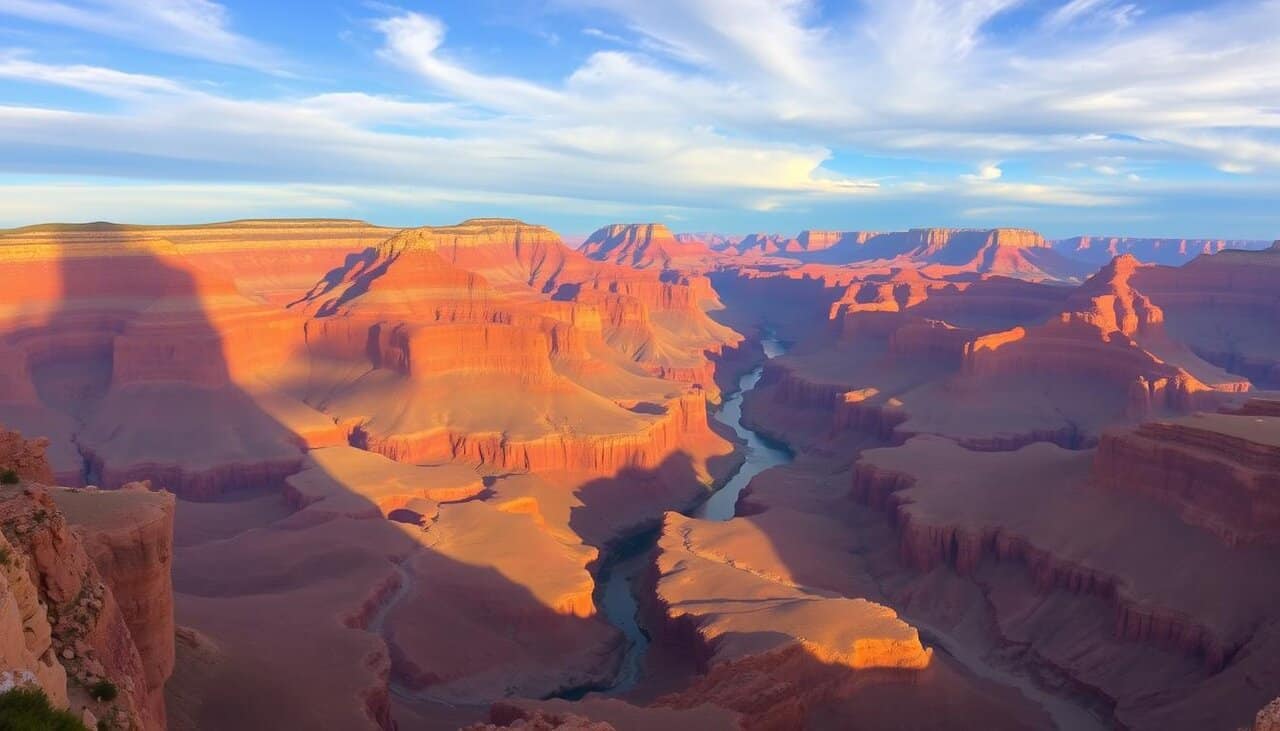
The Grand Canyon is one of the world’s most breathtaking natural wonders, attracting over 4 million visitors each year. Spanning 277 miles in length and 18 miles in width, it’s a massive spectacle that requires careful planning to fully appreciate.
As you plan your trip to this national park, you’ll want to ensure you allocate enough time to take in its majesty. The ideal length of stay depends on various factors, including your interests, physical abilities, and travel style.
This comprehensive guide will help you determine the perfect number of days for your visit, whether you’re looking for a quick adventure or a more leisurely experience.
Key Takeaways
- Plan your trip according to your interests and physical abilities.
- The Grand Canyon offers various itinerary options, including 1-day, 2-day, and 3-day trips.
- Staying longer allows for a more immersive and rewarding experience.
- The South Rim is a popular destination within the Grand Canyon.
- Visitors can enjoy a range of activities and experiences during their trip.
Planning Your Grand Canyon Adventure
As you prepare for your Grand Canyon adventure, it’s essential to understand the vastness of this natural wonder. The Grand Canyon is a massive area that offers a wide range of experiences, from hiking and camping to simply taking in the breathtaking views.
Understanding the Scale of the Grand Canyon
The Grand Canyon is enormous, measuring 277 miles long, up to 18 miles wide, and a mile deep. To put that into perspective, you could fit a city the size of San Francisco inside it. Understanding the scale helps you plan your visit, whether you’re looking to hike down into the canyon or simply enjoy the views from the rim.
Best Time of Year to Visit
The Grand Canyon is a year-round destination, but the experience varies significantly with the seasons. Spring (April-May) and fall (September-November) are ideal for hiking and exploring, with mild temperatures and fewer crowds. Summer can be extremely hot, especially below the rim, while winters offer a serene landscape but with limited services and potential road closures. If you’re planning to visit the North Rim, note that it’s only open from mid-May to mid-October due to heavy snowfall.
| Season | Weather | Activities |
|---|---|---|
| Spring (April-May) | Mild temperatures | Hiking, exploring |
| Summer (June-August) | Extremely hot | Limited hiking, scenic drives |
| Fall (September-November) | Mild temperatures | Hiking, exploring |
| Winter (December-March) | Cold, potential snow | Scenic drives, limited services |
How Many Days to See Grand Canyon?
As someone who’s spent considerable time exploring the Grand Canyon, I’m often asked about the ideal duration for a visit. The truth is, the amount of time you need depends on several factors, including your travel goals, physical abilities, and what you want to get out of yourGrand Canyon adventure.
Factors That Affect Your Trip Duration
When planning yourGrand Canyon itinerary, several factors come into play. First, consider how you’re traveling to the Grand Canyon. If you’ve come from a distant location, you’ll likely want to allocate moretimeto make the most of yourjourney. Additionally, think about your physical condition and what activities you want to do. Are you planning to hike down into the canyon or simply take in the views from the rim? Your answers will significantly impact how manydaysyou should plan for.
Recommended Minimum Stay
So, how many days should you plan for? Here’s a summary:
| Visitor Type | Recommended Days | Activities |
|---|---|---|
| First-time visitor | 2 days | Rim views, short hike |
| Comprehensive experience | 3 days | Sunrise/sunset viewing, longer hikes |
| Both South and North Rims | 4-5 days | Explore both rims, scenic drives |
| Adventure seeker | 2-3 days | Hike to canyon floor and back |
Whether you have 1, 2, or 3 days, you’ll have an amazingtimeat the Grand Canyon. If I had to suggest one thing, it’s to hike to Ooh Aah Point – it’s my favorite part. No matter how long you stay, the Grand Canyon’s majesty will likely leave you wanting to return for more. A good rule of thumb is: the further you’ve traveled to reach the Grand Canyon, the more days you should allocate to justify thejourney.
One-Day Grand Canyon Itinerary
Making the most of a one-day visit to the Grand Canyon involves prioritizing its most spectacular views and experiences. With a well-planned itinerary, you can enjoy the highlights of this natural wonder.
Morning: First Views and Visitor Center
Start your day early at the Grand Canyon Village, where you can begin with a visit to the Grand Canyon Visitor Center to get an overview of the park’s history, geology, and trails. From there, head to the nearby Mather Point or Yavapai Point for your first views of the canyon. These viewpoints are easily accessible and offer spectacular views.
Afternoon: Shuttle Tours and Viewpoints
In the afternoon, take the Grand Canyon Village Shuttle to various viewpoints along the Desert View Drive. Stop at Hopi Point and enjoy the panoramic views. As you travel along the rim, take time to enjoy the different perspectives of the canyon.
Evening: Sunset Viewing and Dining
For sunset, head to Hopi Point or Yavapai Point, arriving at least 30-45 minutes early to secure a good spot. As the sun sets, the canyon transforms into a kaleidoscope of colors, a sight that photographers and visitors alike cherish. “The Grand Canyon at sunset is a breathtaking spectacle,” as many visitors remark. After sunset, enjoy dinner at one of the many restaurants in Grand Canyon Village, such as El Tovar Dining Room or Bright Angel Restaurant. Be sure to make dinner reservations in advance, especially during peak season.
As the stars begin to appear, if you’re staying overnight, consider bringing a flashlight or headlamp, as it can get quite dark. For those heading back, be prepared for a potentially long drive, especially if you’re returning to Phoenix.
Two-Day Grand Canyon Itinerary
With just 48 hours, you can uncover the essence of the Grand Canyon by combining scenic views with immersive hiking trails. This itinerary is designed to give you a taste of the Grand Canyon’s vastness and beauty.
Day 1: South Rim Highlights
On your first day, start by exploring the South Rim’s most iconic viewpoints. Begin at the Grand Canyon Village, where you can visit the Grand Canyon Visitor Center to get an overview of the park. Take a shuttle tour along the Desert View Drive, stopping at viewpoints like Mather Point and Yavapai Point for panoramic views. As the day progresses, enjoy the sunset at Hopkins Ridge or Yavapai Point.
- Visit the Grand Canyon Visitor Center
- Take a shuttle tour along Desert View Drive
- Stop at Mather Point and Yavapai Point
- Enjoy sunset at Hopkins Ridge or Yavapai Point
Day 2: Sunrise Hike and Exploration
Day two begins early with a sunrise hike down into the canyon. You can choose between the South Kaibab Trail or the Bright Angel Trail. For a more panoramic view, I recommend hiking to Ooh Aah Point via the South Kaibab Trail. After your hike, refuel with a hearty brunch at the El Tovar Dining Room. The rest of the morning can be spent exploring more viewpoints or revisiting favorite spots before departing.
- Hike down into the canyon at sunrise
- Choose between South Kaibab Trail or Bright Angel Trail
- Refuel with brunch at El Tovar Dining Room
This two-day itinerary provides a balanced experience, allowing you to appreciate both the rim viewpoints and the depth of the Grand Canyon through hiking.
Three-Day Grand Canyon Itinerary
A three-day visit to the Grand Canyon allows you to uncover its many wonders at a comfortable pace. With this itinerary, you’ll experience the best of what the South Rim has to offer.
Day 1: Village and Viewpoints
Start your day at the Grand Canyon Village, where you can visit the Visitor Center to plan your trip. Take a leisurely walk along the Rim Trail, stopping at viewpoints like Mather Point and Yavapai Point to take in the breathtaking views.
As you explore the village, be sure to check out the Grand Canyon Railway and the El Tovar Hotel, iconic landmarks that add to the park’s charm.
Day 2: Hiking Adventures
On the second day, lace up your hiking boots and hit the trails. The Bright Angel Trail is a classic choice, offering spectacular views and a challenging hike. Alternatively, consider the South Kaibab Trail for a more strenuous workout and equally stunning vistas.
After your hike, relax at the Phantom Ranch or enjoy a picnic lunch at one of the many scenic spots along the rim.
Day 3: Desert View Drive
For your final day, embark on the Desert View Drive, a 25-mile scenic drive along the South Rim’s eastern section. Stop at viewpoints like Grandview Point, Moran Point, and Lipan Point to take in the diverse landscapes.
End your day at the Desert View Watchtower, designed by Mary Colter in 1932 to resemble an ancient Puebloan watchtower. Watch the sunset here for an unforgettable experience.
- Start early to experience sunrise from Desert View Watchtower.
- Enjoy a picnic lunch at one of the designated areas along Desert View Drive.
- Spend the afternoon exploring any missed areas or revisiting favorite spots.
Essential Hiking Trails at the Grand Canyon
For those looking to experience the Grand Canyon on foot, there are several essential hiking trails not to be missed. The Grand Canyon offers a diverse range of trails that cater to different skill levels and preferences.
As I reflect on my own experiences hiking at the Grand Canyon, I’m reminded of the importance of choosing the right trail for your abilities and interests. Here are some of the most popular and rewarding trails to consider:
Rim Trail: Perfect for Beginners
The Rim Trail is an ideal choice for those new to hiking or looking for a more leisurely experience. This trail runs along the South Rim and offers stunning views of the canyon without the need for strenuous descents. You can access the trail from various points, including the Grand Canyon Village, making it easy to customize your hike.
Bright Angel Trail: The Classic Experience
Bright Angel Trail is one of the most well-known trails at the Grand Canyon, and for good reason. It offers a challenging yet rewarding hike down into the canyon, with access to Phantom Ranch and the Colorado River. Be sure to bring plenty of water and plan for the return ascent.
South Kaibab Trail: Spectacular Views
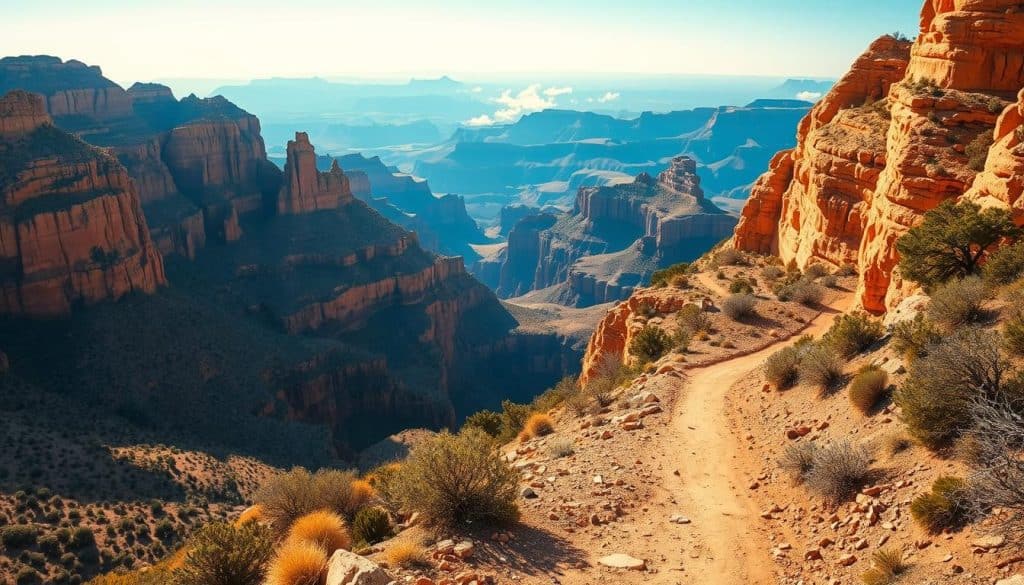
The South Kaibab Trail is known for its spectacular panoramic views of the Grand Canyon. Starting at Yaki Point, this trail follows an exposed ridgeline into the canyon, offering breathtaking vistas at every turn. Key landmarks include Ooh Aah Point, Cedar Ridge, and Skeleton Point. It’s ideal for sunrise hikes when temperatures are cooler and the light is dramatic.
As you plan your hike, keep in mind that the South Kaibab Trail has no water sources and little shade, making it challenging in hot weather. Experienced hikers and those visiting in cooler months will find this trail particularly rewarding.
Where to Stay During Your Grand Canyon Visit
Deciding where to stay during your Grand Canyon visit can be as breathtaking as the views themselves. Your accommodation choice can significantly impact your overall experience, whether you prioritize proximity to the park’s main attractions or look for more budget-friendly options.
Lodging Inside the Park
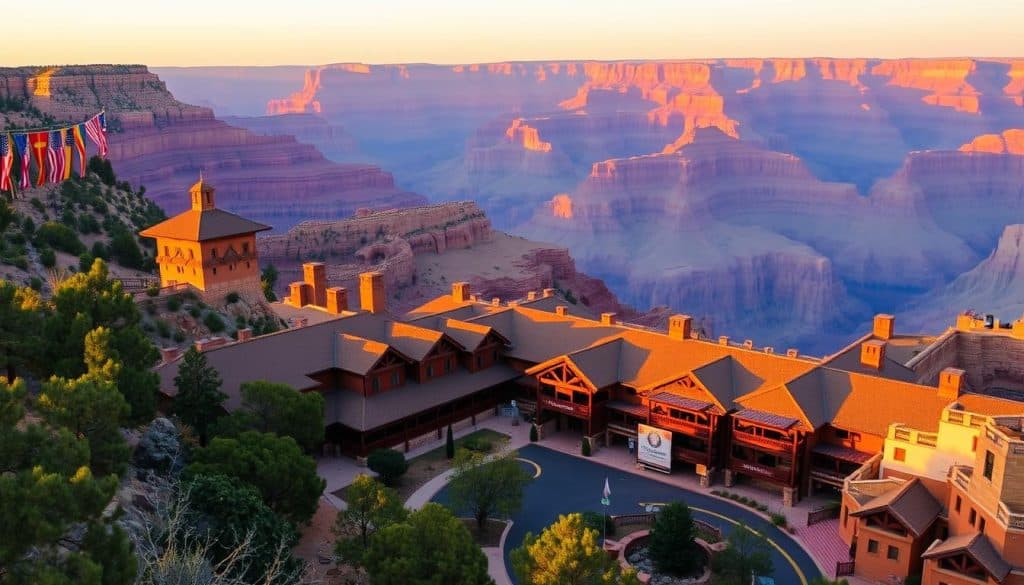
For those who want to be in the heart of the action, lodging inside the Grand Canyon park is an ideal choice. The park offers various accommodations to suit different budgets and preferences. Staying within the park saves time and provides an immersive experience.
Some popular options include historic lodges like El Tovar and Bright Angel Lodge, which offer comfortable rooms and easy access to the park’s main viewpoints and trails.
Nearby Towns and Accommodations
If lodging inside the park is not feasible, nearby towns like Tusayan, Williams, and Flagstaff offer a range of accommodations. Tusayan, being just 7 miles from the South Rim entrance, is a convenient option with numerous hotels and restaurants.
For example, you can stay at the Red Feather Lodge or Holiday Inn Express in Tusayan for a comfortable stay. Williams, known for its historic Route 66 charm, and Flagstaff, with its vibrant city life, are also great alternatives, offering a variety of lodging options and additional attractions to explore.
Dining Options at the Grand Canyon

Your Grand Canyon adventure isn’t complete without trying some of the park’s diverse dining options. As you explore the Grand Canyon, you’ll find a range of restaurants and picnic spots to enjoy.
Restaurants on the South Rim
The South Rim is home to a variety of restaurants, cafes, and trading posts. For lunch, grab a bite to eat at the Desert View Trading Post, serving up “Indian tacos,” hot dogs, and ice cream to enjoy at one of the outdoor picnic tables. You can also visit the Grand Canyon Village for more dining options.
Packing Food and Picnicking
Packing your own food for your Grand Canyon visit can be a cost-effective and flexible option. General stores in Grand Canyon Village and Desert View offer a range of food supplies. You can also picnic at designated areas along the South Rim, which offer tables, shade, and spectacular views.
When packing a canyon-friendly picnic, choose foods that won’t spoil in the heat, such as sandwiches, fruits, and energy bars. Don’t forget to store your food properly to prevent wildlife encounters. Consider special picnic spots for sunrise breakfast or sunset dinner experiences.
Transportation Tips for the Grand Canyon
One of the key aspects of enjoying your Grand Canyon visit is mastering the transportation within the park. As you plan your trip, understanding the various options available can make a significant difference in your overall experience.
Getting Around the Park
The Grand Canyon is a vast area, and navigating it requires some planning. To get around the South Rim, you can use the free shuttle service, which operates on three loops: Village Loop, Hermit Road Loop, and Desert View Loop. This service allows you to park your vehicle and enjoy the scenic views without the hassle of driving. I recommend arriving early, before 9 AM, during peak season to secure parking near the Visitor Center or in Grand Canyon Village.
Arriving early is crucial as the lines into the park can be 30-60 minutes or more if you visit late morning or in the afternoon. You can also consider parking in Tusayan and taking the Tusayan shuttle into the park during busy months.
Shuttle Services and Parking
The shuttle service is convenient, and once you’re parked, you won’t need to move your vehicle during your visit. For RVs and oversized vehicles, there are designated parking areas, but be aware of the restrictions. To avoid parking frustrations, consider entering through the East Entrance during peak times. In the winter, some parking lots may be affected by snow, so plan accordingly.
North Rim vs. South Rim: Which to Choose?
Choosing between the North Rim and South Rim of the Grand Canyon can be a challenging decision, as both offer unique experiences. The Grand Canyon is a vast park with two main areas to explore, each with its own charm and attractions.
South Rim Advantages
The South Rim is open year-round, making it a convenient choice for visitors who plan their trip regardless of the season. It’s also more accessible, with a wider range of amenities and services available. If you’re looking for a classic Grand Canyon experience with plenty of viewpoints and trails, the South Rim is an excellent choice. During the spring and fall, the South Rim is particularly appealing due to its moderate temperatures and smaller crowds.
North Rim Highlights
The North Rim, on the other hand, offers a more secluded and peaceful experience. It’s slightly higher in elevation, resulting in a cooler climate compared to the South Rim. This makes it an attractive option for summer visitors seeking to escape the intense heat. The North Rim is typically open from mid-May to mid-October, so plan your visit accordingly. If you’re a return visitor or seeking a less commercialized experience, the North Rim is worth considering.
When to Visit Each Rim
The time of year significantly impacts your Grand Canyon experience. For those visiting in the summer, the North Rim’s cooler temperatures can be a welcome respite. In contrast, spring and fall are ideal times for the South Rim, with comfortable temperatures and fewer visitors. Winter transforms the South Rim into a magical landscape, with the possibility of snow dusting the canyon and far fewer tourists. 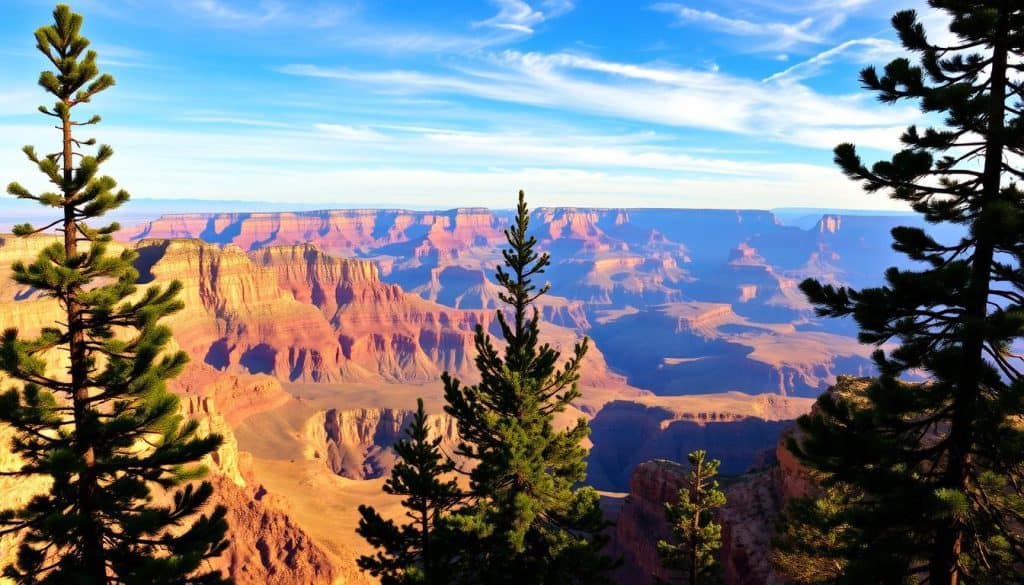
Ultimately, your choice between the North Rim and South Rim depends on your preferences and the time of year you plan to visit. Both rims offer breathtaking views of one of the world’s most spectacular natural wonders, the Grand Canyon.
Conclusion: Making the Most of Your Grand Canyon Experience
Whether you’re spending one day or three at the Grand Canyon, the experience is sure to leave a lasting impression. The key is to plan your trip according to your interests and the time you have available.
While one day allows you to see the highlights, two to three days provides a much more fulfilling adventure in this natural wonder of the world. No matter how long you stay, the Grand Canyon’s majesty will likely leave you wanting to return.
To make the most of your visit, prioritize sunrise and sunset viewing, and don’t be afraid to step away from crowded viewpoints to find moments of solitude. Advance planning is crucial, especially for accommodations and popular activities within the park. Consider returning in a different season to experience the canyon in new ways.
Ultimately, the Grand Canyon offers a journey that provides perspective and awe, regardless of how many days you spend there.
FAQ
What’s the best way to plan a trip to the Grand Canyon?
Start by deciding which rim to visit, then book your lodging and make a rough itinerary that includes hiking trails, viewpoints, and shuttle services.
Are there any guided tours available at the Grand Canyon?
Yes, there are various guided tours available, including hiking tours, shuttle tours, and Desert View Drive tours.
What’s the most scenic drive around the Grand Canyon?
The Desert View Drive is a must-do, offering stunning views of the canyon from various viewpoints, including Mather Point and Desert View.
Can I hike down to the bottom of the Grand Canyon?
Yes, trails like Bright Angel Trail and South Kaibab Trail allow you to hike down to the bottom, but be sure to plan ahead and prepare for the challenge.
What’s the best time of day to watch the sunset at the Grand Canyon?
The best time to watch the sunset is just before the sun dips below the horizon, and popular spots include Mather Point and Yavapai Point.
Are there any amenities available inside the Grand Canyon National Park?
Yes, the Grand Canyon Village offers various amenities, including lodging, dining, and visitor centers.
Can I use my own vehicle to get around the Grand Canyon?
While you can use your own vehicle, the park also offers a convenient shuttle service that can help you navigate the park’s scenic drives and trails.
Is it better to visit the North Rim or South Rim of the Grand Canyon?
The South Rim is more accessible and offers more amenities, while the North Rim is less crowded and offers a more secluded experience.