
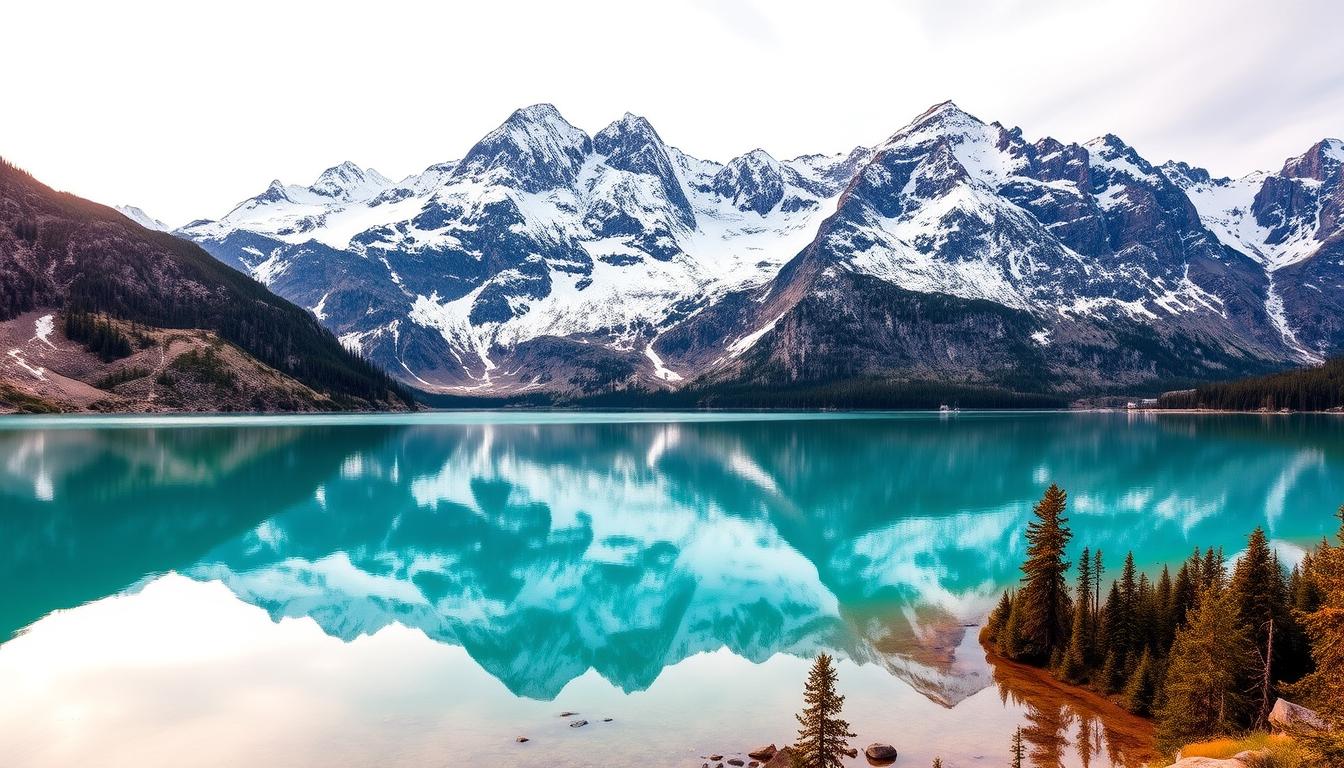
Glacier National Park, affectionately known as the “Crown of the Continent,” is a breathtaking destination that attracts millions of visitors each year. With its stunning alpine scenery, over 700 lakes, and numerous glaciers, it’s a paradise for nature lovers and adventure seekers alike.
But how much time do you need to truly experience its beauty? The answer depends on several factors, including your travel style, interests, and the time of year you visit. While driving the famous Going-to-the-Sun Road in one day is possible, most visitors find that 3-5 days provides a more satisfying experience.
Key Takeaways
- Glacier National Park offers breathtaking alpine scenery and diverse wildlife.
- The ideal visit duration depends on your travel style and interests.
- 3-5 days is recommended for a more satisfying experience.
- The park features over 700 lakes and numerous glaciers.
- Going-to-the-Sun Road is a must-drive scenic route.
- Seasonal limitations affect park accessibility.
Discovering the Crown of the Continent
Glacier National Park, known as the ‘Crown of the Continent,’ is a breathtaking destination that offers a unique blend of natural beauty and ecological significance. As one of the most visited national parks in the USA, it attracts millions of visitors each year.
What Makes Glacier National Park Special
Glacier National Park is special due to its spectacular mountain scenery, pristine wilderness, and ecological significance. It serves as the headwaters for streams flowing to the Pacific Ocean, Gulf of Mexico, and Hudson Bay, making it a crucial part of the continent’s ecosystem. The park preserves over 1 million acres of diverse landscapes, including forests, alpine meadows, lakes, and rugged peaks.
The park’s unique features include its geological diversity, with some of the oldest and best-preserved sedimentary rocks on Earth, dating back over a billion years. Established in 1910, Glacier National Park is a testament to conservation efforts and preserves a landscape shaped by ancient glaciers.
Geography and Location Overview
Located in northern Montana on the border with Canada, Glacier National Park is strategically positioned, making it somewhat remote but rewarding visitors with fewer crowds. The park’s proximity to Canada led to the creation of the world’s first International Peace Park in 1932, when it was joined with Waterton Lakes National Park to form the Waterton-Glacier International Peace Park.
| Park Feature | Description | Significance |
|---|---|---|
| Mountain Scenery | Spectacular mountain vistas | Ecological and aesthetic value |
| Ecosystem | Diverse landscapes including forests and lakes | Supports a wide range of biodiversity |
| Geological Features | Ancient sedimentary rocks | Provides insights into Earth’s history |
Understanding the geography and significance of Glacier National Park enhances appreciation for this natural treasure and helps visitors recognize the importance of preserving adequate time to explore it.
Best Time to Visit Glacier National Park
Glacier National Park is a year-round destination, but the experience varies greatly depending on the season. Understanding the park’s seasonal characteristics can help you plan a more enjoyable trip.
Summer Season
Summer, from late June through early September, is the prime time to visit Glacier National Park. During this period, the iconic Going-to-the-Sun Road is fully open, and all park facilities and services are operational. You can enjoy warm daytime temperatures, typically in the 70s and 80s°F, although evenings can still be cool.
Shoulder Seasons
The shoulder seasons, which include late May/early June and late September/early October, offer fewer crowds and unique experiences like spring wildflowers or fall colors. However, these periods come with the risk of unexpected weather changes and limited services. If you’re looking for a more serene experience, these seasons are worth considering.
Winter Considerations
Winter transforms Glacier National Park into a quiet, snow-covered wilderness from November through April. While most park roads and facilities are closed, visitors who are self-sufficient can enjoy cross-country skiing and snowshoeing. Temperatures are often below freezing, and heavy snowfall is common, so it’s essential to be prepared.
When planning your trip to Glacier National Park, consider what activities you want to do and when. Whether you’re interested in hiking high alpine trails in the summer, enjoying fall colors in September, or seeking solitude in the shoulder seasons, aligning your visit with your priorities is crucial.
- Summer offers warm weather and access to high-country trails, but it’s the peak tourist season.
- Shoulder seasons provide a more peaceful experience with unique landscapes.
- Winter is ideal for those who enjoy snow sports and are prepared for the challenges.
Understanding Glacier National Park’s Main Regions
As you plan your trip to Glacier National Park, understanding its diverse regions is crucial for making the most of your visit. The park is divided into several distinct areas, each offering unique landscapes and experiences.
Going-to-the-Sun Road is the park’s main artery, a 50-mile engineering marvel that crosses the Continental Divide at Logan Pass (6,646 feet). This scenic highway connects the west and east sides of the park, taking visitors through diverse ecosystems from cedar forests to alpine tundra. You can explore many of the park’s most famous viewpoints and trailheads along this road, such as Avalanche Lake and Hidden Lake.
Going-to-the-Sun Road
This region is the most popular and crowded section of Glacier National Park. The drive is jaw-dropping and leads to some of the most popular sights, including the Highline Trail and Logan Pass. If you’re looking for a more serene experience, consider visiting early in the morning or later in the evening.
Many Glacier Area
Located on the east side of the park, Many Glacier is often called the “Switzerland of North America” for its dramatic mountain scenery and abundant wildlife. This area is considered the heart of the park for serious hikers, with trails leading to destinations like Grinnell Glacier, Iceberg Lake, and Cracker Lake. You can access Many Glacier by taking the scenic highway or by hiking through the park’s numerous trails.
Two Medicine and North Fork
Two Medicine, on the park’s southeast side, provides a quieter alternative to the busier regions, with stunning lakes and mountain views. The North Fork area is the park’s most remote and undeveloped region, accessible via rough roads and offering pristine lakes like Bowman and Kintla. If you’re looking for a true wilderness experience, consider visiting these areas.
Lake McDonald Valley
Lake McDonald Valley, just inside the West Entrance, features the park’s largest lake (10 miles long) and historic Lake McDonald Lodge. This area serves as a popular base for exploring the western side of Glacier National Park. You can enjoy various activities like boating, fishing, or simply taking in the breathtaking views.
| Region | Main Attractions | Activities |
|---|---|---|
| Going-to-the-Sun Road | Logan Pass, Avalanche Lake, Hidden Lake | Hiking, sightseeing |
| Many Glacier | Grinnell Glacier, Iceberg Lake, Cracker Lake | Hiking, wildlife viewing |
| Two Medicine and North Fork | Two Medicine Lake, Bowman Lake, Kintla Lake | Hiking, boating, fishing |
| Lake McDonald Valley | Lake McDonald, Lake McDonald Lodge | Boating, fishing, sightseeing |
Understanding these distinct regions helps visitors plan how many days they’ll need, as each area deserves at least a half-day to full day of exploration to appreciate its unique character and attractions. For more information on planning your visit, check out the best time to visit Montana’s national.
Essential Planning Information for Your Visit
As you prepare for your adventure in Glacier National Park, there are key details to consider to make the most of your trip. Understanding the logistical elements will help you navigate the park more efficiently.
Vehicle Reservations and Entry Passes
In 2025, vehicle reservations are required for certain areas of Glacier National Park, including Going-to-the-Sun Road and North Fork, between June 13 and September 28. These reservations are necessary from 7 am to 3 pm daily and can be made on Recreation.gov for a $2 processing fee.
It’s crucial to plan ahead as reservations are limited and released in two batches: 120 days in advance and at 7 pm the day before your visit.
Park Regulations and Restrictions
Due to the narrow and winding nature of Going-to-the-Sun Road, there are specific vehicle restrictions. Vehicles longer than 21 feet or wider than 8 feet (including mirrors) are prohibited between Avalanche Creek and Rising Sun. Additionally, vehicles over 10 feet high may face difficulties driving west from Logan Pass to the Loop due to rock overhangs.
Transportation Options Within the Park
To alleviate parking challenges and congestion, Glacier National Park offers a free shuttle service along Going-to-the-Sun Road during the summer months. This service operates between Apgar Village (West Glacier) and St. Mary Visitor Center, helping visitors access popular trailheads and viewpoints.
Another option is the Red Bus Tours, which provide guided experiences along the park roads using vintage 1930s buses. These tours should be booked in advance to ensure availability.
Understanding these planning essentials will significantly impact how efficiently you can explore different areas of Glacier National Park, making your trip more enjoyable and stress-free.
Top Attractions and Must-See Sights
As you plan your trip to Glacier National Park, you’ll want to prioritize its top attractions and must-see sights. With so much to offer, from scenic drives to hiking trails and pristine lakes, Glacier National Park is a destination that promises an unforgettable experience.
Scenic Drives and Viewpoints
The crown jewel of Glacier National Park‘s scenic drives is Going-to-the-Sun Road, a 50-mile engineering marvel that crosses the Continental Divide at Logan Pass. Key viewpoints along this road include the Jackson Glacier Overlook, Wild Goose Island Overlook on St. Mary Lake, and the sweeping vistas from the Loop and Big Bend. These viewpoints offer breathtaking views that showcase the park’s natural beauty.
Most Popular Hiking Trails
Hiking is the best way to truly experience Glacier National Park‘s wilderness. Popular trails range from accessible walks like Hidden Lake Overlook (2.7 miles round-trip from Logan Pass) to challenging adventures like the Highline Trail (11.8 miles one-way). The Avalanche Lake trail (4.5 miles round-trip) is another favorite, leading to a stunning alpine lake surrounded by waterfalls. Whether you’re looking for an easy hike or a more challenging trail, Glacier National Park has something for everyone.
Lakes and Waterfalls
Glacier National Park‘s lakes provide both scenic beauty and recreational opportunities. Boat tours are available on Lake McDonald, St. Mary Lake, Two Medicine Lake, and Swiftcurrent Lake in the Many Glacier area. Waterfalls dot the landscape throughout the park, with highlights including St. Mary Falls and Virginia Falls, accessible via a moderate 3.6-mile round-trip hike. Visitors can enjoy the serene atmosphere and picturesque surroundings of these natural wonders.
| Attraction | Description | Location |
|---|---|---|
| Going-to-the-Sun Road | 50-mile scenic drive crossing the Continental Divide | Through the heart of Glacier National Park |
| Hidden Lake Overlook | 2.7-mile round-trip hike to a scenic lake | Logan Pass, Glacier National Park |
| Lake McDonald | Largest lake in the park, offering boat tours | Lake McDonald Valley, national park |
How Many Days Does It Take to Get Through Glacier National Park?
If you’re wondering how many days it takes to get through Glacier National Park, the answer depends on several factors, including your interests and physical abilities. As you plan your trip to this stunning national park, you’ll want to consider what you want to see and do.
Minimum Time Needed
At a minimum, you should plan to spend at least one full day driving the Going-to-the-Sun Road, visiting Logan Pass, and hiking one or two short trails like Hidden Lake Overlook. However, this rushed experience barely scratches the surface of what Glacier National Park has to offer.
For a more immersive experience, consider spending two to three days in the park. This allows you to explore multiple regions, including Many Glacier and Two Medicine, and take on more challenging hikes like the Highline Trail.
Ideal Visit Duration
The ideal visit duration for most first-time visitors is 3-5 days. This timeframe provides enough time to explore the park’s diverse regions, experience several hiking trails of varying difficulty, and build in flexibility for weather changes or unexpected wildlife encounters.
- With three days, you can comfortably experience Going-to-the-Sun Road, Many Glacier, and either Two Medicine or the North Fork areas without feeling excessively rushed.
- A five-day visit represents the sweet spot for many travelers, providing enough time to explore all major regions of the park, undertake several signature hikes, and still have downtime to enjoy scenic boat tours or simply relax by Lake McDonald.
Factors That Affect Your Timeframe
Several factors can impact your visit duration, including your hiking ambitions, weather conditions, and whether you’re traveling during peak season. Serious hikers could spend weeks exploring the 700+ miles of trails in Glacier National Park.
Additionally, your accommodation location can significantly impact your efficiency. Staying in multiple locations, such as West Glacier and Many Glacier, can reduce driving time compared to making day trips from a single base outside the park.
By considering these factors and planning accordingly, you can make the most of your trip to Glacier National Park and create unforgettable memories.
One-Day Itinerary: Making the Most of Limited Time
With just 24 hours to explore Glacier National Park, you’ll need to prioritize, and this one-day itinerary is designed to help you do just that.
Morning: Logan Pass and Hidden Lake
Start your day early, ideally by 6:30 AM, to maximize your time and secure parking at popular locations like Logan Pass. Drive to Logan Pass Visitor Center, the highest point on Going-to-the-Sun Road at 6,646 feet, where you can learn about the park’s ecosystems. From there, hike the Hidden Lake Overlook trail, a 2.7-mile round-trip journey offering spectacular alpine scenery and frequent wildlife sightings.
Afternoon: Going-to-the-Sun Road Highlights
After exploring Logan Pass, head east to the St. Mary Falls trailhead for a relatively easy 1.7-mile round-trip hike to see one of the park’s most accessible waterfalls. Continue your journey across Going-to-the-Sun Road, making strategic stops at pullouts like Jackson Glacier Overlook and Big Bend. On the west side of the park, allocate time for the Trail of the Cedars/Avalanche Lake trail, a scenic path through an ancient cedar forest.
Evening: Lake McDonald Area
As evening approaches, make your way to Lake McDonald, the park’s largest lake, where you can enjoy dinner at Lake McDonald Lodge or simply watch the sunset along the shore.
This one-day itinerary covers approximately 50 miles of driving along Going-to-the-Sun Road with 5-7 miles of hiking, providing a taste of Glacier’s diversity. While it’s an ambitious plan, it showcases why most visitors find that one day is simply not enough to fully appreciate Glacier National Park.
Two-Day Itinerary: East and West Glacier Highlights
Exploring Glacier National Park in just two days is a challenge, but with a well-planned itinerary, you can experience the best of both its east and west sides. With this suggested two-day plan, you’ll get to enjoy the park’s diverse landscapes and attractions.
Day 1: West Glacier Exploration
Start your day with a hike through the Trail of the Cedars and then on up to Avalanche Lake. The trail is about 4.5 miles round-trip, following Avalanche Creek through an old-growth cedar forest to a stunning alpine lake. After lunch, continue exploring the west side with the Johns Lake Loop, an easy 2-mile trail with great views of McDonald Creek. End your day with sunset views over Lake McDonald, ideally from Apgar Village.
Day 2: East Glacier Adventures
Begin your second day with an early drive to Logan Pass to hike the Hidden Lake Overlook trail, a 2.7-mile round-trip for spectacular alpine views. After exploring Logan Pass, continue east to the St. Mary area to hike to St. Mary and Virginia Falls, a 3.6-mile round-trip moderate trail showcasing two of the park’s most beautiful waterfalls. If time permits, consider a detour to the Many Glacier area to experience one of the park’s most scenic regions.
By following this two-day itinerary, you’ll cover approximately 10-12 miles of hiking across several trails, experiencing some of Glacier National Park’s best scenery without needing advanced hiking abilities. While two days provides a good introduction, most visitors wish for more time to explore areas like Many Glacier and Two Medicine more thoroughly.
Three-Day Itinerary: Adding Many Glacier
Spending three days in Glacier National Park is a game-changer, allowing you to venture off the beaten path and discover some of the park’s most spectacular landscapes. This itinerary builds upon the previous two-day plan, adding the breathtaking Many Glacier area to your visit.
Day 1: West Glacier Highlights
Your first day focuses on West Glacier highlights. Start with the Trail of the Cedars, a leisurely walk through ancient cedar and hemlock trees, followed by the Avalanche Lake hike (4.5 miles round-trip), a moderately challenging trail that rewards you with stunning views of turquoise-colored Avalanche Lake. Spend the rest of the day exploring Lake McDonald, perhaps taking a boat tour or enjoying the historic Lake McDonald Lodge.
Day 2: East Glacier and Logan Pass
On the second day, drive along Going-to-the-Sun Road to Logan Pass, starting early to secure parking. Hike the Hidden Lake Overlook trail (2.7 miles round-trip) or the more challenging Highline Trail (7.6 miles one-way to the Loop with shuttle return). Continue to the east side, stopping at viewpoints like Jackson Glacier Overlook and Sun Point, and hike to St. Mary and Virginia Falls (3.6 miles round-trip).
Day 3: Many Glacier Area
Dedicate your third day to the Many Glacier area, known for its spectacular mountain scenery and abundant wildlife. Choose from iconic hikes like Grinnell Glacier (7.6 miles round-trip), Iceberg Lake (9.7 miles round-trip), or Swiftcurrent Pass Trail (7.6 miles round-trip to Swiftcurrent Lookout). Alternatively, take boat tours on Swiftcurrent and Josephine Lakes to enjoy the dramatic landscape with less hiking.
| Day | Location | Activities |
|---|---|---|
| 1 | West Glacier | Trail of the Cedars, Avalanche Lake hike, Lake McDonald exploration |
| 2 | East Glacier and Logan Pass | Going-to-the-Sun Road, Logan Pass hike, Jackson Glacier Overlook, St. Mary and Virginia Falls hike |
| 3 | Many Glacier | Grinnell Glacier hike, Iceberg Lake hike, Swiftcurrent Pass Trail hike, boat tours on Swiftcurrent and Josephine Lakes |
Four-Day Itinerary: Including Two Medicine
With four days at your disposal, you can discover the hidden gems of Glacier National Park, including the stunning Two Medicine area. This additional day allows you to experience all of the park’s main regions without feeling excessively rushed, providing a more relaxed pace to your trip.
Days 1-3: Following the Three-Day Itinerary
The first three days of your trip follow the previously outlined three-day itinerary, covering West Glacier, Going-to-the-Sun Road/Logan Pass, and the Many Glacier area. This foundation provides a solid introduction to the park’s diverse landscapes and attractions. You’ll have the opportunity to hike challenging trails like the Highline Trail or Grinnell Glacier, or simply enjoy the scenic views along Going-to-the-Sun Road.
Day 4: Two Medicine Lake Area
On your fourth day, focus on the Two Medicine area, located in the southeast corner of Glacier National Park. Begin your exploration at the historic Two Medicine Store, built in 1914, which offers boat tours on Two Medicine Lake and insights into the area’s rich Native American cultural significance. Hike the Scenic Point Trail for panoramic views, or opt for less strenuous hikes like to Upper Two Medicine Lake or Twin Falls.
| Trail Name | Distance (Round-Trip) | Notable Features |
|---|---|---|
| Scenic Point Trail | 7.9 miles | Panoramic views of Two Medicine Valley |
| Upper Two Medicine Lake | 4.8 miles | Serene lake surrounded by mountains |
| Twin Falls | 3 miles (from boat dock) | Scenic waterfall accessible by boat and short hike |
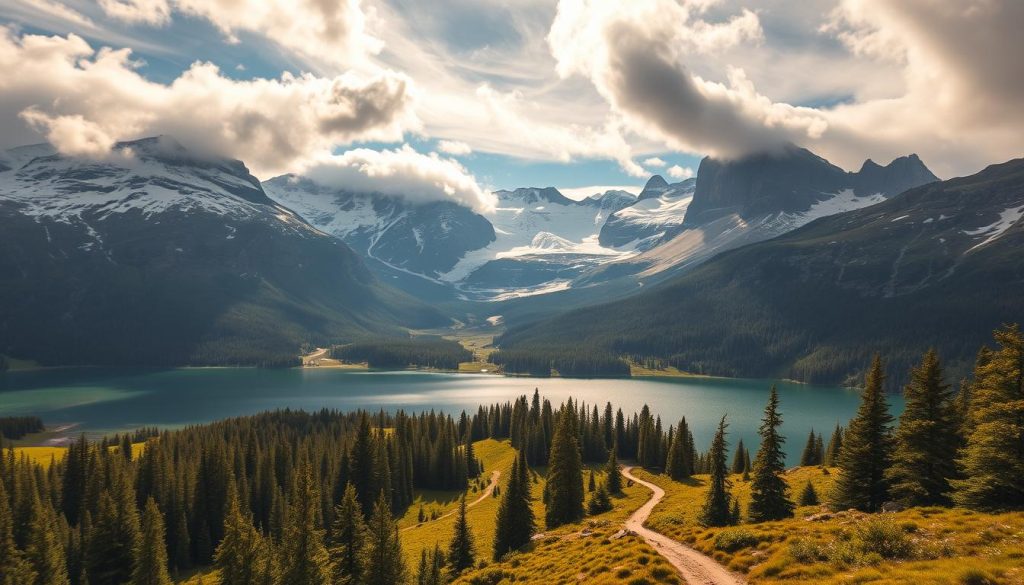
By splitting your accommodations between the west and east sides of the park, you can reduce driving time and experience the different characters of each region. This four-day itinerary provides a comprehensive Glacier National Park experience, balancing iconic highlights with less-visited gems.
Five-Day Itinerary: The Complete Glacier Experience
To truly experience Glacier National Park, consider a five-day itinerary. This duration allows you to explore all major regions of the park, undertake signature hikes, and enjoy scenic boat tours or simply relax by Lake McDonald.
Additional Activities to Include
With a five-day trip, you can follow the previously outlined four-day itinerary but at a more relaxed pace. This extra day provides flexibility to accommodate weather changes, common in Glacier’s mountain environment. Consider adding a guided activity on your fifth day, such as a Red Bus Tour along Going-to-the-Sun Road, or a guided boat tour on one of Glacier National Park’s pristine lakes.
You can also include some of the park’s longer and more rewarding hikes, such as Siyeh Pass or Pitamakan-Dawson Loop in Two Medicine. Exploring the North Fork area on your fifth day is another option, offering solitude and pristine lakes like Bowman and Kintla.
Exploring Nearby Areas
With five days, you can venture beyond Glacier National Park boundaries to visit nearby attractions. Consider visiting Waterton Lakes National Park in Canada, the charming town of Whitefish with its mountain resort, or the Flathead Valley’s orchards and farm stands. This five-day trip allows you to experience Glacier National at different times of day, including early mornings and evenings when alpenglow illuminates the mountain peaks.
Where to Stay In and Around Glacier National Park
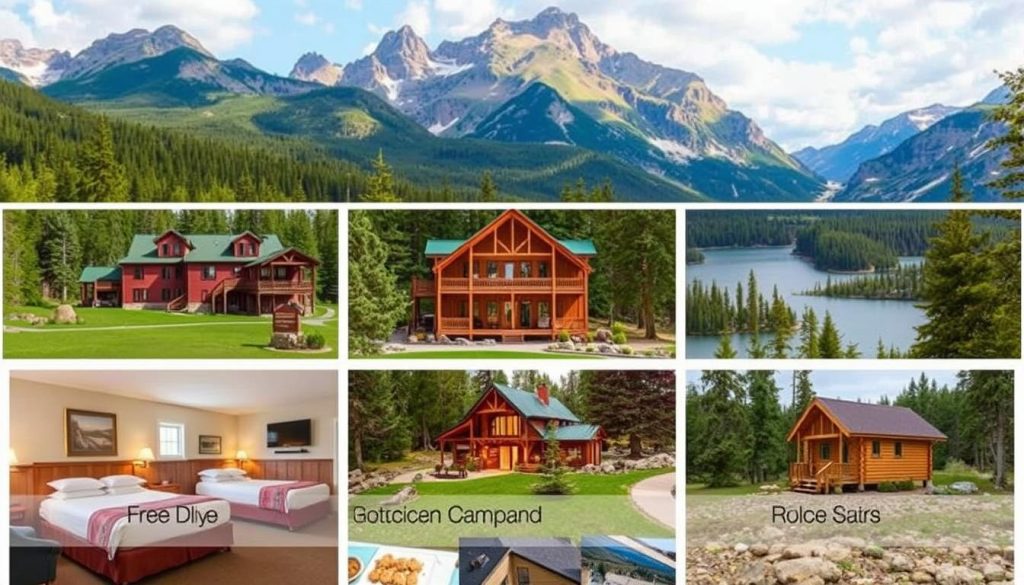
The choice of where to stay during your visit to Glacier National Park can significantly impact your overall experience. Your accommodation choice affects not only your convenience but also your immersion in the park’s natural beauty.
Lodging inside Glacier National Park is limited and extremely popular, requiring reservations 6-12 months in advance. However, it offers the significant advantage of minimizing driving time and being immersed in the park’s natural beauty day and night. If you can secure a reservation, Lake McDonald Lodge is a top choice on the western side, while St. Mary Lodge is ideal on the eastern side.
Lodging Inside the Park
The historic lodges within the park include Lake McDonald Lodge on the west side, a Swiss chalet-style hotel built in 1913, and Many Glacier Hotel on the east side, the largest hotel in the park, built in 1914-15 by the Great Northern Railway. For a unique experience, consider the Granite Park or Sperry Chalets, backcountry lodges accessible only by hiking several miles on foot.
Nearby Towns and Accommodations
Gateway communities surrounding the park offer a wider range of accommodations and typically more availability. West Glacier, East Glacier Park Village, and St. Mary provide convenient access to different regions of the park. The town of Whitefish, located about 30 minutes from the West Entrance, offers the most extensive selection of lodging, dining, and shopping options.
Camping Options
Glacier National Park offers 13 campgrounds, with five accepting reservations that fill months in advance. Popular campgrounds include Apgar, Many Glacier, and St. Mary, offering basic amenities like restrooms and potable water. Camping provides an economical option for visitors, though it’s essential to plan ahead, especially during peak season.
Wildlife Safety and Bear Awareness
As you plan your trip to Glacier National Park, understanding wildlife safety is key to a memorable experience. Glacier National Park is renowned for its diverse and abundant wildlife, including bears, mountain lions, and moose. Being aware of and prepared for encounters with these animals is crucial for a safe and enjoyable visit.
Bear Safety Tips
Glacier National Park is home to both black bears and grizzly bears. To stay safe, it’s essential to know how to prevent encounters and react during an encounter. Always carry bear spray and keep it accessible. Make noise while hiking by talking, clapping, or calling out “Hey bear!” to alert bears of your presence. Hike in groups when possible, as bears are less likely to approach larger parties.
- Be cautious in areas with berry patches, animal carcasses, or fresh bear signs.
- Keep a clean campsite and store food, toiletries, and scented items properly.
Other Wildlife Considerations
Beyond bears, Glacier National Park is home to other wildlife such as mountain lions, wolves, moose, and bighorn sheep. Keep a safe distance from these animals: at least 100 yards for predators and 25 yards for other wildlife. Be particularly cautious with moose, as they can be aggressive, especially during certain times of the year.
By understanding and respecting wildlife safety protocols, you can enjoy your trip to Glacier National Park with confidence, whether you’re visiting for a day or an extended stay.
Weather Considerations and What to Pack
Visiting Glacier National Park requires preparation for unpredictable weather conditions. Having spent time exploring this beautiful park, I’ve learned that the weather can change rapidly, and being prepared is key to enjoying your trip.
The park’s location on the border of Canada and its high elevation mean that temperatures can be quite cold, even during the summer months. For instance, during our July visit, we experienced days when my kids had to wear their winter down jackets, and we even encountered snow at Logan Pass.
Summer Packing Essentials
When packing for Glacier National Park, it’s crucial to include clothing that can be layered. This should include moisture-wicking base layers, insulating mid-layers like fleece or down, and a waterproof/windproof outer shell. This “three-layer system” allows you to adjust your clothing according to the changing conditions throughout the day.
Essential Items to Pack:
- Warm hat, gloves, and a packable down jacket for colder mornings and evenings
- Sunscreen with a minimum SPF of 30, sunglasses with UV protection, and a wide-brimmed hat for sun protection
- Sturdy hiking boots with ankle support and good traction for hiking trails
- Water shoes for lake activities or stream crossings
Preparing for Changing Weather
Weather conditions in Glacier National Park can change rapidly, with significant temperature drops after sunset. Even in summer, it’s not uncommon to experience snow at higher elevations. Therefore, it’s wise to build flexibility into your itinerary, especially if you’re visiting for a shorter period.
| Weather Condition | Recommended Action |
|---|---|
| Rapid Temperature Change | Pack layers for easy adjustment |
| Rain or Snow | Bring waterproof gear and check forecasts |
| High UV Exposure | Use sunscreen, sunglasses, and a hat |
Hiking and Outdoor Gear
A daypack with essentials is a must for all hikes. This should include at least 2 liters of water per person for longer hikes, high-energy snacks, a first aid kit, map, headlamp, and bear spray. Given the limited cell service within the park, it’s also a good idea to download offline maps and trail descriptions before you arrive.
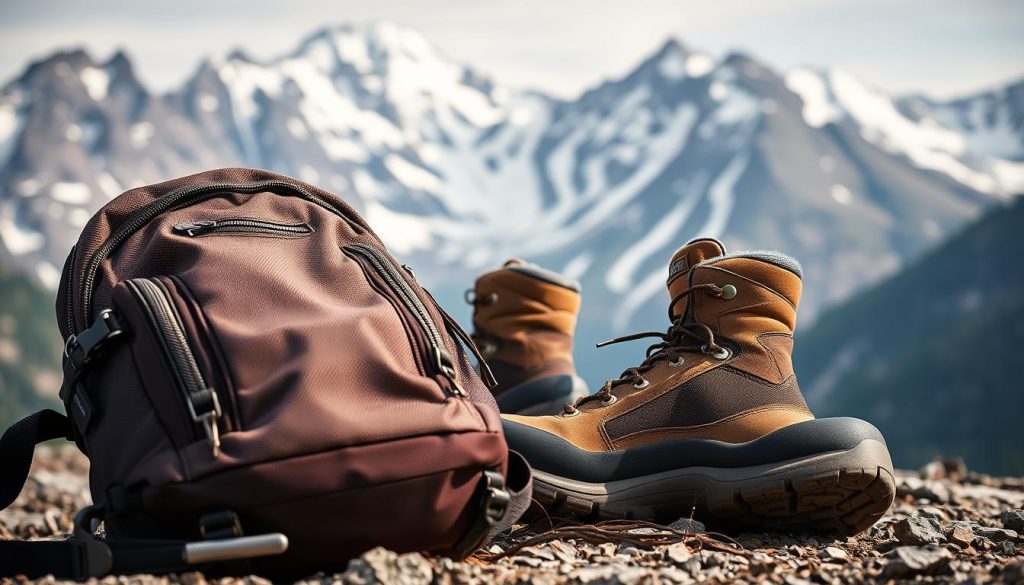
By being prepared for the variable weather conditions and having the right gear, you can ensure a safe and enjoyable trip to Glacier National Park.
Conclusion: Making Your Glacier National Park Visit Unforgettable
Glacier National Park, known as the “Crown of the Continent,” offers an unforgettable experience for those who venture into its majestic wilderness. The park’s breathtaking landscapes, diverse wildlife, and rich cultural heritage make it a destination that beckons travelers from far and wide.
Determining how many days to spend in Glacier National Park depends on your personal interests, physical abilities, and travel constraints. However, the universal advice is to allocate as much time as possible to explore the park’s main regions, including West Glacier/Lake McDonald, Going-to-the-Sun Road/Logan Pass, and Many Glacier.
For first-time visitors, a minimum of three full days provides a reasonable introduction, though you’ll likely leave with a list of things to see on your next visit. Ideally, 4-5 days allows for a more comprehensive experience, including the less-visited Two Medicine area and some of the park’s signature hikes.
When planning your trip to Glacier National Park, consider the seasonal timing, as the full park is only accessible from late June through mid-September. Advance planning is essential, particularly for securing accommodations and vehicle reservations.
Whatever time you choose, prioritize experiences based on your interests to make the most of your visit. Glacier National Park creates profound connections with visitors, often inspiring return trips to explore areas you couldn’t fit into your first visit.
In the end, no matter how many days you spend in this national park, the experience will leave you with memories that last a lifetime and a deeper appreciation for America’s wild places.
FAQ
What’s the best way to explore Glacier National Park?
The best way to explore Glacier National Park is by driving the Going-to-the-Sun Road, hiking its many trails, and taking a boat tour on Lake McDonald or St. Mary Lake.
How long does it take to drive the Going-to-the-Sun Road?
The drive typically takes around 2 hours without stops, but you should plan for at least a full day to enjoy the scenic viewpoints and hiking trails along the way.
What are the most popular hiking trails in Glacier National Park?
Some of the most popular hikes include the Highline Trail, Hidden Lake Overlook, and trails around the Many Glacier area.
Can I visit Glacier National Park in one day?
While it’s possible to visit Glacier National Park in one day, I recommend spending at least 2-3 days to fully experience its beauty and attractions.
What’s the best time to visit Glacier National Park?
The best time to visit is during the summer months (June-September) when the weather is warm and the roads are open.
Are there any entrance fees or reservations required for Glacier National Park?
Yes, there are entrance fees and vehicle reservations required during peak season, so be sure to plan ahead and check the park’s website for details.
Can I camp inside Glacier National Park?
Yes, there are several camping options available inside the park, including lodges and backcountry sites.
What should I pack for a trip to Glacier National Park?
Be sure to pack layers, hiking boots, and bear spray, as well as sunscreen and insect repellent, to be prepared for the park’s unpredictable weather and wildlife.