
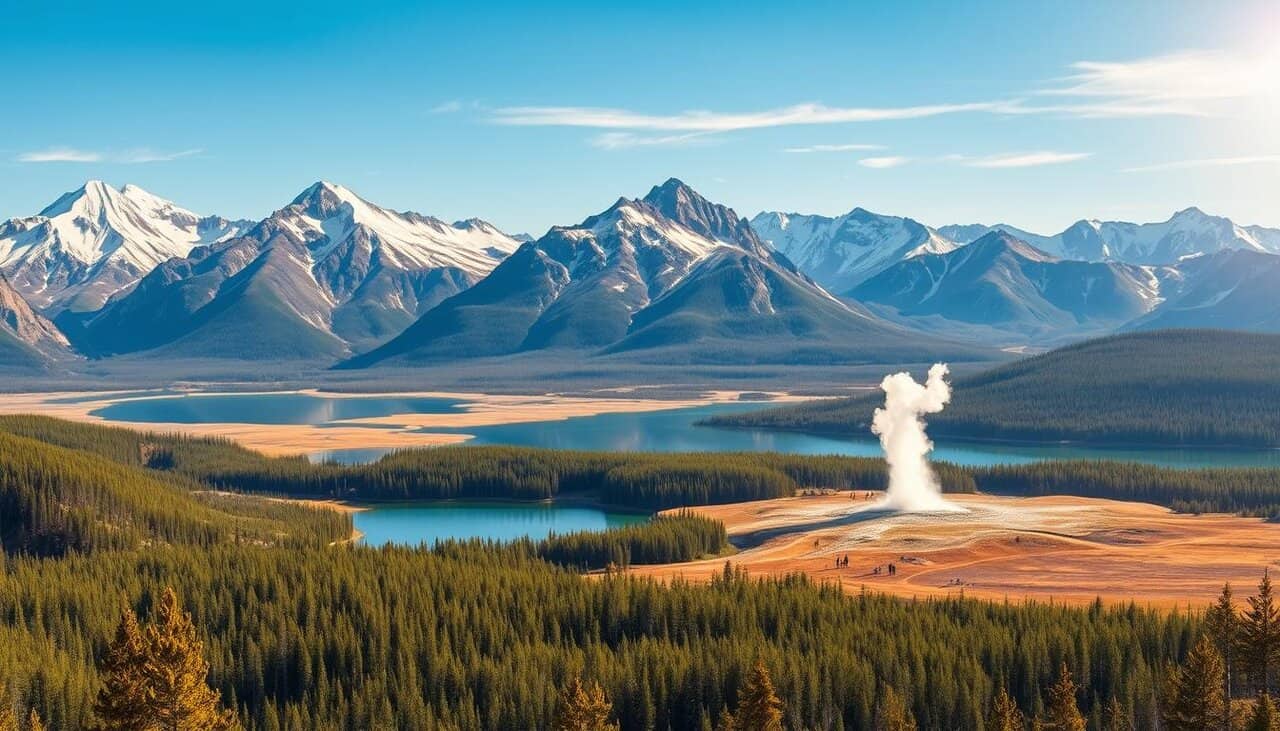
Imagine standing at the edge of the Grand Prismatic Spring, watching the vibrant colors dance across the water, or witnessing a majestic bison roam freely through a lush valley. Yellowstone National Park is a nature lover’s paradise, but with over two million acres of land to explore, determining the right amount of time for your visit can be a challenge.
As America’s first national park, Yellowstone boasts an incredible array of geothermal features, diverse wildlife, and breathtaking landscapes. With five park entrances and numerous geyser basins to visit, you can easily spend days discovering its wonders.
While most visitors spend 3-4 days in the park, the ideal duration for your trip depends on your interests and travel style. In this guide, we’ll help you make the most of your time in Yellowstone.
Key Takeaways
- Yellowstone National Park is massive, with over 2 million acres to explore.
- The ideal duration for a visit depends on individual interests and travel styles.
- Most visitors spend 3-4 days in the park.
- With careful planning, you can experience the main highlights in just a day or two.
- This guide provides detailed itineraries for stays ranging from one to five days.
Understanding Yellowstone’s Size and Layout
Yellowstone National Park is vast, covering over 2.2 million acres, making it essential to grasp its layout before planning your visit. To put that into perspective, it’s larger than the state of Delaware and almost as big as Connecticut. With so much ground to cover, understanding the park’s road system and entrance points is crucial for making the most of your trip.
The Figure-Eight Road System
The road network within Yellowstone forms a distinctive figure-eight pattern, primarily due to the Grand Loop Road, a 142-mile scenic drive that connects most of the park’s major attractions. This loop is bisected by Norris Canyon Road, creating the figure-eight shape that makes navigation relatively straightforward. The Grand Loop is divided into two main sections: the Upper Loop (northern section) and the Lower Loop (southern section). The majority of sights you will visit are located on Grand Loop Road, making it the backbone of your Yellowstone adventure.
As you plan your trip, it’s helpful to know that the Grand Loop Road is generally open year-round, although some sections may close due to weather conditions. The figure-eight design allows visitors to easily access various parts of the park, but it’s still important to plan your route in advance to maximize your time.
Five Park Entrances and Their Access Points
Yellowstone has five entrances: North, Northeast, East, South, and West. Each entrance provides access to different areas of the park and is located near various gateway towns. Understanding which entrance to use can significantly impact your journey, as it affects both driving time and the attractions you can visit.
The West Entrance is one of the most popular, as it’s near the town of West Yellowstone, Montana. This entrance provides direct access to the Madison Information Station and is a great starting point for exploring the park’s western areas.
The South Entrance, located near Jackson, Wyoming, is another key entry point, especially for those visiting Grand Teton National Park as well. This entrance leads directly to the Grant Village area and is ideal for exploring the southern parts of Yellowstone.
The other entrances – North, Northeast, and East – offer access to different sections of the park and are often used by visitors coming from various directions. For example, the North Entrance near Gardiner, Montana, is a good option for those coming from the north, while the East Entrance near Cody, Wyoming, is ideal for those driving from the east.
When choosing your entrance, consider your itinerary and starting location to minimize driving time and maximize your sightseeing opportunities. By understanding the layout of Yellowstone and its road system, you can create a more efficient and enjoyable trip.
Must-See Attractions in Yellowstone
From geothermal features to wildlife viewing areas, Yellowstone offers a diverse range of experiences that are not to be missed. As you plan your visit, it’s crucial to prioritize the attractions that will make your trip truly unforgettable.
Yellowstone is renowned for its geothermal features, which are a testament to the park’s volcanic nature. Old Faithful, a iconic geyser, is a must-see, erupting regularly throughout the day. The Upper Geyser Basin, where Old Faithful is located, is home to numerous other geysers and hot springs, making it a fascinating area to explore. Another highlight is the Grand Prismatic Spring, the largest hot spring in the United States, known for its vibrant colors created by the presence of microorganisms and minerals.
Geothermal Features
The geothermal features in Yellowstone are not limited to Old Faithful and the Grand Prismatic Spring. The Norris Geyser Basin is another area of interest, featuring a variety of geysers and hot springs. Mammoth Hot Springs is also worth visiting, with its complex of hot springs and travertine formations.
As Yellowstone National Park states, “The park’s geothermal features are a reminder of the underlying volcanic forces that shaped the region.”
Wildlife Viewing Areas
Yellowstone is a wildlife enthusiast’s paradise, with abundant opportunities to see a wide range of animals in their natural habitats. The Lamar Valley and Hayden Valley are particularly known for their wildlife viewing opportunities, with frequent sightings of bison, elk, wolves, and bears.
“The wildlife spottings in Yellowstone are incredible, and every day offers a different experience.” This is a testament to the park’s rich biodiversity and the importance of preserving these natural habitats.
Scenic Landscapes and Viewpoints
The Grand Canyon of the Yellowstone is one of the park’s most spectacular scenic attractions, with its dramatic waterfalls and colorful canyon walls. The best viewpoints are located on both the North and South Rims, offering breathtaking views of this natural wonder.
Other scenic landscapes and viewpoints include Yellowstone Lake, the largest high-altitude lake in North America, and the panoramic mountain vistas available from various points throughout the park.
How Many Days Do You Need for Yellowstone?
The amount of time you need to explore Yellowstone National Park depends on several factors, including your interests and travel style. When planning your trip, it’s essential to consider what you want to see and experience within the park.
Yellowstone is vast, covering over 3,468 square miles, making it one of the largest national parks in the United States. Given its size, you’ll likely spend a significant amount of time driving between attractions. For instance, driving from Old Faithful to the Grand Canyon of the Yellowstone River can take around an hour, and that’s just one of many trips you’ll make during your visit.
Minimum Recommended Stay
For first-time visitors, I recommend a minimum of three full days to see the top sights in Yellowstone. This duration allows you to visit major highlights without feeling too rushed. However, keep in mind that you’ll potentially spend several hours each day driving from one sight to another.
Additionally, you should factor in extra time for wildlife sightings, animal traffic jams, and possibly circling parking lots during peak hours. These unexpected delays can significantly impact your schedule, so it’s crucial to be flexible with your plans.
Ideal Length for a Complete Experience
If you want to thoroughly explore Yellowstone and enjoy a more relaxed pace, I suggest spending at least four to five days in the park. This extended stay provides ample time to visit the main attractions without feeling rushed and allows you to explore beyond the popular spots.
With four to five days, you can also accommodate unexpected wildlife encounters or changes in weather, which can impact your itinerary. Moreover, having extra time enables you to take advantage of the park’s less-visited areas, such as hiking trails or scenic viewpoints that are often overlooked by visitors with tighter schedules.
Factors such as the season of your visit, whether you’re traveling with children, and your interest in hiking can also affect how many days you should allocate for your trip. For example, visiting during peak season (June to August) means dealing with larger crowds and potentially longer wait times at popular attractions.
- Spend at least three full days to see Yellowstone’s major highlights.
- Consider four to five days for a more complete and relaxed experience.
- Factor in time for driving between attractions and potential delays.
- Be prepared for variable weather conditions and wildlife encounters.
One-Day Yellowstone Itinerary
Visiting Yellowstone in just one day is a challenge, but with a well-planned itinerary, you can experience the park’s most breathtaking attractions. If you’re on a road trip through the USA, chances are you’re stopping by Yellowstone, possibly on your way to or from Grand Teton National Park.
Morning: Old Faithful and Upper Geyser Basin
Start your day early, around 7 am, with a drive from Jackson or Grand Teton National Park to Yellowstone. By 9:30 am, you’ll be at Old Faithful and the Upper Geyser Basin. Spend about two hours exploring this area. To make the most of your visit, check the eruption schedule for Old Faithful and plan your time accordingly. While waiting for the eruption, explore the surrounding geysers and hot springs. The Upper Geyser Basin is home to numerous geothermal features, including Grand Geyser and Riverside Geyser.
Afternoon: Grand Prismatic Spring and Grand Canyon of Yellowstone
After enjoying the geysers, head to the Grand Prismatic Spring around 12:30 pm. Take in the breathtaking view from the Grand Prismatic Spring Overlook. The vibrant colors of the spring are a result of the presence of microorganisms and the reflection of light. In the late afternoon, around 4:00 pm, visit Hayden Valley, known for its abundant wildlife, including bison, elk, and possibly bears or wolves. Dusk is an ideal time for wildlife viewing, so keep your camera ready.
By 5:30 pm, make your way to the Grand Canyon of the Yellowstone. If time allows, viewing both sides of the canyon is worthwhile, offering stunning vistas of the Yellowstone River below.
- Start early to maximize your day.
- Pack food to avoid waiting in restaurant lines.
- Prioritize must-see attractions over less significant stops.
While one day is not ideal for exploring Yellowstone, this itinerary provides a good balance of the park’s most iconic attractions. Enjoy your visit!
Two-Day Yellowstone Itinerary
With a two-day itinerary, you can discover the highlights of Yellowstone at a more leisurely pace. This allows you to truly appreciate the park’s diverse landscapes and geothermal features without feeling rushed.
Southern Loop Highlights
On Day 1, start your morning at Old Faithful and explore the Upper Geyser Basin. Watch the geyser eruption from the boardwalk and take your time walking through the basin and Geyser Hill. As you wander, you’ll be surrounded by the sights and sounds of nature.
Midday, head to the Grand Prismatic Spring and Midway Geyser Basin. Consider adding a hike to Fairy Falls for a more immersive experience. The afternoon is perfect for visiting more geyser basins in the area, such as Biscuit Basin, the Fountain Paint Pot Trail, and Black Sand Basin.
- Explore the Upper Geyser Basin and Geyser Hill
- Visit Grand Prismatic Spring and Midway Geyser Basin
- Hike to Fairy Falls for a unique perspective
- Discover more geyser basins in the area
Canyon and Lake Areas
On Day 2, begin your morning by visiting West Thumb Geyser Basin and driving through Hayden Valley to see the herds of bison. The morning or midday is ideal for exploring the Grand Canyon of the Yellowstone, where you can visit both sides of the rim.
In the afternoon, head to Norris Geyser Basin, which consists of two basins: Back Basin and Porcelain Basin. This thermal area is a must-see, with its unique features and diverse geothermal activity.
For your overnight stay, consider accommodations both inside and outside the park to minimize driving time between Day 1 and Day 2 attractions. This will help you make the most of your two-day itinerary.
Three-Day Yellowstone Itinerary
If you’re planning to visit Yellowstone, three days is the minimum recommended stay to experience its diversity without feeling rushed. This duration allows you to explore the park’s main attractions and get a glimpse into its natural wonders.
Day 1: Old Faithful and Geyser Basins
Start your day at Old Faithful and the Upper Geyser Basin. Take time to watch the iconic geyser erupt and explore the surrounding area. In the midday, head to the Grand Prismatic Spring and Midway Geyser Basin. You can also hike to Fairy Falls for a more immersive experience.
In the afternoon, visit other geyser basins near Old Faithful, such as Black Sand Basin, Biscuit Basin, and take a stroll along the Fountain Paint Pot Trail. These areas are rich in geothermal features and offer a unique insight into Yellowstone’s volcanic activity.
Day 2: Grand Canyon and Hayden Valley
Begin Day 2 by visiting the Grand Canyon of the Yellowstone. The views are breathtaking, and it’s a great spot for photography. Next, drive through Dunraven Pass, where you can hike to the top of Mt. Washburn for panoramic views of the park.
In the afternoon, drive through Hayden Valley, known for its abundant wildlife. Keep an eye out for grizzly bears, wolves, and elk. This is a great opportunity to experience the park’s diverse fauna.
Day 3: Mammoth Hot Springs and Lamar Valley
On your final day, start at the Norris Geyser Basin, another area with impressive geothermal features. Then, head to Mammoth Hot Springs, where you can explore the travertine formations. Have lunch in Mammoth or Gardiner.
In the evening, visit Lamar Valley at dusk, often referred to as “America’s Serengeti” due to its rich wildlife. This is an excellent time to spot animals like wolves and bears.
To make the most of your trip, consider staying in accommodations that minimize driving time between attractions. A split stay between different areas of the park can be an efficient way to maximize your time.
| Day | Morning | Midday | Afternoon | Evening |
|---|---|---|---|---|
| 1 | Old Faithful and Upper Geyser Basin | Grand Prismatic Spring and Midway Geyser Basin | Black Sand Basin, Biscuit Basin, and Fountain Paint Pot Trail | – |
| 2 | Grand Canyon of the Yellowstone | Drive Dunraven Pass and hike Mt. Washburn | Hayden Valley wildlife viewing | – |
| 3 | Norris Geyser Basin | Mammoth Hot Springs | – | Lamar Valley at dusk |
Four to Five-Day Yellowstone Itinerary
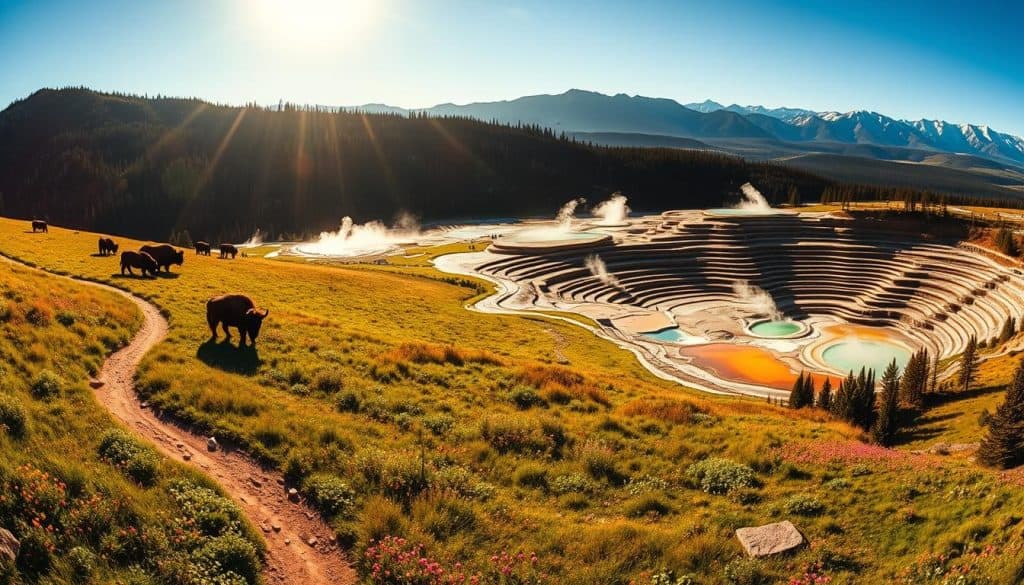
With 4 to 5 days at your disposal, you can truly immerse yourself in the wonders of Yellowstone National Park. This duration allows you to explore beyond the main attractions and enjoy the park at a leisurely pace.
For the first three days, you can follow a similar itinerary to the one outlined in the previous section, covering all the core attractions but with more time to soak in the experiences. This means spending more time at Old Faithful, exploring the Grand Prismatic Spring, and enjoying the wildlife viewing in Lamar Valley.
Core Attractions
Days 1 through 3 should focus on the park’s most iconic sites, including:
- Morning: Old Faithful and Upper Geyser Basin
- Afternoon: Exploring Black Sand Basin or Biscuit Basin, and then visiting the Grand Prismatic Spring Overlook
- Day 2: Early morning wildlife viewing in Hayden Valley, followed by the Grand Canyon of the Yellowstone, and ending with West Thumb Geyser Basin
- Day 3: Hiking the Mount Washburn Trail, visiting Tower Fall, and wildlife watching in Lamar Valley
Hiking and Less-Visited Areas
On Day 4, consider exploring some of the park’s less-visited areas and engaging in hiking activities. You can:
- Visit Norris Geyser Basin in the morning
- Explore Mammoth Hot Springs in the early afternoon
- Stop by Roosevelt Arch and relax at Boiling River Hot Springs in the late afternoon
Scenic Drives and Wildlife Experiences
Day 5 is perfect for taking in the scenic beauty of Yellowstone. You can either drive the Beartooth Highway, often called America’s most beautiful drive, or hike the Beaver Ponds Loop Trail. This day is also ideal for dedicated wildlife photography and viewing.
To make the most of your longer stay, consider revisiting your favorite locations at different times of day, participating in ranger programs, and building in flexibility for weather changes or unexpected wildlife sightings.
By following this itinerary, you’ll be able to experience the full breadth of what Yellowstone National Park has to offer, from its geothermal features to its abundant wildlife, and create memories that will last a lifetime.
Where to Stay During Your Yellowstone Visit
To make the most of your Yellowstone adventure, it’s essential to select accommodations strategically. Yellowstone National Park is vast, covering over 3,468 square miles, making the choice of where to stay a critical decision for minimizing travel time and maximizing sightseeing opportunities.
Lodging Inside Yellowstone
Yellowstone offers various lodging options inside the park, ranging from historic hotels to modern cabins and campgrounds. Inside the park, you can choose from iconic hotels like the Old Faithful Inn and Lake Yellowstone Hotel. For a more rustic experience, consider the cabins available at Canyon Lodge or the comfort of Mammoth Hot Springs Hotel & Cabins.
Some popular options inside the park include:
- Canyon Village: Canyon Lodge & Cabins or Canyon Campground
- Mammoth Hot Springs: Mammoth Hot Springs Hotel & Cabins or Mammoth Campground
Advantages of Staying Inside the Park
Staying inside Yellowstone has its advantages. You’re closer to the main attractions, and you can enjoy early morning and late evening access to popular spots when the crowds are smaller. For instance, staying near Old Faithful allows you to watch the geyser erupt without the large crowds that arrive later.
Nearby Towns and Their Lodging Options
If staying inside the park isn’t your preference, the nearby towns offer a range of accommodations. Towns like West Yellowstone and Gardiner provide easy access to the park’s west and north entrances, respectively. West Yellowstone offers a variety of hotels, such as the Kelly Inn, while Gardiner is home to options like the Roosevelt Hotel.
Other nearby towns with lodging options include:
- Cooke City
- Cody
- Jackson
Practical Advice on Booking Your Stay
Booking your accommodations well in advance is crucial, especially during peak season. For in-park lodging, it’s recommended to make reservations 12 or more months in advance. If your preferred lodging is unavailable, consider alternative options or staying in nearby towns.
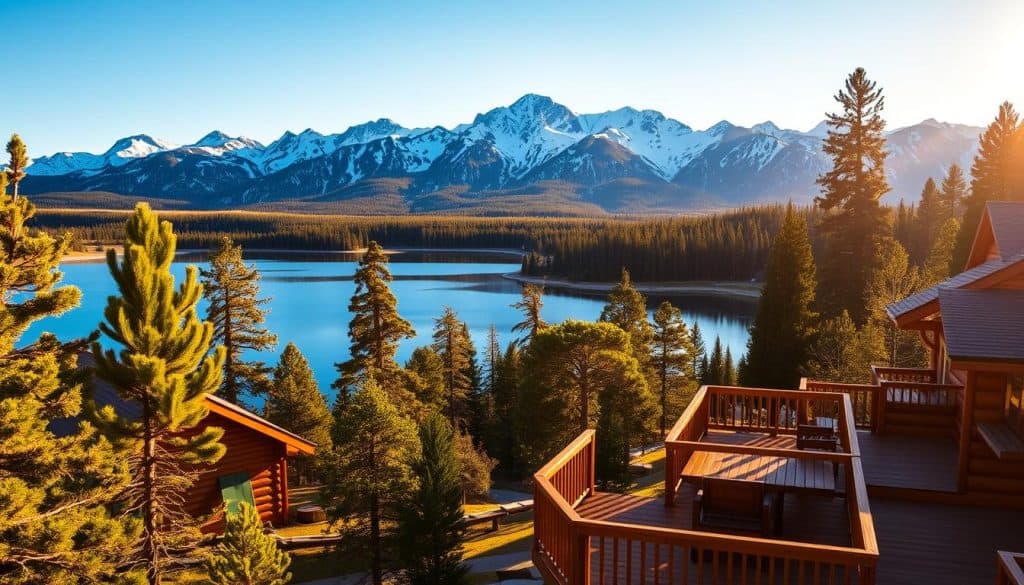
By choosing your accommodations strategically and booking in advance, you can ensure a memorable Yellowstone National Park trip. Whether you prefer the convenience of staying inside the park or the amenities of nearby towns, there’s a lodging option to suit your needs.
Best Times to Visit Yellowstone
The best time to visit Yellowstone National Park depends on what you’re looking for – whether it’s pleasant weather, fewer crowds, or unique wildlife viewing opportunities. Understanding the park’s seasonal characteristics can help you plan a more enjoyable and fulfilling trip.
Peak Season
Summer is the peak tourist season in Yellowstone, with June, July, and August being the busiest months. During this time, all roads and facilities are open, and the weather is generally warm and pleasant. However, this also means that the park is crowded, with large numbers of tourists visiting popular attractions like Old Faithful and the Grand Prismatic Spring.
The advantages of visiting during peak season include:
- All park roads and facilities are open
- Warm and pleasant weather
- Access to all park attractions and activities
However, there are also some disadvantages to consider:
- Large crowds and long wait times
- Higher prices for accommodations and services
- Limited availability of lodging and tour bookings
Shoulder Seasons
The shoulder seasons, which include May and September-October, offer a more balanced experience. The crowds are smaller compared to the peak summer months, and the weather is still relatively mild. These periods are ideal for those who want to avoid the chaos of the peak season while still enjoying the park’s main attractions.
Some benefits of visiting during the shoulder seasons include:
- Fewer crowds and a more peaceful experience
- Wildlife is more active during these periods
- Beautiful seasonal colors, especially during the fall
However, some facilities and roads may be closed, and the weather can be unpredictable.
Winter Season
Visiting Yellowstone during the winter season (November-April) is a unique experience. While many park roads are closed due to heavy snowfall, the park offers a serene and peaceful landscape. Visitors can explore the park using snowmobiles or snow coaches, providing a different perspective on the park’s geothermal features and wildlife.
Some advantages of visiting during the winter season include:
- Unique wildlife viewing opportunities
- The magical experience of seeing thermal features against snowy landscapes
- Fewer crowds and a more intimate experience with nature
For more information on visiting national parks during different times of the year, you can check out this guide on the best time to visit Montana national.
In conclusion, the best time to visit Yellowstone National Park depends on your priorities and what you want to experience. Whether you prefer the bustling summer months, the balanced shoulder seasons, or the serene winter landscape, understanding the characteristics of each season can help you plan a memorable trip.
Tips for Maximizing Your Time in Yellowstone
To truly experience the best of Yellowstone, you’ll need to be prepared and know how to navigate the park efficiently. With its vast landscapes, diverse wildlife, and numerous attractions, making the most of your visit requires some insider knowledge.
Avoiding the Crowds
One of the biggest challenges in visiting Yellowstone is dealing with the crowds, especially during peak season. I’ve found that starting your day early, by 7 AM, is a great way to beat the crowds at popular attractions. The parking lots at places like Old Faithful and the Grand Canyon of the Yellowstone fill up quickly, so arriving early gives you a better chance to park closer and enjoy these sights without the chaos.
For instance, visiting the Grand Canyon of the Yellowstone early in the morning or late in the evening can make a significant difference in your experience. The same goes for other popular spots like Norris Geyser Basin. If you arrive later, be prepared to circle the parking lot or park farther away and walk. This not only saves you time but also gives you a more relaxed experience.
As “The best way to get to know a place is to get off the beaten path,” a quote that resonates with my own experiences in Yellowstone. Exploring lesser-known areas can be incredibly rewarding and less crowded.
Wildlife Viewing Strategies
Yellowstone is renowned for its wildlife, and viewing these animals in their natural habitat is a highlight for many visitors. The key to successful wildlife viewing is knowing the best times and places to look. Dawn and dusk are typically the best times to view wildlife, as these are the periods when animals are most active.
For example, Hayden Valley is a prime location for spotting grizzly bears, wolves, and bison. Lamar Valley is another excellent spot, often referred to as the “Serengeti of North America” due to its abundant wildlife. Bringing binoculars or a spotting scope can greatly enhance your wildlife viewing experience, allowing you to observe animals from a safe distance.
It’s also crucial to follow safety guidelines when viewing wildlife. Always carry bear spray if you plan on hiking, and maintain a safe distance from animals. Stay at least 25 yards away from bison, female elk, deer, and moose, and 100 yards away from bears, wolves, and bull elk during rutting season.
Practical Planning Advice
Effective planning is key to maximizing your time in Yellowstone. Downloading offline maps before entering the park can be a lifesaver, as cell service can be spotty. Using the Yellowstone app can also help you stay on top of geyser eruption predictions and plan your day accordingly.
Packing a picnic lunch and snacks is another practical tip. Food options inside the park can be crowded and overpriced, so bringing your own food allows you to eat on the go and save time. Planning your route efficiently to minimize backtracking can also make a big difference in your overall experience.
As I always say, “A little preparation goes a long way.” Being prepared for your visit to Yellowstone will ensure that you make the most of your time and enjoy a stress-free trip.
Conclusion
Yellowstone National Park, with its rich geothermal features and diverse wildlife, requires careful planning to explore effectively. For first-timers, a three-day visit is the recommended minimum to see the highlights of the park.
Throughout this article, we’ve explored various itineraries, from a one-day highlight tour to a comprehensive five-day exploration. We’ve also discussed the importance of prioritizing attractions based on personal interests and the value of building flexibility into your itinerary to accommodate unexpected experiences or changes in weather.
Whether you have three, four, or five days, the key to a successful trip is planning. Don’t be discouraged if you can’t fit everything into your schedule; Yellowstone has so much to offer that even a short visit can be incredibly rewarding.
As you start planning your Yellowstone adventure, remember that any amount of time spent in this remarkable national park will be an unforgettable experience. So, take the first step, be flexible, and enjoy the journey!
FAQ
What’s the best time to visit Yellowstone to avoid crowds?
Visiting during the shoulder seasons, May or September-October, can help you avoid the peak summer crowds and enjoy a more serene experience.
Are there any hiking trails suitable for beginners in Yellowstone?
Yes, Yellowstone offers several easy to moderate trails, such as the Old Faithful area trails or the Mammoth Hot Springs boardwalk, that are perfect for beginners.
Can I see wildlife in Yellowstone, and where are the best areas?
Absolutely, Yellowstone is renowned for its wildlife. Lamar Valley and Hayden Valley are among the top spots for viewing animals like elk, bison, and bears.
How early should I arrive at popular attractions to avoid long wait times?
It’s wise to get to popular spots like Old Faithful and the Grand Prismatic Spring early in the morning or later in the evening to minimize your wait.
Are there guided tours available in Yellowstone?
Yes, there are various guided tours, including wildlife safaris and geothermal feature tours, that can enhance your Yellowstone experience.
Can I visit Yellowstone in the winter?
Yes, Yellowstone is open in winter, offering a unique landscape and experiences like cross-country skiing and snowshoeing, though some areas may be closed due to snow.
What’s the best way to get around Yellowstone?
The most convenient way to explore Yellowstone is by car, as it allows you to travel at your own pace and visit areas not covered by the park’s shuttle service.
Are there any accommodations inside Yellowstone?
Yes, Yellowstone has several lodges and campsites within the park, offering a range of accommodations from luxury to basic camping.
Can I bring my pet to Yellowstone?
Pets are allowed in certain areas of Yellowstone, like campgrounds and picnic areas, but they’re not permitted on trails or in the backcountry.