

Imagine trekking through the Andes, surrounded by breathtaking scenery and ancient history, as you make your way to the iconic Inca citadel of Machu Picchu. For many travelers, this is a once-in-a-lifetime adventure.
The journey is just as important as the destination. The Classic Inca Trail spans 26 miles and typically takes 4 days to complete, offering an authentic experience with ancient paths and ruins along the way.
Whether you’re a seasoned hiker or just looking for a challenge, understanding the different routes and distances is crucial for proper planning. From the Short Inca Trail to alternative treks like Salkantay and Lares, there’s a Machu Picchu hiking adventure for everyone.
Key Takeaways
- The Classic Inca Trail is 26 miles long and takes 4 days to complete.
- The Short Inca Trail is a 1-day, 6-mile hike to Machu Picchu.
- Alternative treks like Salkantay and Lares offer different experiences.
- Understanding the routes and distances is crucial for planning.
- Machu Picchu hiking adventures cater to various preferences and fitness levels.
Understanding the Different Routes to Machu Picchu
The journey to Machu Picchu can be undertaken via several distinct paths, each offering a unique experience. Whether you’re a seasoned hiker or just starting out, there’s a route that’s right for you.
The variety of trails allows travelers to choose based on their interests, physical capabilities, and the type of experience they’re seeking. From the historically significant and scenic Classic Inca Trail to shorter alternatives and more adventurous routes, the options are diverse.
The Classic Inca Trail
The Classic Inca Trail is renowned for its historical significance and breathtaking scenery. This 26-mile, 4-day journey is considered the most authentic route to Machu Picchu, following the original Inca path. Hikers experience a mix of Inca ruins, mountainous landscapes, and varied ecosystems, culminating in a sunrise entry into Machu Picchu through the Sun Gate.
The Short Inca Trail
For those with limited time, the Short Inca Trail offers a condensed yet fulfilling experience. Spanning approximately 6 miles, this one-day trek starts at kilometer 104 and joins the Classic Inca Trail at Wiñay Wayna. It’s an ideal option for travelers who want to experience the essence of the Inca Trail without the full 4-day commitment.
Alternative Treks to Machu Picchu
Beyond the Classic and Short Inca Trails, alternative treks such as the Salkantay, Lares, and Choquequirao offer different perspectives on the region. The Salkantay Trek is known for its challenging altitude and stunning mountain vistas. The Lares Trek provides a cultural immersion experience with local communities. Meanwhile, the Choquequirao Trek offers a remote wilderness adventure. Each of these alternatives caters to different interests and fitness levels.
How Long is the Hike to Machu Picchu? Breaking Down the Distances
When planning to hike to Machu Picchu, understanding the distance and duration of the trek is crucial. The journey to this ancient Inca city can be tailored to your fitness level and time constraints through various trails.
The most popular routes to Machu Picchu include the Classic Inca Trail, the Short Inca Trail, and the hike from Aguas Calientes. Each of these trails offers a unique experience with different distances and challenges.
Classic Inca Trail: 26 Miles Over 4 Days
The Classic Inca Trail is a 26-mile, 4-day journey that takes you through diverse landscapes and historical sites. The trail is considered moderately challenging due to its high altitude, reaching 13,776 feet at Dead Woman’s Pass, and steep stone staircases.
Daily hiking distances on the Classic Inca Trail average about 6-7 miles, but vary based on campsite allocations and trail conditions. This trail is ideal for those who want to immerse themselves in the history and scenery of the Andes.
Short Inca Trail: 6 Miles in One Day
For those with limited time or less hiking experience, the Short Inca Trail is an excellent alternative. This 6-mile trail starts at kilometer 104 and joins the Classic Inca Trail at Wiñay Wayna before continuing to Machu Picchu.
Most hikers complete the Short Inca Trail in 4-5 hours, starting around 8 AM and reaching Machu Picchu by early afternoon. It’s a moderate difficulty hike, making it accessible to a wide range of travelers.
Aguas Calientes to Machu Picchu: 2-Hour Uphill Hike
For travelers staying in Aguas Calientes, there’s the option of hiking to Machu Picchu. This 2-mile, 2-hour uphill hike follows the same road that buses take, with shortcuts via hundreds of stone steps.
The hike is challenging due to its steep incline and elevation gain of 1,280 feet. However, it offers a unique and rewarding experience, especially for those who prefer not to take the bus.
Day-by-Day Breakdown of the Classic Inca Trail
As you set out on the Classic Inca Trail, you’ll discover that every day brings its own unique landscapes and historical treasures. This four-day journey is not just about hiking; it’s an immersive experience into the heart of the Inca Empire.
Day 1: Kilometer 82 to Huayllabamba
The first day of your trek covers 7.8 miles from Kilometer 82 to Huayllabamba. You start with a gentle hike along the Urubamba River, passing by the ruins of Llactapata. The terrain gradually climbs to the first campsite at Huayllabamba, situated at 9,691 feet. This day is relatively easy, allowing you to acclimate to the surroundings and the altitude.
Day 2: Conquering Dead Woman’s Pass
Day 2 is the most challenging, with a 5.1-mile hike that includes the steep ascent to Dead Woman’s Pass at 13,776 feet. The climb is demanding but the panoramic views from the top are rewarding. After conquering the pass, you descend to the Pacaymayo campsite.
Day 3: Cloud Forests and Inca Ruins
The third day features a 4.5-mile trek through diverse landscapes and archaeological sites, including Runkuracay and Sayacmarca. The scenery is breathtaking, with cloud forests and Inca ruins that tell stories of the past. You camp at either Phuyupatamarca or Wiñay Wayna.
Day 4: The Final Stretch to Machu Picchu
On the final day, you hike 6.9 miles mostly downhill on stone steps, culminating in the arrival at Inti Punku for your first glimpse of Machu Picchu. The sense of achievement is overwhelming as you explore the ancient citadel.
Throughout the four-day journey, the Classic Inca Trail offers a diverse range of ecosystems, from high alpine terrain to cloud forest and subtropical jungle. Each day is distinctly different, making this trek a memorable adventure.
- The trek spans 26 miles over four days, with varying terrain and altitudes.
- Day 1 sets the tone with a gentle introduction to the trail.
- Day 2 is the most challenging due to the ascent to Dead Woman’s Pass.
- Days 3 and 4 offer a mix of scenic beauty and historical significance.
Hiking Times and Difficulty Levels
As you prepare for your Machu Picchu adventure, understanding the hiking times and difficulty levels of the Inca Trail is crucial. The time you spend walking each day on the Inca Trail depends on your personal fitness level. All hikers must stick with a guide, and the pace is determined by the slowest member of your group.
Average Walking Times Per Day
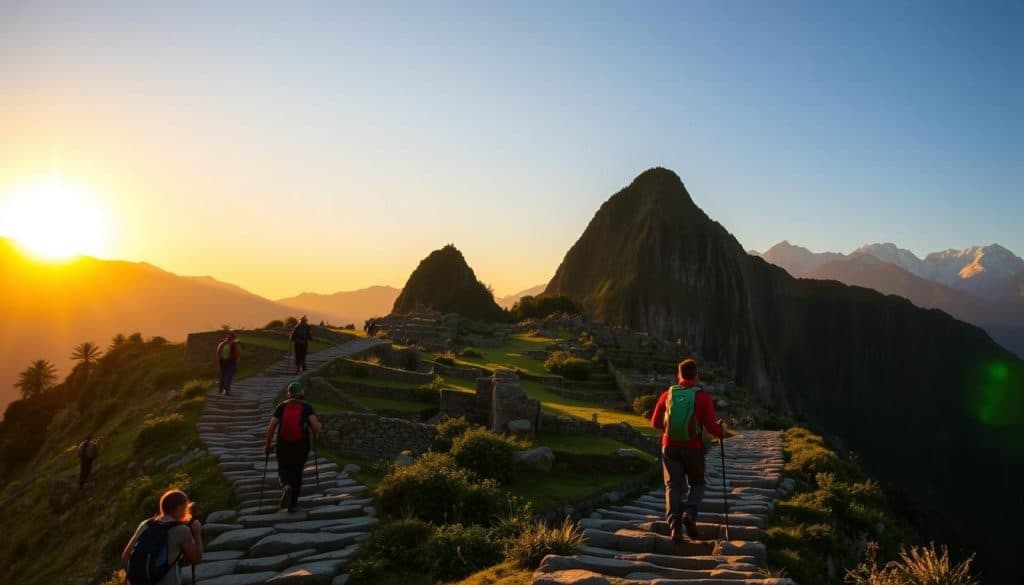
The Classic Inca Trail typically requires 6-7 hours of hiking per day. Day 2 is the most challenging, with 7-9 hours of hiking due to the ascent to Dead Woman’s Pass. In contrast, the Short Inca Trail averages 4-5 hours of total hiking time.
Challenging Sections and Mountain Passes
The most challenging sections of the Inca Trail include Dead Woman’s Pass on Day 2, where hikers climb nearly 4,000 feet in a single morning. The steep stone staircases throughout the trail can also be taxing, particularly on the knees.
Fitness Requirements for Different Routes
Fitness requirements vary by route. The Classic Inca Trail demands good cardiovascular fitness and some hiking experience. The Short Inca Trail is moderately challenging but accessible to most active people. The hike from Aguas Calientes to Machu Picchu requires good stamina for continuous uphill walking.
Regardless of the route you choose, preparation through regular cardio exercise, stair climbing, and practice hikes with a loaded daypack will significantly enhance your experience and reduce recovery time.
Altitude Considerations When Hiking to Machu Picchu
When hiking to Machu Picchu, one of the most critical factors to consider is altitude. The high elevations encountered on the Inca Trail can cause problems even for experienced hikers. As you prepare for your adventure, understanding the impact of altitude is crucial to ensuring a safe and enjoyable journey.
Maximum Elevations on Different Routes
The Classic Inca Trail reaches its highest point at Dead Woman’s Pass, standing at 13,776 feet (4,200 meters). Alternative routes, such as the Salkantay Trek, climb even higher to 15,090 feet (4,600 meters), making altitude acclimatization essential for all Machu Picchu hiking adventures. In contrast, Machu Picchu itself sits at a more moderate 7,972 feet (2,430 meters).
Acclimatization Recommendations
Proper acclimatization is crucial before attempting any high-altitude trek to Machu Picchu. Most tour operators recommend spending at least 2-3 days in Cusco (11,152 feet/3,400 meters) or the Sacred Valley (9,514 feet/2,900 meters) before beginning your hike. Many travelers find that spending time in the Sacred Valley provides a more gradual acclimatization process.
Recognizing and Managing Altitude Sickness
Altitude sickness, or acute mountain sickness, can affect anyone regardless of age or fitness level. Symptoms include headaches, nausea, dizziness, fatigue, loss of appetite, and disturbed sleep. To minimize the risk, gradually ascend to higher elevations, stay hydrated, eat light meals, and consider taking acetazolamide (Diamox) with a doctor’s approval. Most importantly, listen to your body and communicate any symptoms to your guide immediately.
Planning and Permits for the Inca Trail
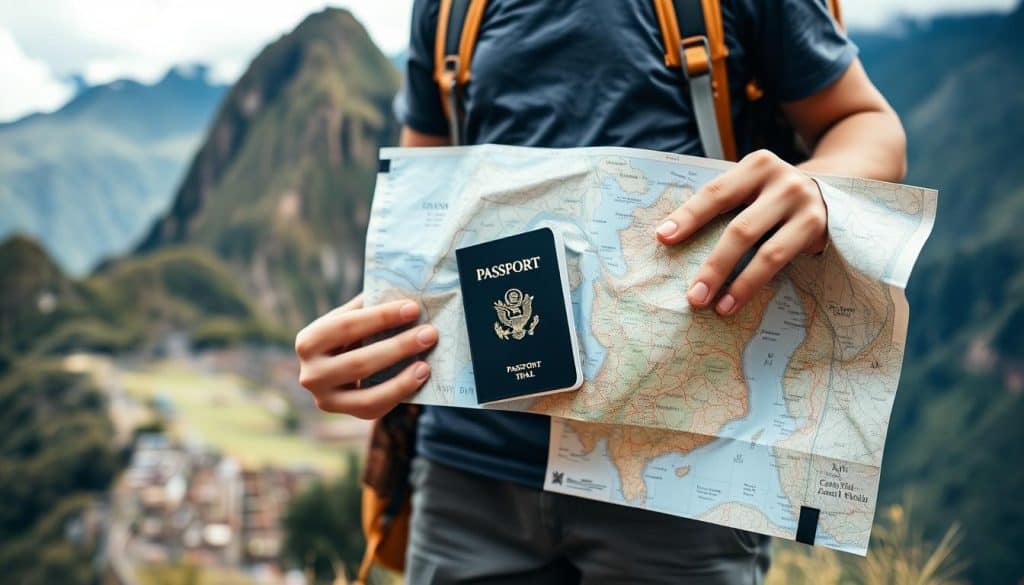
To hike the Inca Trail, you’ll need to secure a permit, a process that demands advance planning. The Peruvian government has implemented strict regulations to preserve this ancient trail and its surroundings.
When to Book Your Inca Trail Permit
The Peruvian government opens the sale of hiking permits in October for the following year. If you’re planning to trek between April and September, it’s advisable to make your reservations the previous year. Permits for the high season often sell out 6-7 months in advance.
Advance booking is essential to ensure your spot on the Inca Trail. The competitive booking situation means that the most popular dates can sell out within hours of release.
Daily Hiker Limitations and Regulations
The Inca Trail access is strictly limited to 500 people per day, including guides and porters. This regulation helps in preserving the trail and ensuring a quality experience for trekkers.
- The Classic Inca Trail permits become available in October for the following year.
- The Short Inca Trail has slightly more flexible permit availability but still requires booking several months in advance during peak season.
- Independent hiking is not permitted; all trekkers must go with an authorized tour operator.
Tour Operators vs. Independent Hiking
When selecting a tour operator, consider factors beyond just price. Look for companies with strong environmental practices, fair treatment of porters, small group sizes, quality equipment, and experienced guides who speak your language.
Your Inca Trail permit is linked to your passport number and is non-transferable, non-changeable, and non-refundable. Ensure your passport is valid for at least six months beyond your travel dates.
Best Time to Hike to Machu Picchu
When planning your trip to Machu Picchu, understanding the best time to hike is crucial. The Inca Trail, a historic and mystical path, attracts adventurers from around the world, but the experience can vary greatly depending on the time of year you choose to go.
Dry Season (April to October)
The dry season is widely regarded as the best time to hike to Machu Picchu. During these months, you can expect clear skies, minimal precipitation, and spectacular views. However, this period is also the peak tourist season, meaning the trails are more crowded and permits sell out quickly.
June through August are the peak months within the dry season, offering the most reliable weather but also the largest number of visitors. If you’re looking for a balance between good weather and fewer crowds, consider the shoulder months of April, May, September, and October.
Rainy Season (November to March)
The rainy season brings its own set of challenges, including slippery and muddy trails, reduced visibility due to fog and clouds, and a higher risk of landslides. However, the landscapes can be lush and green, and the wildflowers are in bloom, making it a beautiful time for those who don’t mind the rain.
January and February are the wettest months, with February being the time when the Classic Inca Trail is closed for maintenance. If you choose to hike during the rainy season, be sure to pack rain gear and wear appropriate hiking shoes.
Monthly Weather Conditions and Recommendations
Understanding the monthly weather conditions can help you make an informed decision. Here’s a summary:
| Month | Weather Conditions | Recommendation |
|---|---|---|
| April | Mild temperatures, fewer crowds | Ideal for hiking |
| June-August | Dry and clear, peak tourist season | Book permits well in advance |
| November-March | Rainy, muddy trails, potential landslides | Pack rain gear, consider alternative treks |
Regardless of when you hike, be prepared for variable weather conditions. Packing layers, rain gear, and sun protection will ensure you’re ready for whatever the Andes throw your way.
What to Pack for Your Machu Picchu Hike
As you prepare for your Machu Picchu adventure, packing the right gear is crucial for a successful and enjoyable hike. The Inca Trail is known for its challenging terrain and unpredictable weather, making it essential to be well-prepared.
Essential Gear and Clothing
For a multi-day Inca Trail hike, it’s vital to pack strategically. You’ll need lightweight, moisture-wicking layers that can be added or removed as temperatures fluctuate. Essential clothing includes:
- Well-broken-in hiking boots
- Moisture-wicking socks
- Convertible hiking pants
- Short and long-sleeved shirts
- A warm fleece or down jacket
- Rain jacket and pants
- Warm hat, sun hat, and gloves for cold mornings at high altitude
A comfortable daypack (20-30 liters) is also necessary to carry daily essentials like water, snacks, camera, sunscreen, insect repellent, basic first aid supplies, and extra layers.
Food and Water Considerations
Staying hydrated is critical on the Inca Trail. You’ll need to drink 2-3 liters of water daily to stay properly hydrated at altitude. Consider bringing water purification tablets or a filtration system to ensure access to safe drinking water. While some meals are provided by tour operators, it’s recommended to bring personal snacks with high energy content.
Documents and Permits to Carry
Documentation is critical for your hike. Be sure to carry your passport (required to enter the trail and Machu Picchu), trail permit, Machu Picchu entrance ticket, travel insurance details, and some cash for tips or emergency purchases in a waterproof container.
Alternative Treks to Machu Picchu
Beyond the well-trodden Inca Trail, alternative treks to Machu Picchu beckon with their unique landscapes and cultural richness. For advanced hikers, these alternatives offer a chance to experience the diversity of Peruvian terrain and culture.
The Salkantay Trek has emerged as a popular alternative, offering a 5-day journey through diverse ecosystems. You’ll traverse high alpine terrain, pass by the magnificent snow-capped Salkantay mountain (20,574 feet/6,271 meters), and descend into lush cloud forests. Unlike the Classic Inca Trail, the Salkantay Trek doesn’t require permits months in advance, making it an excellent last-minute option.
Salkantay Trek: The Scenic Alternative
The Salkantay Trek is a 5-day adventure that culminates in a visit to Machu Picchu via Aguas Calientes. This trek is ideal for those who want to experience the grandeur of the Andes without the need for advance permits.
Lares Trek: The Cultural Route
The Lares Trek offers a more cultural focus, with opportunities to visit traditional Andean communities. Here, you can witness ancient weaving techniques and agricultural practices, gaining insight into living Quechua culture. Typically completed in 3-4 days, this trek is considered less physically demanding than the Classic Inca Trail or Salkantay.
Choquequirao Trek: For the Adventurous
For truly adventurous travelers, the Choquequirao Trek leads to “Machu Picchu’s sister city,” a massive archaeological complex that receives fewer than 20 visitors per day. This challenging 4-5 day round-trip hike offers an unparalleled opportunity to explore Inca ruins without the crowds.
| Trek Name | Duration | Difficulty |
|---|---|---|
| Salkantay Trek | 5 days | Moderate to Challenging |
| Lares Trek | 3-4 days | Moderate |
| Choquequirao Trek | 4-5 days | Challenging |
The Walk from Aguas Calientes to Machu Picchu
For those looking for a challenge, walking from Aguas Calientes to Machu Picchu is a viable and rewarding option. This hike is not for the faint of heart, as it’s steep and demanding, but it offers a unique experience for visitors.
Route Description and Difficulty
The walk from Aguas Calientes to Machu Picchu is approximately 2 miles (3.2 kilometers) with a significant elevation gain of 1,280 feet (390 meters). The trail follows the Hiram Bingham road, which includes numerous stone steps as shortcuts. This uphill hike is challenging and typically takes about 2 hours to complete for someone in average physical condition.
When to Choose This Option vs. Taking the Bus
Choosing to hike instead of taking the bus depends on your physical ability, interest in saving money, and preference for a more personal experience. If you’re planning to hike Huayna Picchu or Machu Picchu Mountain, have limited time, or are visiting during the rainy season, taking the bus is recommended.
Tips for the Aguas Calientes Hike
To make the most of your hike, start early to avoid heat and crowds. Wear proper hiking shoes, carry water and sun protection, and take regular short breaks.
| Time of Day | Recommended Action |
|---|---|
| Early Morning (4-5 AM) | Start your hike to avoid heat and crowds |
| During the Hike | Take regular short breaks and stay hydrated |
Conclusion
Embarking on a hike to Machu Picchu is more than just a trip; it’s an immersive adventure into history, nature, and personal challenge. Whether you choose the iconic Inca Trail, the Salkantay Trek, or the hike from Aguas Calientes, each step brings you closer to one of the world’s most mysterious sites.
Proper preparation is key: secure your Inca Trail permits in advance, acclimatize to the altitude, and pack for variable weather. The reward is worth it—standing among the ancient stones of Machu Picchu, surrounded by the Andes, is a transformative experience.
Whichever trail you choose, the journey to Machu Picchu becomes as memorable as the destination, making every step of your adventure worthwhile.
FAQ
What is the distance of the Classic Inca Trail to Machu Picchu?
The Classic Inca Trail is approximately 26 miles over four days, with varying terrain and altitude changes.
Are there any shorter alternatives to the Classic Inca Trail?
Yes, the Short Inca Trail is a one-day, 6-mile hike that still offers breathtaking views of Machu Picchu.
What is the hiking time from Aguas Calientes to Machu Picchu?
The hike from Aguas Calientes to Machu Picchu takes around 2 hours uphill, offering a scenic route to the Sun Gate.
What is the best time to hike to Machu Picchu?
The dry season, from April to October, is considered the best time to hike to Machu Picchu due to clearer skies and drier trails.
Do I need to acclimatize to the altitude before hiking to Machu Picchu?
Yes, it’s recommended to spend a few days in the Sacred Valley or Cusco to acclimatize to the high altitude before starting your hike.
What are the fitness requirements for hiking to Machu Picchu?
A moderate level of fitness is required, as you’ll be hiking for several hours a day with varying terrain and altitude changes.
Can I hike to Machu Picchu independently, or do I need a tour operator?
While it’s possible to hike independently, using a reputable tour operator is recommended to ensure you have the necessary permits and guides.
What should I pack for my Machu Picchu hike?
Essential items include sturdy hiking boots, layers for changing weather, a first-aid kit, and a water bottle or hydration pack.
Are there any alternative treks to Machu Picchu?
Yes, options like the Salkantay Trek, Lares Trek, and Choquequirao Trek offer unique experiences and scenic views.