
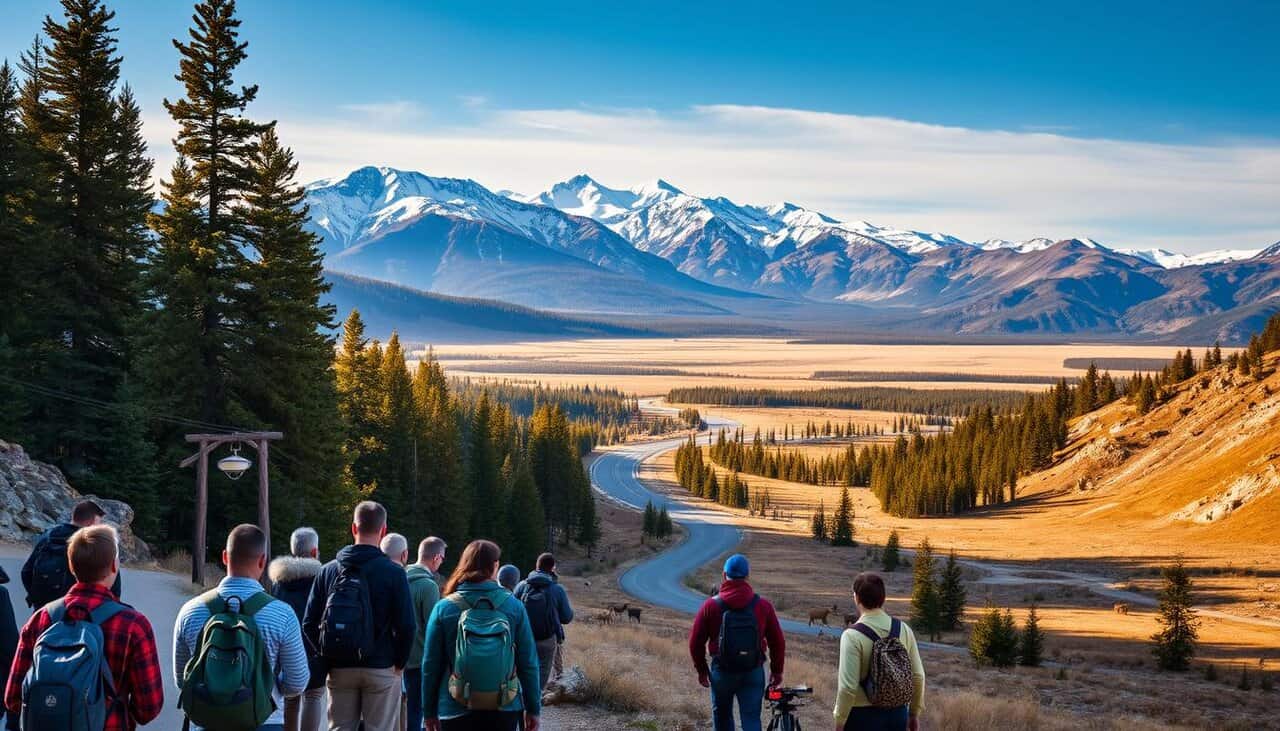
Visiting Yellowstone National Park is a dream vacation for many, but the cost can be a significant deterrent. Did you know that the average daily cost for a Yellowstone vacation is around $181 per person? For a family or a couple, a one-week trip can cost approximately $2,534, including accommodation, food, and sightseeing.
This article will provide a comprehensive breakdown of the costs associated with visiting Yellowstone, helping you plan your trip according to your budget. Whether you’re a budget traveler looking to save or a luxury traveler seeking a more extravagant experience, understanding the costs involved is crucial for a stress-free vacation.
Key Takeaways
- Average daily cost for a Yellowstone vacation is $181 per person.
- A one-week trip for two people can cost around $2,534.
- Budget travelers can expect to spend about $78 per day.
- Luxury travelers may spend up to $362 per day.
- Trip length, season, and travel style significantly impact overall costs.
Understanding the Overall Cost of a Yellowstone Trip
Understanding the total cost of a Yellowstone National Park trip is crucial for travelers to budget effectively. The cost can vary significantly based on several factors including the time of year, accommodation choices, and activities planned.
Average Daily Expenses
Visitors to Yellowstone National Park can expect various daily expenses. On average, a trip to Yellowstone for one person costs around $181 per day. This includes accommodation, food, transportation, and activities. For a more detailed breakdown:
| Category | Budget | Mid-range | Luxury |
|---|---|---|---|
| Accommodation | $30 | $120 | $250 |
| Food | $15 | $30 | $60 |
| Transportation | $10 | $20 | $50 |
| Activities | $23 | $30 | $50 |
| Total | $78 | $181 | $362 |
Typical Budget Ranges for Different Travelers
Different types of travelers have different budget requirements. For instance, a solo traveler on a budget might spend around $78 per day, while a luxury traveler could spend up to $362 per day. For a national park like Yellowstone, the budget can be broken down further based on the traveler’s preferences and group size.
How Trip Length Affects Your Budget
The length of your trip to Yellowstone can significantly impact your daily budget. Generally, the longer you stay, the lower your daily costs become due to efficiencies in transportation and the ability to purchase multi-day passes. For example, a one-week trip for one person costs around $1,267 on average, while a two-week trip costs around $2,534.
By understanding these factors, travelers can better plan their trip to Yellowstone National Park and manage their expenses more effectively.
Accommodation Costs Inside Yellowstone National Park
Yellowstone National Park offers a range of accommodations, from historic lodges to budget-friendly cabins, each with its own price tag. When planning your trip, understanding these costs is crucial for budgeting effectively.
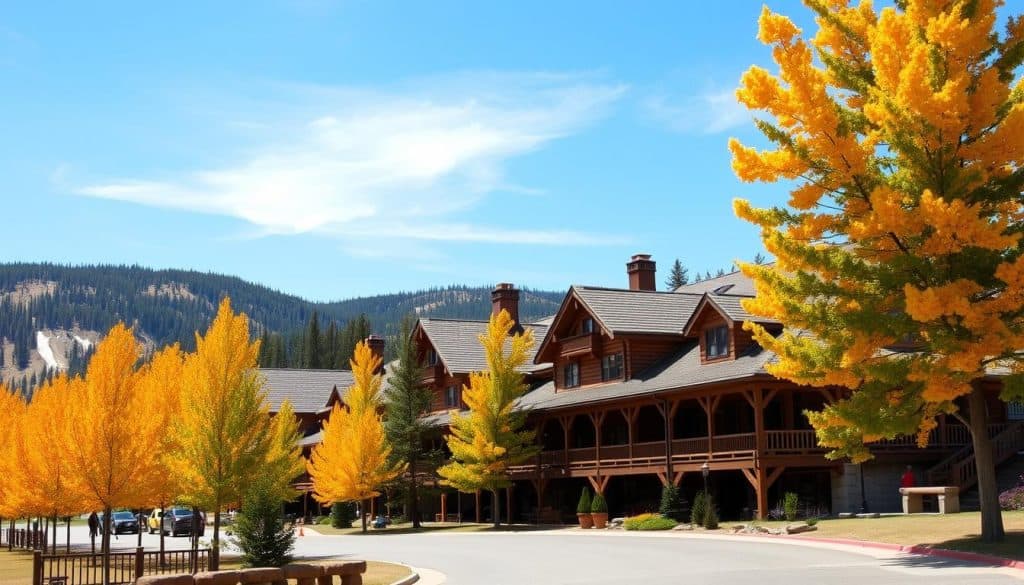
Historic Lodges: Old Faithful Inn and Lake Hotel
The historic lodges within Yellowstone, such as the Old Faithful Inn and Lake Hotel, offer a unique and memorable experience. However, this luxury comes at a cost. At the Old Faithful Inn, average daily rates have seen a significant increase of 55% over the past five years, rising from $274 to $424. For a Friday night in late September, rates can start at $589. Similarly, Lake Hotel has experienced a 20% increase in average daily rates over five years, reaching $400, with rooms costing over $600 during peak season.
Mid-Range Options: Canyon Lodge and Grant Village
For those seeking more affordable options without sacrificing the in-park experience, Canyon Lodge and Grant Village offer mid-range accommodations. These lodges have seen more moderate price increases, with “core” price-controlled accommodations like Grant Village experiencing 15-21% increases over five years. This makes them a relatively more affordable choice for visitors who want to stay within the park.
Budget-Friendly Choices: Roosevelt Lodge Cabins
For budget-conscious travelers, Roosevelt Lodge Cabins provide an affordable option. With average daily rates for cabins increasing by 15% from $107 to $123 over five years, it remains one of the most budget-friendly non-camping options within the park. It’s an attractive choice for those looking to experience the beauty of Yellowstone without the high costs associated with the historic lodges.
It’s worth noting that accommodations inside Yellowstone National Park often book up 6-12 months in advance, especially for peak summer months. Visitors should plan ahead to secure their preferred lodging. For those considering alternatives, staying in gateway communities outside the park can offer a range of options, including more amenities. You can explore more about staying outside the park on our page about the best places to stay by Yellowstone National.
Camping and Alternative Accommodation Options

Camping is a great way to experience Yellowstone National Park, with over 2,000 campsites available across the park’s dozen campgrounds. The cost of camping varies depending on whether the campsite is managed by the National Park Service or Xanterra. National Park Service-administered sites cost between $20 to $25 per night, while Xanterra-managed campgrounds range from $33 to $39 per night.
Campground Costs and Reservation Tips
To secure a campsite, especially during peak season, it’s crucial to make reservations up to six months in advance. All campsites in Yellowstone are reservable, and the park often sells out completely during summer. For more information on planning your trip and understanding the best times to visit nearby national parks, check out this guide on the best time to visit Montana National.
When planning your camping trip, consider the type of camping experience you prefer. Developed campgrounds offer amenities like restrooms and potable water, while more rustic sites provide a back-to-nature experience. RV camping is also an option, with some campgrounds offering hookups and varying size restrictions.
Staying in Gateway Communities
If camping isn’t your preference, or if the park’s campgrounds are fully booked, consider staying in gateway communities like West Yellowstone, Gardiner, or Cooke City. While hotel rooms in these areas can be pricey, with rates ranging from $300 to $400 per night during peak season, they offer a convenient alternative. For those looking for more affordable options, staying slightly further away from the park or exploring less popular gateway communities can help reduce costs.
Whether you choose to camp within Yellowstone National Park or stay in nearby towns, planning ahead is key to managing your expenses and ensuring a memorable trip.
Food and Dining Expenses in Yellowstone
Dining in Yellowstone can be a costly affair, with the average visitor spending around $80 per day on meals. This expense is a significant portion of the overall trip budget, and understanding the dining options available can help in planning.
Restaurant and Cafeteria Prices
Yellowstone offers a range of dining options, from upscale restaurants in lodges to more budget-friendly cafeterias and delis. The prices vary significantly depending on the type of establishment and the meal. For instance, breakfast can range from $8 to $24, lunch from $12 to $32, and dinner from $24 to $56. Even a cup of coffee can cost around $6, and fast food meals average about $12.
The quality of food is often considered mediocre for the price, which can be a disappointment for many visitors. As a result, many people opt to bring their own food for picnics, which not only saves money but also allows for a more personalized dining experience amidst the park’s beautiful landscapes.
Grocery and Picnic Options
For those looking to save money, packing a cooler with supplies from grocery stores in nearby gateway communities like West Yellowstone is a practical strategy. This approach allows visitors to enjoy meals at their convenience and reduces reliance on the more expensive park dining options.
| Meal Type | Price Range |
|---|---|
| Breakfast | $8-$24 |
| Lunch | $12-$32 |
| Dinner | $24-$56 |
| Coffee | $6 |
| Fast Food | $12 |
Money-Saving Food Tips
To balance convenience with cost, consider eating breakfast and dinner at your accommodation, while packing lunches for days spent exploring the park. This strategy can significantly reduce daily food expenses. Additionally, taking advantage of grocery shopping in gateway communities can help in stocking up on supplies and reducing the need for expensive park dining.
For more information on planning your trip to Yellowstone National Park, including accommodations and activities, be sure to check out the resources available.

How Expensive is Yellowstone for Transportation?
Yellowstone’s vast size means that transportation is a crucial aspect to consider when planning your trip. With the park covering an area of 3,472 square miles, having a reliable means of transportation is essential to explore its many wonders.
One of the primary considerations for transportation in Yellowstone is renting a vehicle. For a 5-day trip, a rental SUV can cost around $461, with daily rates ranging from $90 to $120 for SUVs and larger vehicles during peak season.
Rental Car Costs and Fuel Expenses
When renting a car, it’s not just the rental fee you need to consider; fuel expenses can add up quickly. Visitors typically drive between 30 to 50 miles per day within the park, plus additional miles traveling to and from gateway communities. This can result in significant fuel costs, making it essential to factor this into your overall budget.
To minimize fuel expenses, consider renting a more fuel-efficient vehicle or planning your route through the park efficiently to reduce backtracking. Here are some tips to save on fuel:
- Opt for a fuel-efficient rental car
- Plan your itinerary to minimize driving distances
- Use guided tour options for certain days to reduce fuel costs
Tour Transportation Options
For those who prefer not to drive or want a more guided experience, tour transportation options are available. Guided wildlife tours, for example, can cost around $127 per person, plus tip. These tours not only provide transportation but also offer expert insights into Yellowstone’s wildlife and ecosystems.
While public transportation within Yellowstone is limited, making a personal vehicle practically essential for most visitors, guided tours can be a convenient alternative. They allow you to see the park’s highlights without the hassle of driving and parking.
In conclusion, transportation costs in Yellowstone can vary significantly based on your choices regarding rental cars, fuel, and guided tours. By understanding these costs and planning accordingly, you can make the most of your trip to this incredible national park.
Entrance Fees and Annual Passes
When planning a trip to Yellowstone National Park, understanding the entrance fees is crucial for budgeting. The park offers various pass options to suit different visitor needs.
Standard Entrance Fee Structure
The standard entrance fee for Yellowstone National Park is $35 per private vehicle, valid for up to seven consecutive days. This fee covers all occupants of the vehicle, making it a convenient option for families or groups traveling together.
It’s worth noting that the $35 fee is relatively modest compared to the overall cost of a trip to Yellowstone. For instance, if you’re planning a 7-day trip with daily expenses averaging $200 per person for a family of four, the entrance fee is less than 1% of your total trip cost.
America the Beautiful Pass and Other Options
For frequent visitors or those planning to explore multiple national parks, the America the Beautiful Annual Pass is an excellent value. Priced at $80, this pass grants access to all national parks and federal recreational lands for a year.
Some other pass options are available, such as the Lifetime Senior Pass for U.S. citizens aged 62 or older, and the Access Pass for U.S. citizens with permanent disabilities. These passes offer free or discounted access to national parks, including Yellowstone.
To avoid long lines at entrance stations during peak season, consider arriving very early in the morning or later in the evening.

Activities, Tours, and Additional Expenses

To make the most of your Yellowstone trip, understanding the costs of activities, tours, and other expenses is vital. As you explore the park, you’ll find numerous options to enhance your experience, from guided tours to unique experiences and souvenirs.
Guided Wildlife Tours
Guided wildlife tours are a fantastic way to explore Yellowstone’s vast wilderness with expert guides. These tours typically cost around $127 per person, plus a tip for the guide. The knowledge and insights gained from these experienced guides can significantly enhance your wildlife spotting opportunities, making the experience well worth the cost.
Specialty Experiences and Activities
Yellowstone offers a variety of specialty experiences, including historic building tours, ranger-led programs, and photography workshops. These activities can range in price, with some visitors spending $70-80 per person on special experiences like guided walks of historic properties or specialty dining experiences. These unique experiences provide a deeper understanding and appreciation of the park’s natural and cultural resources.
Souvenirs and Miscellaneous Costs
When it comes to souvenirs, visitors to Yellowstone can expect to spend money on items like t-shirts ($23.90), baseball caps ($24), and magnets. The Yellowstone Forever gift shop is a popular destination, and it’s worth noting that a percentage of sales from this shop goes towards supporting park preservation projects. Entertainment expenses for mid-range travelers average $34 per day per person, which can include a mix of dining out, souvenirs, and special experiences.
By understanding these additional expenses, you can better plan your trip to Yellowstone and make the most of your time in this incredible national park.
Money-Saving Strategies for Your Yellowstone Trip
With some careful planning, you can enjoy all that Yellowstone National Park has to offer without overspending. One of the most effective ways to save money is by visiting during the shoulder seasons – May, September, or early October. During these periods, accommodations can be 30-50% cheaper than peak summer rates.
Camping is another cost-effective option, with campsites costing between $20-39 per night, significantly less than lodge accommodations which can range from $123 to over $600 per night. You can also save on food by packing your own meals or staying in accommodations with kitchens to prepare your own food.
Staying in less popular gateway communities like Cooke City can also help reduce costs. For example, a family found lodging in Cooke City for $135/night instead of paying $670/night for in-park accommodations. Proper trip planning allows you to book affordable accommodations in advance and create an efficient itinerary that minimizes fuel costs.
| Cost-Saving Strategy | Peak Summer | Shoulder Season |
|---|---|---|
| Lodge Accommodations | $123-$600+/night | $80-$300/night |
| Camping | $20-$39/night | $20-$39/night |
| Food | $15-$30/meal | Pack your own meals |
Conclusion
Despite rising costs, Yellowstone continues to be a national park that welcomes visitors from all walks of life. As we’ve explored throughout this article, the expenses associated with a trip to Yellowstone can vary widely, from accommodation costs to transportation and activities.
Historically, Yellowstone National Park has catered to both the budget-conscious “sagebrushers” and the more affluent “dudes.” This dichotomy remains today, with options available for visitors across different budget spectrums. For instance, camping and staying in gateway communities can significantly reduce costs, making the park more accessible to families and individuals on a tighter budget.
The key to an affordable Yellowstone experience lies in planning. By choosing to visit during the shoulder season, opting for more budget-friendly accommodations, and being mindful of fees associated with activities and tours, visitors can enjoy the park without breaking the bank. National Park Service Director Chuck Sams’ vision that “anybody should be able to come to the park” is still achievable with the right approach.
To put this into perspective, daily budgets of $78, $181, and $362 per person can offer distinctly different experiences. The lower end allows for basic exploration, while the higher budgets enable more luxurious accommodations and guided tours, enhancing the overall experience of witnessing wildlife and enjoying the park’s natural wonders.
In conclusion, while the cost of visiting Yellowstone National Park can be significant, the memories and experiences gained are invaluable. With careful planning and realistic expectations, families and individuals can enjoy this incredible national park. I encourage you to start planning your trip to Yellowstone well in advance to secure the best options and make the most of your visit.
FAQ
What are the entrance fees to visit Yellowstone National Park?
The standard entrance fee for a private vehicle is valid for seven days. You can check the park’s website for the most current rates, as they change annually.
How far in advance should I make lodging reservations inside the park?
Reservations for lodging inside Yellowstone can be made up to 13 months in advance. It’s highly recommended to book early, especially for peak season visits.
Are there budget-friendly dining options available within Yellowstone?
Yes, you can find affordable dining options such as cafeterias and general stores where you can buy groceries for picnics. Planning your meals in advance can help save money.
Can I camp inside Yellowstone, and what are the costs?
Camping is available within the park at various campgrounds, with costs varying by site. Reservations can be made in advance through the park’s official camping reservation system.
What are the costs associated with guided tours in Yellowstone?
Guided tour prices vary widely depending on the type of tour, duration, and guide service. Expect to pay anywhere from to over 0 per person for a guided tour.
Is it necessary to rent a car to explore Yellowstone?
While not strictly necessary, renting a car provides the most flexibility to explore the park at your own pace. You can also use the park’s shuttle service and guided tours.
Are there any annual passes available for frequent visits to Yellowstone?
Yes, the America the Beautiful annual pass is a cost-effective option for those who plan to visit multiple national parks within a year, including Yellowstone.
How can I save money on my Yellowstone trip?
Consider visiting during the shoulder season, packing your own meals, and choosing budget-friendly accommodations to save money.
What are some additional expenses I should budget for in Yellowstone?
Beyond the main costs, consider budgeting for souvenirs, additional activities, and any unexpected expenses that may arise during your trip.