
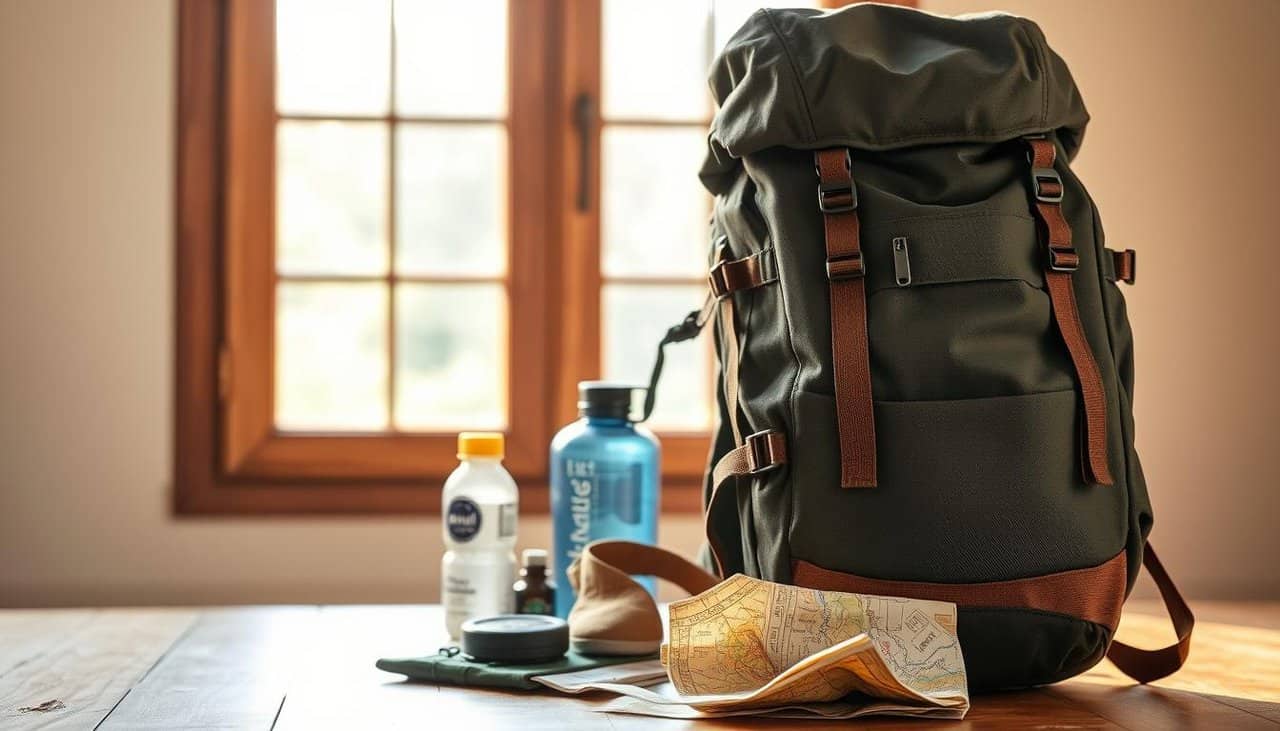
Did you know that a poorly sized backpack can make or break your hiking experience? I’ve been there, and it’s not fun. A 4-day hike requires careful planning, and selecting the right pack size is crucial.
When preparing for a multi-day hiking trip, understanding your backpack needs is essential. The length of your trip, the type of activity, and the weather conditions all play a role in determining the ideal size of your pack.
As you embark on your hike, you’ll want to ensure that your pack is comfortable and has enough space for your gear. In this guide, I’ll walk you through the factors to consider when choosing the perfect backpack for your next adventure.
Key Takeaways
- Understand the factors that determine the ideal backpack size for a 4-day hike.
- Learn how to choose the right pack size for your specific needs.
- Discover the importance of balancing capacity, comfort, and weight.
- Find out how to prepare for a successful multi-day hiking trip.
- Get insights into selecting the perfect backpack for your hiking style.
Understanding Backpack Sizing for Multi-Day Hikes
For hikers, the importance of selecting a backpack that is the right size cannot be overstated. Choosing a backpack shouldn’t be done on impulse or based solely on price. It’s essential to research and understand your needs and preferences, which can sometimes conflict with each other.
When it comes to backpacking, having the right pack can make all the difference. I’ve learned through experience that the right size pack helps distribute weight properly, reduces fatigue, and prevents the frustration of constantly repacking or leaving important items behind.
How Backpack Volume is Measured
Backpack volume is typically measured in liters, indicating the amount of gear the pack can hold. Understanding how volume is measured helps in selecting a pack that fits your needs without being too large or too small. This measurement is crucial for hiking trips, as it directly impacts what you can carry.
The Importance of Choosing the Right Size
The right size pack is crucial for distributing weight evenly and ensuring that you can access your gear efficiently. A properly sized pack also helps in maintaining a comfortable center of gravity, which is vital for navigating varied terrain. Consider your hiking style when choosing pack size – minimalists might comfortably use a smaller volume than those who prioritize comfort items or photographers carrying extra equipment.
Factors That Determine Your Pack Size Needs
To figure out the right pack size for a 4-day adventure, you need to consider a few critical elements. Your pack size isn’t just about how much you can carry; it’s about carrying the right amount of gear comfortably.
Season and Weather Conditions
The season and weather conditions significantly impact your pack size. For instance, colder weather requires more clothing and gear, increasing your pack volume. Conversely, hot weather means you’ll need more water, affecting your pack’s water-carrying capacity.
Your Personal Gear Volume
Your personal gear, including clothing, shelter, and hygiene items, contributes to your overall pack size. People have different needs based on their physiology and preferences. It’s essential to pack only what you need to avoid unnecessary weight.
Food and Water Requirements
Food and water are crucial for your hike. I plan for about 1.5-2 pounds of food per day, which requires around 2-3L of pack space. For a 4-day hike, this means considering your daily calorie needs, typically around 3,000 calories. Water needs vary based on availability and purification methods. If you’re hiking in an area with reliable water sources, you can carry less water, but you’ll still need a water purification method.
| Item | Volume Requirement |
|---|---|
| Food (per day) | 2-3L |
| Water (per day) | 1-4L |
How Big of a Pack Do I Need for a 4 Day Hike?
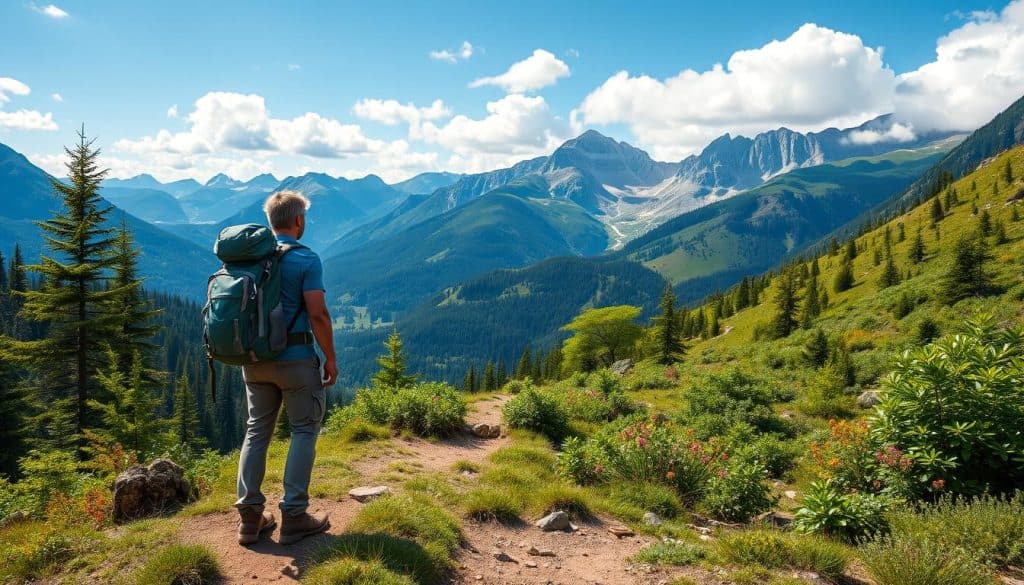
The size of your backpack for a 4-day hike depends on several factors, including the season, your gear, and personal preferences. Understanding these elements will help you choose the right pack size for your adventure.
Recommended Volume Range: 45-65 Liters
For most hikers, a pack with a volume between 45-65 liters is sufficient for a 4-day hike. This range allows you to carry the necessary gear without being too bulky. If you’re experienced with ultralight gear or hiking in warm conditions, you might consider a smaller pack, around 35-45L.
For example, using a lightweight sleep system and minimal clothing changes can help you get by with a smaller pack. However, for most hikers, a 45-65L pack provides the perfect balance.
When to Go Smaller or Larger
You might need a smaller pack (35-45L) if you’re experienced with minimalist packing or hiking in warm weather. On the other hand, consider a larger pack (65-75L) if you’re hiking in winter or carrying specialized equipment.
Your experience level and whether you’re sharing gear with a partner also influence the ideal pack size. Beginners often benefit from a slightly larger pack (60-65L) for flexibility in packing decisions.
Essential Features for a 4-Day Hiking Backpack
As someone who’s spent countless hours on the trails, I can tell you that the right backpack can make or break your hiking experience. When preparing for a 4-day hike, it’s crucial to choose a pack that not only fits comfortably but also meets your gear storage and accessibility needs.
Frame Types and Support Systems
A sturdy frame and reliable support system are vital for carrying your gear over long distances. I prefer packs with internal frame systems that provide excellent support and stability, especially when carrying heavy loads. The frame should be made from durable materials that can withstand various weather conditions and rugged terrain.
Compartments and Organization
Effective organization is key to a successful hike. Look for packs with multiple compartments that allow you to separate your gear, making it easier to find what you need quickly. This includes dedicated pockets for essentials like your water bottle, snacks, and first-aid kit.
Attachment Points and Accessibility
When it comes to attachment points, I prefer to keep external gear to a minimum. However, having the right attachment points can be incredibly useful. Consider a pack with compression straps that can stabilize partial loads and secure bulky gear like a sleeping pad or trekking poles. Additionally, features like dedicated trekking pole attachments and external pockets can enhance accessibility. Here are some key considerations:
- External attachment points for securing gear like a sleeping pad or tent.
- Compression straps that serve dual purposes – stabilizing loads and attaching gear.
- Tool loops or daisy chains for customizable attachment options.
- Dedicated trekking pole attachments for secure storage.
- Accessibility features like hydration sleeve placement and water bottle pockets.
Finding the Perfect Fit: Backpack Sizing Guide
A well-fitting backpack is the key to a successful multi-day hike, and I’m here to guide you through the process. When selecting a backpack, it’s not just about the volume; the fit is equally important to ensure comfort and prevent strain on your back.
Measuring Your Torso Length
To determine the correct size, measuring your torso length is essential. A backpack with an adjustable torso length can provide a more customized fit. Some packs, like our Pacific Crest 65, offer adjustable back systems, allowing you to tailor the lumbar support and strap positions to your own back length.
Hip Belt and Shoulder Strap Considerations
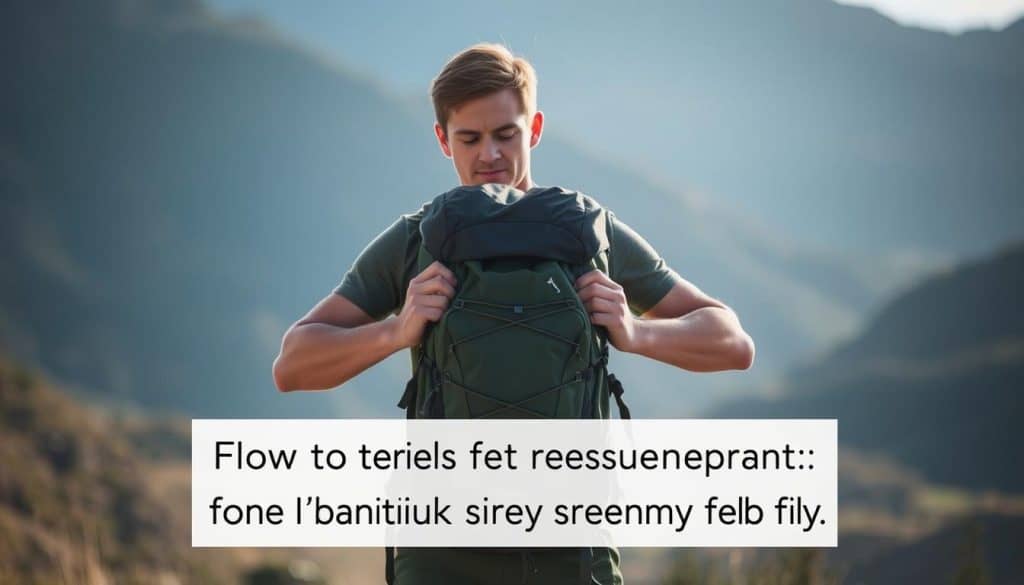
The hip belt is a critical component in transferring the load from your shoulders to your hips. Look for a hip belt that is comfortable and adjustable. The shoulder straps should also be adjustable, with load-lifter straps that form a 45-degree angle when properly adjusted, pulling the pack’s weight closer to your center of gravity.
Adjustability Features
Highly adjustable packs are worth considering for a 4-day hike. Features such as adjustable torso length, load-lifter straps, sternum straps, and hip belt tensioners can customize the fit to your body. Consider whether you need a pack with an adjustable back panel or if a fixed-length pack will suffice.
By considering these factors and features, you can find a backpack that provides a comfortable and secure fit, making your hiking experience more enjoyable.
Efficient Packing Strategies for a 4-Day Hike
Efficient packing strategies can make or break your 4-day hiking experience. I’ve learned this from personal experience, having managed with a pack that was on the smaller side for a 4-day excursion. To make the most out of your pack, it’s essential to adopt strategies that optimize space and weight distribution.
Weight Distribution Principles
Proper weight distribution is crucial for a comfortable hike. Make sure to place heavier items like food and cooking gear closest to your back and centered between your shoulder blades. This helps maintain balance and reduces strain on your shoulders.
Using Compression Sacks and Organizers
Compression sacks and organizers are invaluable for keeping your items tidy and maximizing space. By compressing clothing and other soft items, you can significantly reduce the volume of your pack. Use these tools to keep your gear organized and easily accessible.
Maximizing Available Space
To maximize the available space in your pack, fill all empty spaces by stuffing socks into cooking pots and using the hollow core of your toilet paper roll for small items. Consider the shape of your pack when loading it, and use soft items like clothing to fill gaps between angular gear. Don’t leave air pockets when packing; periodically compress your pack from the outside to identify and fill empty spaces.
Essential Gear Checklist for a 4-Day Hike
The key to a great hiking experience lies in the gear you choose to bring along for the journey. As you prepare for your 4-day adventure, making a thoughtful gear checklist is crucial.
Sleep System and Shelter
A good night’s sleep is vital for recovery. Your sleep system should include a lightweight tent, a sleeping bag rated for the expected low temperatures, and a sleeping pad for comfort. For instance, a 2-person tent like the Big Agnes Fly Creek HV UL 2 provides ample space without being too heavy.
Clothing and Layering Strategy
Packing the right clothing is about balance and versatility. You need layers for varying temperatures and conditions. A good rule of thumb is to include a base layer for colder conditions, an insulating mid-layer, and a waterproof outer layer. Brands like Patagonia offer a range of options that are both durable and lightweight.
Food, Water, and Cooking Equipment
For a 4-day hike, food planning is critical. Aim for approximately 3,000 calories per day, balancing weight and nutritional value. I brought 5 Epic Bars, 3 Rise Bars, and other lightweight options like Soba Noodles and Miso Soup Packets. Don’t forget a water purification system or filter to ensure access to safe drinking water throughout your trip. My Camelbak 100 oz Reservoir and Water Purifier were lifesavers.
Make sure to count your calories and plan your meals. Water management is also crucial; carrying a capacity for 2-3 liters plus a reliable filtration system is a good strategy. Consider repackaging food into ziplock bags to save space and reduce waste.
Weight Considerations: Balancing Comfort and Capacity
As you prepare for a 4-day hiking adventure, understanding weight considerations becomes essential. The weight of your backpack affects not only your comfort during the hike but also your overall experience.
One key guideline to keep in mind is the 20-25% body weight rule. This means that your fully loaded backpack should not exceed 20-25% of your body weight. For example, if you weigh 150 pounds, your pack should not weigh more than 30-37.5 pounds.
The 20-25% Body Weight Rule
Adhering to this rule helps prevent strain and potential injury. It’s a general guideline that can help you gauge whether your pack is too heavy. If you’re significantly under or over this range, you may need to adjust your gear or packing strategy.
Ultralight vs. Traditional Approaches
When it comes to backpacking, there are different approaches to consider. The ultralight approach focuses on minimizing weight, often resulting in a base weight under 10 pounds. This allows for a smaller pack (40-50L) but requires investment in lightweight gear and some comfort compromises.
| Approach | Base Weight | Pack Size | Characteristics |
|---|---|---|---|
| Ultralight | Under 10 pounds | 40-50L | Lightweight gear, comfort compromises |
| Traditional | 15-25 pounds | 55-65L | Durable gear, more comfort items |
| Lightweight Middle Ground | 10-15 pounds | 45-55L | Balanced comfort and pack size |
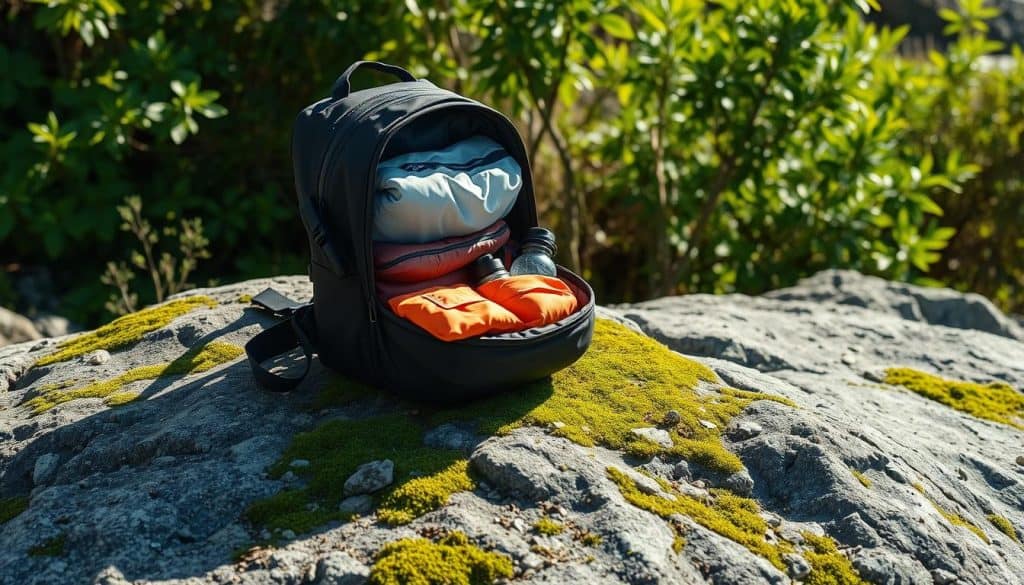
Your choice between ultralight, traditional, or a middle-ground approach depends on your hiking style, priorities, and budget. Ultralight hikers cover more miles with less camp comfort, while traditional backpackers enjoy more comfort at the cost of heavier packs. Many hikers find that a “lightweight” middle ground offers the best balance.
Common Mistakes to Avoid When Choosing a Pack
I’ve seen many hikers make critical errors when choosing a pack; let’s explore how to avoid these. Selecting the right pack is crucial for a comfortable and successful 4-day hike.
Buying Based on Brand Rather Than Fit
Many hikers prioritize brand reputation over how well a pack fits. However, a pack that doesn’t fit properly can lead to discomfort and fatigue on the trail. When trying out a pack, make sure to adjust it to your body and assess its comfort during a trial walk.
Ignoring Weather and Terrain Factors
Weather conditions and terrain can significantly impact your hiking experience. Make sure your pack is equipped to handle these factors. For instance, a pack with a built-in rain cover or a separate pack cover can be a lifesaver in rainy conditions. Consider the weather forecast and terrain specifics when choosing your pack and gear.
- Consider a pack with ventilated back panels for hot, humid environments.
- Opt for a streamlined profile for dense vegetation.
- Ensure your pack has attachment points for technical gear in mountainous terrain.
Conclusion: Finding Your Perfect 4-Day Hiking Pack
Embarking on a 4-day hiking adventure means you need a pack that balances comfort, capacity, and your personal hiking style. To find your ideal backpack, consider your volume needs (typically 45-65L), fit, and feature preferences. Try on multiple packs with weight and consider your future backpacking aspirations. The right pack becomes an extension of your body, allowing you to focus on the beauty around you, not discomfort, and is a crucial piece of gear for a enjoyable trip.
FAQ
What’s the ideal backpack volume for a 4-day hike?
For a 4-day hike, you’re generally looking at a backpack with a volume range of 45-65 liters. This size range should provide enough space for your gear, clothing, and supplies without being too bulky.
How do I determine the right backpack size for my body?
To find the right fit, consider your torso length and the distribution of your gear. A well-fitting backpack should have a comfortable hip belt and shoulder straps that don’t dig into your skin. Try on different packs to see what works best for you.
What factors should I consider when choosing a backpack for a 4-day hike?
Think about the season and weather conditions you’ll be hiking in, as well as your personal gear volume and food and water requirements. These factors will help you decide on the right size and features for your backpack.
What’s the difference between ultralight and traditional backpacking approaches?
Ultralight backpacking focuses on minimizing weight by using lightweight gear, while traditional approaches often prioritize comfort and durability. Consider your priorities and choose a pack that aligns with your weight considerations.
How can I efficiently pack my gear for a 4-day hike?
Use compression sacks and organizers to maximize available space, and distribute your weight evenly throughout your pack. This will help you stay comfortable on the trail.
What’s the 20-25% body weight rule when it comes to backpacking?
This rule suggests that your fully loaded backpack should not exceed 20-25% of your body weight. This helps ensure a comfortable carry and reduces the risk of injury.
What are some common mistakes to avoid when choosing a backpack?
Don’t buy a pack based solely on brand reputation; instead, focus on finding a comfortable fit. Also, be sure to consider weather and terrain factors to ensure your pack is prepared for the conditions you’ll face.