
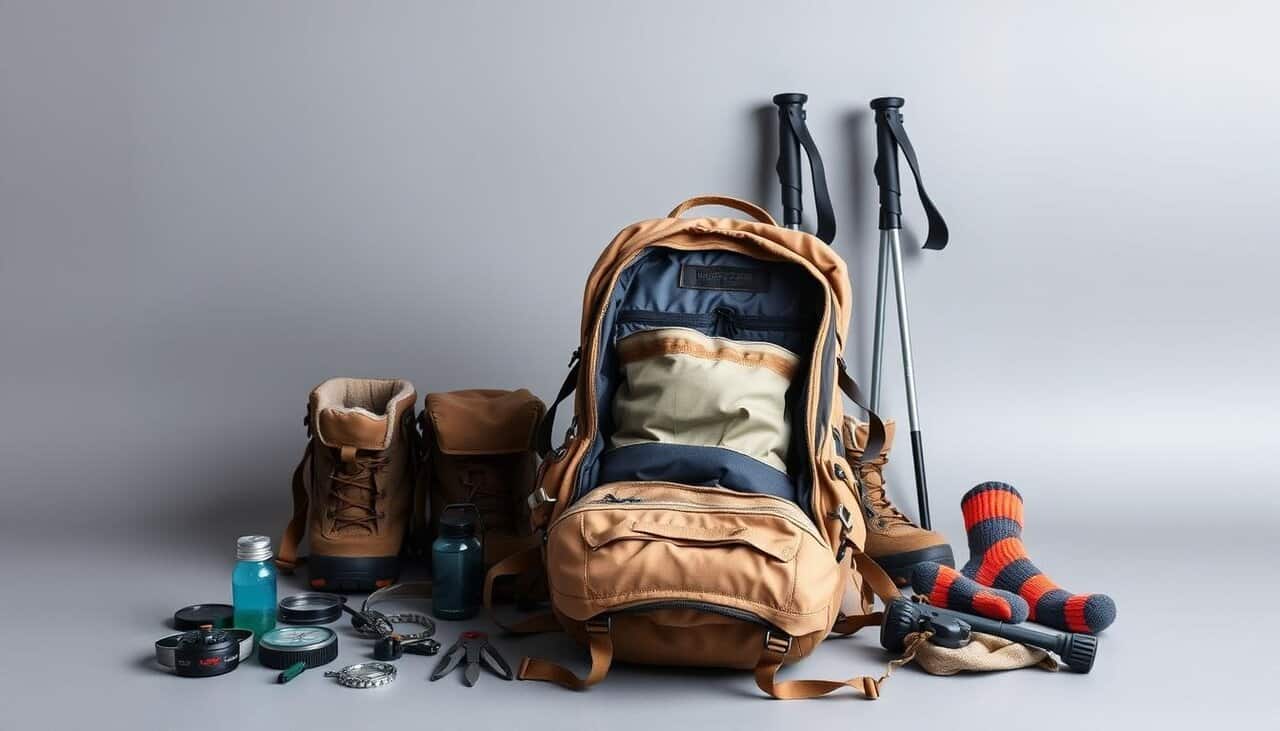
I’ve been on numerous hiking trips, and one of the most crucial decisions you need to make before embarking on a 4-day hike is selecting the right pack size. It’s a challenge many outdoor enthusiasts face, and getting it wrong can significantly impact your hiking experience.
A 4-day trip requires a delicate balance between packing essential gear and avoiding an unnecessarily bulky or heavy backpack. You need to consider not just your clothing and personal items, but also food, water, and weather contingencies.
As you prepare for your trip, you’ll need to think about your personal preferences, hiking style, and the type of gear you’ll be carrying. In this article, we’ll explore the key factors to consider when choosing the ideal pack size for your next 4-day hike.
Key Takeaways
- Understand the importance of choosing the right backpack size for comfort and efficiency.
- Learn how to balance gear capacity with pack weight and comfort.
- Discover key factors to consider when selecting a pack for a 4-day trip.
- Get practical advice on making an informed decision about pack size.
- Find out how personal preferences and hiking style impact your ideal backpack size.
Understanding Backpack Sizing for Multi-Day Hikes
The key to a successful multi-day hiking trip lies in selecting the appropriate backpack size to carry all your essential gear. I’ve seen many hikers struggle with either too much or too little pack space, affecting their overall experience on the trail.
When it comes to backpacking, the size of your pack can make a significant difference in your comfort and efficiency. Let’s dive into the details of backpack sizing to help you make an informed decision for your next multi-day hike.
Common Backpack Volume Measurements
Backpack volume is typically measured in liters or cubic inches. Manufacturers often categorize packs by volume into different types, such as day packs, weekend packs, and expedition packs. Understanding these categories can help you narrow down your options.
The standard volume ranges for different trip durations are as follows:
| Trip Duration | Typical Volume Range |
|---|---|
| Day Hikes | 15-30L |
| Weekend Trips | 30-50L |
| Multi-Day Trips | 50-70L |
| Extended Expeditions | 70L+ |
Why Pack Size Matters for a 4-Day Trip
A 4-day hike falls into a middle category, requiring careful consideration of your pack size. It’s not quite a weekend trip, but not a long expedition either. The right pack size allows for proper weight distribution, easier organization, and better balance on the trail.
For a 4-day trip, ultralight backpackers might manage with 40-50L packs, while traditional backpackers might need 55-65L. The most common pack size I see on trails is 65 liters in capacity. Hikers will typically fill their pack no matter what size it is, so it’s best to work out what you want and then determine what pack size you need.
Pack volume needs vary significantly based on gear choices, season, climate, and personal packing style. It’s essential to consider these factors when choosing your backpack size.
How Big of a Pack Do I Need for a 4 Day Hike?
When planning a 4-day hike, one of the most critical decisions is choosing the right pack size. The size of your pack can significantly impact your hiking experience, affecting your comfort, mobility, and overall enjoyment.
For a comfortable and enjoyable 4-day hike, most hikers need a 50-65 liter pack. This size range provides enough space for standard gear without being too bulky. However, the ideal pack size can vary based on several factors, including your gear choices and personal preferences.
Recommended Pack Sizes for 4-Day Trips
For three-season backpacking, a 60-liter pack is often sufficient, even for trips up to a week. Ultralight backpackers with compact, minimalist gear might manage with 40-50 liters, while those with bulkier gear or hiking in cold weather might need 65-70 liters.
For example, if you’re carrying a bulky tent or a lot of extra clothing for colder conditions, you’ll need more room in your pack. On the other hand, if you’re traveling light with a minimalist sleep system and cook setup, you can get by with a smaller pack.
Factors That Affect Your Pack Size Needs
Several factors influence the size of the pack you need for a 4-day hike. These include the weight and compressibility of your gear, the bulk of your sleeping system, your cooking setup, the number of clothing layers you need, the volume of food you’ll carry, your water carrying capacity, and any personal extras.
Seasonal considerations also play a significant role. Summer trips generally require less volume than shoulder season or winter trips, as you’ll need to carry more clothing layers and potentially more gear for colder conditions. Terrain and climate are other crucial factors; desert hikes might require more water capacity, while alpine hikes might necessitate more clothing layers.
Your experience level is another important consideration. Beginners often need more space as they learn to pack efficiently and may carry more “just in case” items. As you gain more experience, you’ll become more adept at packing only what you need, potentially reducing your pack size.
In conclusion, while there’s no single correct answer to the question of pack size for a 4-day hike, understanding your gear needs and the conditions you’ll be hiking in can help you choose the right pack size. By considering these factors, you can ensure a more comfortable and enjoyable hiking experience.
Essential Gear for a 4-Day Hiking Trip
The key to a successful 4-day hiking trip lies in selecting the essential gear that meets your needs. When I’m preparing for a trip, I focus on the most critical categories: sleep system, clothing, and food and water management.
Sleep System Requirements
A good night’s sleep is crucial for a successful hiking trip. Your sleep system, including your sleeping bag, sleeping pad, and tent, typically takes up the most space in your pack. To minimize bulk, consider using compression sacks to compress your gear.
I recommend choosing a lightweight sleeping bag that’s suitable for the expected low temperatures on your trip. A comfortable sleeping pad is also essential for a good night’s sleep.
Clothing and Layering Strategy
When it comes to clothing, layering is key. You want to be able to adjust your clothing to suit changing weather conditions. I recommend packing clothes that can be layered, including a base layer, insulating layer, and waterproof jacket.
Consider the activities you’ll be doing and the weather forecast to determine the best clothing for your trip. Moisture management is also crucial to prevent discomfort and blisters.
Food and Water Considerations
Food planning is critical for a 4-day hike. I recommend aiming for approximately 3,000 calories per day, depending on your activity level and personal needs. When planning your food, consider the weight and volume of your food, as well as any dietary restrictions.
Water management is also essential. You need to consider how you’ll access safe drinking water on your trip. You can either carry enough water for the duration or use a water filtration system.
By carefully considering your gear and packing strategically, you can ensure a safe and enjoyable 4-day hiking trip.
Key Backpack Features to Consider
Beyond size, the features of your backpack play a crucial role in comfort and efficiency during a multi-day hike. When you’re on the trail for an extended period, the right backpack can make a significant difference in your overall experience.
Frame Types and Support Systems
The frame of your backpack is essential for load carrying capacity, weight distribution, and comfort. Most modern backpacks feature internal frames, which provide rigidity and prevent gear from shifting during the hike. There are also frameless packs, but they’re typically suited for lighter loads or daypacks. The frame type affects how the load is distributed on your back and hips, with internal frames offering better support for heavier loads.

Ventilation and Comfort Features
A well-designed back panel is crucial for comfort and ventilation. Backpacks often feature either foam padding or a mesh ‘trampoline’ system. The mesh system allows for better airflow, keeping you cooler on long hikes. The design of the hip belt is also vital, as it should carry 70-80% of the pack’s weight. Look for a hip belt with adequate padding and adjustability for a comfortable fit.
Access Points and Organization
How you access your gear can significantly impact your hiking experience. Backpacks offer various access options, including top-loading, panel-loading, and bottom compartment access. The right access points can help you stay organized and quickly retrieve the gear you need. Additionally, features like compartments, pockets, and dividers help manage your equipment, ensuring that everything has its place.
Attachment Points and External Storage
External attachment options, such as daisy chains, compression straps, and tool loops, provide utility for carrying extra gear like trekking poles or sleeping pads. These features are especially useful on a 4-day hike where you might need to carry bulky or wet items. Some backpacks also offer hydration system compatibility, which is essential for maintaining proper hydration on longer hikes.
How to Pack Efficiently for a 4-Day Hike
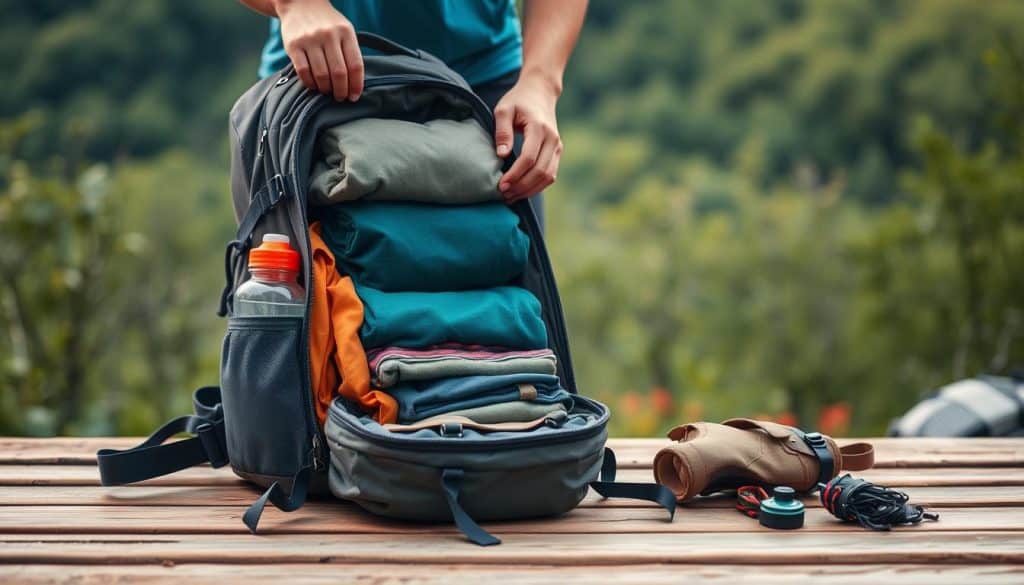
As you prepare for your next 4-day adventure, learning how to pack your backpack efficiently can make a significant difference in your hiking experience. Efficient packing not only ensures that you have everything you need but also helps in distributing the weight evenly, making your hike more comfortable.
Weight Distribution Principles
Proper weight distribution is key to comfortable hiking. Place heavy items like food, cooking gear, and water close to your back and centered between your shoulder blades. This helps in maintaining balance and reduces strain on your shoulders. Medium-weight items should be placed at mid-level, while lightweight items can go at the bottom and top of your pack.
Compression Techniques to Save Space
To maximize space in your pack, use compression techniques. Roll your clothing and use compression sacks or stuff sacks to minimize wasted space. Your sleeping bag can be compressed and placed in its compartment, typically at the bottom of the pack. This not only saves space but also keeps your sleeping bag dry.
Organizing Gear by Access Frequency
Organize your gear based on how frequently you need to access it. Keep frequently used items like snacks, water, map, and rain gear in easily accessible pockets, such as top pockets or hip belt pockets. This way, you can make sure you can access what you need without having to unpack your entire pack. Use external attachment points wisely to avoid overloading the outside, which can affect your balance.
Water Management for a 4-Day Hike
Water is essential for any hike, but managing it effectively is crucial for a successful 4-day adventure. As a seasoned hiker, I’ve learned that having enough water is not just about carrying more; it’s about being smart about how you carry and manage it.
Hydration Options and Capacity Planning
When it comes to hydration, hikers have two main options: water bottles or hydration reservoirs (bladders). Both have their pros and cons. Water bottles are more versatile and easier to clean, but they can be cumbersome to carry. Hydration bladders, on the other hand, offer more convenience and better weight distribution but can be tricky to clean and may require more maintenance.
To determine your water carrying capacity, consider your route, climate, personal hydration needs, and the availability of water sources along the trail. For instance, hiking in the desert requires more water than hiking in cooler, more temperate climates.
Water Filtration vs. Carrying Extra Weight
One of the biggest decisions you’ll make regarding water management is whether to carry extra water or bring a filtration system. Carrying more water means you’ll have a ready supply, but it adds weight and requires more pack space. On the other hand, a water filtration system allows you to source water from streams and lakes, reducing the need to carry as much water, but it adds equipment weight and requires planning around water sources.
For a 4-day hike, I often start with 4 liters of water, even in the east, because I’ve experienced dry springs on long trails like the AT. However, the amount you need can vary greatly depending on your exertion level, the temperature, and your individual physiology.
When deciding between carrying extra water and using a filtration system, consider the environment you’ll be hiking in. In areas with frequent water sources, a filtration system might be the better choice. In contrast, in arid regions, carrying more water might be necessary.
Pack Fitting and Comfort for Extended Trips
As you prepare for a multi-day hiking trip, the importance of a correctly sized and adjusted backpack cannot be overstated. A well-fitted pack is crucial for distributing the weight evenly and preventing discomfort or injury on the trail.
Proper Sizing and Adjustment Techniques
To ensure a proper fit, measuring your torso length and hip circumference is essential. This data will help you select a backpack that matches your body dimensions.
When adjusting the pack, start by loosening all straps, then position the hip belt around your hips, ensuring it’s snug and comfortable. Tightening the hip belt transfers the load to your hips, where it belongs.
Next, adjust the shoulder straps so the pack sits close to your back without being too tight. Finally, fine-tune the load lifters and stabilizer straps to secure the load.
The hip belt plays a critical role in comfort, as it bears 70-80% of the pack’s weight. Decent hip padding with lumbar support is crucial, especially when carrying heavy loads.
Preventing Discomfort on Longer Hikes
Recognizing signs of poor pack fit is vital to preventing discomfort. Look out for pressure points, numbness, or excessive fatigue. To address these issues, adjust your pack accordingly.
Strategies for preventing common discomfort include taking regular breaks to rest and readjust your pack. Training and conditioning before your trip can also make a significant difference in your comfort level.
To manage heavier loads, make sure to distribute the weight evenly and consider using a pack with additional support features. Over time, even a well-fitted pack can cause discomfort if the load is too heavy. Therefore, it’s essential to pack efficiently and keep your load as light as possible.
By following these guidelines and being mindful of your pack’s fit and comfort, you can significantly enhance your hiking experience on extended trips.
Conclusion
As we wrap up our discussion on backpack sizing for multi-day hikes, it’s clear that the ideal pack size varies greatly from person to person. For a 4-day hike, most hikers will need a pack with a capacity between 50-65 liters, depending on their gear choices and the conditions they’ll face.
There’s no one-size-fits-all answer when it comes to pack size, as it depends on individual gear, personal preferences, trip conditions, and experience level. When selecting a pack, it’s crucial to consider not just volume, but also features, fit, and comfort. Efficient packing techniques can also make a significant difference, allowing you to use a smaller, lighter pack even on longer trips.
To ensure you choose the right pack, test pack your gear before making a purchase. As you gain more experience, you’ll refine your gear list and packing strategy, potentially allowing you to downsize your pack for future trips. If you’re unsure, it’s better to start with a slightly larger pack, as having extra space is preferable to not having enough room. By choosing the right pack size, you’ll be well on your way to a more enjoyable hiking experience.
FAQ
What’s the ideal backpack size for a 4-day hiking trip?
For a 4-day hike, you’ll typically need a backpack with a capacity between 60-80 liters, depending on your gear, clothing, and personal preferences.
How do I determine the right pack size for my body?
To ensure a comfortable fit, consider your torso length and hip size when selecting a backpack. Look for a pack with an adjustable torso and hip belt to customize the fit.
What factors affect the size of the pack I need?
The type and quantity of gear, clothing, and food you bring, as well as the weather conditions and terrain you’ll be hiking in, all impact the size of the pack you need.
Can I use a smaller pack if I plan to resupply on my trip?
If you plan to resupply food or other essentials during your trip, you may be able to get by with a smaller pack. However, consider the reliability of your resupply plan and the potential for delays.
How do I pack my gear efficiently to make the most of my pack’s space?
Use techniques like rolling your clothing, packing heavy items at the bottom of your pack, and utilizing compression sacks to maximize your pack’s space and keep your gear organized.
What’s the best way to manage water weight on a 4-day hike?
Consider using a hydration bladder or water filter to reduce the weight of water you need to carry. You can also plan your itinerary to take advantage of water sources along the trail.
How can I ensure my pack is comfortable for extended wear?
Look for a pack with a comfortable hip belt and padded shoulder straps. Adjust the pack to fit your body, and consider using a pack with a ventilated backpanel to reduce sweat buildup.