

Did you know that over two million visitors explore this destination annually? This place is a rare blend of natural beauty and cultural heritage, offering an experience like no other. From its towering peaks to its lush landscapes, it’s a treasure trove of wonders waiting to be discovered.
Home to two of the world’s most active volcanoes, Kīlauea and Mauna Loa, this area is a living laboratory for volcanic studies. It’s also recognized as a UNESCO World Heritage Site and an International Biosphere Reserve, showcasing its global significance. Whether you’re a nature enthusiast or a history buff, there’s something here for everyone.
From sea level to over 13,000 feet, this protected area spans diverse ecosystems. It’s a place where you can witness the raw power of nature while immersing yourself in the rich traditions of Hawaiian culture. Ready to explore? Let’s dive into what makes this destination truly unforgettable.
Key Takeaways
- Over two million visitors explore this destination every year.
- It’s home to two of the world’s most active volcanoes, Kīlauea and Mauna Loa.
- Recognized as a UNESCO World Heritage Site and Biosphere Reserve.
- Spans diverse ecosystems from sea level to over 13,000 feet.
- Combines natural wonders with rich Hawaiian cultural heritage.
Overview of Hawai’i Volcanoes National Park
Spanning over 323,000 acres, this destination is a natural wonderland. From its coastal edges to its towering peaks, the area offers a diverse range of ecosystems. It’s a place where you can witness the raw power of nature, shaped by centuries of volcanic activity.
Park Facts and Figures
This protected site welcomes over two million visitors annually. Established in 1916, it covers 505 square miles, making it one of the largest in the U.S. The park stretches from sea level to over 13,000 feet, showcasing its incredible elevation range.
Two of the world’s most active volcanoes, Kīlauea and Mauna Loa, dominate the landscape. Mauna Loa, Earth’s largest volcano, rises 13,677 feet above sea level. Its sheer size and frequent eruptions make it a focal point for scientific study.
Geological Wonders and Active Volcanoes
Kīlauea is one of the most active volcanoes on the planet. Its Halema‘uma‘u Crater has been a site of continuous lava activity since 1983. In 2018, a major eruption reshaped the landscape, adding nearly 500 acres of new land.
Mauna Loa last erupted in 1984, but its activity is closely monitored. The U.S. Geological Survey provides live updates, ensuring visitors have the latest information. These volcanoes are not just geological marvels but also cultural symbols deeply rooted in Hawaiian tradition.
Exploring the Park’s Unique Landscapes
Step into a world where nature’s artistry unfolds in every direction. This place is a living canvas, shaped by volcanic activity and time. From lush rainforests to arid deserts, the landscape tells a story of resilience and transformation.

Diverse Climate Zones and Ecosystems
One of the most fascinating aspects of this island is its range of climate zones. You’ll find everything from tropical rainforests to chilly alpine regions near Mauna Loa’s summit. Each zone supports unique plant and animal life, creating a rich tapestry of biodiversity.
In the lower elevations, you’ll encounter vibrant rainforests filled with native ferns and birds. As you ascend, the landscape shifts to barren lava fields and high-altitude deserts. This diversity makes the place a haven for nature lovers and scientists alike.
Scenic Drives and Trails
For those who prefer to explore by car, the Chain of Craters Road offers breathtaking views. This 19-mile drive takes you past ancient lava flows and dramatic coastal cliffs. Along the way, you’ll find overlooks perfect for photos and reflection.
If you’re up for a hike, the Kīlauea Iki Trail is a must. This 3-mile loop takes you across a solidified lava lake, offering a glimpse into the history of volcanic activity. For a shorter adventure, the Thurston Lava Tube provides a fascinating underground experience.
Whether you’re driving or hiking, the landscape will leave you in awe. Each trail and road tells a story of the island’s formation and evolution. To learn more about Hawaii’s national parks, check out this guide for additional insights.
History and Cultural Significance
Discover the deep-rooted stories that make this place a cultural treasure. From ancient legends to historic landmarks, the area is a living testament to the rich heritage of the islands. Whether you’re drawn to the tales of Pele or the evolution of the Volcano House, there’s a story waiting to captivate you.
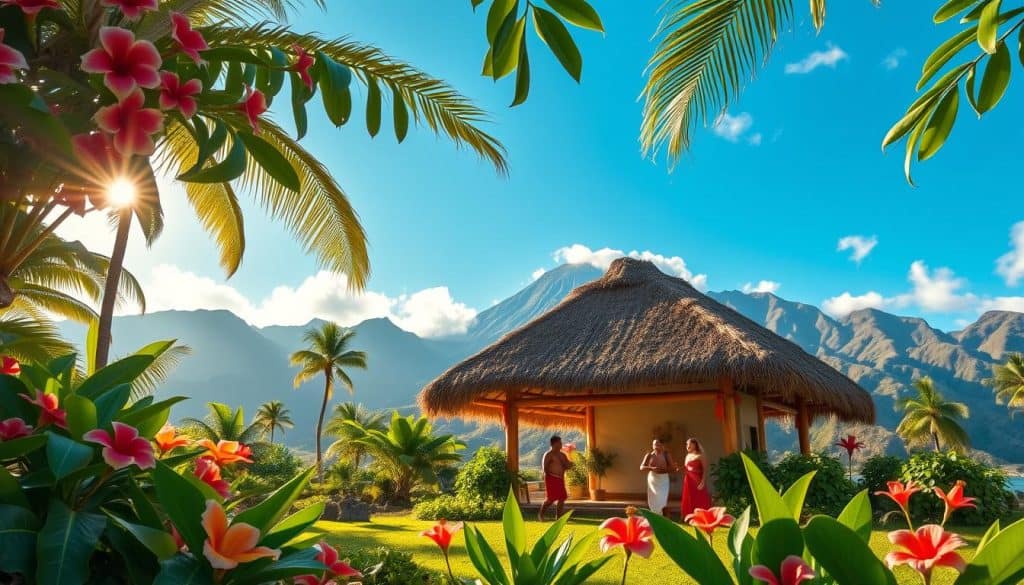
Traditional Hawaiian Legends and Pele
At the heart of this landscape lies the legend of Pele, the goddess of fire and volcanoes. For centuries, her story has been woven into the fabric of Hawaiian culture. Pele is said to reside in the crater of Halemaʻumaʻu, where her fiery presence shapes the land.
Early Hawaiians believed that Pele’s eruptions were both a blessing and a curse. Her power created new land but also destroyed everything in its path. Today, her legacy lives on in the traditions and rituals practiced by locals.
Historic Landmarks and Visitor Centers
One of the most iconic landmarks is the Volcano House, a hotel perched on the rim of Kīlauea. Established in the 1800s, it has hosted countless visitors, including Mark Twain. The hotel offers stunning views of the crater and serves as a gateway to the park’s history.
The visitor centers are another must-see. They feature exhibits on the park’s geological and cultural history. From ancient artifacts to interactive displays, these centers provide a deeper understanding of the area’s significance.
| Historical Fact | Details |
|---|---|
| Park Establishment | Established in 1916 by President Woodrow Wilson |
| Volcano House | Operational since the 1800s, offering views of Kīlauea |
| UNESCO Designation | Recognized as a World Heritage Site in 1987 |
| Cultural Events | Annual festivals celebrating Hawaiian traditions |
From the summit of Mauna Loa to the lush forest trails, every corner of this area tells a story. Whether you’re exploring ancient lava tubes or learning about traditional land divisions, the past comes alive in this remarkable place.
Activities and Visitor Information
Prepare for an unforgettable adventure with practical tips and insights to make your visit seamless. Whether you’re planning a scenic drive or exploring the rim of a crater, this guide ensures you’re well-prepared for your journey.
Planning Your Visit and Current Conditions
Start by checking the latest updates on volcanic activity and road conditions. The park’s official site provides real-time alerts, ensuring you’re informed before you arrive. Visitor centers, like the Kīlauea center, are open daily and offer maps, exhibits, and expert advice.
For the best experience, plan your trip during drier months like April, May, September, or October. These times offer fewer crowds and more comfortable weather. Don’t forget to pack layers, as temperatures can vary from the 50s to the 70s Fahrenheit.
Safety Tips and Practical Advice
Safety is a top priority when exploring this dynamic landscape. Always stay on marked trails and avoid closed areas, especially near active volcanic sites. The rim of Halemaʻumaʻu Crater, for example, can be hazardous due to shifting conditions.
Carry plenty of water, sunscreen, and sturdy footwear. If you’re hiking, let someone know your plans and estimated return time. The park’s rangers are available to answer questions and provide guidance, ensuring your visit is both safe and enjoyable.
Local Events and Park Updates
Enhance your trip by participating in local events that celebrate Hawaiian culture and traditions. From guided tours to cultural festivals, there’s always something happening in the park. Check the calendar on the official site for the latest updates.
Recent updates include the reopening of certain trails and the addition of new exhibits at visitor centers. These changes reflect the park’s commitment to providing a world-class experience while preserving its natural and cultural heritage.
- Check real-time alerts and road conditions before your visit.
- Stay on marked trails and follow safety guidelines.
- Participate in local events to enrich your experience.
- Visit during drier months for fewer crowds and better weather.
Conclusion
This destination offers a rare blend of natural wonders and cultural depth, making it a must-visit for every traveler. From its active volcanic displays to its historic trails, every corner tells a story of resilience and beauty. Whether you’re exploring the visitor center or driving along scenic roads, the experience is unforgettable.
Plan your visit with confidence by staying updated on current conditions. This ensures you make the most of your time while respecting the park’s dynamic environment. Remember, preserving this natural treasure is a shared responsibility for future generations.
For more insights into the best national parks in the U.S., check out this guide. It’s a great resource to deepen your appreciation for these remarkable places. Start your journey today and join a vibrant group of nature enthusiasts!
FAQ
What are the must-see features in the park?
You’ll want to explore Kīlauea and Mauna Loa, two of the world’s most active volcanoes. Don’t miss the Crater Rim Drive and the Thurston Lava Tube for stunning views and unique geological formations.
Are there any safety tips for visiting active volcanoes?
Always stay on marked trails and follow park ranger advice. Volcanic gases and unstable terrain can be hazardous, so check current conditions before your visit.
What is the best time of year to visit?
The park is open year-round, but the weather is most pleasant from April to October. Keep in mind that conditions can change quickly due to the island’s diverse climate zones.
Can I see lava flows during my visit?
Lava activity varies, so check the park’s website or visitor center for updates. When active, viewing areas are set up for safe observation.
Are there guided tours available?
Yes, ranger-led programs and guided hikes are offered. These provide insights into the park’s geological wonders, history, and cultural significance.
What should I bring for a day trip?
Pack water, sunscreen, sturdy shoes, and a light jacket. The weather can shift from sunny to rainy quickly, especially at higher elevations.
Is the park family-friendly?
Absolutely! There are easy trails, educational exhibits, and ranger programs perfect for kids. Just ensure everyone stays safe near volcanic areas.
How do I get to the park from Hilo or Kona?
The park is about a 45-minute drive from Hilo and a 2.5-hour drive from Kona. Follow Highway 11 for a scenic route to the entrance.
Are pets allowed in the park?
Pets are only allowed in certain areas, like parking lots and paved roads. They must be leashed and are not permitted on trails or in wilderness areas.
What’s the significance of Pele in Hawaiian culture?
Pele is the Hawaiian goddess of fire and volcanoes. Her legends are deeply tied to the park’s landscape, and many cultural sites honor her presence.