

Did you know that Haleakalā National Park is home to more endangered species than any other national park in the United States? This stunning destination on the island of Maui offers a unique blend of volcanic landscapes, rich cultural heritage, and breathtaking natural beauty. Whether you’re planning to witness the famous sunrise at the summit or explore the lush trails, this guide will help you make the most of your visit.
From the towering crater to the serene coastal areas, the park’s diverse ecosystems are a paradise for nature lovers. You’ll discover unique flora and fauna, learn about Native Hawaiian legends, and experience the thrill of hiking over 30 miles of trails. With its ever-changing weather and dramatic landscapes, every visit feels like a new adventure.
This guide will walk you through everything you need to know—from planning your trip to exploring the park’s highlights. Get ready to immerse yourself in one of Hawaii’s most iconic destinations. For more insights into Hawaii’s natural wonders, check out this guide to the best national parks in.
Key Takeaways
- Home to more endangered species than any other U.S. national park.
- Features diverse landscapes, from volcanic craters to coastal areas.
- Offers over 30 miles of hiking trails for all skill levels.
- Rich in cultural heritage and Native Hawaiian legends.
- Sunrise at the summit is a must-see but requires reservations.
- Prepare for varying temperatures, from 30°F to 80°F in a single day.
- Visitor centers and trails provide historical and ecological insights.
Planning Your Visit to Haleakalā National Park
To make the most of your adventure, it’s essential to plan ahead and gather the right information. This iconic destination offers a variety of experiences, from the breathtaking sunrise at the summit to the lush trails along the coast. Proper preparation ensures a smooth and memorable trip.
Visitor Information and Permits
Before you head out, check the park’s website for current conditions and alerts. If you’re planning to witness the famous sunrise at the summit, you’ll need a permit. These can be reserved online up to 60 days in advance. A limited number of last-minute permits are released 48 hours before the event.
For those staying overnight, campsites can be booked six months ahead. Make sure to secure your spot early, especially during peak seasons. The park’s visitor centers are excellent resources for maps, weather updates, and tips from rangers.
Travel Routes, Timings, and Essential Tips
Driving to the park is straightforward. From Kahului, take Routes 37, 377, and 378 to reach the summit. The journey takes about two hours. For the Kīpahulu District, follow the Hana Highway, which offers stunning views but requires careful navigation.
Prepare for varying climates. The summit can be chilly, with temperatures dropping to the 30s, while the coastal areas are warmer. Dress in layers and bring essentials like water, snacks, and sunscreen. Plan your day to include stops at key sites like the Leleiwi Overlook and the Hosmer Grove trail.
Finally, remember there are no gas stations within the park. Fill up before you arrive to avoid any inconvenience. With these tips, you’re ready to explore this incredible island destination.
Exploring the Park’s Landscapes and Activities
From volcanic peaks to coastal trails, this area offers something for every adventurer. Whether you’re drawn to the dramatic views at the summit or the tranquil beauty of the coast, there’s no shortage of ways to connect with nature. Each region provides a unique experience, making it easy to tailor your visit to your interests.

Summit District Adventures and Sunrise Views
The summit district is famous for its breathtaking sunrise views. Standing at over 10,000 feet, you’ll feel like you’re on top of the world. The Haleakalā Crater, stretching 2.5 miles wide, offers a dramatic backdrop for your adventure. Early risers can witness the sun breaking over the horizon, casting a golden glow across the landscape.
For those who love hiking, the Sliding Sands Trail is a must. This 11.2-mile trek takes you deep into the crater, where you’ll encounter unique flora like the silversword plant. If you prefer a shorter hike, the Halemauʻu Trail provides stunning views with a 1,400-foot descent over two miles.
Kīpahulu District Escapes and Coastal Trails
On the coast, the Kīpahulu District offers a completely different vibe. Here, lush rainforests meet sparkling waterfalls. The Pipiwai Trail is a favorite, leading you through bamboo forests to the majestic Waimoku Falls. Along the way, you’ll pass the Seven Sacred Pools, perfect for a refreshing dip.
For a quick escape, the Kūloa Point Trail is a ½-mile loop that offers panoramic ocean views. This area is ideal for those who want to experience the park’s softer, tropical side without the high-altitude challenges.
Hiking Trails and Scenic Drives
Whether you’re hiking or driving, there’s plenty to explore. The park boasts over 30 miles of trails, catering to all skill levels. Scenic drives, like the Hana Highway, offer stunning views and multiple overlooks for photo opportunities. Here’s a quick guide to some of the most popular trails:
| Trail Name | Length | Difficulty | Highlights |
|---|---|---|---|
| Sliding Sands Trail | 11.2 miles | Moderate | Crater views, silversword plants |
| Halemauʻu Trail | 11 miles | Moderate | Switchbacks, crater overlooks |
| Pipiwai Trail | 4 miles | Moderate | Bamboo forest, Waimoku Falls |
| Kūloa Point Trail | 0.5 miles | Easy | Ocean views, coastal scenery |
No matter which trail or drive you choose, you’re guaranteed unforgettable views and a deeper connection to this incredible island landscape. Plan your visit to make the most of your day, whether you’re chasing sunrises or exploring coastal wonders.
Discovering the Park’s Biodiversity, Culture, and History
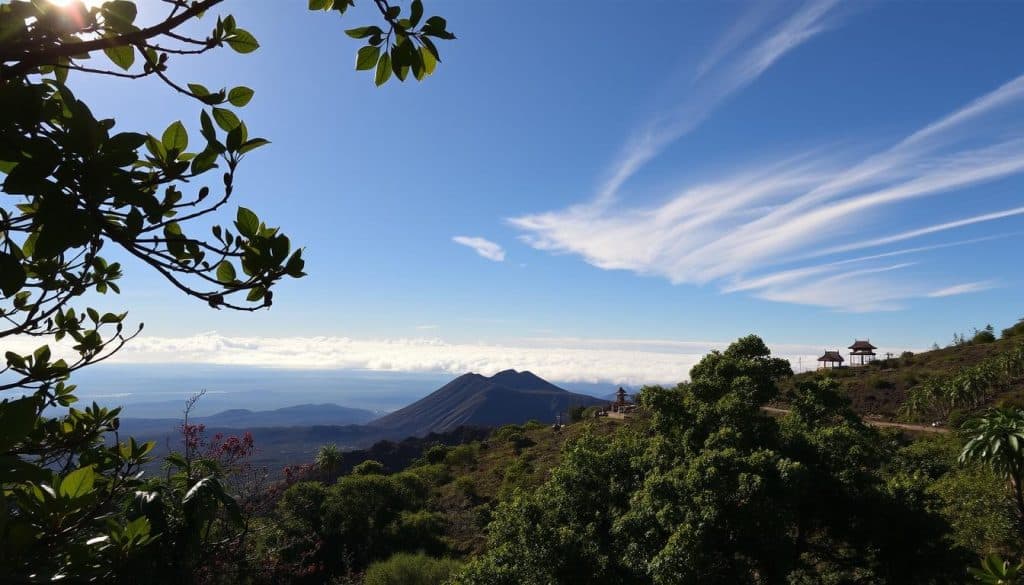
Step into a world where nature and culture intertwine in breathtaking harmony. This destination is not just a place to visit—it’s a living museum of rare species, ancient legends, and timeless landscapes. From the unique flora to the stories of Native Hawaiians, every corner tells a story.
Native Flora, Endangered Species, and Unique Fauna
The park is home to some of the rarest plants and animals on Earth. One standout is the Haleakalā silversword, a plant found nowhere else. Its silvery leaves and towering bloom make it a symbol of resilience in this volcanic landscape.
Endangered species like the nēnē, Hawaii’s state bird, thrive here. Over 125 species of Hawaiian lobelioids, a group of flowering plants, also call this area home. These species are a testament to the park’s role in conservation.
Here’s a quick look at some of the unique species you might encounter:
| Species | Type | Significance |
|---|---|---|
| Haleakalā Silversword | Plant | Endemic to the crater |
| Nēnē | Bird | Hawaii’s state bird |
| Hawaiian Lobelioids | Plant | Largest example of adaptive radiation |
Cultural Heritage, Legends, and Historical Insights
The park is steeped in Native Hawaiian culture and history. Legends like the tale of Maui and the sun are deeply tied to this land. According to the story, the demigod Maui lassoed the sun from the summit to slow its journey across the sky.
Cultural practices, such as traditional chanting and the use of historical artifacts, are preserved here. The park’s boundaries have evolved over time, but its commitment to protecting Native Hawaiian heritage remains strong.
Understanding this rich history enhances your visit. It’s not just about the views—it’s about connecting with the stories that shaped this place.
Conclusion
Your journey to this iconic destination promises unforgettable moments. From the dramatic summit views to the lush coastal trails, this island treasure offers something for everyone. Plan ahead to secure permits and make the most of your visit.
Explore the unique species and cultural stories that make this place so special. Whether you’re hiking through volcanic landscapes or learning about Native Hawaiian legends, every moment is enriching.
Don’t forget to check current conditions before your trip. Your adventure awaits—immerse yourself in the beauty and history of this incredible destination.
FAQ
What’s the best time to visit for sunrise at the summit?
Arrive at least 30 minutes before sunrise to secure a good spot. The summit area is popular, so plan ahead and check the weather for clear views.
Do I need a permit to enter the park?
Yes, you’ll need a permit for sunrise viewing at the summit. Reserve online in advance, as spots fill up quickly, especially during peak seasons.
Are there guided tours available in the park?
Yes, guided tours are offered for hiking, cultural insights, and wildlife spotting. Check the visitor center for schedules and availability.
What should I pack for a day trip to the park?
Bring layers, as temperatures vary significantly. Don’t forget water, snacks, sunscreen, and sturdy shoes for hiking or exploring the trails.
Can I see the silversword plant in the park?
Yes, the silversword is a rare native plant found in the summit area. Look for it along trails, but remember to admire it from a distance to protect it.
Are there any cultural sites to explore in the park?
Absolutely! The Kīpahulu District features historic sites and cultural landmarks. Learn about Hawaiian legends and the area’s rich history during your visit.
What’s the best way to explore the coastal trails?
Start early to avoid the midday heat. The Pipiwai Trail in the Kīpahulu District offers stunning views of waterfalls and lush rainforests.
Is the park accessible for families with young children?
Yes, there are family-friendly trails and scenic drives. The Hosmer Grove area and the Leleiwi Overlook are great spots for kids to enjoy the outdoors.
Can I camp overnight in the park?
Yes, camping is allowed in designated areas. Permits are required, so make reservations early to secure your spot.
What wildlife can I expect to see during my visit?
You might spot native birds like the nēnē (Hawaiian goose) and other unique species. Keep an eye out for wildlife while hiking or driving through the park.