
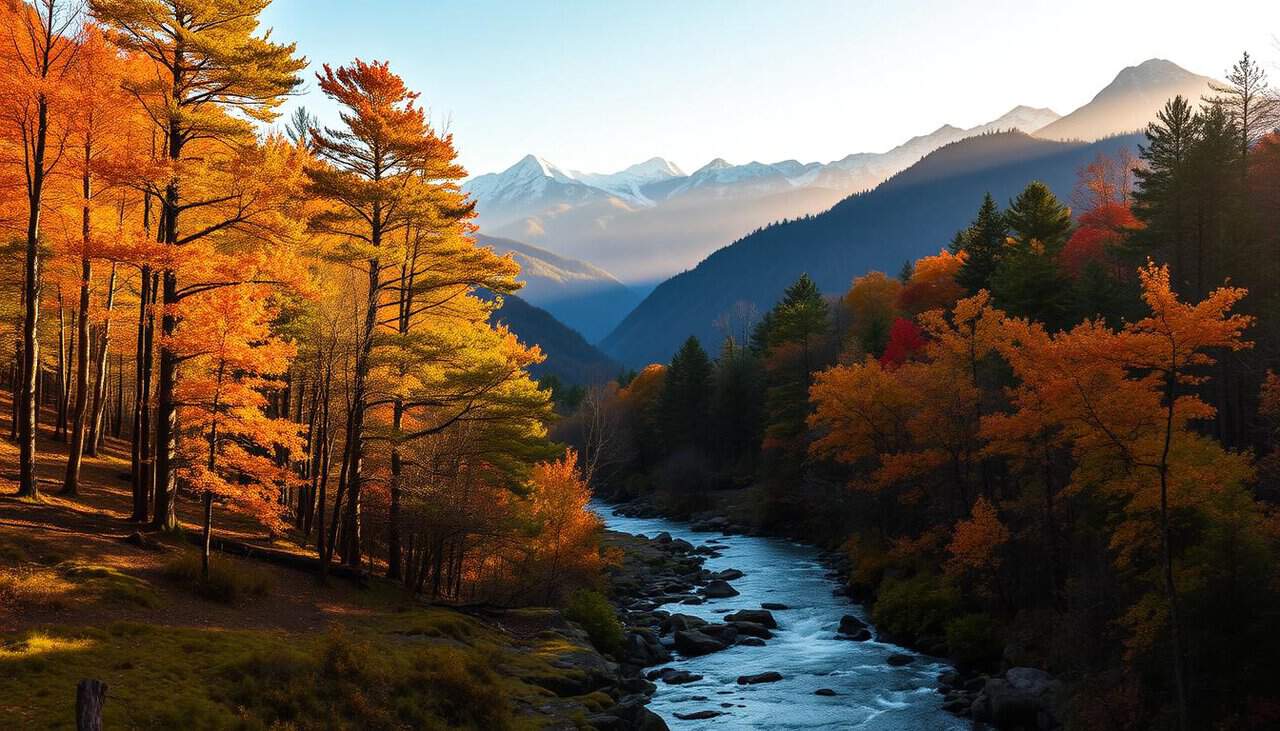
Did you know that the Great Smoky Mountains National Park attracts over 11 million visitors each year? This makes it the most visited national park in America. Spanning across North Carolina and Tennessee, this area is a treasure trove of natural beauty and rich history.
From lush forests to cascading waterfalls, the park offers something for everyone. It’s home to diverse wildlife, including black bears, and boasts over 800 miles of trails. Whether you’re a hiker, history buff, or nature lover, this destination has it all.
Planning your visit? Keep in mind that parking tags are required, and some roads close during winter. This guide will help you explore the best trails, camping spots, and historic sites. Get ready to discover why this national park is a must-see.
Key Takeaways
- The park spans two states: North Carolina and Tennessee.
- It’s home to over 1,500 species of wildflowers.
- Parking tags are required for stays longer than 15 minutes.
- There are over 800 miles of hiking trails to explore.
- The park is open 24/7, year-round.
Discover the Beauty of Great Smoky Mountains National Park
Step into a world where nature’s grandeur unfolds at every turn. This iconic destination spans North Carolina and Tennessee, offering a blend of scenic ridges, lush forests, and cascading waterfalls. With over 12 million visitors annually, it’s no wonder this place holds a special spot in the hearts of nature lovers.
An Overview of the Park’s Majesty
The park’s ancient forest ridges and sweeping vistas create an unforgettable experience. From the towering peaks like Clingmans Dome to the serene valleys, every corner tells a story of natural wonder. The diverse flora and fauna make it a paradise for wildlife enthusiasts, with over 1,600 species of plants and animals calling it home.
Here’s a quick look at what makes this place so special:
| Feature | Details |
|---|---|
| Highest Peak | Clingmans Dome (6,643 feet) |
| Trails | 850 miles across 150 trails |
| Wildlife | Over 1,600 black bears |
| Visitors | 12+ million annually |
Why It’s a Must-Visit Destination
Whether you’re drawn by the fall foliage or the vibrant wildflowers of spring, this destination shines in every season. Historic landmarks like Mingus Mill add a cultural layer to your visit, while the Appalachian Trail offers a challenge for avid hikers. With no entry fee, it’s accessible to all, making it a perfect getaway for families, adventurers, and history buffs alike.
Here are a few reasons to add this park to your bucket list:
- Stunning landscapes that change with the seasons.
- Rich biodiversity, including rare species like salamanders.
- Historic sites that offer a glimpse into the past.
- Over 800 miles of trails for all skill levels.
Planning Your Adventure
Planning a trip to this iconic destination? Timing and preparation are key. Whether you’re visiting for the first time or returning for another adventure, knowing the best times to go and how to navigate the park’s logistics will make your experience smoother and more enjoyable.
Best Times to Visit
Each season offers something unique. Fall brings vibrant colors to the mountain ridges, making it a favorite for photographers and nature lovers. Spring is perfect for wildflower enthusiasts, with over 1,500 species blooming across the park. Summer is ideal for hiking, while winter offers serene, snow-covered landscapes.
Here’s a quick guide to help you decide:
- Fall: Experience stunning foliage, especially in October.
- Spring: Enjoy blooming wildflowers from April to June.
- Summer: Explore trails and waterfalls, but expect crowds.
- Winter: Discover peaceful views, but some roads may close.
Essential Tips for Park Logistics and Parking
To make the most of your visit, start by securing a parking tag. These are required for stays longer than 15 minutes and cost $5 per day or $15 for a week. You can purchase them online or at visitor centers.
Be aware of road closures, especially during winter. Check the park’s official website for updates. Arrive early to avoid crowds, particularly at popular spots like Clingmans Dome or Cades Cove.
Here are a few more tips:
- Pack layers, as weather can change quickly in the mountains.
- Visit local visitor centers for maps and expert advice.
- Plan ahead for camping or hiking permits to ensure availability.
With a little preparation, your trip to this stunning area will be unforgettable. Start planning today to experience the beauty and adventure it has to offer.
Explore Scenic Trails and Waterfalls
The trails and waterfalls of this region are a hiker’s paradise. With over 850 miles of paths winding through ancient forests and across rugged ridges, there’s something for every adventurer. Whether you’re seeking a leisurely stroll or a challenging climb, the park offers endless opportunities to connect with nature.
Popular Trails and Hidden Gems
For those looking for well-trodden paths, Cades Cove is a must-visit. This 11-mile loop offers stunning views of the valley and is perfect for spotting wildlife. If you prefer solitude, explore lesser-known trails like Abrams Falls or Porters Creek. These hidden gems provide quiet escapes and breathtaking vistas.
Here are a few trails to consider:
- Alum Cave Trail: A challenging route with panoramic views.
- Laurel Falls Trail: A family-friendly path leading to a picturesque waterfall.
- Gregory Bald Trail: Known for its vibrant wildflower displays in spring.
Waterfall Wonders to See
No visit is complete without witnessing the waterfalls that define this landscape. Rainbow Falls is a favorite, with its 80-foot drop creating a misty rainbow on sunny days. For a more secluded experience, head to Ramsey Cascades, the tallest waterfall in the park.
Here’s what makes these waterfalls special:
- Rainbow Falls: A moderate hike with a stunning payoff.
- Ramsey Cascades: A challenging trek through old-growth forests.
- Grotto Falls: Unique for its walk-behind feature.
Before you hit the trails, grab a map from the visitor center and check for updates on conditions. Seasonal changes can affect accessibility, so plan accordingly. Whether you’re chasing waterfalls or exploring hidden paths, the park promises an unforgettable adventure.
Wildlife and Nature Encounters
From black bears to vibrant birds, the park is a haven for wildlife enthusiasts. Known as one of the most biologically diverse areas in the United States, it’s home to over 1,600 species of plants and animals. Whether you’re an avid bird watcher or simply love observing nature, this destination offers endless opportunities to connect with the wild.

Top Tips for Animal and Bird Watching
To make the most of your wildlife experience, follow these practical tips. First, always maintain a safe distance from animals, especially black bears. Federal regulations require staying at least 50 yards away from bears and elk. Feeding wildlife is strictly prohibited, as it can harm their health and lead to dangerous encounters.
Here are some additional guidelines for a safe and enjoyable visit:
- Timing Matters: Early mornings and evenings are the best times to spot wildlife, as many animals are most active during these hours.
- Seasonal Highlights: Spring and fall are ideal for bird watching, with migratory species passing through and nesting birds filling the forests.
- Observation Points: Open areas like Cades Cove and Cataloochee offer excellent opportunities for wildlife viewing.
For a deeper understanding of the park’s wildlife, consider joining a guided tour. Rangers and naturalists can provide insights into animal behaviors and help you spot elusive species. Don’t forget to bring binoculars and a field guide to enhance your experience.
By respecting the natural habitat and following these tips, you’ll not only enjoy your visit but also contribute to the preservation of this incredible ecosystem. Start planning your wildlife adventure today and immerse yourself in the beauty of the mountains.
Uncover the Park’s Rich History and Cultural Landscapes
The rich history of this area is as captivating as its natural beauty. From ancient settlements to preserved landmarks, the past comes alive here. This region has been shaped by centuries of human interaction, leaving behind a legacy that continues to inspire visitors today.
Historic Districts and Landmarks
One of the most iconic historic districts is Cades Cove. This valley was once home to early European settlers in the 1800s. Today, it’s a window into the past, with preserved cabins, churches, and mills. Walking through this area feels like stepping back in time.
Another notable landmark is Mingus Mill, a grist mill built in 1886. It’s a testament to the ingenuity of early settlers and their reliance on natural resources. These structures tell stories of resilience and adaptation in the face of challenges.
Here’s a look at some key historic sites:
| Landmark | Significance |
|---|---|
| Cades Cove | Early settler community with preserved buildings |
| Mingus Mill | Functional grist mill showcasing 19th-century technology |
| Elkmont Historic District | Former logging town turned into a preserved historic site |
| Little Greenbrier School | One-room schoolhouse from the late 1800s |
The Legacy of Appalachian Culture
The Appalachian culture is deeply rooted in this region. Early settlers brought traditions that have been passed down through generations. Music, crafts, and storytelling are integral parts of this heritage. The park preserves these traditions, offering visitors a glimpse into a way of life that has endured for centuries.
One example is the annual Mountain Life Festival, where visitors can experience traditional music, crafts, and food. These events celebrate the resilience and creativity of the people who called these mountains home.
Here are some highlights of Appalachian culture in the park:
- Music: Traditional instruments like the banjo and fiddle are still played today.
- Crafts: Handmade quilts, baskets, and pottery reflect the region’s artistic heritage.
- Storytelling: Folktales and legends are shared to keep the culture alive.
By exploring these historic districts and cultural landmarks, you’ll gain a deeper appreciation for the people who shaped this landscape. Their stories are woven into the fabric of the park, making it a truly unique destination.
Experience the Dynamic Climate and Geology
The dynamic climate and geology of this region create a unique and ever-changing landscape. From sudden weather shifts to ancient rock formations, every corner of the park tells a story of natural evolution. Understanding these elements will enhance your visit and deepen your appreciation for this remarkable area.

Understanding Mountain Weather Patterns
Weather in the mountains can change rapidly. One moment, you might enjoy clear skies, and the next, you could encounter fog or rain. This unpredictability is due to the region’s elevation, which ranges from 875 feet to 6,643 feet at Clingmans Dome.
Seasonal changes also play a significant role. Fall brings vibrant foliage, while spring showcases blooming wildflowers. Winter often blankets the higher elevations in snow, creating serene, picturesque scenes. Always pack layers and check forecasts before heading out.
Here’s a quick guide to mountain weather:
- Spring: Mild temperatures, frequent rain, and blooming flora.
- Summer: Warm days, occasional thunderstorms, and lush greenery.
- Fall: Cooler air, colorful leaves, and clear skies.
- Winter: Snow at higher elevations, icy trails, and peaceful views.
Geological Formations and Scenic Outlooks
The park’s geology is as fascinating as its weather. Formed over 200–300 million years ago, the mountains are among the oldest in the world. Ancient rock outcroppings and high peaks like Kuwohi offer a glimpse into the Earth’s history.
Orographic lift, a process where moist air rises over the mountains, contributes to the region’s high precipitation. This phenomenon supports diverse ecosystems, from dense forests to cascading waterfalls.
Here are some must-see geological features:
| Formation | Description |
|---|---|
| Kuwohi | One of the highest peaks, offering panoramic views. |
| Ancient Rock Outcroppings | Showcase the park’s geological history. |
| Clingmans Dome | The highest point in the park, with a scenic observation tower. |
For the best views, head to scenic outlooks like Newfound Gap or Charlies Bunion. These spots allow you to appreciate the intersection of weather and geology, creating unforgettable moments.
Explore more about Tennessee’s national parks to discover other stunning destinations in the region. Whether you’re a nature enthusiast or a casual visitor, the park’s dynamic climate and geology promise an adventure like no other.
Local Attractions and Surrounding Adventures
Beyond the park’s borders, a world of adventure awaits. From charming towns to thrilling attractions, the area surrounding the Great Smoky Mountains National Park offers something for everyone. Whether you’re looking for family-friendly fun or outdoor excitement, these nearby destinations are worth exploring.
Nearby Towns and Visitor Attractions
Just a short drive from the park, you’ll find towns like Gatlinburg, Townsend, and Cherokee. Each offers its own unique charm and attractions. Gatlinburg is known for its bustling streets, with highlights like Ripley’s Aquarium and the Gatlinburg SkyLift. Townsend, often called the “Peaceful Side of the Smokies,” is perfect for those seeking a quieter escape.
Cherokee, located on the North Carolina side, is rich in Native American history and culture. Visit the Museum of the Cherokee Indian or try your luck at Harrah’s Cherokee Casino. For family fun, Dollywood in Pigeon Forge is a must-see, offering rides, shows, and Southern hospitality.
Additional Outdoor Activities
If you’re craving more adventure, the area around the park has plenty to offer. Try ziplining at Anakeesta or tubing on Deep Creek. Scenic drives like the Tail of the Dragon or the Blue Ridge Parkway provide breathtaking views of the mountains.
For water enthusiasts, Fontana Lake offers boating and fishing opportunities. Winter visitors can enjoy skiing or snowboarding at Cataloochee Ski Area. No matter your interests, there’s always something to do beyond the park.
| Activity | Location | Cost |
|---|---|---|
| Ziplining | Anakeesta | Starts at $50 |
| Tubing | Deep Creek | Starts at $5 |
| Scenic Drives | Tail of the Dragon | Free |
| Skiing | Cataloochee Ski Area | Starts at $30 |
Combine your park visit with these local experiences to make the most of your trip. From cultural landmarks to outdoor thrills, the surrounding area complements the natural beauty of the Great Smoky Mountains.
Conclusion
Discover why millions are drawn to this iconic destination each year. With its breathtaking landscapes, rich history, and diverse wildlife, the park offers something for everyone. From scenic trails to cascading waterfalls, every visit promises unforgettable moments.
Plan your trip with confidence. Whether you visit in spring for wildflowers or fall for vibrant foliage, each season brings its own charm. Remember to check for road closures and pack layers to adapt to the mountain weather.
Don’t miss the chance to explore nearby towns and attractions for a well-rounded adventure. This cherished area invites you to uncover its hidden gems and create lasting memories. Start planning your journey today and experience the magic of the Smoky region firsthand.
FAQ
When is the best time to visit the park?
The best time to visit is during spring and fall. Spring brings blooming wildflowers, while fall offers stunning foliage. Summer is popular but crowded, and winter provides a peaceful, snowy escape.
Are there parking options available?
Yes, parking is available at various trailheads and visitor centers. Arrive early, especially during peak seasons, to secure a spot. Shuttle services are also offered in busy areas.
What are some must-see trails?
Popular trails include Clingmans Dome, Alum Cave, and Abrams Falls. For hidden gems, try Porters Creek or Rainbow Falls. Each offers unique views and experiences.
Can I see wildlife in the park?
Absolutely! You might spot black bears, deer, or elk. For birdwatching, bring binoculars and visit areas like Cades Cove or Cataloochee Valley.
What’s the history behind the park?
The area is rich in Appalachian culture and history. Explore historic districts like Cades Cove or learn about early settlers at the Mountain Farm Museum.
How should I prepare for the weather?
Mountain weather can change quickly. Dress in layers, bring rain gear, and check forecasts before heading out. Be prepared for cooler temperatures at higher elevations.
Are there activities outside the park?
Yes! Nearby towns like Gatlinburg and Cherokee offer attractions, dining, and shopping. You can also enjoy rafting, fishing, or exploring the Blue Ridge Parkway.