

Imagine standing in a place where nature’s beauty is still pure, away from all the noise of modern life. The Gates of the Arctic National Park in Northern Alaska offers a unique chance for adventure lovers and nature fans. This incredible park spreads over 11 million acres, featuring the stunning Brooks Range with its glacier-carved peaks. With less than 10,000 people visiting a year, it’s like a secret treasure waiting to be found.
In this guide, you’ll find all you need to know about getting to the park, its beautiful landscapes, and the animals that call it home. You’ll also learn how to visit responsibly to make sure you leave it as beautiful as you found it. Whether you’re hiking in the mountains, kayaking on the rivers, or exploring Alaska’s rich history, Gates of the Arctic National Park has something special for you. For more on Alaska’s national parks, check out this helpful link.
Key Takeaways
- The park covers an area of 11 million acres and features diverse ecosystems.
- It is accessible only by air, making it a unique remote destination.
- Gates of the Arctic receives fewer than 900 visitors annually.
- Wildlife includes caribou, moose, and grizzly bears among other species.
- The recommended season for backpacking in the park is from the last week of June through the first week of July.
- The Brooks Range stretches over 600 miles, enhancing the park’s scenic views.
- Understanding park regulations is key to preserving the delicate environment.
Introduction to Gates of the Arctic National Park
Located in Alaska, Gates of the Arctic National Park is a unique wilderness experience. It was established on December 2, 1980. The park spans about 8.5 million acres, bigger than Belgium. It sits entirely above the Arctic Circle, featuring rugged landscapes, clear rivers, and lively ecosystems.
The park is known for its six National Wild and Scenic Rivers, like the Kobuk and Noatak. These rivers add to the park’s incredible views. Despite its beauty, less than 1,000 visitors come here each year. Yet, those who do may see the northern lights and enjoy endless daylight in June.
Getting to the park requires a floatplane or hiking through the wild. There are no roads or visitor centers. People can only camp in the backcountry here. Bear boxes are needed to keep food safe from wildlife like grizzlies and Arctic caribou.
Key Features and Unique Landscapes
Gates of the Arctic National Park is a place of rugged mountains, clean rivers, and different life areas. It spreads over 8,472,505 acres, with most of it marked as national park and wilderness. Here, the impressive Brooks Range with its tall, ice-free peaks and the tundra set a beautiful scene.
Mountain Ranges and Terrain
The Brooks Range is a highlight of the park, showing off stunning Arctic views that people love. Different heights and rocks result in various small climates. These affect the living things and places here. The tundra, without trees, has plants that can survive very cold temperatures, down to -50°F in winter.
Rivers and Glacial Features
Rivers like the Alatna, Noatak, and Kobuk flow through the park. They are important for fish, wildlife, and sports like canoeing and rafting. These rivers and the ice features show how nature has shaped the land over time.
Flora and Fauna
The park is home to a big variety of plants and animals. You can see Arctic poppies, tiny birches, caribou, grizzly bears, and wolves. It’s also a spot for birds that live there all the time or just visit. All these living things together keep the wilderness alive.
Getting There: Access and Transportation
Gates of the Arctic National Park is a challenging place to get to because it’s so remote. There are no roads leading right into it. Visitors need to plan well on how to get there. The Dalton Highway is nearby and is the main road people use. It offers a beautiful drive, but it’s a long way – between 8 to 12 hours from Fairbanks. You can also take a public shuttle along the highway, making the distance easier to manage.
Best Routes to the Park
Here are the best ways to reach the park:
- The Dalton Highway for vehicle access
- Bureau of Land Management Galbraith Lake campground for parking
- Air taxis for quick access via bush plane charter
You can park at Galbraith Lake and hike from there. Remember, six miles is what experienced hikers see as a good day’s walk in the park’s tough terrain. Crossing the Itikmilak and Itkillik Rivers might be hard, especially when the water’s high in spring.
Transportation Options Within the Park
Getting around the vast wilderness of the park is key for a great visit. Bush planes are the fastest way to see everything. Air taxis can take you to different spots, like Anaktuvuk Pass, without the need for long walks. However, bad weather can change flight plans. So, it’s smart to plan extra days for weather troubles.
All charter operators must have a permit to fly in the park. Depending on the plane, your options include:
| Aircraft Model | Passenger Capacity |
|---|---|
| Cessna 185 | 2-3 passengers and gear |
| Cessna 206-207 | 3-5 passengers and gear |
| PA-18 (Cub or Super Cub) | 1 passenger (best for rough landing areas) |
Charter prices change with the weather and other things. You might need more than one flight if you’re using small airstrips because of how much you can carry. Plan well, and you’ll get to enjoy the stunning views of Gates of the Arctic!
Planning Your Visit: When to Go
Choosing the right time for your trip can make your visit to Gates of the Arctic National Park better. It’s good to know when to go to enjoy the park’s seasonal activities and weather. The park offers different experiences all year, depending on what adventure you’re looking for.
Seasonal Highlights
From late June to early July is usually the best time. You’ll find plenty of sunlight and a milder climate. This is perfect for backpacking across the park’s vast landscapes. You might also see caribou migrating, which is an amazing sight.
When it turns to autumn, the scenery changes beautifully. The fall colors make it a fantastic time for both exploring and taking pictures.
Weather Considerations
The weather here can change quickly. You might see sun, rain, or snow all in one visit. Spring and late fall can be very cold, dropping to -40°F.
Planning is important because the park doesn’t have any services. Also, if you’re staying overnight, remember to bring Bear Resistant Food Containers (BRFCs) for safety and to protect the environment.
| Month | Temperature Range (°F) | Main Attractions |
|---|---|---|
| June | 30 – 70 | Caribou Migration |
| July | 40 – 80 | Extended Daylight |
| August | 30 – 70 | Start of Fall Colors |
| September | 20 – 60 | Autumn Foliage |
Park Regulations and Guidelines
Keeping Gates of the Arctic National Park beautiful and safe is important. This means everyone must understand and follow the park’s rules. These rules help protect the environment and keep visitors safe. Knowing these rules will also make your trip better.
Leave No Trace Principles
The Leave No Trace principles are key in Gates of the Arctic. They keep the park clean and natural. Here’s what you should do:
- Pack out all waste, including food scraps and packaging.
- Avoid damaging vegetation by staying on durable surfaces and camping in previously used areas.
- Minimize campfire impacts; use portable backpacking stoves for cooking instead.
- Observe wildlife respectfully from a distance without feeding or approaching them.
Safety Guidelines for Visitors
Your safety is very important in the Gates of the Arctic wilderness. To stay safe, please follow these tips:
- Carry the right gear for hiking and camping, like a first aid kit and clothes for any weather.
- Learn what to do if you see bears or moose. Stay calm and slowly back away.
- Bring a map and compass. They are very helpful in this remote place.
- Know what to do in emergencies to handle unexpected situations well.
Popular Activities in the Park
Gates of the Arctic National Park offers exciting outdoor activities across its vast 8.4 million acres. You can choose from various hikes, watch wildlife, and camp to experience nature’s beauty.
Hiking Trails for All Levels
This park provides a special chance for hikers of all levels, even though there are no marked trails. You create your own path, making each hike a unique adventure. It’s perfect for those who love exploring and taking pictures of nature.
Hiking off-trail lets you see animals up-close and find beautiful places for photos.
Wildlife Viewing Opportunities
Gates of the Arctic is a haven for wildlife watchers. Home to the large Western Arctic caribou herd and other species. While visiting, you might see grizzly bears, wolves, and various birds.
This park offers amazing photo opportunities of its landscapes and wildlife. It’s an adventure lover’s dream.
Camping Options Available
Experience the quiet of backcountry camping in breathtaking wilderness. You can camp all over, from riversides to hidden mountain areas. Prepare for an unforgettable stay under the Arctic skies.
Before you go, remember to check the weather. This helps ensure your camping trip is safe and fun.
Unique Cultural Aspects
The Gates of the Arctic National Park holds deep cultural importance. It connects us to the Nunamiut people’s legacy, who have lived here for over 13,000 years. The park houses many archeological sites, showing how these communities lived and survived. By participating in cultural events, visitors can truly understand and value this rich history.
Indigenous History of the Area
The Nunamiut people have a long history in the Brooks Range. They have always adapted to their harsh environment. They used to move around a lot, living off the land through hunting and gathering. Only in recent times did they start settling down. This deep bond with the land makes visiting here a special experience.
Cultural Events and Programs
At Gates of the Arctic, there are many cultural events and programs all year round. These activities help you learn about the indigenous people’s ways and traditions. Joining in helps you connect with the native cultures. You’ll enjoy the stunning landscapes more, knowing the stories and customs that shaped this land.
Photography Tips for Your Visit
Gates of the Arctic National Park is a photographer’s dream. It has lots of spots perfect for photos, showing the area’s natural beauty. With special landscapes and lots of animals, there are endless chances for amazing pictures. The Arrigetch Peaks are a highlight, offering some of the best views. This place invites you to discover its untouched wilderness.
Best Locations for Scenic Shots
Some places in Gates of the Arctic are simply the best for photos:
- Arrigetch Peaks: The most famous spot, with amazing views, especially at sunrise and sunset.
- Alatna River: A beautiful river, great for pictures with reflections and movement.
- Brooks Range: The most northern mountains on Earth, with dramatic views.
- Wildflower Meadows: In summer, colorful flowers make your photos pop.
Tips for Capturing Wildlife
Taking pictures of animals in Gates of the Arctic needs carefulness and skill. Here are some tips to get great wildlife photos:
- Use long lenses to keep a safe distance, so you don’t bother the animals.
- Be patient and wait for the perfect moment, like a caribou eating or a wolf walking by.
- Visit at dawn or dusk for the best chance to see animals moving around.
- Always respect the animals and their homes. Getting too close can stress them out.
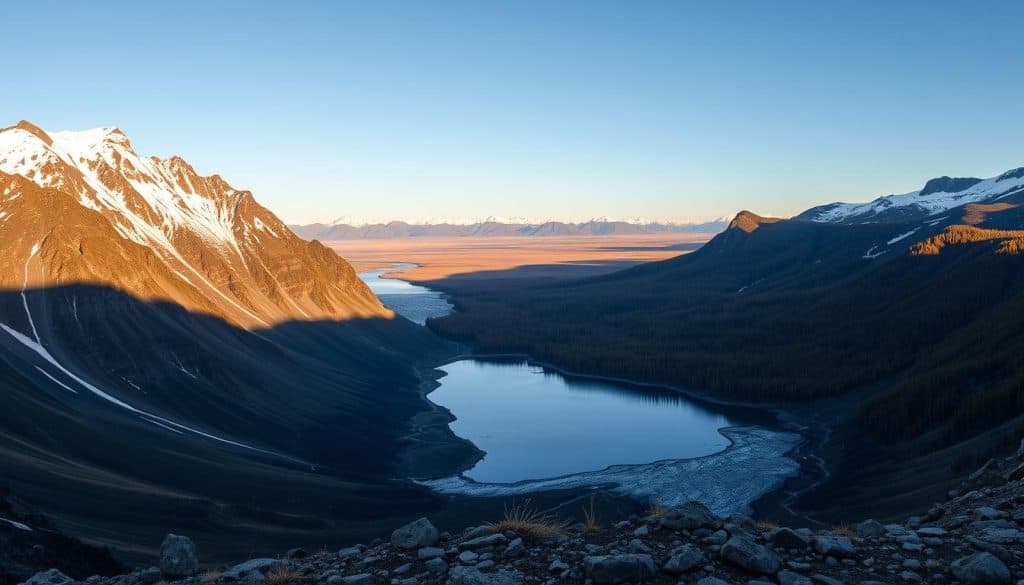
Following these tips can make you better at wildlife photography while enjoying the stunning views. Don’t stick to common paths. Exploring new areas can give you unique photos and make your trip unforgettable.
Suggested Itineraries for Different Durations
Gates of the Arctic National Park offers various itineraries for different trips. Whether short on time or able to stay longer, planning helps you enjoy your adventure more.
One-Day Trip Itineraries
A flight-seeing tour is a great choice for a one-day visit. It allows you to see the park’s beauty in a few hours. Or, start a short hike at Anaktuvuk Pass to get into the wilderness just two miles from the park.
Four-Day Adventure Plans
If you can stay longer, try a four-day backpacking trip. This trip starts at Anaktuvuk Pass and goes through river valleys and mountains. You might see the huge Western Arctic Caribou Herd. Remember to store food safely to follow NPS rules.
Here’s a sample itinerary for a four-day trip:
| Day | Activities | Notes |
|---|---|---|
| 1 | Arrival at Anaktuvuk Pass, acclimatization, and short hikes | Flight costs around $190 from Fairbanks |
| 2 | Begin multi-day hike into the park’s interior | Expect varying weather conditions and prepare accordingly |
| 3 | Explore river valleys and set up camp | This allows for wildlife viewing opportunities |
| 4 | Return hike to Anaktuvuk Pass and depart | Leaving a detailed itinerary with local contacts is recommended |
When choosing your trip, remember it’s tough to get to these places. For more info on visiting Kobuk Valley and Gates of the Arctic, visit this guide on planning your trip. A bit of planning makes for an unforgettable time in this amazing park.
Essential Gear and Packing List
Getting ready for your adventure in Gates of the Arctic means picking the right hiking gear and outdoor equipment. If you don’t have the right stuff, you could end up uncomfortable or even in danger. It’s key to pack smart so you can enjoy the park’s beauty safely. Here’s what you need for hiking and to stay safe around wildlife.
Must-Have Gear for Hiking
- Clothing Layers: Aim for at least 5 layers for your upper body and 4 for your lower body. This ensures comfort across varying weather conditions.
- Tent: A 3- or 4-season tent, weighing around 9 pounds, is recommended for optimal shelter.
- Sleeping Bag: Choose one rated for temperatures between 15 to 20°F alongside a liner for extra warmth.
- Sleeping Pad: About 2 pounds, opt for something like Thermarest “trail-pro” pads for cushioning.
- Socks: Bring 3-4 pairs of synthetic or wool socks and 2 pairs of waterproof ones to keep your feet dry.
- Boots: Gore-Tex hiking boots work best in the damp tundra conditions.
- Backpack: A pack with 40-70L capacity will accommodate your gear while maintaining comfort.
Wildlife Safety Equipment
Keeping safe from bears is critical in the park. Using the right safety equipment and knowing how animals behave makes it less likely you’ll run into trouble.
- Bear Spray: Carry bear spray and know how to use it effectively.
- Food Storage: Use a bear-resistant food container suitable for your group size and trip duration.
- Emergency Kit: Include supplies such as Band-Aids, aspirin, and a small first aid kit to address minor emergencies.
- Navigation Tools: A map and compass or GPS devices are essential for safe navigation.
- Insect Repellent: Use a DEET concentration of 30-40% to protect against mosquitoes, which are notably bothersome in late June and July.
Nearby Attractions and Parks
If you’re looking to see more than Gates of the Arctic National Park, there are nearby places to explore. Noatak National Preserve and Kobuk Valley are amazing spots. They offer unique landscapes and experiences in Alaska’s wilderness.
Exploring the Noatak National Preserve
Noatak National Preserve is right next to Gates of the Arctic. It spreads over more than 1.5 million acres. It’s home to vast tundra, clean rivers, and various animals.
By canoeing or hiking, you can see the quiet beauty of Alaska. There are many chances to see animals up close. It’s perfect for those who love nature and taking photos.
Visiting Kobuk Valley National Park
Kobuk Valley National Park is famous for its big sand dunes and lively rivers. It makes a great pair with Gates of the Arctic. This place lets you see desert-like areas next to greenery and animals.
The different environments offer varied experiences, like dune exploration and river paddling. Traveling here, you learn about the ecosystems’ connections. It deepens your appreciation of this special area.
Wildlife to Expect in Gates of the Arctic
Gates of the Arctic National Park covers over 8.4 million acres. It’s home to diverse wildlife, allowing visitors to see animals in their natural setting. Knowing the best times to see wildlife can make your trip even better.
Key Species You Might See
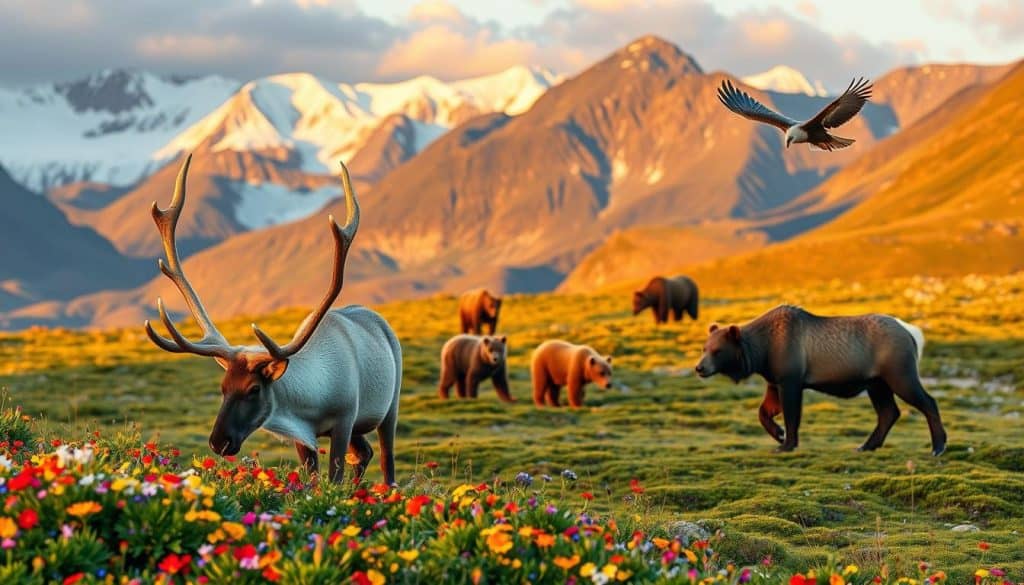
You might see grizzly bears, wolves, and caribou in the park. There are also smaller mammals and various birds. These animals are part of what makes the park special.
- Grizzly Bears
- Caribou
- Muskoxen
- Dall Sheep
- Wolverines
- Golden Eagles
- Arctic Grayling (fish)
The animals live in different parts of the park, like riverbanks and mountains. The park’s animals and plants depend on each other to survive.
Best Times for Wildlife Sightings
The best times to see wildlife depend on the season. Early summer is great for seeing caribou move. Fall is when you can see moose. These tips will help you plan:
- Go in early June to see caribou.
- Visit in mid-August for fall colors and active moose.
- Late spring is great for birds returning.
Knowing when to visit can make your wildlife watching better. Always be patient and respect the animals and nature. This makes your experience more enjoyable.
Educational Programs and Workshops
Gates of the Arctic National Park offers enriching educational programs. These programs are designed to make your experience in this incredible natural setting better. Engaging in ranger programs lets you learn about the park’s ecosystems and conservation efforts. These sessions involve hands-on educational activities. They allow you to connect with the wilderness around you in meaningful ways. This fosters a deeper love for the delicate balance of nature.
Ranger-led Activities
Getting involved in ranger-led activities is a great way to dive deep into the park’s environment. These guided programs include:
- Guided hikes through diverse landscapes
- Tours focused on local geology and wildlife
- Interactive talks that spotlight conservation practices
Such experiences are key to better understanding Alaska’s wildlands. They provide direct insights into the park’s ecological importance. Taking part in these ranger programs boosts family learning. It offers an educational setup that suits all ages.
Educational Resources for Families
Families visiting Gates of the Arctic can find many educational tools to enrich their trip. Resources at visitor centers and online might include:
- Field guides on local ecology
- Maps showing historical sites and trails
- Interactive activities to raise conservation awareness
Making use of these educational tools not only boosts your family’s experience but also promotes learning. It stresses the importance of safeguarding such a unique environment. Embracing these resources during your visit helps grow a lifelong love for nature and its protection.
Conservation Efforts in the Park
Gates of the Arctic National Park is making great progress in saving its unique ecosystems. It’s doing important environmental studies. These studies help us know more about the park’s animals and resources. This work helps make sure people now and in the future can enjoy the untouched wilderness of the park.
Ongoing Research and Initiatives
The National Park Service (NPS) uses many documents to take care of the park. There’s the Foundation Statement, Land Protection Plans, and General Management Plans. These documents show how dedicated the park is to taking care of the environment. A big part of the research is looking at how human activities affect the park. This is something the National Environmental Policy Act (NEPA) says must be done. NEPA makes sure federal agencies think about the environment in their plans. It also lets the public have a say in these decisions.
How You Can Help
When you visit Gates of the Arctic, there are ways you can help out. By joining in on cleanup efforts, you can make an immediate impact. Telling others about the need to protect natural places spreads the word. If you get involved with local park support groups or conservation networks, you can help even more. Your actions will make sure the beauty of Gates of the Arctic continues to inspire people for a long time.
Visitor Centers and Resources
Gates of the Arctic National Park has no traditional visitor centers in its vast 8.4 million acres. Nevertheless, you can find important visitor info in nearby communities like Anaktuvuk Pass and Bettles. These places offer helpful resources and advice, making your visit both informative and fun.
Hours and Locations
Knowing the hours of nearby facilities can make your trip better. Here’s a schedule for essential visitor resources:
| Visitor Center | Location | Operating Hours |
|---|---|---|
| HQ Fairbanks | Fairbanks | 8:00 am – 4:30 pm, Mon – Fri |
| Bettles Ranger Station | Bettles | 8:00 am – 5:00 pm, Daily (mid-May to mid-Sep); 8:00 am – 5:00 pm, Mon – Fri (mid-Sep to mid-May) |
| Coldfoot Visitor Center | Coldfoot | 10:00 am – 10:00 pm, Daily (June to August) |
Online Resources and Maps
Online tools are a big help in planning your trip. Websites dedicated to Alaska’s national parks have stuff like maps and ranger news. By using these resources, you can learn about the park and get ready for your adventure.
Conclusion: Why Gates of the Arctic Should Be on Your Bucket List
The Gates of the Arctic National Park is a stunning place you need to visit. It spans over 8.4 million acres in Alaska. This park gives you the quiet of untouched nature, beautiful views, and lots of animals. Being twice as large as Connecticut, it offers great adventure and peace for those who love the outdoors. Whether you’re hiking the mountains or looking at different plants and animals, you feel closer to nature’s beauty.
This park also lets you learn about local Indigenous cultures. You’ll find stories and insights that connect you to the land’s history. Summer, especially from mid-June to mid-August, is the best time for seeing animals and exploring. For more tips on when to go, visit this helpful link.
Gates of the Arctic is a top national park in the U.S. for good reasons. Its far-off location means fewer people and more nature time. If you love adventures, peace, and experiencing the wilderness, you should definitely go. Visiting this amazing park will make your travels even more special.
FAQ
What is the best time to visit Gates of the Arctic National Park?
The best time for backpacking is from late June to early July. This is when there’s less snow and fewer bugs. During fall, the park is full of beautiful colors, especially when days are shorter.
How do I access Gates of the Arctic National Park?
Getting to the park can be tough because it’s far from cities. The Dalton Highway is nearby to the east. It’s a long drive from Fairbanks, taking 8 to 12 hours. There are public shuttles. Also, bushplanes can fly you to different parts of the park.
What wildlife can I expect to see in the park?
Expect to see animals like caribou, grizzly bears, moose, and various birds. These species thrive in the park’s many habitats.
Are there camping facilities in Gates of the Arctic?
You can camp anywhere in the park. There are places by rivers, open tundra, or mountain areas to set up your tent.
What should I pack for a trip to Gates of the Arctic?
You’ll need synthetic clothes, good boots, a strong tent, tools for finding your way, and stuff for cooking. Don’t forget bear spray for safety against animals.
Can families participate in educational programs at the park?
Yes, families can enjoy learning programs. Rangers lead these activities at visitor centers. They make learning about the park’s nature and history fun.
What conservation efforts are in place in Gates of the Arctic?
The park works on protecting the environment, studying animals, and keeping the area clean. This keeps the park looking beautiful.
Are there any specific safety guidelines for visiting the park?
When visiting, carry the right gear and know how to be safe around animals. Be ready for the weather to change and for very cold or hot temperatures.