

Ever wondered about the role of Everglades National Park in providing clean water to South Floridians? Spanning 1.5 million acres, it’s not just a vast national park. It’s also key to supporting unique wildlife and crucial habitats.
Since 1947, Everglades National Park has been home to diverse habitats like mangrove forests and sawgrass marshes. Exploring this unique Florida wilderness reveals its role as a natural water cleaner. This directly impacts the area’s ecology and sustainability.
The ecosystems here are essential for preserving biodiversity and fighting challenges like invasive species and climate change. This makes your visit extremely significant.
Planning a visit? The Everglades offer many adventures and a chance to see the environmental challenges we face. This guide will help you explore the park’s wonders. It emphasizes the importance of protecting its fragile ecosystems for future generations.
Key Takeaways
- Everglades National Park is the largest subtropical wilderness in the Southeastern United States.
- The park plays a critical role in supplying clean drinking water for much of South Florida.
- It is home to diverse ecosystems, including mangroves and freshwater marshes.
- The Everglades is a UNESCO World Heritage site, highlighting its global ecological significance.
- Exploration opportunities abound, from hiking trails to wildlife photography.
- The park is under constant threat from climate change and invasive species.
- Over 1 million visitors experience the park’s beauty annually, contributing to ongoing conservation efforts.
Overview of Everglades National Park
Everglades National Park is a remarkable place in Florida. It is known for its amazing ecosystems. Covering over 1.5 million acres, the park is home to sawgrass marshes and hardwood hammocks.
It’s a UNESCO World Heritage site, recognized for its environmental and cultural value. Visitors can explore nature and learn about the importance of wetlands. These wetlands are crucial for wildlife and nearby communities.
Location and Geography
The park is between the Gulf of Mexico and the Kissimmee River. It stretches around 60 miles and has elevations near sea level, up to 8 feet. The area’s water flow and geography make it unique.
It has four visitor centers, welcoming over 1 million people each year. These centers make it easy to explore the park’s beauty.
Unique Ecosystems
The Everglades is home to diverse wildlife, making it a key area for biodiversity. Habitats here support many species, both native and migratory. It’s a place of rich plant and animal life.
Visitors often see alligators, manatees, and a variety of birds. Each ecosystem is crucial for maintaining the natural balance.
Importance of Wetlands
Wetlands in the Everglades are incredibly important. They provide habitats and filter pollutants, managing water resources. This helps supply clean drinking water to over 7 million people in Florida.
Understanding and valuing these wetlands is vital for conservation efforts worldwide. They are key to environmental awareness.
History of Everglades National Park
The journey to protect the Everglades started long ago and is still happening. The creation of Everglades National Park in the 20th century aimed to keep the area’s nature and history safe.
Establishment and Designation
In the early 1900s, people worked hard to make this area a national park. Ernest F. Coe envisioned Everglades National Park in 1928. By 1934, Congress had agreed to make it a national park.
It officially became a park on December 6, 1947. This was a big win for conservation, helping to fight against ecological damage.
Cultural Significance
The Everglades are very important to Native American tribes, especially the Seminoles. They’ve lived here for thousands of years. The history with this land goes back about 5,000 years.
Today, the Miccosukee Tribe manages 189,000 acres here. This shows their ongoing care for this large ecosystem.
Preservation Efforts
Preservation efforts have been growing to face challenges like human growth and climate change. The Everglades Forever Act in 1994 focused on improving water quality and bringing back natural water flows. Efforts like the Comprehensive Everglades Restoration Plan are the biggest of their kind in the world.
These efforts show a strong commitment to keeping the Everglades beautiful and safe. They protect against dangers like saltwater getting in and invasive species that could harm the environment.
For more info on this amazing place, check out Everglades National Park.
Wildlife in Everglades National Park
The Everglades National Park is more than just a natural beauty. It’s a bustling home for diverse wildlife. Here, you can dive into the amazing sights and sounds of many animals. It’s a dream place for those who love nature and wildlife. The park is a sanctuary for both famous species and those in need of protection. It offers incredible chances for viewing and discovering wildlife.
Iconic Species to Look For
During your visit to the Everglades, watch for its famous animals. Alligators and crocodiles enjoy the sunshine, while the rare Florida panther wanders the wetlands. The park is a nest for over 40 types of mammals, 27 reptile kinds, and loads of insects. This variety creates a rich environment for watching animals.
Endangered and Threatened Animals
In the Everglades, 39 local species are at risk, as per federal laws. This list includes 20 endangered and 15 threatened types. Specifically, the Cape Sable seaside sparrow and Florida leafwing butterfly are only found here. Therefore, certain park areas are critical habitats. This helps give these animals the right protection and care.
Birdwatching Opportunities
If you love watching birds, the Everglades is one of the top places to go. The park has recorded over 360 bird types, offering many birdwatching chances. From December to April is the best time to see both migrating and local birds. This period is ideal for wildlife watching. Places like Shark Valley, Anhinga Trail, and Eco Pond are great for memorable birdwatching.
Best Times to Visit Everglades National Park
Knowing when to visit Everglades National Park is important. This is because the park has special weather seasons. These seasons affect what you can do and see, like activities and wildlife.
Seasonal Weather Patterns
The Everglades has a wet season and a dry one. The wet season is from May to November. It’s very hot and humid then, with temperatures between 90°F and 95°F. Afternoon thunderstorms are common, bringing a mix of refreshment and challenge.
The dry season is from December to April. Then, it’s cooler, with temperatures ranging from 77°F highs to 53°F lows. This cooler weather makes it easier to explore the park.
Off-Peak vs. Peak Seasons
Picking the right season makes your visit better. The dry season has more people. It’s a good time for ranger programs and seeing alligators. Wildlife is also easier to see because there’s less water.
Visiting in the wet season means fewer people and a chance for quiet. But, be ready for bugs and sudden rain. If you like being alone and don’t mind getting wet, this might be the best time for you.
Holiday Considerations
The park gets busy during holidays. If you plan to visit around Thanksgiving, Christmas, or New Year, book early. This way, you’ll have a place to stay and things to do. Choosing the right time can make your visit to Everglades much more fun.
Popular Activities in Everglades National Park
Everglades National Park is a place of adventure for those who love the outdoors. It spreads over 1.5 million acres, full of amazing ecosystems and views. If you enjoy hiking, kayaking, or taking photos of wildlife, this park has it all.
Hiking Trails to Explore
For those who love walking in nature, the park offers beautiful trails. The Anhinga Trail is famous for its boardwalk where you can see lots of wildlife. Or try the Shark Valley loop road, a 15-mile trek that takes you through areas teeming with animals. Each trail lets you discover nature and see animals up close.
Canoeing and Kayaking Adventures
Kayaking in the park lets you see its beauty from the water. Starting at the Flamingo Visitor Center, you can explore hidden areas on canoe trails. The Nine Mile Pond route is 5.2 miles of peaceful waterways, perfect for a quiet adventure.
Wildlife Photography
The park is a dream spot for those who love to photograph wildlife. You’ll find a diverse range of animals and beautiful scenes. The best light for photos is at sunrise or sunset. There’s always something moving to capture, from birds to alligators.
Planning Your Trip to Everglades National Park
Making good plans is key for a great visit to Everglades National Park. This huge natural area has different ways to get around, entry fees, and places to stay to meet your needs. Knowing these details helps make your visit smooth and enjoyable.
Getting There: Transportation Options
Getting to Everglades National Park is easy. It’s close to big roads, with Miami as a main gateway. You can drive there using the Florida Turnpike or the Tamiami Trail. There are also airports like Miami International Airport that offer rental cars. This makes it easy to get to different parts of the park. Key entry points include Flamingo, Royal Palm, and Shark Valley. Each offers special views and experiences in the park.
Park Entrance Fees and Hours
It’s good to know the entry costs and opening times to plan well. The entrance fee for a vehicle is $35, which is good for seven days. The hours the park is open can change depending on where you enter. For instance, the Ernest F. Coe Visitor Center is open from 9 am to 5 pm from April to December. During the winter months, it opens at 8 am. Always check the times for the spot you’re visiting to get the most out of your trip.
Recommended Accommodations
Thinking about where to stay is important for your trip. You can choose from campgrounds to hotels. Near the Homestead entrance, Long Pine Key Campground offers a close-up experience of nature. For something a bit fancier, the Flamingo Lodge has rooms and suites perfect for families or groups. These choices make sure you’re comfortable while exploring the Everglades’ beauty.
Guided Tours in Everglades National Park
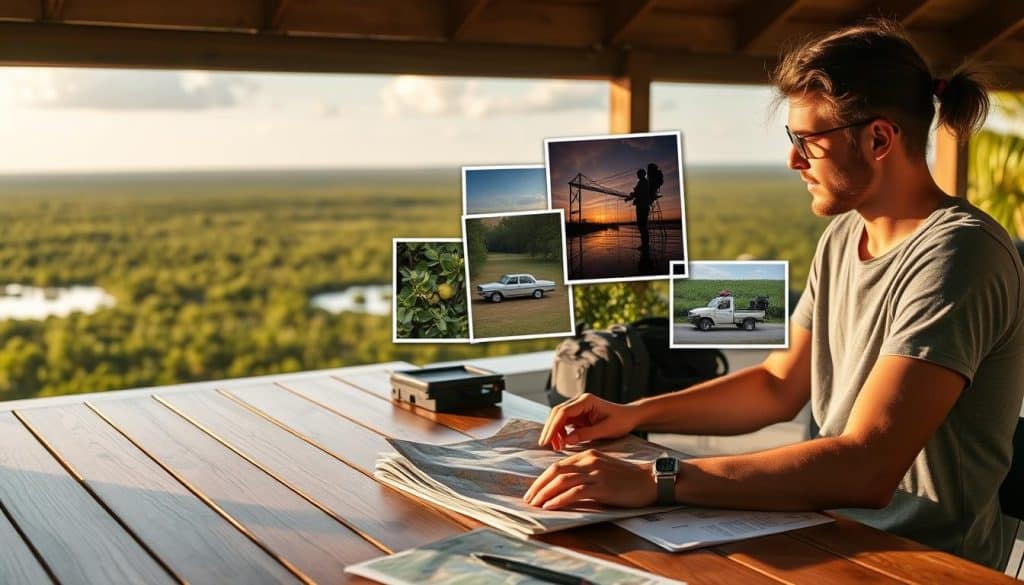
Guided tours in Everglades National Park offer a deep dive into its unique environment. You can choose from ranger-led programs or private tours to best suit your adventure needs. These tours emphasize eco-tourism, helping you connect with nature responsibly.
Ranger-Led Programs
Ranger-led programs are a great way to learn about the park’s diverse life. They offer insights into the area’s complex ecosystem. Because these programs are popular, it’s wise to book in advance. Rangers share their knowledge on wildlife, plants, and habitats, enriching your visit.
Private Tour Companies
If you prefer a custom experience, private tour companies have a lot to offer. They provide activities like airboat rides, kayaking, and hiking. These personalized tours let you get close to specific wildlife or enjoy beautiful views on your own terms.
Eco-Tourism Opportunities
Everglades National Park’s eco-tourism focuses on protecting its ecosystems and animals. By joining eco-friendly tours, you support conservation. It’s a chance to admire the Everglades’ beauty while contributing to its preservation.
Safety Tips for Visiting Everglades National Park
Before you visit Everglades National Park, know the area and how to stay safe. Key safety advice can make your trip better and safer. Knowing about wildlife and weather helps you avoid dangers.
Wildlife Encounters
It’s important to keep a safe distance from animals. Stay at least 15 feet away from alligators and crocodiles. They’re most active at night, so be extra careful then.
Watch your kids closely by water or where animals are. Feeding the animals is not allowed and can make them aggressive. Respect their space and keep away.
Weather Precautions
The weather in South Florida changes a lot, affecting your visit. Wear light clothes, use sunscreen, and drink lots of water. Mosquitoes are common in summer, especially when it gets dark. Use bug spray to keep them off, especially when it’s cloudy.
Storms can come up quickly, so always have something waterproof with you.
First Aid and Emergency Preparedness
Being ready for emergencies makes your trip more enjoyable and safe. Have a first aid kit with things like antiseptics and bandages. Know where to find medical help if needed. Be careful with fire; leaving fires unattended is not allowed. Park your car in the shade to protect it from animals, like vultures.
Accessibility in Everglades National Park
Visiting Everglades National Park is rewarding for everyone. The park works hard to make it easy for all visitors to get around. It has special facilities for guests with disabilities, making sure everyone can enjoy nature without obstacles. This guide will tell you what to expect when it comes to accessibility during your visit.
Facilities for Disabled Visitors
Several visitor centers in the park have accessible routes and features. The Ernest F. Coe Visitor Center has ramps from the parking area. The Royal Palm Visitor Center lets wheelchair users access trails and the store easily. And at the Guy Bradley Visitor Center, there’s a one-mile paved trail that’s easy to use with a wheelchair.
The Shark Valley Visitor Center and the temporary Gulf Coast Visitor Center also have ramps. This makes getting around easier for everyone.
Accessible Trails and Programs
The park has many trails that are easy to access. Some of these include:
- Anhinga Trail (0.5 miles)
- Gumbo Limbo Trail (less than 0.5 miles)
- Pineland Trail (less than 0.5 miles)
- Pa-hay-okee Overlook (less than 0.5 miles)
- Mahogany Hammock Trail (0.5 miles)
- West Lake Trail (less than 0.5 miles)
- Bobcat Boardwalk Trail (0.5 miles)
Also, boat tours from Flamingo and Gulf Coast, as well as the Shark Valley tram tour, are wheelchair friendly. These tours include stops at different spots for sightseeing.
Resources for Assistance
Wheelchairs are free to borrow at four visitor centers, available on a first-come, first-served basis. The staff knows a lot about helping visitors with disabilities and can tell you about what resources are available in the park.
The Long Pine Key and Flamingo campgrounds have campsites that are easy to access. This ensures a comfortable and inviting camping experience for everyone.
Environmental Conservation Efforts
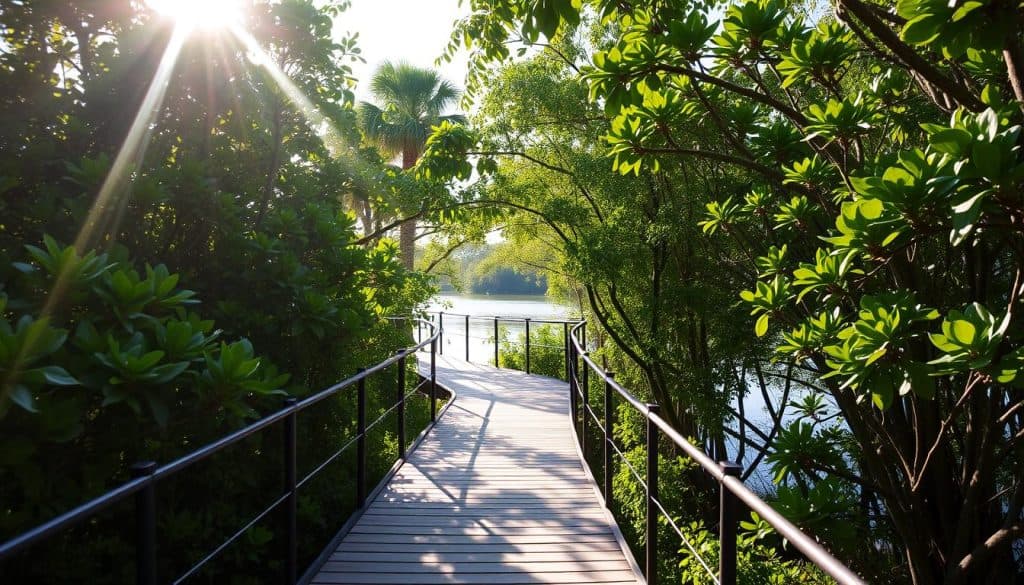
Keeping Everglades National Park healthy takes hard work. Many new steps and projects focus on healing ecosystems, making water cleaner, and stopping harmful invasive species. These actions boost the variety of life and maintain the area’s special nature.
Recent Initiatives and Projects
In Southwest Florida, several projects aim to fix water quality. Experts gather weekly to share insights and plans. The harmful algae Karenia brevis and issues after Hurricane Ian show the need for strong action.
Unfortunately, missing water quality data made it hard to act quickly after the hurricane. This shows the urgent need for fast testing to protect health.
Volunteer Opportunities
Volunteering lets people get directly involved in saving nature. The park and many Florida beaches rely on volunteers. Their work helps check the health of beaches and teaches the community about saving our environment.
How You Can Help
Your efforts in conservation are crucial. Following Leave No Trace when you visit the park makes your trip better and protects nature. Getting involved in volunteer work helps the park’s ecosystems.
You can help a lot by supporting these efforts. Doing so keeps this unique and important place safe for the future.
Photography Tips for Everglades National Park
To capture the stunning beauty of Everglades National Park, you need more than just a good eye. You must know the best spots, the right time, and what equipment to use. With its varied landscapes and rich wildlife, taking photos here is rewarding. Read on for key tips to improve your experience and get amazing shots.
Best Locations for Stunning Shots
For unforgettable photos, check out places like Anhinga Trail and Shark Valley Observation Tower. At Anhinga Trail, great numbers of birds can be seen, especially in winter. The Loop Road Scenic Drive offers more beautiful spots across the park.
Make sure to capture a variety of species, from the American white ibis at Rock Reef Pass to gliding raptors.
Timing Your Visits for Light
Good lighting can make all the difference in photography. Late afternoon and early morning are the best times for that golden light. Animals are most active then, so you have a great chance of getting amazing shots. Also, think about visiting during seasons when animals migrate, like winter for wetland areas.
Equipment Recommendations
Having the right gear is key in Everglades. A DSLR or mirrorless camera with a zoom lens of 400mm or more is best for wildlife shots. A sturdy tripod helps get clear photos, especially when it’s not very bright under the cypress trees. For top wildlife shots, use a Nikon D800 with lenses like the Tamron 150-600mm. And remember, places like Sweetwater Strand might need a minimum ISO of 2500 due to low light.
| Location | Best Photography Time | Recommended Gear |
|---|---|---|
| Anhinga Trail | Winter Months | Nikon 70-200mm Lens |
| Turner River Road | Late Afternoon | Tamron 150-600mm Lens |
| Paurotis Pond | Bird Season | Nikon 14-24mm Lens |
| Mahogany Hammock | Before Sunset | MeFOTO Tripod |
By following these tips, knowing where and when to shoot, and using the right equipment, your Everglades trip will be unforgettable. Get ready to explore, see the unique wildlife, and capture memories that will last forever.
Nearby Attractions to Explore
Everglades National Park opens a world of adventures. You can see the diversity of life and culture in Southern Florida. Beyond this park, discover unique nature spots, experience vibrant local customs, and see more national parks. These places add richness to your journey.
Southern Florida’s Ecosystem
Everglades National Park is surrounded by beautiful natural areas. These include the Big Cypress National Preserve and the Ten Thousand Islands National Wildlife Refuge. Big Cypress covers 730,000 acres, offering more adventure chances. The Ten Thousand Islands has lots of mangrove islands perfect for canoeing, kayaking, and fishing. Here, you might see cool wildlife and fish like snook and tarpon.
Cultural Experiences in the Area
You can dive deeper into the area’s culture. The Museum of the Everglades, from 1927, shares local history stories. It’s also listed on the National Register of Historic Places. At the Smallwood Store Trading Post & Museum, learn about early pioneer days. And don’t miss the tiny Ochopee Post Office. It’s known as the smallest post office in the US, showing off the quaint local traditions.
Additional National Parks
While in Southern Florida, look at other national parks too. Biscayne National Park has amazing coral reefs and marine life, great for snorkeling and diving. Dry Tortugas National Park offers beautiful beaches and old forts. It’s only reached by boat or seaplane. With Everglades, these parks form a great network for nature enthusiasts.
Dining Options Around Everglades National Park
When you visit Everglades National Park, you’ll find lots of places to eat that suit everyone’s taste. The area around the park offers delicious local dishes and easy-going spots for a quick meal. If you want fresh seafood or a cozy place for a light snack, start your food adventure just outside the park.
Local Restaurants to Try
The area has many local restaurants perfect for a meal after exploring. In Everglades City, seafood lovers will enjoy Camille’s Restaurant and Islander Seafood, which serve fresh catches. If you travel a little further, places near Homestead have a mix of American and international food. Trying local specialties lets you experience the culture of this wonderful place.
Picnic Areas and Food Tips
The park offers picnic spots where you can enjoy food in nature. You can eat your lunch while admiring the view. Remember to keep food safe and clean up to avoid attracting wildlife. A tidy picnic spot means a good time for you and the animals.
Special Diet Accommodations
Many local restaurants have vegetarian, vegan, and gluten-free options. It’s smart to ask ahead to make sure they have what you need. This helps you fully enjoy the area’s food while sticking to your diet. Enjoy the variety of foods while respecting your diet.
Frequently Asked Questions About Everglades National Park
Are you planning a trip to Everglades National Park? You might have questions about staying safe, following park rules, and figuring out logistics. Getting answers to these questions can make your visit more enjoyable. Knowing park rules is crucial to protect its unique ecosystems and keep you safe. Here are key things to keep in mind for your adventure.
Common Visitor Concerns
Many visitors wonder how to safely explore the park and see wildlife. It’s important to stay 15 to 20 feet away from alligators and crocodiles. This keeps both you and the animals safe. Pets can come too, but only in certain areas. This rule helps balance having fun and protecting the environment.
Park Regulations Explained
Knowing the park’s rules can make your visit better. The entrance fee is $30.00 per vehicle, which covers seven days. There are discounts for kids under 15, U.S. military members, and veterans. There are only a few places where swimming and snorkeling are allowed. It’s key to know these areas to enjoy your visit fully and safely. The fees have helped improve the park since the last increase in 2019.
Tips for First-Time Visitors
If it’s your first visit, it’s a good idea to plan ahead. Look into the park’s top activities like hiking, birdwatching, and kayaking. Ranger-led programs are great for learning about the park’s wildlife and landscapes. If you want to camp, book a spot at the Flamingo campground between November and April. Following these tips will help you get the most out of exploring the park’s vast 1.5 million acres.
Final Thoughts on Visiting Everglades National Park
Your journey through Everglades National Park is likely filled with breathtaking moments. These reflections can inspire a deeper appreciation for the beauty of nature. The vast landscapes and unique wildlife remind us to preserve these wonders for the future.
Conservation is crucial in keeping the balance of ecosystems. Understanding the Everglades’ significance helps us contribute to conservation discussions. It encourages us to protect these irreplaceable landscapes.
Staying engaged with the park after your visit is important. You can participate in conservation efforts or support wildlife protection groups. By staying involved, you help sustain the park’s beauty and inspire others to protect our environment.
FAQ
What is the best time of year to visit Everglades National Park?
Visit from November to March, the dry season. The weather is nicer and fewer mosquitoes are around.
How big is Everglades National Park?
It spans nearly 1.5 million acres. It’s the biggest subtropical wilderness in the Southeastern U.S.
Are there airboat tours available in the Everglades?
Yes, many companies offer airboat tours. They let you see the unique ecosystem and wildlife up close.
What types of wildlife can I expect to see?
Look out for alligators, crocodiles, birds, and sometimes the Florida panther in its vast ecosystems.
What should I wear when visiting the Everglades?
Wear lightweight clothes and sturdy shoes for hiking. Bring rain gear for sudden weather changes.
Are there family-friendly activities within the park?
Yes. Hiking, ranger-led programs, and wildlife viewing are great for all ages.
Is there an entrance fee to access the park?
There’s a fee per vehicle. It’s good for seven days, so you can explore at your pace.
Can I kayak or canoe in Everglades National Park?
Absolutely! You can have close encounters with its beautiful waters through canoeing and kayaking.
Are there any dangers associated with wildlife in the park?
Yes. Always keep a safe distance from all wildlife, especially alligators, for your safety and theirs.
What facilities are available for visitors with disabilities?
The park has accessible facilities, restrooms, and trails for visitors with disabilities.