

Ever wondered about an island where most of it is underwater? Welcome to Dry Tortugas National Park. It’s a hidden treasure about 70 miles west of Key West, Florida. This guide is your top source for exploring this special place, featuring gorgeous coral reefs and historic Fort Jefferson. No matter if you’re an experienced adventurer or a first-timer, you’ll find all you need to know here. From how to get there, to the best times to visit, to exciting things to do and how to help protect this beautiful spot. Get ready for an unforgettable trip to Dry Tortugas National Park.
Key Takeaways
- Dry Tortugas National Park is primarily underwater, with less than 1% being dry land.
- The park features the historic Fort Jefferson, the largest brick structure in the Western Hemisphere.
- Travel options include a ferry ride that takes about 2 hours each way or a seaplane that shortens the trip to just 40 minutes.
- Visitors can enjoy exceptional birdwatching, as nearly 300 bird species can be spotted throughout the year.
- Camping is available at the park, but spots are limited and must be reserved well in advance.
Overview of Dry Tortugas National Park
Dry Tortugas National Park is about 70 miles west of Key West, Florida. It covers an impressive 64,701 acres, with most being underwater. The park features seven spectacular islands, such as Loggerhead Key, Garden Key, and Bush Key. To get there, you can take a ferry or seaplane, making the trip itself an exciting adventure. Every year, over 56,000 visitors come to see its beauty and learn about its history.
Location and Accessibility
Dry Tortugas National Park is located in the Gulf of Mexico, at 24°37′43″N 82°52′24″W. The park’s special location leads to rich marine life and coral reefs, vital for the environment and fun for visitors. Access is exclusive to the Yankee Freedom ferry or by seaplane, adding to the adventure. The ferry ride is about two hours long, and the seaplane trip offers stunning views for about 40 minutes.
Brief History and Significance
The park was first established as Fort Jefferson National Monument in 1935 and became Dry Tortugas National Park in 1992. Its beauty is matched by its historical importance. Fort Jefferson, built from 1846 to 1875, is the largest all-masonry fort in the United States. It showcases the military’s past interest in the area. Over time, it’s been a military base and a prison. Now, it’s a testament to American history and helps protect the area’s unique ecosystems.
Getting to Dry Tortugas National Park
To get to Dry Tortugas National Park, you can take a Ferry or a Seaplane. Each option offers a different kind of experience. Knowing the differences can help you pick the best way to start your adventure in this remote paradise.
Travel Options: Ferry vs. Seaplane
The Ferry, called Yankee Freedom, is a favorite among travelers. It travels the 70-mile journey from Key West to the park. The trip takes about two and a half hours. You will need about ten and a half hours for the whole trip, including boarding and coming back. The ticket costs around $235 for an adult. This price includes lunch with subs and snacks. The ferry can take 175 people, making for a comfy trip.
The Seaplane, on the other hand, is quicker, taking just 40 minutes to get there. Seaplane Adventures runs two planes that carry up to ten people each. You’ll see amazing views of the islands from the air. A half-day on the Seaplane costs $494 for adults. Kids under 12 get a cheaper rate at $395.20, plus a $15 park fee. A full-day trip is available too but costs more at $868 for each adult.
What to Expect During Your Journey
Whether you choose the Ferry or Seaplane, expect a journey with beautiful views. The ferry is comfy, offers lunch, and lets you relax before reaching the park. The Seaplane gets you there quickly and offers a thrilling ride. Be sure to check for any cancellations due to weather before you go.
| Travel Method | Duration | Cost (Adults) | Capacity | National Park Fee |
|---|---|---|---|---|
| Ferry | 10.5 hours (2.5 hours to park) | $235 | 175 | Included |
| Half Day Seaplane | 4 hours (40 minutes to park) | $494 | 10 | $15 |
| Full Day Seaplane | 8 hours (40 minutes to park) | $868 | 10 | $15 |
When to Visit Dry Tortugas National Park
Planning when to go to Dry Tortugas National Park can make your trip better. The park is open all year. But, choosing when to visit is key due to the weather and things to do at different times. Knowing what each season offers will help you pick the best time for your visit.
Seasonal Highlights
The best time to explore the park is from November to April because of cooler weather. In early spring, the weather is great, with highs around 83°F (28°C) and not much rain or wind. This makes it perfect for snorkeling and enjoying the beach. February to April is less crowded, offering a quiet experience.
If you love birdwatching, visit from April to May for bird migration. However, remember that Bush Key is closed for nesting from February to September. This might change your plans for seeing wildlife.
Weather Considerations
The weather at Dry Tortugas changes with the seasons. Summer brings heat, with temperatures up to 89°F (32°C), more humidity, and more rain. The park gets more visitors from February through August. Hurricane season is from June to November, which could affect travel.
If you’re worried about the weather, plan to visit between October and January. Bush Key is accessible then. While winds from November to April might make kayaking and snorkeling hard, the beautiful views and wildlife are worth it any time of year.
Entrance Fees and Permits
You need to know about entrance fees and permits for visiting Dry Tortugas National Park. This info helps you plan your visit and follow park rules.
Current Fee Structure
The park charges $15.00 per person for a seven-day pass. Kids under 16 enter free, great for family trips. The Yankee Freedom III ferry costs $200 per adult. It covers your entry fee, meals, and snorkel equipment. Seaplane trips cost about $644 for a full day or $371 for a half day.
With an America the Beautiful pass, you save $15 per person on the ferry, up to four people. Plan ahead for camping, it’s popular. Camping costs $15 per night for a single site and $30 for group sites.
Special Permits You Might Need
Some activities need extra permits. You need a free permit for private boating. For camping, book early. Only 10 people per day can camp at Garden Key, where camping is basic.
Knowing about fees and permits helps you enjoy Dry Tortugas. You can focus on the park’s amazing sights and activities.
Accommodations Near Dry Tortugas
Before you visit Dry Tortugas National Park, it’s crucial to know about where you can stay. You can camp to get close to nature on the islands or choose a hotel for more comfort. With different options, you can pick what fits you the best.
Camping Options on the Islands
Garden Key has the only in-park camping spots. These primitive sites are perfect for those who love stargazing. You can have up to six people on each site, with space for three 2-person tents. For bigger groups, there’s a special site for 10-20 people, but you need to book it in advance. Camping costs $15 per night for small sites and $30 for the big site.
Planning is key because the ferry only takes ten campers each day. Booking the Yankee Freedom ferry ahead is a must as spots fill up fast. Bring enough supplies, including two gallons of water per person each day. The closest store is 70 miles away. Follow all campground rules like the no-wood fire policy and pack out all your trash.
Nearby Hotels and Lodging
If camping isn’t your thing, Key West has many hotels close by. The Margaritaville Beach House offers a relaxed vibe with beach access. The Kimpton Lighthouse Hotel has modern perks but keeps its historic charm. There’s a variety of hotels that fit different tastes and budgets, making your trip better.
Whether you’re camping at Garden Key or staying in a hotel nearby, organizing where you’ll stay is vital. It ensures a fun time at one of Florida’s most special national parks.
Exploring the Fort Jefferson
Fort Jefferson is a giant military fortress with a fascinating past. It was built to protect a key area in the Gulf of Mexico. Around 2,000 people lived there in the 1860s, showing its importance. This fort is made of 16 million bricks, a testament to its strength against sea threats.
History and Architecture
The fort’s design was made for military use. It has a six-sided shape with walls and 16 barriers to keep soldiers and guns safe. It also has 37 places to store gunpowder and barracks for 1,000 soldiers. This shows how crucial the fort was as a military point.
It was equipped with massive Rodman cannons that could shoot projectiles far. These features help us understand the fort’s historical significance and architectural wonder.
Self-Guided Tours and Insights
You can take self-guided tours at Fort Jefferson to learn its history at your pace. You’ll find out about its role in the Civil War and how people lived there. Naturalist-led tours show the fort’s beauty and last 40 minutes.
The tours start at 11:00 am, after arriving by the Yankee Freedom ferry at 10:15 am. This trip from Key West covers 70 miles. It’s a chance to see the fort and enjoy the ocean life and snorkeling nearby. Visiting Fort Jefferson at Dry Tortugas National Park is truly unforgettable.
Snorkeling Adventures in the Park
Dry Tortugas National Park offers outstanding snorkeling experiences with some of the best underwater views in the U.S. The waters are warm and clear, and the coral reefs are full of life. No matter your experience level, there’s something here for you.
Best Snorkeling Spots
There are lots of snorkeling spots to check out. The park has areas that are easy to get to from picnicking and camping spots. You should definitely visit:
- Fort Jefferson: Just 75 yards from the moat wall, you’ll see a wide variety of sea life.
- Little Africa Coral Reef: It’s shallow and calm, making it perfect for families and kids.
- Pulaski Shoals: This spot has many coral heads and fish.
Each spot offers its own kind of fun snorkeling, from beautiful corals to meeting fish. Snorkeling near the moat wall is cozy, with depths around 6 to 8 feet suitable for anyone.
Gear Rentals and Tours
Renting gear is easy and helps you jump into snorkeling without carrying your own equipment. The rentals come with the ferry ticket, so you’re all set for fun. Local tours with seasoned guides are also available for a safer and guided exploration.
With the right gear and information, your snorkeling at Dry Tortugas National Park will be thrilling. Always check the weather to ensure your trip is safe and enjoyable.
Birdwatching in Dry Tortugas
Dry Tortugas National Park is a great place for birdwatching. It’s home to many bird types in their natural setting. The park attracts both birds that live there all year and those passing through. From March to September, the nesting season, bird lovers can see large groups of some species.
Common Bird Species
Here are some cool birds you might see:
- Sooty Terns: Around 80,000 of these birds come together yearly on Bush Key. It’s their main breeding spot in the continental U.S.
- Brown Noddies: About 4,500 nest with the Sooty Terns during the same time.
- Magnificent Frigatebirds: Loggerhead Key has around 100 nests.
- Masked Boobies: They’re here all year, with numbers reaching 40.
- Spring Transients: Over 200 bird types have been seen, with up to 70 in one day.
Best Times for Birdwatching
The ideal birdwatching times at Dry Tortugas are during the spring and fall migrations. Spring migration is from early April to mid-May. The fall migration goes from early July to late November. These periods offer a chance to see many different birds. Early mornings and late afternoons are best for spotting them.
| Bird Species | Nesting Population | Best Observing Months |
|---|---|---|
| Sooty Tern | 80,000 | March – September |
| Brown Noddy | 4,500 | March – October |
| Magnificent Frigatebird | 100 | March – July |
| Masked Booby | Up to 40 | Year-round |
Birdwatching here is not just fun, it also helps protect these beautiful birds. Each visit lets you get closer to nature and see the diverse birds of Dry Tortugas National Park.
Beach Activities in Dry Tortugas
Dry Tortugas National Park offers stunning beaches perfect for nature and adventure lovers. You can relax on the soft sand or try exciting water sports. It’s a place where everyone finds something they love, mixing calm moments with thrilling activities.
Relaxation and Sunbathing
Sunbathe on Fort Jefferson’s pristine beaches for ultimate relaxation. With most of the park being water, the sandy beaches are vast. Relax with a picnic, and let the ocean breeze soothe you. The beautiful views make it a top choice for beach lovers.
Water Sports and Adventure
If you’re seeking adventure, Dry Tortugas has plenty of water sports. Kayaking and snorkeling let you see turtles and colorful fish up close. You can bring kayaks on ferries for a fee, adding to your adventure. Remember to watch the currents when snorkeling to stay safe.
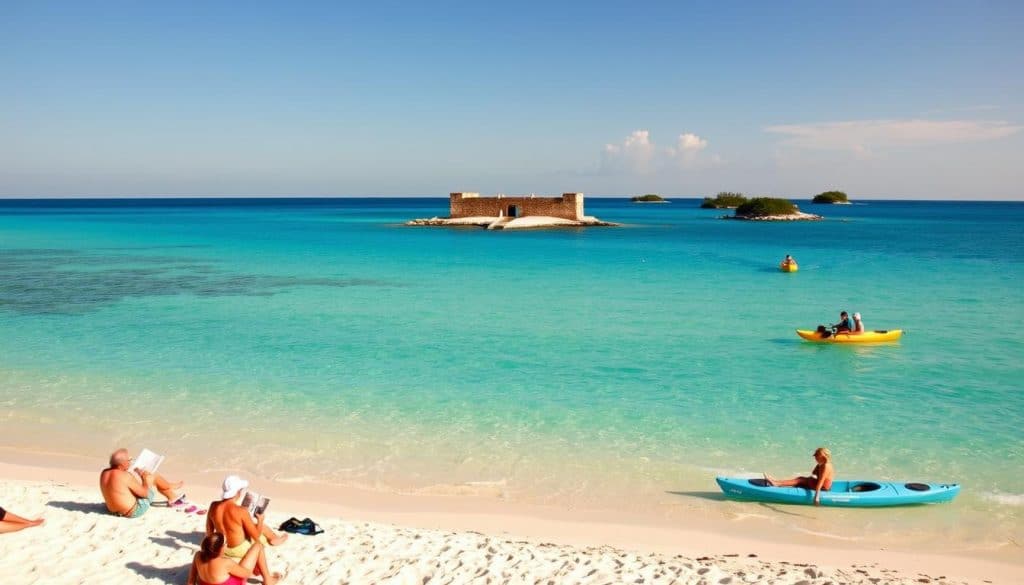
Dry Tortugas is the ultimate spot for mixing relaxation with adventure. You can enjoy everything from sunbathing to water sports. For more on what to do there, here’s a helpful guide.
Guided Tours and Programs
Visiting Dry Tortugas National Park offers a range of engaging options. You can dive into the park’s rich history and unique ecosystem. The guided tours and specialized programs enhance your appreciation of this natural wonder.
Ranger-Led Activities
Experience the park in a new way with Ranger-Led Activities. These programs offer educational talks on the local ecosystem and Fort Jefferson’s history. Rangers provide an insightful view, letting you discover the park’s flora and fauna. It’s a fun and informative way to learn, whether you’re into marine conservation or the fort’s history.
Private Tour Options
If you want a more personal adventure, check out the Private Tour Options at Dry Tortugas. You can tailor your visit to fit your interests perfectly. Whether you’re into wildlife or Fort Jefferson’s architecture, private tours are flexible. For more details on these engaging guided programs, visit Guided Tours.
Wildlife and Marine Life
Dry Tortugas National Park is a special place with lots of wildlife and marine life. It’s in the Gulf of Mexico, far from Florida’s coast. The park has beautiful coral reefs and many fish species. The plants and animals here keep the environment healthy, both in the water and on land.
Overview of Flora and Fauna
The park has beaches, mangrove shores, and coral reefs. You can see Loggerhead, Hawksbill, and Green turtles in the water. The coral reefs are some of the biggest in the world. They are home to many fish, rays, and eels. This makes Dry Tortugas a top marine preserve in the U.S.
Conservation Efforts in the Park
The park works hard to protect its unique ecosystems. It’s a key place for endangered frigate birds to nest. It’s also important for sooty and noddy terns. Visitors can help by following “leave no trace” rules. This keeps the park beautiful for everyone in the future.
Photography Tips for Dry Tortugas
Dry Tortugas National Park is a fantastic place for photographers. With its historic Fort Jefferson and clear, turquoise waters, there’s a lot to capture. Knowing some photography tips can make a big difference. They help you get amazing pictures of both landscapes and wildlife that you’ll always remember.
Capturing Stunning Landscapes
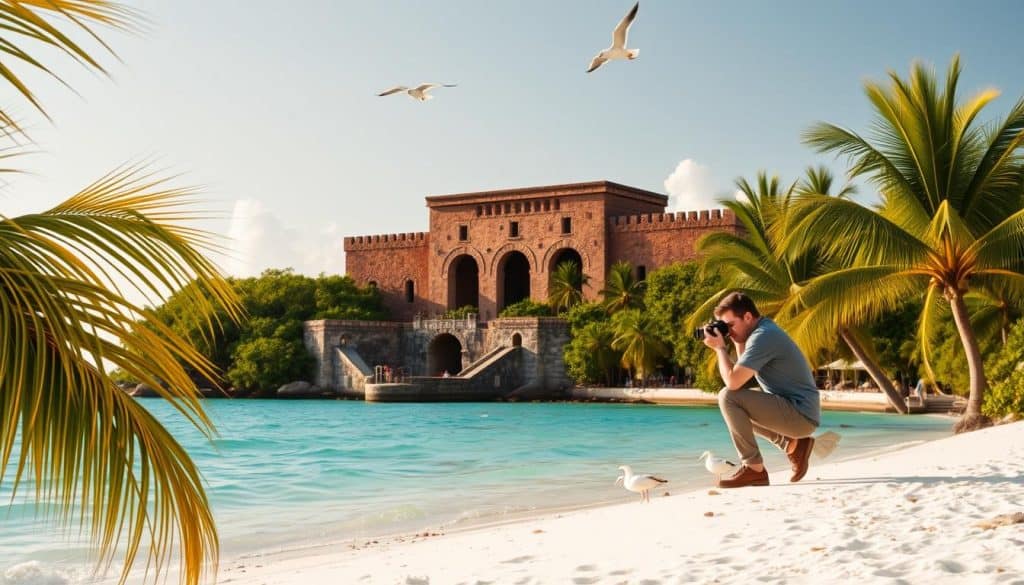
Think about the best time to take landscape photos. Early morning or late in the day is best for bright, beautiful pictures. Fort Jefferson looks amazing with the ocean around it. You have many chances to take great shots.
Try using the lines of the moat wall or the beach to make your photos more interesting. A wide-angle lens can show how big and impressive the fort and its area are.
Wildlife Photography Essentials
Dry Tortugas has a lot of animals to photograph. You can see Brown Pelicans, Frigatebirds, and Green Sea Turtles. When taking photos of them, do not get too close. Use a telephoto lens for close-up pictures without bothering them.
The park also offers great chances for underwater photos of coral reefs. Being patient is key in wildlife photography. Watch the animals for a little before taking your shot. Often, the best photos happen suddenly.
Visitor Tips and Recommendations
A trip to Dry Tortugas National Park is unforgettable. Knowing what to bring makes your trip better. Follow these tips to fully enjoy your visit to this unique place.
What to Pack
Here’s what you should pack for a great adventure:
- Sunscreen to protect your skin from the strong sun.
- Swimwear for enjoying the crystal-clear waters.
- Comfortable walking shoes for exploring Fort Jefferson and other areas.
- A change of clothes for after your beach time or exploration.
- A waterproof camera to capture stunning moments.
- Snacks and a refillable water bottle, as there are no food concessions in the park.
Essential Gear for Your Trip
Having the right gear is key for your comfort and safety. Make sure to bring these items:
- Lightweight backpack for carrying your supplies.
- Insect repellent to keep mosquitoes away.
- Hat and sunglasses for more sun protection.
- Dry bags to protect your things during water activities.
- First-aid kit for any minor accidents.
Safety and Conservation Practices
When you visit Dry Tortugas National Park, it’s key to know and follow the park’s rules. This keeps you safe and helps protect this special ecological spot. By learning the rules, visitors help guard the wildlife and habitat, ensuring everyone has a greener visit.
Understanding Park Rules
Park rules cover many guidelines that keep you safe and help the environment. You can only snorkel in certain spots because snorkeling in the moat is off-limits. If you snorkel outside these areas, you must have an approved dive flag for safety. Always snorkel with a friend, and remember, collecting any coral is strictly forbidden.
How You Can Help Preserve the Park
What you do impacts Dry Tortugas. Watching wildlife responsibly helps keep the park thriving. Respect the rules like the closure of Bush Key for bird nesting and don’t disturb the animals. If kayaking, know how to call for help if needed. Also, stay away from activities like lobstering to protect our sea friends. By doing these things, not only do you enhance your visit, but you also help ensure the park stays beautiful for the future.
Conclusion: Your Adventure Awaits
Dry Tortugas National Park is not just any trip. It’s a journey into history, nature, and adventure combined. Located 70 miles from Key West, Florida, it offers amazing landscapes and underwater ecosystems. Exploring Fort Jefferson will leave an unforgettable mark on you. This fort spans 14 acres and is one of the largest brick forts in the U.S.
This remote paradise has a lot to offer. Remember, 99 percent is under the ocean, full of marine life. The beaches and snorkeling spots are stunning. You’re invited to enjoy its beauty. Following sustainable tourism and park rules helps protect it for others.
Your adventure begins at Dry Tortugas National Park. You can get there by ferry or a seaplane trip that will thrill you. Don’t miss seeing the bird colonies on Bush Key. Or, help in conservation efforts for this special place. This destination calls you to discover, protect, and love a hidden gem of America.
FAQ
How do I get to Dry Tortugas National Park?
To reach Dry Tortugas National Park, use the Yankee Freedom III ferry or Seaplane Adventures. The ferry takes about 2 hours and 15 minutes. Seaplane flights are quicker, lasting around 40 minutes.
What are the entrance fees for Dry Tortugas?
Entrance fees differ based on how you get there. Taking the ferry costs about 0 for adults. This price covers your park entry, meals, and snorkel gear. Seaplane entry is .
When is the best time to visit Dry Tortugas?
The best time for a visit is from November to April. During these months, the weather is cooler and the sea is calmer. April to May is great for watching birds.
Can I camp at Dry Tortugas National Park?
Yes, camping is an option on Garden Key with ten spots available. It’s first-come, first-served. You can get a camping permit for a night in advance.
What activities can I enjoy at Dry Tortugas?
Dry Tortugas offers snorkeling, birdwatching, swimming, picnicking, and ranger-led programs. It’s perfect for both adventure seekers and those looking to relax.
Is there food available in Dry Tortugas?
There are no food places in the park. Make sure to bring your snacks and water. Packing your lunch for the day is a good idea.
What wildlife can I expect to see?
In Dry Tortugas, you’ll find a variety of sea turtles, corals, and birds. Loggerhead sea turtles and many birds are common, especially from March to September.
Are there any rules I should follow while visiting?
Following the park’s rules is important. Please don’t step on coral or take anything. Use the paths to help protect the park’s beauty.
Can I take photos in the park?
Yes, taking photos is encouraged. Capture the beauty of Fort Jefferson and the marine life. Use natural light and respect the wildlife.
Do I need any permits if I plan to boat privately in the park?
If you’re boating privately in Dry Tortugas, you need a free boat permit. Make sure you get one before you visit.