

Ever thought about walking into a rare, untouched wilderness in the US? Congaree National Park is a hidden gem in South Carolina. It boasts incredible landscapes, various ecosystems, and a deep history. The park spreads across over 26,000 acres. It shelters the largest old growth bottomland hardwood forest left in the nation. This makes it perfect for nature lovers and adventure seekers.
Looking for a detailed guide to Congaree National Park? This is it. We cover everything from the park’s rich biodiversity to its hiking trails and camping options. Here, you’ll find all you need to enjoy and remember your trip. So, get your gear ready and discover the wonders of this amazing South Carolina national park!
Key Takeaways
- Congaree National Park covers over 26,000 acres of stunning natural beauty.
- The park features a variety of hiking trails for all levels of experience.
- Canoeing and camping opportunities allow you to immerse yourself in nature.
- Seasonal events like the synchronous firefly mating season enhance your visit experience.
- The park is conveniently located less than two hours from major cities like Charleston and Augusta.
Overview of Congaree National Park
Congaree National Park is a treasure in South Carolina. It shows off beautiful old-growth bottomland hardwood forests. People love this hidden park for its chance to see rare ecosystems and floodplains thriving.
The park is home to many plants and animals. It’s known for its amazing biodiversity in the southeastern United States.
What Makes Congaree Unique?
This park has the biggest area of old-growth bottomland hardwood forest in North America. The Congaree and Wateree Rivers feed the land. This helps the park’s delicate ecosystems stay healthy.
The park is famous for its tall trees, some of the highest in the country. Visitors can enjoy walks or paddle along the 50-mile Congaree River Blue Trail. This trail goes from Columbia to the park.
Importance of Biodiversity
Biodiversity is key to the park’s health. It’s recognized worldwide as a UNESCO Biosphere Region. The park is a safe place for 15 champion tree species and many other living things.
This rich variety makes the park great for learning and research. It teaches us how important it is to protect such places for the future.
Park Location and Accessibility
Congaree National Park is just 30 minutes from Columbia, SC. It’s easy to get to for those wanting to explore nature.
The park covers 26,692.6 acres, offering lots of space for adventure. It has simple campgrounds and wild areas for a peaceful getaway.
Whether you hike its 25 miles of trails or paddle on Cedar Creek, you’ll have a memorable time in this special place.
| Feature | Description |
|---|---|
| Size | 26,692.6 acres |
| Old Growth Forest | Largest intact bottomland hardwood forest in North America |
| Biodiversity | Home to 15 champion tree species and numerous wildlife |
| Trail System | Over 25 miles of hiking trails available |
| Paddle Trail | Congaree River Blue Trail: 50 miles long |
| Location | 30 minutes from Columbia, SC |
History of Congaree National Park
Congaree National Park has a rich history that goes back many years. This park came from both the wild land and the culture of the area. Today, people know it for its nature and deep history. They also know it for its programs to save its special environment.
Origins of the Park
The park first got its name as Congaree Swamp National Monument in 1976. By 2003, it became a national park. It has more than 27,000 acres and keeps the biggest old-growth bottomland hardwood forest in the U.S. Before heavy logging started in the late 1800s, South Carolina had over a million acres of these forests. Logging faced issues and stopped by 1914. The Wilderness Act of 1964 showed how important it is to save such places.
Cultural Significance
The park’s culture comes from how people and the land lived together. It has been important for many groups and still has archaeological value. There are programs that teach visitors about the park’s history. The park has over 80 tree species and many animals. This shows how much history it has and why we need to protect it.
Conservation Efforts
The park works hard to keep its ecosystems healthy. This includes saving the wetlands and the life upstream. Many animals and big trees over 170 feet tall live here safely. Being named a UNESCO Biosphere Reserve shows the park’s promise to save its natural and cultural treasures for the future.
Planning Your Visit to Congaree
Getting ready for a trip to Congaree National Park? It’s key to know the best time to go. This ensures a fun time. The park’s stunning landscapes and wonders are waiting for you. Here’s how you can make your visit one to remember.
Best Times to Visit
The best times to go are spring and fall. The weather is pleasant and there are fewer bugs. Spring brings beautiful flowers and fall offers colorful leaves. Don’t miss the fireflies from mid-May to June. It’s a sight you won’t forget.
Entrance Fees and Passes
Congaree National Park is free to enter. Parking is also free. This makes it a great place for families and people who love the outdoors. Always check the park’s website before you go. They’ll have the latest info on access and events.
Essential Packing Tips
Packing right is crucial, especially for camping trips at Congaree. Bring the “Ten Essentials” for hiking. This includes maps, water, snacks, a first aid kit, fire starter, tools, emergency items, sun protection, extra clothes, and a flashlight. The park often floods, affecting trails. Pack your meals. There are no eateries in the park. Being prepared makes your trip both safe and fun.
Exploring the Trails at Congaree
Congaree National Park is great for those who love hiking. It has different ecosystems and well-kept trails for all hikers. It’s good to know the trail difficulty levels for a fun and safe trip. Whether you’re new or skilled at hiking, learning about the trails can make your time better in this lovely park.
Popular Hiking Trails
Here are some top hiking trails at Congaree:
- Boardwalk Loop Trail: A 2.6-mile easy loop through an old-growth forest. It takes 1 to 2 hours to walk.
- Weston Lake Loop Trail: This 4.5-mile trail is a moderate challenge and takes 2 to 3 hours.
- River Trail: Offers scenic views and a look at the flooding ecosystems enriching the soil.
- Kingsnake Trail: This 11.7-mile trail is great for bird watchers to see different species.
Trail Difficulty Levels
Trails at Congaree go from easy to hard, so pick one that matches your skills. Beginners should try the Boardwalk Loop, while the Kingsnake Trail suits the brave. It’s vital to check trail conditions before you go, as floods can change them quickly.
Safety Tips for Hiking
To have a safe and fun hike in Congaree National Park, follow these tips:
- Look up trail conditions before your hike.
- Dress right for the weather and wear comfy shoes.
- Drink lots of water in hot months when it’s above 90°F.
- Bring a map and maybe a way to navigate as trails might be hard to follow.
- Tell someone about your hiking plans and when you’ll be back.
Knowing these things can help you have a great time on Congaree’s trails. For more tips on choosing trails for your level, visit this resource.
Wildlife and Ecosystems
Congaree National Park is a special place with amazing ecosystems. It’s a home for many animals and plants. Being part of the Congaree Biosphere Region, it’s key in keeping many species safe. It has a rich old-growth bottomland hardwood forest. This forest is one of the most diverse places in the country, highlighting why saving nature is crucial.
Common Wildlife Species
In Congaree, you’ll see wildlife like deer, raccoons, and lots of birds. The park has many amphibians and reptiles, living well thanks to the parks’ rivers. Even rare animals like the red-cockaded woodpecker and indigo snake live here. Their presence underlines the park’s vital ecological role.
Unique Flora and Fauna
Congaree has a vast range of plant and animal life, with over 1,220 types noted. It’s home to five national champion trees, like loblolly pines and swamp tupelos. The park’s environment is made up of tall trees and varies plants. Efforts to control invasive plants and protect pine habitats are important for the ecosystem.
Seasonal Changes in Wildlife
Wildlife in Congaree changes with the seasons. The park gets flooded often, affecting up to 90% of the area. This flooding helps the soil and changes how animals and plants live through the seasons. In spring, fireflies light up the forest, showing the beauty of nature. Watching these seasonal shifts lets you see how everything in nature is connected.
Recreational Activities Available
Congaree National Park is full of fun outdoor activities. You can explore calm waters or camp under the stars in its beautiful forests. These diverse options will make your visit unforgettable.
Canoeing and Kayaking
Canoeing in Congaree gives a special view of the park. The Cedar Creek Canoe Trail is 15 miles long, offering a beautiful journey through nature. Kayaking on the Congaree River is also great for enjoying serene views and peaceful nature sounds.
Kayak rentals start at about $100 for a 2.5-hour trip. This makes it easy for both day visitors and enthusiasts to enjoy.
Bird Watching Opportunities
Birdwatching in Congaree is rewarding along the Kingsnake Trail. This 7.6-mile trail is perfect for seeing many bird species. The best times for birdwatching are early morning and late afternoon, when birds are most active.
Camping Guidelines
Camping at Congaree National Park is free. It lets you dive deep into nature. You can set up your tent at Longleaf or Bluff campgrounds among ancient trees.
Don’t forget to bring water, as there are no water sources on site. Booking in advance is a good idea, especially in busy seasons. For a wilder experience, some camp on Cedar Creek’s sandbars.
For more on recreational activities and things to do in Congaree, see the full guide here.
Guided Tours and Programs
Exploring Congaree National Park through guided tours enriches your knowledge and love for its ecosystems. These activities help you bond with nature. You’ll also learn a lot from the park’s experienced guides. The park has programs for everyone, no matter your age or what you like.
Ranger-Led Guided Tours
Ranger-led programs give a deep dive into the park’s wildlife and history. You can enjoy canoe and kayak tours through stunning scenes. The canoe adventure lasts about 3.5 to 4 hours and goes for 4 miles. It fits up to 12 people each time. You need to book in advance, at least 48 hours before.
The kayak journey takes around 2.5 hours and spans 3 miles. It lets you see places with gentle and slightly rough rapids. The highlight is seeing the Rocky Shoals Spider Lily bloom. This happens from mid-May to June. You should know how to swim and canoe to join. This ensures everyone has a fun and safe trip.
Educational Programs for Kids
Congaree has special programs to make kids fall in love with nature. They offer hands-on learning about the park’s animals and plants. To join the canoe tours, kids need to be at least 5. For kayak tours, they must be 6 or older. Mixing education with fun helps kids care about nature early in life.
Workshops and Events
Year-round, the park holds various workshops and events. These include learning about animals, plants, and how to care for our planet. Joining these events is a great way to learn more and meet people who love nature. Always check for new workshops that match your interests.
Photography Opportunities
Exploring Congaree National Park offers a wealth of photography opportunities. It’s especially great for those interested in wildlife photography. The park’s beautiful landscapes and rich ecosystems make it perfect for taking amazing photos any time of the year. Here, you can learn about the best spots for photos, how to capture wildlife well, and what makes each season special for photographers.
Best Spots for Scenic Photography
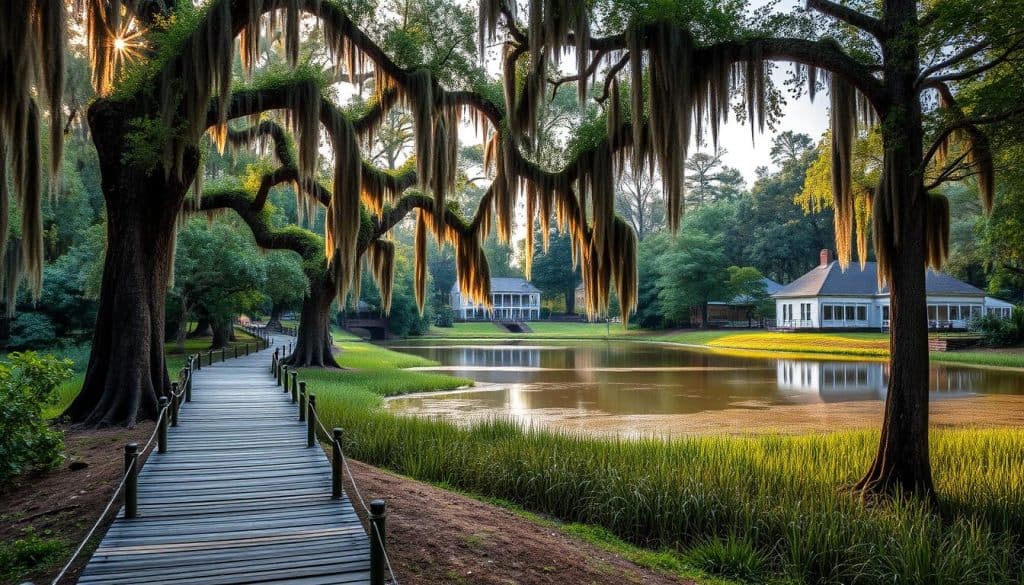
The Boardwalk Loop Trail is a top spot for photography. It lets you see unique ecosystems and offers different viewpoints. Weston and Wise Lakes are also great, perfect for capturing peaceful water reflections and the diverse plant life. Visit these places during sunrise or sunset for magical light that makes your photos look incredible.
Tips for Capturing Wildlife
For wildlife photography in Congaree, being patient and respecting nature are key. Move quietly and keep a safe distance to not disturb animals like the Eastern Screech Owl and the Black Racer. Using a longer lens can help you get close-up shots without being too close. A tripod is useful too, for clear pictures in dim light.
Seasonal Photography Highlights
Each season at the park has its own beauty. Spring features synchronous fireflies, lighting up the night in a magical way. Summer brings out the lush greenery of the ancient trees. Autumn offers rich, colorful leaves, adding a pop of color to your photos. Winter creates a peaceful setting, showing off the quiet beauty of the landscape. Whatever the season, you’ll find something special to capture.
Visitor Centers and Facilities
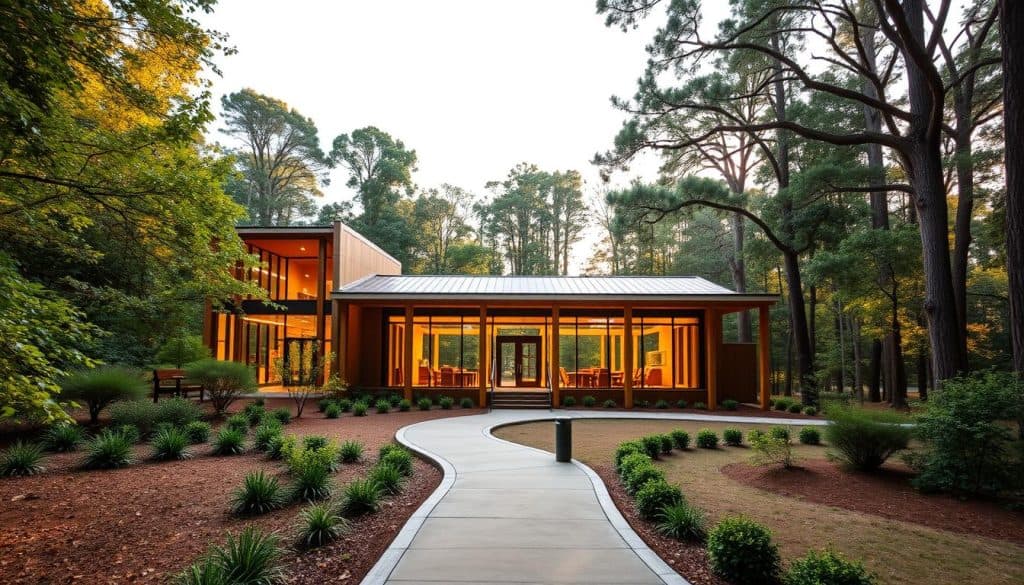
The Harry Hampton Visitor Center is key for anyone visiting Congaree National Park. At this center, you can learn about the park’s special ecosystem. It’s also where many trails begin. Visitors find out about the park’s rich history and varied life through its displays.
Harry Hampton Visitor Center
The Harry Hampton Visitor Center is open every day from 9 in the morning until 5 in the evening. It has informative exhibits on the park’s history and nature. Here, you can get maps, guides, and the latest information about park conditions.
Amenities Available
As for what the visitor center offers, it has everything visitors need. Facilities include:
- Restroom facilities available 24 hours a day
- Water refill stations located in the breezeway
- Picnic areas for outdoor dining
- Educational displays about the park’s nature
Accessibility Options
Congaree aims to be accessible for everyone to enjoy fully. The visitor center offers:
- Wheelchair-accessible entrances
- Accessible restrooms
- Accessible parking spaces
- Info on trails that are easy to access
Conservation and Preservation Efforts
Caring for ecosystems in Congaree National Park is vital. To keep its unique biodiversity, significant conservation efforts are ongoing. Volunteers are crucial to these efforts, helping with research and protecting the park’s natural treasures.
Role of Volunteers
Volunteers make a big difference in Congaree through various activities. They work on trail upkeep, remove harmful species, and restore habitats. This hands-on approach helps protect the park’s ecosystem and lets volunteers form a connection with the land.
Ongoing Research Projects
The NPS Old-Growth Bottomland Forest Research and Education Center leads the research in the park. It delves into environmental challenges and the forest’s ecological value. The findings guide better conservation methods, aiming to lessen visitor impact and enhance sustainability.
Your Impact as a Visitor
Your actions can either help or harm Congaree National Park. By following Leave No Trace principles, you reduce your environmental mark. Getting involved in park programs teaches you about preservation and deepens your respect for nature.
Safety and Regulations
Your safety is our top concern at Congaree National Park. Knowing about safety and park rules is important. It helps you enjoy the park’s beauty while following the rules. Being ready and aware lowers risks, letting you enjoy the sights more.
Essential Safety Tips
Learn key safety tips for a secure visit. Plan your path before and follow marked trails. Know your physical limits and try not to hike alone. Wear the right shoes and take a first-aid kit, enough water, and bear spray. Being alert helps you deal with dangers quickly.
Park Regulations to Know
It’s important to know the park’s rules for a safe visit. You must watch wildlife from at least 25 yards away, and from 100 yards away from bears and wolves. Feeding or touching wildlife is illegal and risky. Store food right to keep wildlife away, and stay on approved paths to protect the environment.
What to Do in Case of Emergencies
Ready for emergencies can save lives. If you need help, dial 911 as you would in the city. Look for park rangers for assistance; they know what to do in emergencies. Make sure someone knows where you’re going and when you’ll be back.
Local Attractions and Amenities
When you visit Congaree National Park, you’ll find many local attractions that make your visit better. The area offers great places to eat, stay, have fun outdoors, and learn about local culture. Let’s dive into the nearby amenities and attractions.
Nearby Restaurants and Lodging
Near the park, there are various places to eat and stay. The local restaurants serve many different kinds of food. So, whether you like a laid-back meal or something fancier, you’ll find something you like.
Recreational Areas Around the Park
Congaree’s beauty is just the start, with many places nearby to have fun outside. You can find campgrounds, places for picnics, and trails for walking. These spots help you get a full nature experience.
For campers, Longleaf Campground has ten spots for small groups and four for larger groups, for up to 24 people. Bluff Campground offers six spots for those who love to stargaze, making it great for outdoor sleepovers.
| Campground | Individual Sites | Group Sites | Maximum Capacity | Special Notes |
|---|---|---|---|---|
| Longleaf Campground | 10 | 4 | Up to 24 | $15 per night for individual sites, $25 for group sites, with a maximum of 10 tents. |
| Bluff Campground | 6 | N/A | Up to 8 | $10 per night, approximately 1 mile hike to sites. |
Cultural Sites to Explore Nearby
South Carolina has cultural sites that add to your visit. You can easily drive to historical landmarks and museums from Congaree National Park. These places make your trip more meaningful and are perfect for a full day of exploring.
Tips for a Memorable Experience
Planning your visit to Congaree National Park is vital. Choose activities that fit your interests and ability level. Think about walking the Boardwalk Trail, a beautiful 2.5-mile loop, or trying the tougher Weston Lake Loop Trail. Visit during the firefly event in summer to see a magical scene, but remember, it’s so popular that tickets are through a lottery.
Being in Congaree feels like connecting with nature’s heart. Take time to enjoy the quiet and wildlife sounds in this vast, old forest. It’s home to over 2,000 firefly types, making evening walks magical. Always pause to look around and truly appreciate this special place.
Talking about your trip can make it even more special. Take photos or write about the park’s beauty to share your journey. This way, you inspire others to visit and help protect Congaree for the future.
FAQ
When is the best time to visit Congaree National Park?
Spring and fall are ideal for visiting Congaree National Park. That’s when the weather is nice and bugs are few.
Are there entrance fees for Congaree National Park?
Yes, you’ll need to pay a small entrance fee. Check the National Park Service website for current details.
What types of hiking trails are available at Congaree?
Congaree has many trails, from easy walks like the Boardwalk Loop to tougher hikes such as the River Trail. Everyone can find a trail that fits.
Is camping allowed in Congaree National Park?
Camping is allowed at Longleaf and Bluff Campgrounds. Remember to bring water and know the park rules ahead of time.
What wildlife can I expect to see in Congaree?
You can see deer, raccoons, various birds, and amphibians at Congaree. It’s great for those who love taking pictures of animals.
Can I go kayaking in Congaree?
Definitely! Kayaking on Cedar Creek is a beautiful way to see the park’s natural beauty.
Are there educational programs available for children in Congaree?
Yes, there are fun and educational programs for kids that help them learn to love nature.
What should I pack when visiting Congaree National Park?
Make sure you pack the “Ten Essentials” for hiking. You’ll need water, food, a map, and safety items, especially since the park can flood.
What photography opportunities exist in Congaree?
The park is perfect for photography. Check out the Boardwalk Loop Trail and the lakes, especially when the fireflies are out.
How accessible is the Harry Hampton Visitor Center?
The Visitor Center is equipped with restrooms and exhibits, and it’s accessible to everyone, including those with disabilities.