

Have you ever thought about the hidden gems among Utah’s national parks?
Capitol Reef National Park is a treasure with breathtaking red rock formations and unique features. It may not be as well-known as its neighbors, but this guide will show you its wonders. From historic tales to amazing hiking trails, the park offers both adventure and peace.
Ready for an escape into stunning landscapes away from the crowds? Capitol Reef awaits you.
Key Takeaways
- Capitol Reef National Park includes three distinct regions: Historic Fruita district, Cathedral Valley, and Waterpocket district.
- Entry fees are set at $20 for private vehicles, valid for seven days.
- Visitors can enjoy scenic drives, with the Cathedral Valley loop being a highlight at 60 miles long.
- Numerous hiking trails, such as the Hickman Bridge and Cassidy Arch, offer diverse experiences for all skill levels.
- The park is open year-round, providing opportunities to explore its beauty in any season.
- Backcountry camping is available at Cathedral Valley Campground, offering a unique outdoor experience.
- A minimum stay of three days is recommended to fully experience Capitol Reef National Park.
Overview of Capitol Reef National Park
Capitol Reef National Park is a stunning blend of natural wonders and deep history. It was established on December 18, 1971. Covering 241,904 acres in Utah, it boasts colorful canyons and unique geological formations.
It attracts visitors not just with its vast landscapes but its significant culture too. This highlights the interesting story of Capitol Reef. It also shows the efforts to keep its nature safe.
History and Formation
The story of Capitol Reef started millions of years ago. It was shaped by natural forces that created the Waterpocket Fold, a long monocline. This fold shows a history of the layers of Earth changing over time.
Ancient petroglyphs made by the Fremont people show the human bond with this land. The Fruita district shows the park’s farming history, connecting human and nature even more.
Unique Geological Features
The park’s geology isn’t just beautiful but also teaches us a lot. The Waterpocket Fold shows off the park’s amazing land shapes. It has over 840 plant species, some very rare and unique to this area.
Every visit lets you see how nature keeps shaping the earth. This creates a home for special plants and animals.
Importance of Conservation
Keeping Capitol Reef safe is very important. This park faces problems from climate change and human actions. Protecting its geology and ancient arts is key.
Working on saving the park means people will enjoy its beauty and learn from it for a long time. This is vital for our future.
Getting to Capitol Reef National Park
Start planning your trip to Capitol Reef National Park by knowing the best ways to get there. It’s easy to drive to the park, with various scenic routes from nearby cities. Although public transport options are few, some shuttle services help visitors reach Capitol Reef. The park ensures easy access for everyone to enjoy its beauty.
Best Routes from Major Cities
Diverse paths lead to Capitol Reef from nearby major cities. Here’s a table of the best routes to help with your planning:
| Route | Distance (miles) | Estimated Travel Time |
|---|---|---|
| Salt Lake City to Capitol Reef | Approximately 220 miles | About 3.5 hours |
| Grand Junction to Capitol Reef | Approximately 240 miles | About 4 hours |
| Provo to Capitol Reef | Approximately 155 miles | About 2.5 hours |
Public Transportation Options
Getting to Capitol Reef by public transport isn’t straightforward. There are no direct services to the park, but tour groups and shuttles can help. Look into these options to make your trip easier and more fun. Remember to check the schedules and what they offer for a smooth journey.
Accessibility for All Visitors
Capitol Reef aims to be accessible for everyone. Most people get there by car, and the park welcomes everyone. There are wheelchair-friendly spots near visitor centers and some trails. This way, everyone can enjoy the park’s stunning views and have memorable experiences.
When to Visit Capitol Reef National Park
Choosing the best time for Capitol Reef National Park can really make your trip better. Spring and fall are best with cool weather and pretty views. Summer is very hot, over 90°F, and winter shows the park in a different light. Knowing the seasonal weather helps you enjoy the park fully.
Seasonal Weather Patterns
March begins the busy season, with cool mid-50s °F weather, drawing about 850 backpackers. April warms up to the mid-60s °F, welcoming around 610 backpackers. By May, it gets warmer, in the mid-70s °F, and about 810 backpackers visit. October is quieter, with about 376 backpackers, as it gets cooler. The park gets very little rain, only 7.9 inches a year.
Special Events and Festivals
Don’t miss local events like the fruit harvest festivals in Fruita during your visit. These events let you pick fruit and explore local culture. They add to the park’s community feel, making your visit extra special.
Tips for Avoiding Crowds
To avoid crowds for a peaceful nature experience, visit on weekdays or in late fall. Mid-October is especially calm. Parking spots at trailheads fill by 10 AM in busy seasons, so get there early. For more tips on timing your visit, check out this guide for advice on avoiding the busiest times.
Entrance Fees and Passes
Figuring out the entrance fees and pass options is key when planning a trip to Capitol Reef National Park. It helps you enjoy your visit without stressing over costs. There are different rates and passes that fit everyone’s needs, whether you’re visiting for a day or staying longer.
Daily Entrance Fees
The fees to enter Capitol Reef National Park change based on what you drive and how many people are with you. For most cars, you’ll pay between $10 and $20 to get in. For those in a group, the costs look like this:
- Capacity of 1–6 seats: $30.00
- Capacity of 7–25 seats: $40.00
- Capacity of 26 seats or greater: $100.00
For those hiking or biking in, it’s $10 each. But, if you plan to stay a while, a 7-day pass for your vehicle is $20. It’s a good deal for longer visits.
Annual Pass Options
If you come to the parks a lot, think about getting an annual pass. The pass for Capitol Reef is $35 for the whole year. Then there’s the America the Beautiful Pass for $80. It lets you into over 1,000 places across the U.S. for no extra cost. It’s perfect for those planning to visit lots of parks in a year.
Fee Waivers and Discounts
Capitol Reef National Park wants everyone to see its beauty. They offer special discounts for certain groups. People with permanent disabilities can get in for free with the right paperwork. School groups can get fee waivers if they ask two weeks before their trip. Plus, kids 15 and under don’t have to pay to get in. This shows how much the park cares about being available to everyone.
Key Attractions in Capitol Reef National Park
Capitol Reef National Park is full of exciting places to see. You’ll find everything from the huge Waterpocket Fold to beautiful natural arches. Here’s a list of spots you can’t miss for an unforgettable adventure.
The Waterpocket Fold
The Waterpocket Fold is Capitol Reef’s highlight, stretching over 100 miles. It’s a massive cliff line that offers amazing views. Hike its trails to see colorful rocks and animals. A trip here lets you explore nature’s beauty and learn fascinating history.
Hickman Bridge
Hickman Bridge is a breathtaking natural arch in the park. The hike to get there is moderate but worth it for the views. Along the way, watch for interesting plants and animals. This spot showcases the stunning landscapes of Capitol Reef.
Cassidy Arch
Cassidy Arch is perfect for those who love a challenge. The trail is steep, but reaching the arch rewards you with incredible views. It’s a favorite subject for photographers. Visiting Cassidy Arch shows off the rich geological variety of Capitol Reef.
Hiking Trails to Explore
Capitol Reef is full of trails for experienced hikers and families wanting adventure. There are stunning landscapes and trails for all abilities. Popular hikes show the beauty of the park and offer great experiences. Trails for families mean fun for every member. Remember, safety tips help everyone enjoy their hike and stay safe.
Popular Hiking Routes
Capitol Reef has many trails waiting to be explored. Here are some top choices:
- Grand Wash Trail: 2.2 miles (3.6 km) with a 200 ft (61 m) elevation change.
- Capitol Gorge Trail: 1 mile (1.6 km) featuring an 80 ft (24 m) elevation change.
- Hickman Bridge Trail: 0.9 miles (1.4 km) with 400 ft (122 m) elevation change, showcasing a natural arch.
- Cassidy Arch Trail: 1.7 miles (2.7 km), a more challenging option with a 670 ft (204 m) elevation rise.
Family-Friendly Trails
There are easy hikes for families to enjoy. These trails have beautiful views and are not too tough:
- Cohab Canyon Trail: 1.7 miles (2.7 km), great for families, with a 440 ft (134 m) elevation change.
- Sunset Point Trail: A short 0.4 miles (0.6 km) hike, perfect for young explorers.
- Fremont River Trail: 1 mile (1.7 km) with an elevation change of 480 ft (146 m), offering nice river views.
Safety Tips for Hikers
Stay safe while enjoying Capitol Reef’s beauty. Keep these hiking safety tips in mind:
- Check trail conditions before heading out.
- Bring at least 1 gallon of water per person, especially in warm months.
- Watch out for flash floods in summer storms, and don’t hike in heavy rain.
- Get there early, as parking gets full by 9 am and stays busy until after 4 pm.
Camping Options in Capitol Reef
Capitol Reef National Park offers amazing landscapes that are best enjoyed by camping. You can choose from established campgrounds to primitive spots. This lets you pick what best fits your adventure style. Make sure to plan ahead to get all the reservations and permits you need for your stay outdoors.
Campgrounds Inside the Park
The Fruita Campground, located in the park’s center, has 71 sites. Sixty-five of these can be reserved all year. This area is semi-shaded and has grass, which is great for families. Remember, there is a 14-day stay limit per year. You must book sites in 5-day segments.
Some sites have electrical hookups for medical devices. All campfires must be in the provided grills and rings. This helps keep the park beautiful.
Nearby Camping Alternatives
If Fruita Campground is full, there are other places to stay. Cedar Mesa Campground has five spots on a first-come, first-served basis. Cathedral Valley Campground offers six free sites for backcountry camping. For those wanting more comfort, there are RV parks like Wonderland RV Park and Thousand Lakes RV Park. They provide services and are near park attractions. These places give you unique views and easy access to southern Utah’s beauty.
Reservations and Permits
Booking your campsite early is key for a great trip to Capitol Reef. Fruita Campground gets full fast, especially from mid-March to April and from September to October. Backcountry campers need a free overnight permit. With permits and reservations set, you can enjoy the park’s trails, slot canyons, hidden creeks, and high mesas without worries.
Wildlife Watching in Capitol Reef
Capitol Reef National Park is a great place for wildlife lovers. It is home to over 58 mammal species and more than 230 types of birds. This means you’ll find plenty of chances to see animals in their natural homes.
Common Species to Encounter
During your visit, keep an eye out for some amazing wildlife. You might see:
- Mammals: mule deer, bighorn sheep, cougars, and black bears.
- Birds: common ravens, canyon wrens, pinyon jays, golden eagles, and peregrine falcons.
- Reptiles and Amphibians: includes six species of snakes and five species of amphibians, mostly near water.
If you love birds, Capitol Reef is the perfect spot. Areas like Bicknell Bottoms are great for seeing many bird types. Visit wildlife viewing in Capitol Reef to learn more.
Best Times for Wildlife Viewing
Choosing the right time to visit can make your wildlife watching better. The best times are early mornings and late evenings. This is when animals like mountain lions and bighorn sheep are most active.
Marmots are often seen from mid-March through July. They come out before it gets too hot and then go back to their burrows.
Responsible Wildlife Observation
It’s important to watch wildlife responsibly in Capitol Reef. Keep a safe distance to not disturb them. Don’t feed animals, as it can harm them and change their natural ways of finding food. By being respectful, you help keep the park’s wildlife safe and healthy.

Photography Tips for Capitol Reef
Capitol Reef National Park is a photographer’s dream with its breathtaking views and unique landscapes. Knowing the best places and times for sunset photos can make your images stand out. With the right gear and some planning, capturing the park’s beauty is easy.
Best Locations for Sunset Shots
For stunning sunset photos, check out:
- Sunset Point – This spot offers wide views, perfect for capturing the evening sky.
- Goosenecks Overlook – Here, you can get amazing shots of winding canyons under colorful skies.
Optimal Times for Landscape Photography
The best light for photos is during golden hours in the early morning and late afternoon. This light gives the red rock a warm, golden glow. Try visiting in early spring or late fall for cooler weather and fewer people.
May and June are great for photographing wildflowers. This adds bright colors to your landscape shots.
Equipment Recommendations
Here’s what to bring for great photos in Capitol Reef:
| Item | Purpose |
|---|---|
| DSLR or Mirrorless Camera | Versatile for capturing various scenes. |
| Wide-Angle Lens | Great for wide landscape shots. |
| Telephoto Lens | Good for zooming in on far details. |
| Tripod | Keeps your camera steady in dim light. |
| Extra Batteries and Memory Cards | Keeps you ready for lots of shooting. |
Scenic Drives in Capitol Reef
Driving in Capitol Reef National Park is an amazing way to see beautiful landscapes from your car. You can’t miss the Capitol Reef Scenic Drive. It’s 7.9 miles long and shows off the park’s best views and unique rock formations. It’s a must-do for anyone visiting, offering a peek at different areas and special shapes in the park.
Capitol Reef Scenic Drive
This drive is your gateway to the park’s amazing sights. Set aside about 1.5 hours for the round trip. This lets you stop and check out places with great views. The park’s entrance fee is $20 per vehicle. This lets you into this wonderful scenic area. Cars and RVs up to 27 feet long can go on this drive, so most visitors won’t have a problem.
Notable Overlooks and Pullouts
Along the Scenic Drive, you’ll find many spots where you should stop and look around. Places like Hickman Bridge and Capitol Gorge offer amazing photo shots and views. You’ll see cool rock layers and the massive 100-mile Waterpocket Fold. They tell the story of this area’s rich natural past. Each stop helps you learn more and enjoy the beauty of this place.
Tips for Enjoying the Drive
To have the best time driving in Capitol Reef, here are some tips. Be careful driving, especially when the weather is bad, as roads can get tricky. Watch out for animals on the road to keep everyone safe. Spend enough time at each spot to really enjoy it and take great photos. For more advice on planning a road trip, look at this guide. It’s great for finding out more about scenic drives and famous parks.
Outdoor Activities Beyond Hiking
Capitol Reef National Park offers many fun outdoor activities. You can try rock climbing, stargazing, and biking. These activities let you see the park’s amazing landscapes and nature.
Rock Climbing Opportunities
Capitol Reef is a great place for rock climbing. You can challenge yourself on the Waterpocket Fold and Hickman Bridge. These spots have climbs for every level.
The park has over 10 climbing routes. Climbers can enjoy beautiful views while tackling the cliffs.
Stargazing Tips
Capitol Reef is also famous for its clear, dark skies. It’s perfect for watching stars and galaxies. Look for clear nights to see the Milky Way and shooting stars.
Find a quiet spot away from lights to watch the night sky. It’s a magical experience.
Biking Trails and Rentals
Biking in Capitol Reef is a great experience. The Burr Trail offers a long, scenic ride with a big descent. You can rent mountain bikes nearby to explore the park’s trails.
Try the Lower Cathedral Valley Overlooks trail for a short bike ride. Remember to drink water and plan your journey for the best experience.
Visitor Centers and Resources
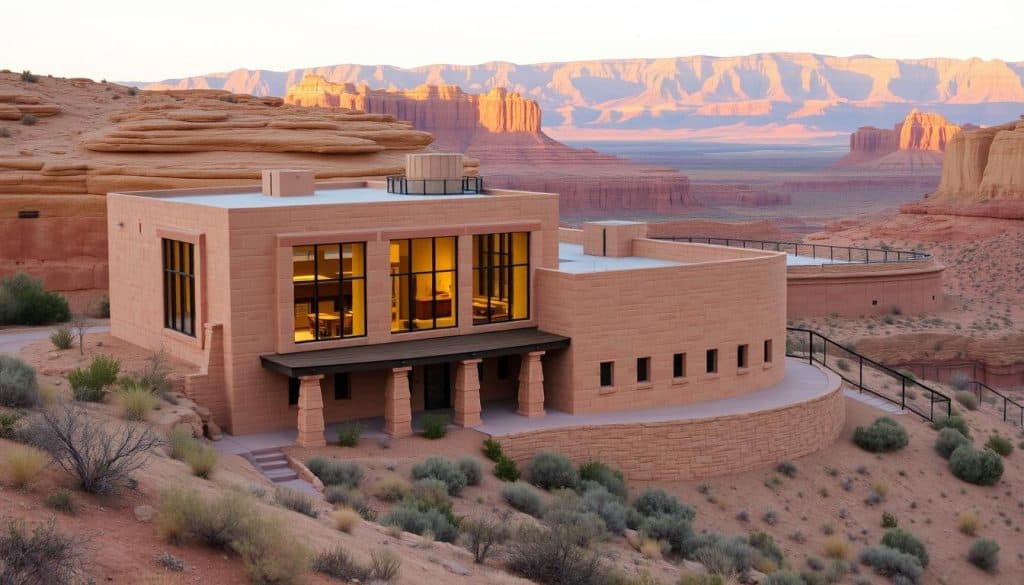
The Capitol Reef visitor center is the perfect starting spot to explore the park. It has everything you need for a comfortable visit. You’ll find educational resources here to learn about the area’s unique nature and history.
Facilities and Amenities
At the visitor center, there are restrooms, places to fill your water bottles, and displays. These displays teach about the park’s important geological and cultural stories. It’s a great place to plan your trip and learn before you start exploring.
Educational Programs Offered
Want to learn more about the park? Join guided walks and talks. These programs offer deep dives into Capitol Reef’s plants, animals, and history. They make your visit even more meaningful.
Hours of Operation
The visitor center is open daily from 8 AM to 4:30 PM. These hours work with many schedules. Planning your visit within these times means you’ll get to see and do a lot at Capitol Reef.
Safety Considerations in Capitol Reef
Your adventure in Capitol Reef National Park is thrilling. But, it’s important to keep safety first. Extreme weather can hit suddenly, especially in summer when the heat can get very high. Knowing local weather safety tips helps you deal with these situations better, making your outdoor experience enjoyable.
Dealing with Extreme Weather
Flash floods are a big worry here, mostly from July to September. But they can happen any time. You should stay aware and check the weather before going hiking. Knowing that flash flood water can take hours to reach you is important. Always plan ahead and move to higher ground if you see a storm coming.
Wildlife Safety Guidelines
The park is full of different animals. It’s important to keep your distance and not approach them. Keep your food and trash secure to prevent unwanted visits. If you see a large animal, move away slowly without panicking.
Essential Gear to Bring
Being prepared means bringing the right equipment. Carry at least one gallon of water per person each day to stay hydrated. Don’t forget sturdy shoes, sunscreen, and a first-aid kit for your safety. Know the land, as you might come across challenging sand, gravel, and rocky paths.
When you take care of your safety, Capitol Reef’s beauty is yours to enjoy. Remember to honor and protect its natural wonders while keeping yourself safe.
Recommended Accommodations Nearby
Looking for a great place to stay near Capitol Reef? You can find many options, from unique spots to budget-friendly hotels. There’s something for everyone, whether you want luxury or just a simple place to rest. Explore the area’s accommodations to make your visit unforgettable.
Hotels and Lodging Options
Capitol Reef Resort offers luxurious cabins, teepees, and Conestoga wagons. It’s right next to Capitol Reef National Park, making it easy for guests to explore. You can enjoy beautiful views of the Red Rock Cliffs from here. The resort also has a heated pool, hot tub, and free Wi-Fi. The Red Sands Hotel, a short drive from the park, is perfect for those preferring traditional hotels.
Unique Stays in the Area
Want a memorable stay? Try a teepee or Conestoga wagon at Capitol Reef Resort. Camping in the park is another great option. Places like Fruita Campground offer spots to tent or park your RV under the stars. This way, you can be closer to nature.
Budget-Friendly Suggestions
For those on a budget, Torrey has inexpensive hotels and vacation rentals. Book early, especially in peak seasons, to get the best deals. With some planning, you can have a great time near Capitol Reef without spending a lot.
Dining and Food Options
Capitol Reef National Park offers a unique dining experience. The park has a few dining spots, but nearby local restaurants offer a variety of flavors. The Gifford House, within the park, is famous for its homemade pies and crafts. It’s a perfect spot to visit while exploring.
Dining Inside the Park
The Gifford House is the main place to eat inside Capitol Reef National Park. It’s known for homemade snacks but doesn’t have sit-down dining. For a wider range of food, you’ll need to look in the towns close by.
Local Restaurants Worth Trying
Just eight miles away, the town of Torrey has great local eateries. Here are some top picks:
- Capitol Burger – Known for its unique Mac ‘n Cheese Burger, loved by many.
- Rim Rock Restaurant – Offers fine dining with dishes like pan-seared trout and smoked ribs.
- Wild Rabbit Cafe – Famous for its house-baked biscuits and farm eggs. Great for breakfast.
- Hanksville – Has a wide menu for all meals of the day.
- Outlaws Roost – Serves rustic Mexican food with tasty dishes and margaritas.
Trying local foods in Capitol Reef makes your trip even more memorable. It’s a great way to connect with the area’s culture and people.
Tips for Packing Food
Here are some tips for packing food for your park adventure:
- Bring snacks to keep you energized during hikes.
- Prepare a picnic to enjoy at beautiful park spots.
- Choose portable meals, like wraps or sandwiches, for easy eating.
- Carry a refillable water bottle to stay hydrated.
Packing your food wisely helps you enjoy Capitol Reef. This way, you can explore longer without worrying about meals. And you can take in the park’s beauty uninterrupted.
Conclusion: Planning Your Trip to Capitol Reef
Planning your trip to Capitol Reef National Park is key. The park spans over 240,000 acres with breathtaking views and unique formations like The Waterpocket Fold. Knowing travel routes, preparing for weather changes, and following park rules are important steps.
Choose activities that match what you love, like hiking, taking photos, or watching stars under the night sky. These choices will make your visit unforgettable.
Final Tips for Your Adventure
Enjoy Capitol Reef’s calm beauty by stepping away from screens and soaking in nature. Avoid the crowds by visiting outside May and September, or get there early during these months. If you plan to camp, book a spot at Fruita Campground ahead of time.
Always carry water and stay updated on your surroundings to have a safe trip.
Resources for Further Information
For extra information, check out the National Park Service. They offer up-to-date news, safety rules, and information on special events. Get travel tips and advice from local visitor centers to enhance your Capitol Reef adventure.
FAQ
What are the entrance fees for Capitol Reef National Park?
A private vehicle entry costs . It’s per person for hikers and cyclists. The America the Beautiful Pass is and gives access to all national parks, saving money for those who visit often.
When is the best time to visit Capitol Reef National Park?
The best times to visit are in the spring and fall. Summer temperatures can get above 90°F. To avoid the crowds, try going on weekdays or in late fall when there are fewer tourists.
Are there camping options available in Capitol Reef National Park?
Yes, the Fruita district has a 71-site campground that needs to be reserved ahead. For primitive camping, try places like Cedar Mesa. Cathedral Valley campground is perfect for backcountry camping.
What hiking trails should I consider in Capitol Reef?
Check out the Grand Wash Trail and the Cassidy Arch Trail for a challenge. The Cohab Canyon Trail is great for families. Always check trail conditions first and bring lots of water.
What wildlife can I expect to see in Capitol Reef?
You might see mule deer, bighorn sheep, and various birds in Capitol Reef. The best wildlife viewing times are early mornings and evenings.
How can I enhance my photography experience in the park?
Sunset Point and Goosenecks Overlook are perfect for sunset photos. Early mornings and late afternoons offer the best light for pictures. A DSLR or mirrorless camera with different lenses will help capture the beauty.
Are there any dining options inside or near Capitol Reef National Park?
Inside the park, the Gifford House sells homemade pies and goods. In Torrey, try local places like Capitol Burger and Rim Rock Restaurant.
What safety precautions should I take while visiting?
Watch out for extreme weather and flash floods. Keep food away from wildlife and stay away from animals. Bring water, good shoes, sunscreen, and a first-aid kit.
What amenities are available at the Capitol Reef Visitor Center?
The Visitor Center has restrooms, water filling stations, and park info displays. There are also educational programs like guided walks and talks to make your visit better.
Is Capitol Reef National Park accessible for all visitors?
The park can mainly be reached by car, but there are accessible areas near visitor centers and some trails for everyone to enjoy.