

Imagine standing on the shores of a lake so cold that its average water temperature hovers around 41°F (5°C) year-round. Yellowstone Lake, situated at an elevation of 7,733 feet above sea level, is a breathtaking sight that attracts many visitors to Yellowstone National Park.
As you gaze out onto its pristine waters, you might wonder if it’s possible to take a dip to cool off. The lake’s frigid temperatures and unique ecological features make it a fascinating yet potentially hazardous destination.
As we explore the regulations and safety considerations surrounding swimming in Yellowstone Lake, you’ll gain a deeper understanding of this natural wonder and how to appreciate it safely.
Key Takeaways
- Yellowstone Lake’s water temperature is extremely cold, averaging 41°F (5°C) year-round.
- The lake is a significant feature in Yellowstone National Park, attracting many visitors.
- Swimming in the lake is not generally advised due to the cold water.
- Understanding the lake’s ecological and geological features is crucial for safe enjoyment.
- Visitors can explore alternative ways to experience the lake’s natural beauty.
Yellowstone Lake: Facts and Features
As the largest high-altitude lake in North America, Yellowstone Lake offers a unique combination of natural beauty and ecological importance. Located within Yellowstone National Park, this lake is a vital component of the park’s ecosystem.
Size and Location
Yellowstone Lake is situated at an elevation of approximately 7,732 feet above sea level, making it a significant geographical feature of the park. It covers an area of about 132 square miles, with a maximum depth of around 390 feet. The lake’s shoreline stretches for approximately 110 miles, offering breathtaking views and diverse habitats for wildlife.
Water Temperature and Conditions
The water temperature in Yellowstone Lake varies significantly throughout the year, ranging from just above freezing in winter to around 60°F (15°C) in summer. The lake’s water conditions are influenced by its high altitude and the presence of underwater geothermal vents, which create unique microhabitats for specialized organisms.
“The lake’s ecological health serves as an important indicator of the overall environmental condition of the Greater Yellowstone Ecosystem.”
Ecological Significance
Yellowstone Lake is renowned for its ecological significance, hosting the largest population of wild cutthroat trout in North America. This native trout population supports a diverse array of wildlife, including iconic birds such as bald eagles, osprey, and pelicans. The lake’s ecosystem faces challenges from introduced lake trout, an invasive species that threatens the native cutthroat population.
| Wildlife Species | Description |
|---|---|
| Bald Eagles | Iconic birds that feed on native cutthroat trout |
| Osprey | Fish-eating birds of prey that rely on the lake’s trout population |
| Pelicans | Large waterbirds that feed on fish in the lake |
The lake’s shoreline and surrounding areas attract numerous land mammals, including moose, elk, mule deer, bison, grizzly bears, and black bears. The shallow lagoons along the lake’s shores provide critical habitat for various waterfowl species.
Can You Swim in Yellowstone Lake?
If you’re planning a trip to Yellowstone National Park, you might wonder about swimming in Yellowstone Lake. The lake is a stunning destination within the park, offering breathtaking views and a serene atmosphere. However, understanding the regulations and safety considerations is essential before taking a dip.
Official Park Regulations
According to the official park regulations, swimming is not entirely prohibited in Yellowstone Lake, but it’s crucial to be aware of the specific rules. The park authorities have designated certain areas where swimming is allowed, while other areas are strictly off-limits. For instance, swimming is explicitly prohibited in the Bridge Bay Marina Channel due to boat traffic and safety concerns.
The park regulations are designed to protect both visitors and the delicate ecosystem of the lake. It’s essential to familiarize yourself with these rules to ensure a safe and enjoyable experience. You can find more information on the official Yellowstone National Park website or by contacting park rangers.

Why Swimming is “Not Advised”
Even in areas where swimming is permitted, it’s often “not advised” due to various safety concerns. One of the primary reasons is the cold water temperature, which can lead to hypothermia. Additionally, there are areas with underwater thermal vents, particularly in Mary Bay, where temperatures can reach 252°F, making it extremely dangerous.
Furthermore, the lake’s water conditions can be unpredictable, and there may be strong currents or unseen hazards. It’s also worth noting that certain thermal areas along the shoreline are strictly off-limits to protect both visitors and the fragile thermal features.
Areas Where Swimming is Prohibited
There are specific areas within Yellowstone National Park where swimming is prohibited. These include portions of the Firehole River near thermal basins, such as the area at Midway Geyser Basin and the Upper Geyser Basin. The West Thumb Geyser Basin, which extends into Yellowstone Lake, also prohibits swimming due to dangerous thermal features and fragile bacterial mats.
Visitors should always look for posted signage indicating swimming restrictions, as these may not be mentioned in all park literature or maps. The park maintains the right to temporarily close additional areas to swimming based on changing conditions, wildlife activity, or conservation needs.
Safety Considerations for Yellowstone Waters
When exploring Yellowstone’s waters, it’s crucial to be aware of the potential hazards that come with enjoying the park’s natural beauty. As you enjoy the lakes and rivers, remember that safety should always be your top priority.
Cold Water Dangers and Hypothermia
The waters in Yellowstone can be extremely cold, even during the warmer months. This cold water can lead to hypothermia quickly. Hypothermia is a serious condition that occurs when your body temperature drops below 95°F (35°C). To avoid this, be prepared for the water temperature, and consider wearing a wetsuit or other protective gear when engaging in water activities.
Thermal Water Risks
While the thermal areas are a highlight of Yellowstone, they also pose significant risks. Underwater hot springs can create pockets of scalding water, making it dangerous to swim in certain areas. Always keep a safe distance from thermal features and be aware of your surroundings.
Safety Tips for Water Activities
To minimize risks when enjoying Yellowstone’s waters, follow these guidelines: Always wear a Coast Guard-approved personal flotation device when boating or kayaking. Inform someone of your plans and expected return time. Carry emergency communication devices, as cell service is limited. Check weather forecasts before heading out and be prepared to adjust your plans. When swimming, avoid swallowing lake water and consider using nose plugs. Lastly, ensure your watercraft has the required Yellowstone Aquatic Invasive Species inspection and permits.
As
“Safety is not just a precaution, it’s a necessity when exploring the natural wonders of Yellowstone.”
By being informed and prepared, you can enjoy the park’s water features while minimizing your exposure to potential dangers.
Alternative Water Activities at Yellowstone Lake
Yellowstone Lake offers a variety of water activities beyond swimming, catering to different interests and adventure levels. Whether you’re looking for relaxation or adventure, the lake provides numerous opportunities to enjoy its pristine waters and scenic surroundings.
Boating Options at Bridge Bay Marina
One of the most popular ways to experience Yellowstone Lake is by boating. Bridge Bay Marina is the hub for boating activities, offering a range of options from kayaks and canoes to motorboats. Visitors can rent equipment or bring their own, providing flexibility for different preferences and group sizes.
The marina is well-equipped with amenities, making it an ideal spot to start your day on the lake. You can enjoy a leisurely cruise or engage in more adventurous activities like fishing.
Fishing Experiences and Guided Tours
Fishing is a beloved activity on Yellowstone Lake, with the lake being home to several species of fish, including trout and whitefish. For those looking to enhance their fishing experience, guided tours are available. These tours are led by experienced guides who know the best spots and techniques, increasing your chances of a successful catch.
Whether you’re a seasoned angler or a beginner, guided fishing tours can be a great way to enjoy the lake while learning about its ecosystem.
Scenic Cruises on the Lake Queen II
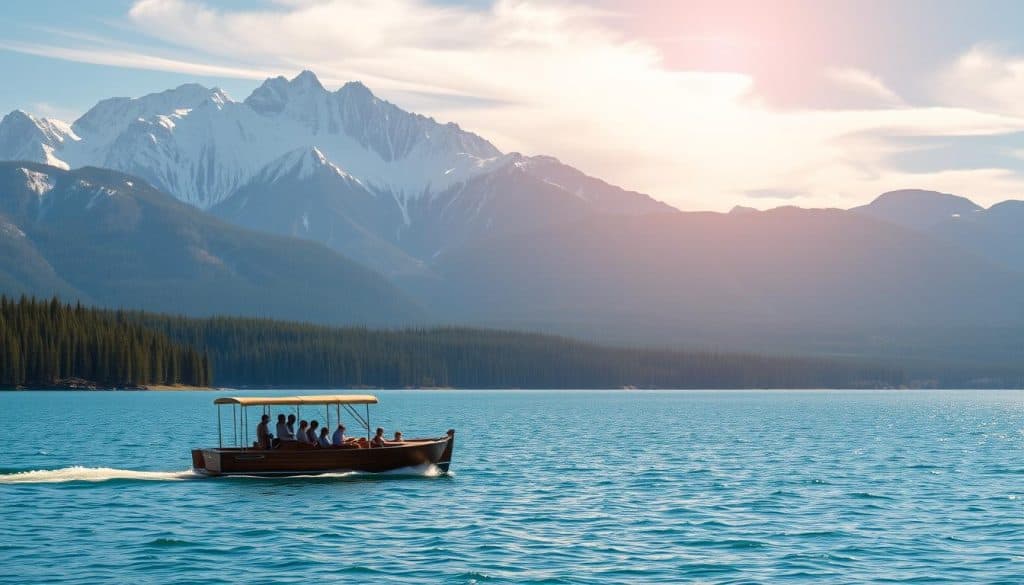
For a more relaxed experience, consider taking a scenic cruise on the Lake Queen II. This boat offers a narrated tour around the lake, providing insights into the geological and historical significance of the area. It’s a great way to enjoy the views without the need for physical activity.
Backcountry Water Adventures
For the truly adventurous, Yellowstone offers backcountry water adventures that allow you to explore the more remote areas of the lake. The backcountry shuttle service, affectionately known as “The Otter,” can transport you and your gear to secluded spots, perfect for camping and backpacking trips.
Popular destinations include Plover Point, which features a sandy beach, picnic tables, and outhouses. This service provides a unique way to experience the solitude and natural beauty of Yellowstone Lake’s remote areas.
| Activity | Location | Description |
|---|---|---|
| Boating | Bridge Bay Marina | Rent or bring your own boat to explore the lake. |
| Fishing | Various spots around the lake | Try your hand at catching trout or whitefish with or without a guide. |
| Scenic Cruise | Lake Queen II | Enjoy a narrated tour around the lake. |
| Backcountry Adventure | Remote areas accessible by “The Otter” | Explore secluded spots perfect for camping and backpacking. |
Best Places to Enjoy Yellowstone’s Waters
While swimming in Yellowstone Lake is not advised, the park offers many alternative ways to enjoy its waters. You can explore the lake’s shoreline and surrounding areas, taking in the breathtaking views and experiencing the unique features ofYellowstone National Park.
The west side ofYellowstone Lakeis dotted with worthwhile spots to stop and stroll, such as Arnica Creek, Gull Point Drive, and Pumice Point. Many of these areas have black sand beaches, offering a serene and picturesque experience. You can watch fishing boats working to eradicate invasive Lake Trout, which threaten the native cutthroat trout.
For a unique experience, visit theWest Thumb Geyser Basin, where hot springs and thermal features extend directly intoYellowstone Lake. Take a hike on theStorm Point TrailorPelican Creek Nature Trailfor spectacular lake views. Alternatively, head toother national parksduring the winter season for a different experience.
BeyondYellowstone Lake, you can enjoy designated swimming areas at theFirehole Swim Areaor explore other lakes likeShoshone Lake,Heart Lake, andLewis Lake, which offer opportunities for fishing, boating, and more. With so many options, you’re sure to find a way to enjoyYellowstone’s watersthat suits your preferences.
FAQ
What are the water conditions like at Yellowstone Lake?
The water temperature at Yellowstone Lake is quite cold, ranging from near-freezing to around 60°F (15°C) during the warmest summer months, making it a challenging swim for many visitors.
Are there any designated swimming areas within Yellowstone National Park?
While there aren’t designated swimming areas at Yellowstone Lake, some beach areas along the shoreline are accessible via hiking trails or by boat, but swimming is not advised due to cold water and other hazards.
What are the risks associated with swimming in Yellowstone’s waters?
Swimming in Yellowstone’s waters poses several risks, including hypothermia from cold water, potential encounters with thermal features, and strong currents in rivers and streams.
Are there alternative water activities available at Yellowstone Lake?
Yes, visitors can enjoy various water activities, such as boating at Bridge Bay Marina, fishing, or taking a scenic cruise on the Lake Queen II, offering a range of experiences beyond swimming.
How can I safely enjoy Yellowstone’s waters?
To safely enjoy Yellowstone’s waters, be aware of the cold water dangers, watch for warning signs, and follow park regulations and guidelines provided by park rangers or guides.
What should I know about the lake’s ecosystem and wildlife?
Yellowstone Lake is an ecologically significant area, supporting a variety of aquatic life; visitors should be aware of their surroundings and respect the natural environment to preserve the area’s ecological significance.