
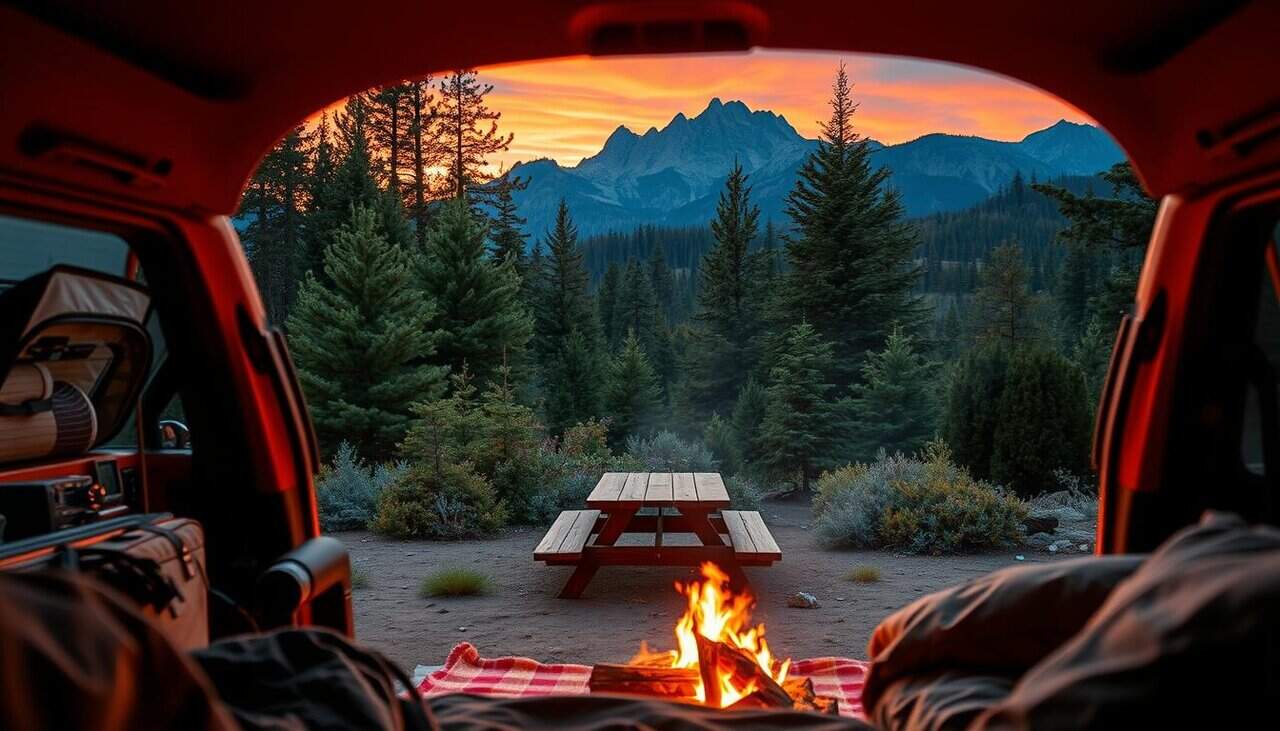
As I reflect on my last adventure in Yosemite, I realized that car camping is a favorite among many travelers due to its convenience and flexibility.
However, the rules surrounding camping in a car within national parks can be complex.
Most national parks have strict regulations against sleeping in your car outside designated campsites, with some parks like Yosemite enforcing these rules rigorously.
As the popularity of car camping and van life continues to grow, understanding these rules is crucial for a smooth adventure.
In this article, we’ll explore the official regulations, legal alternatives, and safety considerations for camping in a car within a national park or other parks.
Key Takeaways
- Understand the regulations surrounding car camping in national parks.
- Learn about designated campsites and alternative options.
- Discover safety considerations for car camping.
- Explore the growing trend of car camping and van life.
- Find out how to plan a successful car camping trip.
The Rules of Car Camping in National Parks
Sleeping in your car in a national park might seem like a convenient option, but there are rules you need to be aware of. As someone who’s experienced the thrill of car camping, I can tell you that understanding these regulations is key to avoiding any unwanted surprises.
Legal Status of Sleeping in Your Vehicle
The legal status of sleeping in your car varies from one national park to another. In many national parks, it’s not explicitly allowed to sleep in your vehicle outside of designated campsites. However, some parks may be more lenient, especially if you’re in a designated parking area. It’s crucial to check with the park’s ranger station or website to understand their specific policies.
Enforcement and Potential Penalties
Enforcement of car camping regulations can be quite strict in some national parks, with ranger patrols regularly checking on vehicles. They might knock on your windows and shine a light inside to see if anyone’s home. There’s even a rumor that some parks, like Yosemite, use infrared sensors to detect people sleeping in their cars. If you’re caught, you could face fines ranging from $50 to several hundred dollars, depending on the park and the circumstances. To avoid this, it’s best to keep a low profile, arrive late, and leave early if you’re considering sleeping in your car for the night
While some visitors have reported getting away with it, the risk of being woken up and potentially receiving a citation makes it a stressful option. As I’ve experienced personally, it’s always better to opt for legal alternatives to avoid any hassle.
Can You Sleep in Your Car in US National Parks?
Before you embark on a trip to a US national park, it’s crucial to know the rules regarding sleeping in your vehicle. National parks offer a unique experience, with breathtaking landscapes and diverse wildlife, but understanding the regulations is key to a smooth trip.
Official Regulations by Park Service
The official stance of the National Park Service on sleeping in cars varies by park. Generally, camping is only allowed in designated campsites. However, some parks may allow you to sleep in your car in parking areas or roadside pull-outs, but this is not a universal rule. It’s essential to check the specific regulations for the park you plan to visit.
| Park | Allowed | Restrictions |
|---|---|---|
| Yellowstone | No | Only in designated campsites |
| Yosemite | Limited | Only in specific parking areas |
| Grand Canyon | No | Camping allowed only in designated areas |
Exceptions and Gray Areas
There are situations where the rules might be interpreted more leniently. For instance, if you’re too tired to drive and need a safety nap, this could be considered a gray area. Similarly, activities like stargazing or returning late from a hike might put you in a situation where you’re in your car at night without technically “camping.” Enforcement often depends on the ranger’s discretion and the specific circumstances.
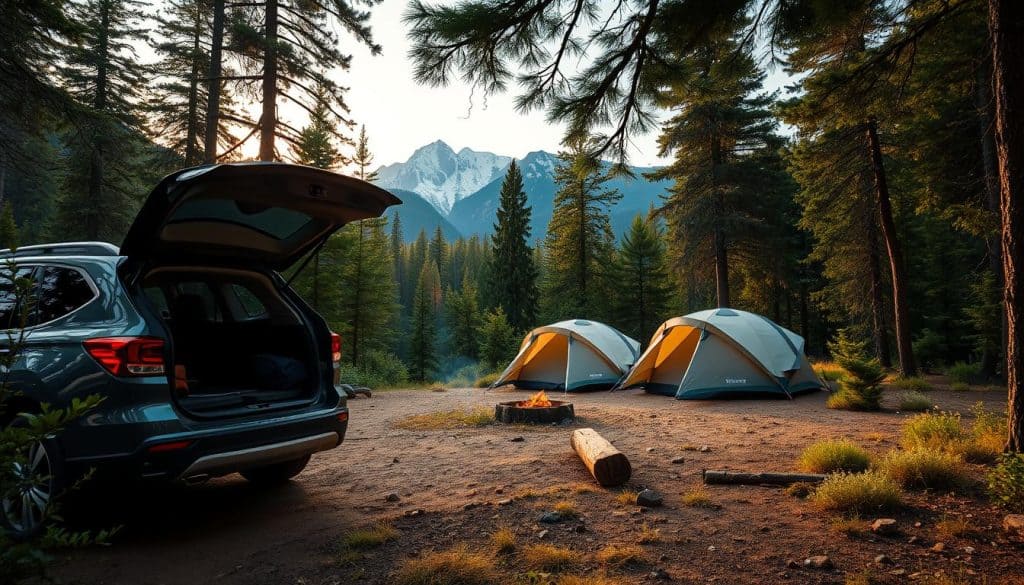
It’s also worth noting that in less-visited areas of some parks, enforcement may be more relaxed due to fewer ranger patrols. However, claiming ignorance of the rules is rarely a valid defense, as regulations are clearly posted at park entrances and on official websites.
Legal Alternatives for Car Camping
Experienced travelers know that camping outside national park boundaries can offer a more authentic and peaceful experience. While camping inside national parks can be a wonderful experience, it often comes with limitations and higher costs.
Instead, many travelers prefer to camp just outside the park on public lands, such as national forests or Bureau of Land Management (BLM) areas, and then take day trips into the national park. This approach not only saves money but also provides more flexibility and often better views.
National Forest and BLM Land Options
Many national parks are surrounded by national forests or BLM land that offer free dispersed camping within a short drive of park entrances. These areas often provide more privacy and fewer restrictions than developed campgrounds inside the parks. For example, you can find free camping sites on BLM land that are just a few miles from the national park entrance.
Finding Free Camping Near National Parks
To find these hidden gems, you can use websites like freecampsites.net, Campendium, and iOverlander, which help travelers discover free and low-cost camping options near popular national parks. These resources are invaluable for planning your trip and ensuring that you have a comfortable and enjoyable camping experience.
When using these free camping options, it’s essential to follow Leave No Trace principles to preserve these areas for future visitors. By being mindful of your impact and taking care to leave the area as you found it, you can help ensure that these beautiful areas remain available for years to come.
Reserving Campgrounds in National Parks

To ensure a stress-free vacation, understanding how to reserve national park campgrounds is essential. Whether you’re planning to spend a night under the stars in your car or set up a tent, knowing the reservation process can make all the difference.
How to Book Sites in Advance
Booking campsites in advance is a straightforward process. You can visit the National Park Service’s reservation website to secure your spot. It’s advisable to plan ahead, especially during peak summer months when campsites fill up quickly.
Many popular national parks, such as Yosemite and Yellowstone, offer online reservations well in advance. By reserving early, you can ensure that you have a campsite ready for you upon arrival.
Last-Minute Camping Options
If you didn’t secure a reservation in advance, don’t worry. There are still options available for last-minute travelers. Checking the National Park Service’s reservation website regularly can help you snag a campsite that became available due to cancellations.
Additionally, many national parks set aside a portion of their campgrounds for first-come, first-served visitors. Arriving early in the morning, especially on weekdays, can increase your chances of securing one of these sites. Some less-visited parks may also have more availability for spontaneous camping.
Having a backup plan, such as considering nearby national forest campgrounds or private campgrounds outside park boundaries, can also be a good strategy if your preferred national park is fully booked.
Essential Tips for Comfortable Car Camping
Car camping offers a unique way to connect with nature, and with the right setup, you can enjoy a restful night’s sleep. As you prepare for your trip, consider the key factors that contribute to a comfortable camping experience.
Setting Up Your Vehicle for Sleeping
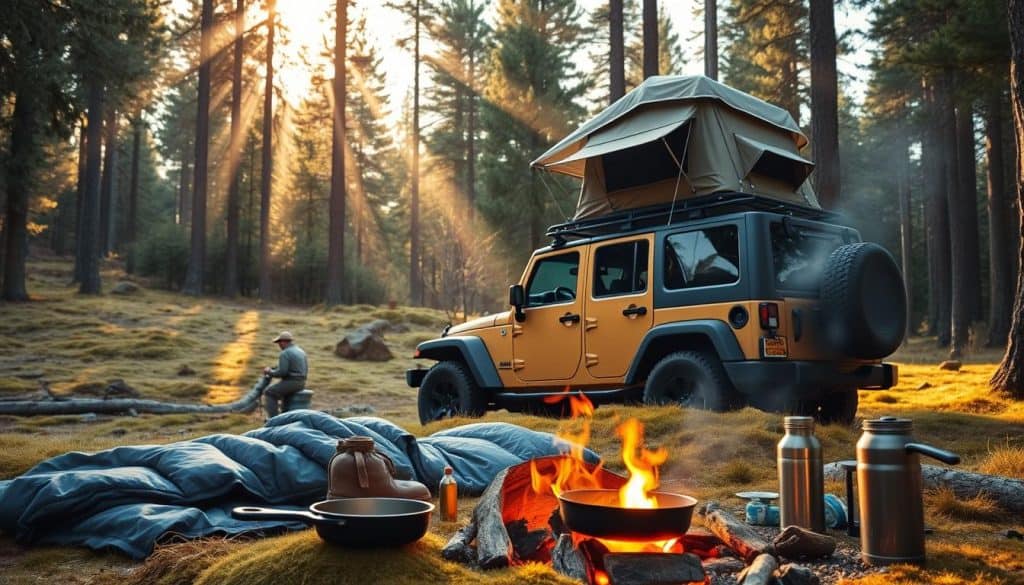
When setting up your vehicle for sleeping, it’s crucial to consider both comfort and safety. You can start by clearing out any clutter and organizing your gear to create a cozy space. Using a sleeping bag or bedding designed for car camping can significantly enhance your comfort.
Privacy and Temperature Control
Maintaining privacy and controlling the temperature inside your vehicle are vital for a comfortable night’s sleep. You can use reflective bubble insulation or similar materials to cover your windows, which not only adds privacy but also helps regulate the temperature. For added convenience, consider using purpose-made privacy curtains designed for your vehicle model.
To manage temperature and ventilation, options like cracked windows with screens, roof vent fans for vans, and sunroof screens can be very effective. Here’s a comparison of these methods:
| Method | Privacy | Temperature Control | Ventilation |
|---|---|---|---|
| Reflective Bubble Insulation | Yes | Yes | No |
| Privacy Curtains | Yes | Partially | No |
| Cracked Windows with Screens | No | Yes | Yes |
| Roof Vent Fans | No | Yes | Yes |
| Sunroof Screens | No | Yes | Yes |
Safety Considerations When Sleeping in Your Car
To ensure a safe and enjoyable trip, understanding the safety considerations for car camping in national parks is essential. While generally considered safe, there are specific precautions you should take to minimize risks.
Wildlife Concerns and Food Storage
One of the primary concerns when sleeping in your car in certain national parks is wildlife, particularly bears. In regions like the northern Rockies, bears are a significant concern. To mitigate this risk, it’s crucial to store food properly and keep your vehicle clean. Avoid leaving food or used plates inside your car with the tailgate open. If you plan to hike or camp in areas known for grizzly bears, such as northwest Wyoming, Montana, or Idaho, consider purchasing bear spray.
- Keep a clean vehicle, free of food odors and leftovers.
- Store food and trash in sealed containers.
Personal Safety Tips
When it comes to personal safety, parking in well-used areas can significantly reduce risks. Always keep your doors locked while sleeping, and be aware of your surroundings. It’s also wise to have a plan for emergencies, including knowing your exact location on the road. Before heading into remote areas, check the weather forecast and ensure your phone has cell service. Sharing your itinerary with someone not on the trip can also be a lifesaver in case of an emergency.
- Park in well-lit and frequently visited spots.
- Keep your phone charged and have a backup plan for emergencies.
Conclusion: Enjoying National Parks Responsibly
If you’re considering a trip to a national park, you might be wondering about the feasibility of car camping within the park boundaries. While sleeping in your car outside designated campgrounds is generally not allowed, there are plenty of legal alternatives. Planning ahead for campground reservations is ideal for staying inside park boundaries, while nearby public lands offer flexibility for spontaneous travelers. Always follow the 7 Leave No Trace principles to ensure responsible recreation. By doing so, you’ll not only avoid fines but also contribute to preserving these natural spaces. So, pack up your car and hit the road, enjoying the beauty of national parks while respecting the regulations that protect them.
FAQ
What are the rules for sleeping in a vehicle within US national parks?
Regulations vary by park, but generally, sleeping in a vehicle is allowed in designated campsites or parking areas, provided you follow park rules and stay within your vehicle.
Are there any national parks that allow dispersed camping?
Yes, some national parks have dispersed camping areas, but these are typically limited and may require a permit or have specific restrictions.
Can I camp in my van or RV in national forests?
National forests often have dispersed camping areas where you can camp in your van or RV, but be sure to follow forest service regulations and respect private property.
How do I find free camping near national parks?
You can search for free camping options on Bureau of Land Management (BLM) land or national forests near the national park you plan to visit.
What safety precautions should I take when sleeping in my vehicle?
Be mindful of wildlife, store food and trash properly, and keep your valuables secure to minimize risks.
Are there any specific regulations for food storage in national parks?
Yes, many national parks have regulations regarding food storage to prevent attracting wildlife, such as bears; check with park rangers for specific guidelines.
How can I maintain privacy while car camping?
Consider using window shades or curtains, and try to park in areas that are not too exposed to maintain your privacy.
What are some tips for comfortable car camping?
Invest in a comfortable sleeping setup, keep your vehicle organized, and be prepared for varying temperatures to ensure a comfortable trip.