
I’ve always been drawn to the freedom of pitching a tent under the stars, but the reality is that camping isn’t as simple as finding a nice spot and setting up camp.
The idea of waking up to birdsong and cooking breakfast over an open fire is alluring, but it’s essential to understand the rules and regulations surrounding camping on different types of lands.
As someone who’s experienced the joy of camping on public lands, I’m here to guide you through the ins and outs of tent camping regulations in the United States.
This comprehensive guide will help you navigate the complex web of laws and regulations, ensuring that your outdoor experience is enjoyable and trouble-free.
Key Takeaways
- Understand the difference between designated campgrounds and dispersed camping on public lands.
- Learn about the various rules and regulations that govern camping in different areas.
- Discover how to plan a successful camping trip by knowing where to set up your tent.
- Get insights from my own experience camping on various types of lands.
- Enhance your outdoor experience by knowing the rules and regulations.
Understanding Camping Regulations in the United States
Before you pack your gear and head out on your next camping adventure, it’s crucial to understand the regulations that govern camping in the United States. Camping regulations can vary significantly from one location to another, and being informed is key to a successful and stress-free trip.
Legal vs. Illegal Camping Locations
When it comes to camping, not all locations are created equal. Some areas are designated for camping and have specific rules in place to ensure a safe and enjoyable experience for all visitors. These can include national parks, state parks, and areas managed by the Bureau of Land Management (BLM). On the other hand, camping in certain areas, such as private property without permission, can lead to legal issues. Understanding the distinction between legal and illegal camping locations is vital.
The Importance of Researching Before You Camp
Researching your camping destination before you go is not just a good idea; it’s essential. Each camping location has its own set of rules and regulations, which can impact your adventure in significant ways. For instance, some areas may have fire restrictions or require permits.
I always check the official websites for the park or public land area I plan to visit to get the most up-to-date information. Additionally, calling the local ranger station can provide valuable insights into any recent changes or seasonal considerations. By doing your homework, you can protect the natural site, ensure your safety, and avoid any unexpected fines or relocations.
Where You Cannot Camp: Restricted Areas
When it comes to camping, understanding where you can’t set up your tent is just as important as knowing where you can. As an experienced camper, I’ve learned that being aware of restricted areas can save you from potential legal issues and enhance your overall camping experience.
Restricted areas vary widely, and it’s crucial to know the specific rules and regulations for each location. Let’s dive into some of the most common areas where camping is not allowed.
Private Land Without Permission
Camping on private land without permission is a significant no-no. Landowners have the right to decide who can and cannot camp on their property. I’ve seen cases where campers have been fined or even arrested for camping on private land without permission. Always ensure you have the necessary permits or approvals before setting up your tent.
Respecting private property is not only a matter of law but also a matter of courtesy. If you’re unsure about the ownership or rules regarding a particular piece of land, it’s best to err on the side of caution and find an alternative location.
Private Businesses and Parking Lots
Camping at private businesses or parking lots is generally not allowed unless you have explicit permission from the management. Many businesses have specific rules against overnight parking or camping due to liability concerns or local ordinances.
I’ve noticed that some businesses may provide designated camping areas or allow overnight parking, but this is not common. Always check with the management or staff before setting up your tent or spending the night.
Rest Areas and Roadside Stops
Rest areas along highways and interstates are designed for brief stops to combat driver fatigue, not for overnight camping. While some states allow overnight parking, others strictly prohibit it. It’s essential to check the specific rules for each rest area, as they can vary significantly.
Most states have time limitations at rest areas, typically ranging from 2 to 8 hours. These restrictions are often strictly enforced, especially in high-traffic areas. I’ve learned that using rest areas for camping can reduce their availability for their intended purpose: providing a safe rest for tired drivers.
As a seasoned camper, I recommend planning your route to include designated campgrounds or other legal overnight options instead of relying on rest areas. This not only ensures you’re complying with regulations but also enhances your safety and overall camping experience.
“The great outdoors is a wonderful thing, but it’s essential to respect the rules and regulations that govern it.”
Can You Sleep in a Tent Anywhere? The Legal Options
Camping is a wonderful experience, but it’s critical to know where you’re allowed to camp. The United States offers a diverse range of camping options, from developed campgrounds with amenities to dispersed camping in the wilderness.
Public Lands Overview
Public lands are a treasure trove for campers, offering vast areas where you can set up your tent. These lands are managed by various federal and state agencies, each with its own set of rules and regulations. The Bureau of Land Management (BLM), for instance, manages millions of acres of land that are generally open to camping. Dispersed camping on BLM land is allowed for up to 14 days in a single location, but it’s essential to check for any specific regional requirements.

Choosing the Right Camping Experience
When planning your camping trip, you have several options to choose from, depending on your preferences. Developed campgrounds offer amenities like restrooms, potable water, and picnic tables, making them ideal for families or those who want a more comfortable camping experience. On the other hand, dispersed camping allows you to camp in more remote areas, often without any amenities. This type of camping is perfect for those seeking solitude and a more primitive experience.
Understanding Camping Permits and Time Limitations
One of the most critical aspects of legal camping is understanding the permit requirements and time limitations for your chosen location. Many popular camping areas, especially in National Parks and some State Parks, require advance permits. These permits help manage visitor numbers, protect natural resources, and ensure safety. Time limitations vary by location but are generally around 14 days within a 28-day period. After reaching the maximum stay limit, you’re usually required to move a significant distance before setting up camp again.
| Camping Location | Permit Requirement | Time Limitation |
|---|---|---|
| BLM Land | Often self-issued | Up to 14 days |
| National Parks | Usually required in advance | Varies, often 7-14 days |
| State Parks | Varies by park | Varies, often 14 days |
To ensure a smooth camping experience, make sure to display your permit properly once obtained. Rangers regularly patrol camping areas to check compliance. By understanding and adhering to these regulations, you can enjoy a stress-free camping experience.
Designated Campgrounds vs. Dispersed Camping
Designated campgrounds and dispersed camping offer distinctexperiences, each with its unique advantages and disadvantages. As someone who’s spent years camping in both settings, I’ve developed a clear understanding of the trade-offs between these two options.
Amenities and Facilities at Designated Campgrounds
Designated campgrounds are known for their convenience andamenities. They typically offer picnic tables, fire pits, restrooms, showers, and running water, making camping accessible to a wider range of people. The structured environment provides peace of mind for many campers, with clear rules, nearby assistance if needed, and often cell service for emergencies. For instance, when planning a trip to Wind Cave National Park, you can find a variety ofplaces to staythat offer these amenities.
The Freedom of Dispersed Camping
On the other hand, dispersed camping offers a more authentic outdoorexperience. It provides solitude, connection with nature, flexibility without reservations, and typically no fees. This makes it perfect for spontaneous trips and those seeking a more immersive experience in nature. However, it requires more self-sufficiency, including carrying all water or having filtration methods, proper human waste disposal, and potentially navigating difficult access roads.
Pros and Cons of Each Option
Both designated campgrounds and dispersed camping have their pros and cons. Designated campgrounds come with financial costs, less privacy, and potential noise from neighboring campers. Dispersed camping, while offering more solitude and flexibility, lacks the amenities and facilities available in designated campgrounds. For many experienced campers, the ideal approach is to use both options depending on the trip’s purpose. Whether you prefer the convenience of designated campgrounds or the freedom of dispersed camping, understanding the advantages and disadvantages of each can enhance your campingexperience.
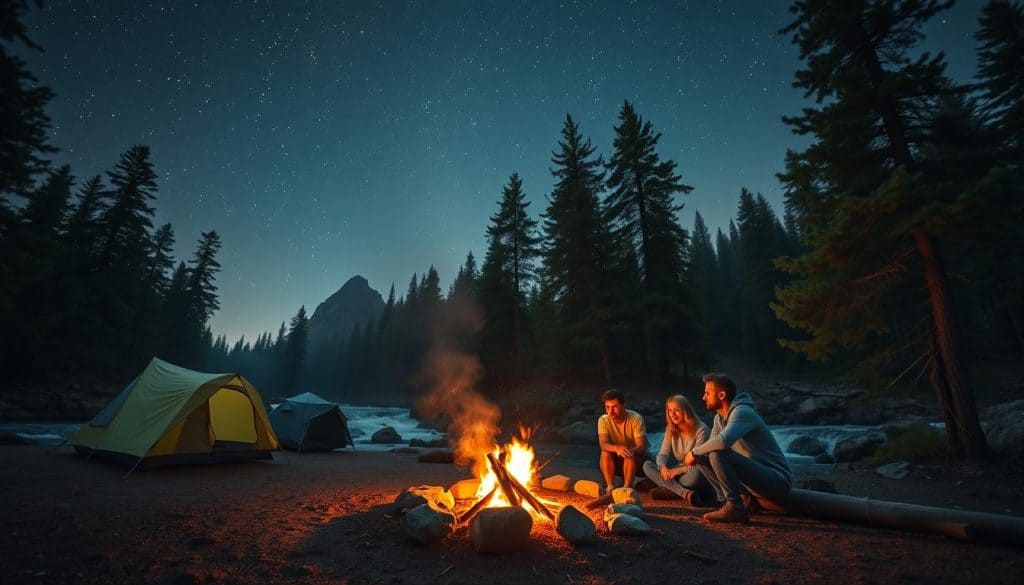
Ultimately, the choice between designated campgrounds and dispersed camping depends on your personal preferences and what you’re looking for in a campingway. By considering the pros and cons of each, you can make an informed decision that suits your needs.
Camping on Different Types of Public Lands
When it comes to camping on public lands, the United States offers a diverse range of options. As an outdoor enthusiast, you can choose from various types of public lands, each with its unique characteristics and regulations.
National Parks: Rules and Reservations
National Parks are among the most popular destinations for campers. However, they come with specific rules and often require reservations.It’s essential to plan aheadand book your campsite well in advance, especially during peak season. The National Park Service manages over 400 protected areas, but not all of them allow camping. Some parks have developed campgrounds with amenities, while others offer more primitive, backcountry experiences. Be sure to check the specific regulations for the park you plan to visit.
State Parks: Local Gems with Varied Regulations
State Parks offer another excellent option for camping. These parks are managed by individual states and can vary significantly in terms of regulations and amenities.Some state parks offer full-hookup campsites, while others are more primitive. It’s crucial to research the specific state park you’re interested in to understand its rules and availability. State Parks often provide a more local experience and can be less crowded than National Parks.
Bureau of Land Management (BLM) Lands
The Bureau of Land Management manages vast tracts of public land, offering numerous camping opportunities. BLM lands are known for their dispersed camping options, allowing you to camp outside of developed campgrounds.Dispersed camping on BLM landsoften comes with fewer restrictions, but it’s still important to follow the guidelines and regulations. Be aware that some areas may be closed due to environmental or other concerns.
National Forests and Grasslands
National Forests and Grasslands, managed by the U.S. Forest Service, provide extensive camping opportunities. These areas often border National Parks, making them an excellent alternative or backup plan. The Forest Service manages 193 million acres of forest and grasslands, offering a mix of developed campgrounds and dispersed camping areas. When camping in National Forests, it’s essential to follow the rules, such as setting up camp at least 100-200 feet from water sources and being mindful of fire regulations.
Here’s a summary of the different types of public lands and their camping characteristics:
| Type of Public Land | Camping Characteristics | Regulations |
|---|---|---|
| National Parks | Developed campgrounds and backcountry sites | Reservations often required; specific rules apply |
| State Parks | Varies from full-hookup sites to primitive camping | Regulations vary by state and park |
| BLM Lands | Dispersed camping; fewer restrictions | Follow guidelines; some areas may be closed |
| National Forests and Grasslands | Mix of developed campgrounds and dispersed camping | Set up camp away from water sources; follow fire regulations |
In conclusion, the U.S. offers a wide range of public lands for camping, each with its unique features and regulations. By understanding the characteristics of National Parks, State Parks, BLM Lands, and National Forests and Grasslands, you can choose the best camping experience for your needs.
Camping on Private Property: What You Need to Know
Camping on private land can be a fantastic option for those seeking a more secluded experience, but it requires some knowledge of the laws governing it. I’ve had some of my most memorable camping experiences on private properties with spectacular settings not available to the general public.
Your Own Backyard: Zoning Laws and Regulations
If you’re considering camping in your own backyard, it’s essential to check local zoning laws and regulations. Some areas have specific rules about camping on private property, including the duration of stay and necessary permits. For instance, some jurisdictions limit the number of days you can camp in your own yard or require special permits for extended stays.
Before setting up your tent, ensure you’re compliant with these regulations to avoid any potential fines or issues.
Camping on Someone Else’s Land with Permission
Camping on someone else’s land with permission opens up unique opportunities that public lands can’t offer. Platforms like Hipcamp have made it easier to find private campsites and coordinate with landowners. However, even with permission, it’s crucial to understand local laws that may apply, such as obtaining special permits for extended stays.
When camping on private land, respect the property and follow any rules set by the landowner regarding fires, waste disposal, and access to different areas. Building a good relationship with landowners can lead to future opportunities, and I’ve found that expressing gratitude and respecting their property often results in open invitations to return.
Conclusion: Responsible Tent Camping Practices
As we wrap up our exploration of tent camping, it’s clear that freedom on the campsite comes with a significant responsibility to preserve our natural world. To make sure we keep our parks and wild areas pristine, we must adhere to the “Leave No Trace” principles. This means packing out your waste, minimizing fire impacts, and respecting wildlife. By doing so, we ensure that our camping adventure is not only enjoyable but also sustainable for future generations.
Whether you’re in a tent at a designated campsite or dispersed camping on public lands, every action counts. Let’s enjoy the adventure while conserving water and protecting the environment. This way, we can continue to explore the world around us, one tent at a time.
FAQ
What are the general rules for camping on public lands?
The rules vary depending on the managing agency, such as the Bureau of Land Management (BLM), National Park Service, or U.S. Forest Service. Generally, public lands offer dispersed camping or designated campgrounds with specific regulations.
How do I find out if I need a permit to camp on public lands?
Research the specific area you plan to visit through the managing agency’s website or contact their office directly. Many areas require permits, especially during peak season or in sensitive environments.
What is dispersed camping, and where is it allowed?
Dispersed camping refers to camping outside of designated campgrounds, often without amenities. It’s allowed on many public lands managed by the BLM and U.S. Forest Service, but check local regulations for specific rules.
Are there any restrictions on campfires when camping on public lands?
Yes, campfire restrictions vary by location and are often dependent on current fire danger. Check with the local land management agency for fire restrictions before starting a campfire.
Can I camp on private property?
Camping on private property is allowed with the owner’s permission. Always obtain permission before setting up camp, and be aware of local zoning laws and regulations.
What are the benefits of camping in designated campgrounds?
Designated campgrounds often provide amenities such as restrooms, potable water, and picnic tables, making for a more comfortable camping experience. They also usually have clearer rules and regulations.
How do I choose between dispersed camping and a designated campground?
Consider your preferences for amenities, solitude, and the type of experience you’re seeking. Dispersed camping offers more freedom and solitude, while designated campgrounds provide comfort and convenience.
Are there time limitations for camping on public lands?
Yes, many public lands have stay limits, typically ranging from 7 to 30 days. Check the specific regulations for the area you plan to visit to avoid overstaying.
What should I do with my waste when camping on public lands?
Always pack out what you pack in. Use appropriate disposal facilities when available, and follow the principles of Leave No Trace to minimize your impact on the environment.
Can I bring my pet camping on public lands?
Pet policies vary by location. Some areas allow pets, while others have restrictions. Check with the managing agency before bringing your pet.