

As I embarked on my latest road trip across the United States, I was struck by the vast open spaces and the numerous options for overnight parking. However, I soon realized that the freedom to park and sleep in an RV is not as unrestricted as it seems.
The reality is that parking regulations vary significantly across different locations in the USA. While some areas are RV-friendly, others have strict rules against overnight stays. This complexity can make planning a stress-free journey challenging.
Understanding where you can legally park and sleep is crucial for a smooth road trip experience. In this article, we’ll explore the legal options for overnight parking, helping you navigate the regulations and find safe and legal spots to rest.
Key Takeaways
- Understanding RV parking regulations is essential for a stress-free journey.
- Different locations in the USA have varying rules regarding overnight stays.
- There are legal options for overnight parking, from established campgrounds to free alternatives.
- It’s crucial to distinguish between parking and camping to avoid potential fines.
- Staying informed about current regulations can make or break your road trip experience.
Understanding RV Parking Laws in the United States
Understanding where you can park your RV involves deciphering a complex web of laws that vary significantly depending on your location. In many areas, the regulations can be quite different, even within the same city.
Federal vs. State vs. Local Regulations
RV parking regulations operate on three distinct levels: federal laws that govern national parks and public lands, state regulations that vary across the country, and local ordinances that can change from one city to the next. For instance, federal regulations apply to national parks, Bureau of Land Management (BLM) lands, and national forests, each with specific rules about where and how long you can park your RV.
| Regulation Level | Applicable Areas | Examples |
|---|---|---|
| Federal | National Parks, BLM Lands, National Forests | Specific rules for parking duration and location |
| State | Highway Rest Areas, State Parks, Roadside Parking | Varying overnight parking policies |
| Local | Cities and Counties | Ordinances that can be restrictive or welcoming |
The Importance of Knowing Where You Can Park
Knowing where you can legally park your RV is crucial for avoiding fines, preventing your vehicle from being towed, and ensuring your personal safety. Many RV travelers have faced issues with law enforcement or residents due to unawareness of local parking restrictions on street or property. Researching parking regulations before traveling can save you stress and potential financial penalties.
“The growing popularity of RV travel has led many locations to implement stricter parking regulations, making it more important than ever to stay informed.”
Legal Options for Overnight RV Parking
RV travelers have multiple choices for overnight parking, ranging from private campgrounds to public lands. Understanding these options can make a big difference in planning your trip.
Private Campgrounds
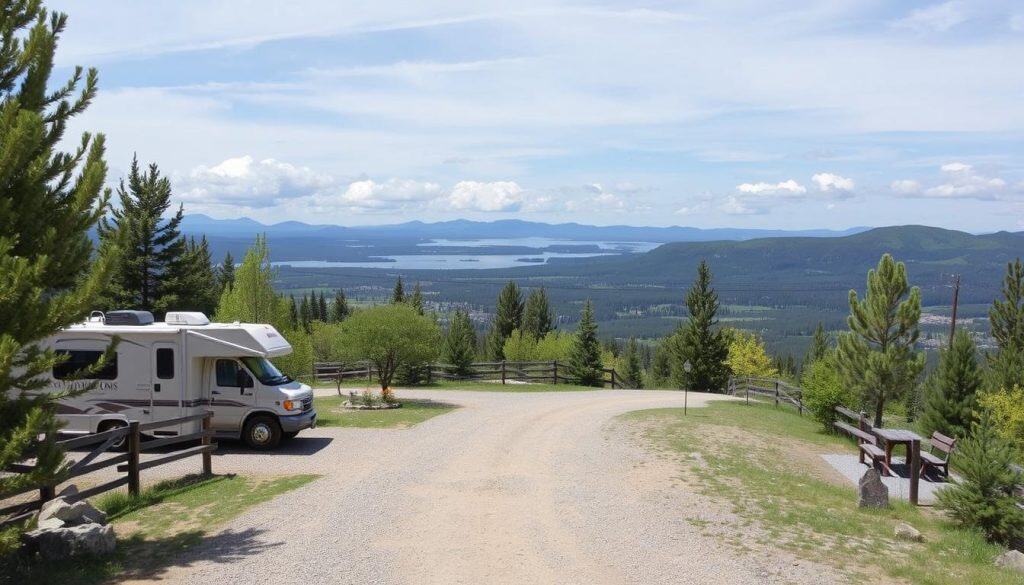
Private campgrounds offer a range of amenities and are easily bookable online. You can expect to find facilities like firepits, showers, and laundry services. Prices vary based on the services provided.
National Park Service Campgrounds

The National Park Service manages numerous campgrounds within the national parks. These are great locations for exploring America’s natural beauty. It’s advisable to make reservations in advance, especially during peak season.
Public Lands – BLM and National Forests
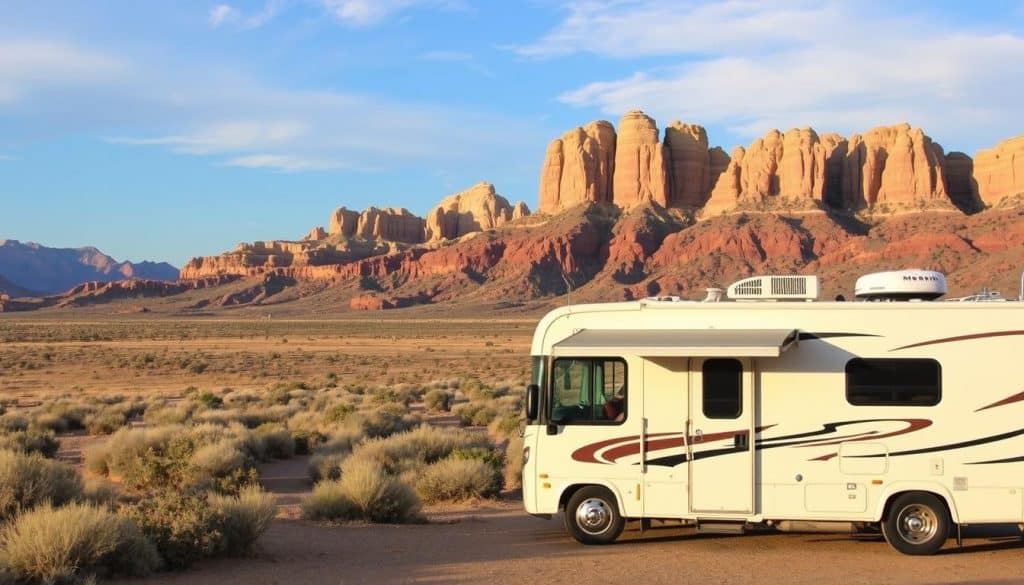
Public lands managed by the Bureau of Land Management (BLM) and National Forest Service offer free or low-cost camping options. These areas often have basic facilities and operate on a 14-day stay limit. They provide a more rugged experience for those looking to boondock or wild camp.
By understanding the differences between these legal options, you can choose the best fit for your RV travel needs.
Can You Sleep Anywhere in an RV in USA?
The freedom of RV travel is exhilarating, but it’s crucial to understand where you can legally park overnight. While the open road beckons, overnight parking regulations vary significantly across the country.
General Restrictions to Be Aware Of
In the United States, you’re generally required to spend the night in designated campgrounds, as parking isn’t permitted everywhere. Most cities and towns have ordinances prohibiting overnight parking in unauthorized areas, including street parking, commercial lots, and public parks. For instance, rest stops along major highways typically have a maximum stay of four hours and are not intended for overnight camping. You can check specific RV parking regulations by state to plan your trip accordingly.
- Urban areas often have strict regulations, with some cities prohibiting RV parking on public streets entirely.
- Time restrictions are common, with many locations limiting stays to 2-4 hours or prohibiting parking between certain hours.
Consequences of Illegal Parking
If you decide to park illegally, you may face significant consequences. Fines can exceed $100 in many jurisdictions, and your vehicle may be towed at your expense. Some areas employ “knock and move” policies, where law enforcement will wake you and require you to relocate immediately.
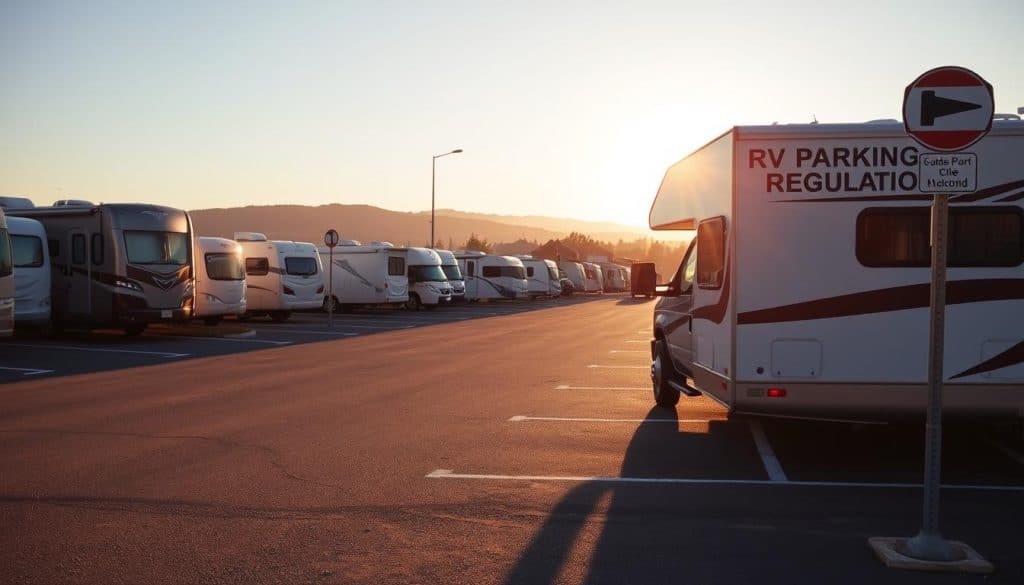
Repeated violations can lead to higher fines and potential impoundment of your vehicle. Moreover, unauthorized parking can create tension with local residents and businesses, potentially leading to stricter regulations for all RV travelers.
Free and Low-Cost RV Parking Options
As an RV traveler, you’re likely aware that parking for the night doesn’t have to break the bank, thanks to some innovative solutions. Exploring these options can make a significant difference in your travel expenses.
Harvest Hosts and Membership Programs
Harvest Hosts is a network of over 1,000 unique locations, including wineries, breweries, and farms, where you can park your RV for free. The annual membership fee is around $79, giving you access to a diverse range of hosts. In exchange for parking, hosts appreciate it when you support their businesses by making a purchase.
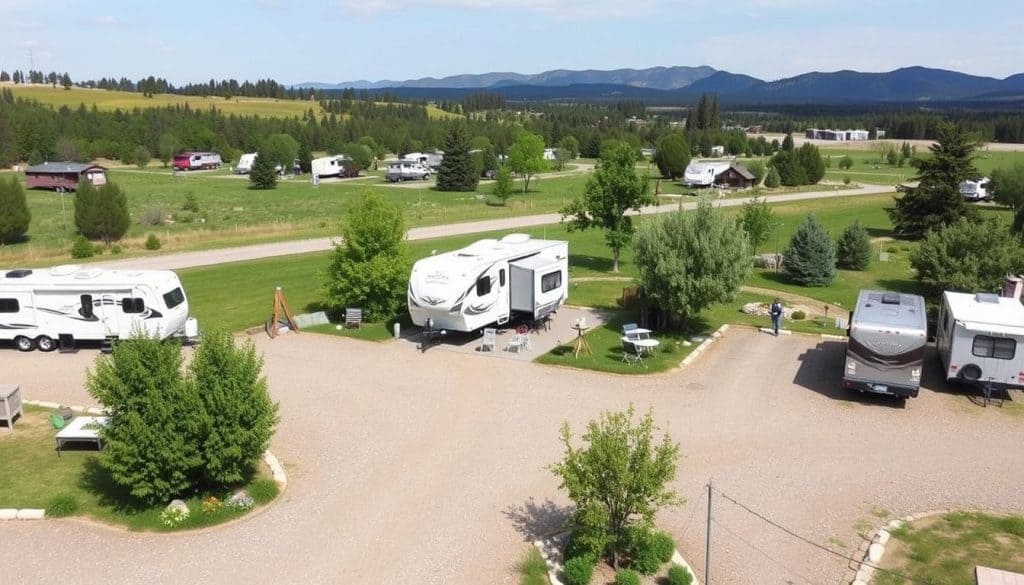
Boondockers Welcome Community
The Boondockers Welcome community connects RV owners with hosts who offer free parking on their private property. With a membership fee of $50 per year, you can stay with fellow RVers who often share local insights and hospitality.
Retail Store Parking Lots
Some retail stores allow overnight RV parking in their lots, though it’s essential to check with the store management first. Walmart and other RV-friendly retailers are popular options, but be sure to follow proper etiquette and respect any limitations.
Walmart and Other RV-Friendly Retailers
Many Walmart stores have spaces for RVs, but some may not allow overnight parking. It’s always best to ask the store manager for permission. Other retailers like Cabela’s and Cracker Barrel may also permit RV parking, depending on their location and local regulations.
Etiquette and Limitations
When using retail store parking lots, be mindful of your surroundings and keep a low profile. Avoid setting up camp or extending awnings, and make sure to patronize the store. Be aware that these lots often lack amenities and may have security concerns.
RV Parking in Residential Areas
When it comes to parking your RV in residential areas, the rules can be as varied as the neighborhoods themselves. As an RV owner, it’s essential to understand these regulations to avoid fines or having your vehicle towed.
Street Parking Regulations
Many cities have specific street parking regulations that prohibit overnight parking of RVs on residential streets. However, some cities allow it with certain restrictions, such as time limitations or vehicle size.
Permit Requirements
In areas where overnight parking is allowed, obtaining a permit is often required. The cost and duration of these permits vary significantly between cities. For example, San Diego offers temporary permits for $1 per day, with a maximum of 72 permits per year.
HOA and Neighborhood Restrictions
Even if city regulations permit RV parking, Homeowners’ Association (HOA) rules may prohibit or restrict it. These restrictions can include requirements for screening structures or complete bans on visible RV storage. It’s crucial to check with your HOA before parking your RV in a residential area.
Rest Areas and Highway Parking
As I travel across the United States in my RV, I’ve come to realize that understanding rest area policies is crucial for a smooth journey. Rest areas are designed to provide a safe haven for weary travelers, but their rules can be complex.
State-by-State Rest Area Policies
Rest area policies vary significantly from state to state. For instance, some states like Colorado and Nebraska have strict rules against overnight parking, while others like Texas allow stays up to 24 hours. It’s essential to research the specific policies for the states you’ll be visiting.
Understanding these policies can help you avoid fines and ensure a stress-free trip. I’ve found that western states tend to have more lenient policies due to the long driving distances between towns.
| State | Overnight Parking Policy | Maximum Stay |
|---|---|---|
| Colorado | Not Allowed | N/A |
| Minnesota | Allowed | 4 hours |
| Texas | Allowed | 24 hours |
Time Limitations and Restrictions
Time limitations at rest areas can range from 2-4 hours in restrictive states to 10-24 hours in more accommodating locations. Some states also have different rules for daytime versus nighttime parking.
It’s not just about the time limit; the distinction between “parking” and “camping” is also crucial. Most states allow brief parking for rest but prohibit camping activities.
Conclusion: Planning Your RV Parking Strategy
With the vast array of options available, from campgrounds to retail parking lots, developing a comprehensive RV parking strategy is essential. This involves combining advance planning with flexibility to adapt to changing conditions and regulations. Your strategy should include a diverse “parking portfolio” that encompasses established campgrounds, membership programs like Harvest Hosts, public lands, and emergency options.
When choosing overnight parking spots, consider the trade-offs between convenience, cost, and experience. For instance, established campgrounds offer amenities but less solitude, while boondocking provides privacy but requires self-sufficiency. Mobile apps and websites have revolutionized parking strategies, offering real-time information and reviews from other travelers.
By planning ahead, being flexible, and respecting local communities and environments, you can ensure a enjoyable and stress-free RV travel experience. This way, you’ll be able to make the most of your trip and enjoy the freedom of RV travel.
FAQ
What are the general rules for parking my RV overnight?
Overnight parking rules vary by location, but generally, you’re allowed to park in designated campsites, rest areas, and some retail store parking lots. Always check local regulations and signs to confirm.
Are there any free overnight parking options available for RVers?
Yes, there are several free overnight parking options, including rest areas, some retail store parking lots like Walmart or Cracker Barrel, and through membership programs like Harvest Hosts and Boondockers Welcome.
Can I park my RV on the street in residential areas?
Street parking regulations for RVs vary by city and neighborhood. Some areas have specific permit requirements or restrictions, while others may prohibit overnight parking altogether. Check with local authorities or HOA rules to determine what’s allowed.
What are the rules for parking at rest areas and highway stops?
Rest area policies differ by state, but generally, they allow overnight parking for a limited time, usually between 8 to 24 hours. Be sure to check the signs and local regulations to avoid any issues.
How do I find RV camping sites and campgrounds?
You can find RV camping sites and campgrounds through online directories like ReserveAmerica, Campgrounds by Allstays, or by visiting websites of national parks and public lands. Many campgrounds also offer reservations and amenities like hookups and dump stations.
What is Harvest Hosts, and how does it work?
Harvest Hosts is a membership program that allows RVers to park overnight at wineries, breweries, and other unique locations in exchange for supporting the business, often by making a purchase or donation.
Are there any consequences for parking my RV illegally?
Yes, parking your RV illegally can result in fines, towing, or other penalties. It’s essential to understand local regulations and park responsibly to avoid any issues.
Can I boondock on public lands, and what does that mean?
Boondocking refers to camping without hookups. Public lands managed by the Bureau of Land Management (BLM) and National Forests often allow dispersed camping or boondocking, but be sure to follow local regulations and practice Leave No Trace principles.