
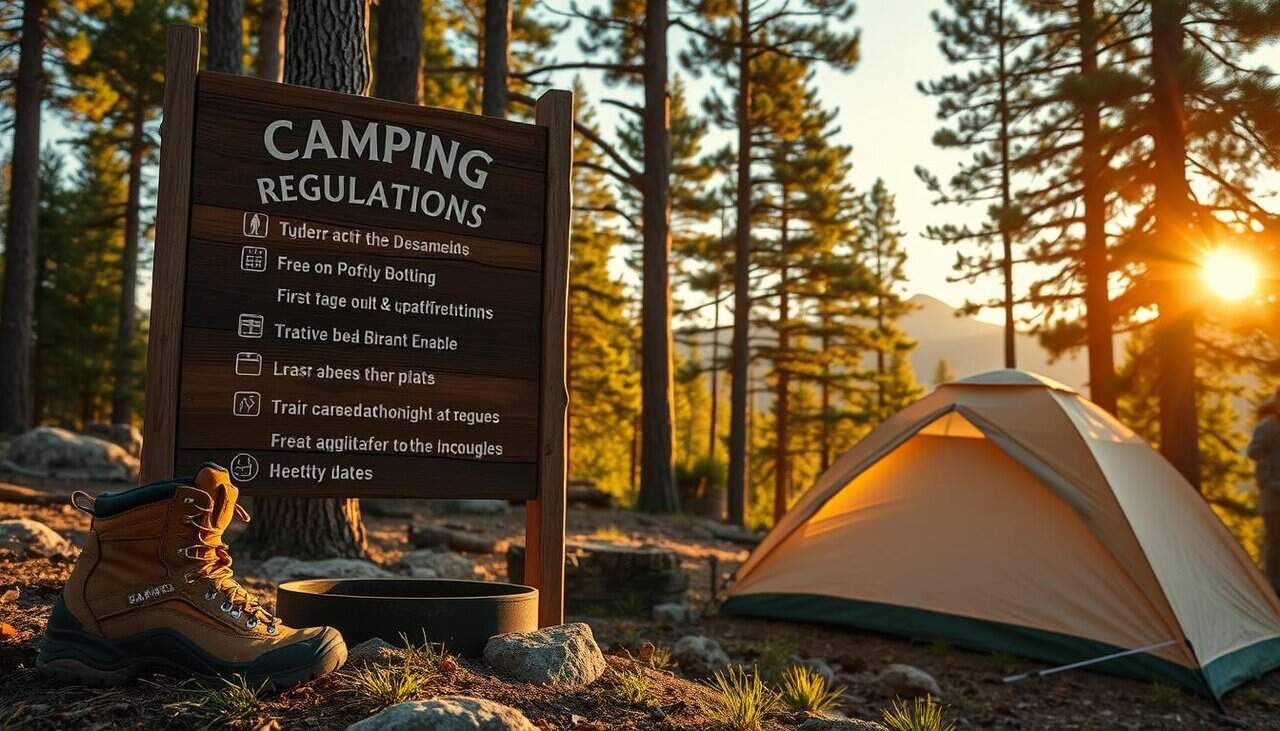
Imagine waking up to breathtaking vistas, surrounded by nature’s serenity, with nothing but the sound of birds chirping to greet you. For many outdoor enthusiasts, this is the ultimate camping experience. However, the question on everyone’s mind is: can you really set up camp just anywhere?
As someone who’s spent years exploring the great outdoors, I’ve often found myself pondering this very question. The truth is, while the idea of camping anywhere seems like a dream come true, the reality involves navigating a complex web of regulations and land designations.
Understanding where you can legally pitch your tent is crucial for enjoying nature responsibly. In this guide, we’ll explore the ins and outs of camping regulations, helping you make informed decisions about where to set up camp.
Key Takeaways
- Understand the legal boundaries for camping in various locations.
- Learn how to find perfect camping spots while respecting the environment.
- Discover practical tips for navigating camping regulations.
- Get insights into the importance of responsible camping practices.
- Explore the different types of camping options available.
Understanding the Rules of Camping
Understanding camping regulations is not just about following the law; it’s about being a responsible camper.
I’ve learned through experience that knowing where you can and can’t camp is crucial for an enjoyable outdoor experience.
It’s about defining boundaries and respecting the land and its management.
The Concept of Public vs. Private Land
The distinction between public and private land is fundamental to camping.
Public lands are managed by government agencies, each with their own regulations.
For instance, national park camping rules can be quite different from those of other public lands.
Private property, on the other hand, requires permission from the owner.
I’ve found that understanding this distinction saves a lot of potential trouble.
| Land Type | Ownership | Camping Regulations |
|---|---|---|
| Public Land | Collectively owned by citizens, managed by government agencies | Varies by agency, may require permits |
| Private Land | Owned by individuals or entities | Requires explicit permission from the owner |
Legal Considerations for Tent Camping
Legal considerations for camping extend beyond just public vs. private land.
Permit requirements, length-of-stay limitations, and specific restrictions to protect natural resources are all important.
Many areas have seasonal regulations based on factors like fire danger or wildlife breeding seasons.
Understanding these regulations not only helps avoid fines but also ensures that natural areas remain available for future generations.
By taking the time to research local regulations before your trip, you can ensure a more relaxing and enjoyable camping experience.
Some regions have complex overlapping jurisdictions, requiring careful navigation of the rules.
Being informed is key to responsible camping.
Where You Cannot Pitch a Tent
As an outdoor enthusiast, I’ve learned that there are specific areas where camping is not allowed. Understanding these restrictions is crucial to avoid any legal issues or unpleasant experiences during your camping trip. In this section, we’ll explore the different places where pitching a tent is not permitted.
Private Property Restrictions
Private property is generally off-limits for camping without explicit permission. I’ve found that many campers don’t realize how strictly this can be enforced in some areas. Even seemingly abandoned or remote private land is still someone’s property, and unauthorized camping can result in trespassing charges that can quickly ruin your outdoor adventure. To avoid any issues, it’s essential to research the area beforehand and obtain permission from the landowner if necessary.
For instance, a friend of mine once unknowingly set up camp on private property, thinking it was public land. He received a warning from the landowner and had to relocate his campsite immediately. This experience taught him the importance of researching the area before setting up camp.
Business Parking Lots and Urban Areas
Business parking lots might seem convenient for overnight stays, but most have policies against camping and security personnel who regularly check for unauthorized overnight guests. Urban areas typically have specific ordinances prohibiting camping within city limits – these regulations are often designed to address homelessness but apply to recreational campers as well. If you’re looking for a place to camp in an urban area, it’s best to explore designated campsites or RV parks.
As the saying goes, “Good fences make good neighbors.” This quote emphasizes the importance of respecting private property and boundaries.
“Good fences make good neighbors.”
– Robert Frost
Rest Areas and Roadside Stops
Rest areas and roadside stops are designed for brief breaks, not overnight camping. I’ve noticed increasing enforcement of time limits at these locations in recent years. Camping is not permitted at roadside rest areas, and pitching a tent outside your vehicle or sleeping on the ground can be considered trespassing. If you need to take a break, it’s best to use these areas for their intended purpose and then move on.
Restricted Areas in Public Lands
Many public lands contain restricted areas where camping is prohibited to protect sensitive ecosystems, historical sites, or wildlife habitats. Water collection areas, active research sites, and areas undergoing restoration are commonly restricted from camping activities on otherwise camp-friendly public lands. Understanding these restrictions isn’t just about following rules – it’s about respecting the purpose and preservation of these spaces for future generations.
For more information on camping regulations and best practices, you can visitthis pageto learn more about camping opportunities and restrictions.
| Area Type | Camping Restrictions | Reasons for Restrictions |
|---|---|---|
| Private Property | No camping without permission | Trespassing laws |
| Business Parking Lots | No overnight camping | Security and policy restrictions |
| Urban Areas | Camping ordinances | Regulations to address homelessness |
| Rest Areas and Roadside Stops | No overnight camping | Time limits and safety concerns |
| Public Lands with Restrictions | Restricted areas | Protection of ecosystems, historical sites, and wildlife habitats |
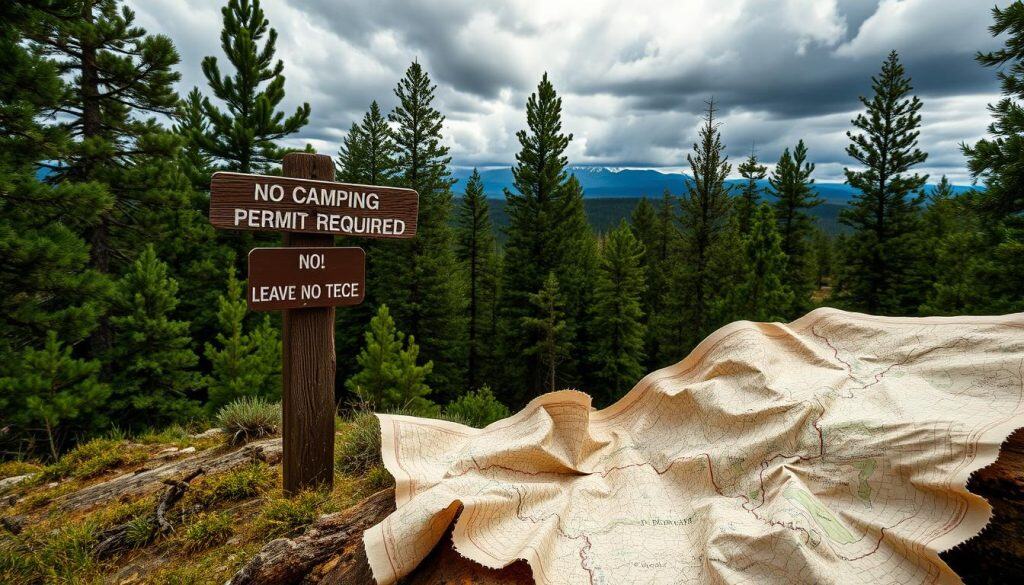
By understanding where you cannot pitch a tent, you can plan your camping trip more effectively and avoid any potential issues. Whether you’re a seasoned camper or just starting out, it’s essential to respect the rules and regulations that govern camping in different areas.
Can You Pitch a Tent Anywhere on Public Lands?
Public lands offer vast opportunities for camping, but understanding the rules is crucial for a smooth experience. As an outdoor enthusiast, I’ve learned that the answer to whether you can pitch a tent anywhere on public lands isn’t a simple yes or no.
The National Park Service manages over 400 sites, covering more than 85 million acres of land. While this sounds like a lot of space to roam, the reality is that camping in national parks comes with its own set of rules. Most national parks require you to stay in designated campgrounds with established sites and facilities.
National Parks Camping Regulations
National parks have some of the strictest camping regulations among public lands. I’ve found that the popularity of these parks means that campsite reservations often need to be made months in advance, especially during peak seasons. For example, during my first major camping trip, I learned the hard way that planning ahead is key.
- Camping is usually restricted to designated campgrounds.
- Reservations are often required well in advance.
- Some parks offer backcountry camping permits for a more secluded experience.
State Parks and Their Rules
State parks are another great option for camping on public lands. They typically follow similar guidelines to national parks but may have more flexibility and fewer crowds. Most state parks require camping in designated areas only, though regulations vary significantly from state to state.
For instance, some state parks offer more primitive camping experiences, while others have fully equipped campsites. It’s essential to check the specific regulations for each park you plan to visit.
Understanding Permit Requirements
Understanding permit requirements is crucial when planning to camp on public lands. Some areas require general entrance permits, while others have specific camping permits with quotas to limit environmental impact.
Backcountry camping permits in popular areas can be highly competitive, with some locations releasing permits months in advance or using lottery systems. I always recommend checking the specific regulations for each park you plan to visit, as rules can change seasonally.
Dispersed Camping Opportunities
Dispersed camping represents the closest thing to being able to “camp anywhere” in America, offering a truly immersive outdoor experience. This type of camping allows you to connect with nature on a deeper level, away from the crowds often found in designated campsites.
Bureau of Land Management (BLM) Lands
The Bureau of Land Management oversees vast tracts of public lands, offering both designated campgrounds and dispersed camping opportunities. The BLM manages one in every 10 acres of land nationwide, providing numerous options for those seeking solitude. Dispersed camping on BLM lands is allowed under certain conditions: the campsite must be away from recreational facilities, not within areas marked “Closed to Camping,” not conflicting with authorized uses, and not posing adverse effects on wildlife or natural resources. You can explore dispersed camping opportunities in Colorado as an example.
On BLM lands, you can typically stay up to 14 days in one location before needing to move at least 25 miles away. This rule helps prevent long-term occupation and ensures that these lands remain available for everyone’s enjoyment.
National Forests and Grasslands
National Forests and Grasslands managed by the U.S. Forest Service also provide extensive dispersed camping opportunities. The regulations are similar to those on BLM lands, offering a comparable experience. I’ve found that National Forest dispersed camping often provides more shade and water sources than BLM lands, making them particularly appealing during warmer months.
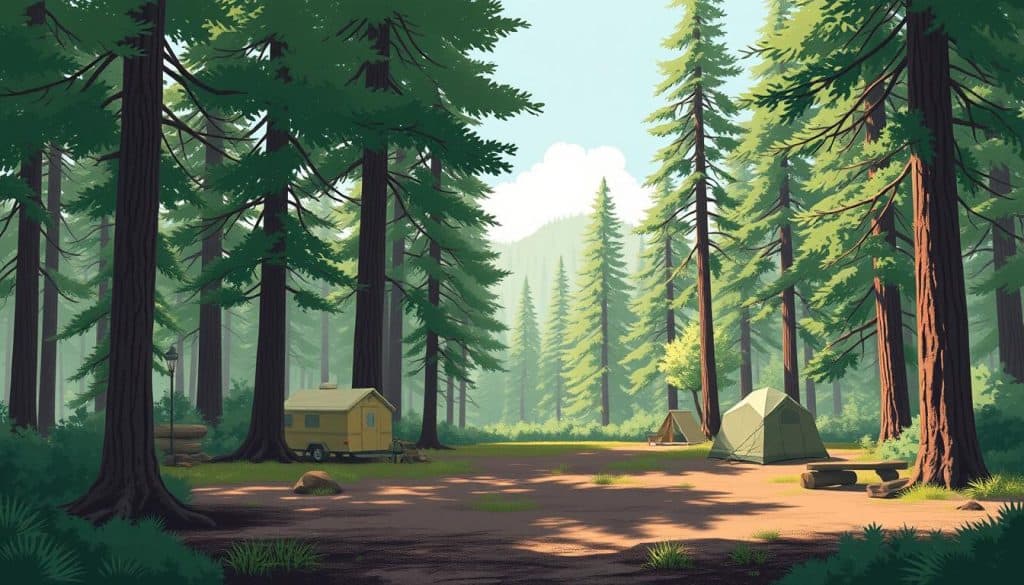
Wildlife Management Areas
Wildlife Management Areas sometimes permit dispersed camping, but they often come with more restrictions and seasonal closures, particularly related to hunting seasons and wildlife conservation efforts. It’s essential to check the specific regulations for the area you plan to visit to ensure that camping is allowed and to understand any limitations.
When engaging in dispersed camping, it’s crucial to be entirely self-sufficient, as there are no provided restrooms, trash services, or water sources. The freedom of dispersed camping comes with the responsibility to manage your waste properly and minimize your impact on these less-regulated areas.
Wild Camping and Stealth Camping Explained
For many outdoor enthusiasts, the allure of wild camping lies in its freedom to choose a campsite beyond designated areas. This practice, also referred to as stealth camping, free camping, or rough camping, involves sleeping outside in a location of your choice rather than in an officially designated campsite.
The legality and acceptance of wild camping vary significantly depending on where you are in the world. While some countries like Scotland broadly permit it, others, like most of the United States, have more restrictions, especially outside of designated public lands.
What Is Wild Camping?
Wild camping refers to the act of camping outside of designated campgrounds, typically in remote natural areas. This practice allows for a deeper connection with nature but requires a careful consideration of its legality and environmental impact. When done responsibly, wild camping can be a profoundly rewarding experience.
Stealth Camping Techniques
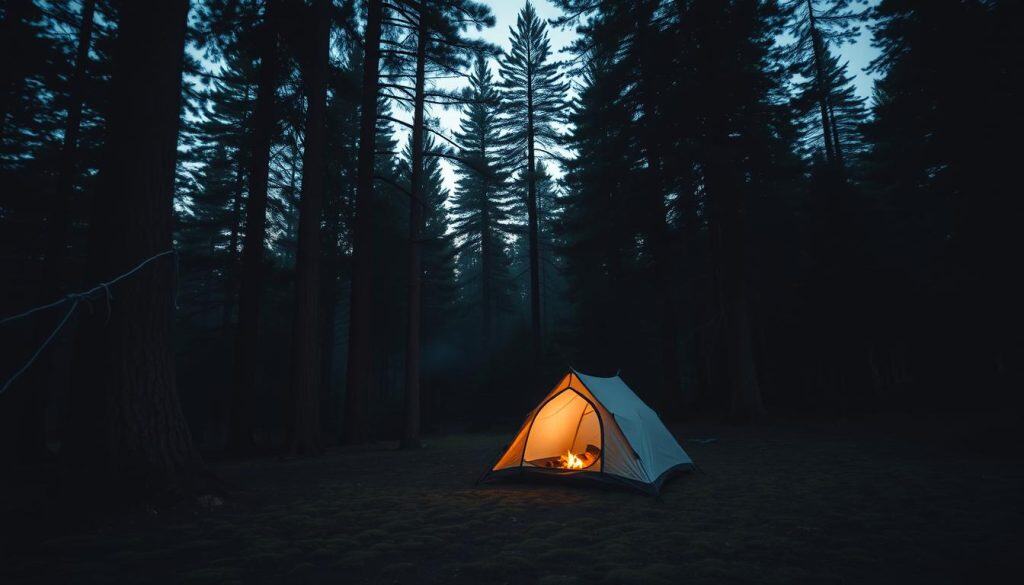
Stealth camping involves camping in a way that avoids detection, often in areas where camping isn’t explicitly allowed. Effective techniques include setting up camp after dusk, breaking camp before dawn, choosing naturally concealed locations, and using low-profile, non-reflective gear in natural colors. It’s crucial to respect the environment and local regulations when employing these techniques.
Safety Considerations
When engaging in wild camping, safety considerations extend beyond legal concerns. It’s essential to be aware of your surroundings, including potential wildlife threats and weather conditions. Letting someone know your approximate location and having a backup plan are also prudent measures. By being prepared, you can minimize risks and enjoy a safer camping experience.
In conclusion, wild camping and stealth camping offer unique ways to experience the outdoors, but they require a thoughtful approach to legality, environmental impact, and personal safety.
How to Find the Perfect Camping Spot
As an experienced camper, I’ve learned that locating the perfect campsite involves a mix of technology and traditional skills. Over the years, I’ve developed a system that helps identify ideal locations for both comfort and legality.
Using Maps and Apps for Campsite Location
Modern technology has revolutionized camping spot finding. Specialized apps like iOverlander, Campendium, and FreeRoam have become essential tools in my camping arsenal for locating legal dispersed camping areas. These apps provide valuable information on available campsites, including user reviews and ratings.
Identifying Good Terrain for Your Tent
When evaluating terrain for your tent, look for level ground with good drainage. I’ve learned the hard way that even slight depressions can become puddles during unexpected rain. The ideal campsite balances proximity to water sources (while maintaining the recommended 200-foot distance), protection from wind, and natural shade considerations.
Timing Your Search for a Campsite
Camping spot searching is time-sensitive. I recommend beginning your search at least 2-3 hours before sunset to allow ample time for evaluation and setup. During peak seasons in popular areas, starting your campsite search even earlier in the day can be necessary to secure prime locations before they’re taken.
Developing an eye for good campsite locations comes with experience. What initially seems like an ideal spot might reveal hidden problems like ant colonies or drainage issues that experienced campers learn to spot. If you’re in open country, allow at least 1-2 daylight hours to locate a suitable camping area.
Responsible Camping Practices
Camping in the great outdoors is a privilege that comes with the responsibility to protect and preserve it for future generations. As someone who loves camping, I’ve learned that adopting responsible practices isn’t just a suggestion; it’s a necessity. When I’m out in nature, I always remind myself that my actions have an impact on the environment.
One of the core principles I’ve adopted is Leave No Trace. This involves planning ahead, staying on established trails, and camping on durable surfaces to minimize my footprint. By doing so, I not only protect the land but also ensure a safe and enjoyable experience for myself and others.
Leave No Trace Principles
The seven Leave No Trace principles provide a comprehensive framework for minimizing our impact on the environment. I’ve made these principles central to every camping trip I take. They guide me in planning ahead, respecting wildlife, and managing waste properly.
Respecting Wildlife and Nature
Respecting wildlife means observing from a distance, never feeding animals, and properly storing food and scented items. I’ve found that even small actions, like not approaching wildlife, significantly reduce our collective impact on natural areas. For more information on camping in beautiful natural settings, you can explore the best national parks in Vermont.
Managing Waste and Campfires
Managing waste properly includes knowing how to dispose of human waste correctly and keeping the campsite clean. Campfire responsibility involves understanding when and where fires are appropriate and ensuring they’re completely extinguished before leaving. As I always say, “You’re camping on public land—your land. It’s your responsibility to take care of both the land and yourself while you’re out there.”
As the camping community thrives on mutual respect and shared responsibility, I always try to leave a campsite cleaner than I found it. By embracing these practices, we can enjoy the beauty of nature while preserving it for generations to come.
“The clearest way into the Universe is through a forest wilderness.” This quote resonates with me as it highlights the importance of preserving our natural world.
Conclusion: Making the Most of Your Camping Experience
After delving into the world of camping regulations, you’re now equipped to make the most of your outdoor camping experience. While it’s true that you can’t camp anywhere without restriction, understanding the rules and options available opens up a world of possibilities.
I’ve found that the key to a rewarding camping trip lies in balancing the desire for freedom and adventure with respect for regulations and environmental stewardship. By planning your trip with knowledge of where you can legally camp, you can eliminate stress and focus on enjoying the great outdoors.
Remember, regulations are in place to preserve natural spaces for everyone to enjoy. As you gain experience, you’ll develop your own preferences for camping spots. I encourage you to start with established options and explore more remote areas as your skills grow.
FAQ
What is dispersed camping, and how does it differ from traditional campsites?
Dispersed camping refers to camping outside of designated campsites, often on public lands. Unlike traditional campsites, dispersed camping usually doesn’t offer amenities like restrooms or potable water.
Are there any specific rules I should follow when camping on Bureau of Land Management (BLM) lands?
When camping on BLM lands, be aware that some areas may have restrictions on campfires, camping duration, or vehicle access. It’s essential to check local regulations before setting up your campsite.
How do I know if I’m allowed to camp on a particular piece of land?
To determine if you can camp on a specific area, research the land management agency responsible for that land, such as the Forest Service or BLM, and check their website for camping regulations.
What are some safety considerations when engaging in wild or stealth camping?
When wild or stealth camping, be mindful of your surroundings, keep a low profile, and follow safety guidelines like bringing a first-aid kit and being prepared for emergencies.
How can I minimize my impact on the environment while camping?
To minimize your environmental footprint, follow Leave No Trace principles, such as packing out trash, using campfires responsibly, and respecting wildlife habitats.
Can I camp on private property without permission?
No, camping on private property without the owner’s permission is not allowed and can be considered trespassing.
What are some tips for finding the perfect camping spot?
To find a great camping spot, use maps and apps to identify potential locations, consider factors like terrain and proximity to water, and time your search to avoid crowds.
Are there any restrictions on campfires in national parks or forests?
Campfire restrictions vary by location and are often dependent on fire danger. Check with local park rangers or land management agencies for specific campfire regulations.
How can I manage waste while camping?
To manage waste while camping, pack out all trash and human waste, and use portable toilets or catholes when necessary.