
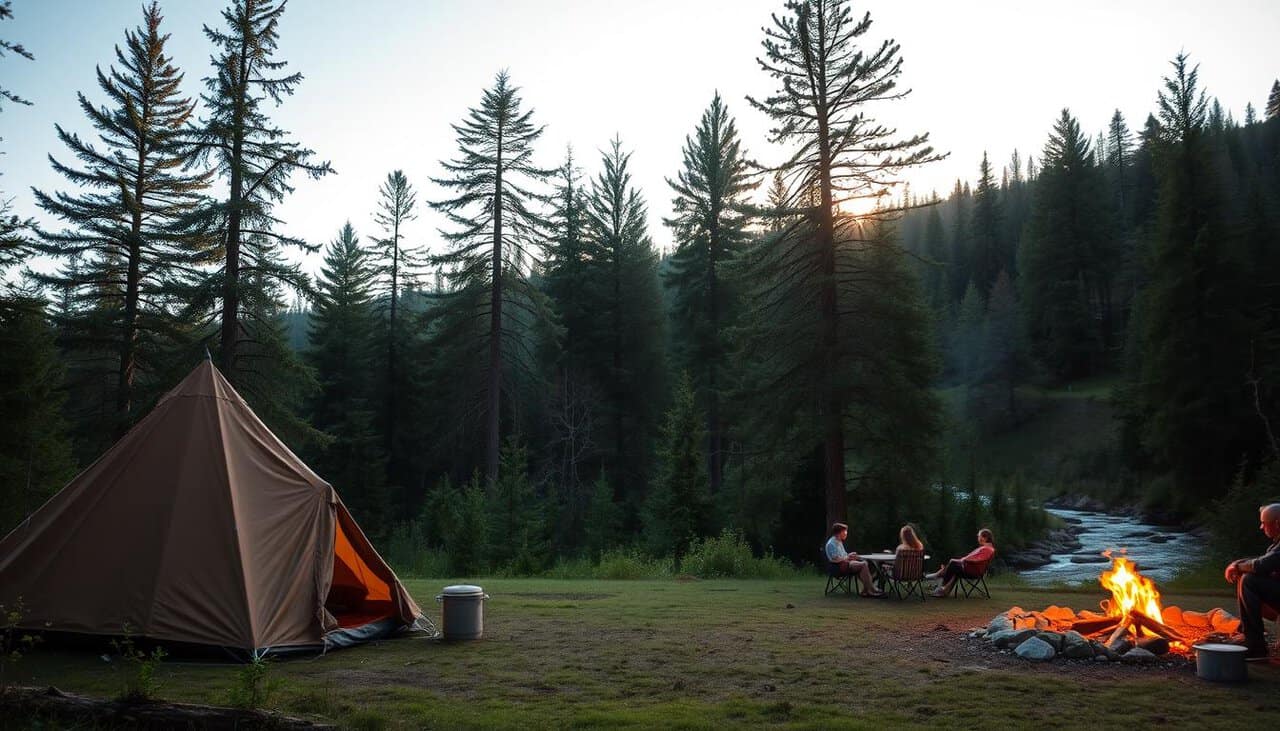
Imagine waking up to breathtaking vistas, surrounded by nature’s serenity, with nothing but the sound of birds chirping and the gentle rustle of leaves. For many outdoor enthusiasts, this is the essence of camping. But a common question arises: is it possible to pitch a tent anywhere?
The reality is that while dispersed camping offers a lot of freedom, there are limitations. You can’t just set up your tent anywhere. Public land, for instance, often has rules and regulations that dictate where you can camp. Understanding these rules is crucial for a hassle-free camping experience.
As someone who’s spent countless nights under the stars, I can attest that knowing the ins and outs of camping regulations can make all the difference. Whether you’re a seasoned camper or a beginner, being aware of the laws surrounding dispersed camping on public land can enhance your outdoor adventures.
Key Takeaways
- Understand the basics of dispersed camping and its benefits.
- Learn about the regulations and limitations on public land.
- Discover how to find suitable campsites for dispersed camping.
- Get insights into responsible camping practices.
- Explore the differences between camping on public versus private land.
Understanding Camping Regulations in the United States
The great outdoors beckons, but before you set up camp, it’s essential to grasp the camping regulations in the U.S. Understanding where you can and can’t camp comes down to defining boundaries, much like coloring inside the lines.
The Legal Reality of Camping
Camping regulations vary significantly depending on land ownership and management. For instance, federal lands, such as National Parks, National Forests, and BLM land, have their own set of rules and restrictions. It’s crucial to familiarize yourself with these regulations to avoid any legal issues.
When camping on federal lands, you’ll need to understand the specific permits required for certain areas. These permits help manage visitor impact and protect natural resources. For example, some areas may require a permit to limit the number of campers and prevent overuse.
Public vs. Private Land Distinctions
A critical distinction to make is between public and private land. Public lands generally allow camping with certain restrictions, while private lands require explicit permission from the landowner. It’s essential to know the difference to avoid trespassing or other legal issues.
By understanding the legal framework governing camping in the United States, you can enjoy the great outdoors while respecting the land and its owners. Whether you’re a seasoned camper or just starting out, knowing the rules and restrictions will help you have a safe and enjoyable trip.
Where You Cannot Camp Legally
Before pitching your tent, it’s vital to understand the areas where camping is not allowed. Camping regulations can vary significantly depending on the location, and ignorance of these rules can lead to legal issues or confrontations.
Private Property Without Permission
Camping on private property without the owner’s permission is considered trespassing. This might seem obvious when it comes to someone’s backyard, but it also applies to other private lands. You can’t simply drive up to a stranger’s property and pitch your tent. Some towns and cities have laws against sleeping in your car on local streets, further restricting where you can camp.
Key Points to Remember:
- Always seek permission before camping on private property.
- Understand local laws regarding sleeping in vehicles.
Business Parking Lots and Rest Areas
Camping is generally not permitted in business parking lots, shopping centers, or commercial areas, even if they appear empty at night. Rest areas along highways also typically prohibit camping, including setting up tents or camping equipment outside your vehicle. While sleeping in your vehicle might be allowed for a limited time, extended camping is usually not permitted.
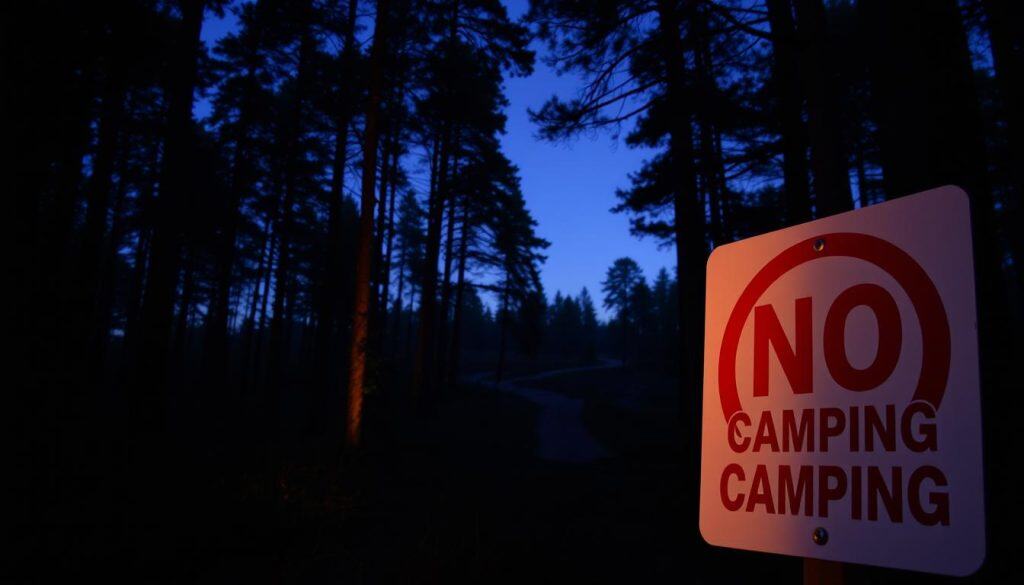
Restricted Areas in Public Lands
Even within public lands, there are areas where camping is restricted for safety, conservation, or management reasons. These can include areas near water sources, historical sites, or environmentally sensitive zones. It’s essential to check with local park rangers or land management agencies to understand specific restrictions.
Examples of Restricted Areas:
- Near water sources or sensitive ecosystems.
- Around historical or archaeological sites.
- In areas designated for specific conservation efforts.
Understanding these restrictions can help you plan your camping trip and avoid any potential issues. Always research the area you plan to camp in and follow local regulations to ensure a safe and enjoyable experience.
Can You Just Pitch a Tent Anywhere? The Truth About Public Lands
Camping on public lands is a cherished American pastime, but the freedom to pitch a tent is not as unrestricted as one might think. The reality is that while public lands offer extensive opportunities for camping, they are governed by a complex array of regulations designed to protect resources and manage visitor impact.
National Parks and Their Regulations
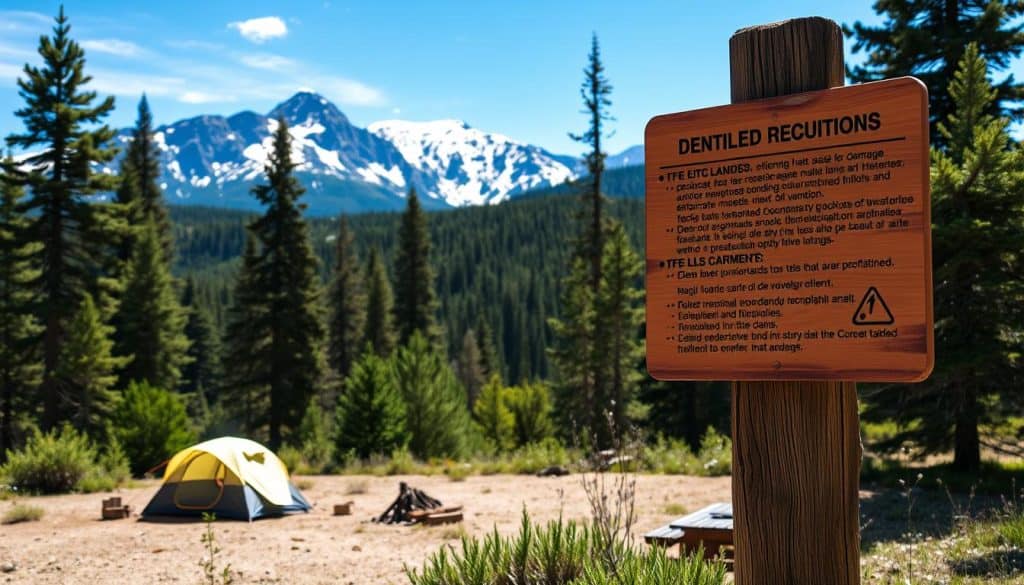
The National Park Service manages over 400 sites, covering more than 85 million acres of land. These areas include grandiose landscapes and locations of historical significance. However, you can’t camp just anywhere within these national parks. There are designated campgrounds managed by the National Park Service where visitors can stay, often requiring reservations well in advance.
State Parks and Local Restrictions
Just as the National Park Service oversees federal lands, each state has its own Park Service managing local state parks for conservation, recreation, and historic preservation. While camping regulations in state parks often mirror those in national parks, there may be different reservation systems and local restrictions to be aware of.
Tribal Lands and Special Permissions
Tribal lands present a unique case, as they are sovereign territories with their own rules for visitors. Camping on tribal land often requires special permissions or permits. It’s crucial to respect these regulations and the cultural heritage of these areas.
In conclusion, while the idea of pitching a tent on public lands is appealing, it’s clear that camping is subject to various rules and restrictions across different types of public lands, including national parks and parks managed by states or tribes.
Dispersed Camping: Your Best Option for Freedom
If you’re looking to escape the crowds and connect with nature on a deeper level, dispersed camping is your best bet. Dispersed camping offers the freedom to camp outside of designated campsites, allowing you to experience the wilderness in its most natural state.
Bureau of Land Management (BLM) Lands
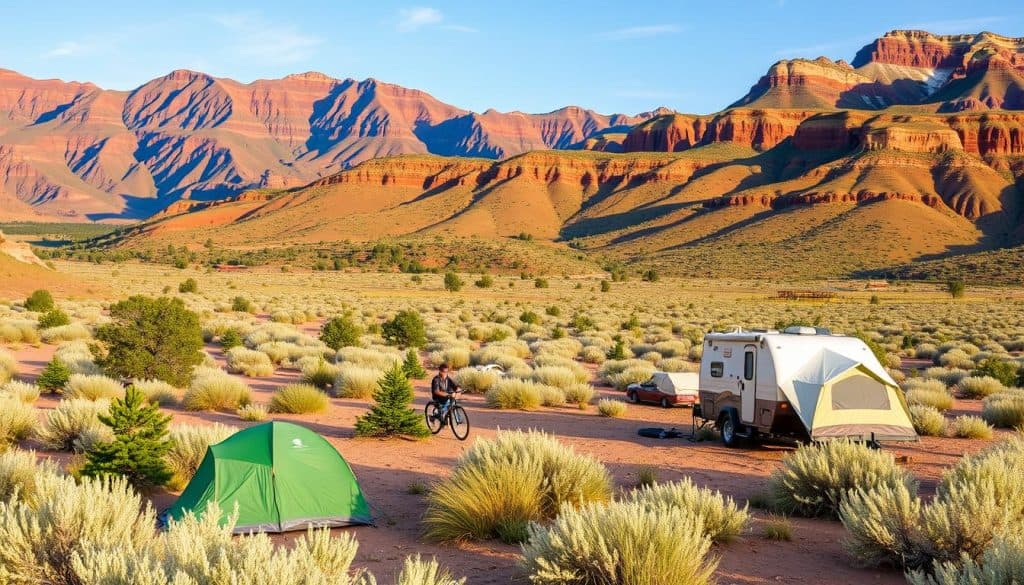
The Bureau of Land Management oversees vast tracts of public land, offering extensive opportunities for dispersed camping. The BLM manages one in every 10 acres of land nationwide, providing numerous options for those seeking solitude. To camp on BLM land, ensure your site is away from recreational facilities, not marked “Closed to Camping,” and does not harm wildlife or natural resources.
National Forests and Grasslands
National Forests and Grasslands are another haven for dispersed camping. These areas typically have fewer restrictions than National Parks, offering more flexibility for campers. When camping in National Forests, be mindful of the local regulations and respect the environment to preserve these areas for future generations.
The 14-Day Rule and Other Limitations
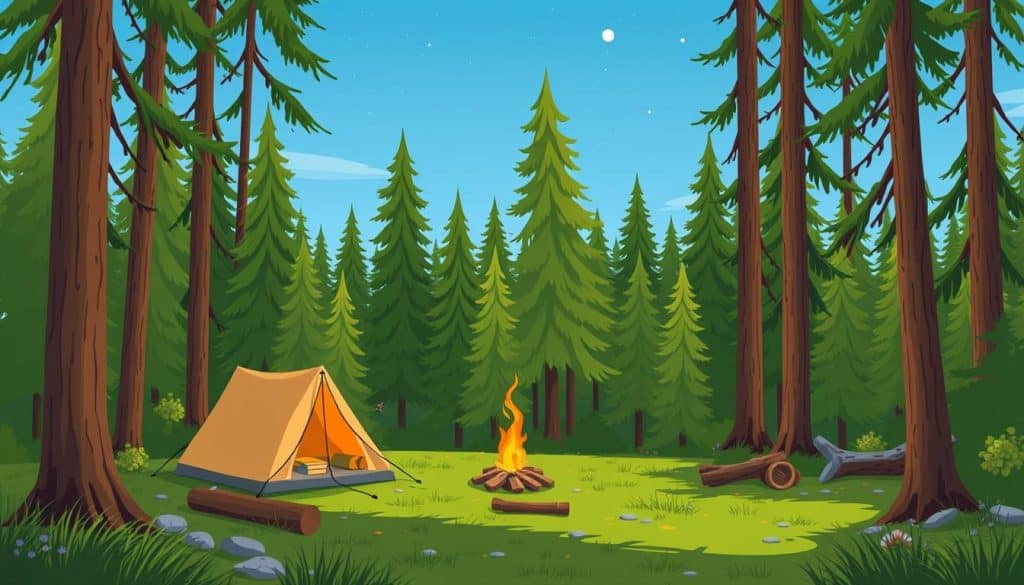
While dispersed camping offers a lot of freedom, it’s not without its limitations. The 14-day rule is a common regulation on federal lands, limiting stays to 14 days within a 28-day period in any one location. Additionally, campers must adhere to fire restrictions, group size limits, and seasonal closures to ensure responsible camping practices.
Understanding and respecting these rules is crucial to maintaining the beauty and integrity of our public lands. By doing so, you not only ensure a safe and enjoyable experience for yourself but also for others who follow in your footsteps.
How to Find the Perfect Wild Camping Spot
The quest for the perfect wild camping spot involves understanding the land, the law, and your own needs. Wild camping, also known as stealth camping or dispersed camping, is about finding a secluded spot to spend the night, away from designated campsites. To achieve this, one must be well-prepared and informed.
Timing Your Search and Setup
Timing is crucial when searching for a wild camping spot. Allowing at least 1-2 daylight hours to locate a suitable campsite is advisable, especially in open country. For cycle tourers, it’s essential to get off the road and away from the glare of passing headlights. Hikers should venture off-trail to find a secluded spot. Avoiding popular stops is key; a good rule of thumb is to keep going until you notice a decrease in litter and signs of previous campers, then go a bit further.
Using Maps and Apps for Location Scouting
In today’s digital age, numerous tools are available to help locate the perfect wild camping spot. Maps and apps specifically designed for campers can be invaluable. These tools can help identify legal dispersed camping areas, providing details on accessibility, amenities, and restrictions. Utilizing these resources can significantly simplify the process of finding a suitable campsite.
Assessing Safety and Accessibility
When evaluating a potential wild camping spot, several factors come into play. Proximity to water sources, distance from roads, protection from weather conditions, and wildlife concerns are all critical considerations. Additionally, assessing the accessibility of the site based on your equipment and camping style—whether RV, car camping, or backpacking—is essential. A checklist can be helpful in ensuring that all necessary factors are considered.
| Consideration | Factors to Evaluate |
|---|---|
| Proximity to Water | Distance to nearest water source, accessibility, and water quality |
| Distance from Roads | Proximity to roads, potential for noise disturbance, and visibility |
| Weather Protection | Natural shelters, wind direction, and potential flood zones |
| Wildlife Concerns | Presence of wildlife, potential threats, and necessary precautions |
By carefully considering these aspects and utilizing the right tools, you can find a wild camping spot that meets your needs while ensuring a safe and enjoyable experience.
Stealth Camping Tips and Etiquette
Wild camping is not just about pitching a tent in a secluded area; it’s an art that involves blending into the surroundings with minimal impact. As you venture into the world of dispersed camping, understanding the principles and practices that guide stealth camping can make all the difference.
Leave No Trace Principles
One of the cornerstones of ethical camping is adhering to the Leave No Trace principles. This means managing waste properly, avoiding damage to vegetation, and respecting wildlife. When camping, it’s crucial to pack out what you pack in, ensuring that the natural environment remains untouched. This includes disposing of human waste and toilet paper in catholes that are at least 200 feet away from water sources and trails.
Key Leave No Trace Principles:
- Plan ahead and prepare
- Travel and camp on durable surfaces
- Dispose of waste properly
- Leave what you find
- Minimize campfire impacts
- Respect wildlife
- Be considerate of other visitors
Staying Inconspicuous and Respectful
To stay inconspicuous while camping, choosing the right gear is essential. Opt for a tent in a natural shade of green that blends with the surroundings. Setting up camp away from trails and roads not only enhances your privacy but also reduces your visibility to other people. Minimizing noise and light, especially at night, is crucial to avoid drawing attention to your campsite.
When near populated areas or other campers, being respectful is key. This includes setting up camp at appropriate times, being mindful of noise levels, and respecting private property boundaries. As the saying goes, “Take nothing but pictures, leave nothing but bubbles.” This philosophy encapsulates the essence of being a considerate camper.
“In every walk with nature, one receives far more than he seeks.” –
Essential Gear for Wild Camping
For wild camping, having the right gear can make a significant difference. Essential items include a lightweight, natural-colored tent, a portable water filter or purification tablets, and a compact camping stove. These items not only help in maintaining a low impact on the environment but also ensure that your presence remains inconspicuous.
| Gear | Description | Benefits |
|---|---|---|
| Lightweight Tent | Natural-colored, easy to set up | Blends with surroundings, easy to carry |
| Portable Water Filter | Filters out bacteria and viruses | Safe drinking water, reduces waste |
| Camping Stove | Compact, fuel-efficient | Minimizes fire impact, easy to use |
Conclusion: Responsible Freedom in the Great Outdoors
As we conclude our journey through the world of camping, it’s evident that responsible camping practices are crucial for preserving the beauty of our natural landscapes.
While you can’t pitch a tent just anywhere, there are numerous options for legal camping across the United States.
From developed campsites in national and state parks to dispersed camping on BLM lands and national forests, campers have a variety of choices.
My advice for successful wild camping is to prepare thoroughly, believe in finding that perfect spot, and leave it as you found it.
By doing so, you’ll not only enjoy a good night’s sleep under the stars but also contribute to preserving these opportunities for future generations.
FAQ
What are the general rules for camping on public lands?
The rules vary depending on the land management agency, such as the Bureau of Land Management (BLM) or the U.S. Forest Service. Generally, dispersed camping is allowed on many public lands, but there are often restrictions on campfires, waste disposal, and length of stay.
How do I know if a campsite is on private or public land?
To determine if a campsite is on private or public land, consult a map or check with local authorities. You can also use online resources, such as the BLM’s Land and Mineral Records System, to research land ownership and management.
What is dispersed camping, and where is it allowed?
Dispersed camping refers to camping outside of developed campgrounds, often without amenities like restrooms or potable water. It’s allowed on many public lands, including National Forests and BLM lands, but be sure to follow local regulations and practice Leave No Trace principles.
Can I camp on National Park land?
Camping in National Parks is subject to specific regulations and restrictions. While some National Parks offer campgrounds with amenities, others may have more primitive camping areas or require permits for backcountry camping.
What is the 14-Day Rule, and how does it apply to camping?
The 14-Day Rule is a regulation that limits the length of stay on certain public lands, including BLM lands and National Forests, to 14 consecutive days. After 14 days, campers must relocate to a new area at least 25 miles away.
How can I find campsites and plan my trip?
To find campsites and plan your trip, use online resources like recreation.gov or campendium.com, which provide information on campgrounds, dispersed camping areas, and local regulations. You can also consult with local park rangers or outdoor recreation experts for guidance.
What are some essential items to bring when wild camping?
When wild camping, be sure to bring essential items like a portable toilet, water purification tablets, and a first aid kit. It’s also important to pack out all trash and waste to leave the area in its original condition.
How can I minimize my impact on the environment while camping?
To minimize your impact on the environment, follow Leave No Trace principles, which include disposing of waste properly, minimizing campfire impacts, and respecting wildlife habitats.