
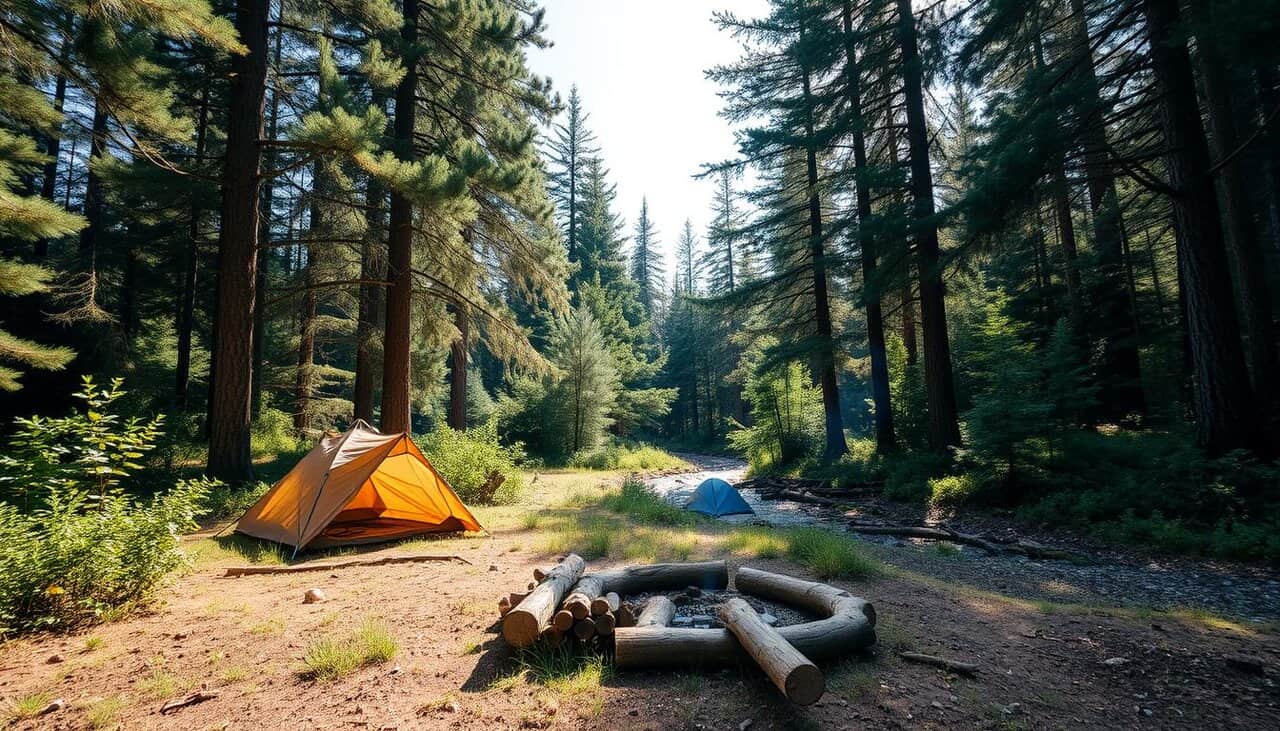
Imagine waking up to breathtaking vistas, surrounded by nature’s serenity, with nothing but the sound of birds chirping. For many campers, this is the ultimate experience. But, the question remains: can you camp anywhere you desire? The answer lies in understanding the nuances of dispersed camping and the regulations that govern it.
While the idea of setting up your tent anywhere sounds appealing, there are limitations to consider. Public lands, managed by agencies like the National Park Service and Bureau of Land Management, offer numerous camping areas. However, it’s crucial to familiarize yourself with the rules to ensure a smooth experience.
Understanding the difference between dispersed camping and designated campsites is key. By doing so, you’ll be able to enjoy the great outdoors while respecting the land and its regulations.
Key Takeaways
- Dispersed camping offers flexibility but comes with certain restrictions.
- Understanding camping regulations is crucial before heading out.
- Public lands managed by various agencies offer numerous camping opportunities.
- Familiarizing yourself with designated campsites and dispersed camping areas is essential.
- Preparation and research are vital for a positive camping experience.
Understanding Camping Regulations
The freedom to camp anywhere is a romantic notion, but reality is more complex. While the idea of pitching a tent wherever you please is appealing, camping regulations vary widely depending on the land management agency and the type of land you’re on.
When it comes to public lands, different agencies have different rules. For instance, National Parks have strict regulations to protect sensitive ecosystems, while Bureau of Land Management (BLM) areas might offer more flexibility with dispersed camping. Understanding these differences is key to a successful camping trip.
The Reality of “Camp Anywhere”
The concept of “camp anywhere” is often associated with dispersed camping or wild camping. However, even on public lands, there are areas where camping is not allowed. It’s essential to research the specific regulations for the area you plan to visit.
| Land Management Agency | Camping Regulations | Permits/Fees |
|---|---|---|
| National Park Service | Designated campsites, some dispersed camping | Often requires permits and fees |
| Bureau of Land Management | Dispersed camping common, some designated sites | Generally free, some areas may require permits |
| State Parks | Designated campsites, some primitive camping | Fees apply, some areas require reservations |
Legal Considerations for Campers
Before you pitch your tent, it’s crucial to understand the legal considerations. This includes knowing about permits, fees, and time limits. Ignoring these regulations can result in fines or being asked to leave the area.
Researching local regulations before your trip not only helps you avoid legal issues but also enhances your camping experience by providing structure and protecting natural resources. By understanding and respecting these rules, you contribute to the preservation of these beautiful areas for future campers.
Where You Cannot Camp
As you prepare for your next camping adventure, it’s vital to familiarize yourself with areas that prohibit camping. Understanding these restrictions can save you from potential legal issues and ensure a more enjoyable trip.
Private Land Restrictions
Camping on private land without permission is considered trespassing. This might seem obvious, but it’s a common mistake campers make. Always seek permission from the landowner before setting up your tent. Private property includes not just residential areas but also farms, ranches, and other privately owned lands. If you’re unsure about the ownership of a particular piece of land, it’s best to err on the side of caution and avoid camping there.
For more information on camping regulations and how to find suitable camping areas, you can visit this resource.
Business Properties and Parking Lots
While some businesses like Walmart may allow overnight parking in their lots, this doesn’t necessarily mean you can set up a full campsite. Always check with the store management or staff to confirm their policy. Even if overnight parking is allowed, be respectful of other customers and follow any rules provided. Remember, parking lots are not designed for extended camping, and facilities are typically not available for campers.
Rest Areas and Roadside Stops
Rest areas and roadside stops are designed for short breaks during long drives. While some may allow brief overnight stays in vehicles, pitching a tent or extended camping is usually prohibited. These areas are not equipped with camping facilities, and staying for too long can be considered trespassing. It’s essential to check the specific regulations for each rest area or roadside stop you plan to use.
Here’s a summary of the areas where camping is typically restricted:
| Area | Typical Camping Restrictions |
|---|---|
| Private Land | No camping without landowner permission |
| Business Properties and Parking Lots | Check with management; usually no extended camping |
| Rest Areas and Roadside Stops | Brief overnight stays in vehicles allowed; no tent camping |
Understanding and respecting these restrictions is crucial for maintaining good relations between campers and the community. By choosing to camp in designated areas, you help preserve the environment and ensure that camping remains a viable option for everyone.
Dispersed vs. Designated Camping
The world of camping is broadly categorized into two types: dispersed camping, also known as wild camping, and designated camping at established campgrounds. Understanding the differences between these two approaches is essential for campers to choose the experience that best suits their needs.
What is Dispersed Camping?
Dispersed camping refers to setting up camp on public lands away from developed facilities. This type of camping, often termed wild camping or boondocking, offers a more self-sufficient experience. When you choose dispersed camping, you’re likely to find yourself in a serene environment, far from the crowds often associated with designated campsites.
One of the main advantages of dispersed camping is the freedom it offers. You can camp almost anywhere on public lands, provided you follow the regulations. This type of camping allows for a more immersive natural experience, with greater privacy and often no fees. However, it also requires a higher level of self-sufficiency, as you’ll typically be without amenities like restrooms, running water, or designated fire pits.
For those considering dispersed camping, it’s essential to be aware of the need for proper waste management and the challenge of finding suitable locations. You can explore more about camping regulations and options on public lands by visiting resources like this guide on camping anywhere.
Benefits and Limitations of Designated Campgrounds
On the other hand, designated campgrounds offer a more structured camping experience. These campgrounds are developed with amenities such as restrooms, picnic tables, fire rings, and sometimes even electrical hookups and showers. The convenience and security provided by designated campgrounds make them an attractive option for many campers, especially those who are new to camping or prefer a more comfortable experience.
The benefits of designated campgrounds include access to facilities that enhance the camping experience, such as potable water and picnic areas. However, these campgrounds often come with less privacy and may be crowded, especially during peak season. Additionally, they usually require reservations and may have fees associated with the stay.
When deciding between dispersed camping and designated campgrounds, it’s crucial to consider your camping style, experience level, and what you’re looking for in a camping experience. Whether you prefer the solitude and adventure of dispersed camping or the comfort and convenience of designated campgrounds, there’s a camping experience out there for you.
Public Lands Where You Can Pitch a Tent
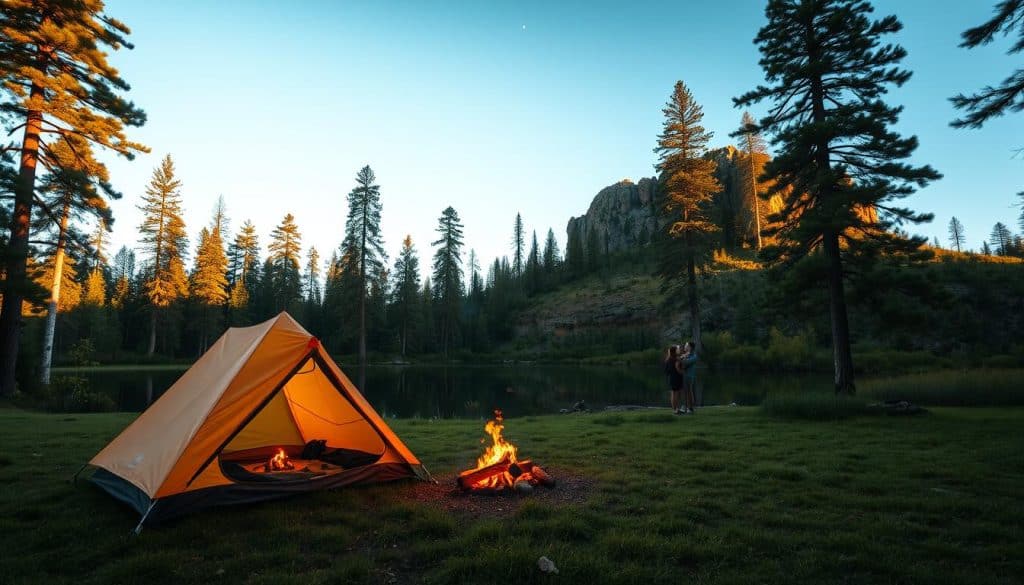
Camping in the U.S. is a treasured pastime, with numerous public lands available for setting up your tent, from national parks to Bureau of Land Management areas. Understanding the different types of public lands and their regulations is key to a successful camping trip.
National Parks and Their Regulations
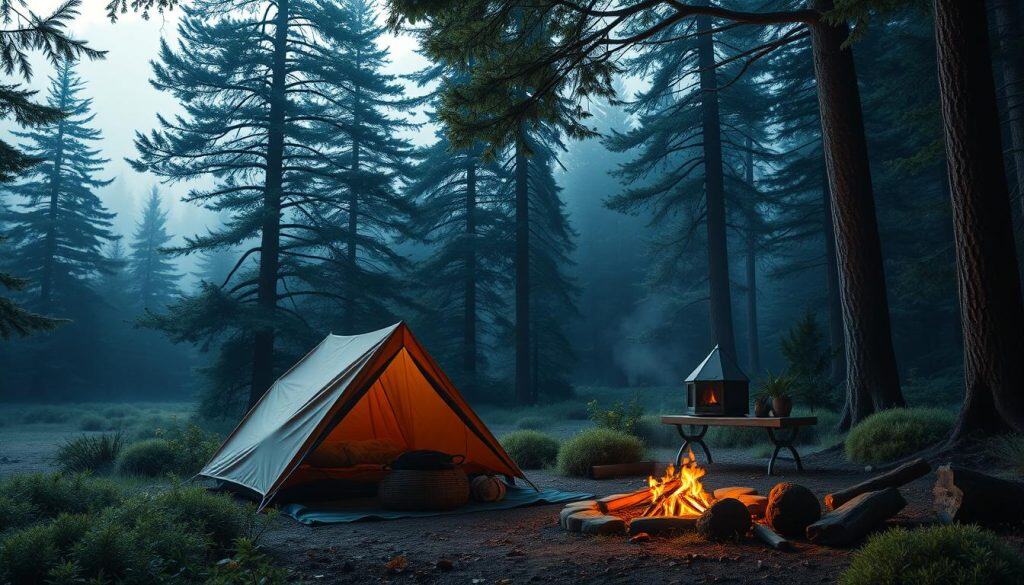
National parks offer some of the most spectacular landscapes in the U.S., but camping within these areas is typically restricted to designated campgrounds. The National Park Service manages over 400 sites, covering more than 85 million acres of land. To camp in a national park, you’ll often need to make reservations well in advance due to their popularity.
State Parks Camping Options
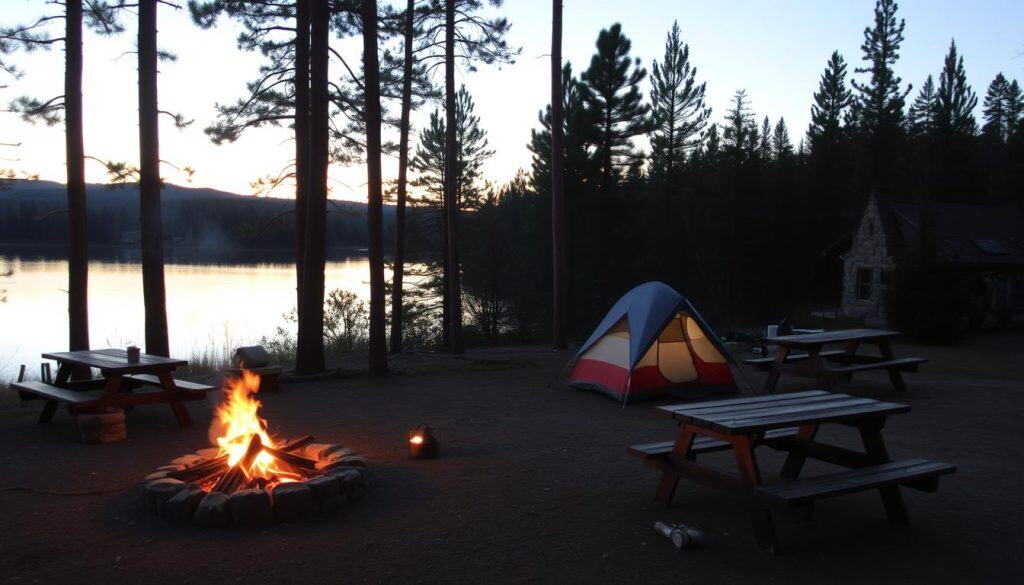
State parks are an excellent alternative to national parks, offering beautiful natural settings and good facilities with less competition for campsites. Camping regulations and permit requirements vary by state, so it’s essential to check the specific state’s park service website for information on permits and availability.
Bureau of Land Management (BLM) Lands
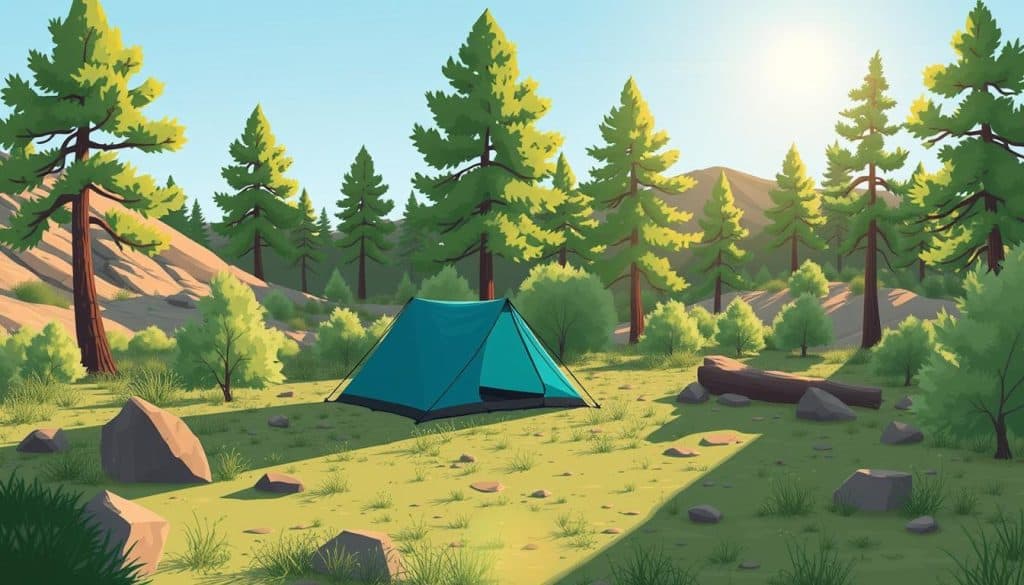
The Bureau of Land Management oversees vast tracts of public land, offering both designated campgrounds and dispersed camping opportunities. On BLM lands, campers are generally allowed to camp for up to 14 days within a 28-day period. It’s crucial to follow the specific regulations for the area you plan to visit.
National Forests and Grasslands
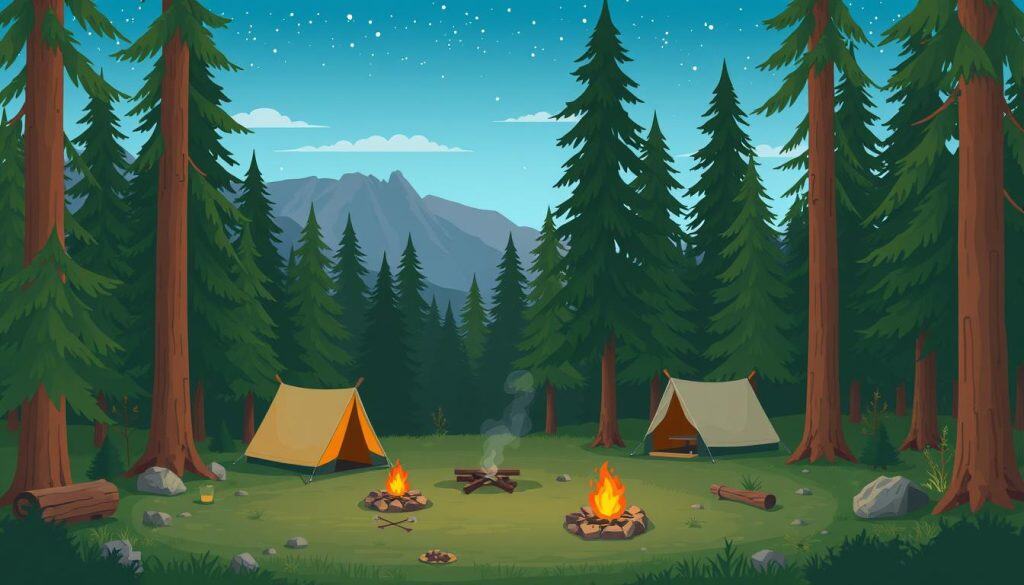
National Forests and Grasslands provide extensive camping opportunities, especially for those seeking dispersed camping with fewer restrictions. These public lands often border national parks, making them a good alternative when park campgrounds are full. Campers should be aware of the specific rules and regulations for the forest or grassland they plan to visit.
In conclusion, the U.S. offers a diverse range of public lands for camping, each with its unique characteristics and regulations. By understanding these differences, campers can choose the best location for their needs and preferences.
How to Find the Perfect Camping Spot
The search for a great campsite is an essential part of any camping trip, and there are several factors to consider. When planning your next outdoor adventure, think about the type of experience you’re looking for. Are you seeking solitude in the wilderness or a family-friendly campground with amenities?
Planning Your Search
To find the perfect camping spot, start by identifying your needs and preferences. Consider factors like desired amenities, accessibility, privacy level, and proximity to attractions. For instance, if you’re planning a trip with kids, you might prioritize campgrounds with playgrounds and flush toilets. On the other hand, if you’re looking for a more secluded experience, you might opt for dispersed camping on public lands.
What Makes a Good Campsite
A good campsite should offer a combination of natural beauty, comfort, and practicality. Look for a spot with flat ground, natural shelter, and access to water or the ability to carry sufficient water. Consider the scenic value and distance from potential hazards like floodplains or wildlife habitats. You’ll also want to ensure that the site provides protection from wind and has proper drainage in case of rain.
Using Apps and Resources to Locate Sites
There are numerous apps and websites that can help you locate suitable campsites. Some popular options include recreation.gov, Campendium, and iOverlander. These resources allow you to filter search results based on your preferences and provide valuable information about camping conditions and availability. Don’t forget to contact local ranger stations or visitor centers for up-to-date information and tips on finding the best spots.
When searching for a campsite, it’s essential to have backup plans in case your preferred site is unavailable or conditions change. By being flexible and prepared, you can ensure a successful and enjoyable camping trip.
Tips for Stealth Camping
Stealth camping, also known as wild or dispersed camping, demands a certain level of finesse to avoid detection and minimize environmental impact. Whether you’re on a road trip or exploring dispersed camping areas, setting up camp discreetly is crucial.
Setting Up Camp Discreetly
To camp discreetly, arrive late and leave early to avoid drawing attention to your campsite. Choose gear with natural colors that blend in with the surroundings, and minimize noise and light after dark. Positioning your tent away from trails and roads is also essential.
When selecting a campsite, consider the terrain and vegetation. Avoid sensitive habitats and areas with fragile ecosystems. Make sure you’re not trespassing on private land or violating local regulations.
Leave No Trace Principles
Following Leave No Trace principles is vital for stealth camping. This includes proper disposal of waste, minimizing campfire impacts, and respecting wildlife. Leave the campsite as you found it, without any signs of your presence.
By adopting these practices, you not only minimize your impact on the environment but also help preserve access to these areas for future camping enthusiasts. Remember, responsible wild camping is about enjoying nature while protecting it.
Conclusion: Responsible Camping Practices
Embracing the spirit of adventure, campers can enjoy the beauty of nature while preserving it for future generations. By understanding the regulations and opportunities available, you can make the most of your camping experience. Whether you prefer dispersed camping or designated campgrounds, there’s a wealth of options on public lands, including national parks and Bureau of Land Management areas.
To ensure continued access to these areas, it’s crucial to adopt Leave No Trace principles and be mindful of your impact on the environment. By doing so, you’ll not only enhance your own camping experience but also contribute to the preservation of our natural resources.
FAQ
What is dispersed camping, and how does it differ from camping in designated campsites?
Dispersed camping refers to camping outside of designated campsites, often on public lands managed by agencies like the Bureau of Land Management. Unlike designated campsites, dispersed camping typically doesn’t offer amenities like restrooms or potable water.
Are there any restrictions on camping in national parks?
Yes, national parks have specific regulations regarding camping. Some areas may be restricted due to environmental concerns or wildlife protection. It’s essential to check with park rangers or the park’s website for information on designated campsites and any specific rules.
What is the Bureau of Land Management’s policy on camping?
The Bureau of Land Management (BLM) allows dispersed camping on many of its lands. However, some areas may be closed due to environmental or other concerns. It’s crucial to check with local BLM offices for specific information on camping regulations and restrictions.
How do I find a good campsite on public lands?
To find a good campsite, consider factors like proximity to water, terrain, and potential environmental impacts. Utilize online resources, such as camping apps and websites, to locate campsites and gather information on regulations and amenities.
What are the benefits of camping in designated campgrounds?
Designated campgrounds often provide amenities like restrooms, potable water, and picnic tables, making for a more comfortable camping experience. They also tend to be located in scenic areas and may offer additional recreational activities.
What is stealth camping, and how do I do it responsibly?
Stealth camping involves setting up camp discreetly, often in areas not designated for camping. To do it responsibly, follow Leave No Trace principles, be mindful of your surroundings, and respect local regulations and private property.
Can I camp on private land?
Camping on private land requires permission from the landowner. Always obtain explicit permission before setting up camp, and be respectful of the land and any rules provided by the owner.
Are there any specific rules for camping in state parks?
State parks have their own regulations regarding camping, which can vary significantly. Check with the specific state park or its website for information on campsite reservations, rules, and any specific restrictions.