
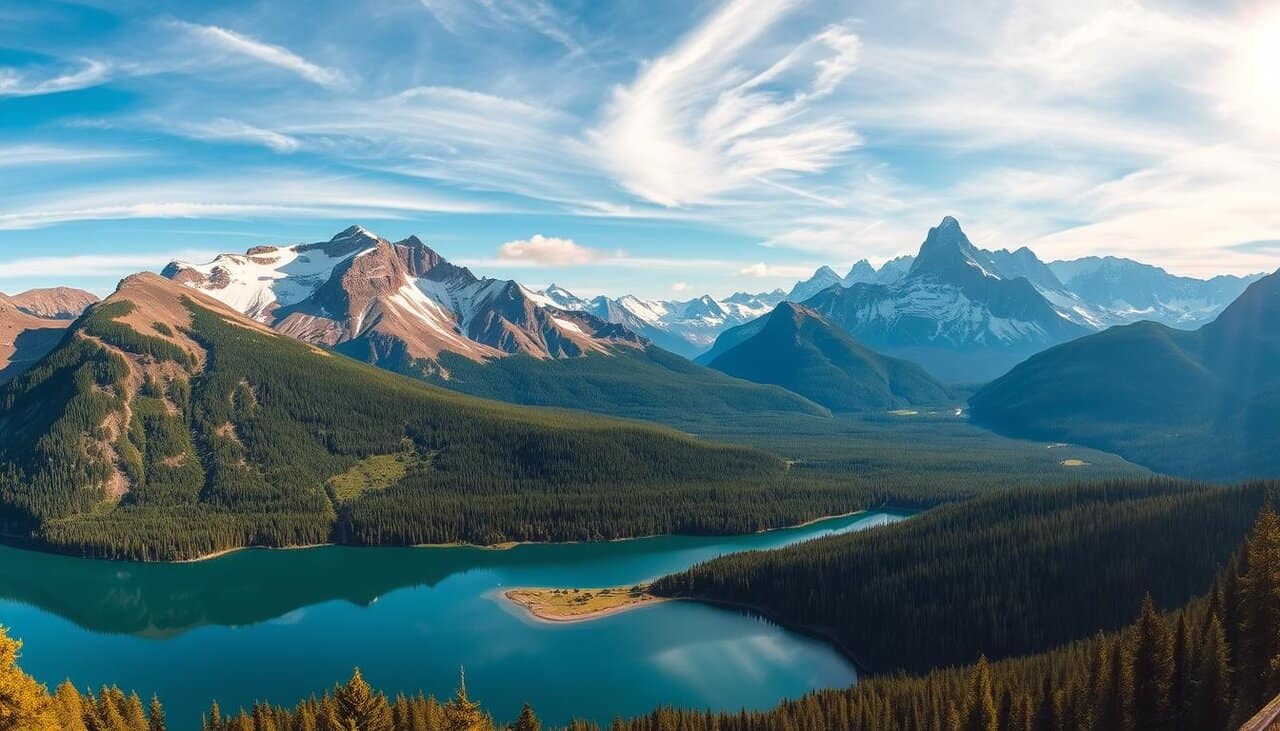
Imagine experiencing the breathtaking beauty of two of North America’s most stunning national parks in one trip. Many travelers have successfully done just that, combining Glacier National Park and Banff National Park into an unforgettable adventure.
The drive between these two magnificent destinations takes around 5-6 hours, but the scenic views and diverse wildlife make it well worth the journey. Both parks offer turquoise lakes, alpine scenery, and incredible wildlife viewing opportunities, making them complementary destinations that enhance the overall travel experience.
For those looking to maximize their mountain experience, visiting both Glacier and Banff can be a great option. Travelers who have completed this two-park adventure often rave about the unique features of each park and the ease of combining them into a single, memorable trip.
Key Takeaways
- Glacier National Park and Banff National Park can be combined into a single trip for a unique mountain experience.
- The driving distance between the two parks is approximately 5-6 hours.
- Both parks offer stunning natural beauty and diverse wildlife viewing opportunities.
- Travelers can experience the best of the Canadian and American Rockies by visiting both parks.
- Combining the two parks into one trip can be a practical and worthwhile adventure.
Planning Your Glacier and Banff Combined Adventure
If you’re considering visiting both Glacier and Banff, understanding the logistics is key to a successful trip. Combining these two stunning national parks into one adventure requires careful planning, but with the right information, you can create an unforgettable journey.
Distance and Travel Time Between Parks
The drive between Glacier National Park and Banff National Park takes approximately 5-6 hours, depending on the route you take and the stops you make along the way. This journey is not just about the destination; the scenic route through the beautiful mountain landscapes is an experience in itself. You can enjoy the breathtaking views of the Canadian Rockies and the stunning scenery of Montana’s Glacier National Park.
Best Time of Year for Visiting Both Parks
The best time to visit both parks is typically from June through September when all roads are open. However, this period is peak tourist season, and you can expect larger crowds. For a more peaceful experience, consider visiting during the shoulder seasons – May or October. These months offer fewer crowds, though some facilities and roads might be closed. For more information on visiting Montana’s national parks, check out this guide on the best time to visit Montana national.
How Many Days You’ll Need
Most travelers recommend spending at least 7-10 days to adequately experience both Glacier National Park and Banff National Park. This duration allows you to explore the highlights of both parks without feeling rushed. However, if you’re short on time, a 4-day itinerary focusing on the most spectacular attractions is also possible. Here’s a rough breakdown of how you might allocate your time:
- Spend 2-3 days exploring the scenic drives and attractions in Glacier National Park.
- Allocate 2-3 days for Banff National Park, including visits to Lake Louise and the Icefields Parkway.
- Use the remaining days for travel between the parks and any additional activities or detours.
Transportation Options for Cross-Border Travel
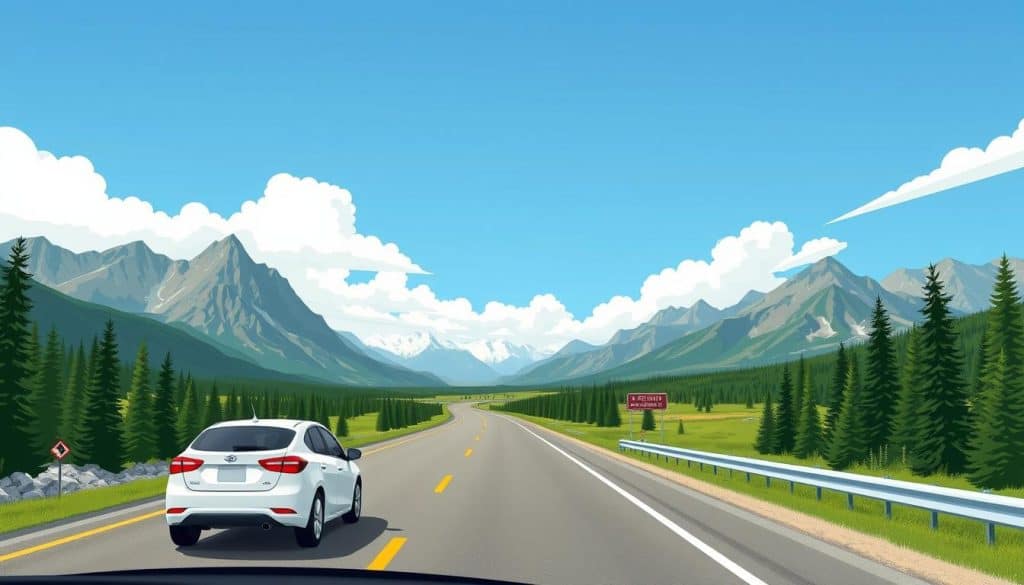
With the right information, traveling between Glacier National Park and Banff can be a straightforward and enjoyable experience. One of the key challenges is crossing the border between the U.S. and Canada, but there are several transportation options available to make your journey smoother.
Rental Car Considerations
Many rental car companies have restrictions on cross-border travel, so it’s essential to check the policy before booking. Some companies may allow it, while others might charge additional fees or require special permits. If you’re planning to drive from one park to the other, ensure your rental agreement permits cross-border travel.
Shuttle Services
For those who prefer not to drive or deal with rental car restrictions, shuttle services are a convenient alternative. Companies like AM/PM Limo offer shuttle services from Calgary airport to East Glacier Village, making it easier to travel between the two national parks without the hassle of driving.
Flying Options
Flying is another viable option for traveling between Glacier National Park and Banff. You can fly into Calgary International Airport for Banff or Glacier Park International Airport near Kalispell for Glacier National Park. Some travelers also arrange one-way rentals on each side of the border to avoid cross-border rental restrictions, providing more flexibility in their travel plans.
Whether you choose to drive, take a shuttle, or fly, planning ahead is crucial to ensure a smooth trip. By understanding your transportation options and their requirements, you can enjoy a stress-free journey between these two beautiful national parks.
Essential Reservations and Passes
A successful trip to Glacier National Park and Banff hinges on securing the right reservations and passes ahead of time. To help you plan, I’ll outline the crucial steps and requirements for a smooth journey.
Parks Canada Pass Requirements
For Banff National Park, a Parks Canada Pass is mandatory. It’s advisable to purchase and print your pass before arrival to save time at the park entrances. You can obtain this pass online through the official Parks Canada website.
Going-to-the-Sun Road Vehicle Reservations
Glacier National Park’s Going-to-the-Sun Road is a breathtaking drive, but it requires a vehicle reservation between 6AM-3PM during peak season. These reservations tend to sell out quickly, so it’s essential to plan ahead.
Shuttle and Attraction Tickets to Book in Advance
To make the most of your trip, consider booking shuttle and attraction tickets in advance. Services like the Lake Louise/Moraine Lake shuttle, Banff Gondola, and Columbia Icefield Adventure often require reservations 2-3 months prior to your visit. Additionally, Many Glacier boat tours can fill up quickly, so early booking is recommended.
For more information on planning your trip during the best time to visit, check out our guide on the best time to visit West USA National.
By securing these reservations and passes in advance, you’ll be able to enjoy a more relaxed and fulfilling experience in both Glacier National Park and Banff.
Can You Do Glacier and Banff in the Same Trip? Sample Itineraries
If you’re wondering whether you can visit both Glacier and Banff in one trip, the answer is yes, and I’m here to guide you through it. Combining these two stunning national parks into a single adventure requires some planning, but with the right itinerary, you can experience the best of both worlds.
7-Day Itinerary: Banff to Glacier
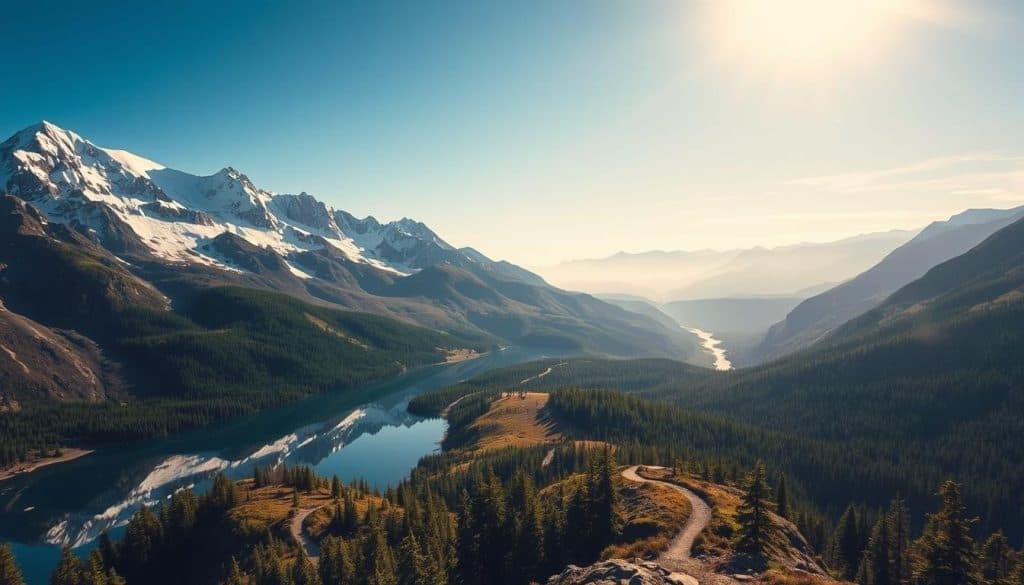
A 7-day itinerary is a great way to balance your time between Banff National Park and Glacier National Park. You can spend 3-4 days exploring Lake Louise, Moraine Lake, the Banff Gondola, and the breathtaking Icefields Parkway. Then, head to Glacier National Park for 3 days, where you can drive the Going-to-the-Sun Road, hike the Hidden Lake Trail, and visit the Many Glacier area. Consider staying at a hotel in the Lake Louise area for its scenic views and convenient access to major attractions.
10-Day Comprehensive Itinerary
For those with more time, a 10-day itinerary allows for a more relaxed pace and the opportunity to explore additional destinations like Jasper National Park. You can spend your days hiking various trails, taking in the stunning views, and enjoying dinner at one of the many excellent restaurants in the area. This extended itinerary provides the flexibility to explore off-the-beaten-path locations and truly immerse yourself in the natural beauty of the region.
Weekend Warrior: 4-Day Highlights Tour
If time is limited, a 4-day “Weekend Warrior” itinerary focuses on the major highlights of both parks. You can visit Lake Louise and Moraine Lake in Banff, then head to Glacier National Park to drive the Going-to-the-Sun Road and hike to Hidden Lake. This condensed itinerary is perfect for those with a busy schedule, offering a taste of the evening serenity in these beautiful national parks.
Each of these itineraries offers a unique way to experience the beauty of Glacier National Park and Banff National Park. By planning your day-to-day activities, choosing the right hotel, and making the most of your time in these incredible areas, you can create an unforgettable mountain adventure.
Must-See Attractions in Both Parks
The combination of Banff and Glacier National Parks in one trip offers a diverse range of landscapes and experiences that are not to be missed. From the turquoise lakes of Banff to the alpine scenery of Glacier, there’s no shortage of breathtaking sights.
Banff Highlights: Lake Louise, Moraine Lake, and Icefields Parkway
Banff National Park is home to some of the most stunning natural beauty in the Canadian Rockies. Lake Louise and Moraine Lake are must-visit destinations, known for their vibrant turquoise waters surrounded by towering mountains. The Icefields Parkway, one of the world’s most scenic drives, offers breathtaking views of glaciers and mountain peaks.
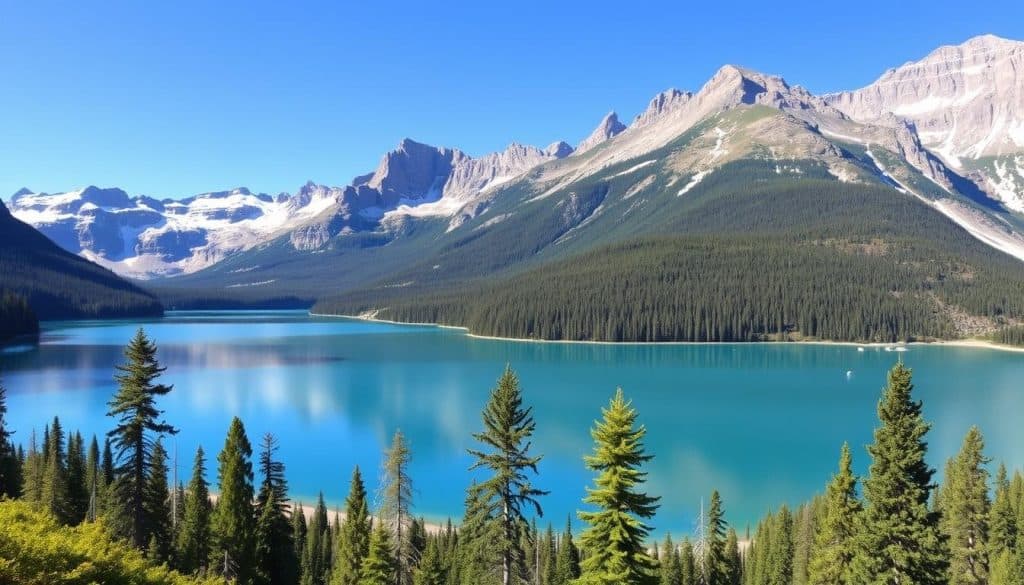
A visit to the Columbia Icefield Adventure allows you to walk on a glacier, an experience that’s both exhilarating and humbling. These attractions are not just visually stunning; they also offer a range of outdoor activities, from hiking and canoeing to simply taking in the views.
Glacier National Park Essentials: Going-to-the-Sun Road and Hidden Lake
Glacier National Park is renowned for its Going-to-the-Sun Road, an engineering marvel that traverses the park, offering spectacular mountain views. The Hidden Lake Trail is another essential experience, providing opportunities to see wildlife and enjoy alpine scenery.
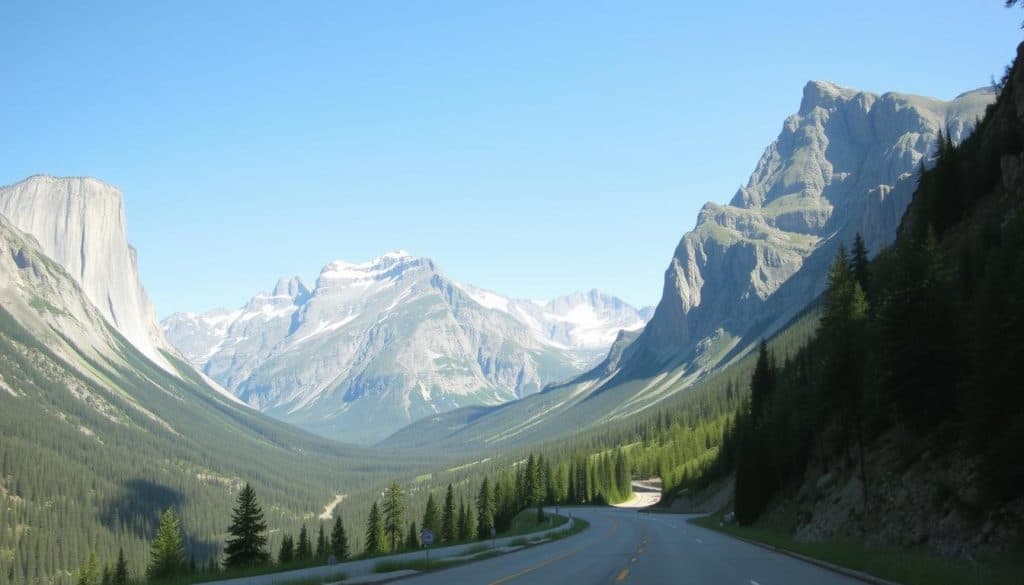
The road and trail are not just about the destinations; they’re about the journey, with numerous viewpoints and hiking trails along the way that offer unforgettable experiences.
Hidden Gems Worth the Detour
Beyond the main attractions, both parks have hidden gems worth exploring. In Banff, Johnston Canyon is a lesser-known spot that offers stunning views and unique geological formations. In Glacier, the Many Glacier area is a must-visit for its picturesque lakes and abundant wildlife.
These detours offer a chance to experience the parks without the crowds, making for a more intimate and personal connection with nature.
Conclusion: Making the Most of Your Two-Park Adventure
Imagine exploring the breathtaking landscapes of Glacier National Park and Banff National Park in a single, extraordinary journey. Combining these two stunning destinations into one trip is not only feasible but highly recommended for mountain enthusiasts. The scenic drive between the parks, which takes around 5-6 hours, is manageable and offers picturesque views along the way.
To make the most of your trip, advance planning is crucial. Booking reservations at popular hotels like the Fairmont properties in Banff and Many Glacier Hotel in Glacier National Park well in advance is essential. Visiting during the shoulder seasons, such as late June or September, can help you avoid crowds while still enjoying most attractions.
When approaching this two-park adventure, it’s essential to appreciate the unique features of each park rather than comparing them.Embracing their differences will enrich your experience. To ensure a smooth journey, consider downloading offline maps for areas with limited connectivity and remain flexible to accommodate any unexpected changes or discoveries along the way.
By doing so, you’ll create an unforgettable mountain experience that showcases the best of both American and Canadian Rockies. With the right mindset and planning, your trip to Glacier National Park and Banff National Park will be a truly memorable adventure.
FAQ
What’s the best time to visit Glacier National Park and Banff National Park?
The best time to visit both parks is from late June to early October, when the weather is warm and roads are open. July and August are peak months, with long days and access to hiking trails.
How many days should I plan for a trip to Glacier and Banff?
I recommend at least 7-10 days to explore both parks, but you can do a 4-day highlights tour if you’re short on time. The ideal duration depends on your travel style and interests.
What’s the distance between Glacier National Park and Banff National Park?
The driving distance between Glacier National Park’s West Glacier entrance and Banff National Park’s east entrance is approximately 290 miles, with a drive time of around 5-6 hours, depending on border wait times and road conditions.
Do I need a car to explore Glacier and Banff?
Having a car provides the most flexibility, but shuttle services and guided tours are available. If you plan to hike or explore remote areas, a car is the best option. Be sure to check road conditions and weather forecasts before heading out.
What are the must-see attractions in Glacier and Banff?
In Glacier, drive the Going-to-the-Sun Road and visit Hidden Lake. In Banff, explore Lake Louise, Moraine Lake, and the Icefields Parkway. Don’t miss the stunning mountain vistas and abundant wildlife viewing opportunities.
Are there any specific passes or reservations required for visiting both parks?
You’ll need a Parks Canada Discovery Pass for Banff and an America the Beautiful annual pass or a Glacier National Park entrance pass. Consider reserving a spot on the Going-to-the-Sun Road and booking shuttle tickets in advance to avoid sold-out situations.
What’s the process for crossing the border between the US and Canada?
Be prepared to stop at designated border crossings, where you’ll need to present a valid passport, enhanced driver’s license, or other accepted travel documents. Check with your car rental company for any border-crossing requirements or restrictions.