
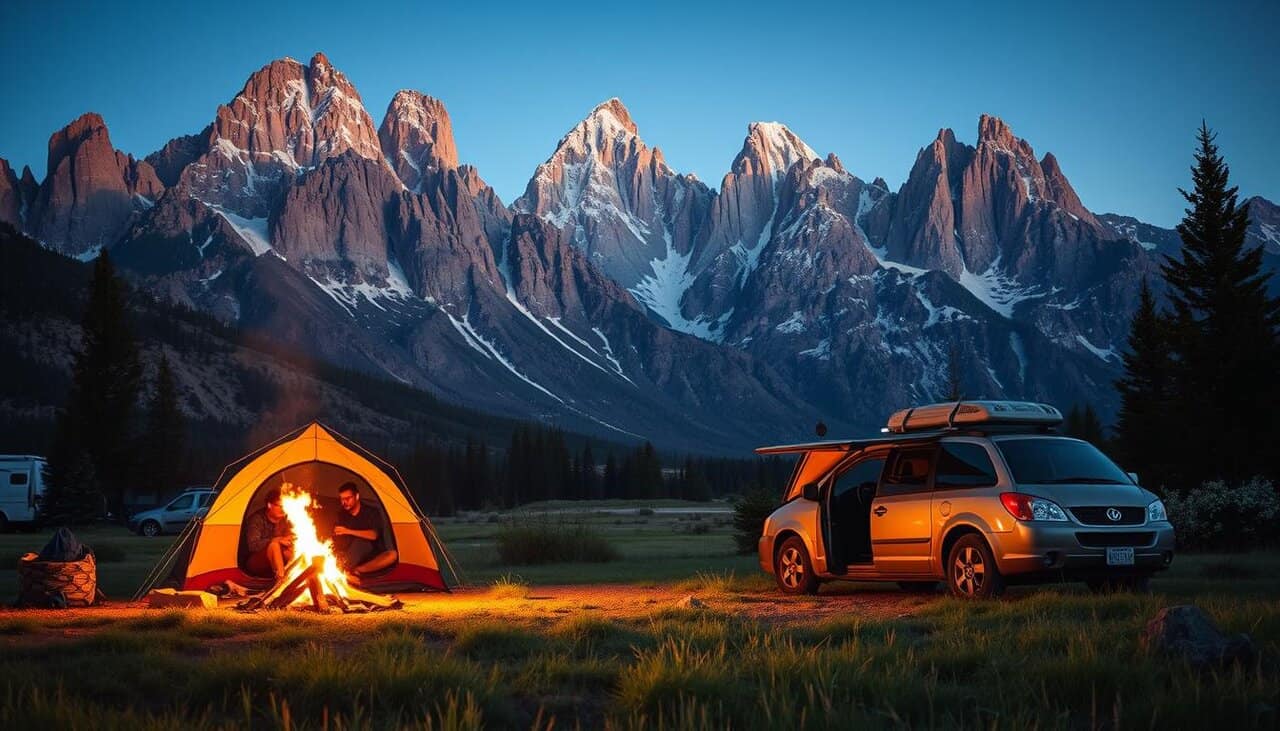
Did you know that Grand Teton National Park attracts millions of visitors each year, many of whom are drawn to its breathtaking landscapes and diverse wildlife?
As you plan your visit, you might wonder if you can sleep in your car within the park. This is a common question, especially for budget travelers or those on spontaneous trips. However, it’s essential to understand that sleeping in your car or RV is generally not permitted within Teton National except in designated campsites.
For those looking for alternatives, the park offers various camping options. It’s crucial to familiarize yourself with the park’s regulations and plan ahead by checking the official Grand Teton National Park website to avoid any complications during your trip.
Key Takeaways
- Sleeping in your car is not allowed in Grand Teton except in designated campsites.
- Plan ahead and book your campsite in advance through Recreation.gov.
- Overnight parking at trailheads requires a backcountry permit.
- Familiarize yourself with park regulations to avoid penalties.
- Explore the various camping options available within the park.
Car Camping Regulations in Grand Teton National Park
When planning a trip to Grand Teton National Park, understanding the car camping regulations is crucial for a smooth and enjoyable experience. As you prepare for your visit, it’s essential to know that camping is not permitted within the park along roadsides, at overlooks, or parking areas. This rule is in place to maintain the park’s natural beauty and ensure visitor safety.
Official Policy on Sleeping in Vehicles
The official policy at Grand Teton National Park is clear: sleeping in your vehicle is not allowed outside of designated campsites. This means you can’t simply park your car at an overlook or a parking lot and spend the night. The park emphasizes the use of designated campsites for overnight stays, and doubling up in these sites is also prohibited. There are no overflow facilities available, so planning ahead is key.
Enforcement and Penalties
Park rangers take the no-sleeping-in-vehicles policy seriously and enforce it throughout Grand Teton National Park. They identify vehicles being used for overnight stays by looking for signs such as condensation on windows or reclined seats. Nighttime patrols are common in popular areas, and rangers approach enforcement with education first. However, repeated or blatant violations can result in fines and being asked to leave the area. During periods of high fire danger or increased wildlife activity, penalties may be more severe.
Understanding and respecting these regulations is vital for protecting both the park’s resources and visitor safety. By following the rules, you contribute to preserving the beauty and integrity of Grand Teton National Park for future generations.
Designated Campgrounds for Vehicle Camping
Grand Teton National Park offers several campgrounds for vehicle camping, each with its unique features. When planning your trip, it’s essential to choose a campground that suits your needs, whether you’re looking for basic tent sites or full-hookup RV sites.
Gros Ventre Campground
Gros Ventre Campground is one of the options available for vehicle camping. It offers basic amenities and is known for its scenic surroundings. The campground has potable water and showers available, making it a comfortable choice for campers.
Colter Bay Campground and RV Park
Colter Bay Campground and RV Park is another popular choice, offering a range of sites for both tents and RVs. It provides various amenities, including water and electrical hookups, making it suitable for different types of camping vehicles.
Signal Mountain Campground
Signal Mountain Campground is a scenic option that offers stunning views. It has a variety of sites and provides basic amenities to ensure a comfortable camping experience.
Headwaters Campground
Headwaters Campground & RV Park is located in the John D. Rockefeller, Jr. Memorial Parkway, between Grand Teton and Yellowstone National Parks. It offers 171 total sites, including tent-only sites, RV-only site with full hookups, and camper cabins. Amenities include complimentary WiFi, picnic tables, fire pit & grill grate, potable water, flush toilets, and showers. The campground also features full hookup RV sites with water, sewer, and electricity.
| Campground | Total Sites | Amenities |
|---|---|---|
| Gros Ventre | Variable | Basic, Water, Showers |
| Colter Bay | Variable | Water, Electrical Hookups |
| Signal Mountain | Variable | Basic |
| Headwaters | 171 | Full Hookups, WiFi, Water, Showers |
Reservation Requirements and Process
Planning a camping trip to Grand Teton National Park requires understanding the reservation process to secure your spot. With its breathtaking landscapes and diverse wildlife, Grand Teton is a popular destination, and its campsites fill up quickly.
Recreation.gov Booking System
The Recreation.gov platform is the official booking system for campsites within Grand Teton National Park. You can create an account, browse available campsites, and make reservations online. This system allows you to plan ahead and ensures that you get a spot at your preferred campground.
Reservation Timeline and Availability
It’s essential to plan ahead when making reservations for Grand Teton National Park. Campsites can be booked up to six months in advance, and the maximum length of stay varies by campground. For instance, Jenny Lake allows a maximum stay of seven days per person, while other campgrounds permit up to 14 days.
Fees and Payment Options
Understanding the camping fees and payment options is crucial. The fee structure varies depending on the type of campsite: standard sites, electric hookup sites, and group sites have different rates. You can pay through the Recreation.gov system, and some campgrounds may accept additional payment methods on-site. Discount passes, such as the America the Beautiful Pass and Senior Pass, can reduce certain fees.
When making a reservation, you’ll need to pay a reservation fee in addition to the nightly campsite rate. The total cost will depend on the length of your stay and the type of campsite you’ve chosen. Comparing the value of different site options to lodging outside the park can help you make an informed decision.
Campground Amenities and Facilities
Grand Teton National Park’s campgrounds offer a range of amenities to enhance your camping experience. As you plan your trip, understanding what’s available can help you prepare and make the most of your time in the park.
Restrooms and Shower Facilities
Most campgrounds within Grand Teton National Park are equipped with modern comfort stations. These facilities are designed to provide a clean and comfortable environment for campers. You’ll find that the restrooms are well-maintained, and many campsites also offer shower facilities, making your camping experience more enjoyable.
Water and Electrical Hookups
The campgrounds in Grand Teton offer potable water, which is essential for a comfortable camping experience. Some campsites also provide electrical hookups, allowing you to power your RV or other equipment. It’s a good idea to check the specific amenities available at your chosen campsite when you make your reservation.
Food Storage and Bear Safety
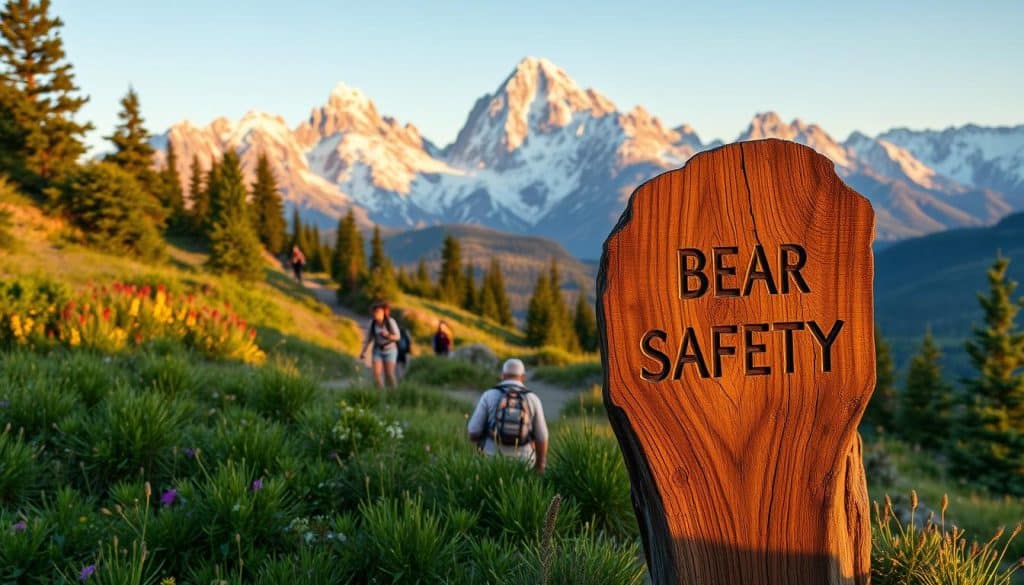
One of the critical aspects of camping in Grand Teton is bear safety. The park is home to both black and grizzly bears, and proper food storage is crucial to avoid attracting these animals to your campsite. You’ll find metal bear boxes at the campsites, which are designed to store food and other scented items securely. It’s essential to use these boxes correctly and to keep a clean campsite to minimize the risk of a bear encounter. Remember, proper food storage is not just about your safety; it’s also important for the well-being of the park’s wildlife.
Alternative Sleeping Options Near Grand Teton
For those who prefer not to camp, there are multiple alternative sleeping arrangements near Grand Teton National Park. If you’re looking for a more comfortable stay, you can consider various options within and around the park.
National Forest Camping
Just outside Grand Teton National Park, the National Forest offers camping opportunities. You can enjoy dispersed camping or stay at designated campsites. This option provides a more secluded experience and is ideal for those who want to immerse themselves in nature.
Nearby Private Campgrounds
If you prefer more amenities, private campgrounds near Grand Teton National Park are a good choice. These campgrounds often offer facilities like showers, laundry, and Wi-Fi. They can be a convenient alternative to camping within the park.
Lodging Options Within the Park
Grand Teton National Park offers various lodging options, ranging from luxury hotels to rustic cabins. You can choose from historic lodges like Jackson Lake Lodge, Jenny Lake Lodge, or Colter Bay Village, operated by Grand Teton Lodge Company. These lodges provide stunning views and prime locations within the park.
Here’s a comparison of the lodging options available within the park:
| Lodge | Accommodation Type | Price Range |
|---|---|---|
| Jackson Lake Lodge | Luxury Rooms, Cabins | $200-$500 per night |
| Jenny Lake Lodge | Cabins | $300-$600 per night |
| Colter Bay Village | Rooms, Tent Cabins | $100-$300 per night |
It’s essential to book your preferred lodging well in advance, as these options tend to fill up quickly, especially during peak season.
Seasonal Considerations for Car Camping
The beauty of Grand Teton National Park is accessible year-round, but each season brings its own set of challenges and advantages for campers. As you plan your trip, understanding these seasonal considerations can help you make the most of your car camping experience.
Summer Season Camping
Summer is the peak season for camping in Grand Teton, with warm weather and long days ideal for outdoor activities. However, it’s also the busiest time, and campsites fill up quickly. If you’re planning to camp during the summer, be sure to book your reservation well in advance through the Recreation.gov booking system. Summer is perfect for hiking, fishing, and wildlife watching, but be prepared for crowds and potential afternoon thunderstorms.
Winter Camping Regulations
Winter camping in Grand Teton offers a serene and peaceful experience, but it comes with its own set of challenges. Some campgrounds remain open during the winter months, but services may be limited. It’s essential to check the park’s website for up-to-date information on winter camping regulations and road access. Winter campers should be prepared for cold temperatures, snow, and potentially closed park roads.
Shoulder Season Availability
Camping during the shoulder seasons—spring and fall—can be a great way to avoid the crowds while still enjoying the park’s beauty. During these periods, many facilities are still open, and the scenery is particularly stunning, with spring wildflowers or fall colors. However, the weather can be unpredictable, with colder nights and potential snow in the fall, and muddy conditions in the spring due to snowmelt. The road conditions may also vary, so it’s crucial to check the park’s status before heading out.
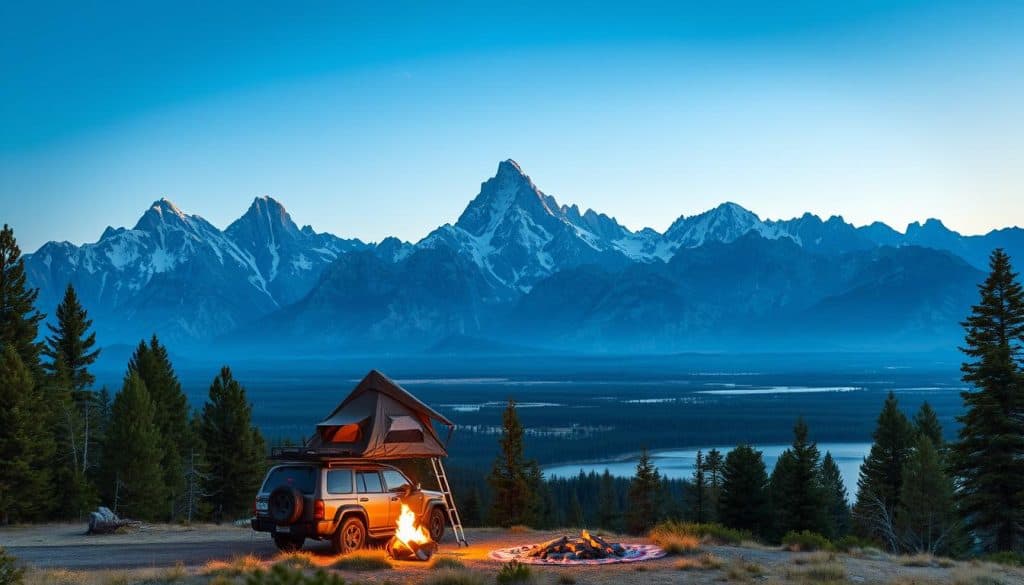
Understanding the seasonal dynamics can significantly enhance your car camping experience in Grand Teton National Park. Whether you choose the peak summer season, the serene winter months, or the shoulder seasons, being prepared for the conditions will ensure a memorable trip.
Essential Tips for a Successful Grand Teton Camping Experience
A successful camping experience in Grand Teton National Park depends on being prepared for the challenges that come with camping in the great outdoors. As you plan yourtripto this beautiful park, it’s essential to be aware of the potential hazards and take necessary precautions.
To start, it’s crucial to bebear-aware. Grand Teton National Park is home to black and grizzly bears, moose, deer, and other large animals. Being prepared for an animal encounter can help ensure your safety and the safety of the wildlife. Make sure to store yourfoodand trash properly, and keep a clean campsite.
When it comes to campfires, remember toDrown It, Stir It, Feel It. If your fire is too hot to touch, then it’s too hot to leave! Unattended or abandoned campfires can easily escalate into wildfires, so it’s essential to properly extinguish them.
In addition to wildlife safety and campfire protocols, there are other challenges to be aware of when camping in Grand Teton. Weather changes, insects, and crowded facilities can all impact your experience. To minimize your impact on the environment, followLeave No Tracepractices and be mindful of your surroundings.
By being prepared, flexible, and aware of your surroundings, you can have a safe and enjoyable camping experience in Grand Teton National Park. Take the time to disconnect from technology and appreciate the natural beauty of the park. With the right mindset and preparation, yourcampingtrip will be a memorable one.
Conclusion
Camping in Grand Teton National Park offers a unique way to experience the natural beauty of the area. To make the most of your trip, it’s crucial to understand the car camping regulations.
Sleeping in your car is only permitted in designated campsites within the park. To ensure a smooth camping experience, advance planning and reservations are highly recommended. Grand Teton National Park provides a range of camping options, from developed campgrounds like Gros Ventre and Colter Bay to alternative locations outside the park.
By respecting park regulations, you play a vital role in preserving the natural environment for future visitors. Despite the need for planning, the reward is well worth it: an unforgettable experience under the stars, surrounded by the Teton landscape. Embracing the designated camping options is part of the authentic national park experience, allowing you to truly connect with nature.
In conclusion, Grand Teton National Park is a place where you can trade the ordinary for an extraordinary adventure, making your trip a memorable one.
FAQ
What are the car camping regulations in Grand Teton National Park?
To camp in your vehicle, you must stay at a designated campground within the park, such as Gros Ventre, Colter Bay, or Signal Mountain.
Are there any campgrounds with shower facilities?
Yes, some campgrounds like Colter Bay Campground and RV Park offer shower facilities for campers.
How do I reserve a campsite in Grand Teton National Park?
You can book a campsite through the Recreation.gov website, which manages reservations for Grand Teton National Park campgrounds.
What are the rules for food storage and bear safety?
To prevent attracting bears, it’s essential to store food and trash properly in designated bear-proof containers or dumpsters.
Are there any alternative sleeping options near Grand Teton National Park?
Yes, you can consider camping in the nearby national forest or staying at private campgrounds and lodges within or around the park.
What are the seasonal considerations for car camping in Grand Teton?
Summer is peak season, while winter camping has specific regulations and limited facilities; shoulder season availability varies depending on the campground.
How can I ensure a successful camping experience in Grand Teton?
Plan ahead, make reservations early, and be prepared for variable weather conditions and wildlife encounters.
What amenities can I expect at the park’s campgrounds?
Campgrounds offer varying amenities, including restrooms, potable water, and picnic tables, but services like electrical hookups may be limited.
Is it allowed to have a picnic or campfire in non-designated areas?
No, picnics and campfires are only allowed in designated areas to maintain park safety and protect the environment.